
Reduce friction and wear, improve EV battery production precision, protect premium finishes, enable compact sensing and lighting optics, and advance hydrogen mobility with NTI coatings, coating equipment, polymer micro-optics and fuel-cell technologies built for production.
Efficiency, electrification, sustainability and intelligent vehicle functions are raising performance expectations across automotive components, production tools and optical systems, creating new demands for durability, precision, integration and production readiness.
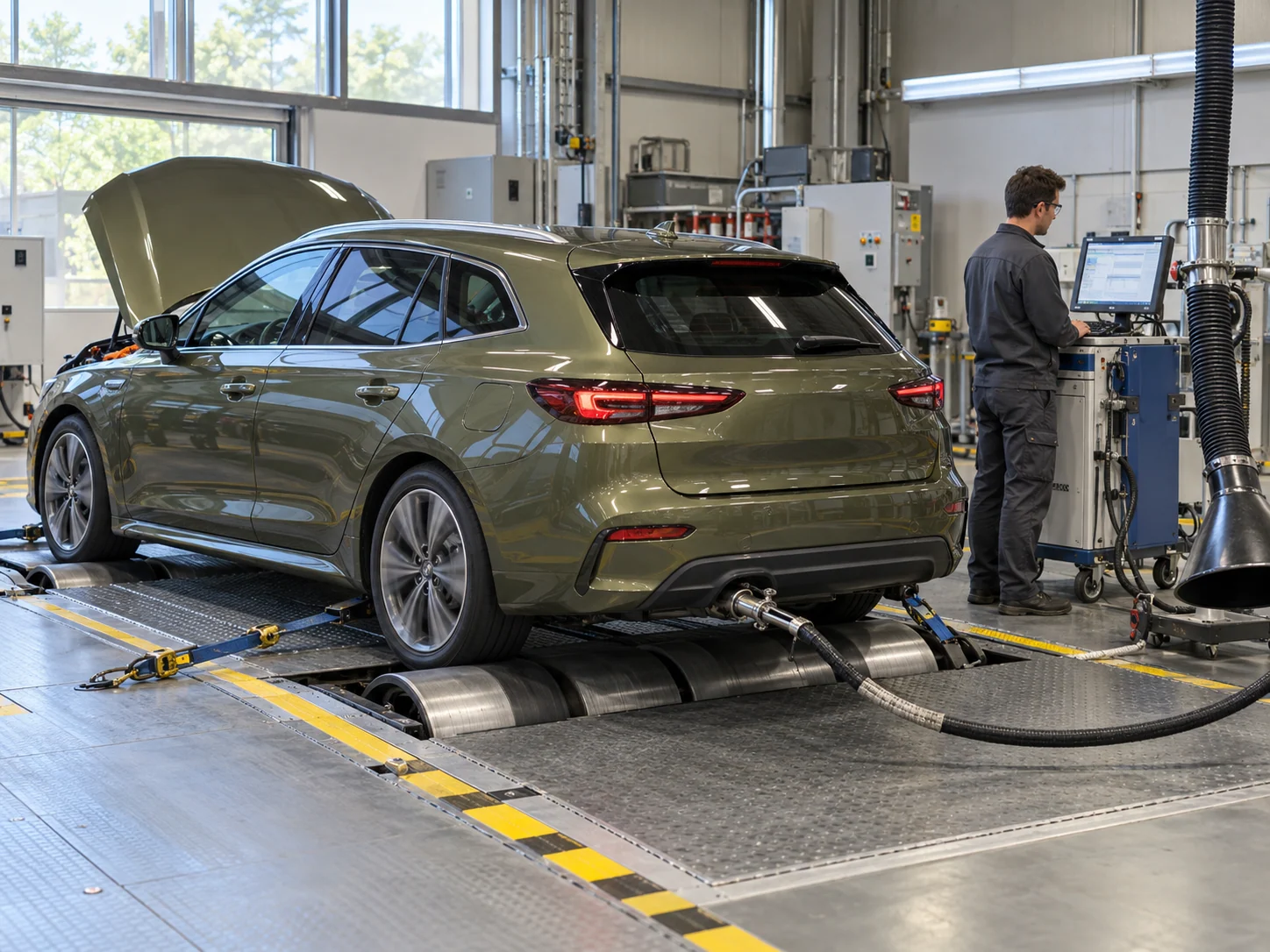
ICE and hybrid platforms remain under pressure to reduce mechanical losses, improve fuel efficiency and support tighter emissions targets without sacrificing durability.
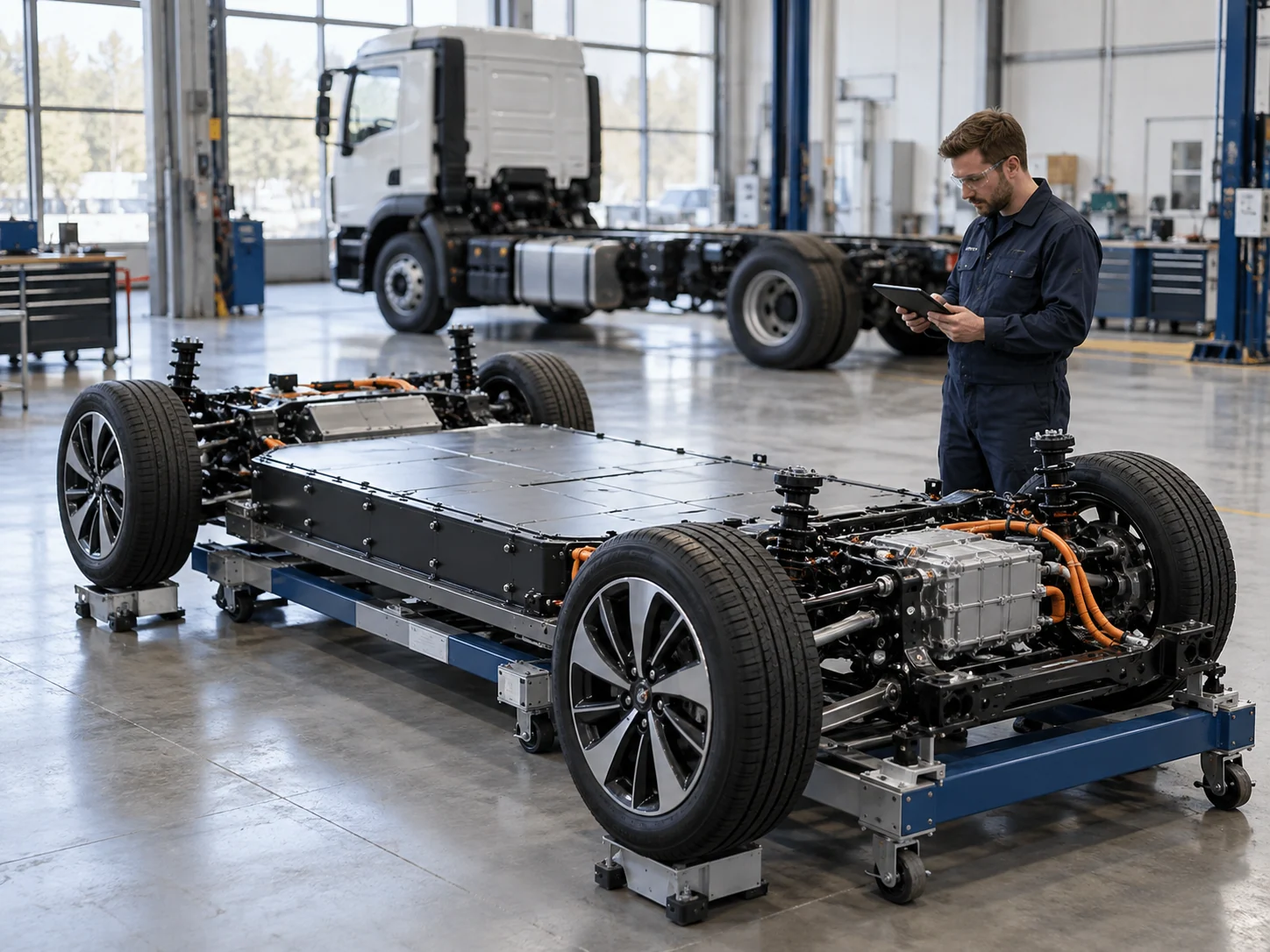
Battery-electric passenger cars and buses are moving into higher-volume production, while hydrogen fuel-cell systems offer a complementary route for trucks and other heavy-duty platforms.
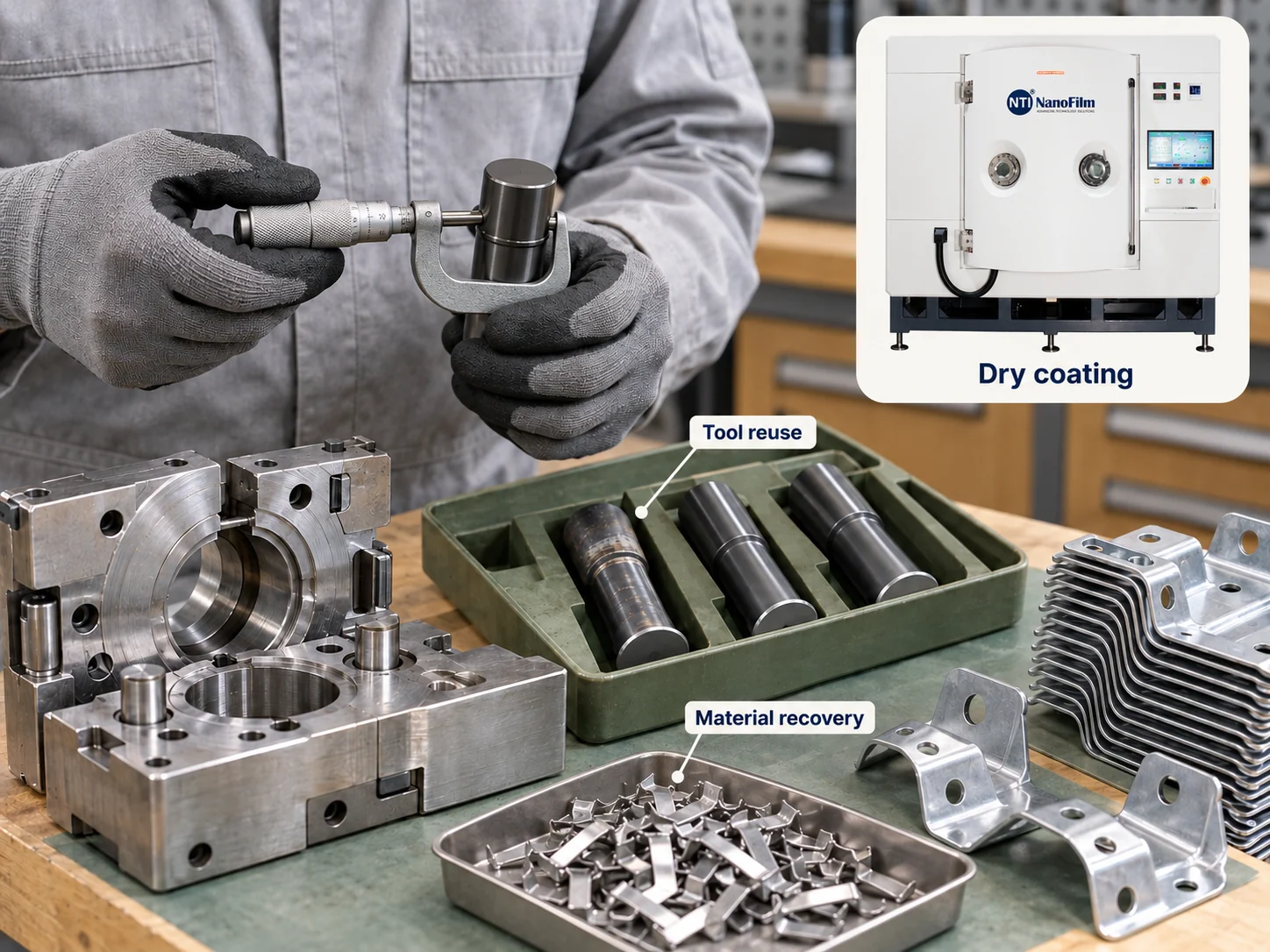
Lower waste, fewer process chemicals and longer-lasting tools and finishes are becoming more important as automotive manufacturing targets lower environmental impact.

ADAS, driver monitoring and light-carpet functions are increasing optical complexity while pushing for smaller modules, application-specific beam control and high-volume polymer optics.
From friction losses and cutting quality to corrosion, appearance and beam control, NTI connects each application challenge to the surface, optical or energy technology that can be validated for production.
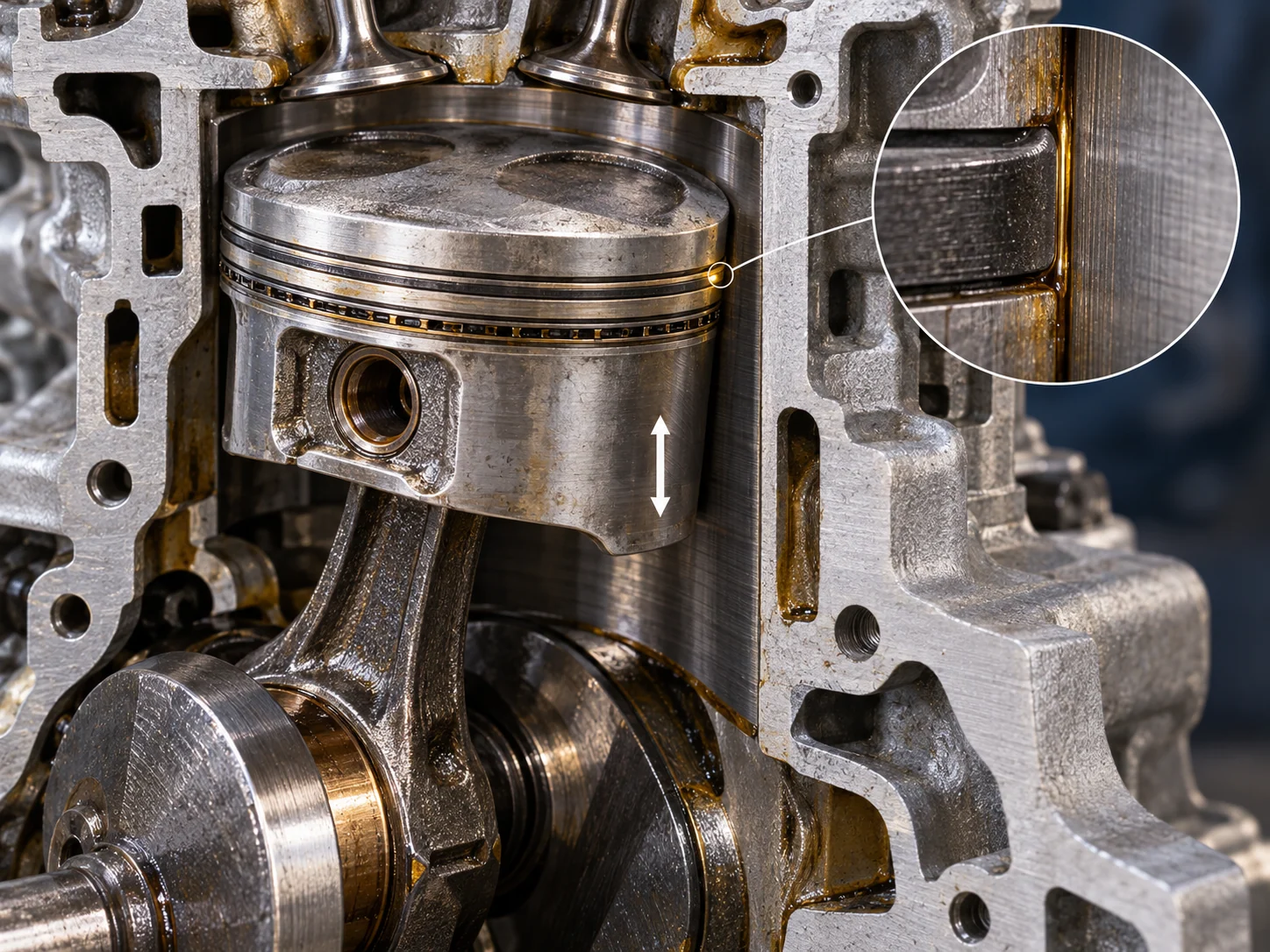
Lower-friction piston-ring surfaces reduce mechanical losses, supporting fuel efficiency and emissions performance while helping maintain sealing stability across long operating cycles.
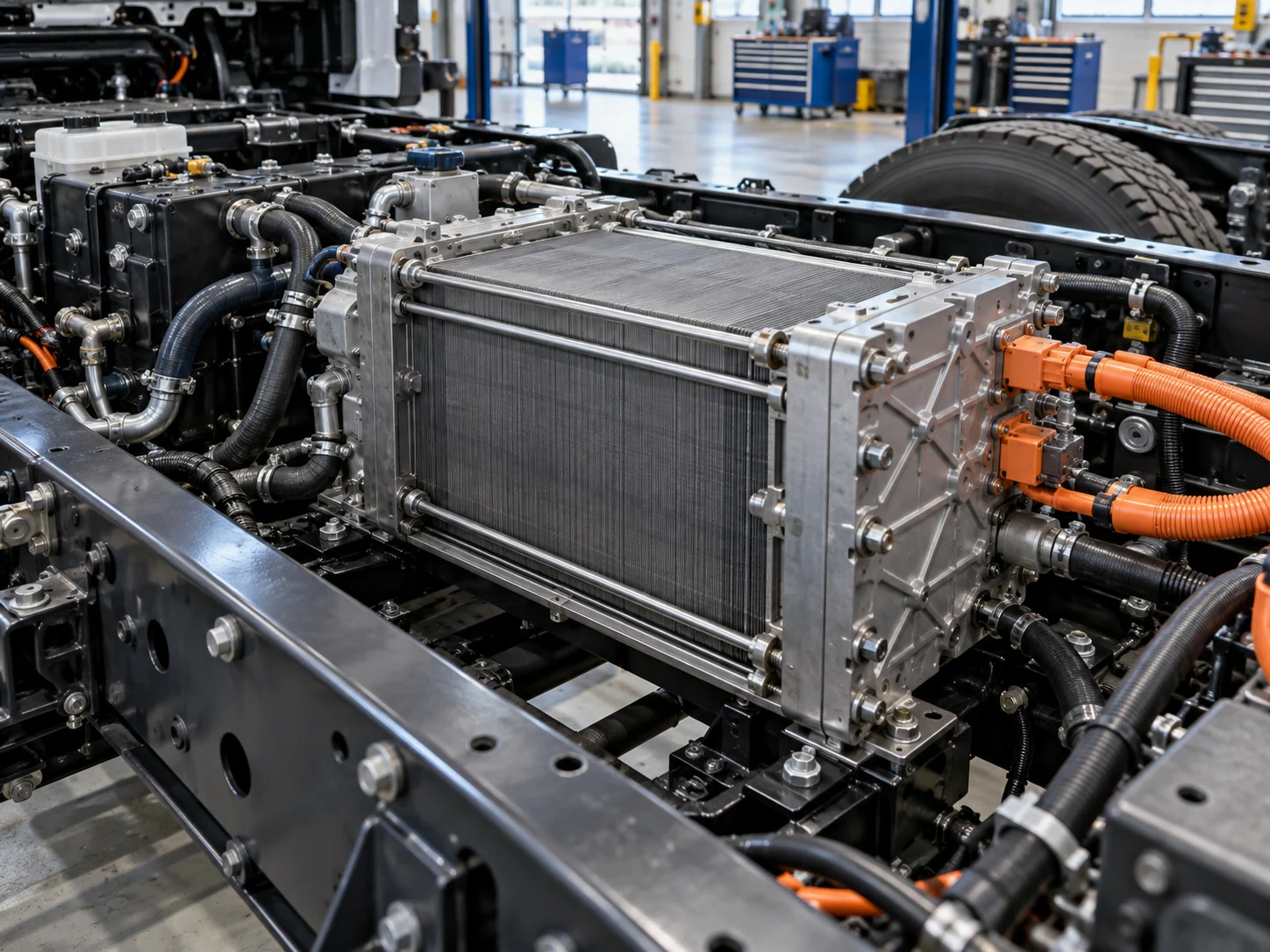
Higher PEM stack power density supports greater output within vehicle packaging constraints, strengthening integration across buses, trucks and other heavy-duty platforms.
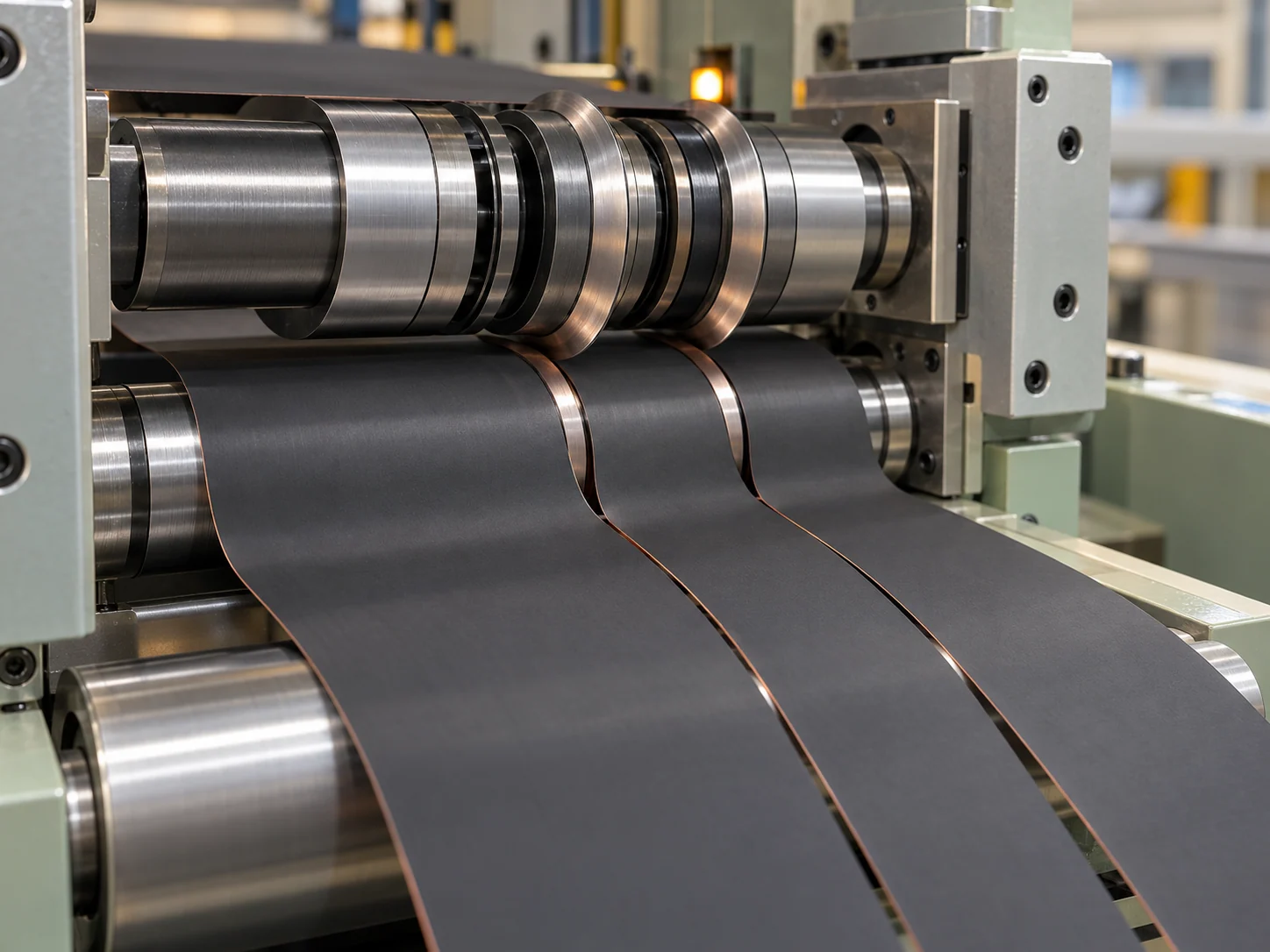
Reducing burr formation during electrode slitting protects foil edge integrity, lowers downstream defect risk and supports more consistent cutting in EV cell production.
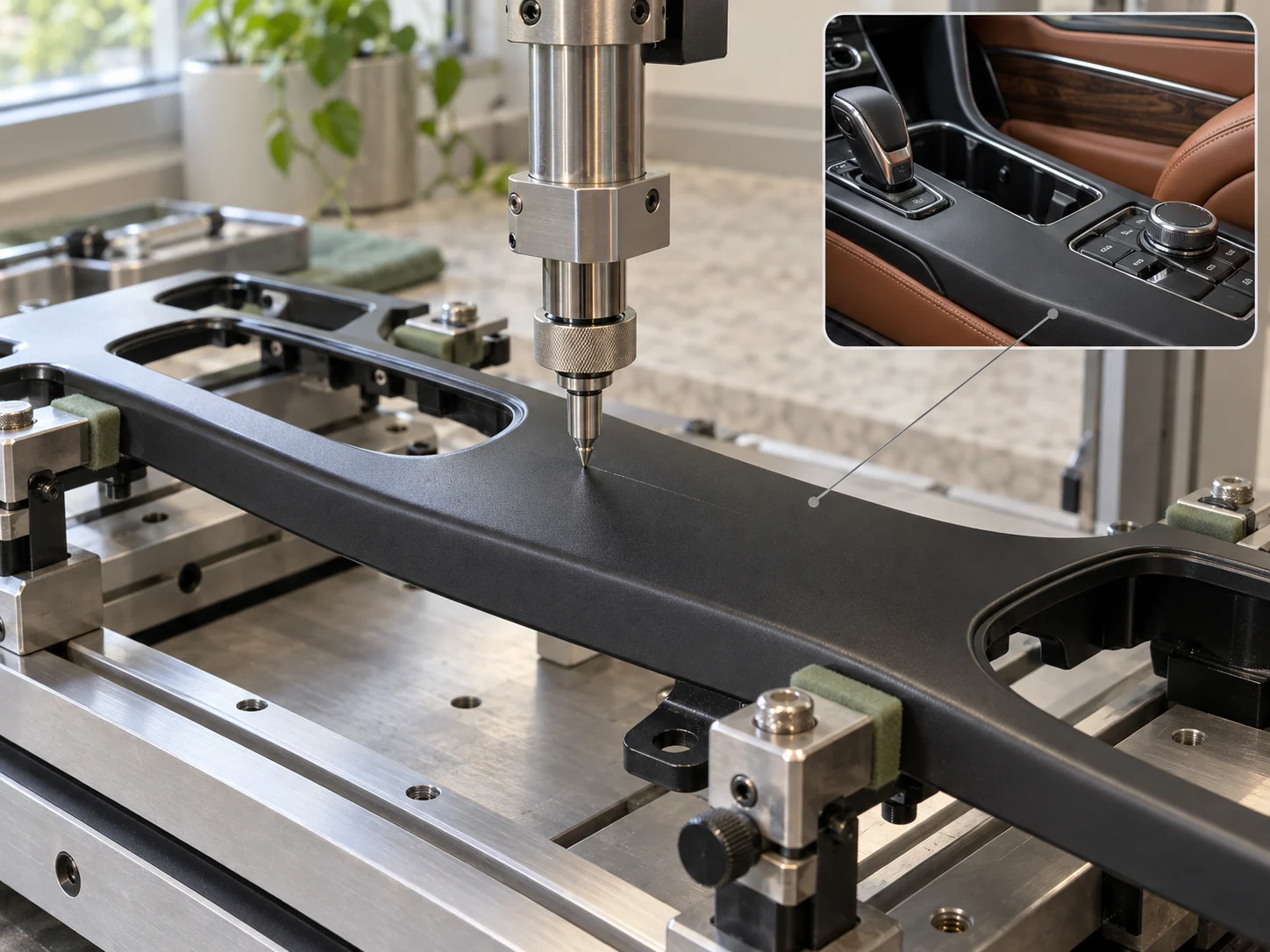
Scratch-resistant PVD surfaces help interior trims and controls retain premium appearance through repeated handling, cleaning and UV exposure over vehicle life.
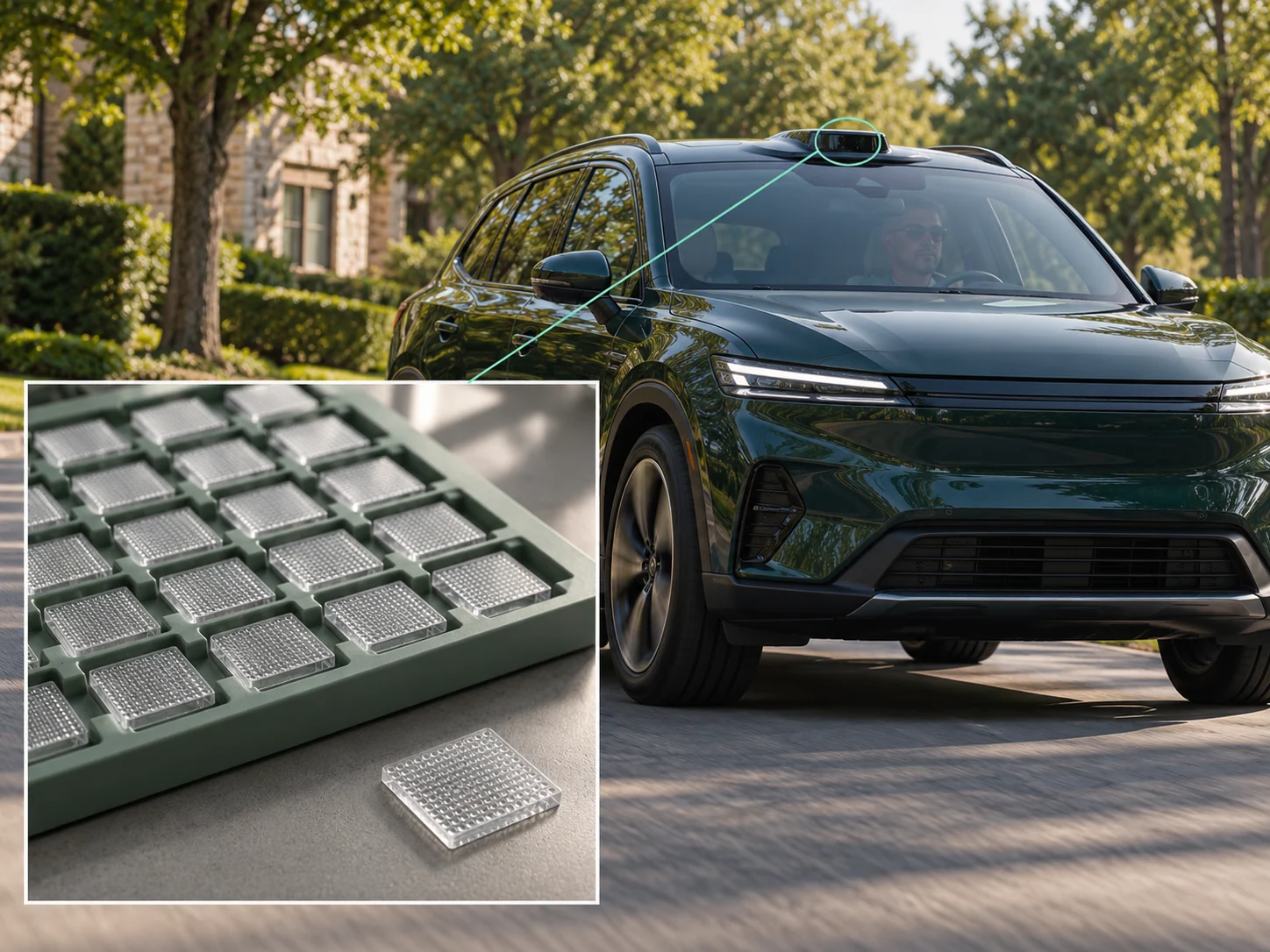
Accurate replication of micro-optical geometry preserves design intent across production, supporting consistent beam control in compact LiDAR and driver-monitoring modules.
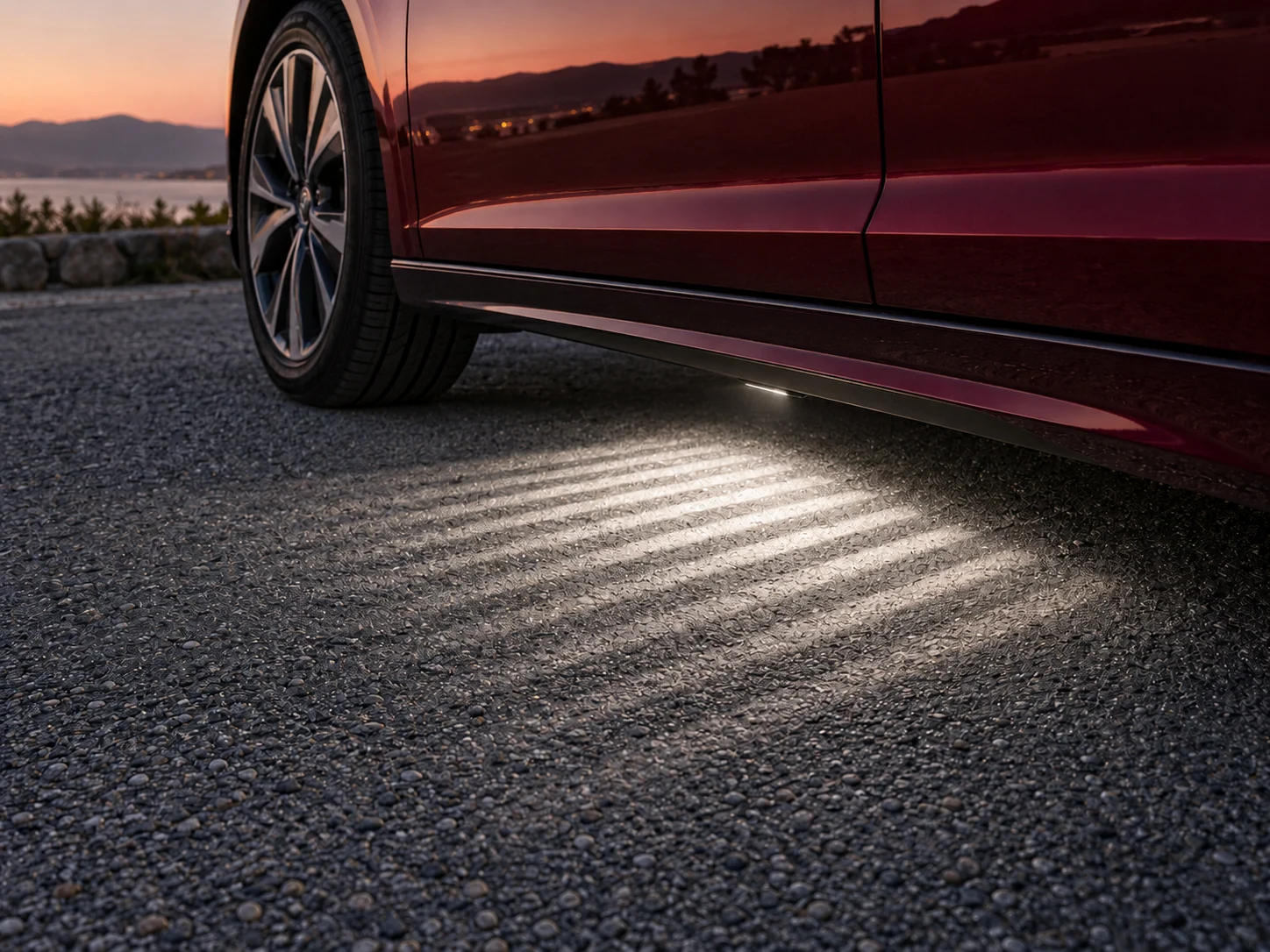
Uniform light distribution helps light-carpet optics deliver consistent patterns and controlled visual output for refined exterior lighting in automotive series production.
Across propulsion, battery manufacturing, interiors, fuel-cell systems and intelligent vehicle optics, NTI technologies address component-level performance and production challenges with solutions designed to move from qualification into series manufacturing.
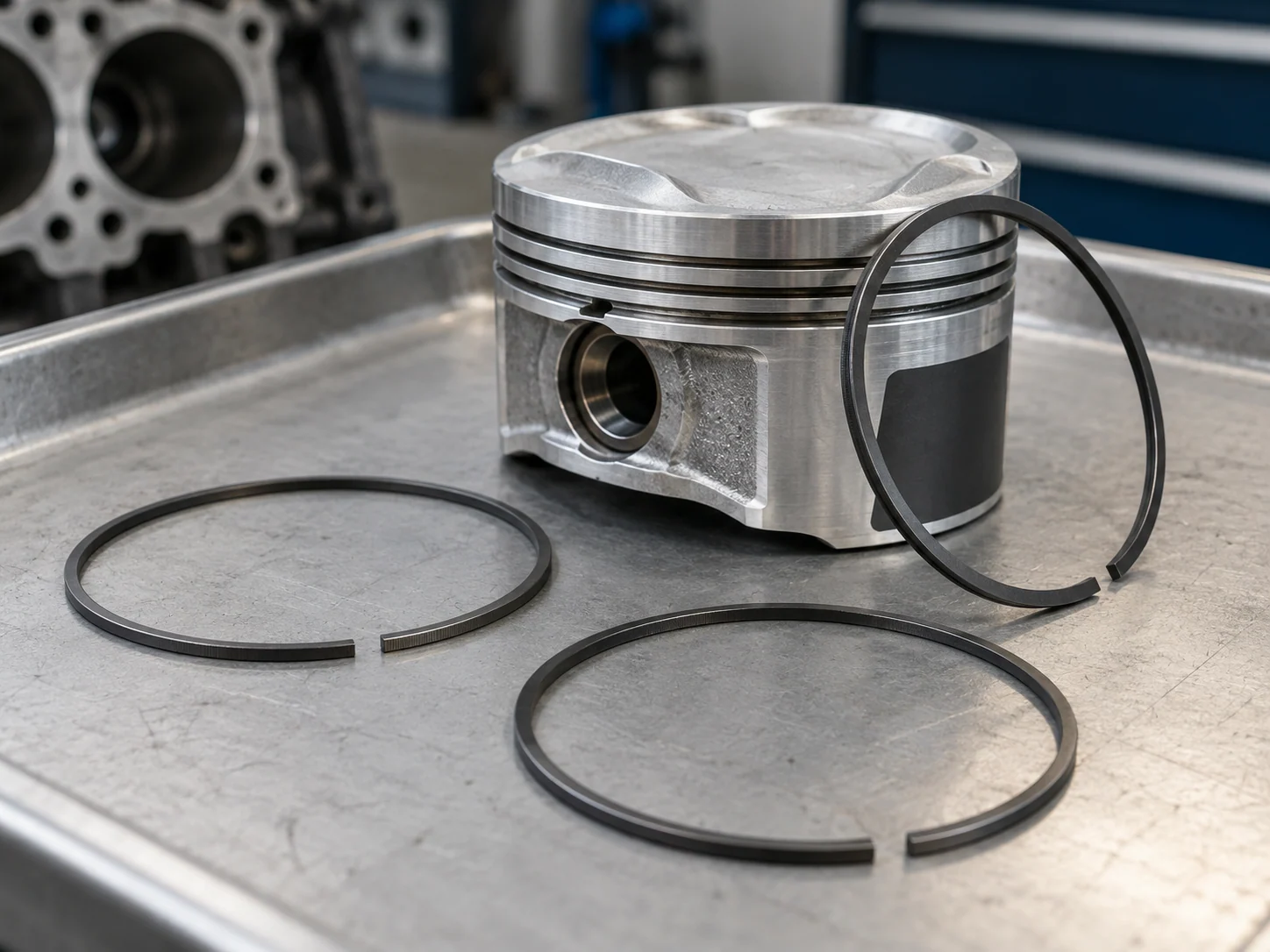
Fuel Efficiency · Wear · Sealing
i-TAC® reduces friction and wear, supporting lower mechanical losses, sealing stability and longer service life across ICE and hybrid powertrains.
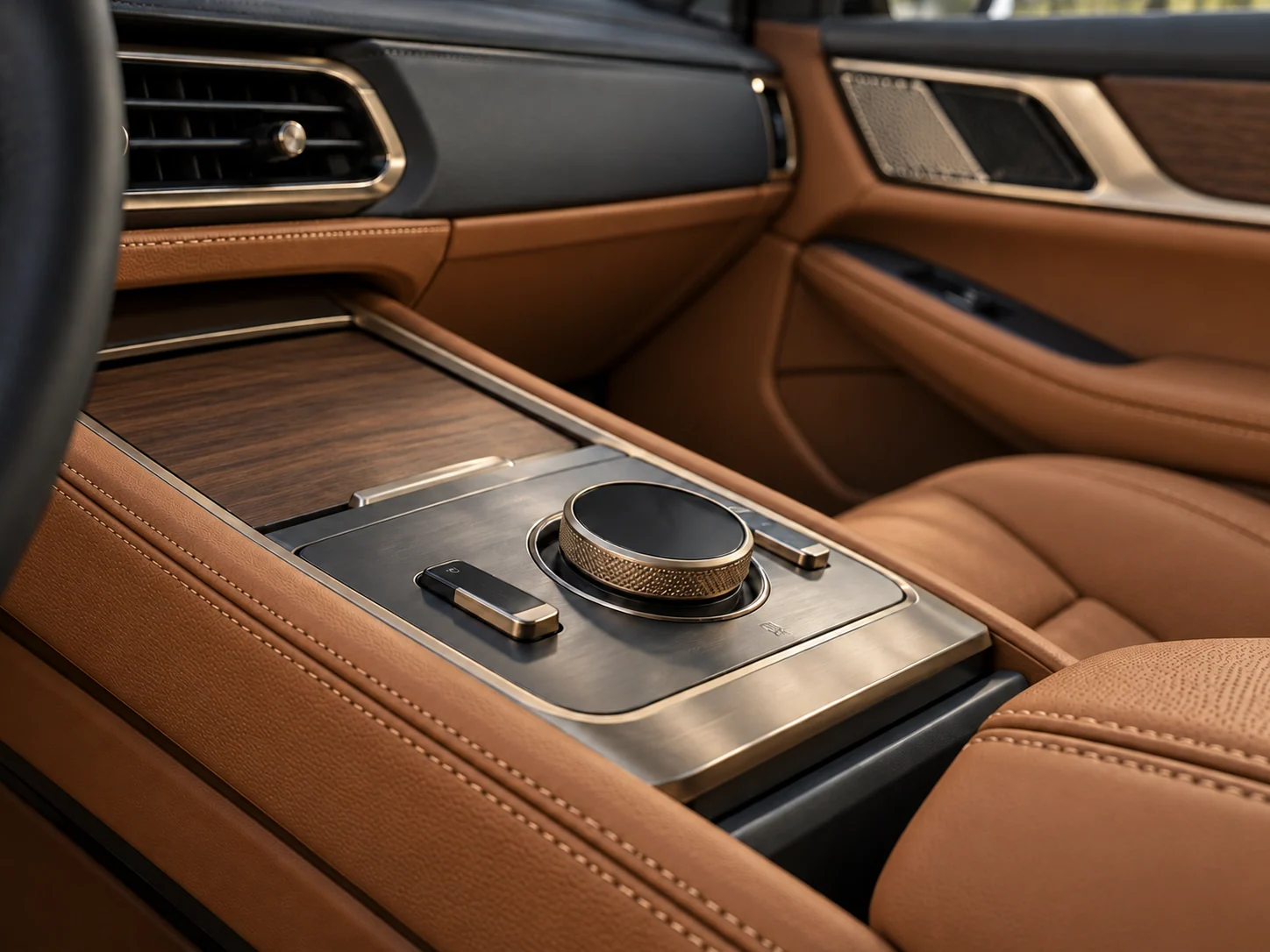
Black · Gold · Metallic PVD
NTI Finish™ delivers premium black, gold and metallic PVD finishes for trims and controls, combining appearance consistency with durable surface performance.
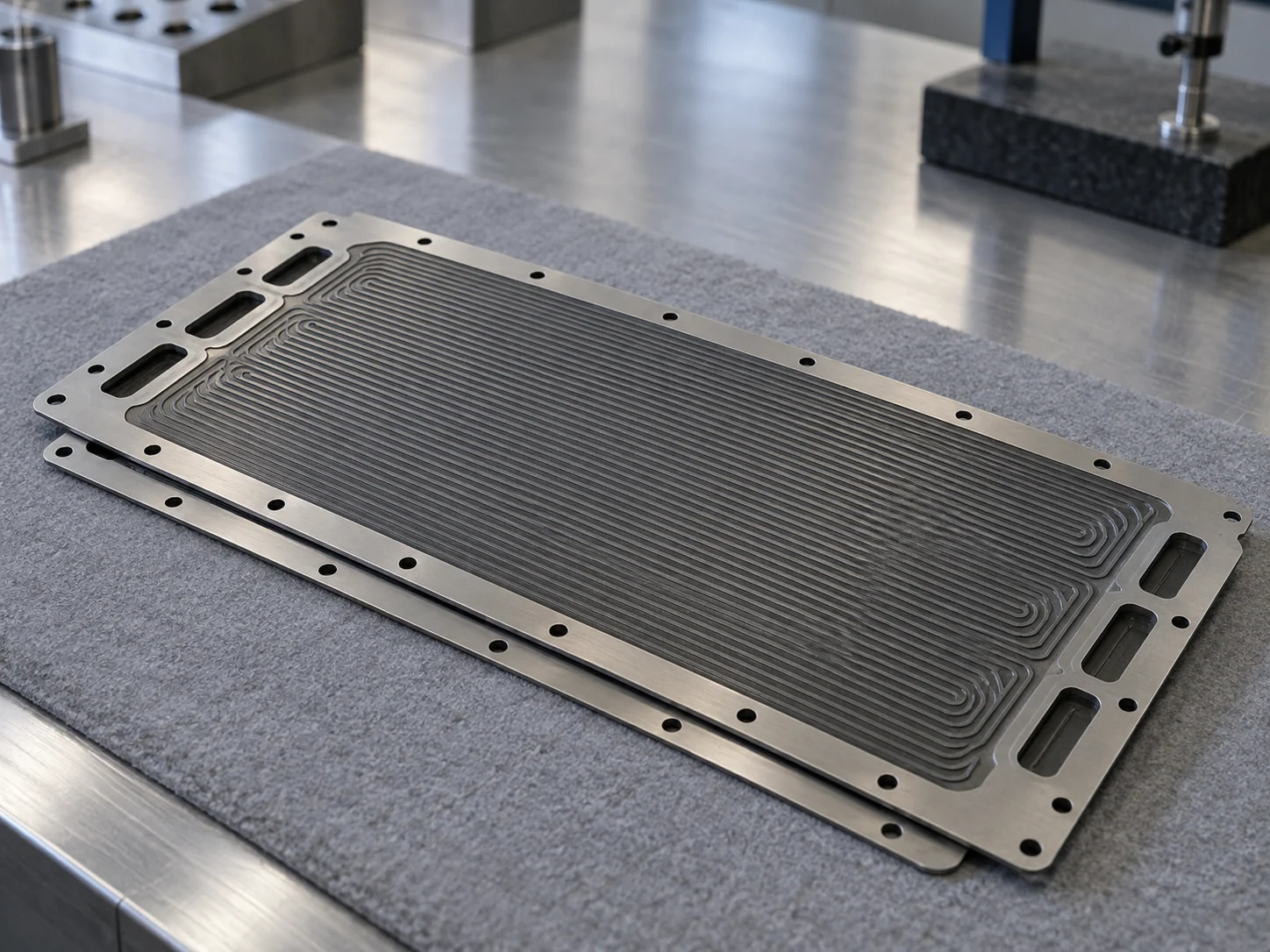
Conductivity · Corrosion Control
SydroDIAMOND®, SydroSTAR™ and SydroGEM™ support conductivity, corrosion resistance and ion-release control for metallic bipolar plates.
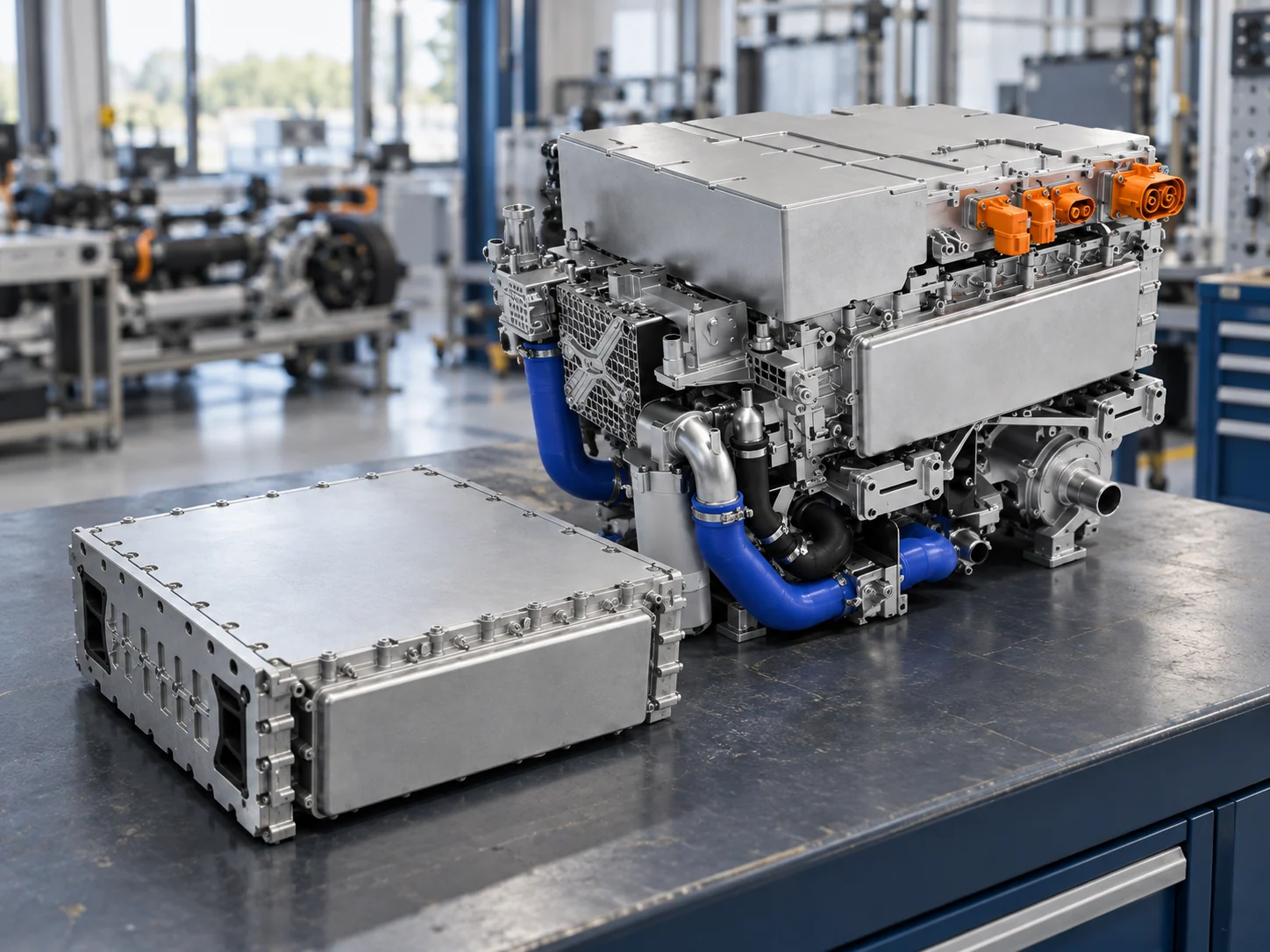
PEM Stacks · Heavy-Duty Mobility
SydroPOWER provides 111–247 kW PEM stacks and 90–260 kW integrated engines for vehicle OEMs and system integrators.
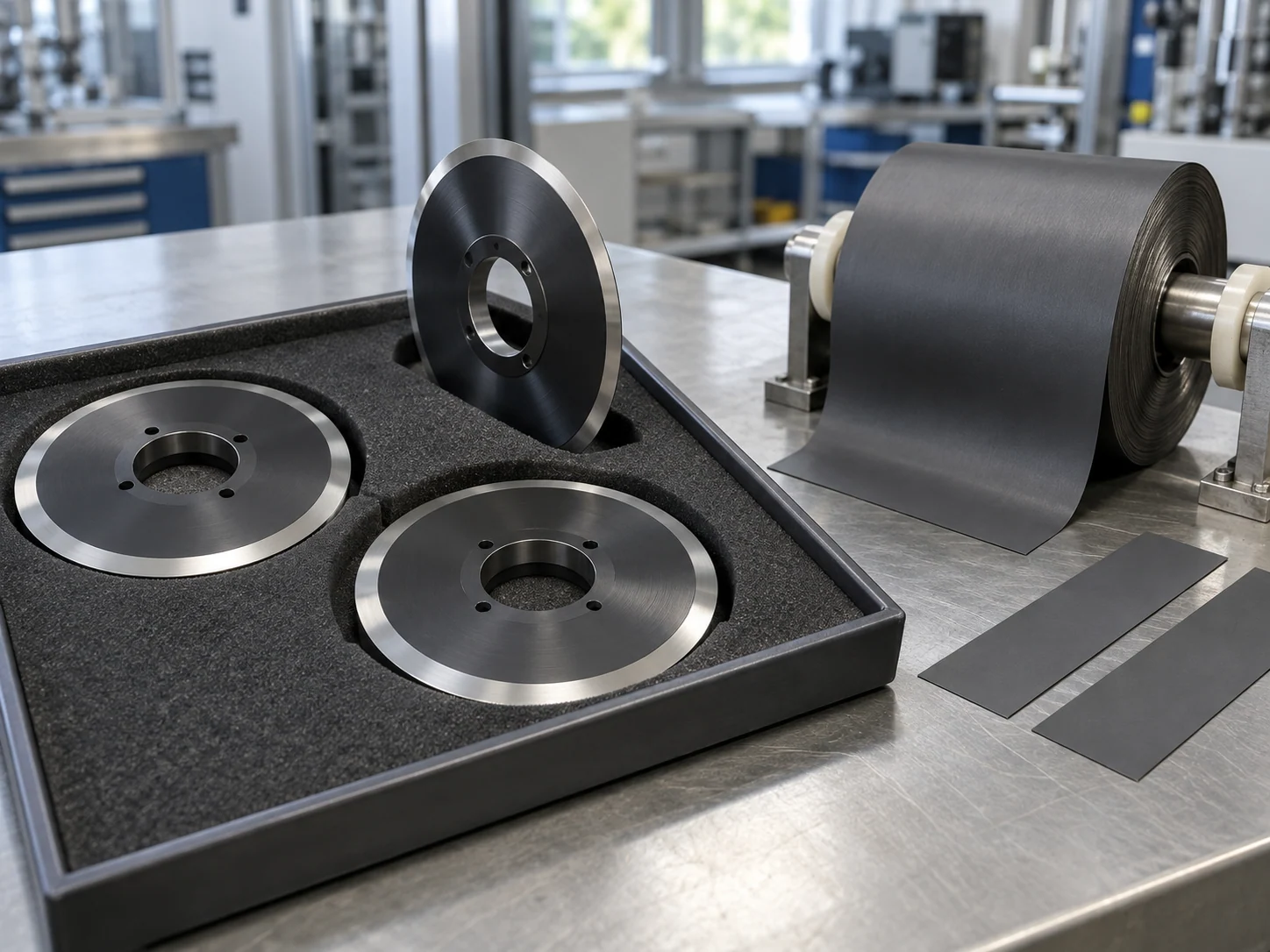
Shearing · Slitting · Electrode Foils
Rainbow-TAC reduces burr formation, material build-up and edge wear on battery electrode shearing and slitting knives.
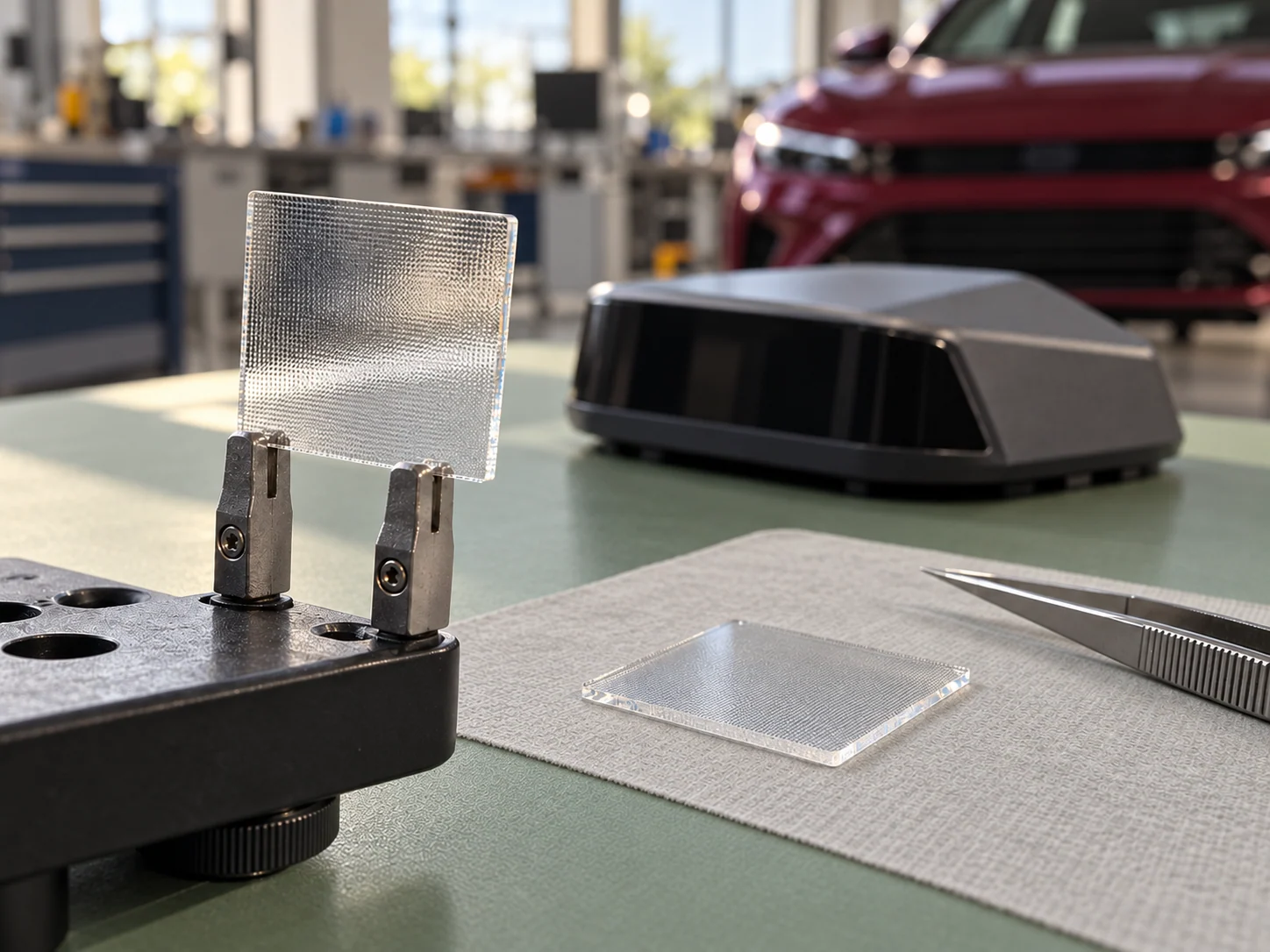
MLA · ToF Sensing · LiDAR
NanoFab supports design, tooling and mass production of polymer micro-optics for compact ToF sensing in automotive LiDAR modules.

MLA · Driver Monitoring · ToF
NanoFab supports design, tooling and mass production of polymer micro-optics for compact ToF sensing in driver-monitoring modules.
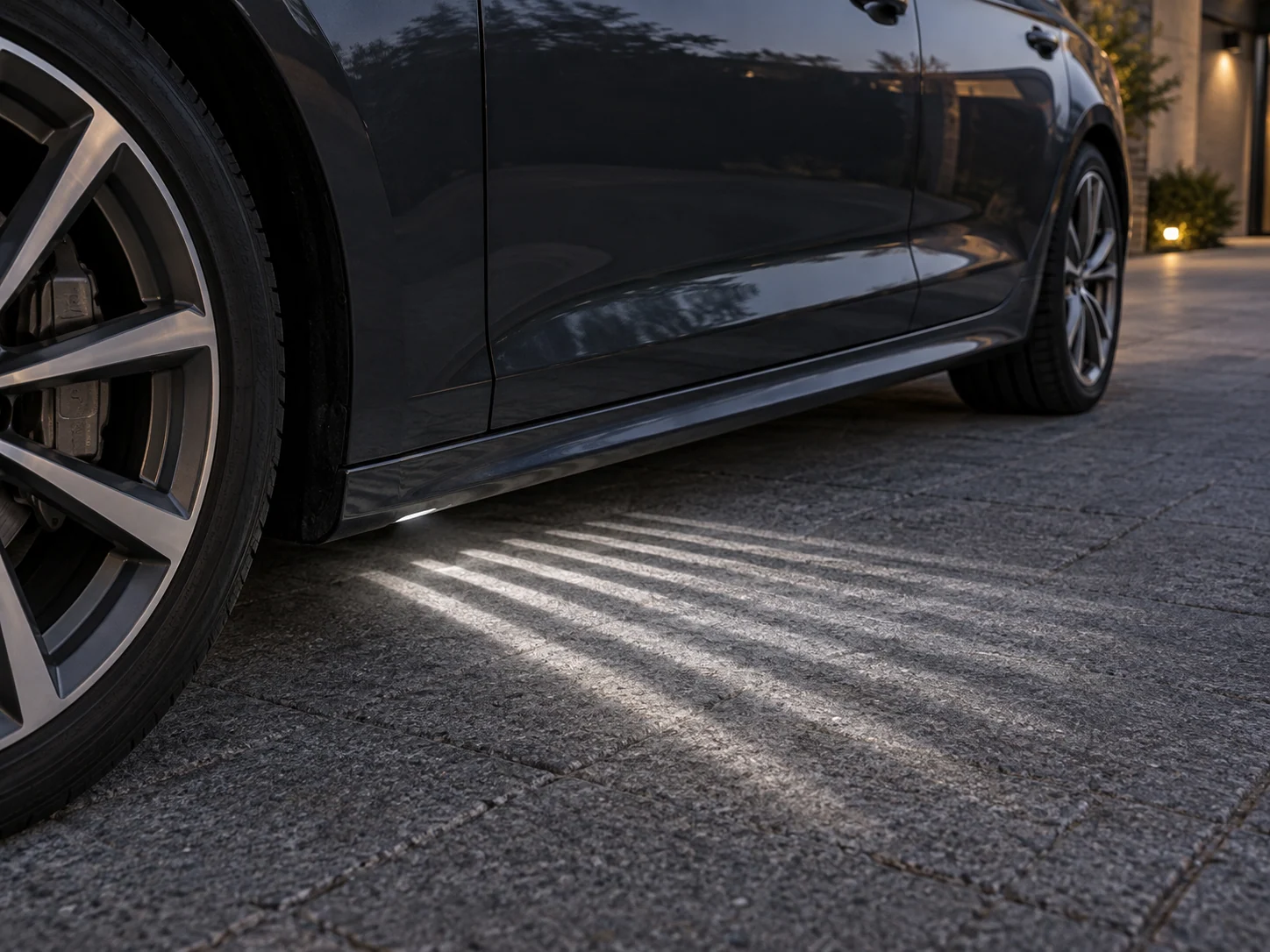
MLA · Light Carpet · Polymer Optics
NanoFab supports design, tooling and mass production of polymer micro-optics for compact automotive light-carpet modules and controlled illumination patterns.
Engage NTI through coating services, in-house coating equipment, micro-optics OEM/ODM, hydrogen system integration or joint development, then move into production through the route that best fits application maturity, production volume and process ownership.
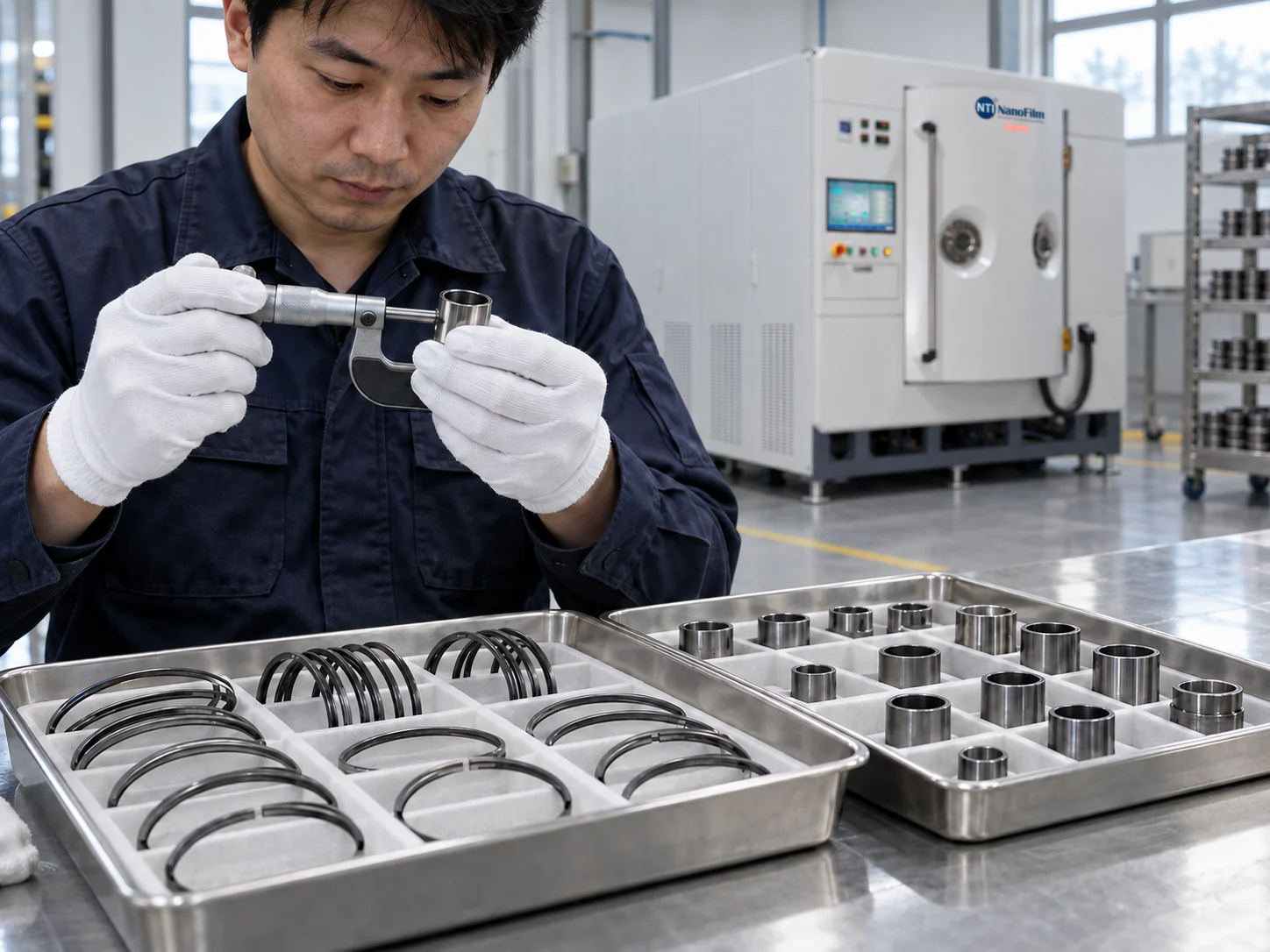
Coated components · qualification · serial production
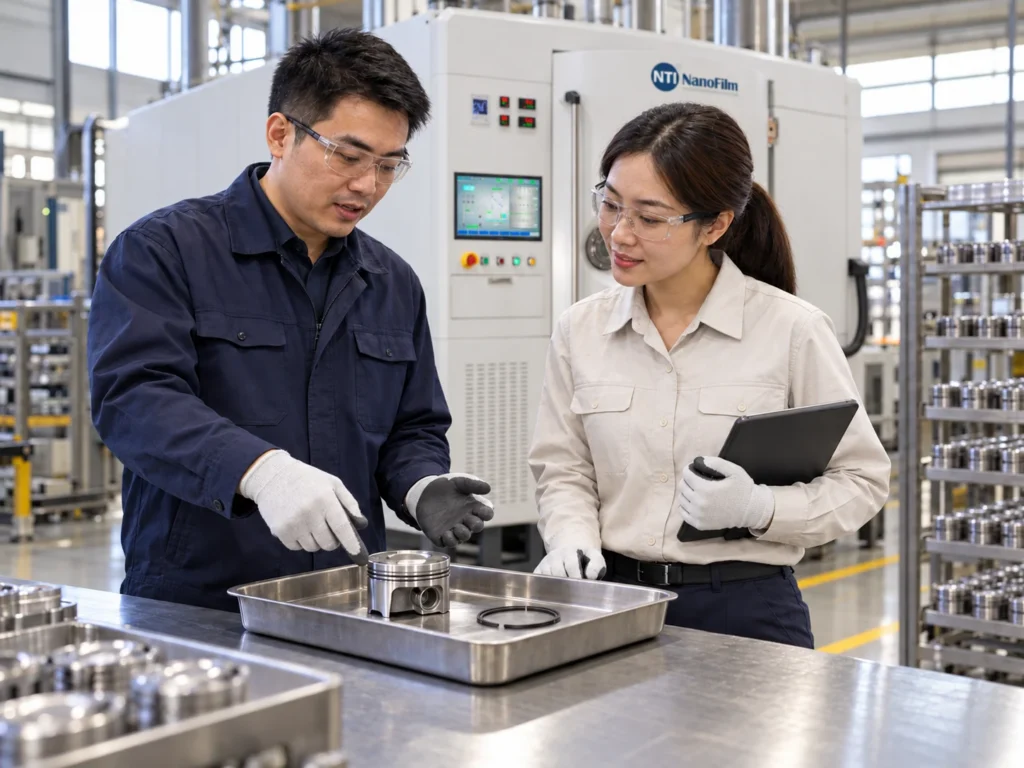
Receive production-ready coated components without owning a coating line, from application review and process selection through qualification and serial coating.
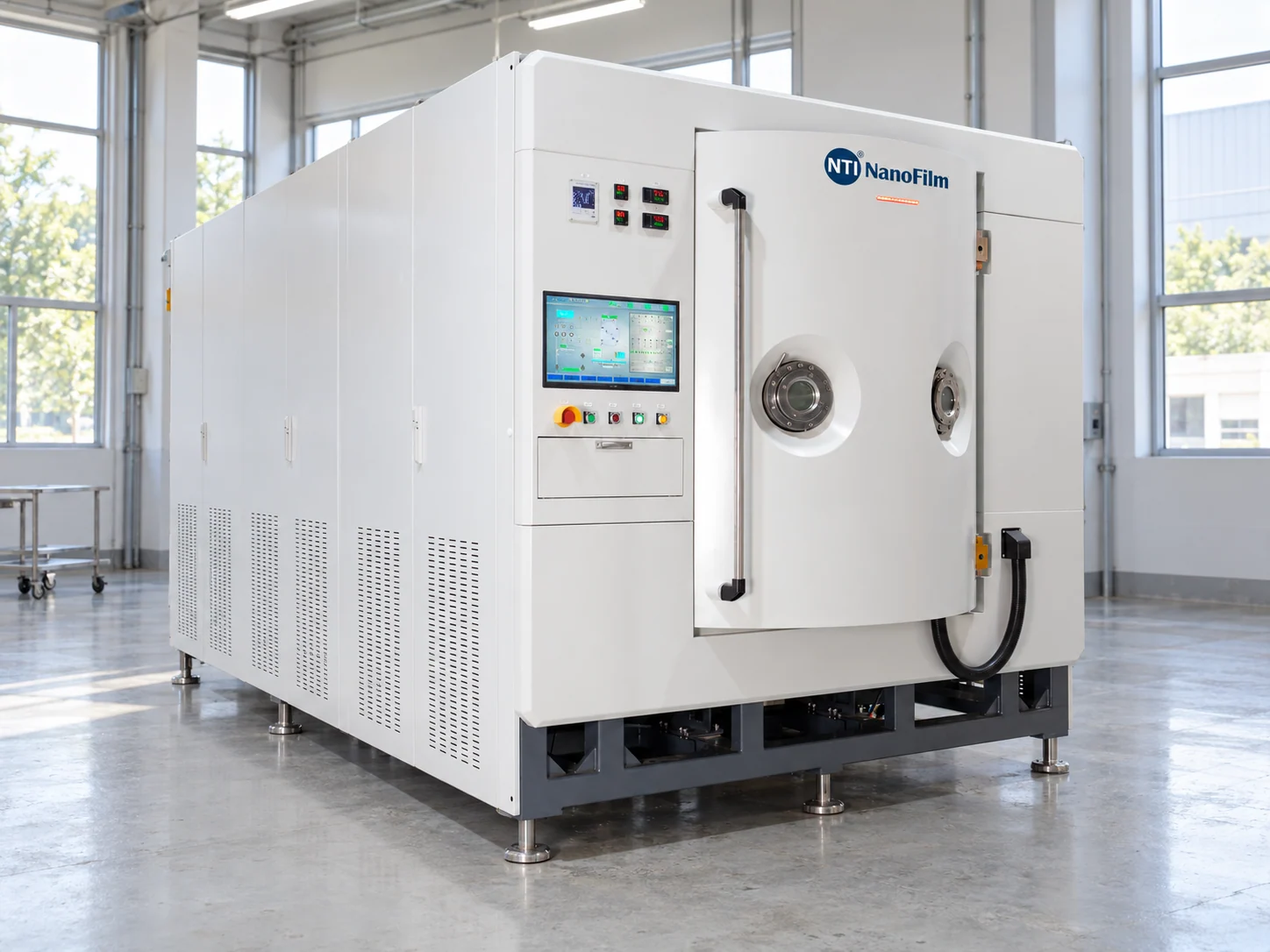
Batch and inline systems · factory integration
Integrate batch or inline coating capability into your factory for process ownership, repeatable throughput and production flexibility.
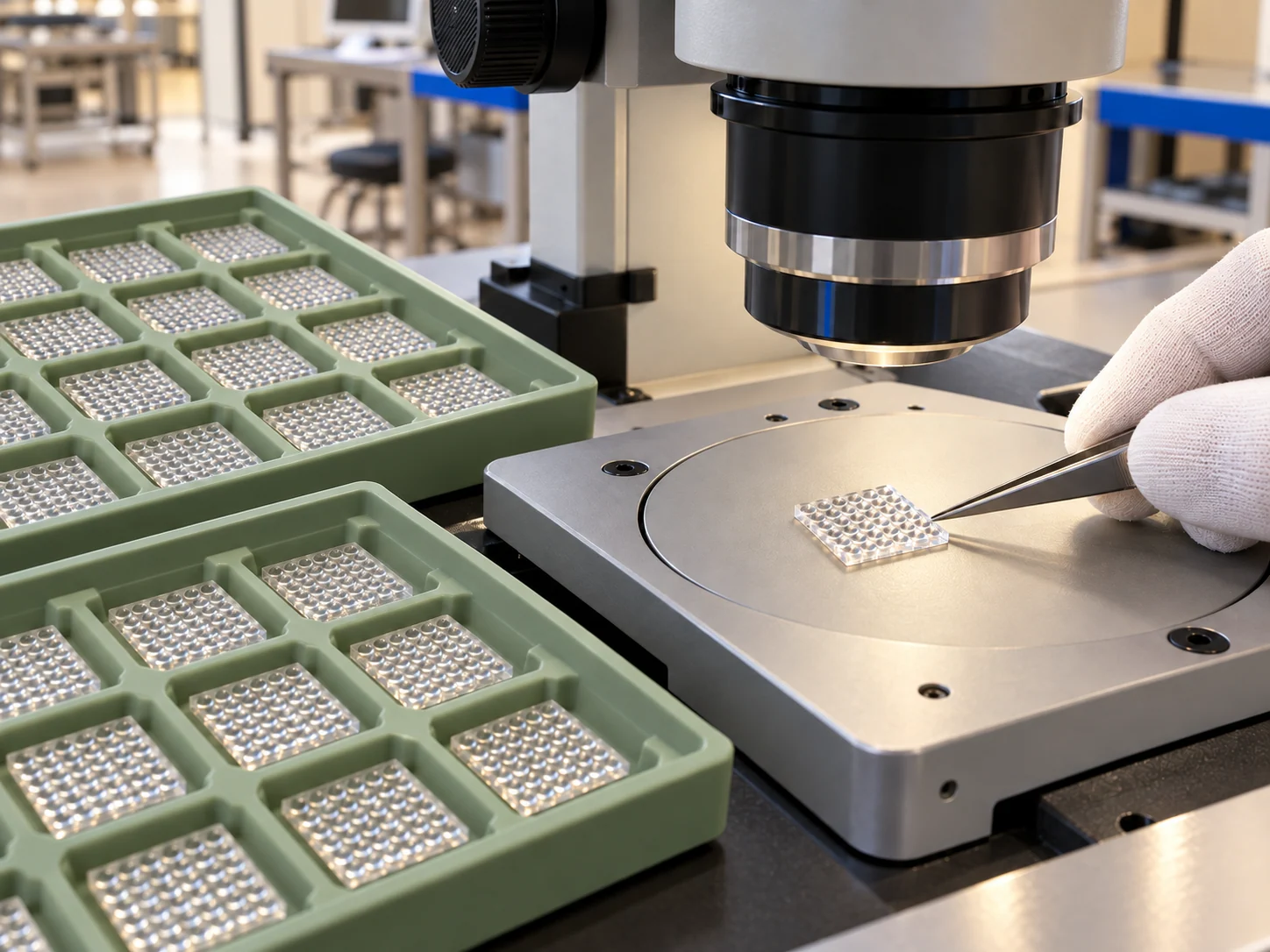
Design · tooling · DFM · mass production
NanoFab provides end-to-end support from design, tooling and design for manufacturing (DFM) through mass production for polymer micro-optics based on defined designs or specifications.
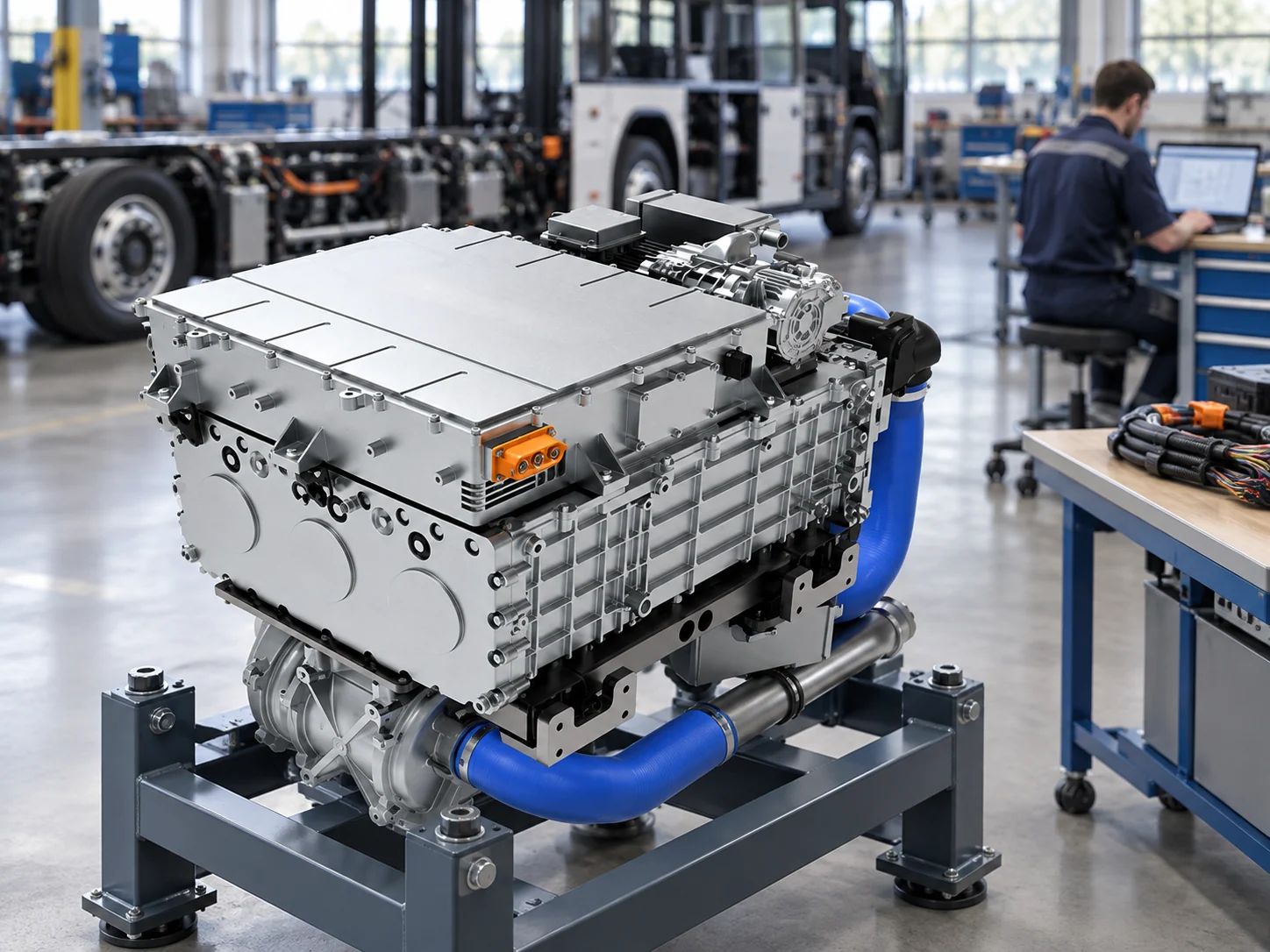
Fuel-cell system · hydrogen supply · commissioning
SydroPOWER scopes the load profile, fuel-cell system, hydrogen supply, power electronics, site integration, commissioning and lifecycle support as one deployment programme.

New substrates · performance targets · industrialization
Co-develop new coating, equipment or optical solutions when performance targets, substrates or production conditions extend beyond established platforms.
Continue exploring how NTI surface engineering supports other industries through coating technology, equipment platforms and application development.
Bring us the component, process, optical function or production target. We will connect your requirement with the relevant NTI technology and the right route from application development to volume production.
NTI Nanofilm supports automotive manufacturers and suppliers with advanced coating services, coating equipment, hydrogen fuel-cell technologies and polymer micro-optics. Applications on this page include piston rings, battery electrode cutting tools, metallic bipolar plates, fuel-cell stacks and engines, automotive interior finishes, LiDAR and driver-monitoring optics, and light-carpet optics.
NTI technologies on this page address ICE and hybrid powertrains, battery-electric vehicle manufacturing, hydrogen fuel-cell heavy-duty mobility and intelligent vehicle optical systems. The appropriate solution depends on the component, substrate, operating environment, performance target and production model.
For piston rings, i-TAC® provides a low-friction, wear-resistant surface that can support lower mechanical losses, sealing stability and longer service life in ICE and hybrid powertrains. Final coating selection and validation depend on the component design and operating conditions.
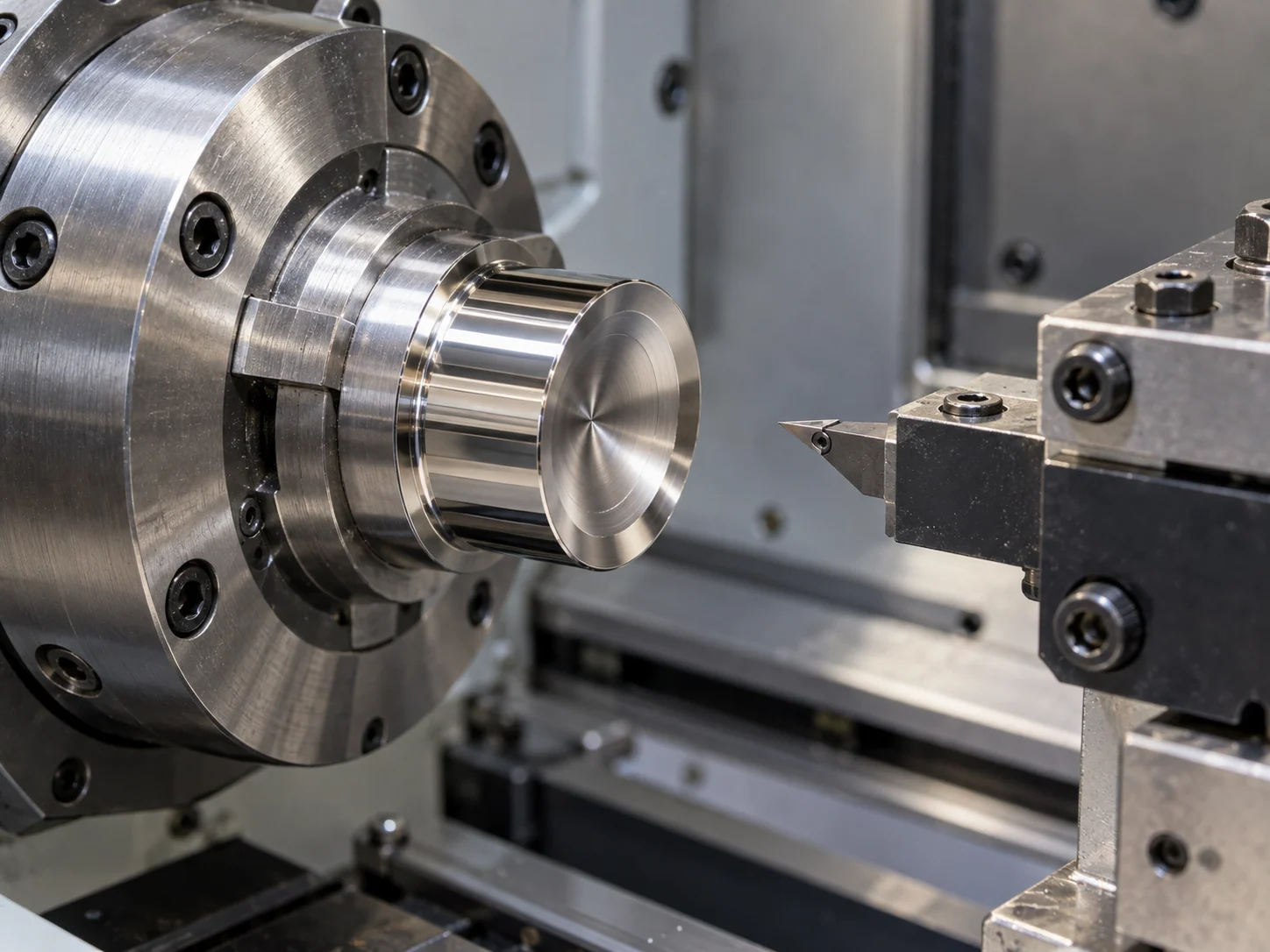
Rainbow-TAC is used on battery electrode shearing and slitting knives to reduce burr formation, material build-up and edge wear. This supports more stable cutting of electrode foils and can help reduce downstream defect risk in EV cell production.
NTI supports hydrogen mobility at both component and system levels. SydroDIAMOND®, SydroSTAR™ and SydroGEM™ address conductivity, corrosion resistance and ion-release control on metallic bipolar plates, while SydroPOWER provides 111–247 kW PEM stacks and 90–260 kW integrated engines for vehicle OEMs and system integrators.
Yes. NTI Finish™ provides black, gold and metallic PVD finishes for automotive trims and controls, combining appearance consistency with durable surface performance. The final coating route depends on the substrate, target appearance, touch exposure and qualification requirements.
NanoFab supports design, tooling, design for manufacturing and mass production of polymer micro-optics for compact automotive optical modules. Current applications on this page include LiDAR and time-of-flight sensing, driver-monitoring systems and light-carpet optics where replication accuracy, beam control and illumination uniformity are important.
Yes. NTI can support batch or inline coating equipment for manufacturers that want greater process ownership, repeatable throughput and production flexibility. Equipment selection is matched to the coating process, component format, target volume and factory integration requirements.
Yes. Engagement routes include coating service, coating equipment, micro-optics OEM/ODM, hydrogen system integration and joint development. NTI can begin with application review and qualification, then move into serial coating, in-house equipment, mass-production micro-optics or system deployment according to the program.
NTI brings surface engineering, coating equipment, polymer micro-optics and hydrogen fuel-cell technologies under one group. This allows automotive OEMs and suppliers to engage across component surfaces, production processes, optical modules and fuel-cell systems through a coordinated development and industrialization pathway.
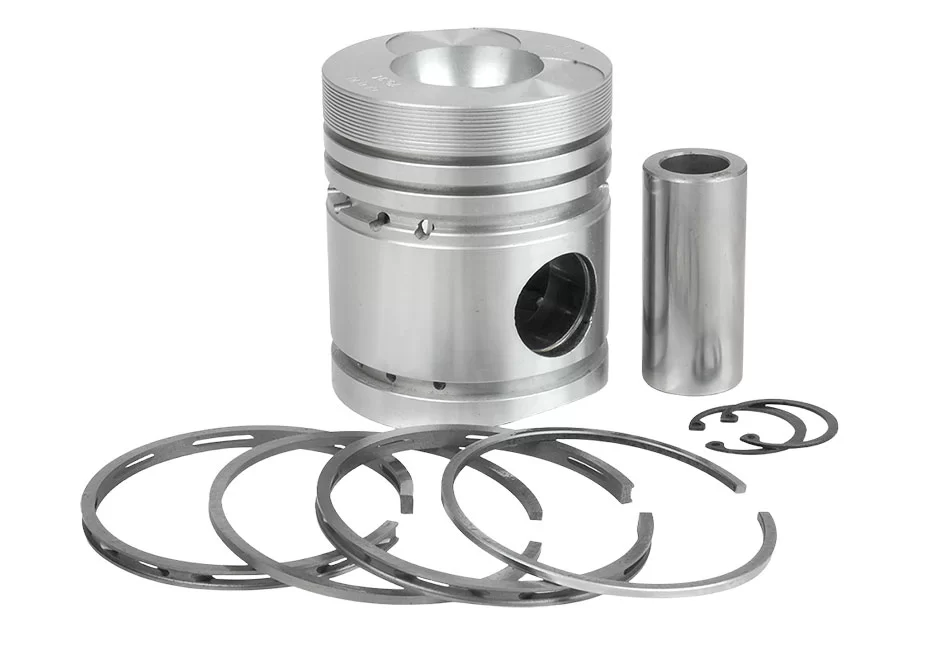
When the internal combustion engine is running, piston moves up and down in the cylinder to convert combustion energy to mechanical action. Piston rings seal the combustion chamber and is subject to constant friction during motion. Conventional coating can not meet the friction reduction requirement. i-TAC® deposits a thick layer of ta-C (tetrahedral amorphous carbon) coating with hardness up to 3,500HV on the piston ring. It reduces the coefficient of friction to less than 0.1, increases airtightness, improves fuel efficiency, reduces carbon emission, extends piston ring lifespan and reduces maintenance needs.
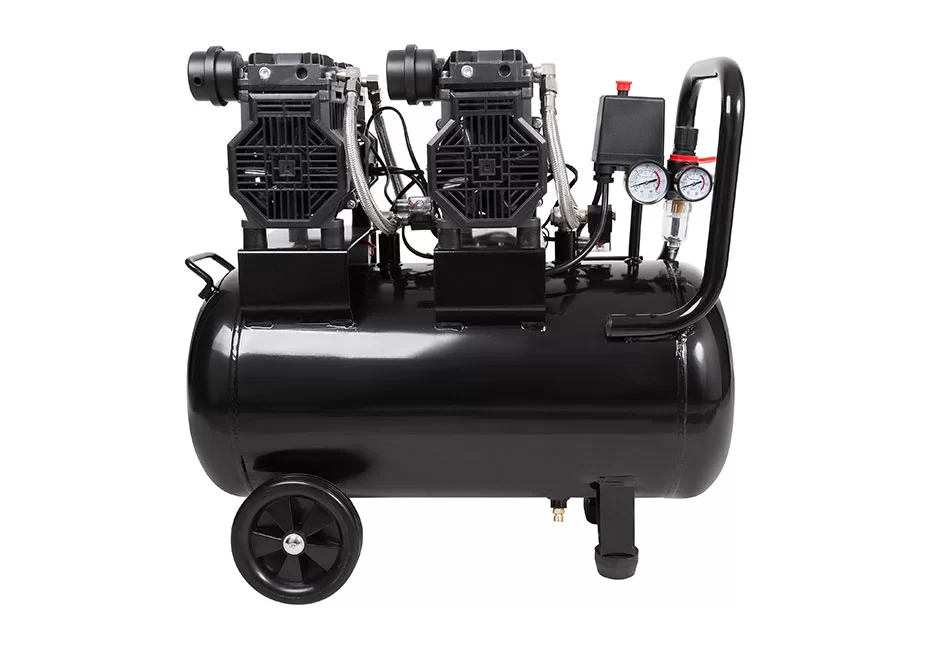
Components of air compressor in hydrogen vehicle are under stress from compressing and depressing operation. TAC-ON® coating on spindle, blade and shaft greatly increases wear resistance of the parts and air compressor performance.
The friction between car key and car lock from constant locking and un-locking operation often cause scratch and wear of the lock and key surface, after a while it can get stuck. TAC-ON® coating with smooth surface and much strong adhesion compared to normal coating on car lock greatly reduces friction and improves its scratch resistance, results in long-term smooth operation.

Lorem ipsum dolor sit amet consectetur. Porta arcu tristique auctor mattis. Integer in mi pellentesque pretium amet.
Lorem ipsum dolor sit amet consectetur. Porta arcu tristique auctor mattis. Integer in mi pellentesque pretium amet.
Lorem ipsum dolor sit amet consectetur. Porta arcu tristique auctor mattis. Integer in mi pellentesque pretium amet.
Lorem ipsum dolor sit amet consectetur. Porta arcu tristique auctor mattis. Integer in mi pellentesque pretium amet.