
Increase wear resistance, reduce friction and galling, protect high-pressure interfaces and strengthen manufacturing control with NTI Protect™, NTI Finish™ and coating equipment for HPLC and UHPLC analytical instrument components.
Modern UHPLC and UPLC systems combine higher operating pressures, smaller-particle columns and faster analytical cycles to improve separation resolution, sensitivity and throughput. These advances place greater demands on pumps, injection valves, stators and high-pressure connections where surface performance directly influences durability, reliability and instrument uptime.
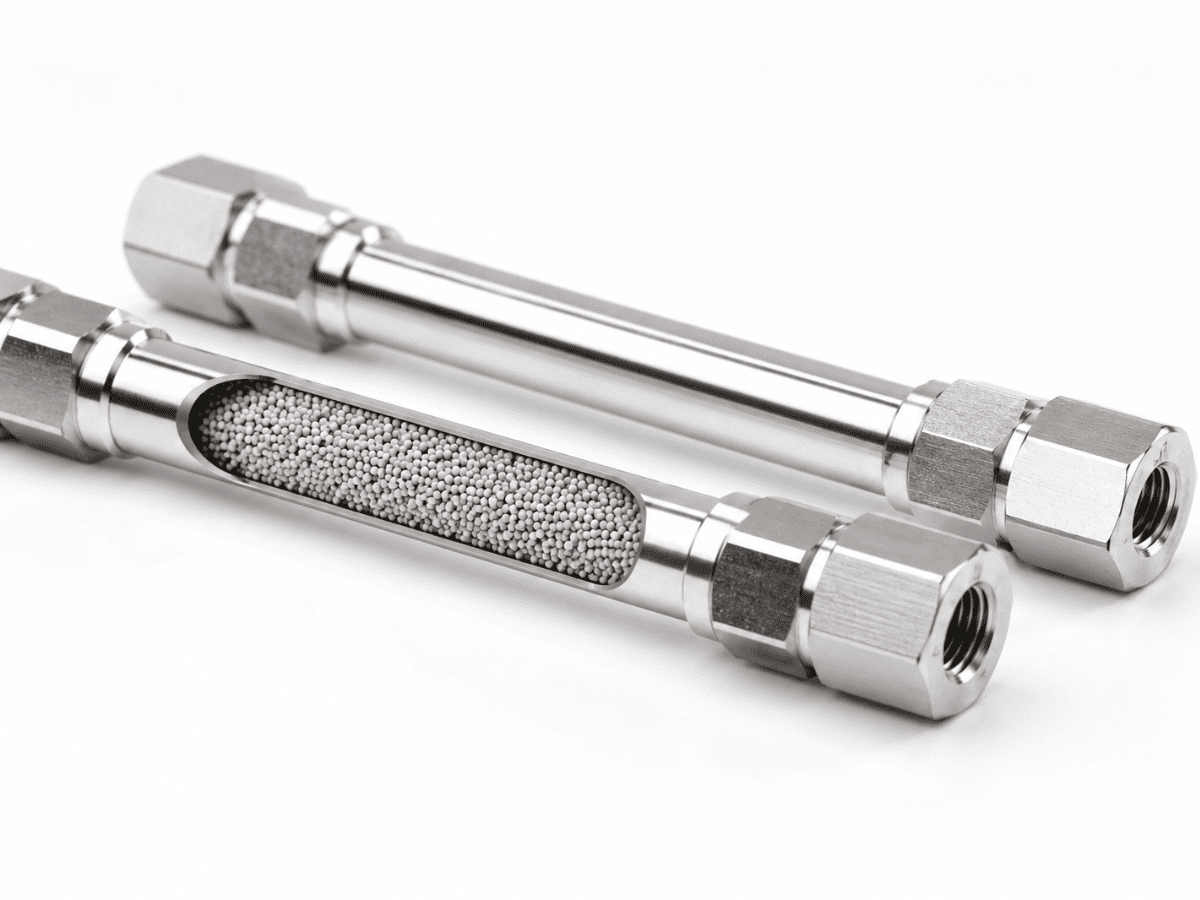
Smaller stationary-phase particles improve separation efficiency and resolution while increasing pressure demands across the chromatographic flow path.
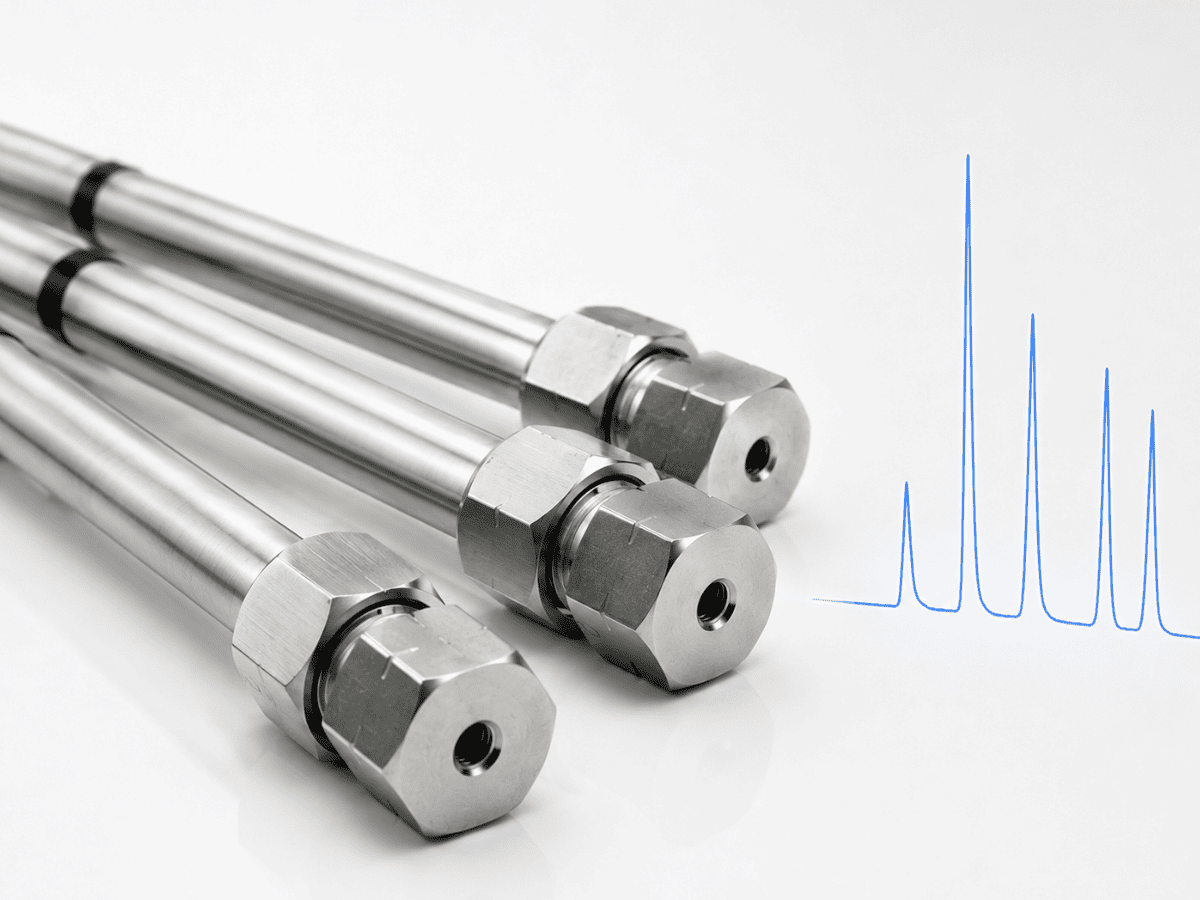
More efficient separations help laboratories resolve complex compounds and detect lower-level analytes with greater analytical confidence.

Higher flow rates and shorter separation times increase operating cycles across pumps, injectors, valves and other critical interfaces.

Pharmaceutical, food safety, environmental and life science laboratories depend on reliable instrument performance and consistently high-quality analytical results.
From high-pressure valve wear and friction to galling, serviceability and process control, NTI connects each application challenge to the coating or equipment route that can be qualified for production.
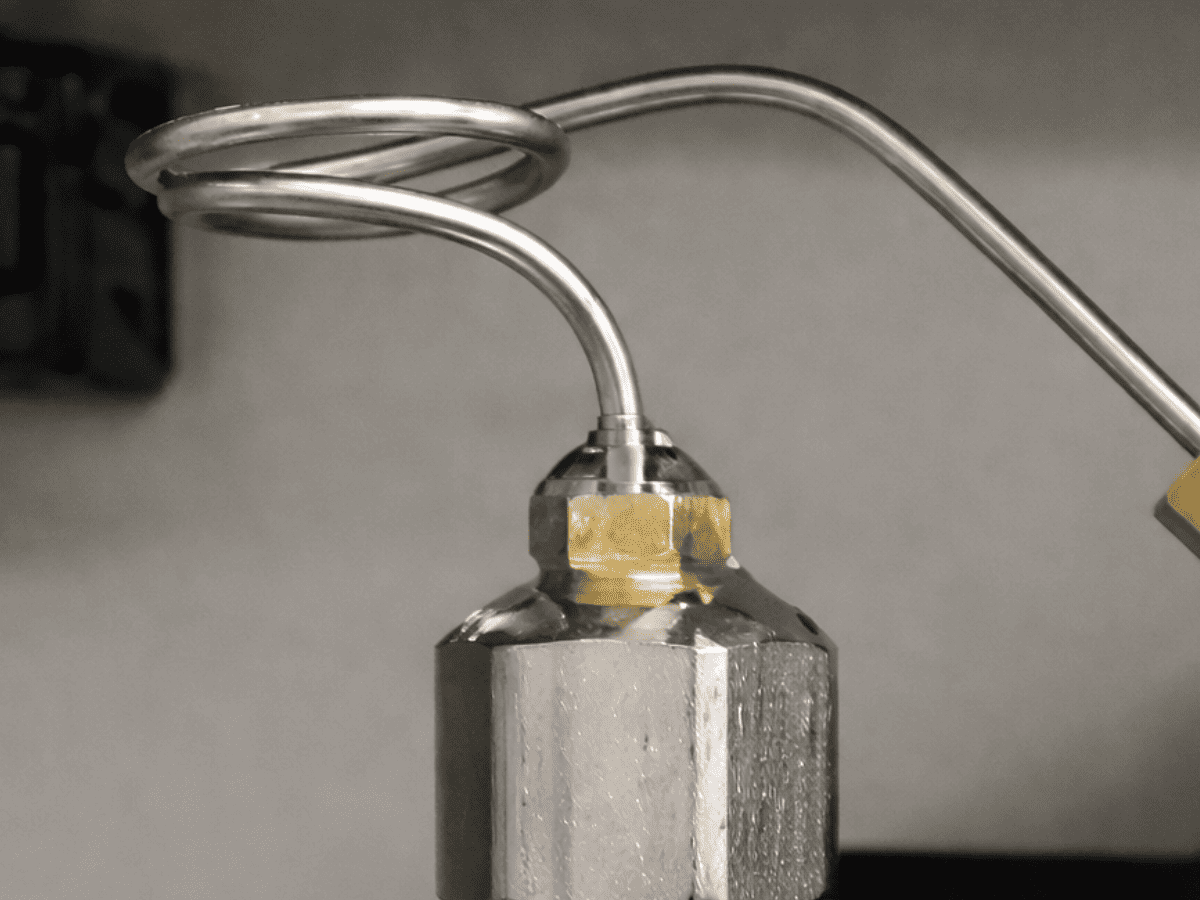
Stator and valve interfaces must retain surface integrity as UHPLC systems operate under demanding pressure. Wear or scratching at these sealing and switching surfaces can shorten component life and increase service intervention.
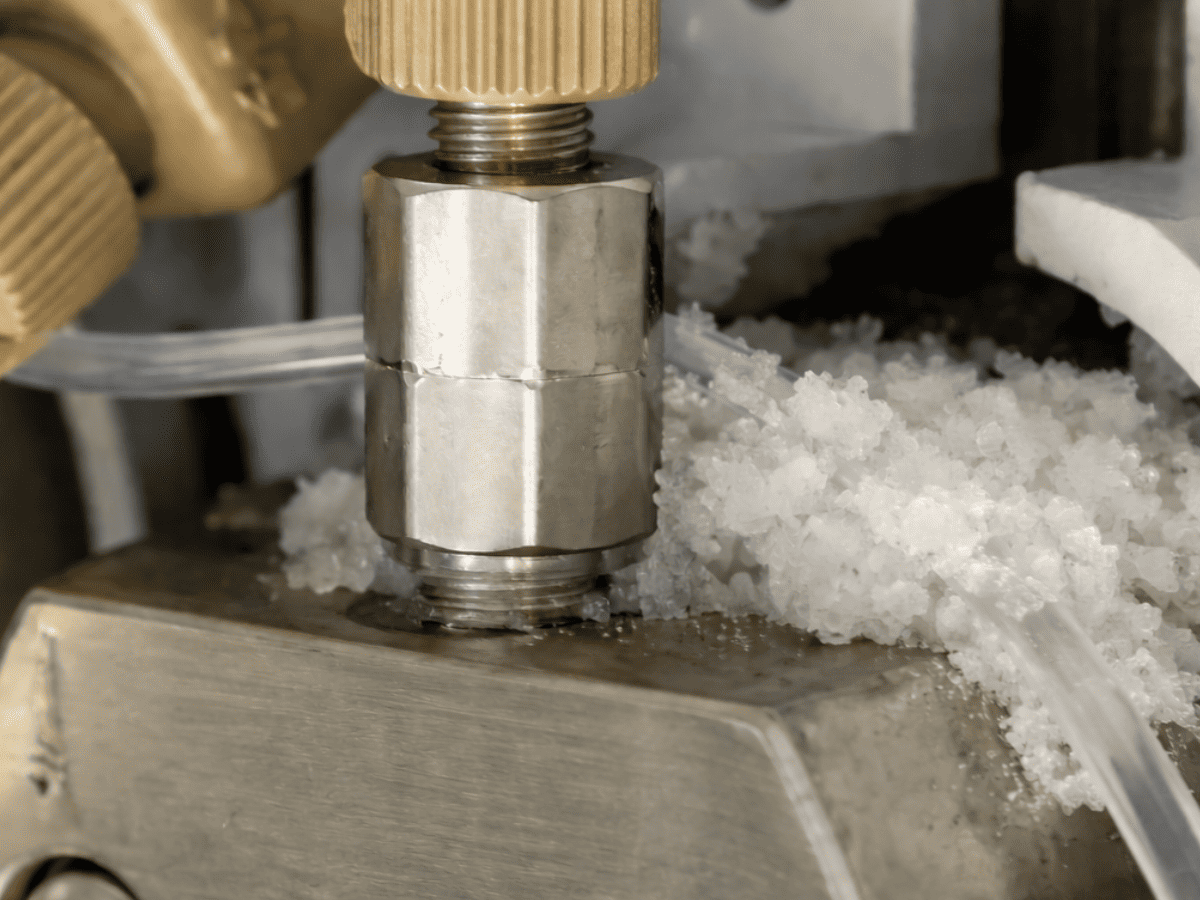
Injection valves switch flow throughout routine analytical sequences. Continued rotor and stator contact can wear mating surfaces and alter friction, increasing replacement frequency and maintenance needs.
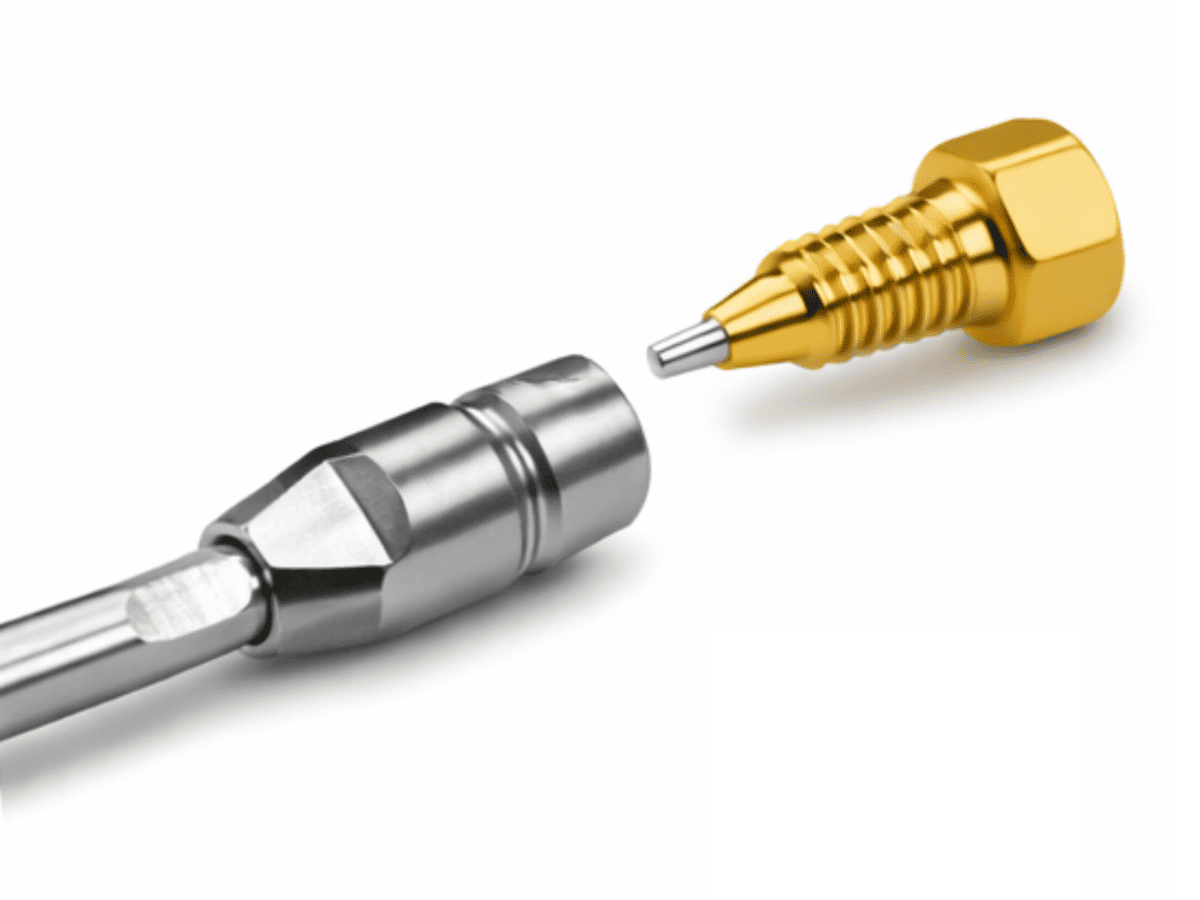
HPLC screws, fittings and removable hardware are loosened and retightened during column changes and maintenance. Galling or thread damage can turn routine servicing into avoidable part replacement and instrument downtime.
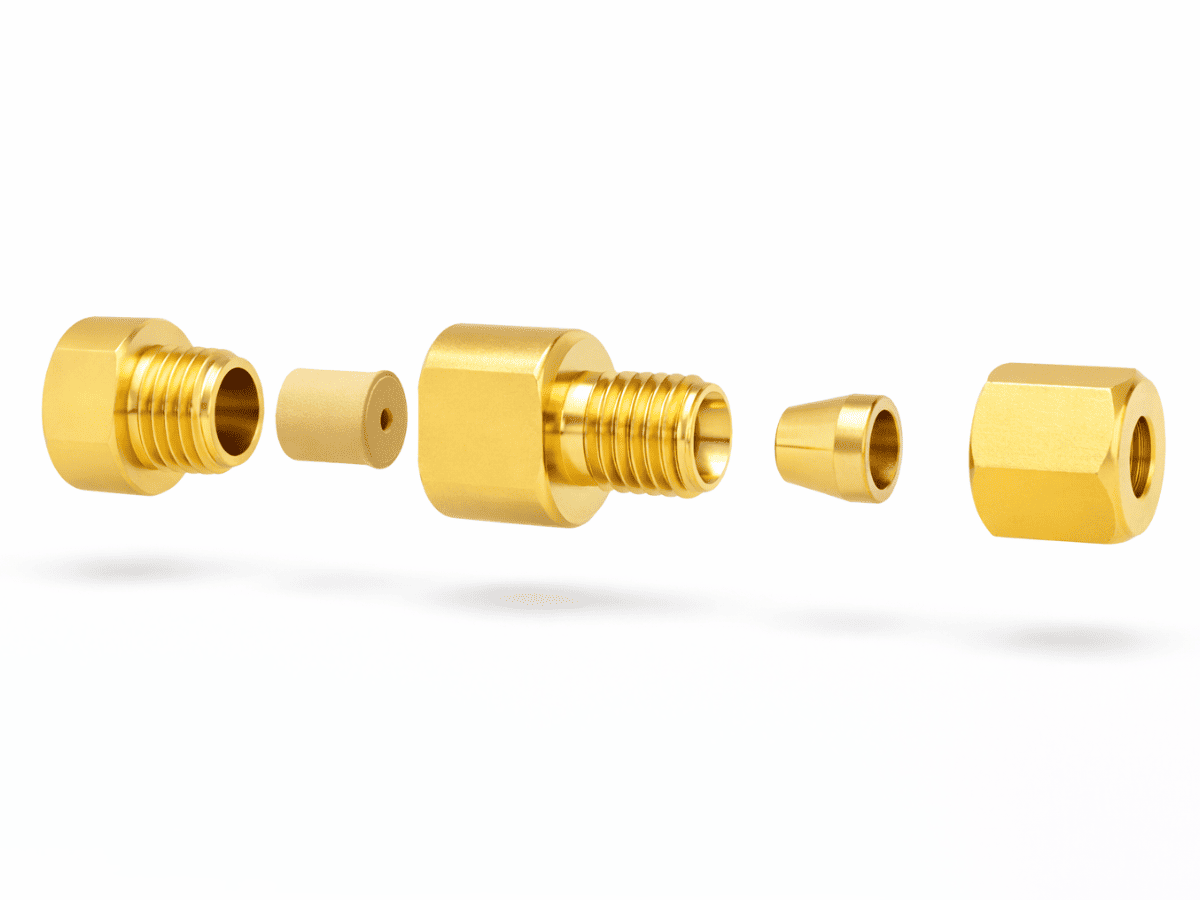
Instrument manufacturers are reducing reliance on chemical-intensive electroplating while preserving anti-galling performance. PVD Gold provides a controlled route for HPLC screws and fasteners with more efficient precious-metal use.
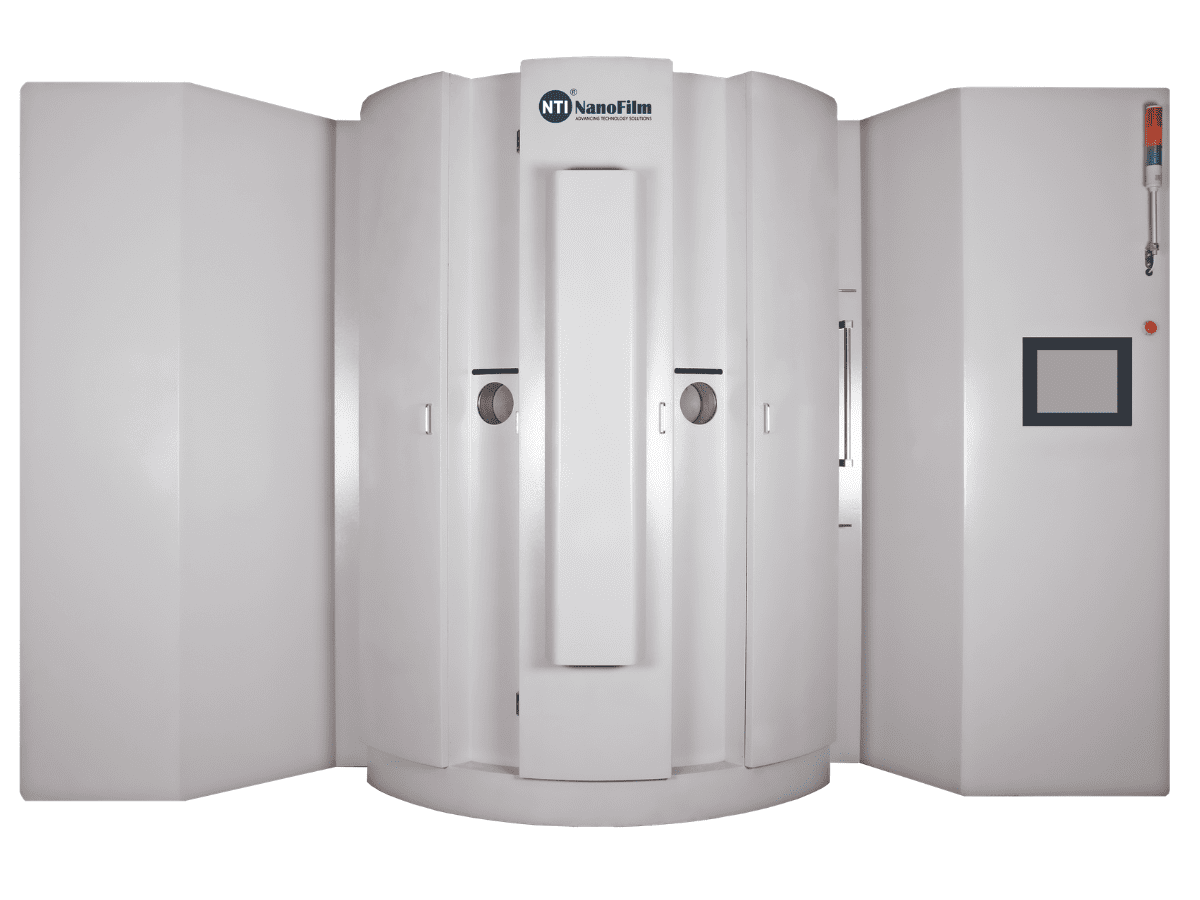
Once a coating is qualified, manufacturers need stable thickness, surface performance and process results across recurring batches and growing production demand. Dedicated coating equipment supports recipe control, process ownership and manufacturing consistency.
Across valve stators, fasteners, fittings and pump hardware, NTI solutions address wear, friction, galling, serviceability and finishing requirements at surfaces that directly influence instrument reliability.
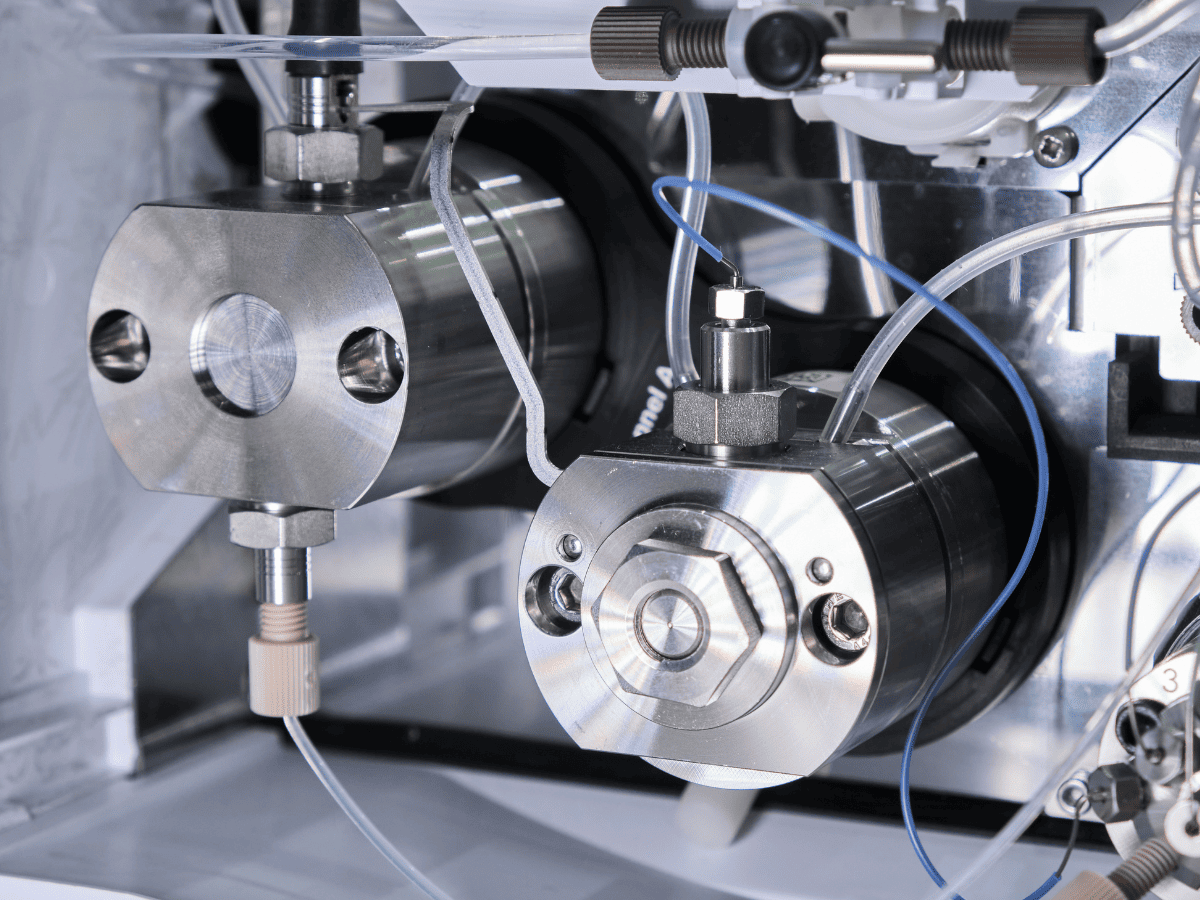
TAC-ON® creates a hard, low-friction ta-C surface that helps control wear at stator and selected valve contact interfaces, supporting dependable high-pressure flow switching through frequent actuation.
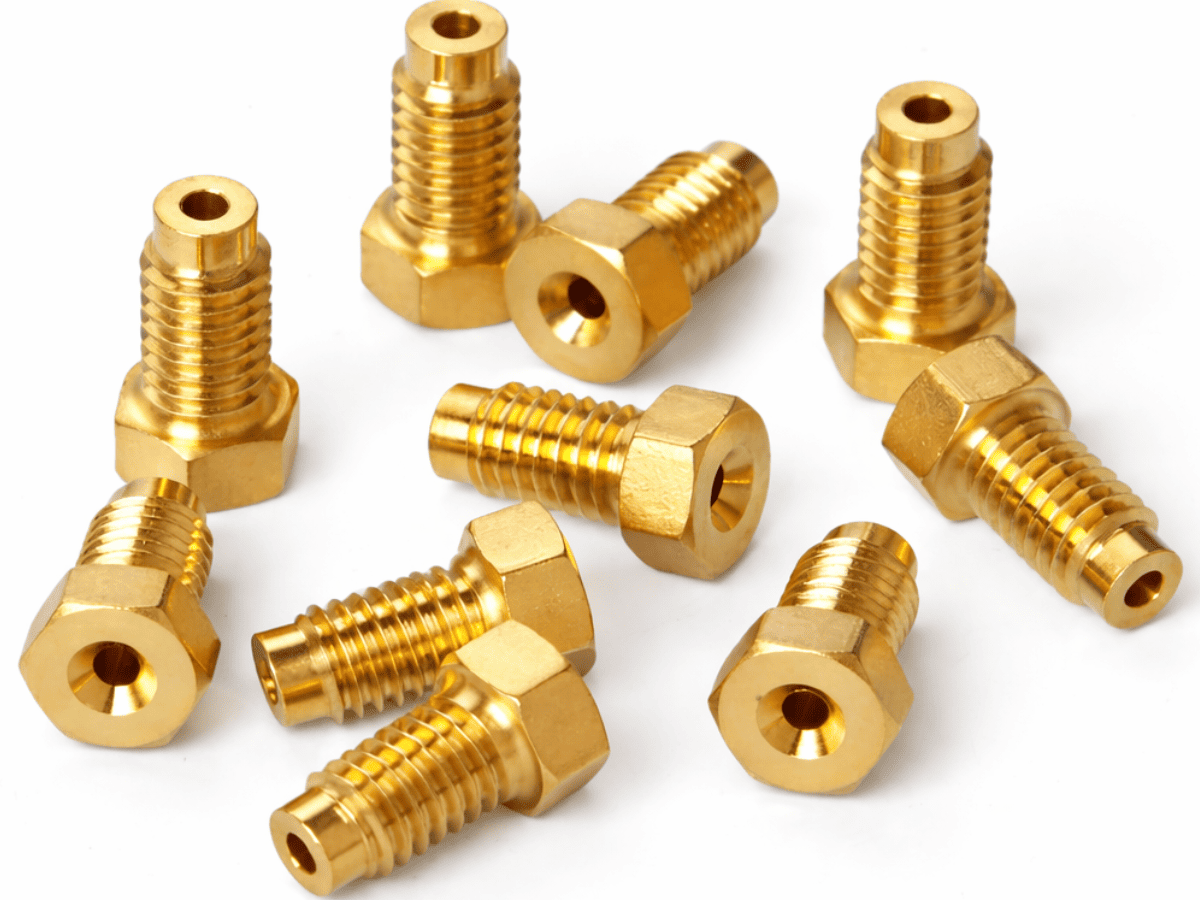
PVD Gold supports anti-galling performance on screws and fasteners while offering a vacuum-based route that can reduce reliance on conventional electroplating.
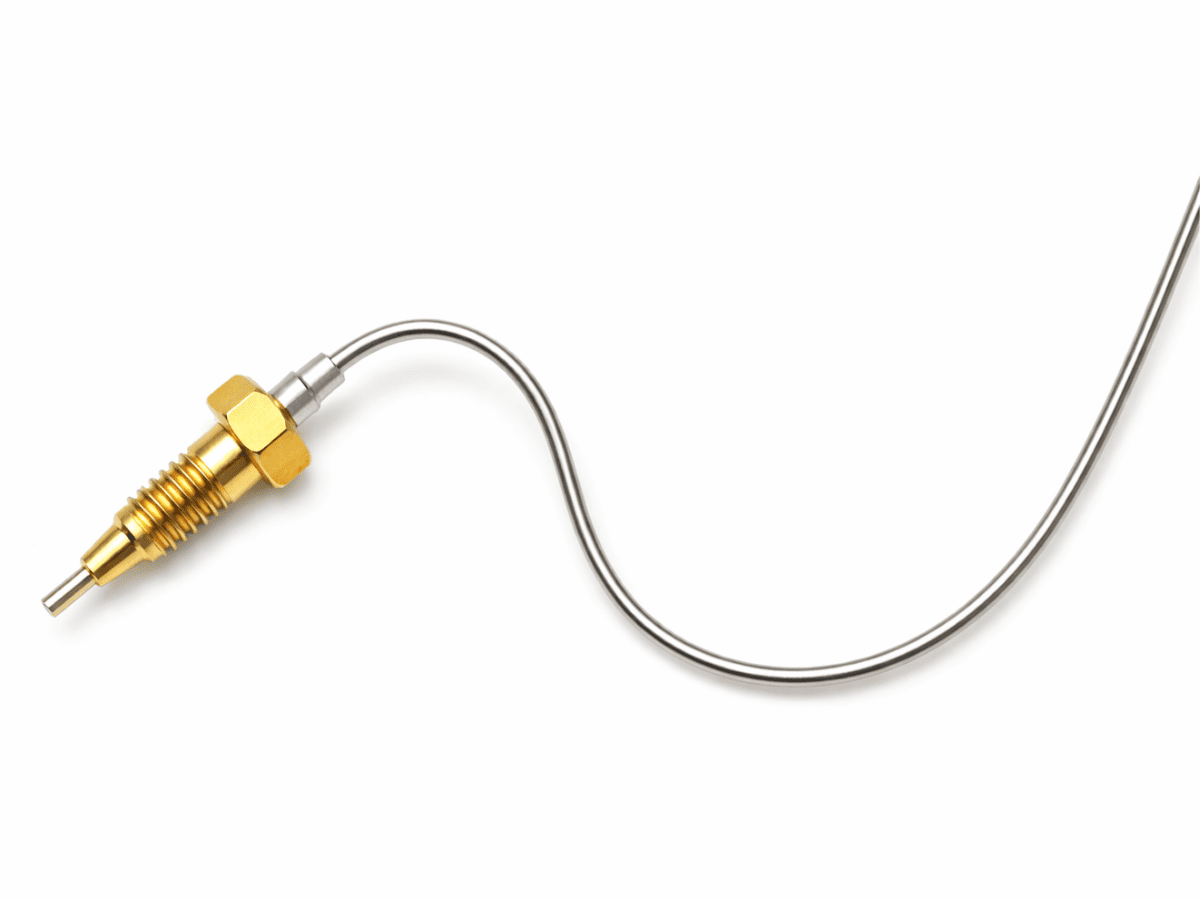
Selected surface solutions can support secure thread engagement, serviceability and wear control on high-pressure fittings and column hardware through installation and maintenance.
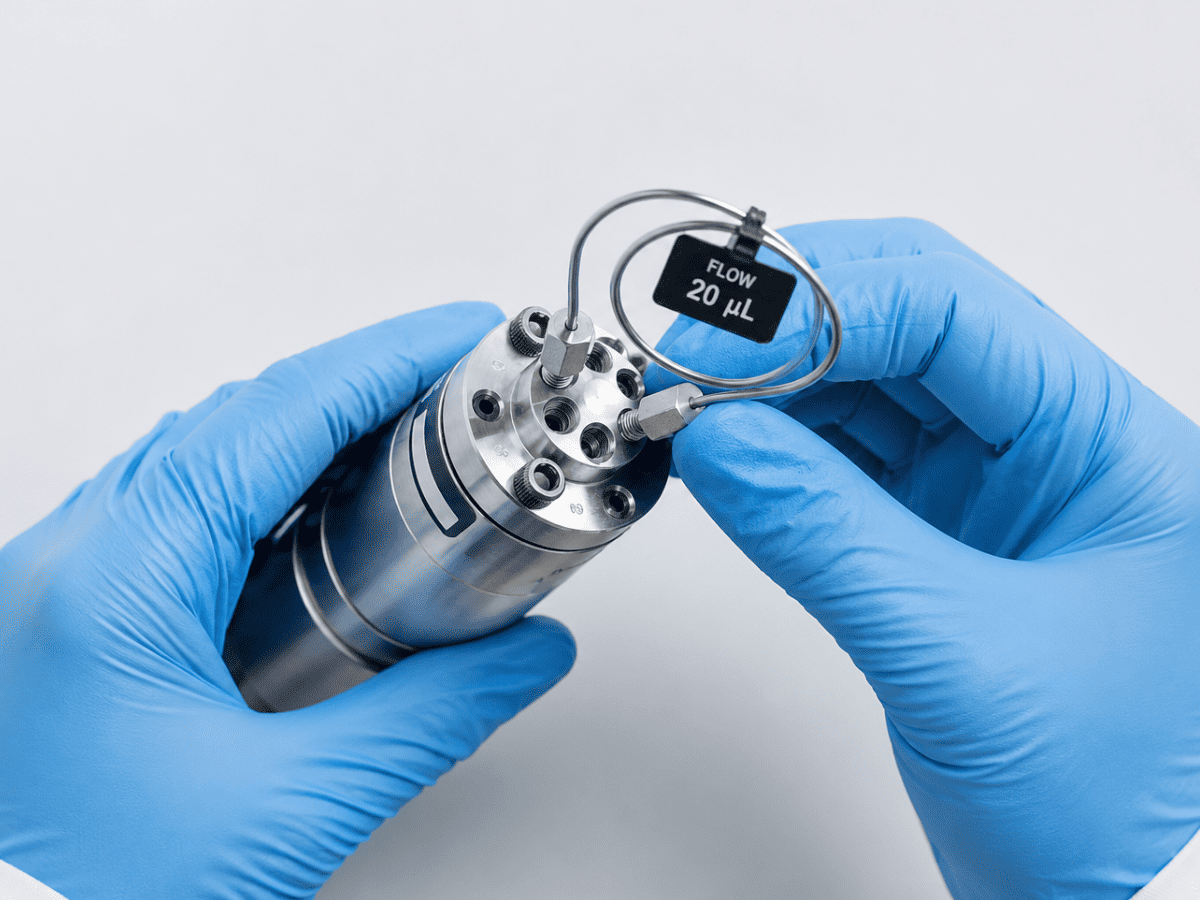
Surface solutions can help protect retainers, clamps and removable pump hardware where dependable fastening and frequent servicing influence uptime.
Begin with coating trials and qualification, continue through recurring coating service, or bring a validated process in house through NTI coating equipment when greater process ownership supports your manufacturing strategy.

Start with sample trials, qualification and recurring coating supply without the need for immediate equipment investment or an internal coating team.
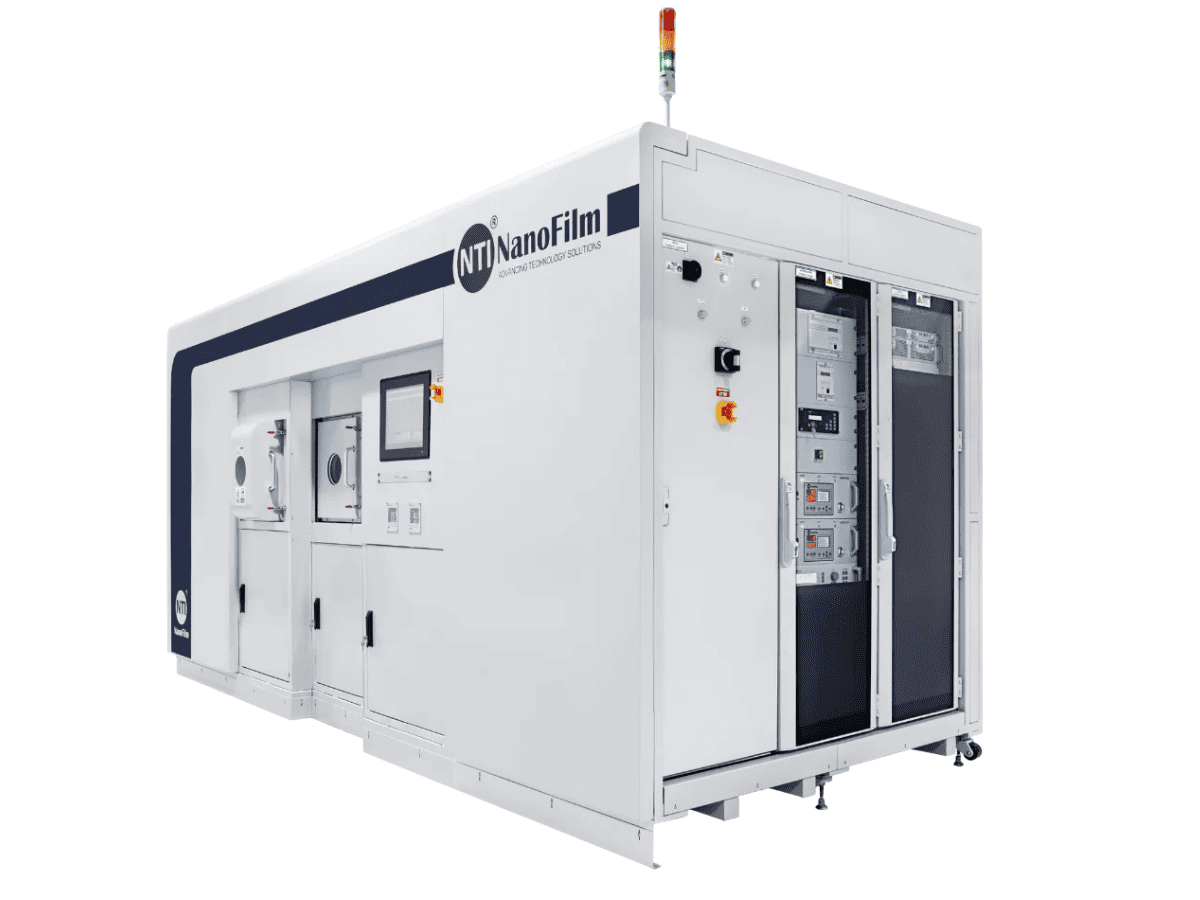
Bring a validated coating process in house when production volume, process control or supply strategy supports greater ownership.
Best fit: Validated demand and a clear case for internal capability

Work with NTI to define surface requirements, representative trials and a production-ready coating specification for a new or unresolved application.
Best fit: New components, uncertain requirements or new surface development
See how NTI coating, equipment and precision manufacturing capabilities address performance and production priorities across other advanced industries.

Bring us the component, substrate, mating surface, pressure or wear condition, fluid exposure and qualification target. NTI can help define the coating and production route aligned to the performance outcome you need.
NTI supports life science and analytical instrument manufacturers with NTI Protect™ wear and low-friction coatings, NTI Finish™ PVD routes for anti-galling hardware, and industrial coating equipment for qualified processes brought in house. Applications on this page include HPLC and UHPLC valve stators, rotor/stator interfaces, screws, fittings and pump hardware.
At high-pressure valve and stator interfaces, a hard, low-friction surface can help reduce wear and scratching while supporting dependable sealing and flow switching through frequent operating cycles. Final coating selection depends on the component, substrate, mating surface and operating conditions.
TAC-ON® is NTI Nanofilm’s ta-C coating route used on selected stator and valve contact surfaces where hardness, low friction and wear resistance are important. On this page, it is positioned for HPLC and UHPLC valve stators and rotor/stator interfaces.
PVD Gold can support anti-galling performance on HPLC screws and fasteners, helping threaded hardware remain serviceable through installation, column changes and maintenance. The coating route and qualification criteria should be matched to the substrate, thread design and service conditions.
Yes. PVD Gold provides a vacuum-based finishing route that can reduce reliance on chemical-intensive electroplating while supporting anti-galling performance and more efficient precious-metal use. Qualification should confirm that the final surface meets the required functional and appearance criteria.
Applications shown on this page include valve stators, rotor/stator interfaces, HPLC screws and fasteners, threaded fittings, column hardware, pump retainers, clamps and removable service hardware. Other components can be reviewed based on geometry, substrate, contact conditions and performance requirements.
Yes. A coating-service route can begin with sample trials and qualification before moving into recurring coating supply. This allows the surface requirement, coating pathway and acceptance criteria to be validated before a broader production commitment.
Coating equipment can be considered once the process is validated and greater process ownership supports the manufacturing strategy. Typical considerations include production volume, recipe control, internal capability, supply continuity and factory integration requirements.
Yes. A development partnership can be used when the application is new, the failure mechanism is unresolved or the coating specification has not yet been defined. NTI can review the surface requirement, plan representative trials and help establish a production-ready coating specification.
Useful inputs include component geometry, substrate, mating material, pressure range, operating cycles, fluid exposure, current coating, failure mode, surface finish, servicing conditions, acceptance criteria and expected production volume. A complete specification is not required to begin the technical discussion.
PVD and FCVA based wear resistant, corrosion resistant and non-stick solutions that extend tool and die lifespan and improve productivity.
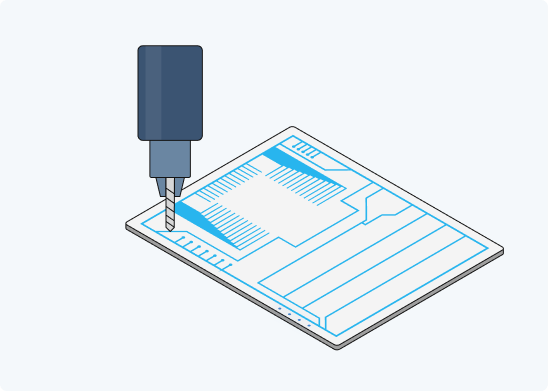
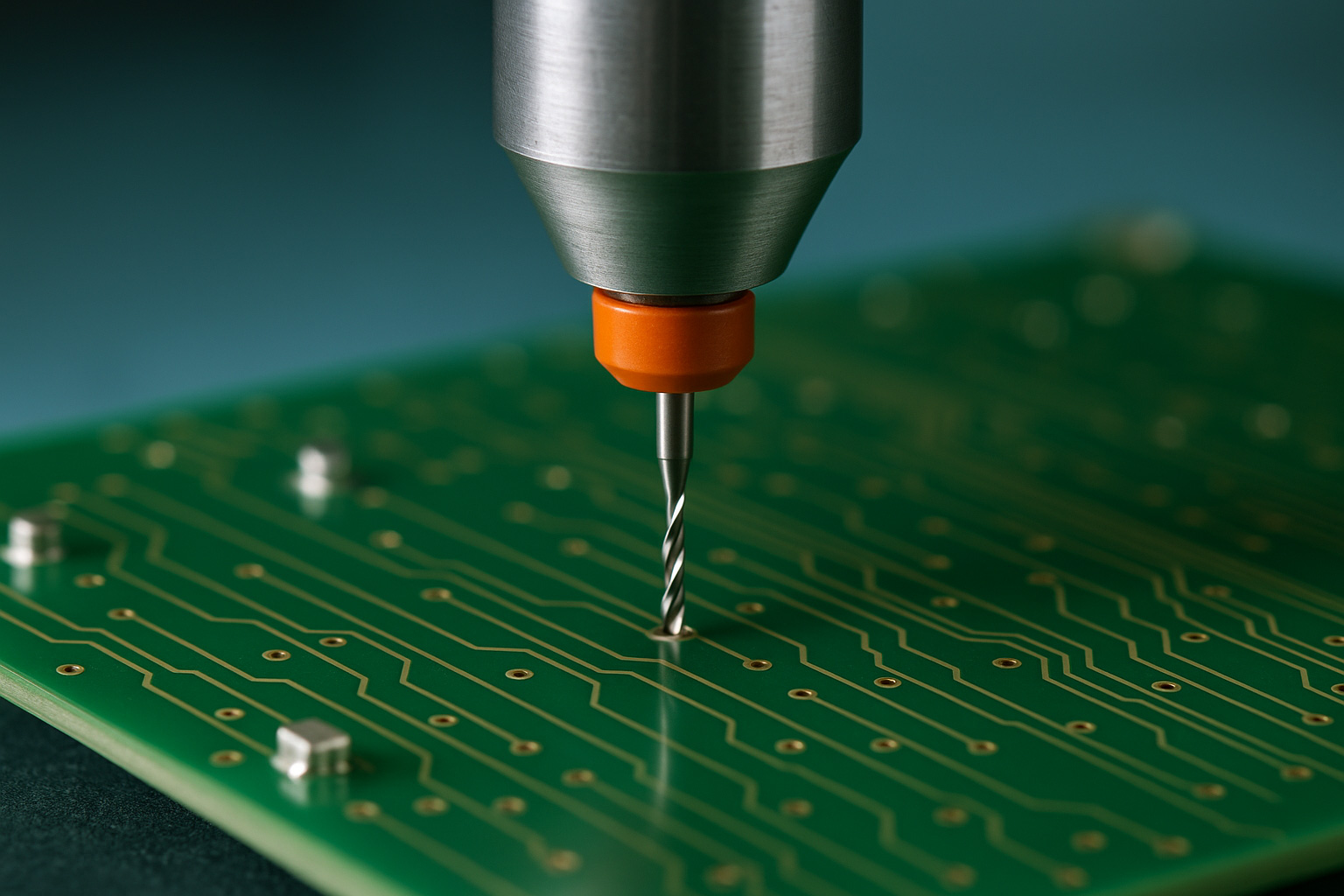
TAC-ON® layer with high hardness and smooth surface greatly reduce the wear between the drill and the board, does not produce tangle; significantly improve the life span and process capability of the drill, reduce replacement frequency and production downtime.
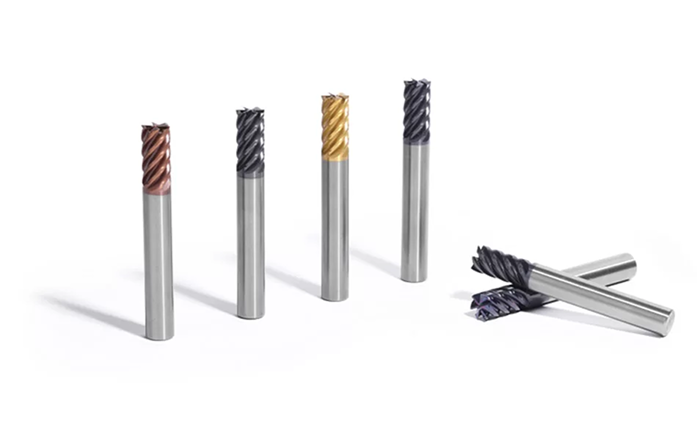
PVD Nitride based Hard Coat wear resistant solution extend CNC machining drill bit lifespan under extreme working condition with temperature up to 1,100°C.
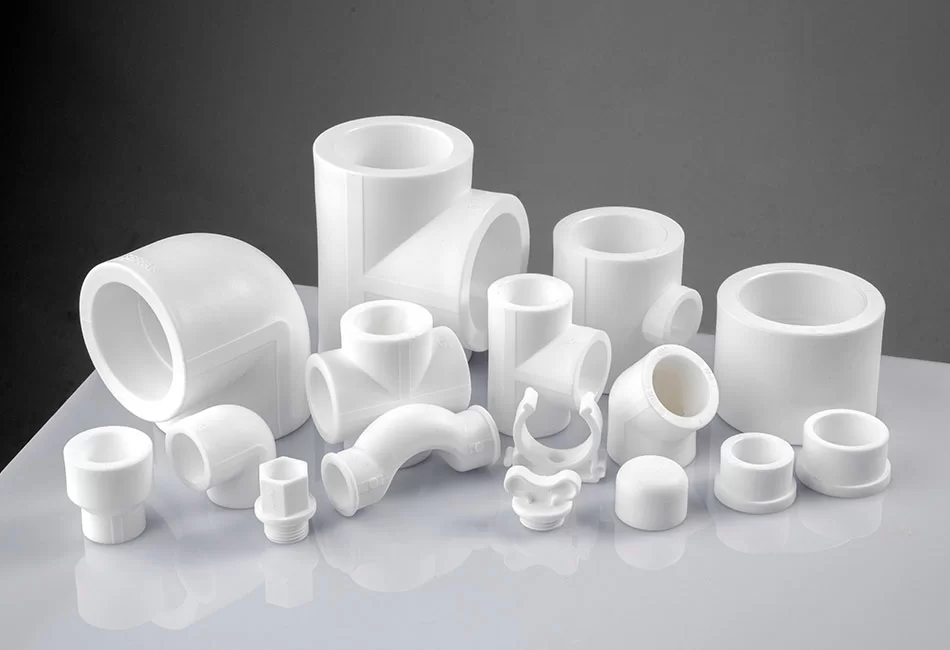
Plastic injection mould operates with high frequency. The injecting materials can corrode the mould, and the friction may scratch the mould surface. These problem often result in products defects and reduce yield rate. Prevent these issues and protect your plastic injection mould with our non-stick MiCC® solution.
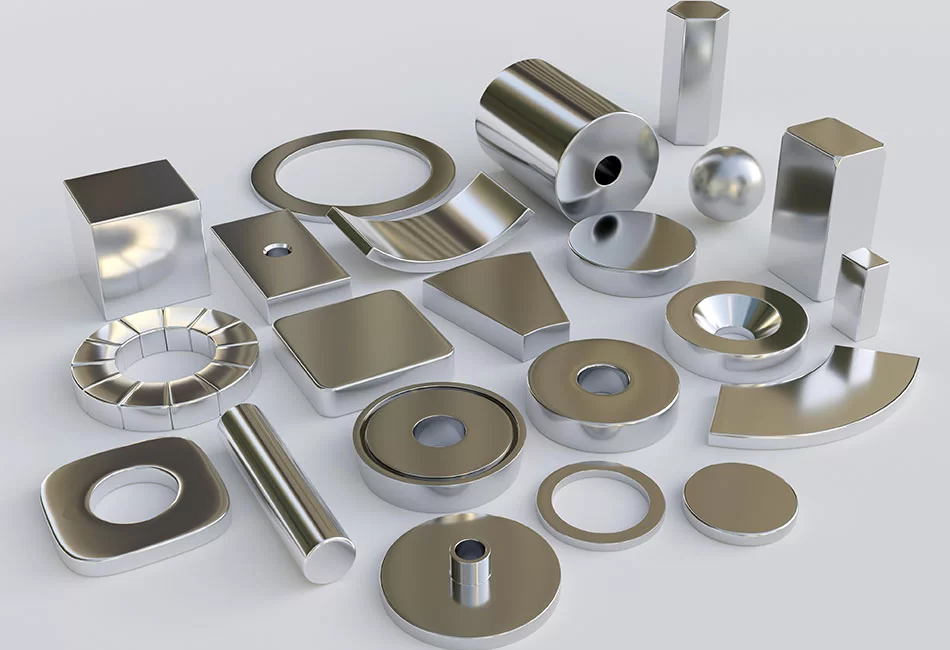
The TAC-ON® coating thickness can be adjusted to forms a super hard and smooth layer on the surface of the mould without impairing precision, with low surface energy that reduces stickiness and friction, greatly improve the lifespan of the piece.
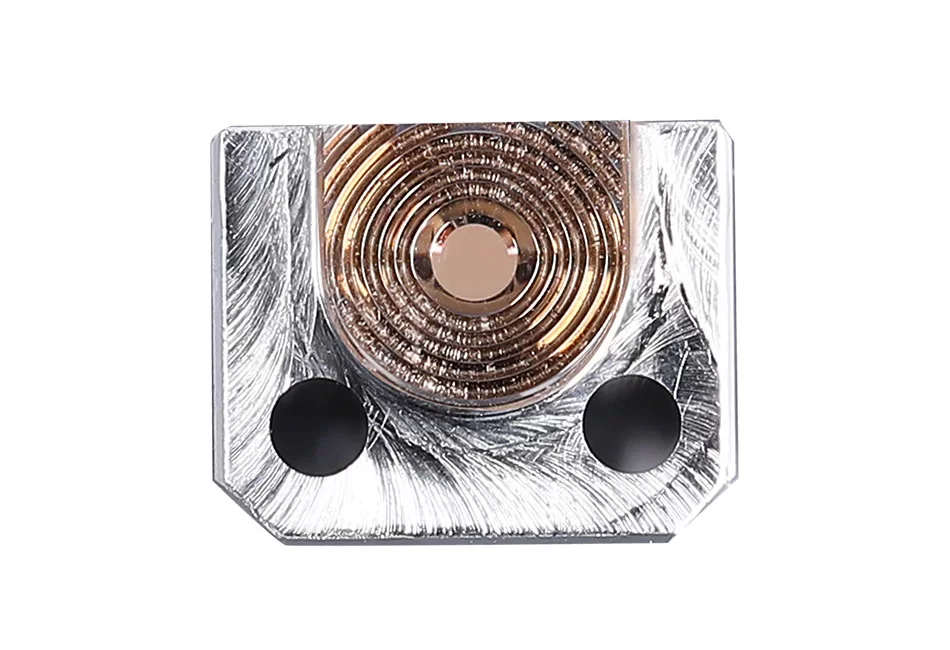
The MiCC® coating forms a protective layer on the surface of the mould with low surface energy and low friction coefficient and gives good non-stick for sliding behavior on the tool surface. The high hardness property also allows the mould to not be easily deformed or scratched during cleaning process. This greatly extend the mould’s lifespan, maintain its precision features and thus improve productivity and yield rate.
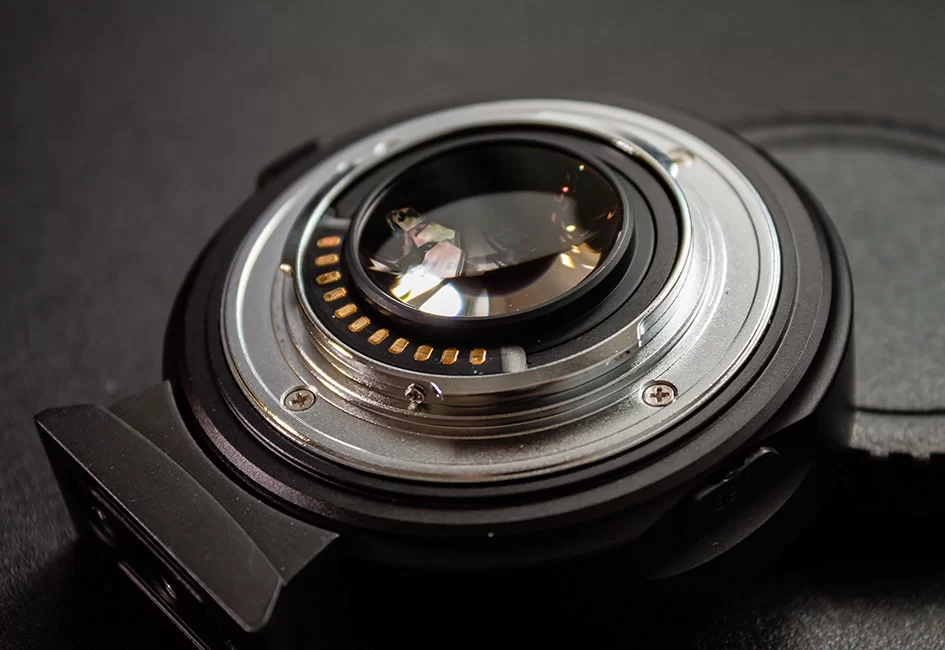
The TAC-ON® coating forms a super hard layer on the surface of the mould with low surface energy that reduces stickiness and friction, greatly improve the life span of the mould. Furthermore , our TAC-ON™ does not contain metal, and can easily be de-coated for recycling.
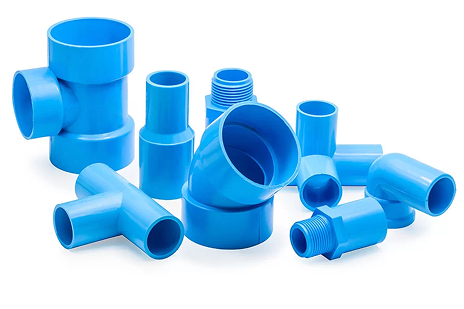
Lorem ipsum dolor sit amet consectetur. Porta arcu tristique auctor mattis. Integer in mi pellentesque pretium amet.
Lorem ipsum dolor sit amet consectetur. Porta arcu tristique auctor mattis. Integer in mi pellentesque pretium amet.

Do you have any question and want to know more about our services? We will be glad to support you.
TAC-ON® provides a hard, low-friction ta-C surface for stators and selected valve contact interfaces exposed to demanding pressure and repeated actuation, supporting durable high-pressure flow switching.
Application requirement
Stators and rotor/stator contact surfaces must withstand repeated actuation while maintaining dependable performance under demanding pressure and flow-switching conditions.
NTI coating pathway
Apply TAC-ON® ta-C within NTI Protect™ to selected stator and valve contact surfaces to improve wear resistance, reduce friction and support high-pressure durability.
Application details to review
Stator or valve geometry, substrate, mating material, pressure range, actuation cycles, fluid exposure, surface finish and acceptance criteria.
Gold plating helps prevent galling during assembly and servicing. PVD Gold offers a more controlled route for maintaining fastening performance while reducing reliance on electroplating.
Application requirement
HPLC screws and fasteners must resist galling and maintain stable fastening behavior through repeated assembly and servicing.
NTI coating pathway
Qualify PVD Gold within NTI Finish™ as a controlled anti-galling route that can reduce reliance on electroplating while preserving established component function.
Application details to review
Gold plated HPLC screws, threaded fasteners and related service hardware.
High-pressure column fittings and threaded hardware must engage securely while remaining serviceable through installation, replacement and maintenance.
Application requirement
Repeated installation and removal can cause thread pickup, seizure or surface damage on threaded fittings and column hardware.
NTI coating pathway
Evaluate PVD Gold within NTI Finish™ with thread geometry, thickness and fastening behavior qualified together.
Application details to review
Fitting type, substrate pair, pressure and torque requirements, thread geometry, installation cycles and current surface finish.
Retainers, clamps and removable pump hardware require dependable fastening around high-pressure solvent delivery and repeated maintenance.
Application requirement
Pump retainers, clamps and service hardware can experience galling, wear or inconsistent fastening through repeated assembly and maintenance.
NTI coating pathway
Evaluate PVD Gold within NTI Finish™ or a validated NTI Protect™ route according to the specific contact and wear requirement.
Application details to review
Pump hardware geometry, material pairs, pressure environment, maintenance cycles, torque requirements and acceptance criteria.