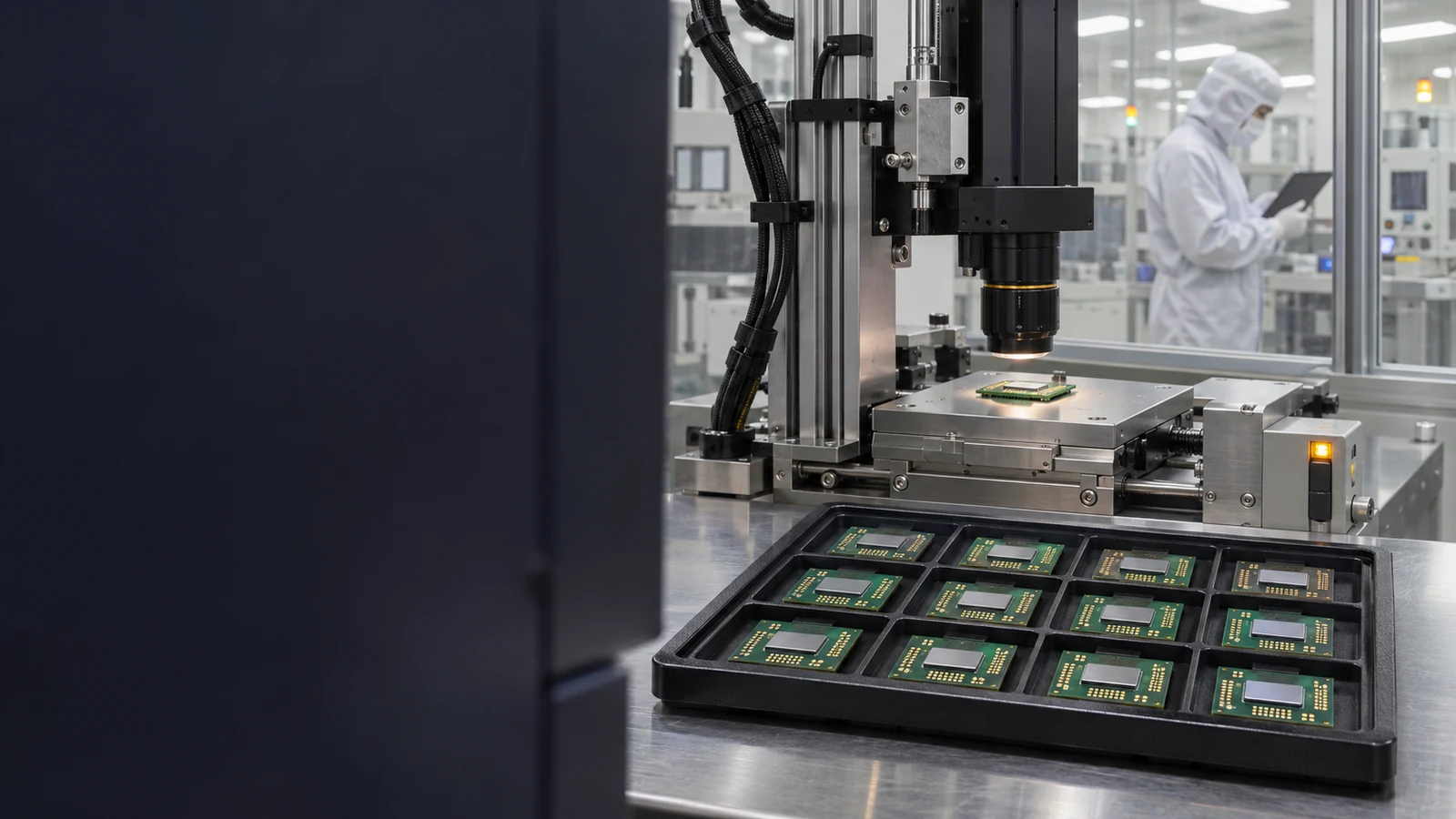
NTI Nanofilm and Sydrogen connect photovoltaic surface engineering, PVD and CSS thin-film equipment, fuel-cell interface technologies and integrated hydrogen power solutions to improve solar performance, manufacturing control, component durability and dependable distributed power.
Higher conversion efficiency, emerging thin-film architectures, longer field-life expectations and wider hydrogen deployment are changing what renewable-energy surfaces, production equipment and electrochemical components must deliver.
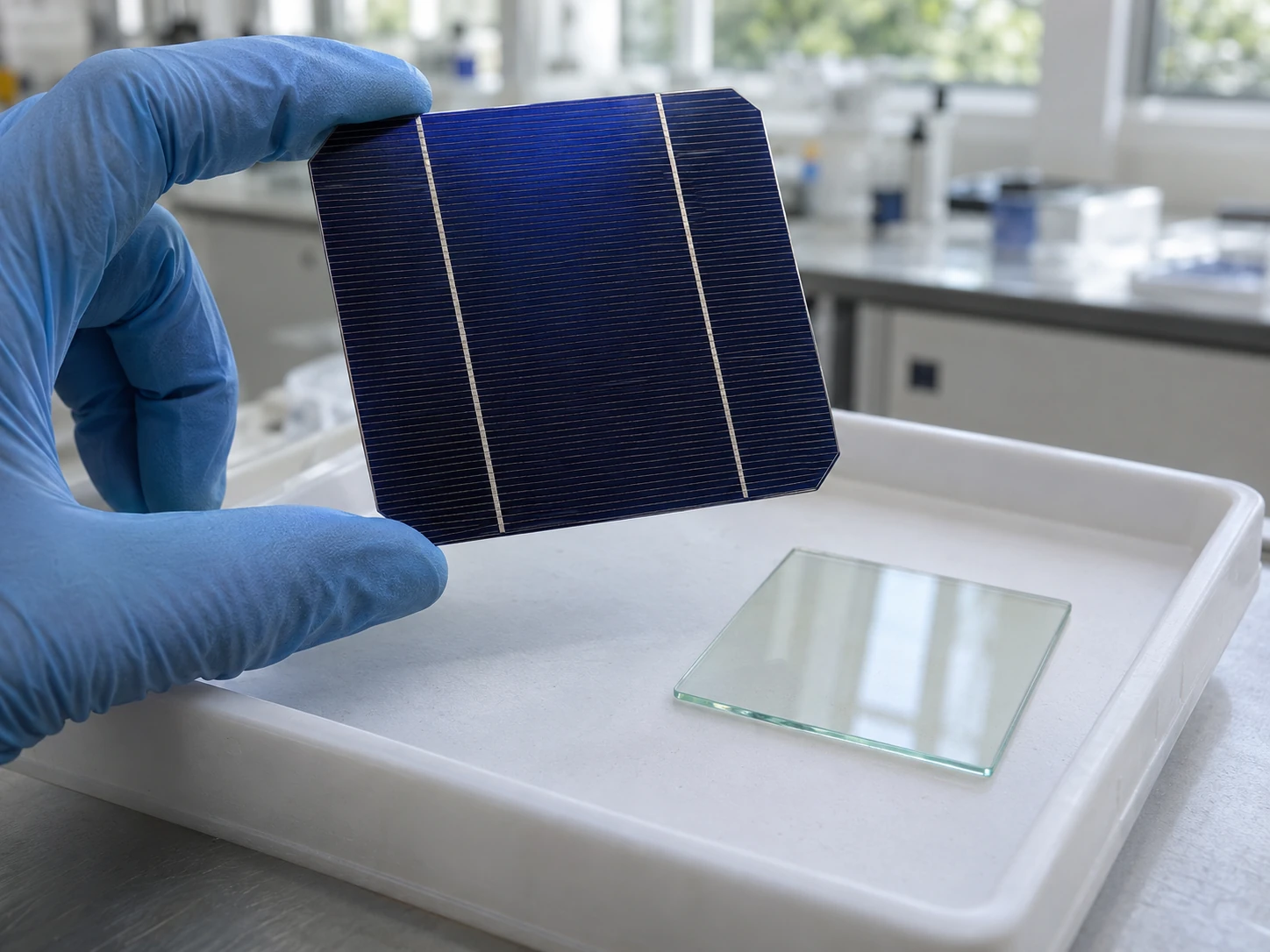
Optical transmission, electrical continuity and film quality increasingly influence how much performance can be retained across photovoltaic surfaces, contacts and deposited layers.
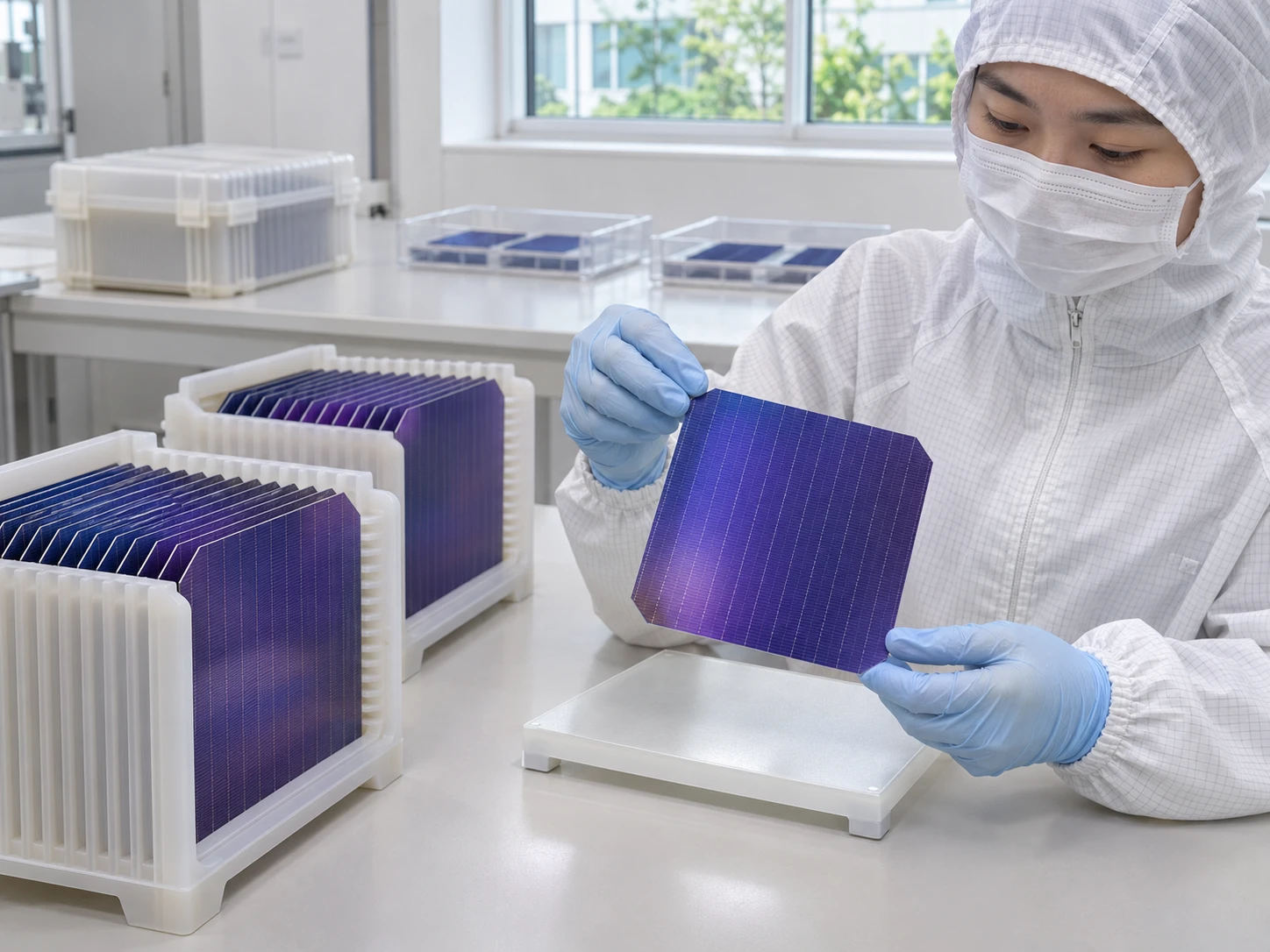
HJT, CIGS, CdTe and emerging perovskite processes require tighter layer control, larger-area deposition and manufacturing conditions that preserve device consistency beyond development.

Soiling, weathering, cleaning abrasion, moisture exposure and electrochemical corrosion can reduce output or shorten useful life. Better surface protection helps preserve critical optical, electrical and barrier functions.
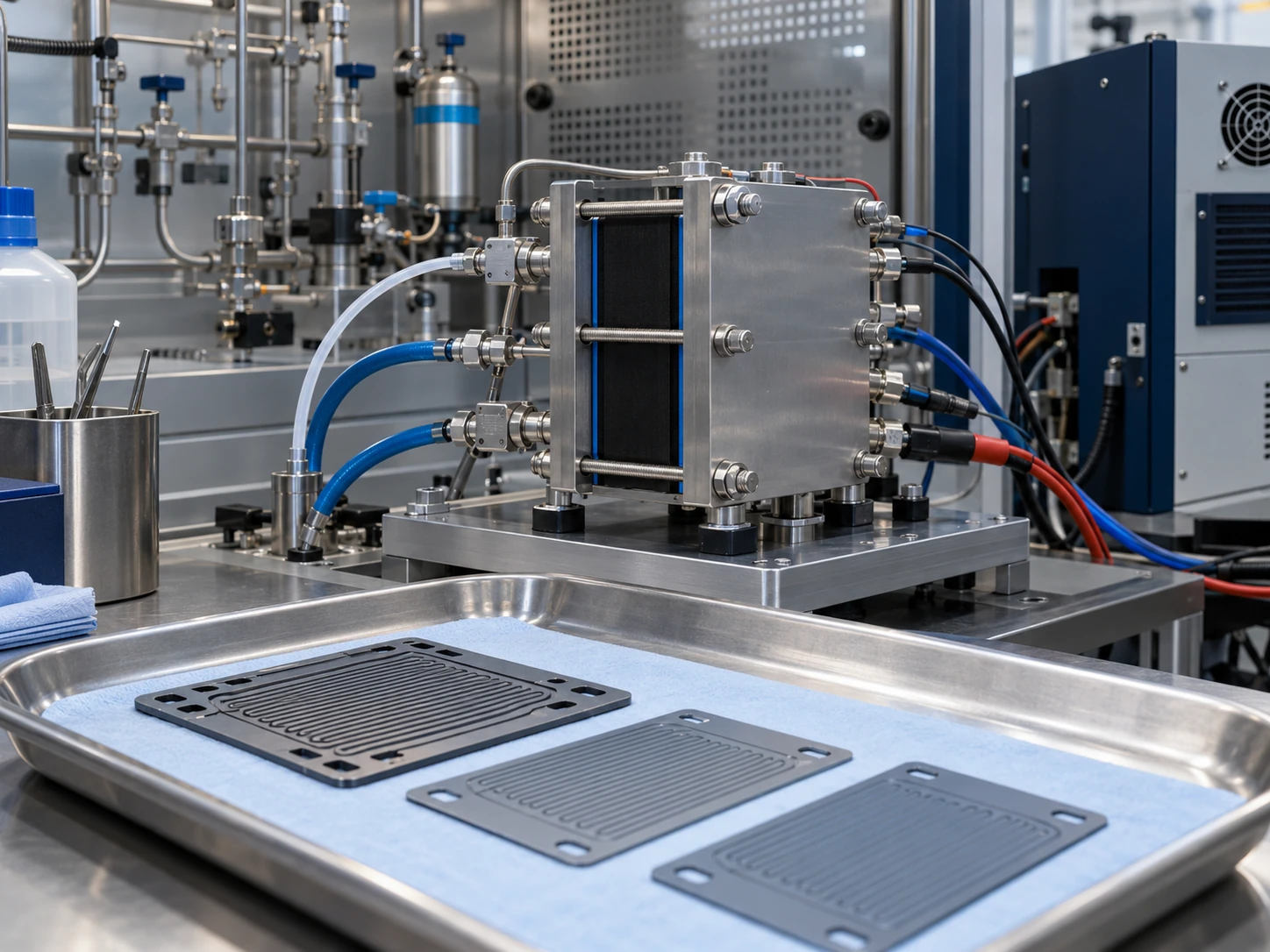
Fuel-cell components and distributed power systems must deliver durable electrical interfaces, dependable operation and practical integration around load demand, hydrogen supply and site conditions.
Improve exposed photovoltaic surfaces, control thin-film deposition, protect fuel-cell electrical interfaces and deliver dependable hydrogen power through coordinated NTI Nanofilm and Sydrogen solutions.

Relevant route: Solar surface engineering
Protect exposed photovoltaic surfaces against soiling, weathering and cleaning abrasion while preserving the optical performance that contributes to energy output.
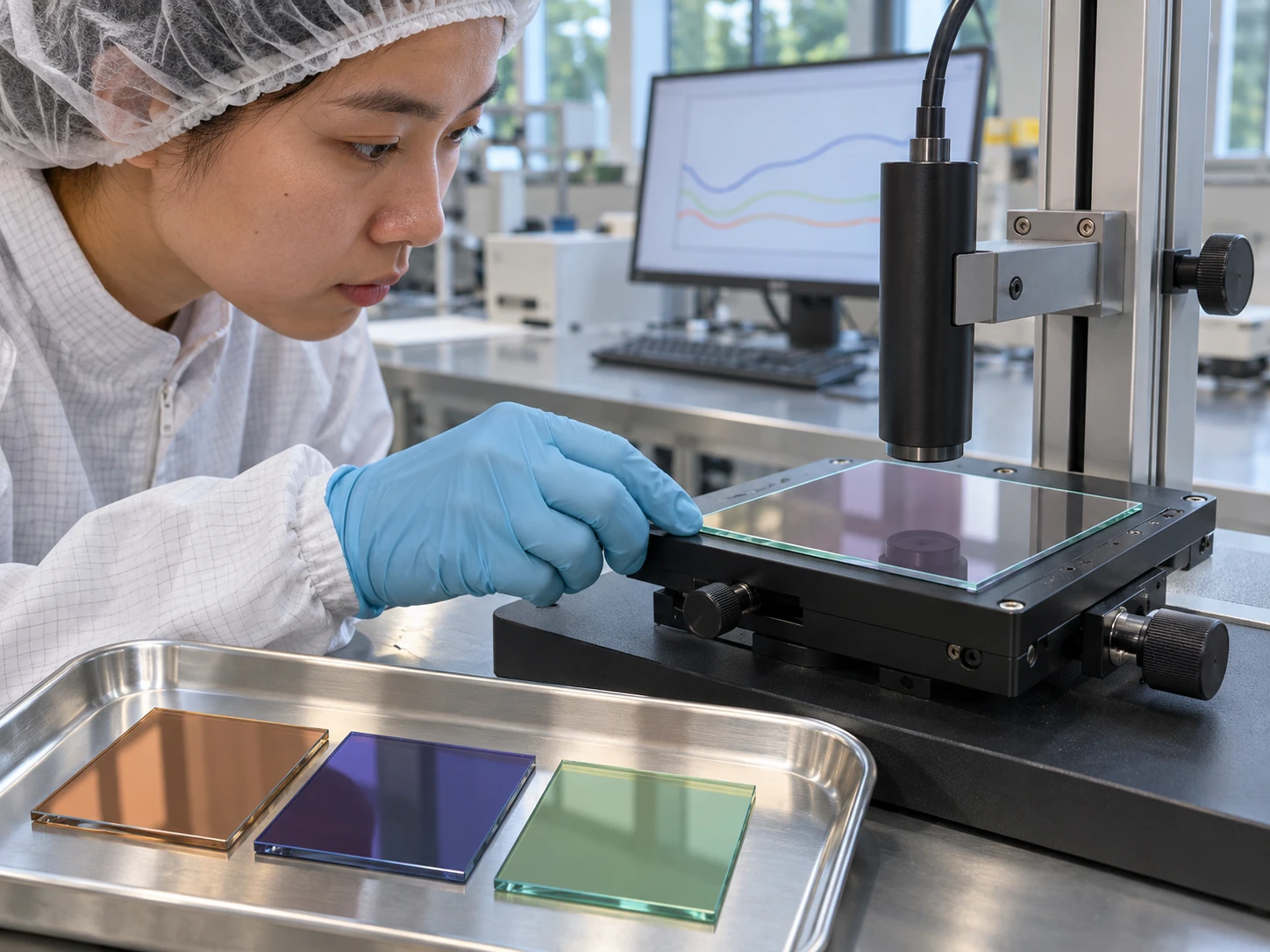
Relevant route: PVD and CSS thin-film equipment
Maintain film thickness, composition and layer consistency across HJT, CIGS, CdTe and perovskite manufacturing where deposition control directly influences device quality and production yield.
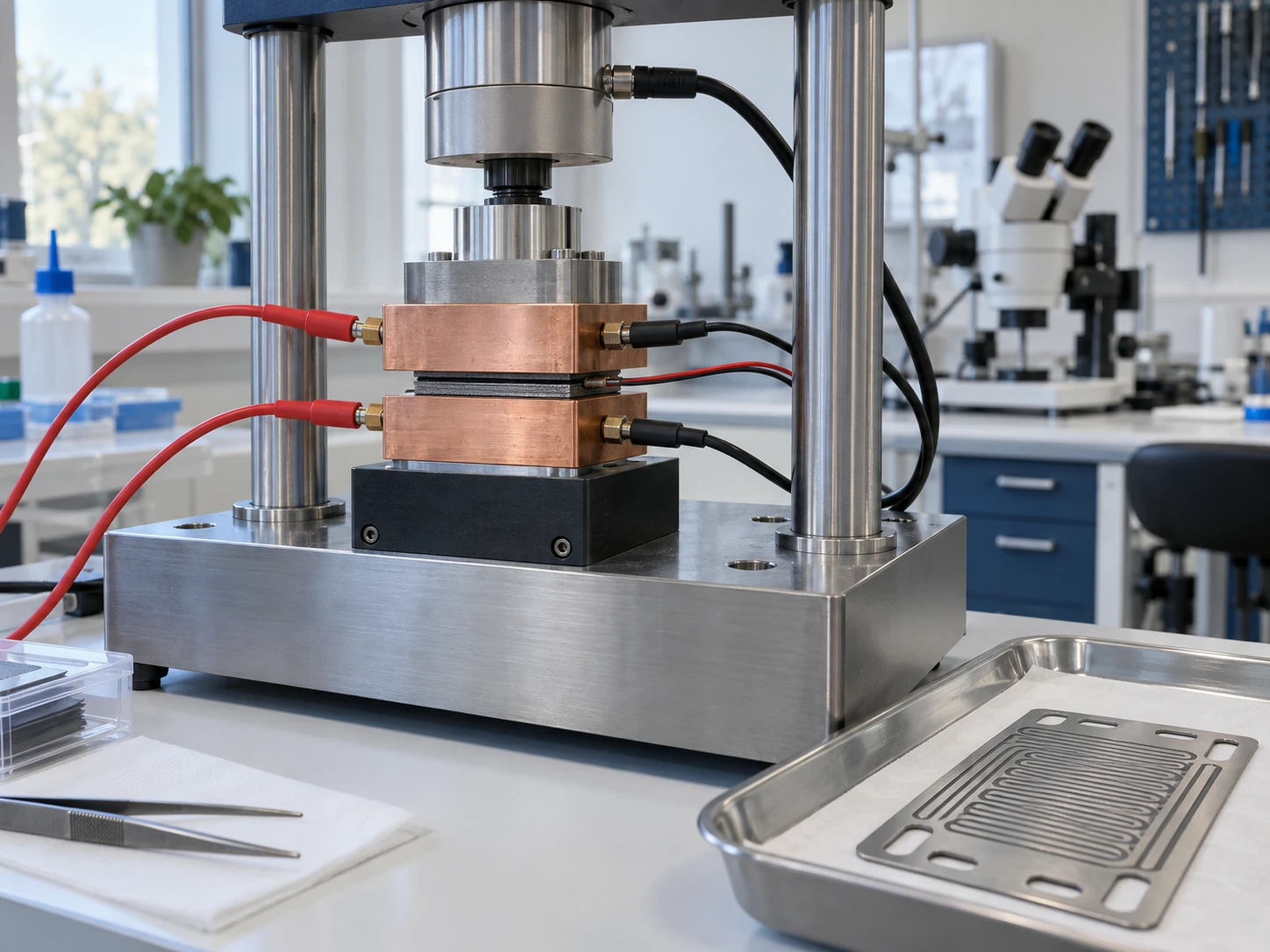
Relevant route: Sydrogen coating and component solutions
Control corrosion, ion release and interface resistance across metallic fuel-cell components so electrical performance can be maintained through qualification and operating life.
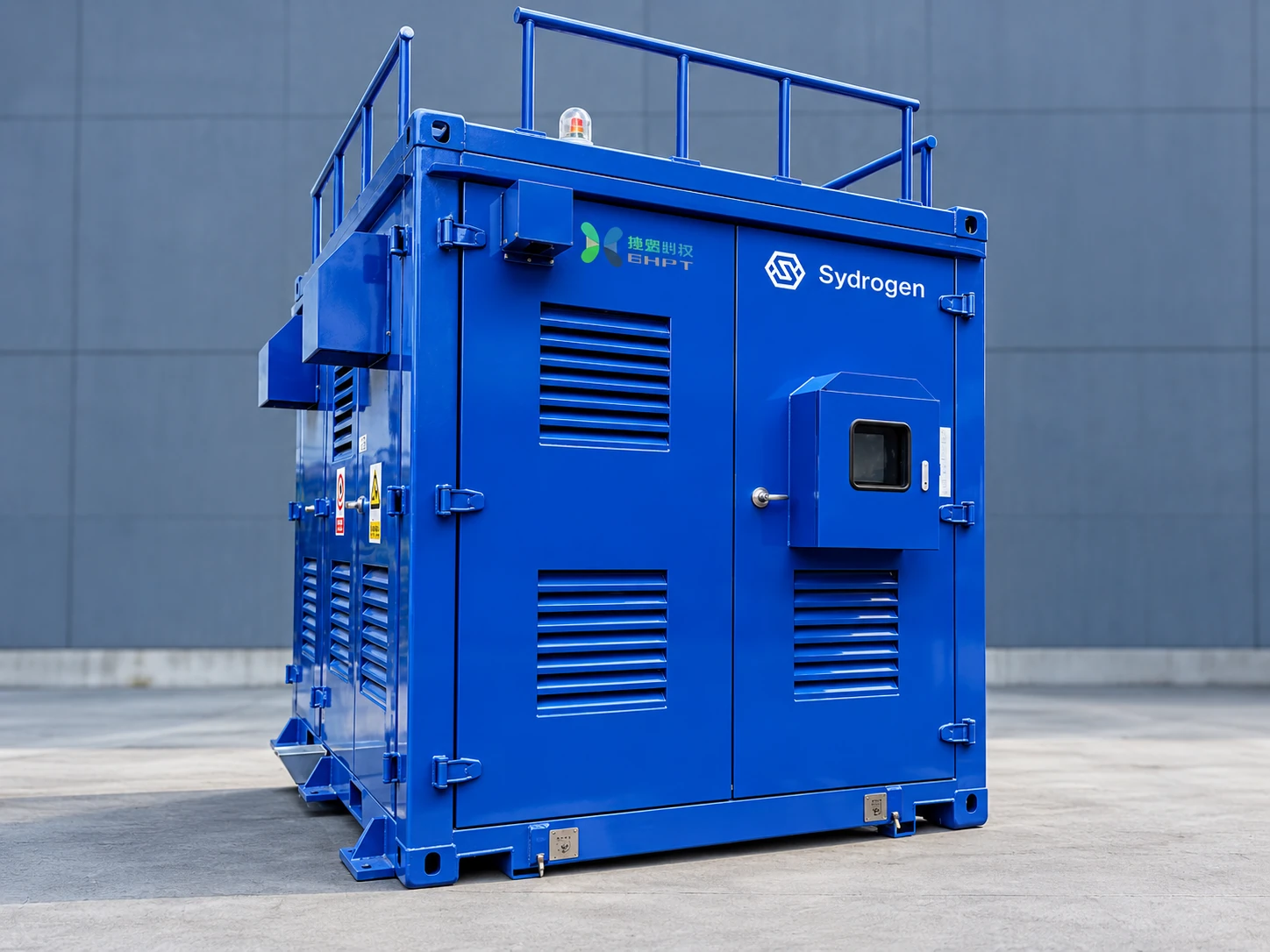
Relevant route: SydroPOWER®
Bring fuel-cell systems, hydrogen supply, controls, power electronics and site requirements together around the actual operating load and deployment environment.
From photovoltaic cover glass and functional thin films to fuel-cell interfaces and off-grid power, each application depends on a critical surface, layer or system decision that NTI Nanofilm and Sydrogen can help engineer.

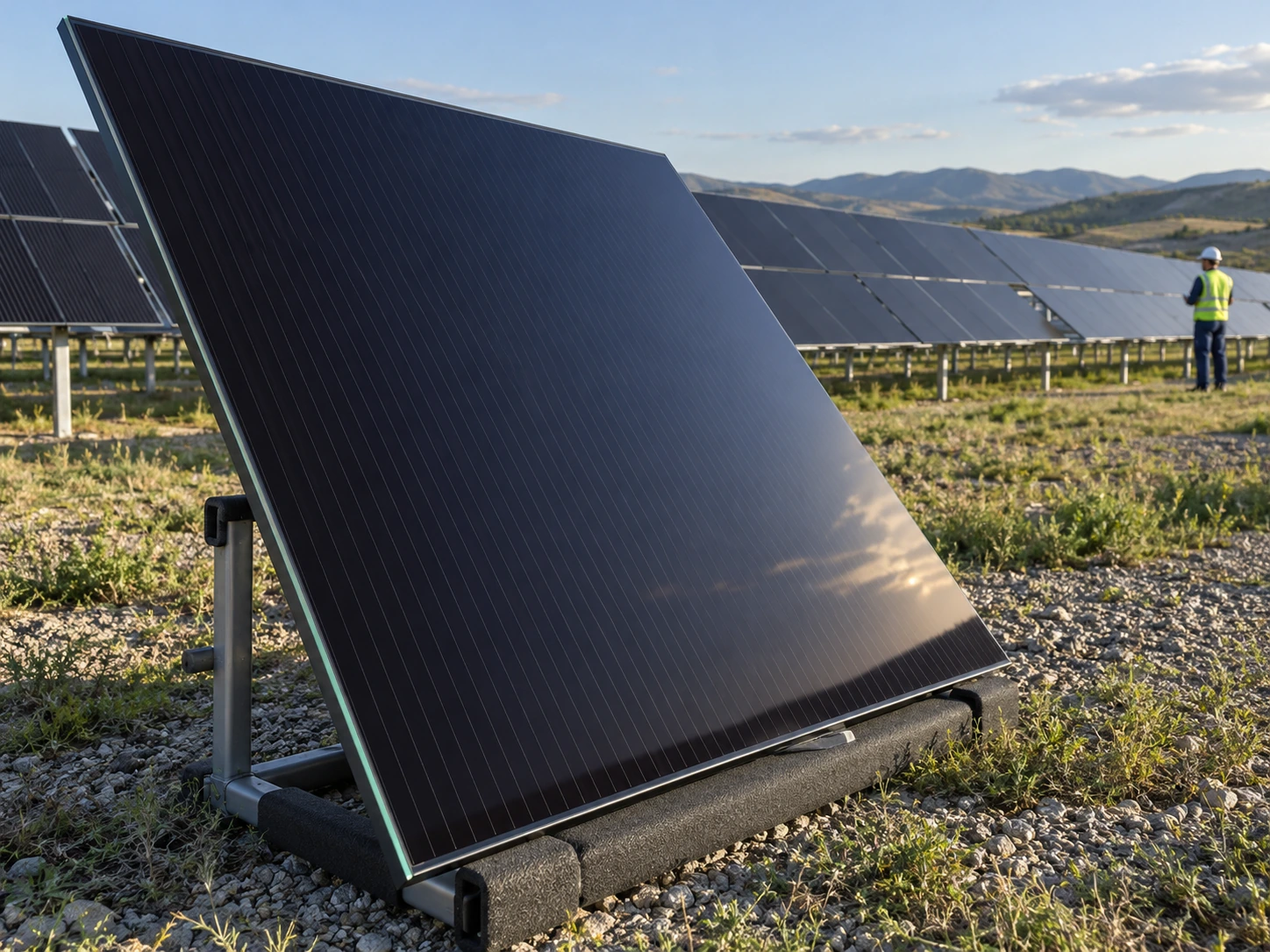
PV cover glass must maintain light transmission while resisting soiling, weather exposure and cleaning abrasion, helping protect annual energy yield and manage ongoing maintenance demand.
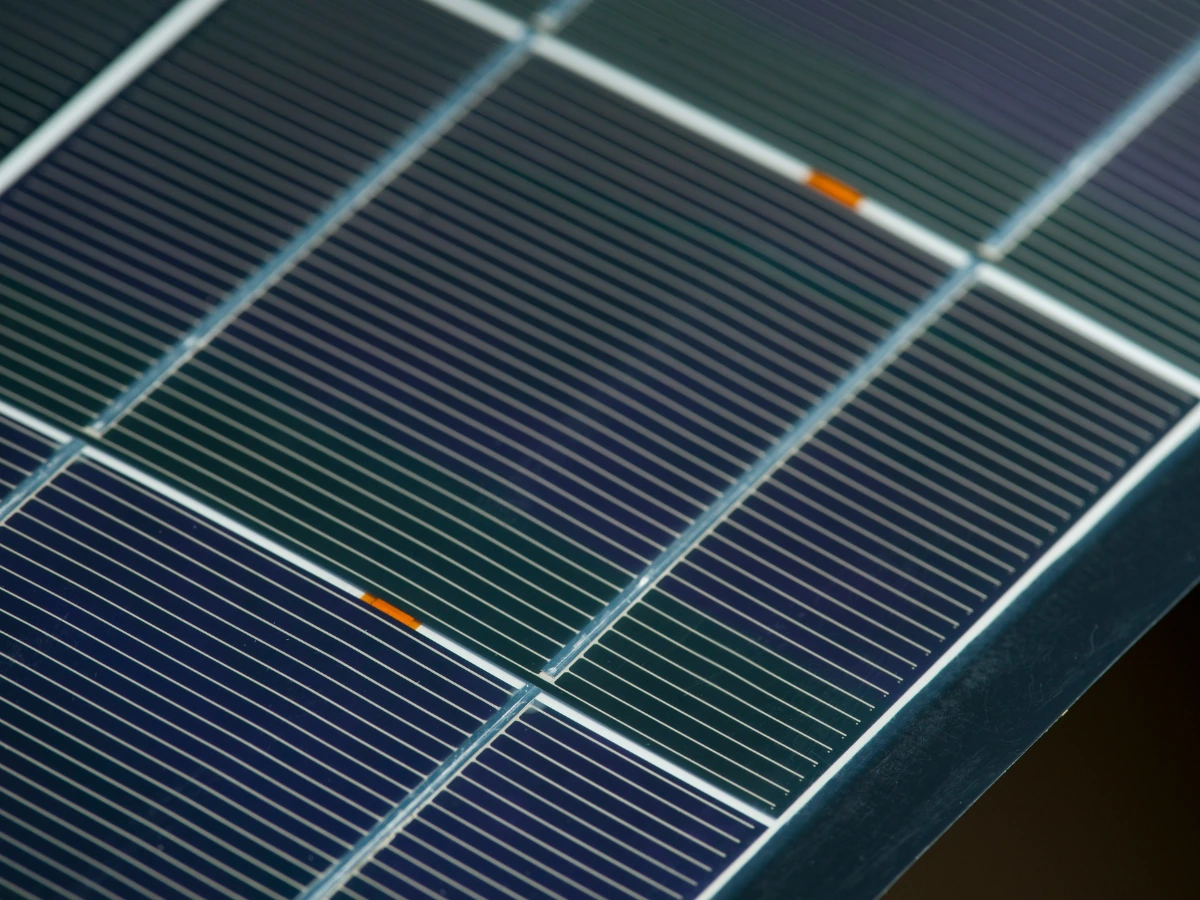
HJT production depends on uniform transparent conductive and metal layers with controlled conductivity, low process damage and consistent coverage across larger substrates and production batches.
CIGS and CdTe manufacturing requires controlled absorber, window, contact and electrode layers, with deposition consistency maintained as processes move from development into inline production.
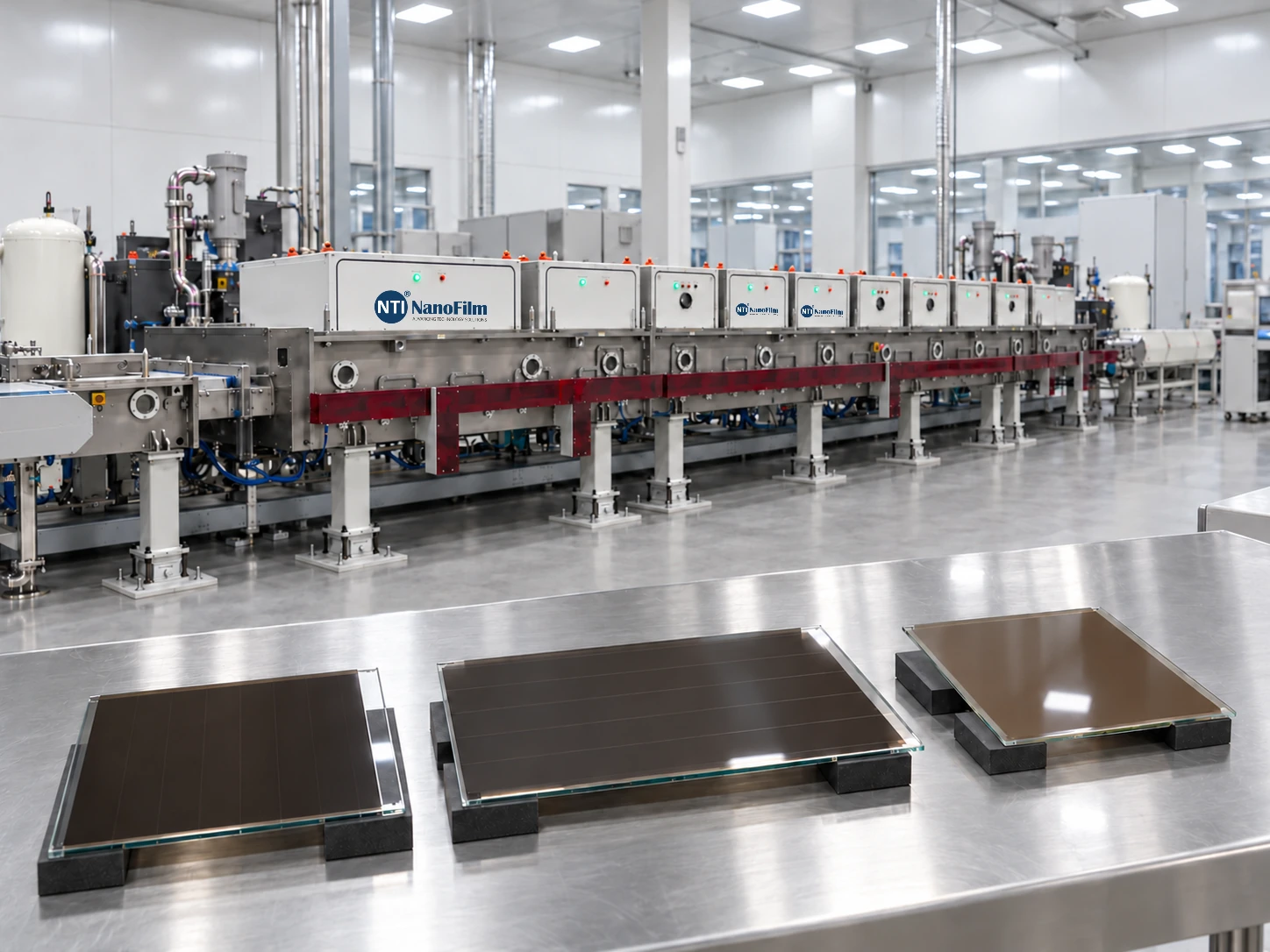
Dry perovskite processing requires precise precursor delivery, thermal control and consistent film formation while integrating transport layers and electrodes within a controlled vacuum process.

Selected lightweight and building-integrated photovoltaic structures can require surface and barrier protection where moisture resistance, abrasion performance and optical behaviour must be balanced.
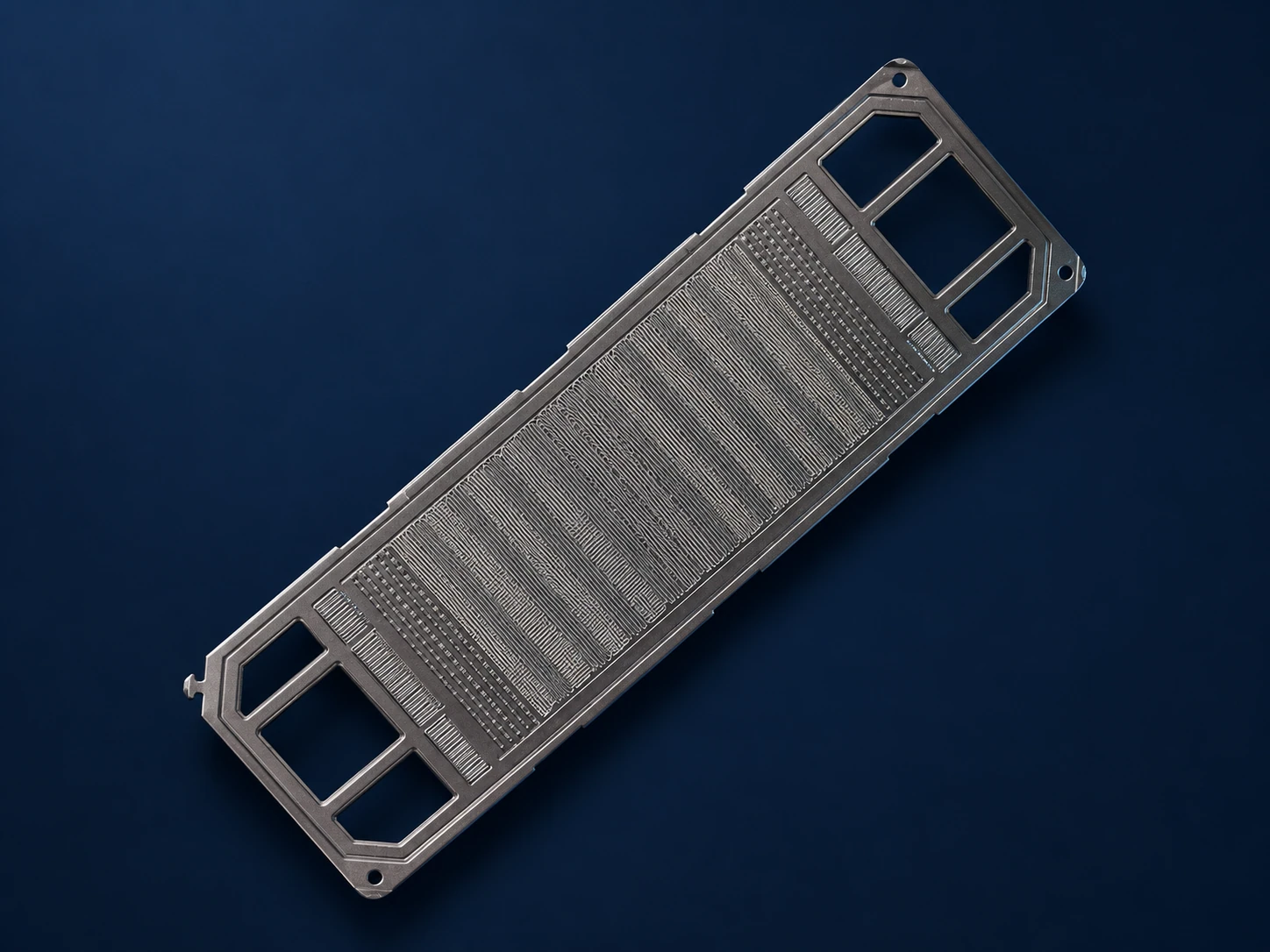
SydroDIAMOND®, SydroSTAR™ and SydroGEM™ support conductivity, corrosion resistance and ion-release control for metallic bipolar plates.
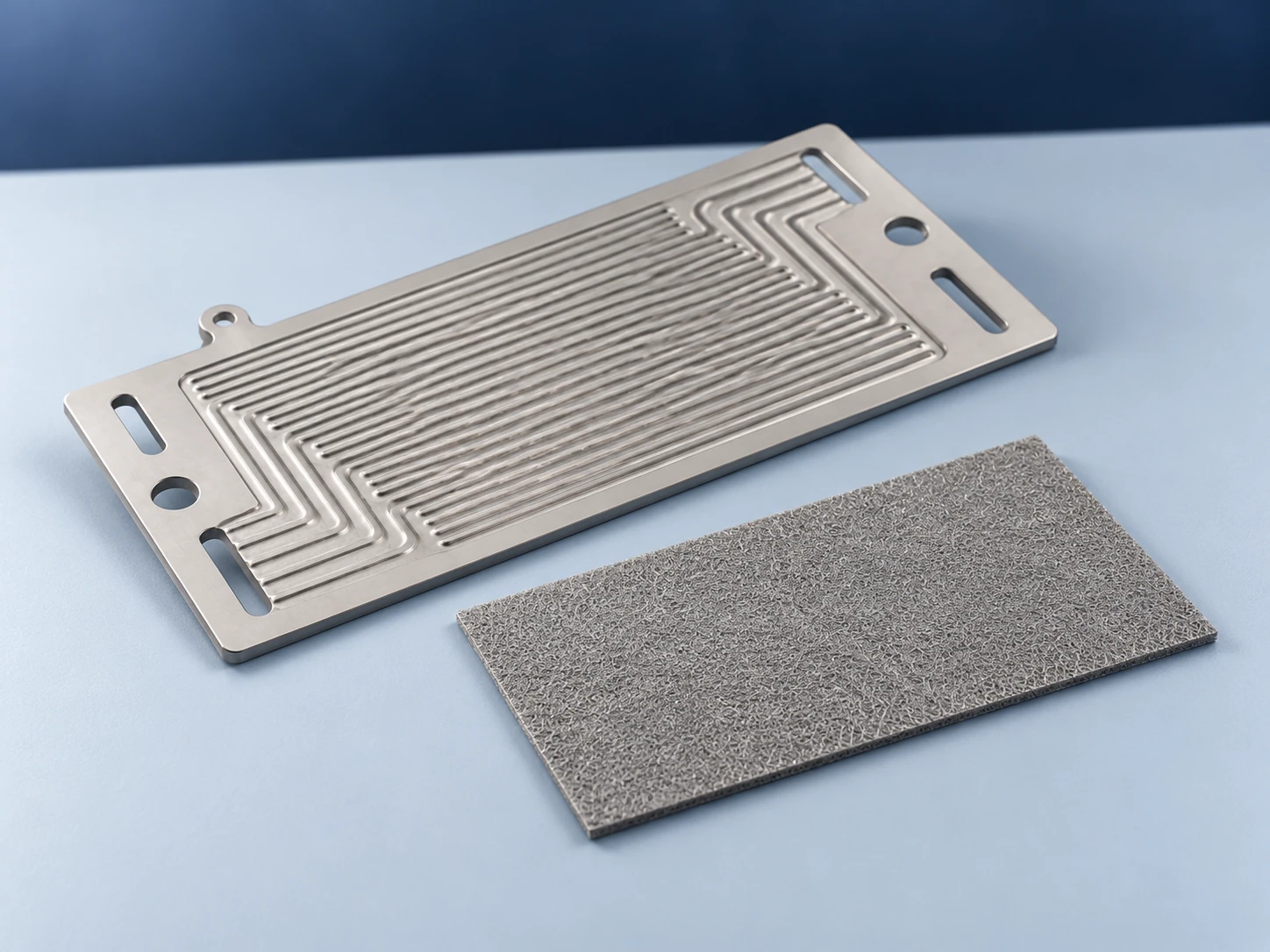
Conductive, thermal, mechanical and corrosion requirements can converge across porous transport layers, end plates and selected solid-oxide interfaces, requiring application-specific surface review.

SydroPOWER® coordinates the fuel-cell system, hydrogen supply, controls, power electronics and site requirements around the intended load and operating environment.
Choose coating service, in-house coating equipment, hydrogen system integration or development partnership according to process ownership, qualification status and production strategy.
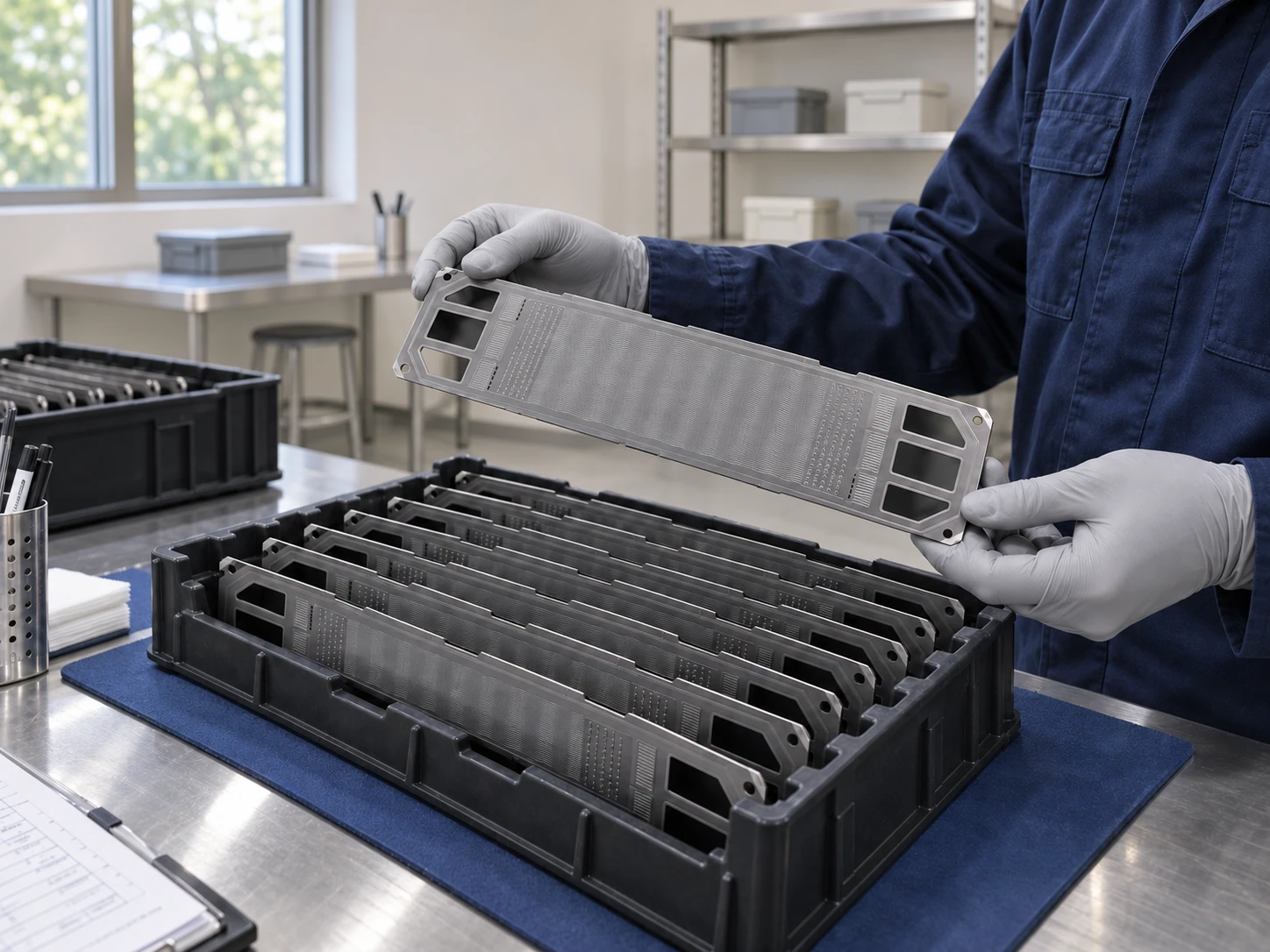
Qualify and source coated solar or fuel-cell components through NTI or Sydrogen without bringing the coating process into your own facility.
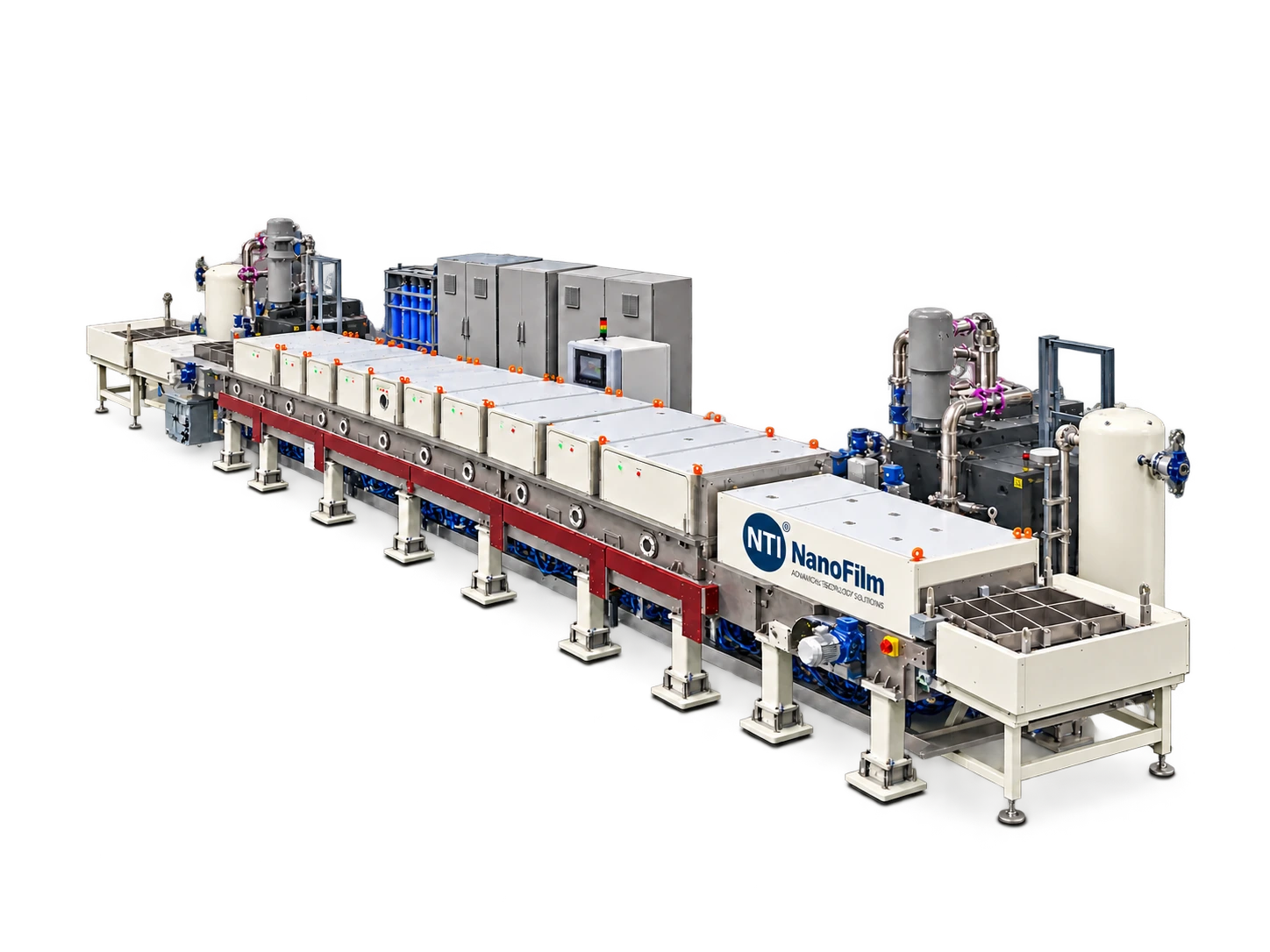
Bring validated vacuum deposition capability into your manufacturing environment where greater process ownership and factory integration support your operating model.

Coordinate fuel-cell power, hydrogen supply, controls, power electronics and site integration around the required application and load profile.
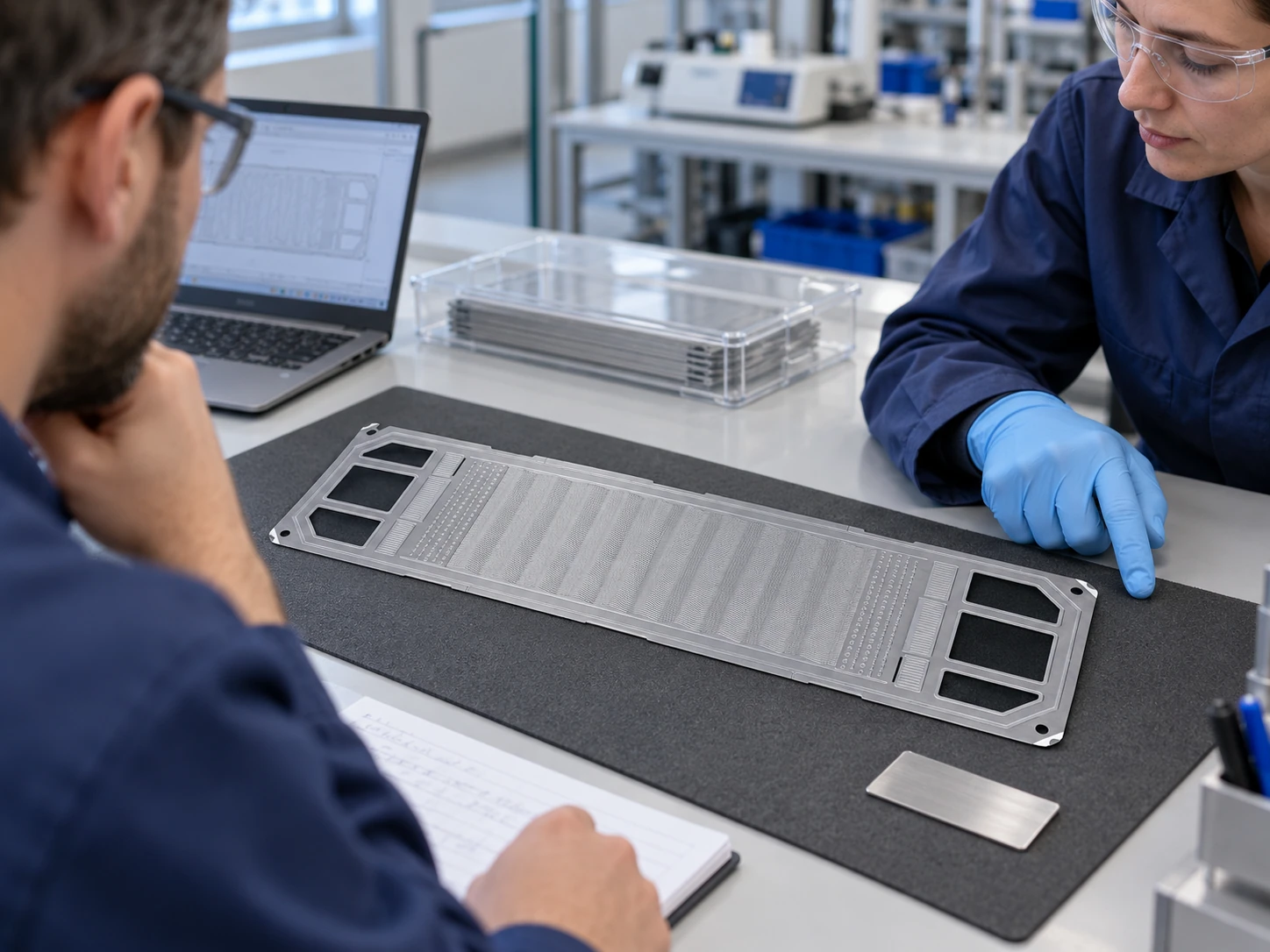
Co-develop new coating, equipment, electrochemical or renewable-energy solutions when materials, interfaces or operating requirements extend beyond an established technology route.
Continue exploring how NTI Nanofilm coating, equipment, hydrogen and precision manufacturing capabilities support engineering and production requirements across other industries.

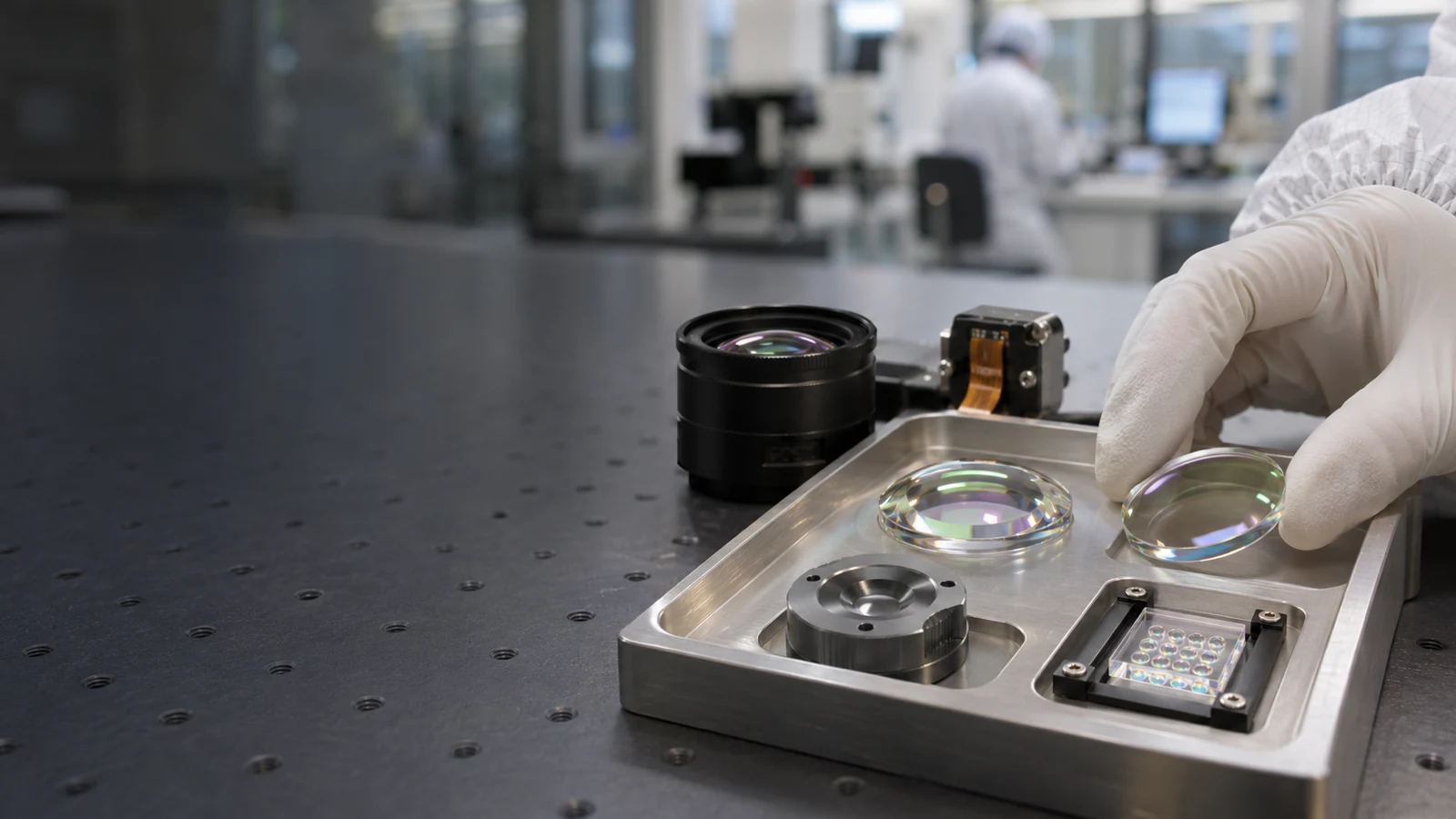
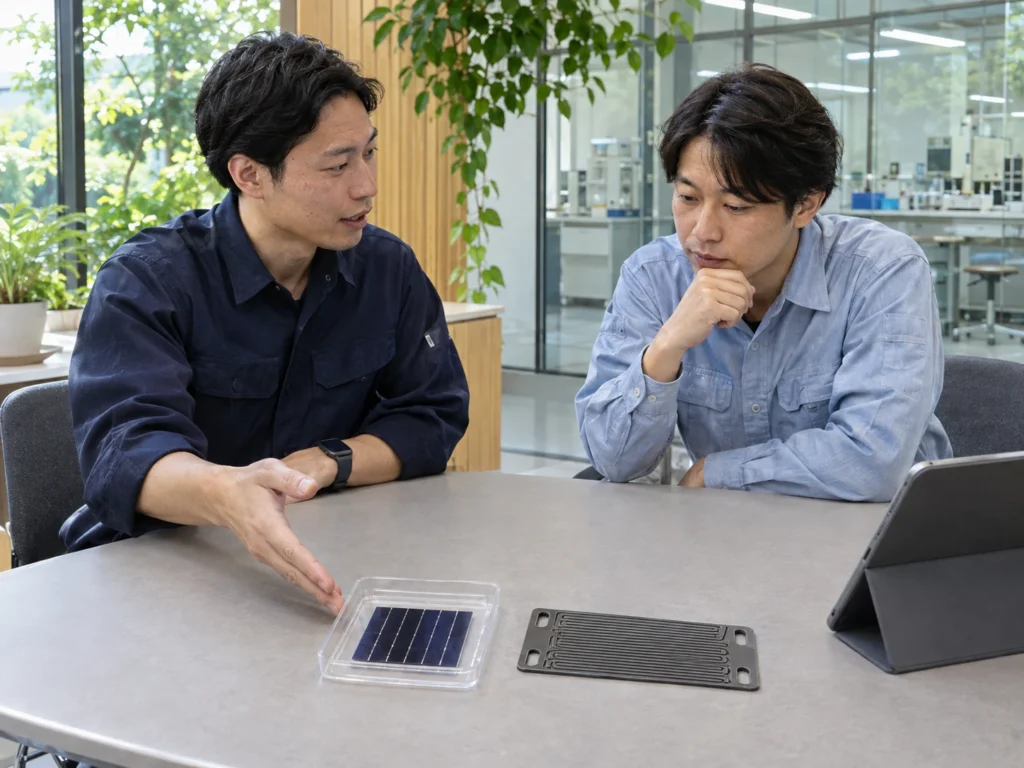
Share the cell architecture, substrate, target layer, electrochemical component, power requirement or manufacturing constraint. NTI Nanofilm and Sydrogen can connect the relevant coating, equipment, component or hydrogen system route around the performance and qualification outcome you need.
NTI Nanofilm and Sydrogen support renewable-energy applications through photovoltaic surface engineering, PVD and CSS thin-film equipment, fuel-cell coating and component solutions, and integrated hydrogen power systems. The portfolio addresses requirements from solar surfaces and deposited functional layers to electrochemical interfaces and distributed power.
NTI can support photovoltaic manufacturing through surface protection for exposed PV architectures and vacuum deposition equipment for functional thin films. Applications include PV front glass, HJT and transparent conductive layers, CIGS and CdTe thin films, perovskite dry processing, and selected lightweight or flexible photovoltaic structures.
The photovoltaic applications represented on this page include HJT, CIGS, CdTe and emerging perovskite architectures using PVD and CSS deposition routes. The appropriate equipment and process configuration depends on the target layer, substrate dimensions, material system, thermal conditions and manufacturing requirements.
Surface engineering can help preserve optical transmission, reduce the effects of soiling and cleaning abrasion, and provide selected barrier or environmental protection. The appropriate surface solution depends on the photovoltaic architecture, substrate, optical requirement, exposure conditions and qualification criteria.
Sydrogen supports fuel-cell components through conductive, corrosion-resistant surface solutions and component pathways for metallic bipolar plates and other demanding electrochemical interfaces. The objective is to control corrosion and ion release while maintaining the electrical interface performance required by the application.
A suitable coating protects the metallic surface from the electrochemical environment while helping maintain low interfacial contact resistance and control ion release. Coating selection is matched to the plate material, operating conditions, expected duty and qualification requirements.
Yes. These components can involve combinations of conductivity, corrosion resistance, adhesion, thermal stability and mechanical requirements. NTI and Sydrogen can review the component, substrate, operating environment and target interface performance to determine an appropriate development or coating route.
The applications represented on this page include backup, off-grid and distributed power requirements. SydroPOWER® brings together the fuel-cell system, hydrogen supply, power electronics, controls and site requirements around the intended load and operating environment.
Yes. The engagement route can be matched to the project. Customers may begin with coating or component qualification, consider in-house deposition equipment where greater process ownership is required, work with Sydrogen on hydrogen components and systems, or enter a development partnership for new requirements.
Yes. NTI Nanofilm and Sydrogen can review new materials, photovoltaic layers, electrochemical components, surface requirements or power-system needs where the application falls outside an established solution. Development can begin around the technical requirement, representative testing and agreed qualification objectives.
Useful starting information includes the solar-cell or electrochemical architecture, component or substrate, target coating or deposited layer, dimensions, operating environment, performance requirement, qualification method, expected production volume and current technical or manufacturing challenge. For hydrogen power applications, load demand, operating profile and site conditions are also helpful.
PV cover glass must maintain light transmission while resisting soiling, weather exposure and cleaning abrasion, helping protect annual energy yield and manage ongoing maintenance demand.
Relevant platform
NTI Solar Surface Engineering
Recommended route
Solar Surface Engineering
HJT production depends on uniform transparent conductive and metal layers with controlled conductivity, low process damage and consistent coverage across larger substrates and production batches.
Relevant platform
NTI PVD Thin-Film Equipment
Recommended route
Solar Thin-Film Equipment
CIGS and CdTe manufacturing requires controlled absorber, window, contact and electrode layers, with deposition consistency maintained as processes move from development into inline production.
Relevant platform
NTI PVD Thin-Film Equipment
Recommended route
Solar Thin-Film Equipment
Dry perovskite processing requires precise precursor delivery, thermal control and consistent film formation while integrating transport layers and electrodes within a controlled vacuum process.
Relevant platform
NTI CSS Development
Recommended route
Perovskite CSS Development
Selected lightweight and building-integrated photovoltaic structures can require surface and barrier protection where moisture resistance, abrasion performance and optical behaviour must be balanced.
Relevant platform
NTI Surface Engineering
Recommended route
Solar Surface Engineering
SydroDIAMOND®, SydroSTAR™ and SydroGEM™ support conductivity, corrosion resistance and ion-release control for metallic bipolar plates.
Relevant platform
Sydrogen Coating and Component Solutions
Recommended route
Fuel-Cell Components
Conductive, thermal, mechanical and corrosion requirements can converge across porous transport layers, end plates and selected solid-oxide interfaces, requiring application-specific surface review.
Relevant platform
NTI + Sydrogen Development
Recommended route
Electrochemical Interface Development
SydroPOWER® coordinates the fuel-cell system, hydrogen supply, controls, power electronics and site requirements around the intended load and operating environment.
Relevant platform
SydroPOWER®
Recommended route
Hydrogen System Integration