From static dissipative and ESD coatings to low resistance conductivity, thin film electrical insulation and conductive corrosion protection, NTI Control™ supports semiconductor tooling, electrical contacts, compact electronics and electrochemical components.
Across semiconductor manufacturing, high-density electronics and repeated-mating interfaces, electrical surface performance is becoming more closely tied to yield, reliability and packaging efficiency. The demand is for controlled charge, stable contact resistance, thin electrical isolation and corrosion-resistant conductivity without giving up wear resistance, dimensional precision or substrate compatibility.
In semiconductor production, surface charge can contribute to ESD risk and electrostatic attraction that draws particles toward sensitive equipment and parts. Durable static dissipative surfaces help keep charge management working through repeated handling and cleaning.
Connector terminals, probe contacts and charging interfaces are qualified for more than an initial resistance reading. Wear, oxidation and repeated mating can change the contact interface, increasing demand for hard conductive surfaces that retain low resistance over use.
As electronics pack more functions into smaller spaces, separate sleeves, tapes and inserts compete for valuable assembly room. Thin dielectric coatings can place electrical isolation directly on selected metal surfaces while preserving component geometry.
Current collectors and electrode interfaces operate where electrolyte exposure and applied potential can drive corrosion. The surface therefore has to resist degradation while preserving the conductivity needed for efficient current transfer.
Conductive metals can dissipate charge through an existing grounding path, while anodized metals, ceramics and polymers do not provide the same direct path to ground. Surface resistance, grounding and process temperature therefore need to work with the electrical behavior of the substrate.
Get to a more relevant starting point in three short questions. The NTI Control Solution Finder helps narrow the coating routes most likely to fit your electrical requirement, surface material and operating priorities, while keeping room for applications and materials beyond the examples shown.
NTI Control brings together static dissipative, conductive, insulating and electrochemical coating families so the electrical requirement can be matched to substrate compatibility, coating thickness, mechanical durability and the conditions the component will face in use.
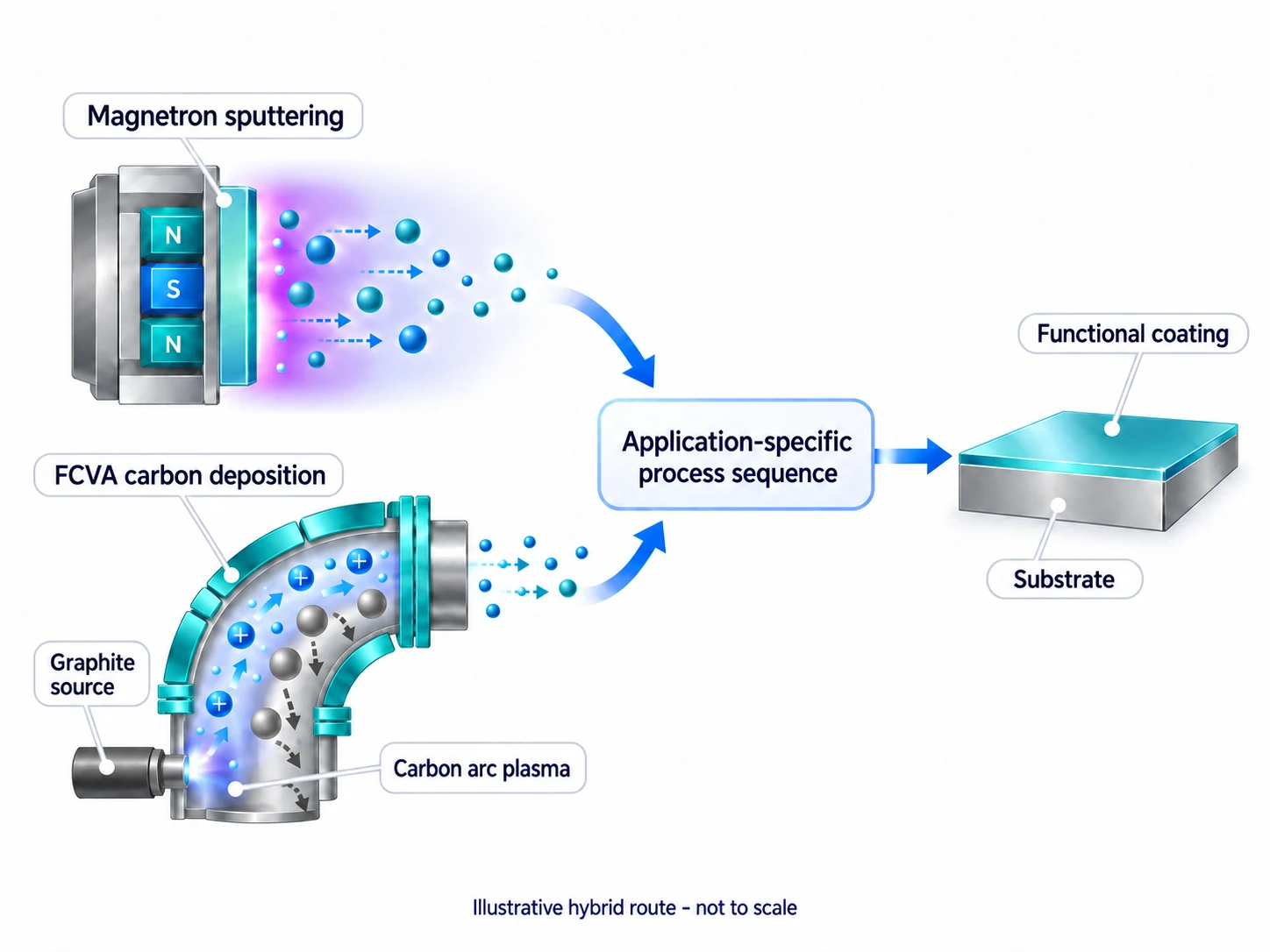
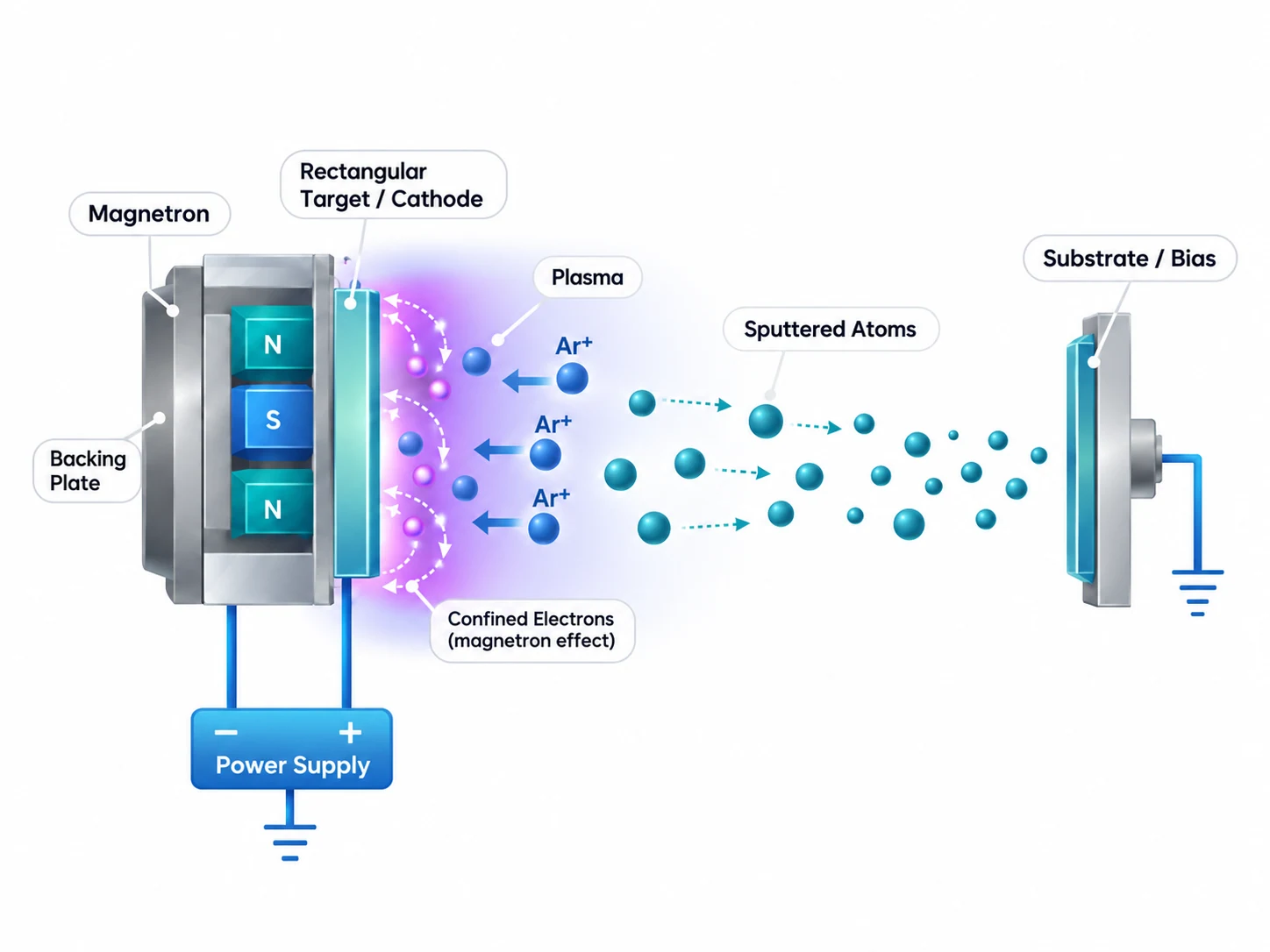
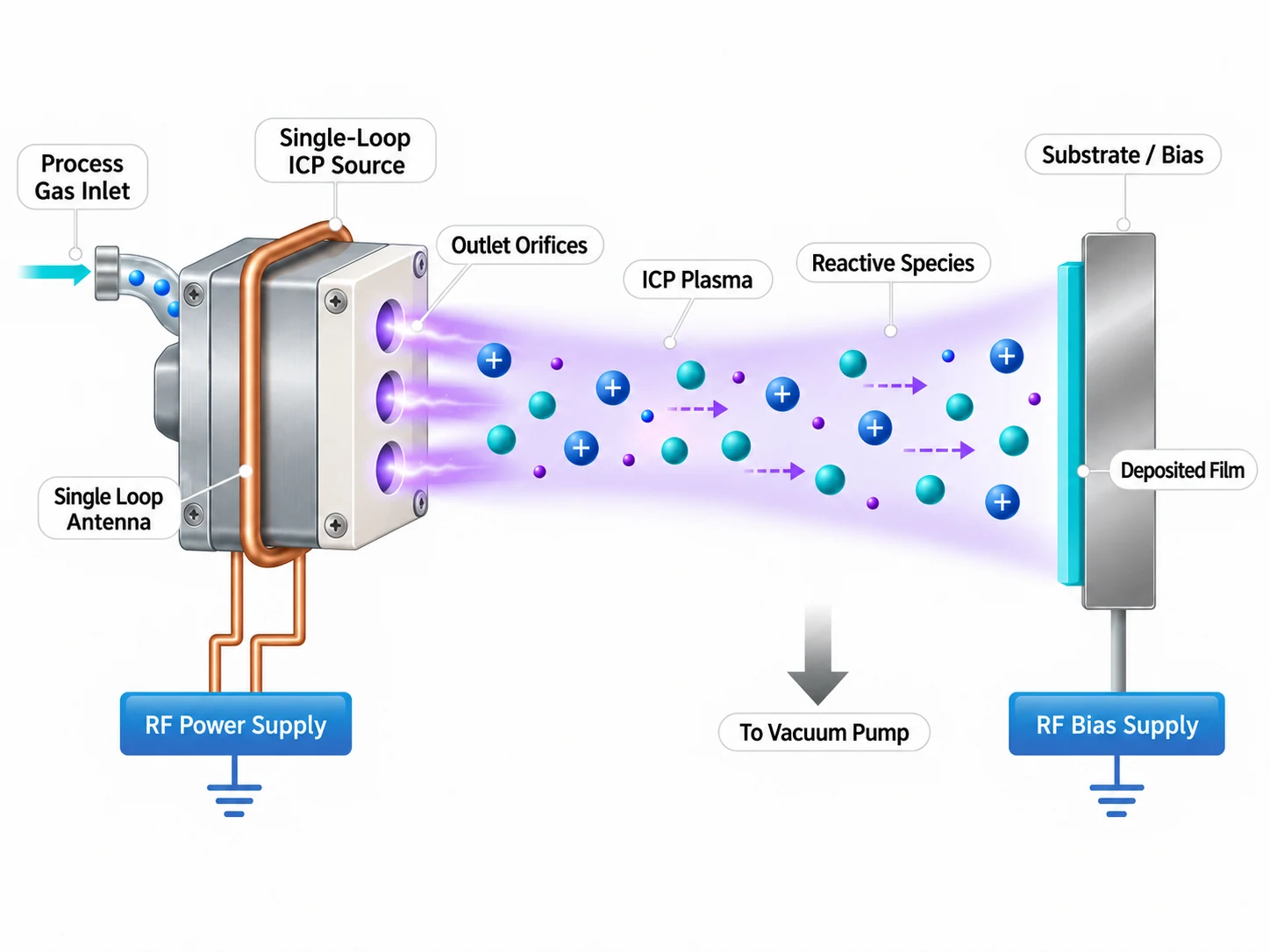
With Magnetron Sputtering, PECVD DLC, proprietary FCVA and hybrid coating routes within one technology portfolio, NTI Nanofilm gives you more room to balance conductivity or insulation with hardness, film thickness, process temperature and substrate compatibility instead of forcing every component into one coating approach.
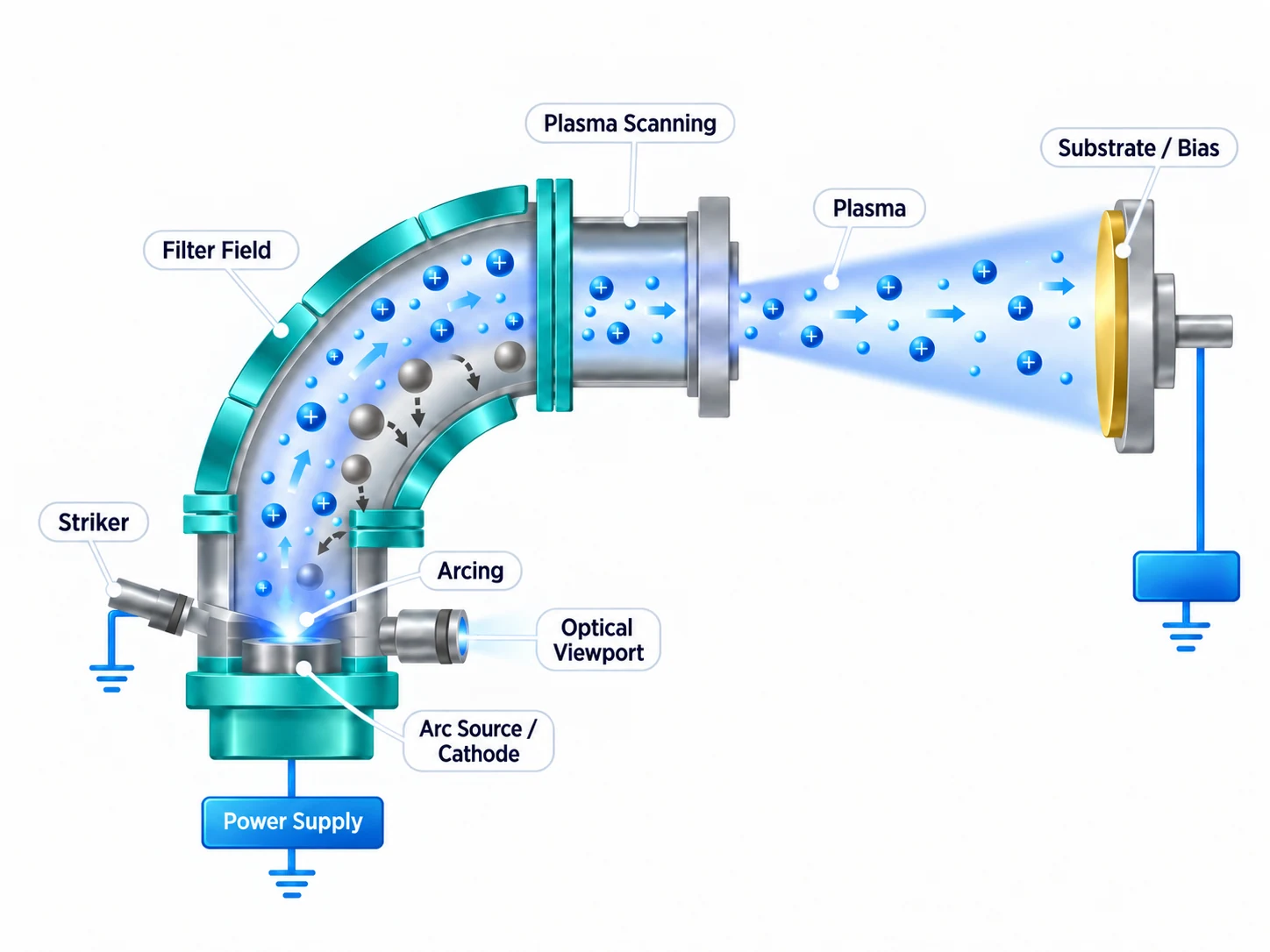
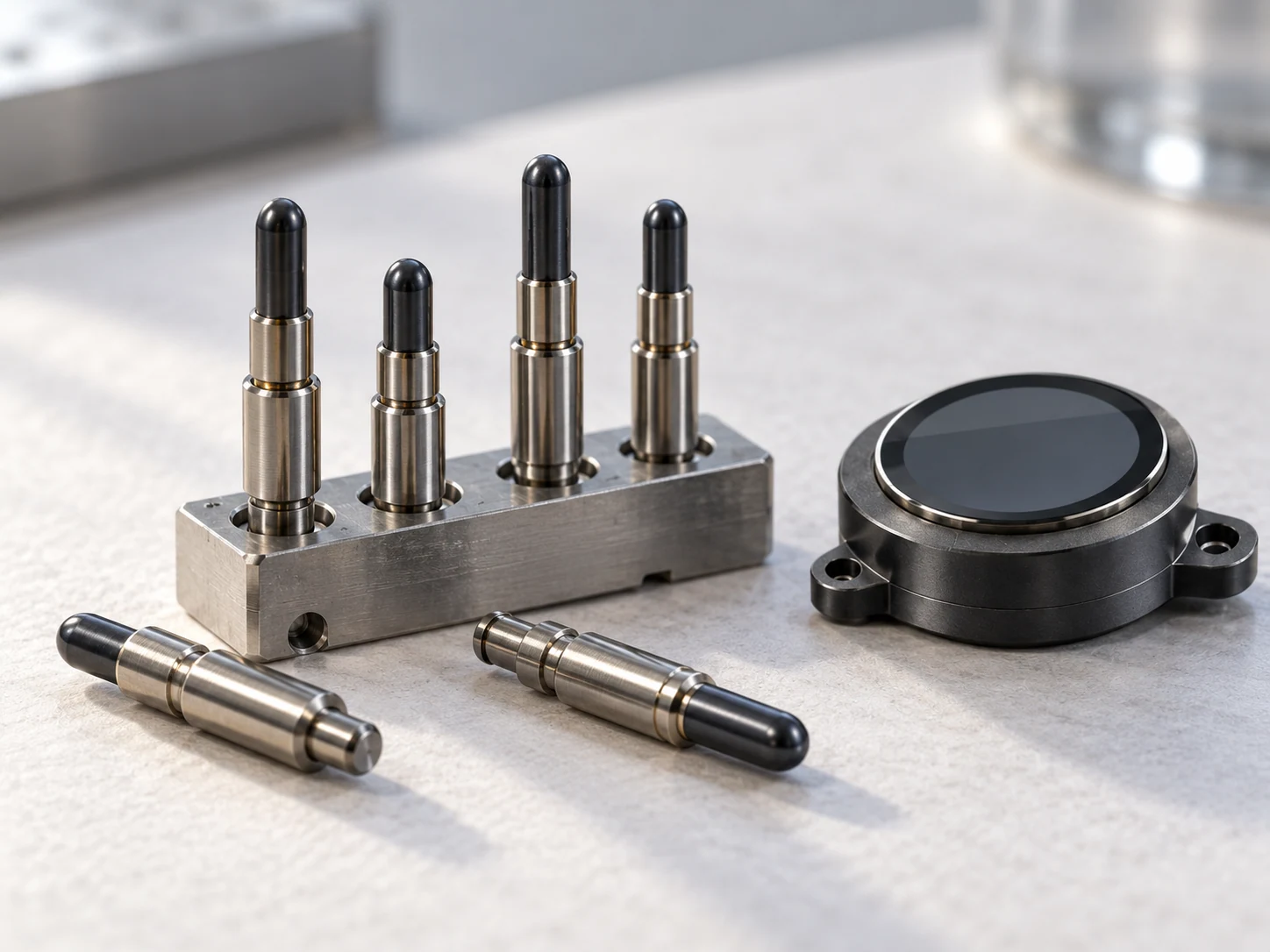
Across semiconductor tooling, test contacts, connectors, wearables, compact motors and electrochemical hardware, NTI Control puts the required electrical function directly at the working surface to help protect yield, keep contacts performing, preserve assembly space and extend functional reliability.

Supports molds and tooling plates, wafer chucks, carrier plates, handling rails, precision fixtures and pallets that need durable static dissipation to help manage ESD risk and electrostatic particle attraction in production.
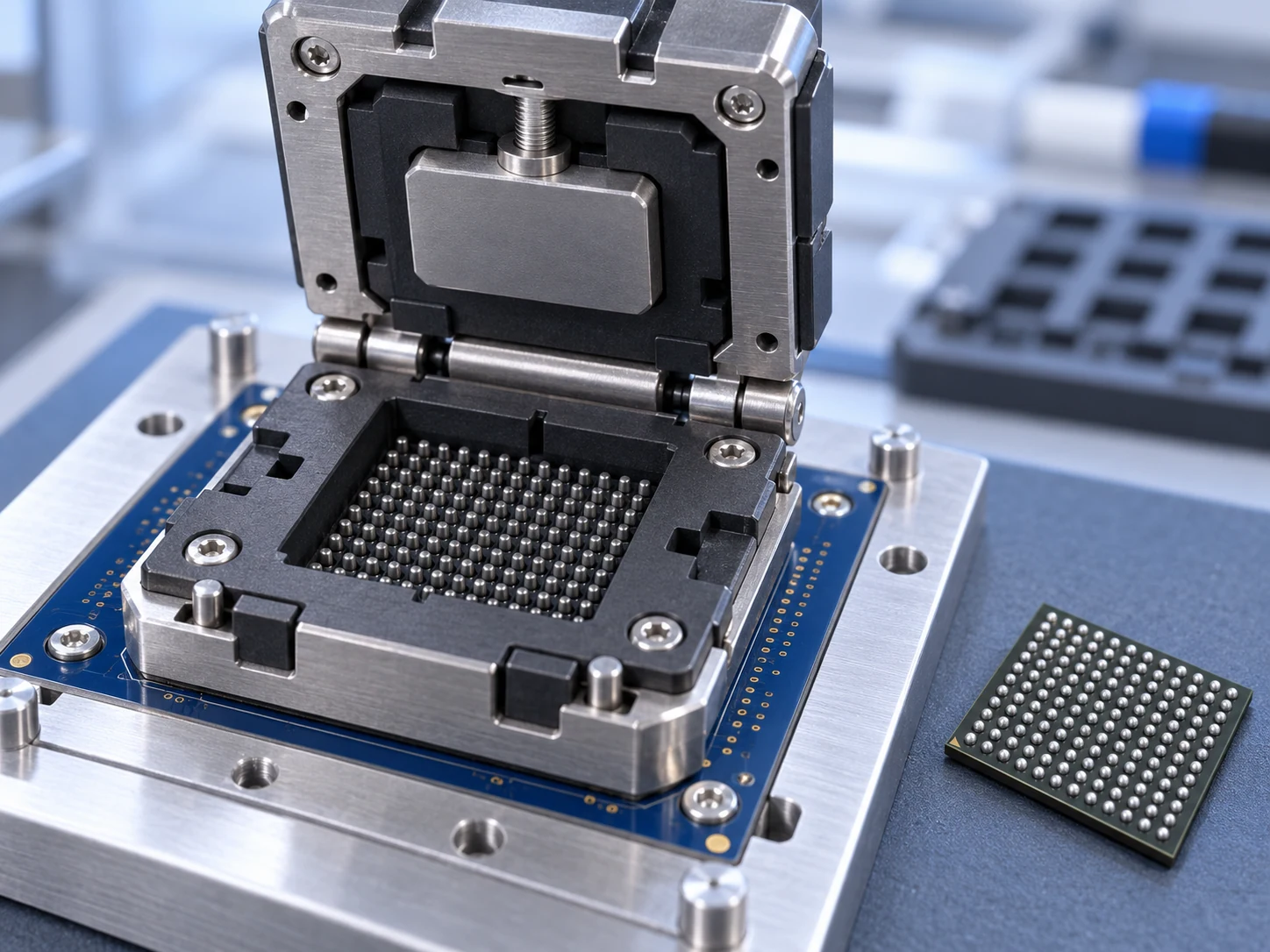
Supports probe pins, spring contact probes and repeated touchdown interfaces that need low contact resistance together with a hard wear-resistant conductive surface through repeated electrical testing.

Supports connector terminals, charging contacts and sliding or spring contact interfaces that need low resistance through repeated mating, motion and environmental exposure. Black to dark gray NTI Conductive TAC Control™ surfaces can also provide a more integrated dark appearance without a precious metal finish.

Supports camera modules, sensor interfaces, charging contacts and compact wearable components that need conductivity or thin film electrical isolation in limited space. Black to dark gray NTI Conductive TAC Control™ surfaces can also complement graphite and other dark product color schemes.

Supports motor parts, internal metal components and function-key hardware that need localized high-resistance electrical isolation while preserving fit in compact assemblies.
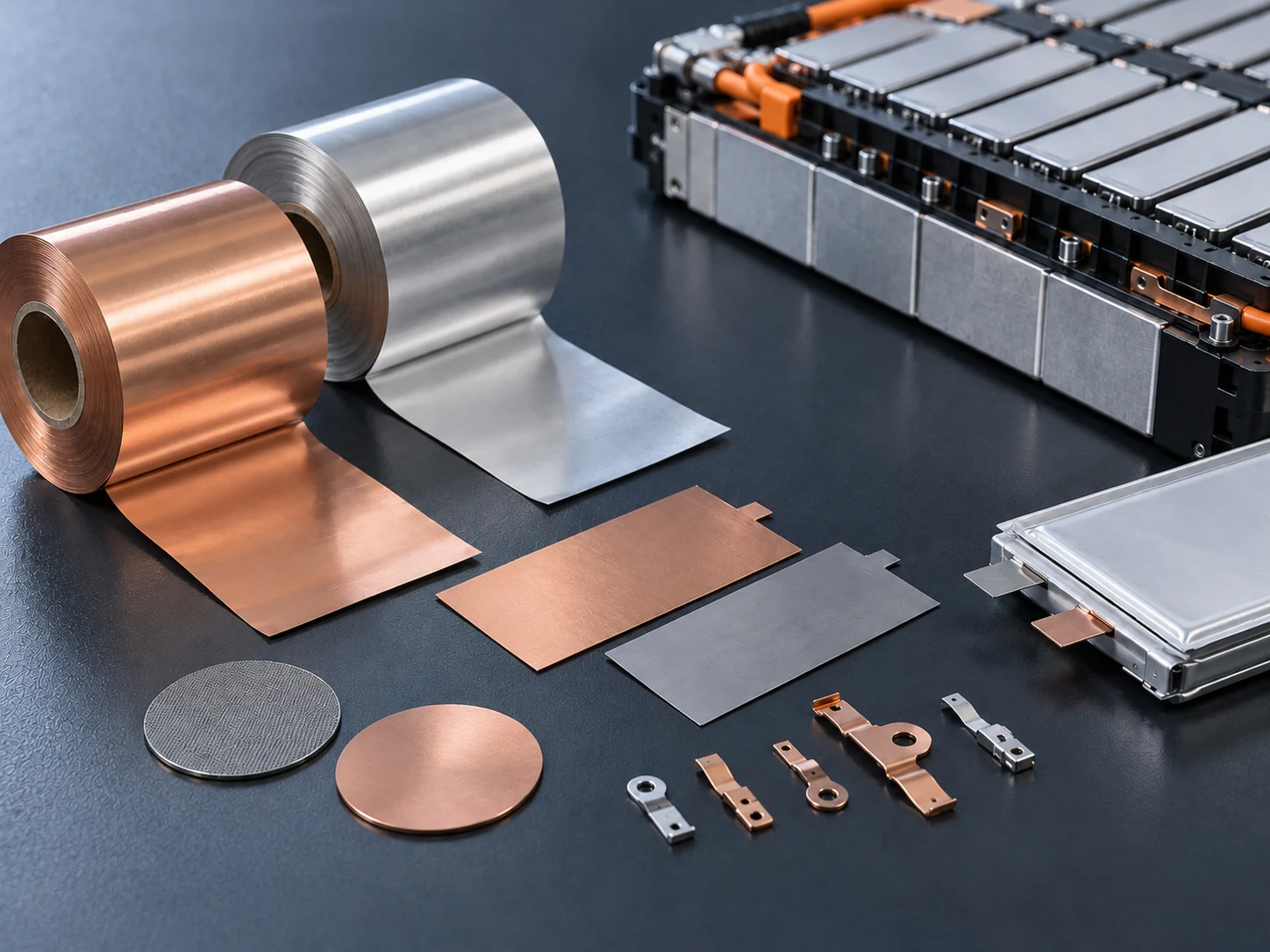
Supports battery and capacitor current collectors, electrochemical treatment electrodes and selected analytical electrodes where current transfer must be maintained while corrosion is controlled across the required electrolyte, potential and temperature window.
NTI Nanofilm provides in-house electrical, mechanical, environmental and surface characterization to support application development, qualification and customer quality requirements. Testing can be aligned to the coated component, operating conditions and agreed acceptance criteria.
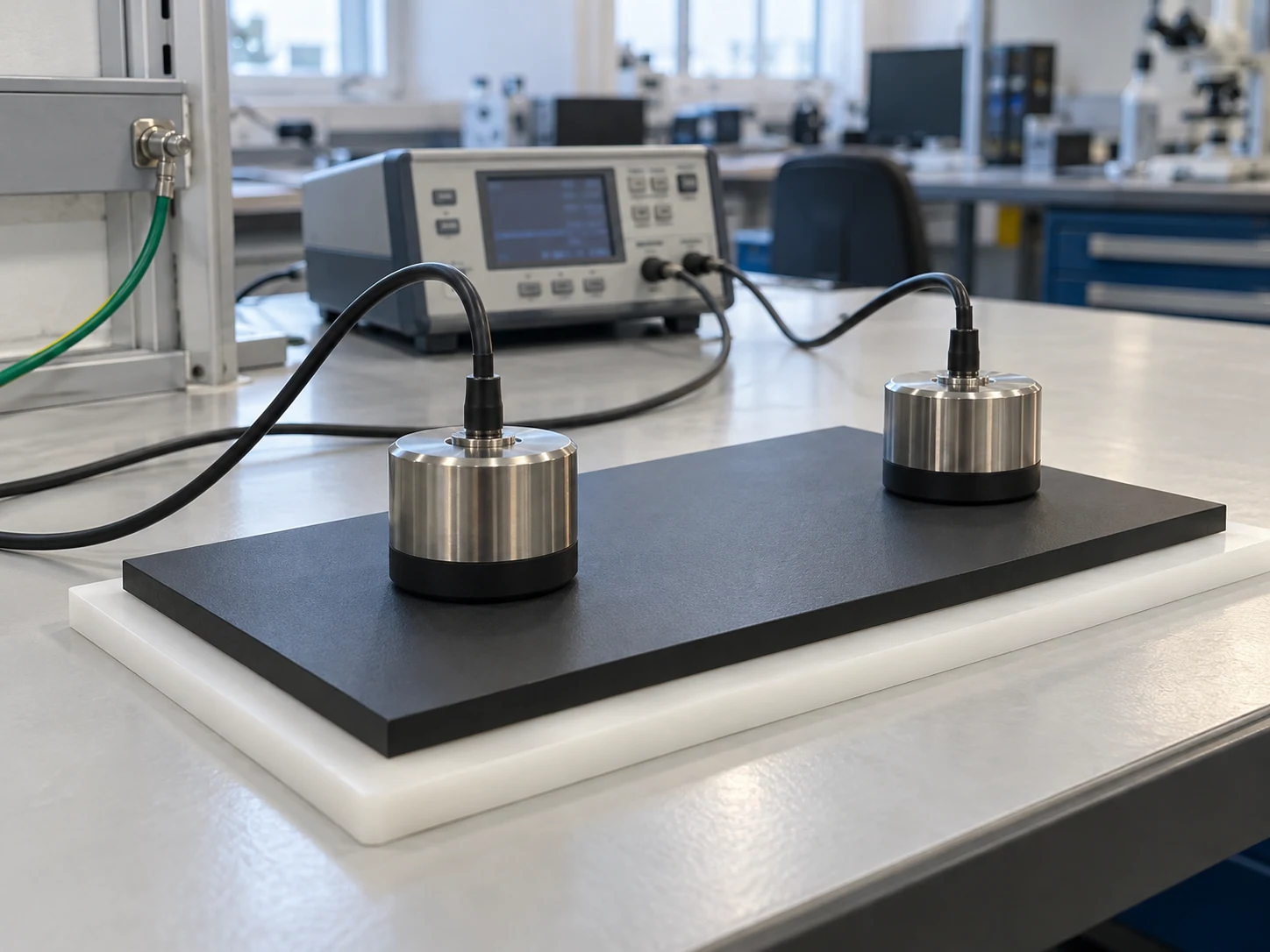
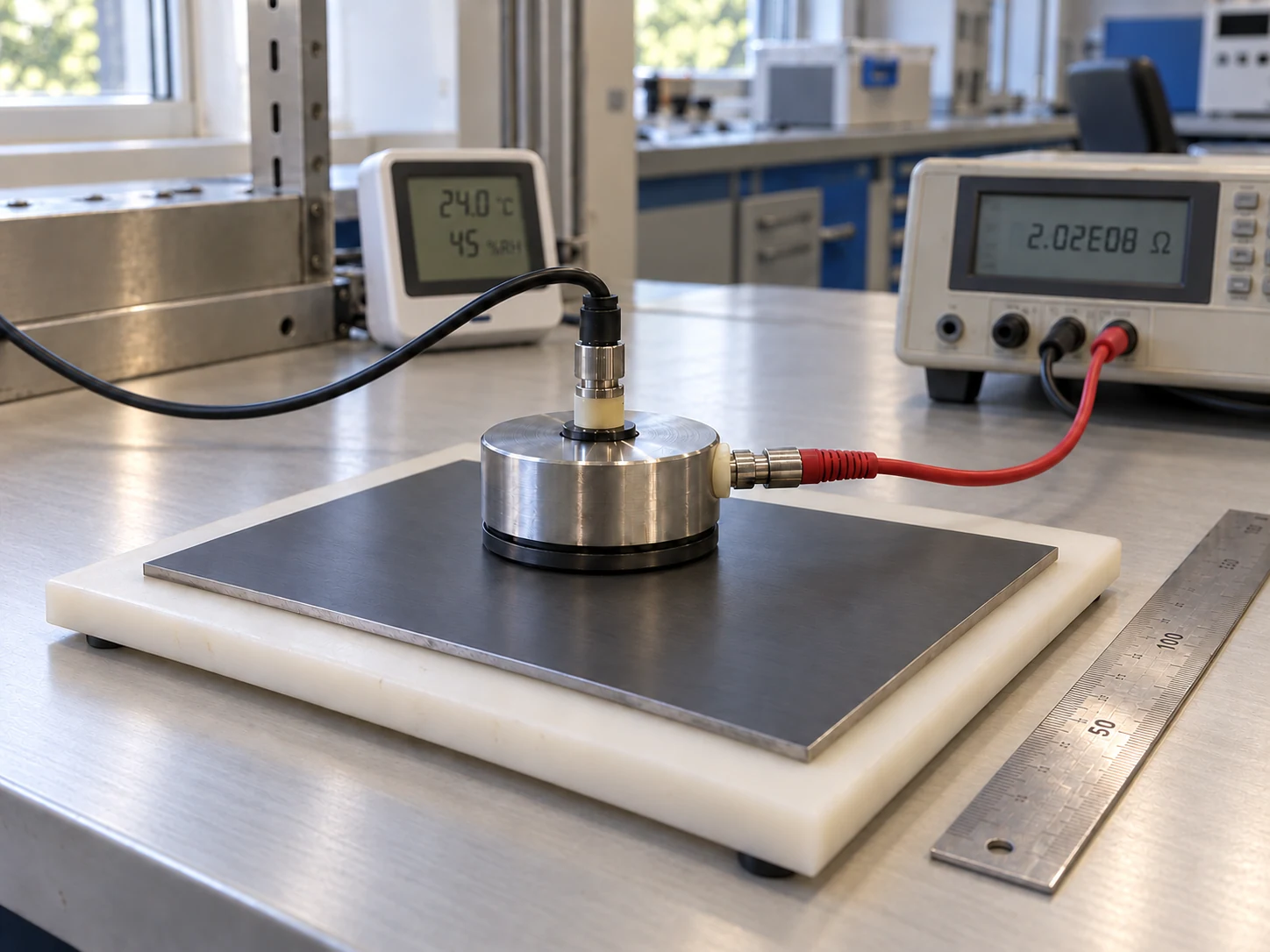
Confirm that the coated surface reaches the intended dissipative resistance range and that accumulated charge has a usable path to leave the assembled component.
Available methods include
Surface resistance, point to point resistance and resistance to ground can be measured with defined electrode geometry, applied voltage, humidity conditioning and grounding continuity. Where the component and measurement objective are suitable, IEC 61340-2-3 can be referenced for resistance and resistivity of solid static control materials, with ANSI/ESD STM11.11 and STM11.13 supporting planar surface and two point resistance measurements.
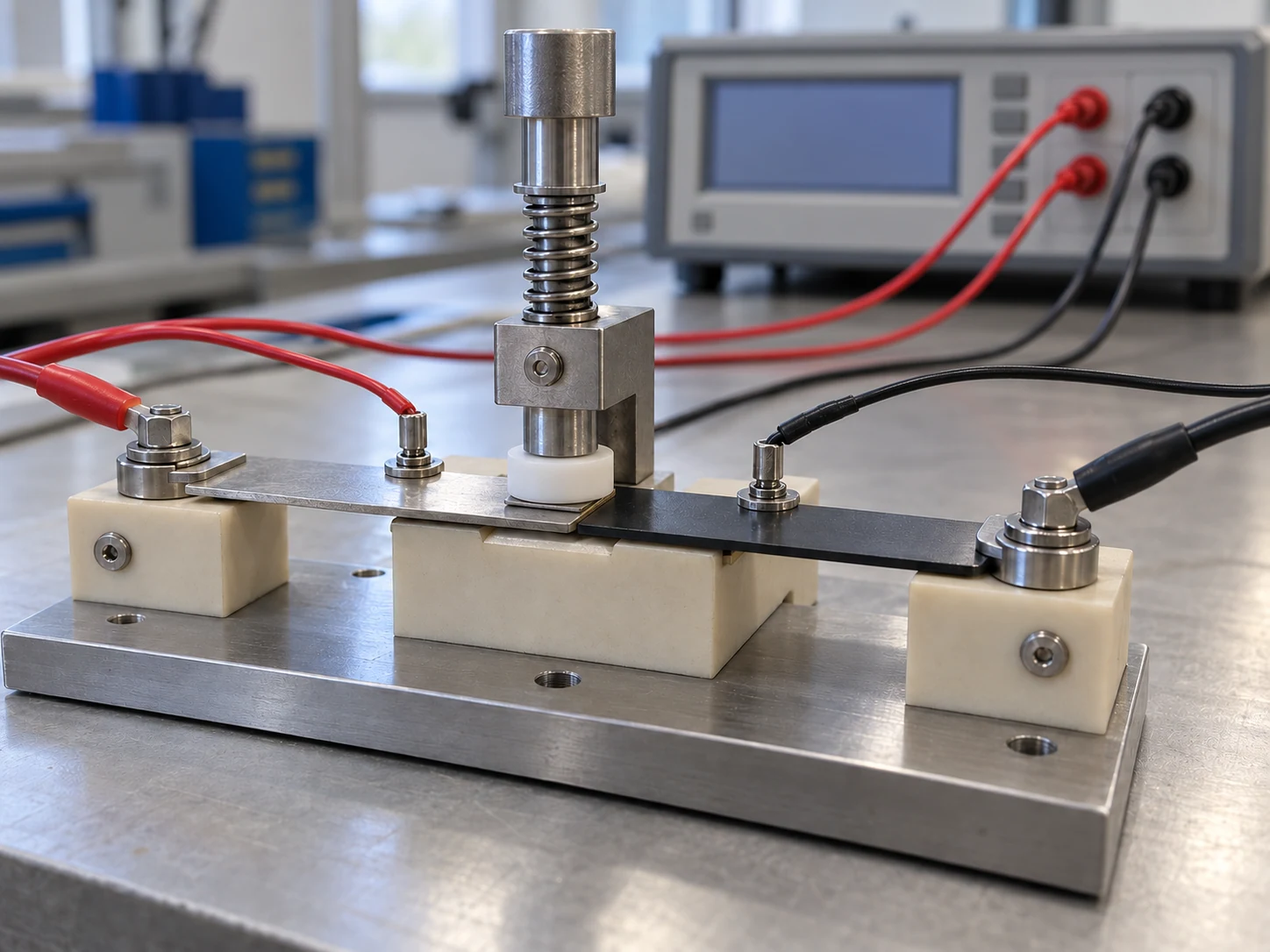
Check whether a low resistance electrical interface remains stable at the contact force and duty cycle that matter to the actual connector, probe or sliding contact.
Available methods include
Contact resistance can be measured at defined force using low level or specified test current, then repeated after mating cycles, wear or environmental exposure. Connector measurements can reference IEC 60512-2-1 for the millivolt level method or IEC 60512-2-2 for a specified test current, while ASTM B539-20(2026)e1 can be applied to suitable static electrical connections.
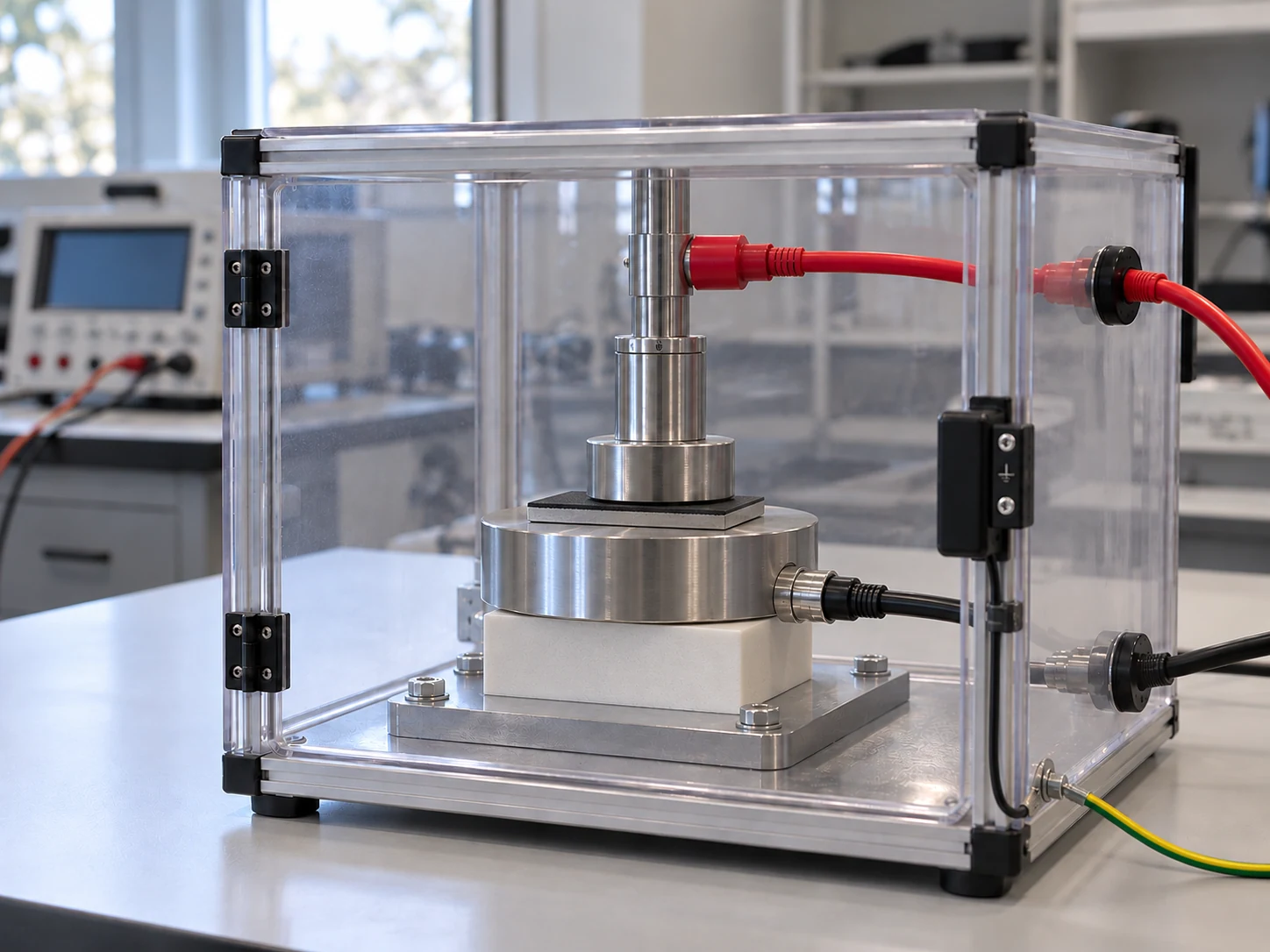
Confirm dielectric performance on the coated geometry so coating thickness, local edges and surface condition are reflected in the electrical acceptance result.
Available methods include
Insulation resistance, leakage behavior and breakdown voltage can be evaluated together with coating thickness, edge condition and humidity exposure. Depending on the specimen and voltage mode, reference methods can include ASTM D257-14(2021)e1 for DC resistance, ASTM D149-25 for dielectric breakdown at commercial power frequencies, ASTM D3755-20 for direct voltage breakdown, and IEC 60243-1 or IEC 60243-2 for electric strength of solid insulating materials.

Measure how well the conductive protective surface preserves electrical response while resisting corrosion under the electrolyte and applied potential relevant to the application.
Available methods include
Polarization, corrosion current density, electrochemical impedance, applied potential, pH, temperature and exposure duration can be evaluated as a connected performance set. ASTM G59-23 supports polarization resistance measurements, ASTM G102-23 provides guidance for interpreting corrosion rates from electrochemical data, ASTM G106-89(2023) can be used to verify EIS measurement equipment and technique, and the ISO 16773 series provides EIS guidance for coated and uncoated metallic specimens where applicable.

Check whether the electrical function remains within target after the surface experiences the contact, abrasion, humidity, salt, sweat, chemicals or temperature expected in service.
Available methods include
Sliding and abrasion, hardness, adhesion, salt fog, artificial sweat, chemical exposure, temperature and humidity testing can be selected around the operating environment. Where appropriate, ASTM B117-26 can guide salt spray exposure, ASTM D3359-23 can support tape adhesion assessment, and ASTM E384-22 can be used for microindentation hardness when coating thickness and geometry permit.
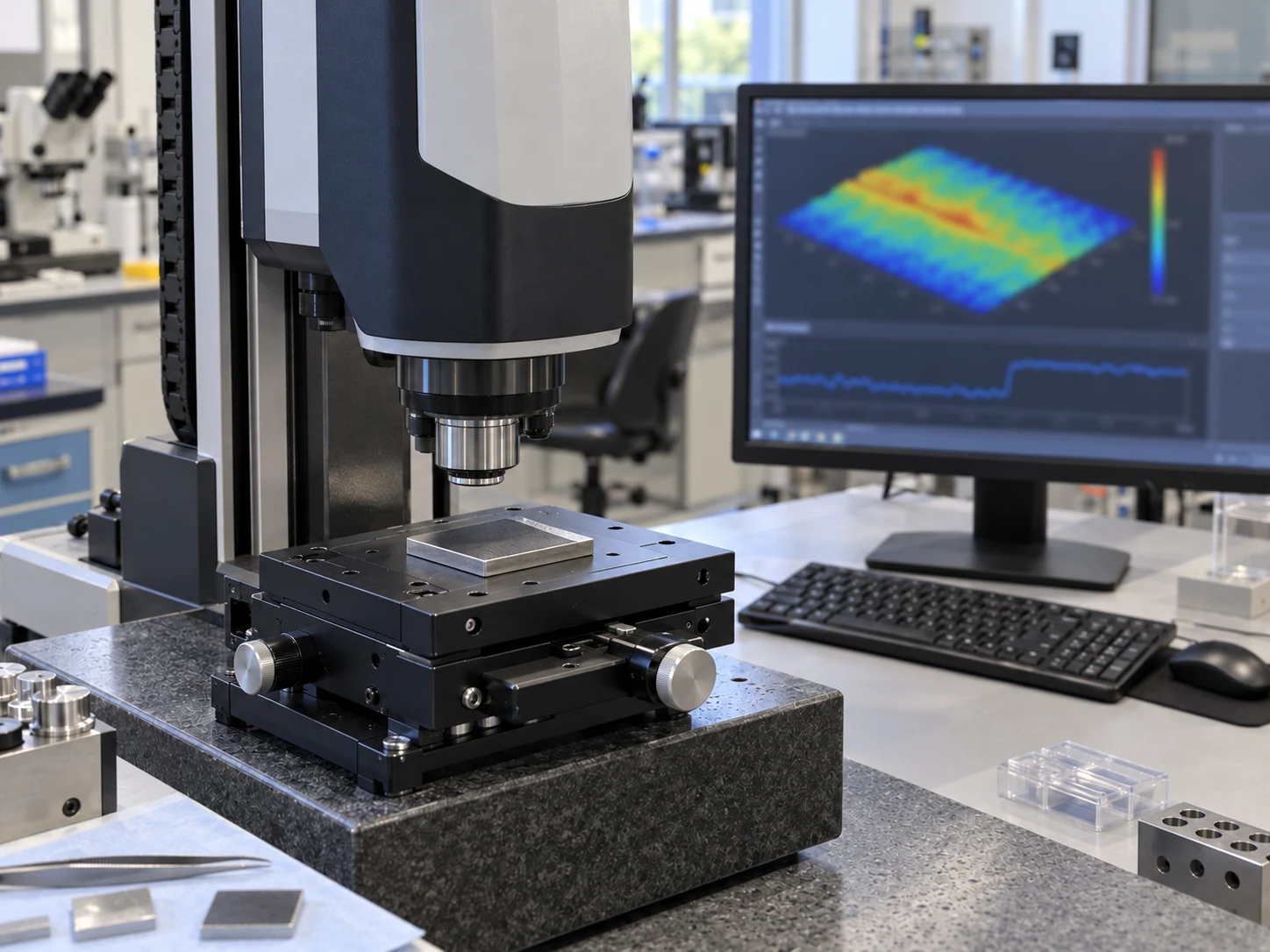
Confirm that the functional layer is present where it needs to be and remains within the dimensional, structural and surface condition required by the component.
Available methods include
SEM morphology, EDS elemental analysis, cross section thickness, ball crater thickness, roughness, step height and dimensional measurement can be selected around the material system and acceptance objective. Instrument specific standards or customer procedures can be applied where they are more appropriate to the measurement task.
NTI Nanofilm provides testing and characterization support for coating development and application qualification. Testing may be performed in-house or coordinated through qualified facilities, depending on the site and project scope. Results may reference recognized test methods where applicable and do not constitute third-party product certification.
Bring us the part and the condition it has to survive. We work with your team to turn resistance, conductivity, insulation or electrochemical requirements into a coated component that can be measured, qualified and reproduced in production.
Tell us the target resistance, conductivity, insulation or electrochemical response together with the condition that defines success in your application.
We review the substrate, geometry, finish, heat sensitivity, grounding, contact force and environment so the electrical function works with the part you already have.
We coat and test representative components against the electrical, wear and environmental conditions that matter in use so the result reflects the actual part geometry and surface condition.
Together we align the electrical result with coating thickness, adhesion, surface condition and the agreed test method so qualification is based on measurable criteria.
We establish the fixturing, masking, inspection and process controls needed to reproduce the qualified surface from pilot runs into recurring production.
Continue into the technical considerations, related coating solutions and application examples behind more reliable electrical surfaces.


Share the component, electrical target, substrate and operating conditions. NTI Nanofilm can help identify the NTI Control solution and validation approach that best fits what the part needs to do in use.
NTI Control™ is a functional coating portfolio for static dissipation and ESD control, low resistance conductivity, thin film electrical insulation and conductive corrosion protection. The portfolio includes TAC, DLC, PVD dielectric and hybrid coating variants selected around the component substrate and required electrical behavior.
Start with what the working surface needs to do electrically. NTI ESD Control manages accumulated static charge, NTI Conductive Control supports low resistance contacts and sensor interfaces, NTI Insulate Control provides dielectric isolation, and NTI Electrochemical Control maintains conductivity while resisting electrochemical corrosion. The substrate and operating conditions then help narrow the coating variant.
Yes. NTI ESD Hybrid Control™ is designed for conductive substrates such as aluminum alloys, stainless steels and copper alloys, while NTI ESD TAC Control™ supports insulating surfaces including anodized aluminum, alumina, quartz, PEEK and FKM. Other materials can be reviewed on request.
Substrate conductivity, temperature sensitivity, surface condition and geometry can influence the available deposition process, grounding path, adhesion and final coating performance. Material compatibility is therefore an important selection criterion for ESD, conductive, insulation and electrochemical coating applications.
NTI ESD Control targets a controlled dissipative resistance range so accumulated charge can move through the intended path. NTI Conductive Control targets substantially lower electrical resistance for contacts and sensor interfaces where current or signal continuity is the priority.
The insulation variant is selected around the required electrical isolation together with coating thickness, component geometry and mechanical demands. Environmental qualification can then be aligned to the customer specification where required. Silicon-based PVD insulation provides a practical general-purpose route, carbon-based insulation supports compact black dielectric surfaces, and TAC-enhanced insulation is considered where a substantially higher hardness and wear margin is required.
No precious metal finish is used in the NTI Conductive TAC Control™ configurations shown on this page. The conductive ta-C surface is designed to combine low electrical resistance, wear durability and a black to dark gray appearance with an L* range of 40 to 60.
Yes. The materials and performance values shown are representative of current validated configurations and are not intended to limit new applications. Other substrates, geometries, voltage or resistance targets and operating environments can be reviewed with NTI Nanofilm for application-specific feasibility and qualification.
Yes. NTI can align electrical, mechanical, environmental, electrochemical and surface characterization to the component and customer specification. Available methods vary by site and project scope and do not constitute third party product certification.