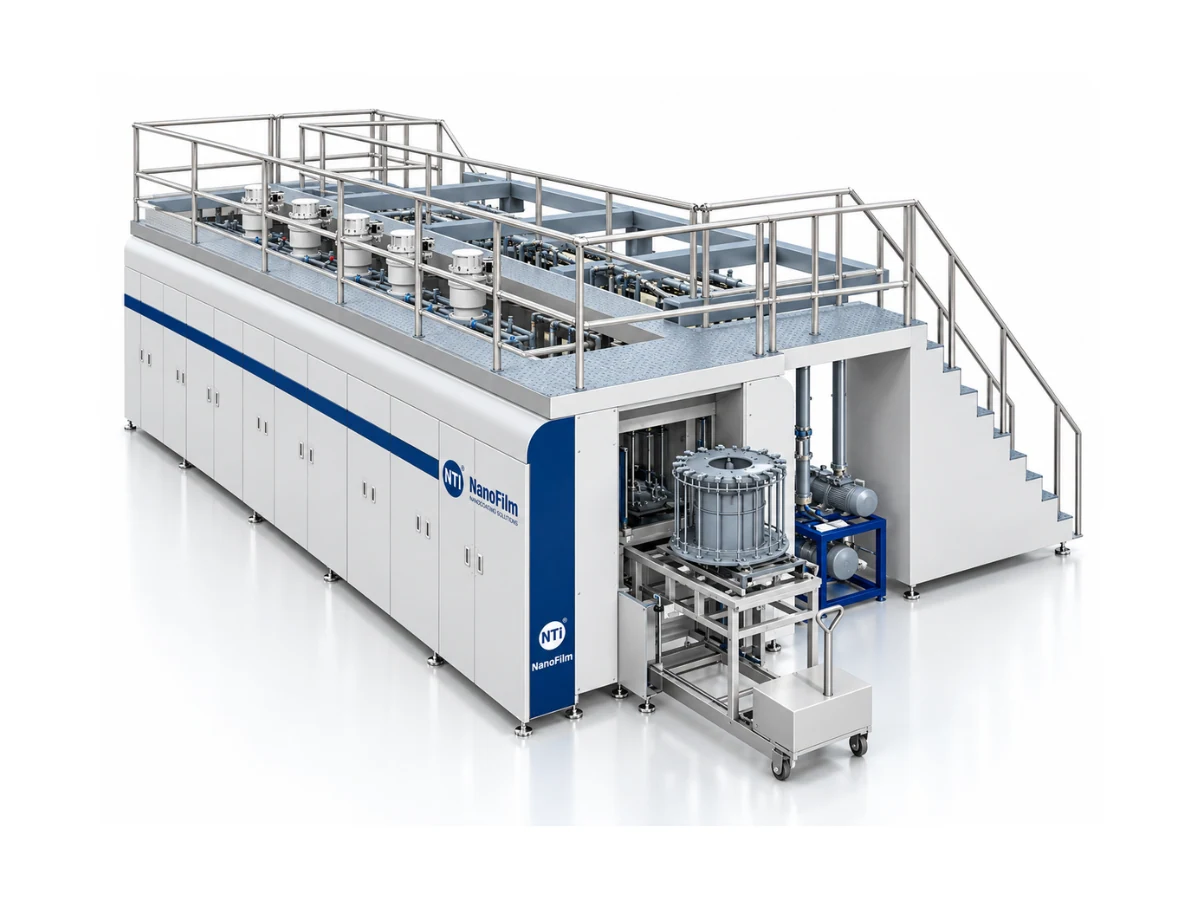
Powered by high density PECVD DLC, NTI DLC Protect™ combines hydrogenated DLC with application tuned hardness and load support for sliding, forming and repeated load applications, helping reduce adhesive wear, material pickup and lubrication demand through demanding operating cycles.
NTI DLC Protect™ helps working surfaces move more consistently, resist material pickup, carry repeated loads, and operate with less lubrication, extending wear life while reducing the cleaning, polishing and maintenance interruptions that hold back output.
Higher output and smaller designs concentrate repeated stress on the contact surface, increasing the need for stable wear protection.
Reducing oil and grease can lower lubricant use, maintenance, contamination, and cleaning requirements without sacrificing motion reliability.
Stick slip, rising torque, and material pickup can affect response, dimensional consistency, formed part quality, and downstream reliability.
Lightweight alloys, chemical media, repeated cleaning, dry gas, and vacuum conditions require the surface to manage more than wear alone.
NTI Nanofilm’s high density PECVD DLC process separates plasma generation from component bias, giving engineers greater control over the energy and chemistry reaching the surface. This control helps balance hardness, low friction, adhesion, residual stress, and coating temperature for the application.
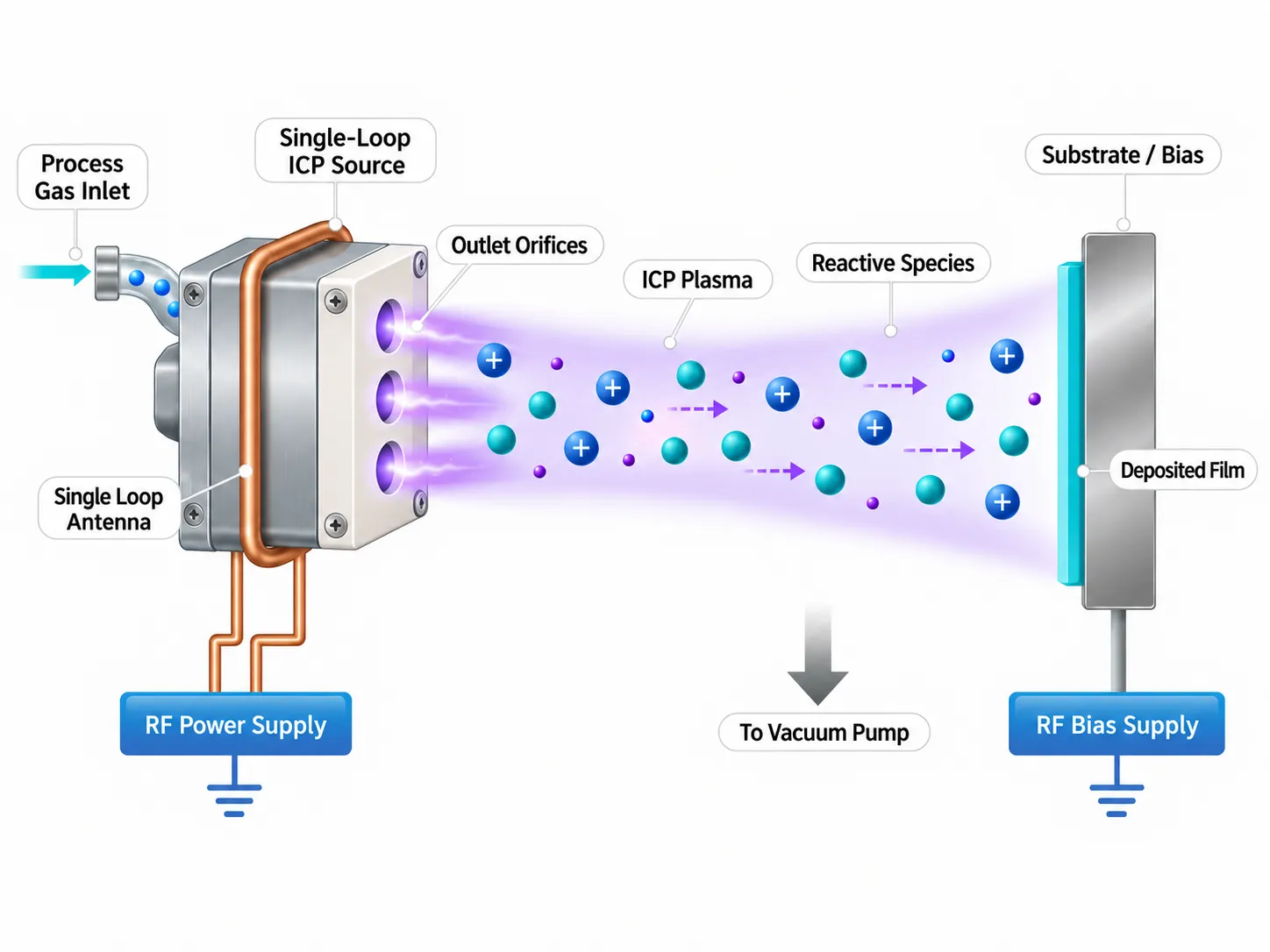
Inductive coupling activates the carbon precursor for stable, controlled film growth.
Independent component bias manages the energy reaching the surface and helps protect substrate properties.
Gas chemistry and process parameters balance low friction, hardness, toughness, and chemical response.
Qualified recipes, fixturing, and inspection controls support repeatable coating supply.
High density PECVD DLC deposition can shorten coating cycles, release more production capacity, and support a cleaner coated surface for demanding functional applications.
Deposition compared with anode layer ion source DLC
Shorter coating time can increase available capacity and support more responsive production scheduling.
Deposition compared with capacitively coupled plasma DLC
Higher deposition efficiency can raise output as coating demand moves from qualification into repeat production.
The referenced 300× microscopy comparison shows fewer visible surface irregularities on the PECVD DLC sample than on the anode layer ion source DLC reference. A more uniform as coated surface can support more consistent contact and material release, while providing a better starting point for any subsequent polishing or finishing.
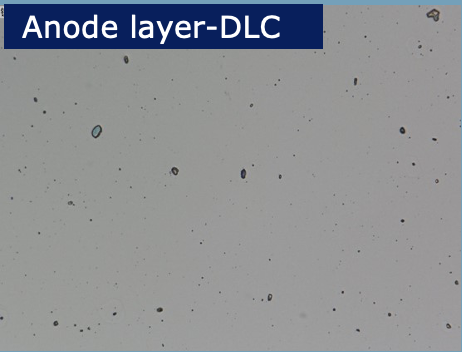
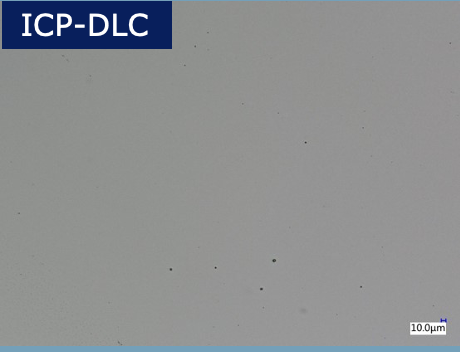
Surface morphology comparison at 300× magnification under the referenced internal test conditions.
Internal comparative results under defined test conditions. The microscopy comparison indicates visible surface morphology only; surface roughness, friction, finishing requirements, and final performance require application specific validation. Results also depend on the coating recipe, target thickness, component geometry, fixturing, and equipment configuration.
Tell us how the component makes contact, what you want to improve and what it is made from. In three quick questions, the finder compares the NTI DLC Protect™ routes most relevant to your application and highlights where additional steel surface strengthening may add value.
NTI DLC Glide Protect™ supports low friction contact and cleaner release across sliding, forming and molding applications. NTI DLC Load Protect™ combines low friction with greater wear and load support for repeated mechanical contact. Where selected steel components need additional substrate support, NTI Fortify™ Steel Surface Strengthening can be evaluated before the carbon coating.
NTI Fortify™ strengthens the near surface region of selected steels to provide greater mechanical support under repeated rolling, sliding and concentrated contact. Using Plasma Immersion Ion Implantation, the treatment increases surface hardness with minimal dimensional build, helping reduce substrate deformation beneath the functional carbon coating. For gears, shafts, pins, screws, rollers and other loaded steel components, this creates a stronger foundation for the complete coating and substrate system.
NTI Fortify™ can be combined with NTI DLC Protect™ and selected NTI TAC Protect™ coatings where greater substrate support is required.
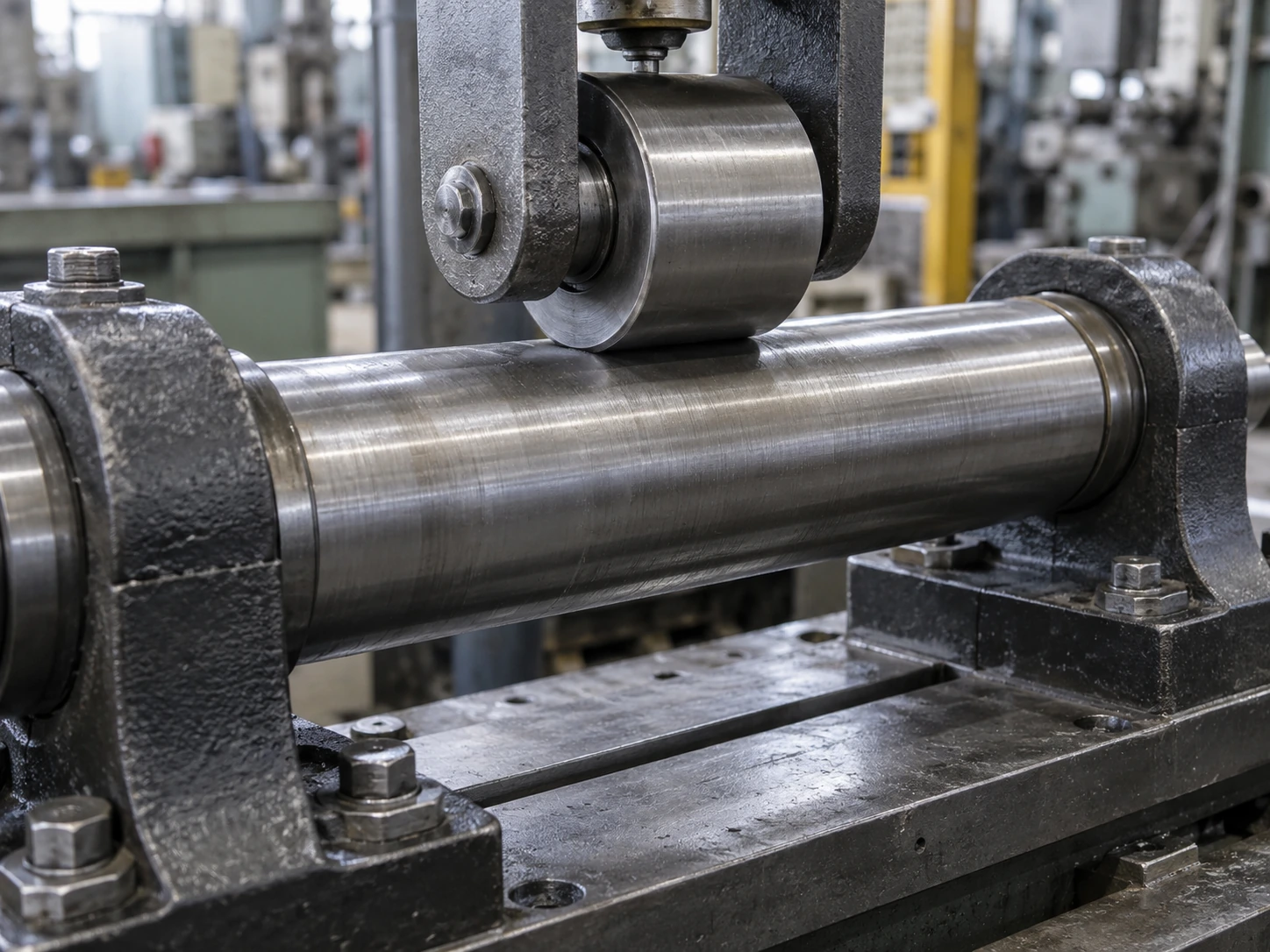
Representative values are based on defined coating and test conditions. Final coating selection, substrate suitability and performance depend on material grade, heat treatment, geometry, surface preparation, coating thickness, counterface, lubrication, temperature, environment and application validation. Other substrate materials may be evaluated according to application and process requirements.
NTI Nanofilm supports coating characterization and application relevant testing in accordance with relevant methods to assess thickness, adhesion, mechanical response, surface condition, and tribological behavior against agreed project requirements.
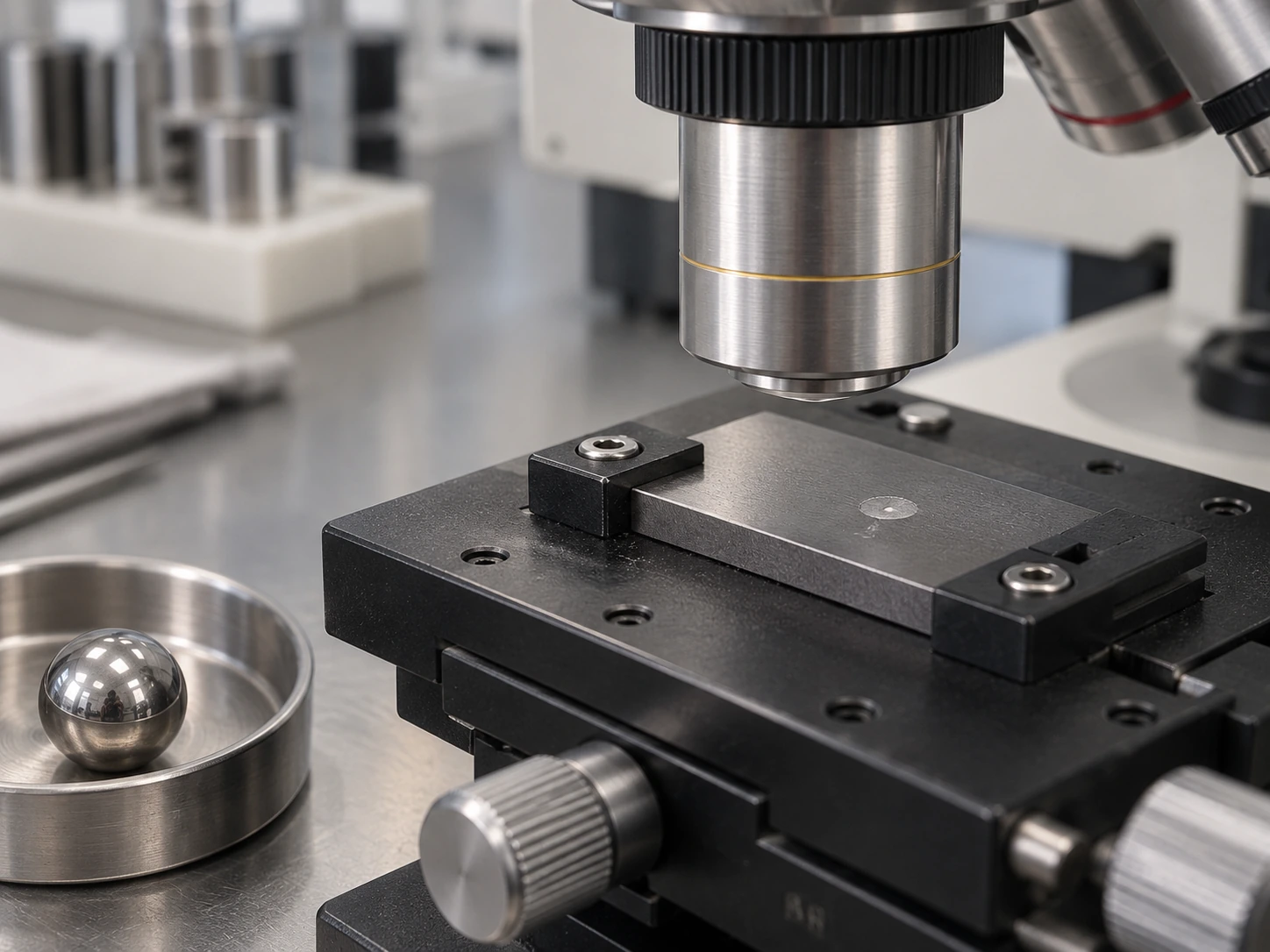
Thickness measurements confirm that the functional layer remains within the agreed dimensional window across representative areas of the component.
Available methods include
Ball crater measurement, stylus profilometry, and cross sectional optical or SEM microscopy can be used to measure local coating thickness, layer construction, and uniformity.
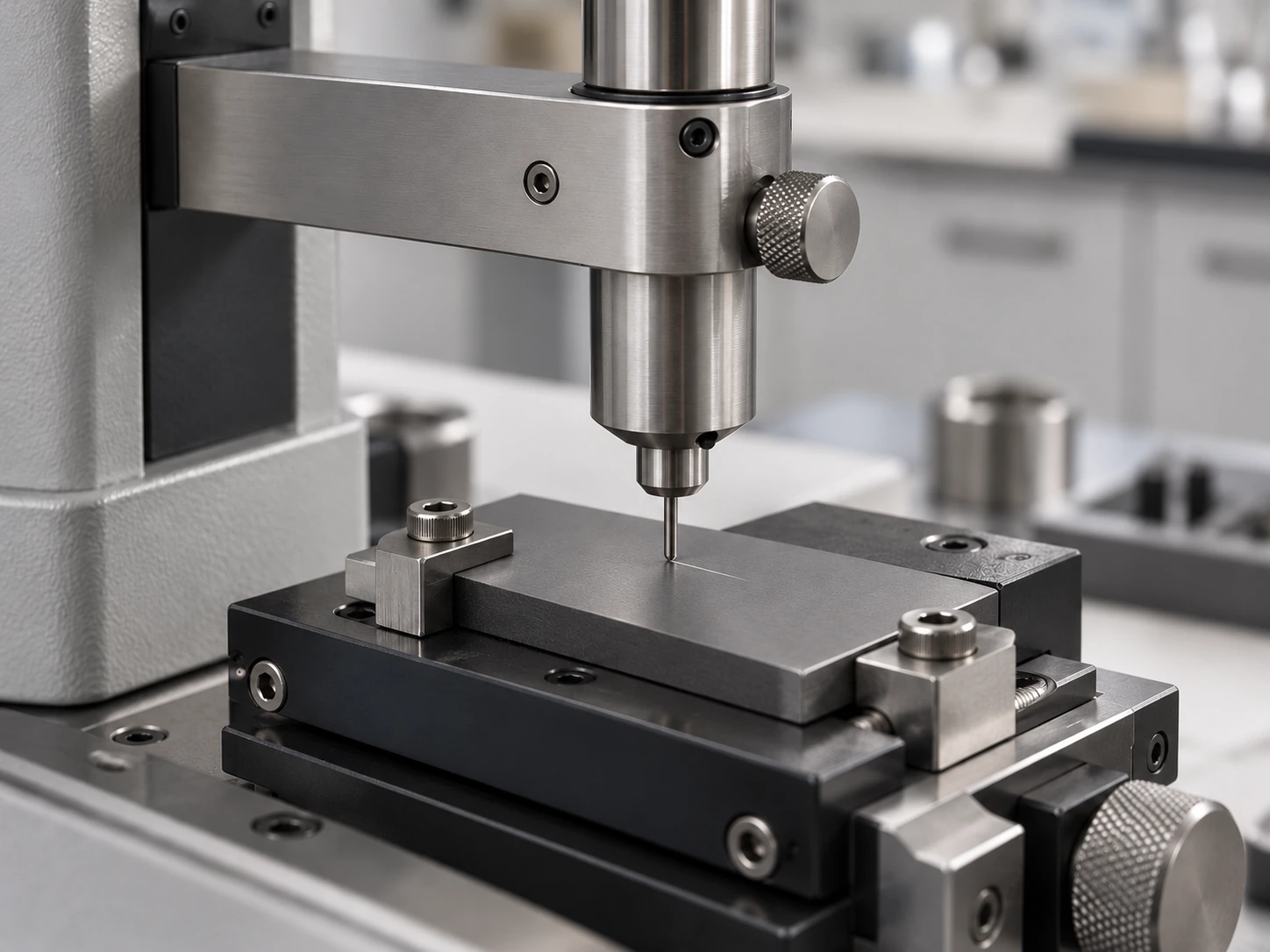
Adhesion testing evaluates whether the coating and supporting layers remain securely attached when the surface is loaded, indented, or scratched.
Available methods include
Progressive load scratch testing, Rockwell indentation, and dynamic adhesion testing can be applied where appropriate to assess critical loads, cracking, chipping, and delamination.
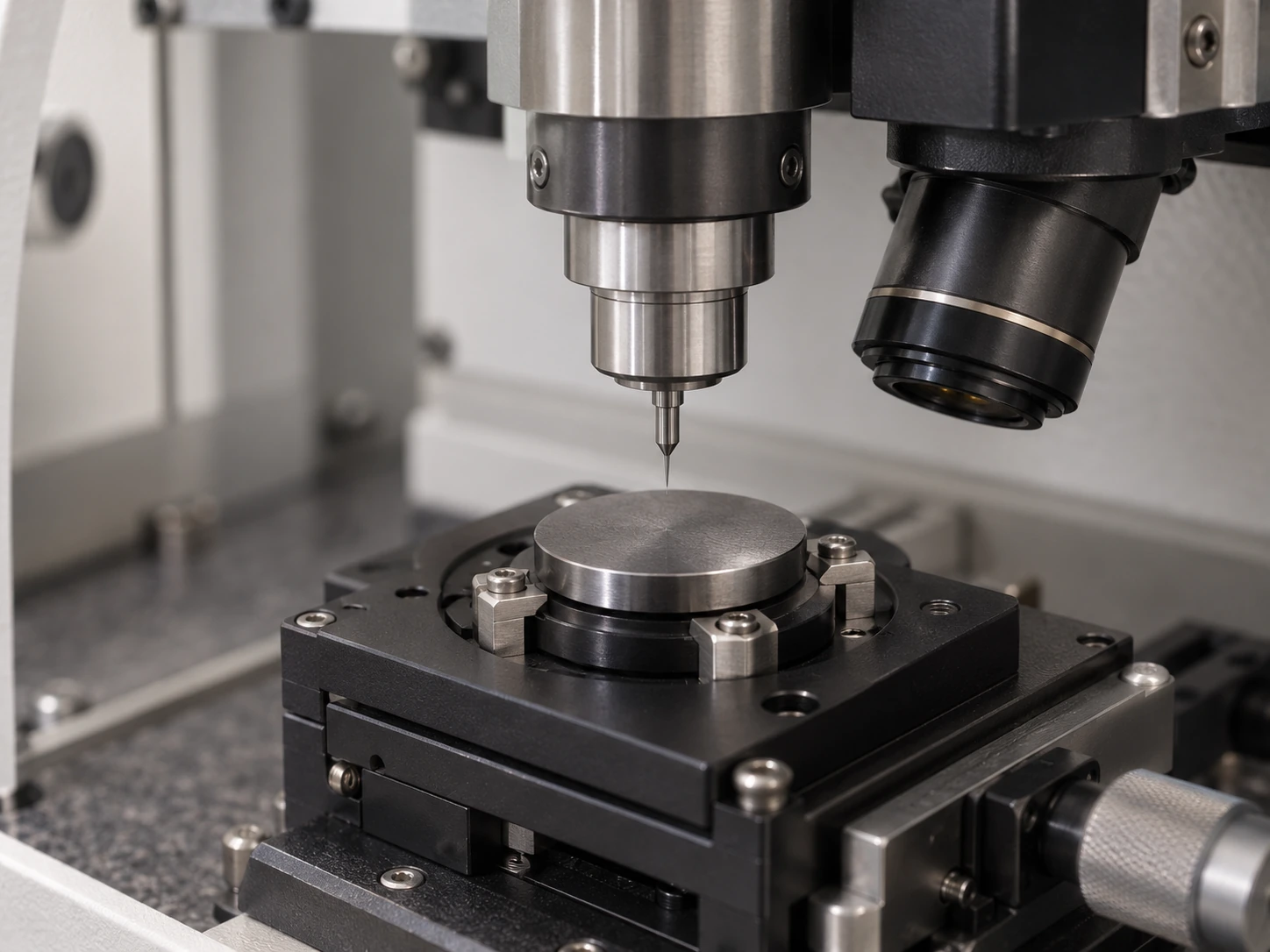
Instrumented indentation measures how the coating responds under controlled load and supports comparison of hardness and mechanical consistency.
Available methods include
Microindentation or nanoindentation can be performed using a load and penetration depth suited to the coating thickness to determine hardness, indentation modulus, and elastic plastic response.
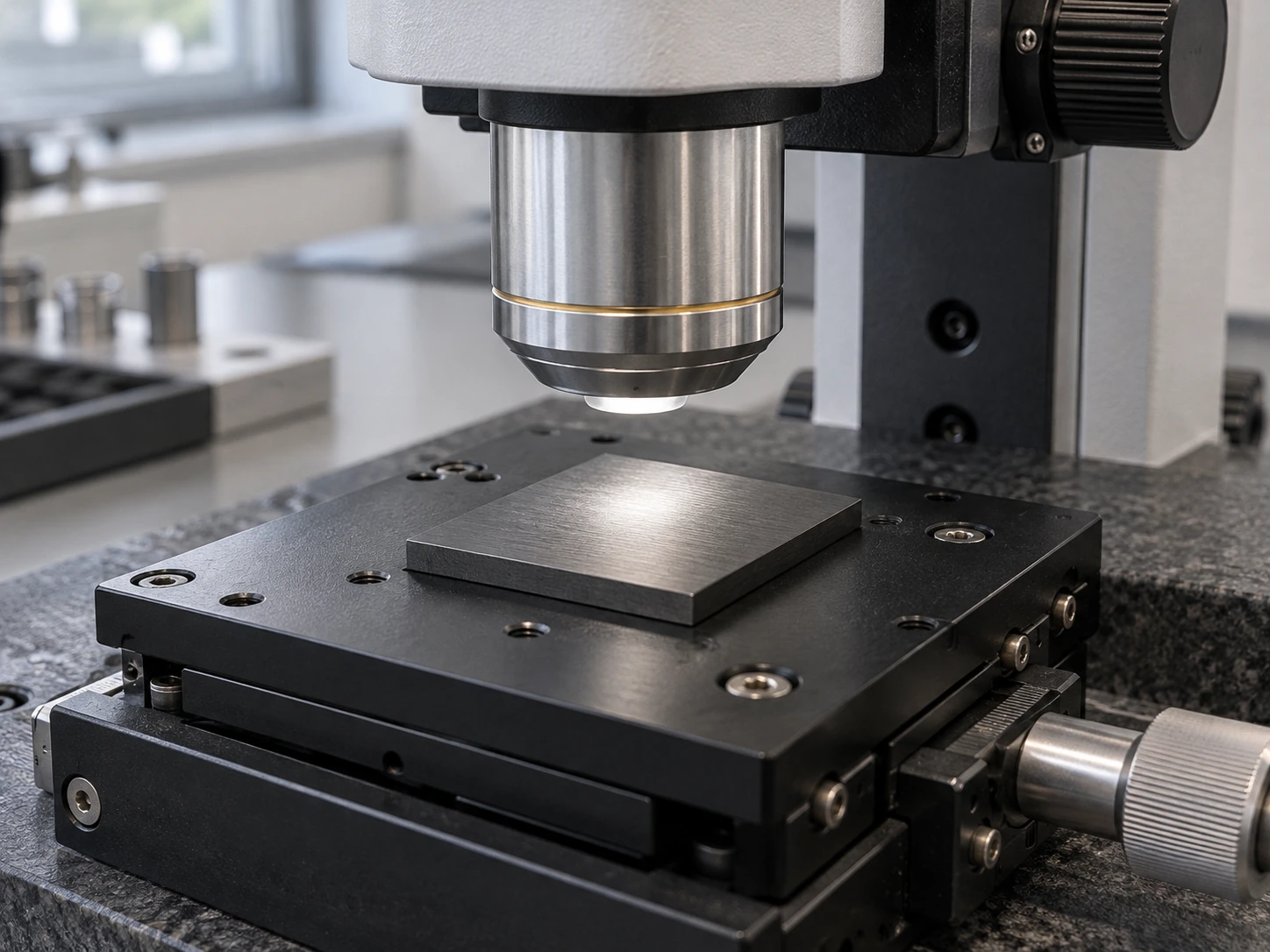
Surface texture measurement checks how the coating affects the topography that influences friction, sealing, release, and particle generation.
Available methods include
Contact profilometry and optical areal topography measurement can be used to review Ra, Rz, Sa, Sz, wear track geometry, and edge condition before and after coating.
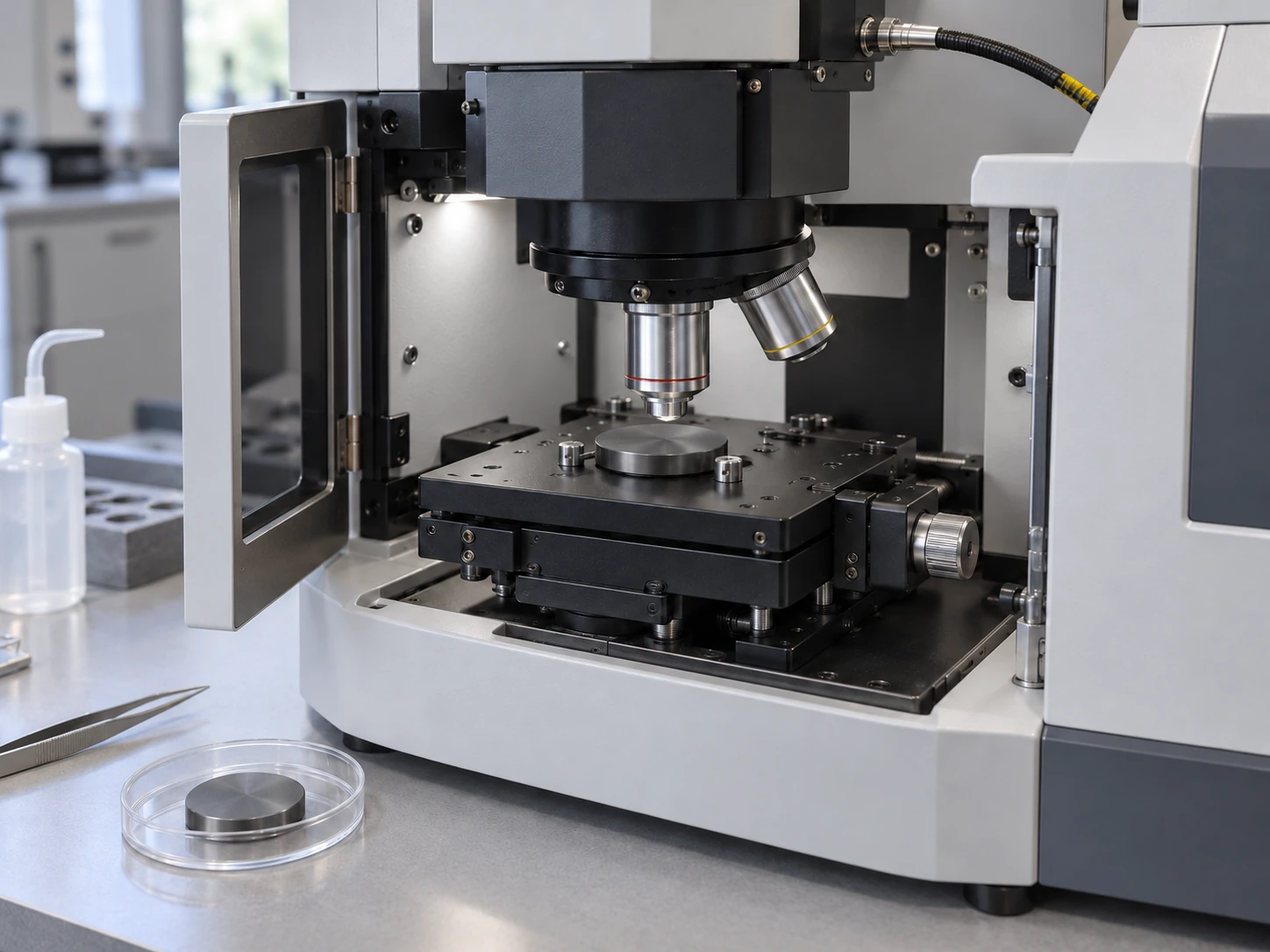
Analytical characterization reviews the carbon film, dopants, supporting layers, and surface condition that influence the final performance window.
Available methods include
Raman spectroscopy, SEM imaging, and EDS analysis can be used where appropriate to review carbon bonding trends, layer interfaces, dopants, supporting layers, and surface defects.
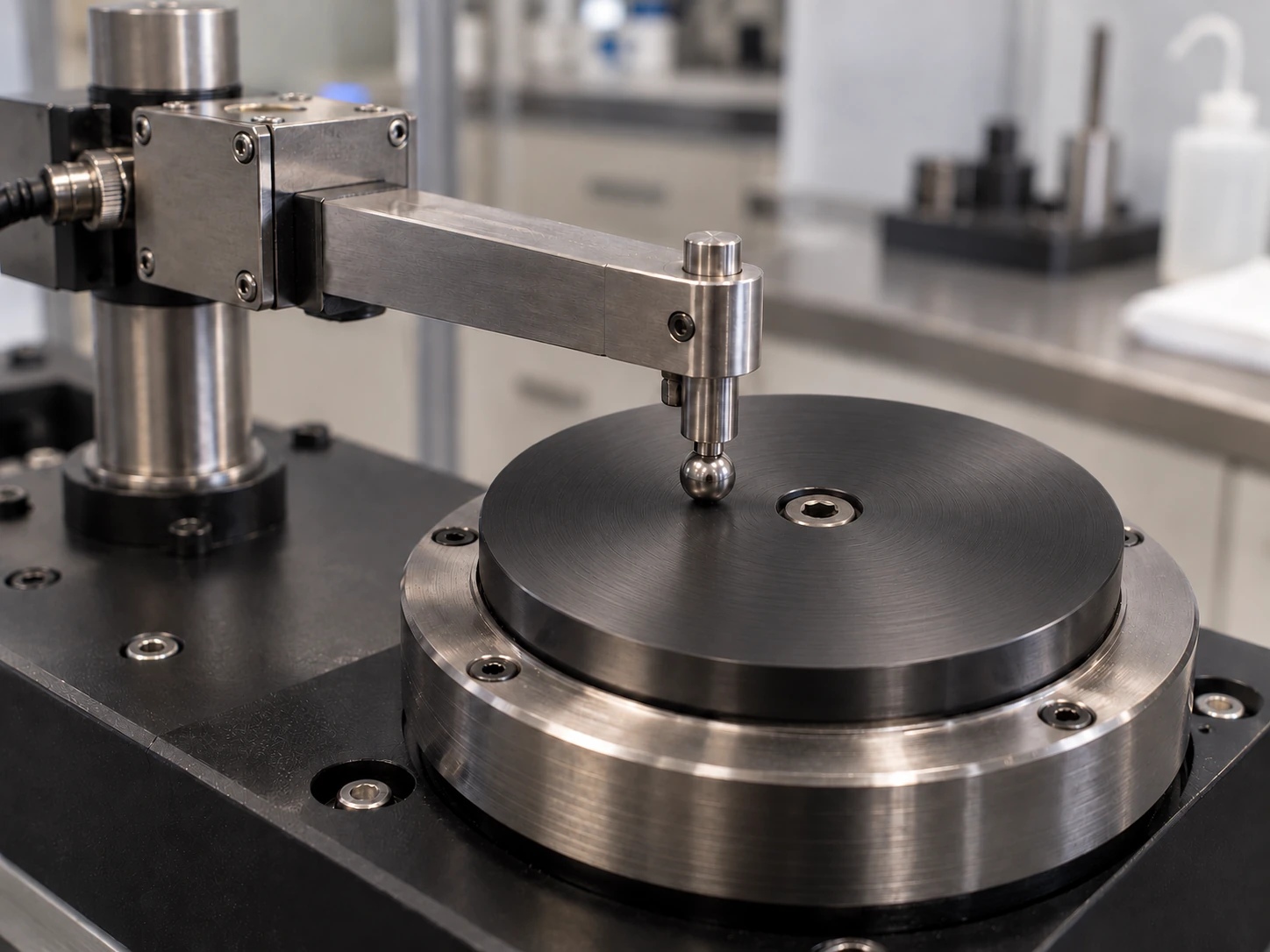
Tribological testing compares coating and counterface behavior under controlled motion, load, and environment before evaluation on representative components.
Available methods include
Ball on disk or pin on disk testing, wear track measurement, and selected media or environmental exposure can be used to compare coefficient of friction, coating wear, counterface wear, transfer behavior, and failure mode.
Testing may be performed in house or coordinated through qualified external facilities, depending on the NTI site, method, and project scope. Relevant methods may include ISO 14577 instrumented indentation, ISO 20502 scratch testing, ISO 26443 Rockwell indentation, ISO 25178 surface texture measurement, ASTM G99 friction and wear testing, and ISO 4821 dynamic adhesion testing where applicable. The results support coating development, comparison, and production quality control; certification, where required, remains with an appropriately accredited third party.
Across precision motion, forming, fluid handling, mobility, semiconductor, and industrial machinery, NTI DLC Protect™ helps reduce friction, control material transfer, support repeated contact, and extend component service life.
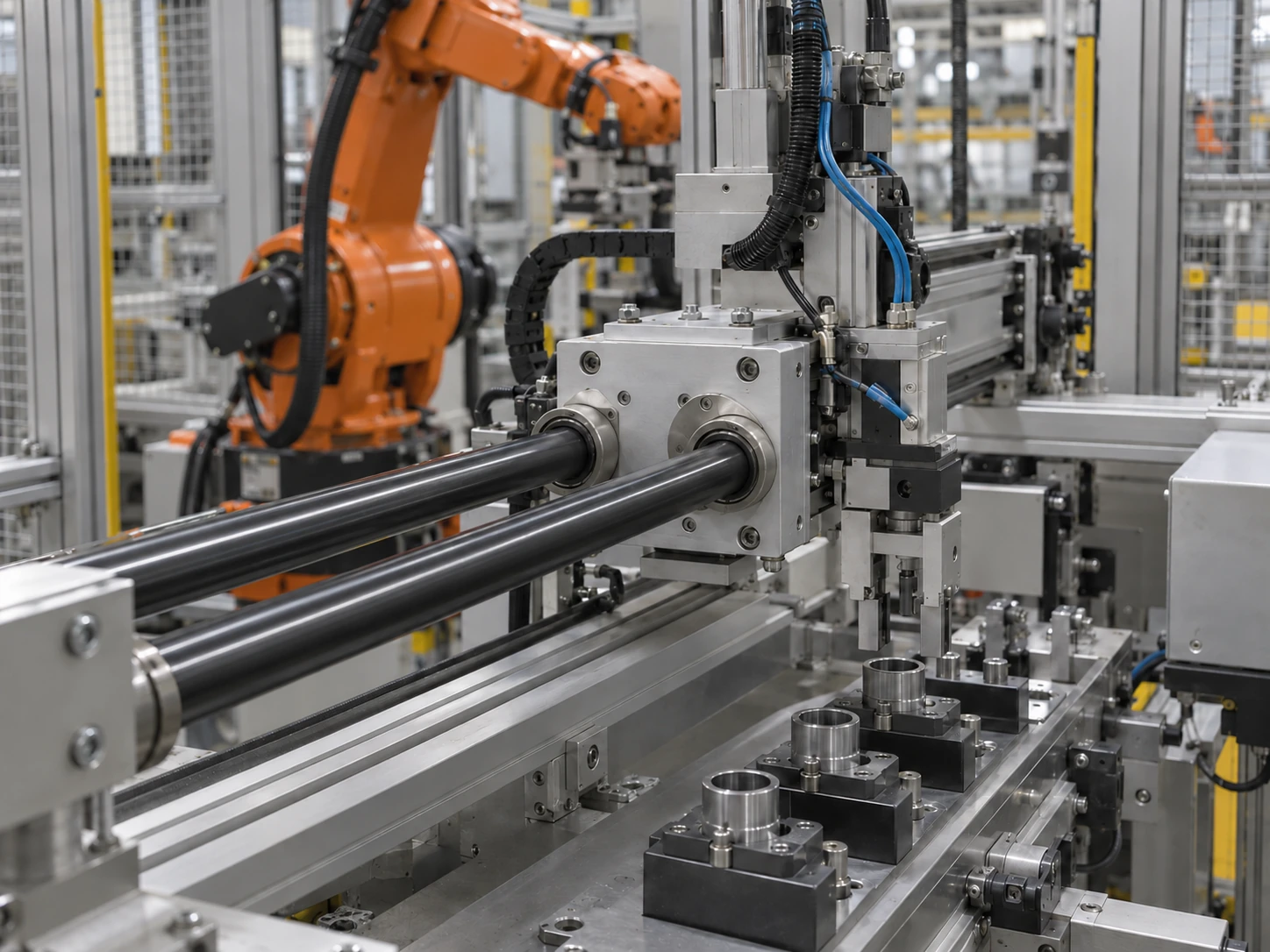
Pins, shafts, guides, sleeves, actuators and robotic mechanisms gain lower friction, reduced running resistance and more stable response.
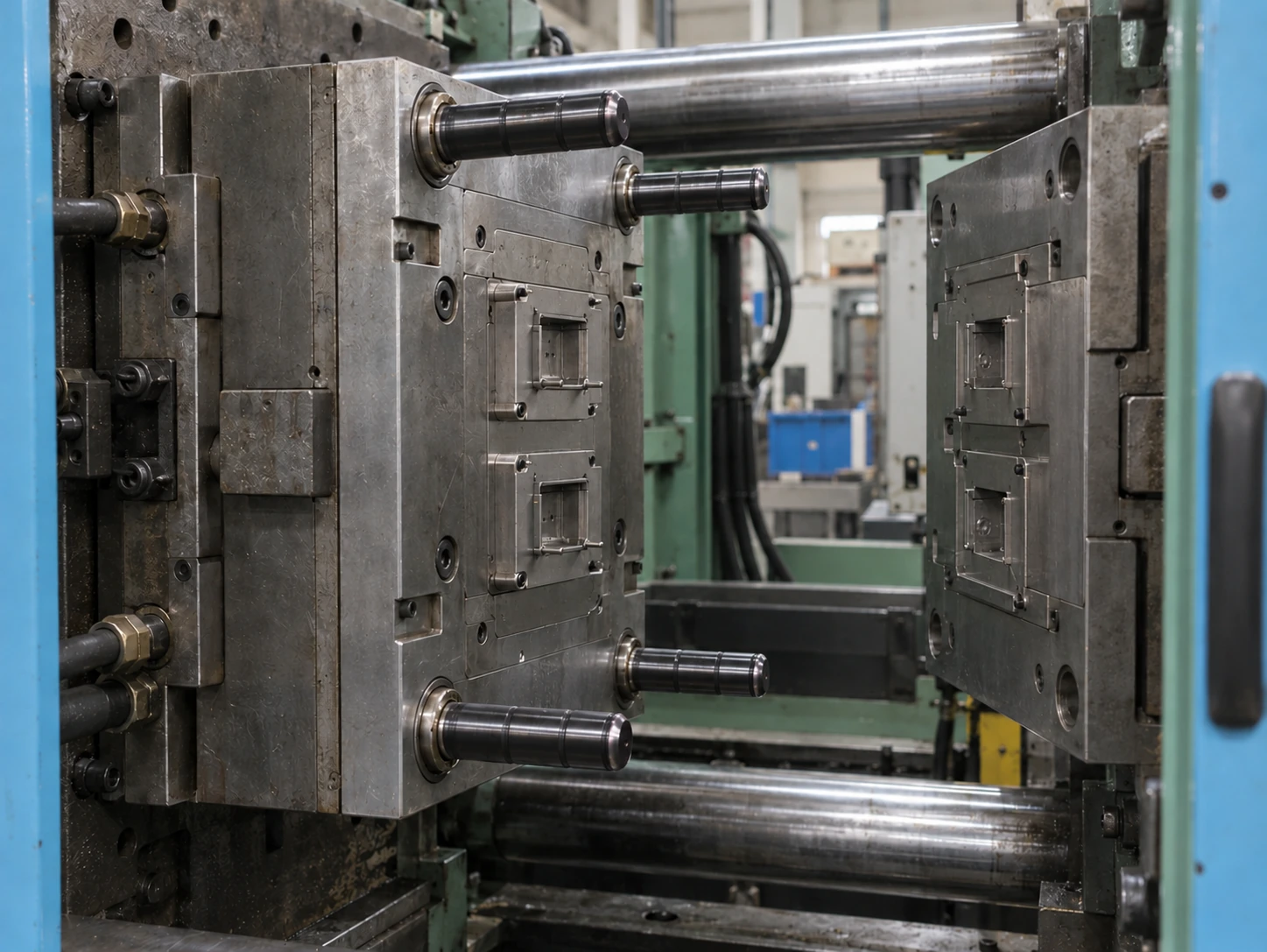
High contact pressure drives galling, material transfer, edge rounding and fatigue. NTI Hard Protect™ helps punches and dies retain form and maintain consistent part quality across repeated strokes.

Sliding and sealing components gain friction and wear control where chemical media and limited lubrication challenge reliability.

Injection, transmission, compressor, actuator and drivetrain components gain lower friction and longer wear life.
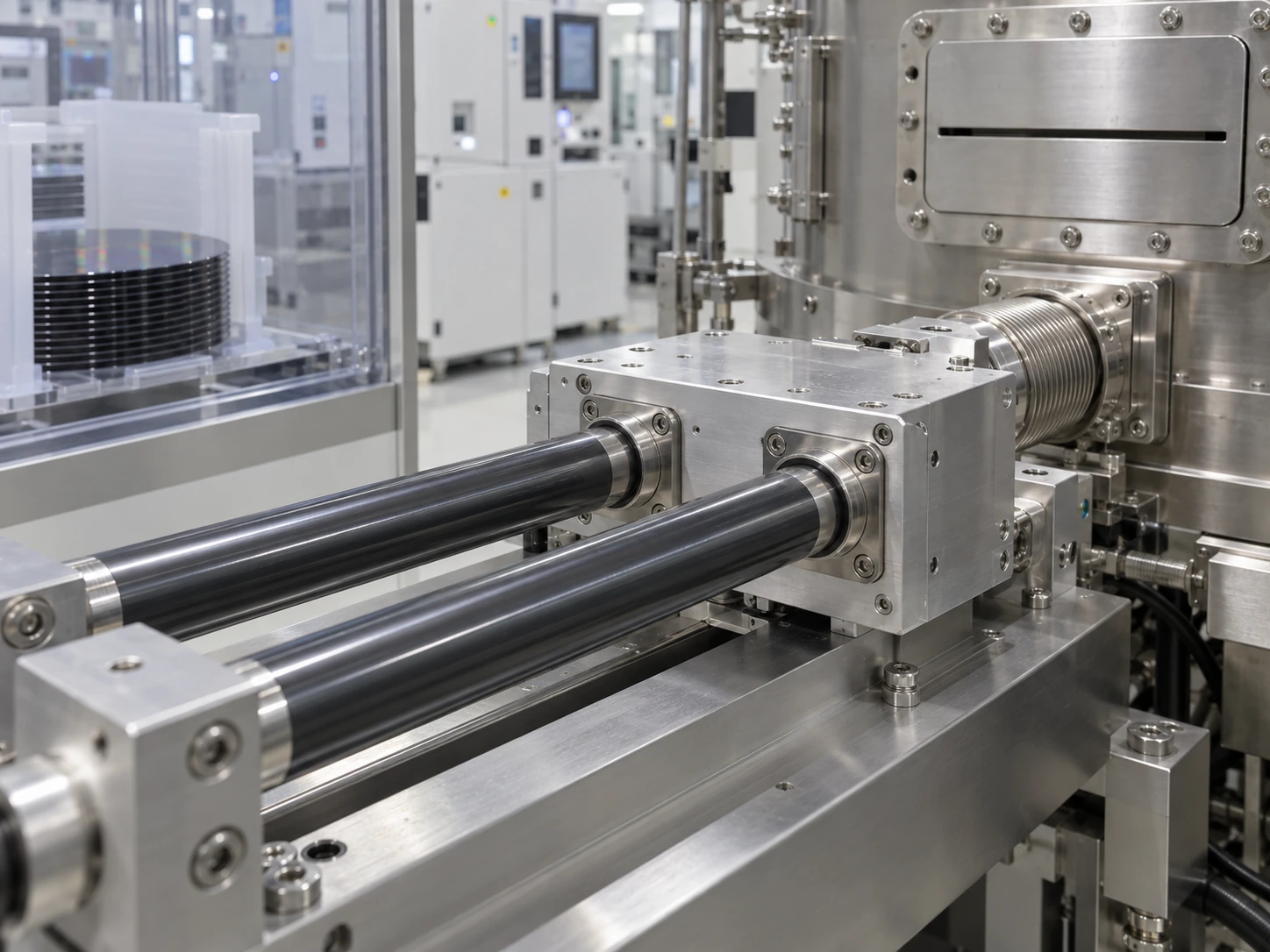
Precision machinery gains controlled low friction contact across dry gas, vacuum and particle sensitive environments.
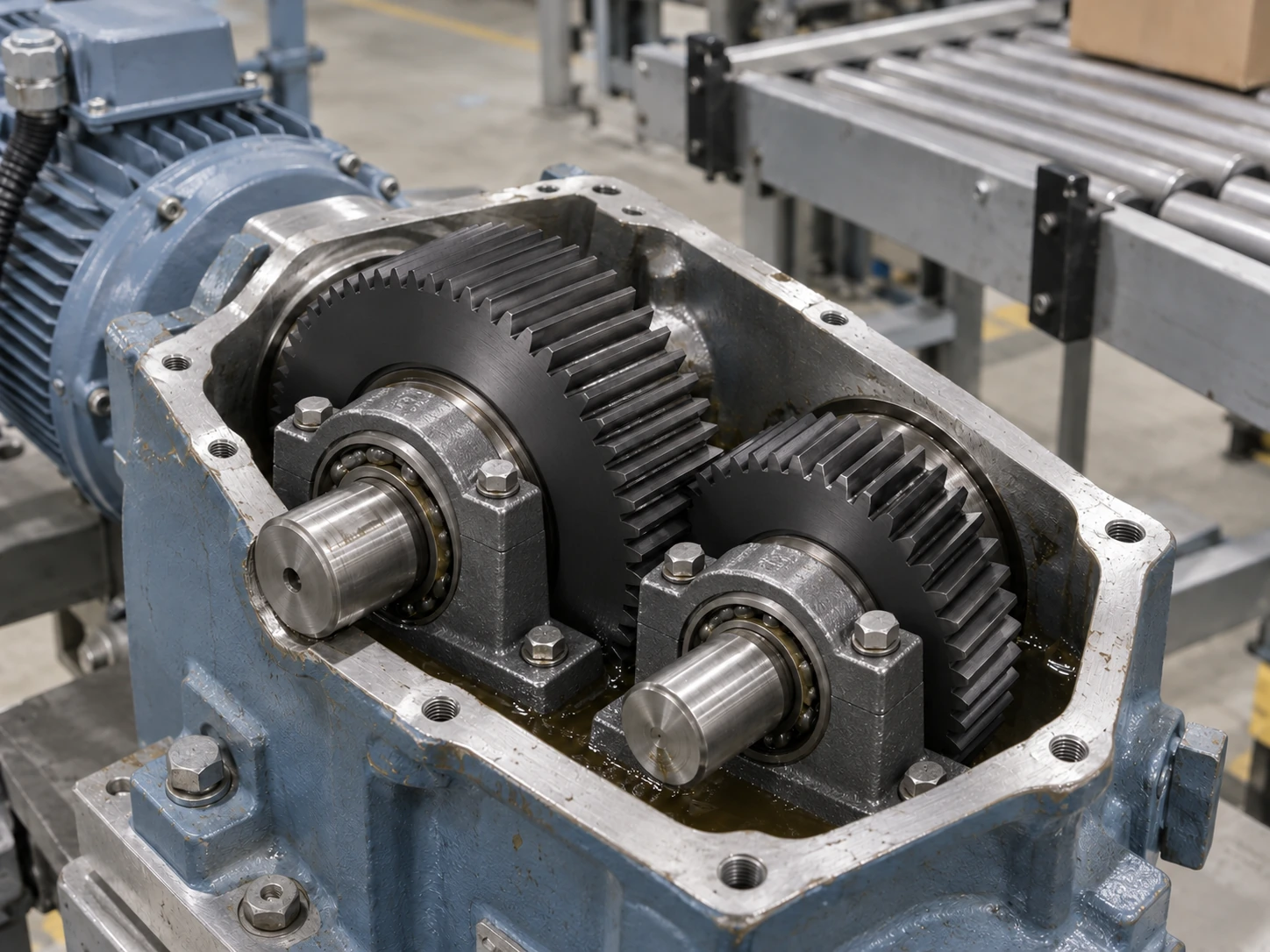
Bearings, gears, rollers, guides and drive components gain more predictable movement under repeated contact.
NTI Nanofilm supports the progression from application assessment and representative samples to validated, repeatable coating supply. Eligible components can also be assessed for decoating, reconditioning, and recoating to extend their useful value.
The review captures the component, substrate, counterface, movement, load, lubrication, environment, current limitation, and required improvement.
The DLC chemistry, thickness, process temperature, preparation, and supporting architecture are matched to the application.
Representative parts are assessed against agreed coating measurements and application relevant performance indicators.
Qualified parameters, fixturing, inspection, and acceptance criteria are established for consistent coating delivery.
Where geometry, substrate condition, and remaining tolerance allow, NTI can assess decoating, reconditioning, and recoating to extend component value.
Where dedicated capacity, closer process ownership, or direct integration into production is required, selected NTI DLC Protect™ processes can be transferred through batch or inline equipment platforms. NTI Nanofilm supports system configuration, process transfer, application development, and production ramp up.
Explore practical guides, application stories, product updates, and upcoming technical events.

Choose NTI DLC Glide Protect™ for low friction contact and cleaner release, or NTI DLC Load Protect™ when greater repeated load and wear support are required. For selected steel components that need a stronger substrate foundation, NTI Fortify™ Steel Surface Strengthening can be evaluated before DLC and selected ta-C coatings.
NTI DLC Glide Protect™ prioritizes low friction, reduced material pickup and cleaner release across sliding, forming and molding contact. NTI DLC Load Protect™ combines low friction with greater wear and load support for repeated mechanical contact.
NTI DLC Glide Protect™ is the primary route for sliding, reciprocating and oscillating contact where lower friction and stable movement are the main priorities. NTI DLC Load Protect™ may be selected when the same contact also carries greater repeated load or wear demand.
NTI DLC Glide Protect™ is the primary route where low friction, reduced material pickup and cleaner release are important. NTI DLC Load Protect™ may be considered where forming or molding contact also places greater wear or load demand on the tool.
NTI DLC Load Protect™ is the primary route for repeated higher load contact because it balances low friction with greater wear and load support.
Both variants are positioned within the hydrogenated DLC family, including a-C:H and modified a-C:H:X materials. The final material formulation is selected around the application and remains part of NTI Nanofilm process know how.
NTI DLC Protect™ coatings use high density Inductively Coupled Plasma within a PACVD process to support controlled deposition of hydrogenated DLC materials.
NTI Fortify™ Steel Surface Strengthening uses Plasma Immersion Ion Implantation to increase near surface hardness and mechanical support in selected steels with minimal dimensional build. It is intended for loaded components such as gears, shafts, pins, screws and rollers where the steel beneath the carbon coating can limit performance under repeated contact.
Yes. Selected applications can evaluate the treatment beneath NTI DLC Protect™ and selected NTI TAC Protect™ ta-C routes. Final suitability depends on steel grade, heat treatment, coating route, geometry, process temperature and qualification results.
Not automatically. The treatment strengthens the steel near surface region and can improve the mechanical foundation beneath a carbon coating. The need for any adhesion or supporting layer remains coating and application dependent and is confirmed during engineering qualification.
The current service is positioned for selected steel substrates. Plasma Immersion Ion Implantation can be applied to other materials in principle, but each material requires its own process development and qualification, so suitability should be reviewed separately.
NTI DLC Glide Protect™ has a reference surface hardness up to 1,800 HV and a typical coating thickness of 1 to 5 µm.
NTI DLC Load Protect™ has a reference surface hardness up to 2,800 HV and a typical coating thickness of 2 to 5 µm.
Selected NTI DLC Protect™ solutions can support dry running or marginally lubricated operation. Suitability depends on load, speed, counterface, temperature, humidity, surface finish and required service life.
Hydrogenated DLC, commonly described as a-C:H or modified a-C:H:X, balances low friction, smoothness and wear performance. Tetrahedral amorphous carbon, or ta-C, is hydrogen free and typically provides a different balance of hardness, residual stress and application fit.