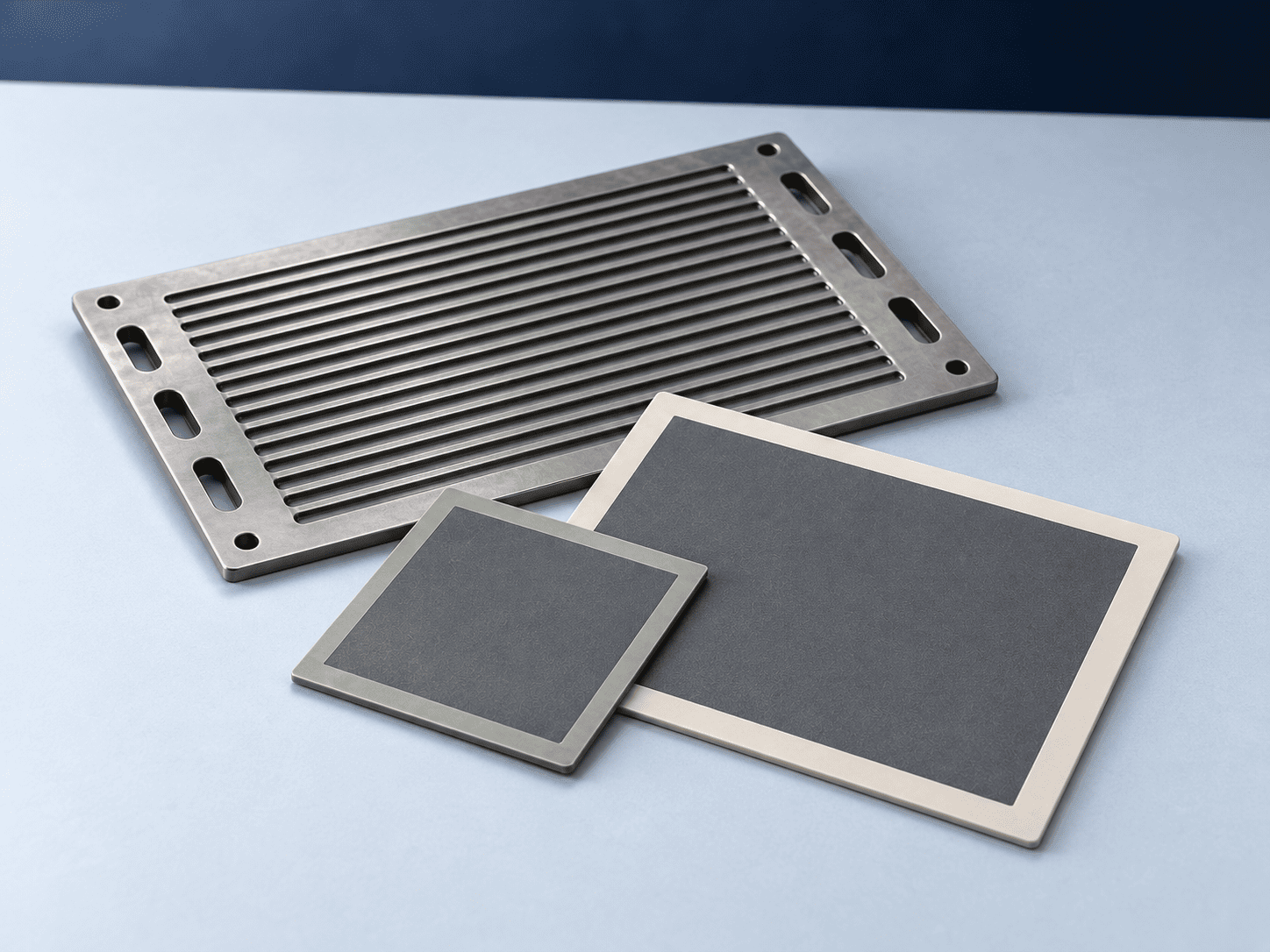
Build longer-lasting fuel cells, lower precious-metal demand and move your hydrogen programme closer to commercial deployment. Sydrogen connects proprietary nanocoatings, automated component manufacturing, coating equipment and integrated power systems around the performance, quality and production goals that matter to you.
Your next hydrogen programme may be aiming for longer stack life, lower component cost or dependable power beyond the grid. Sydrogen helps you pursue those goals with access to the materials technology, manufacturing capability and system expertise that bring a promising design closer to commercial use.
As NTI Nanofilm Group’s hydrogen energy solutions business, we bring deep-tech surface engineering into the decisions that shape your product and its economics. Work with us on a critical coating, bring production technology into your own facility, or connect component manufacturing and fuel cell power integration around your application.
Bring materials research, component engineering and system expertise into your development programme, with technical support that connects your performance targets to production and application requirements.
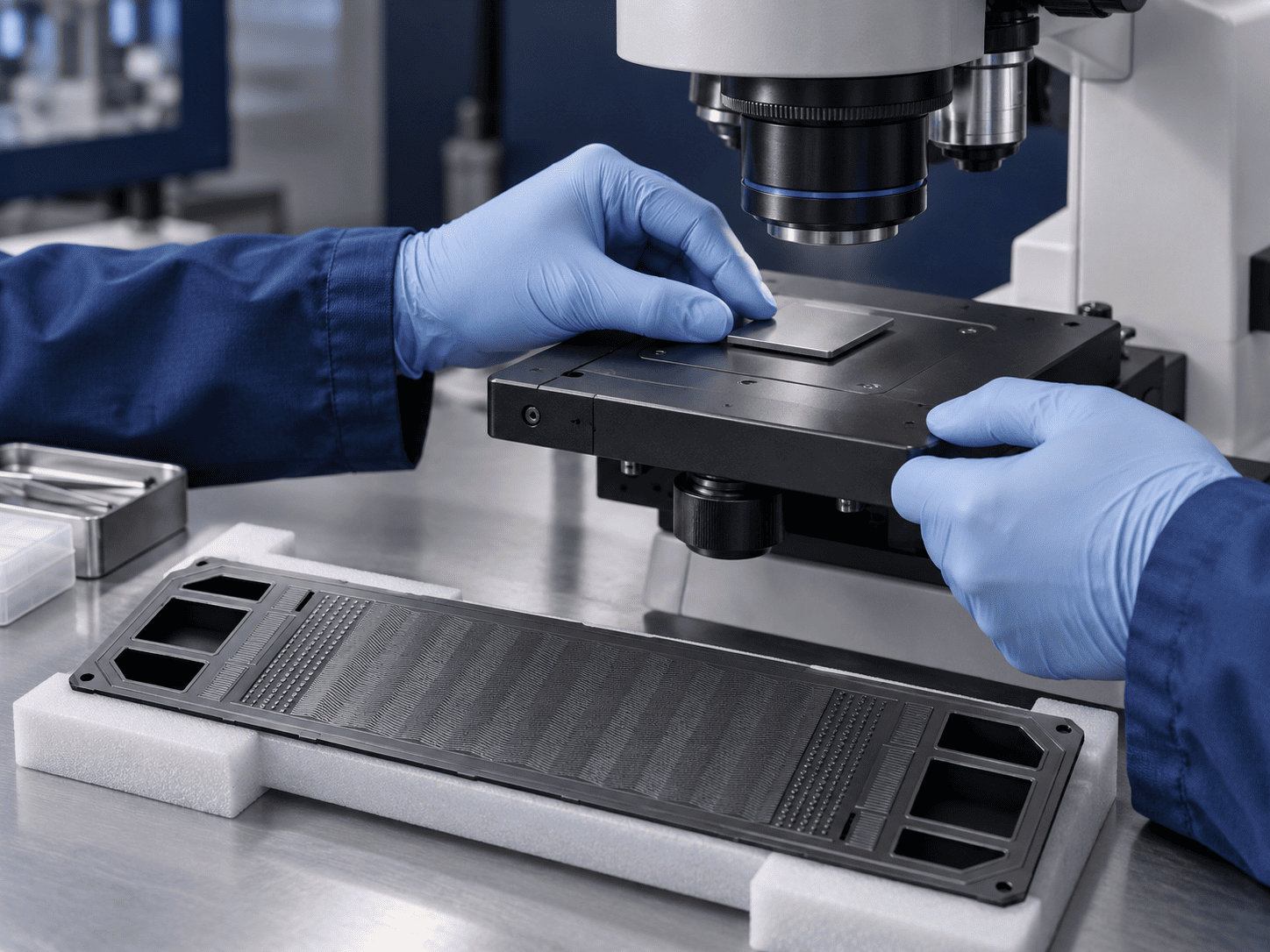
Coating development and material analysis help you target the conductivity, corrosion protection and interface stability your stack needs. Electrochemical evaluation and physical inspection connect promising materials with evidence for component qualification.
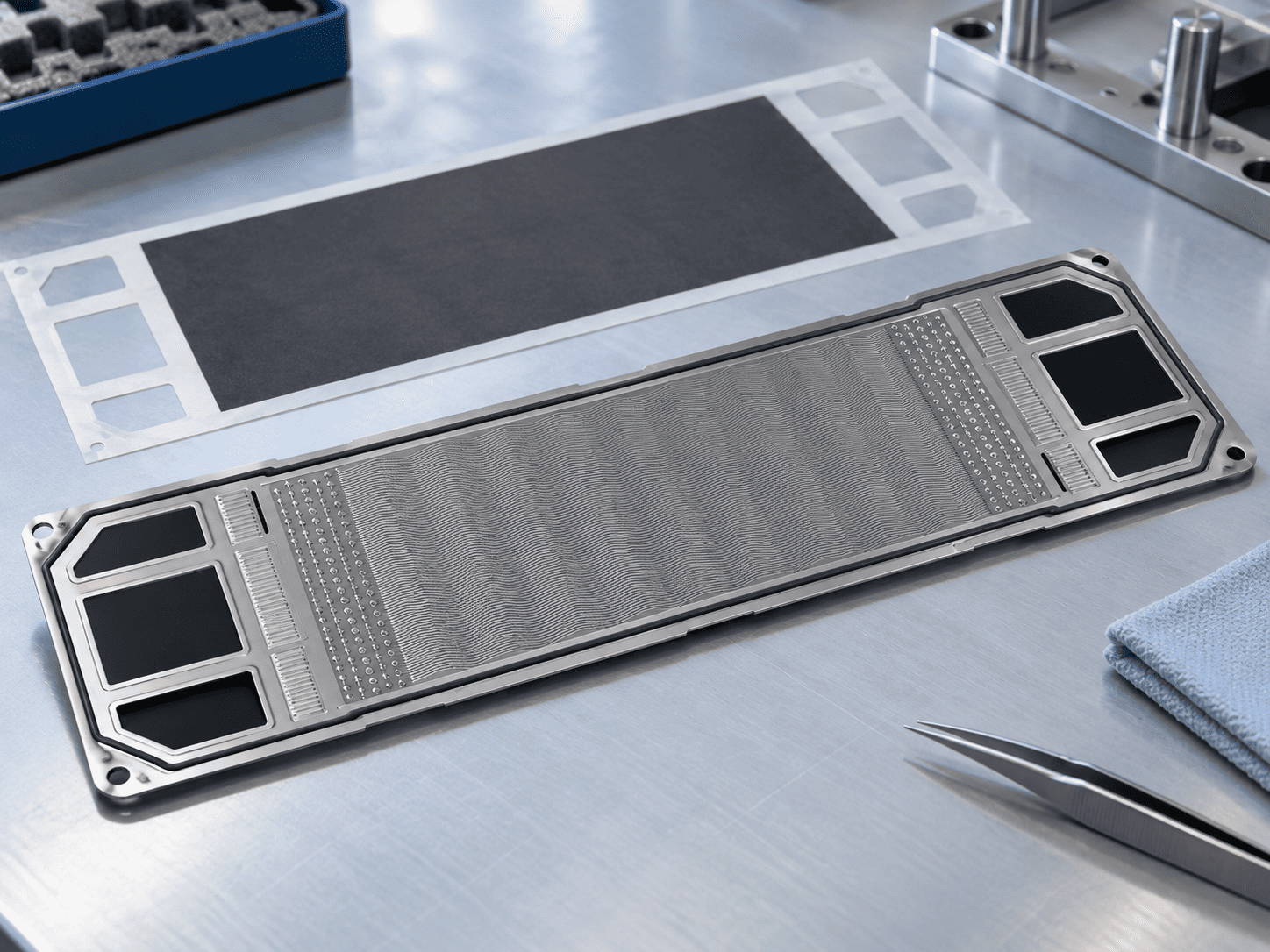
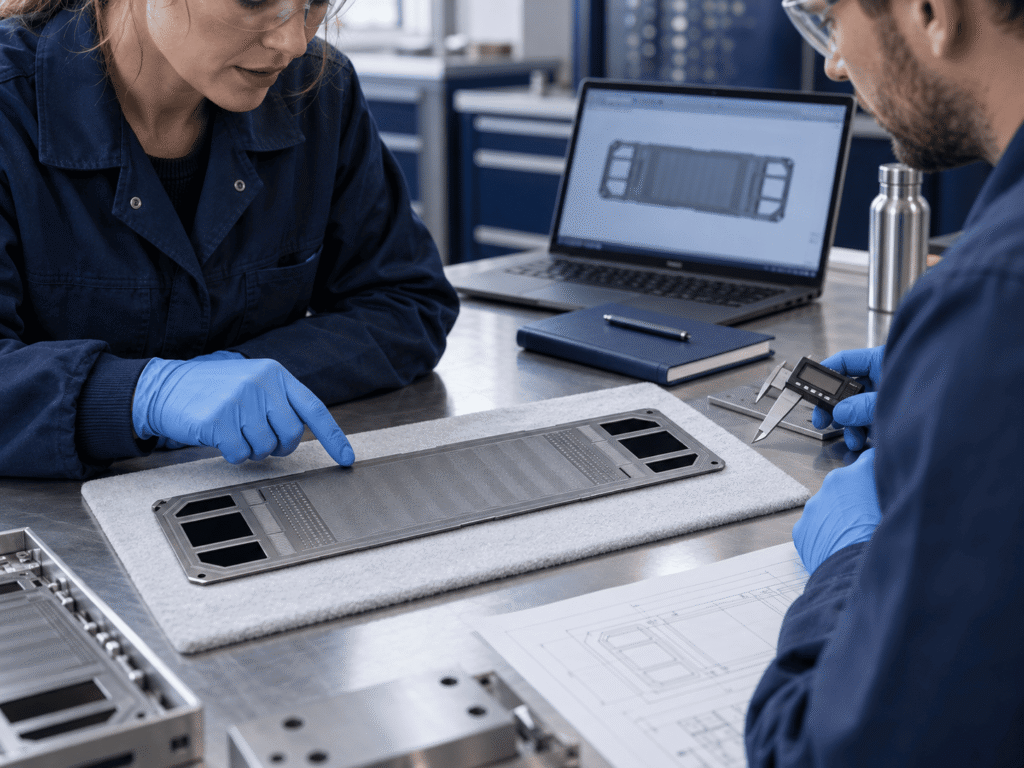
Precision forming, membrane electrode assembly capabilities and injection moulding support closer control of the interfaces inside your fuel cell. Evaluate component fit, coating compatibility and sealing performance together, with engineering support around your design.
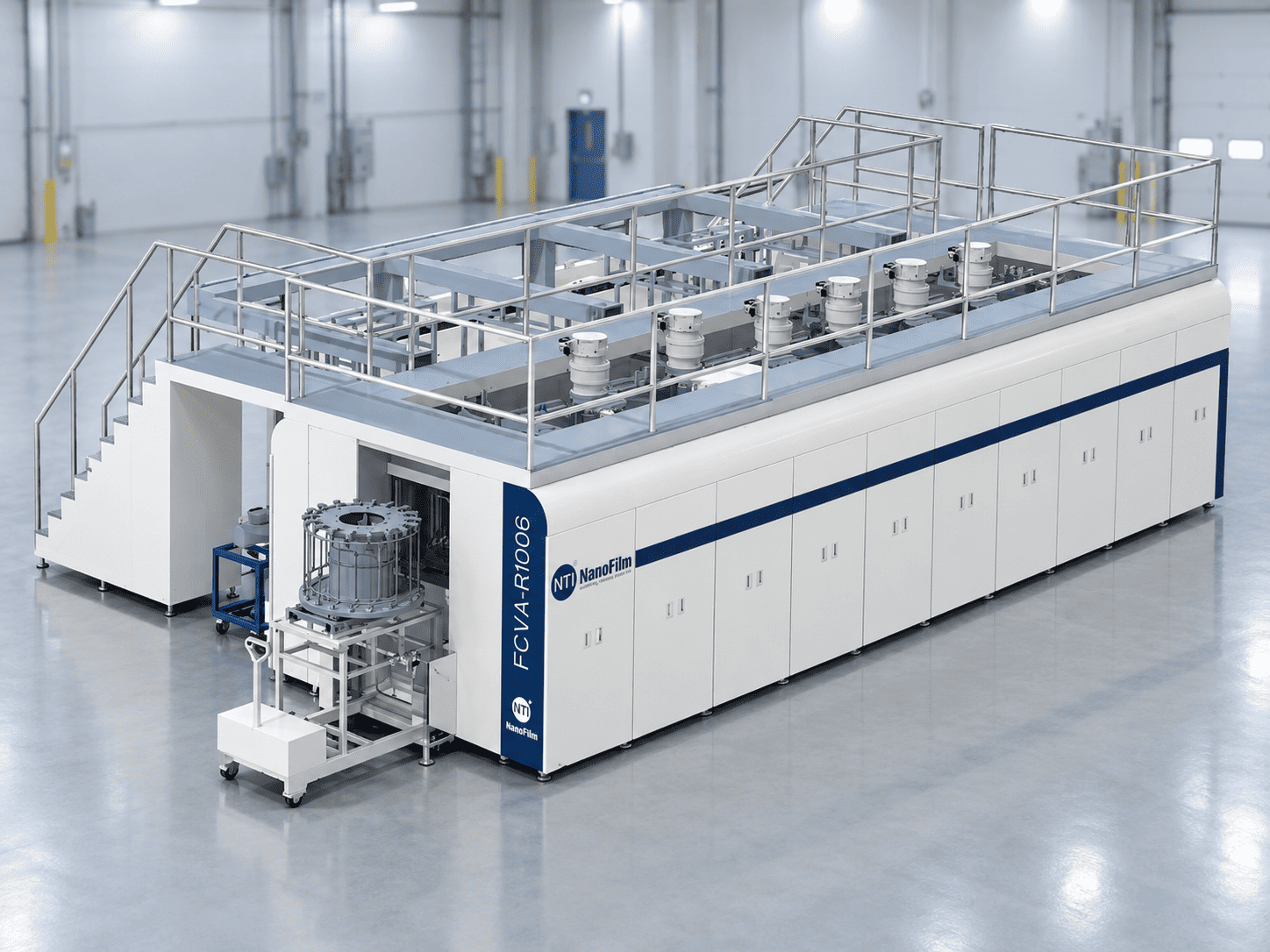
Develop a production route around your part geometry, coating requirement and capacity plan. Sydrogen and NTI Nanofilm connect coating process development with batch and inline equipment engineering, automation and coated-component supply.
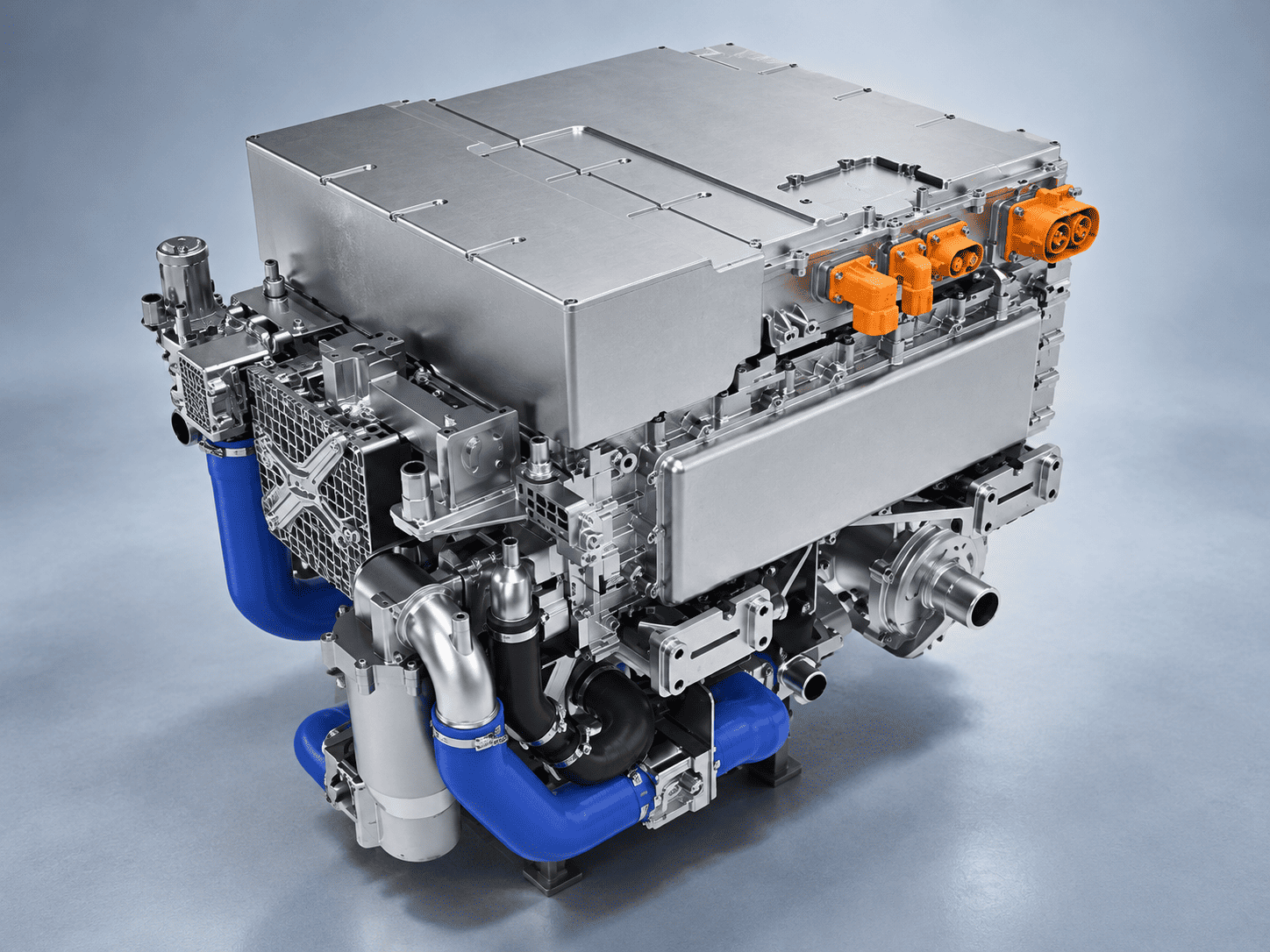
Fuel cell stack development, system validation and integration support bring output, runtime, packaging and hydrogen supply into the project scope. Develop power solutions for mobility, stationary use, EV charging and off-grid applications with Sydrogen and its technology partners.
Improve component performance with fuel cell and electrolyser coatings, strengthen your production with coating equipment and finished bipolar plates, or bring hydrogen power to your application.
SydroCOAT™ combines proprietary carbon and PVD coating know-how to support fuel cell and electrolyser components where conductivity, corrosion protection, precious-metal reduction and interface stability all matter. The portfolio spans PEM fuel cells, PEM electrolysers, AEM electrolysers and solid oxide cell applications.
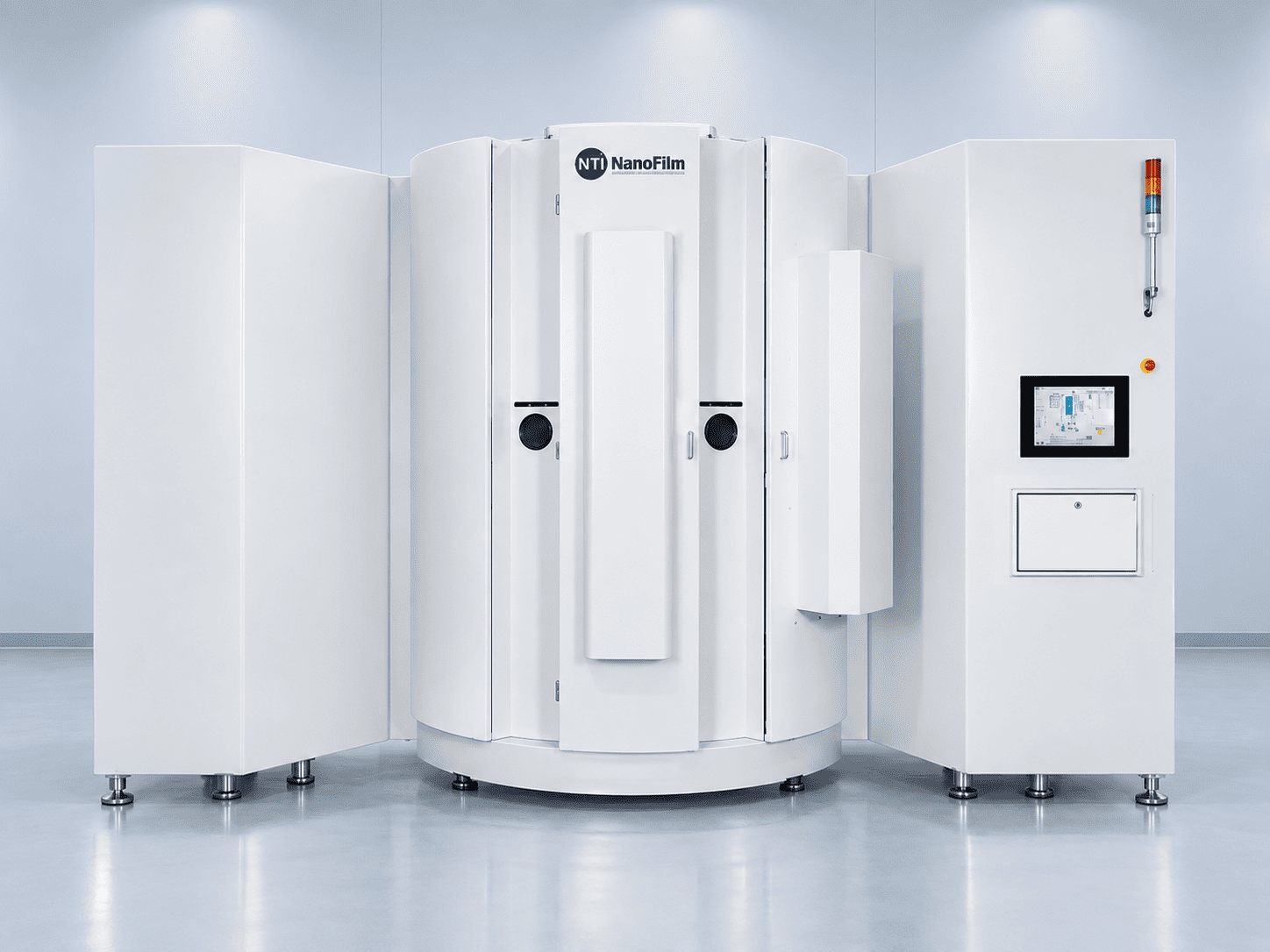
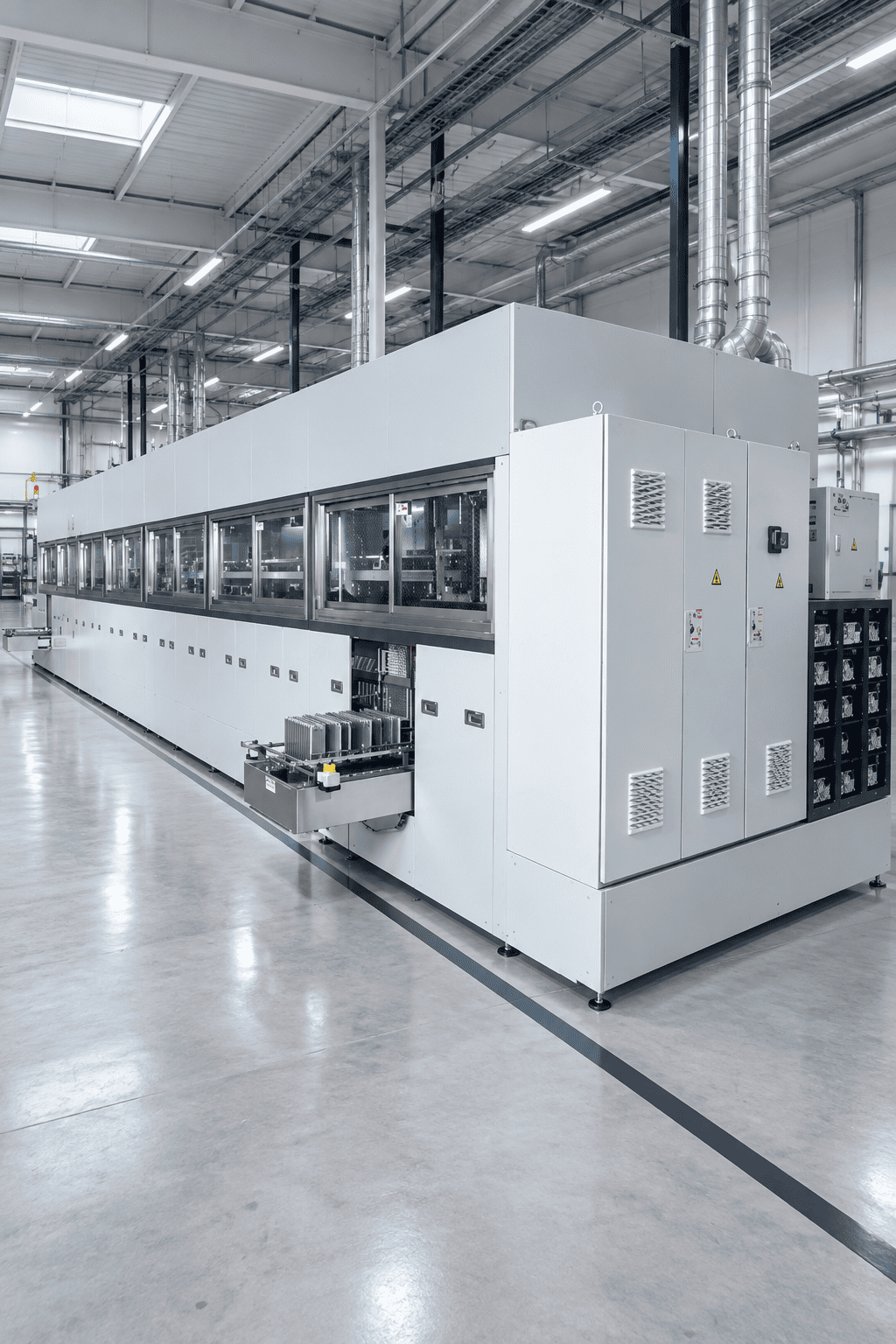
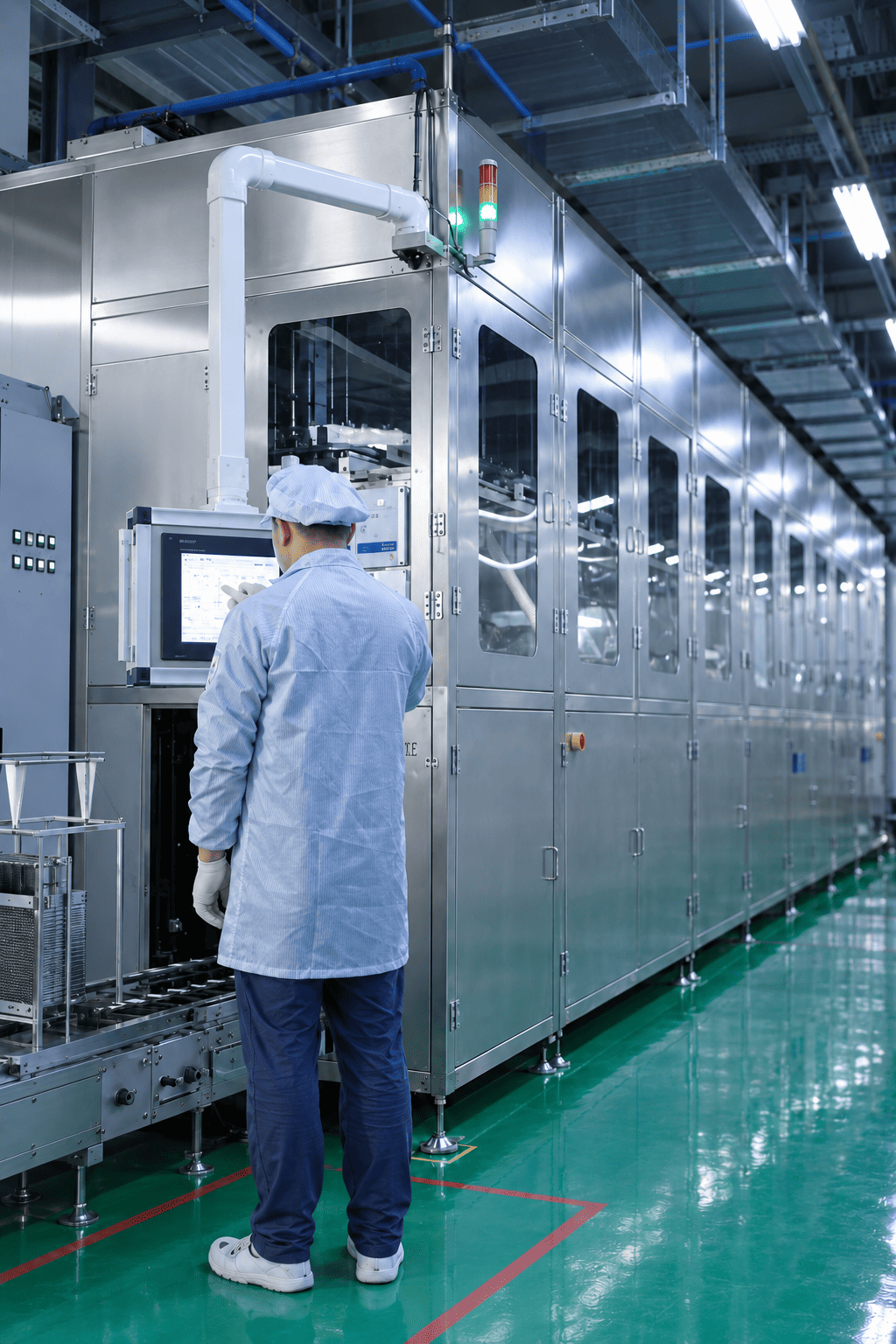
Automated process control and configurable coating sources help you produce consistent surfaces with greater control over quality, output and cost. NTI Dream™ accommodates changing products and coating recipes; NTI Titan™ integrates coating and handling for high-volume production. Both are available as standalone systems.
Repeatable Quality Across Changing Product Loads
Configurable chambers and coating sources give NTI Dream™ the flexibility to process different components and coating recipes in one batch platform. Automated process control supports consistent surface quality, helping you make productive use of equipment across changing production requirements.
Higher Output With Integrated Automation
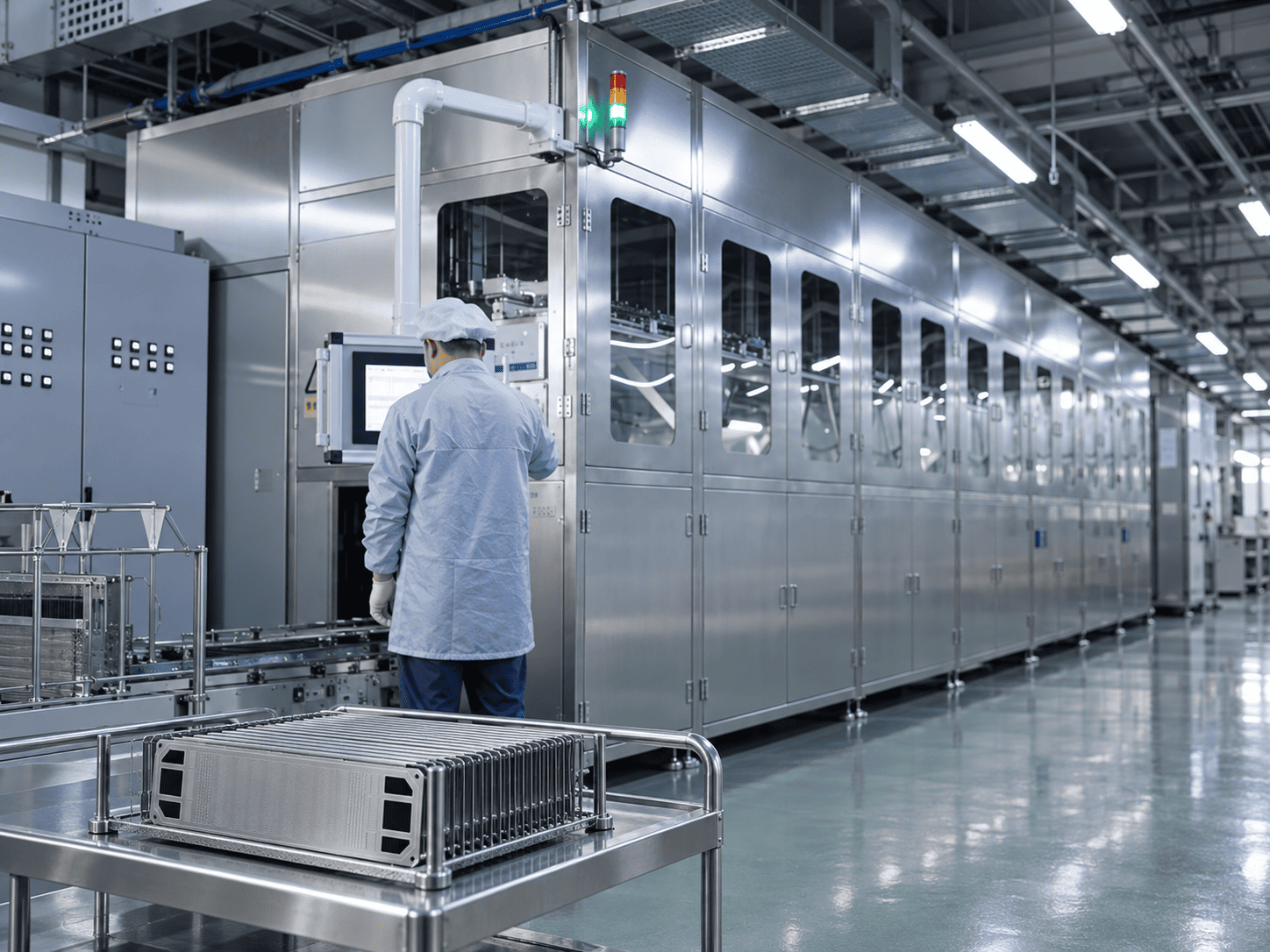
NTI Titan™ combines coating stages, component handling and automation to support repeatable quality at higher production volumes. Configurable inline architectures reduce manual handling and connect process flow with throughput, creating a route to lower cost per coated part.
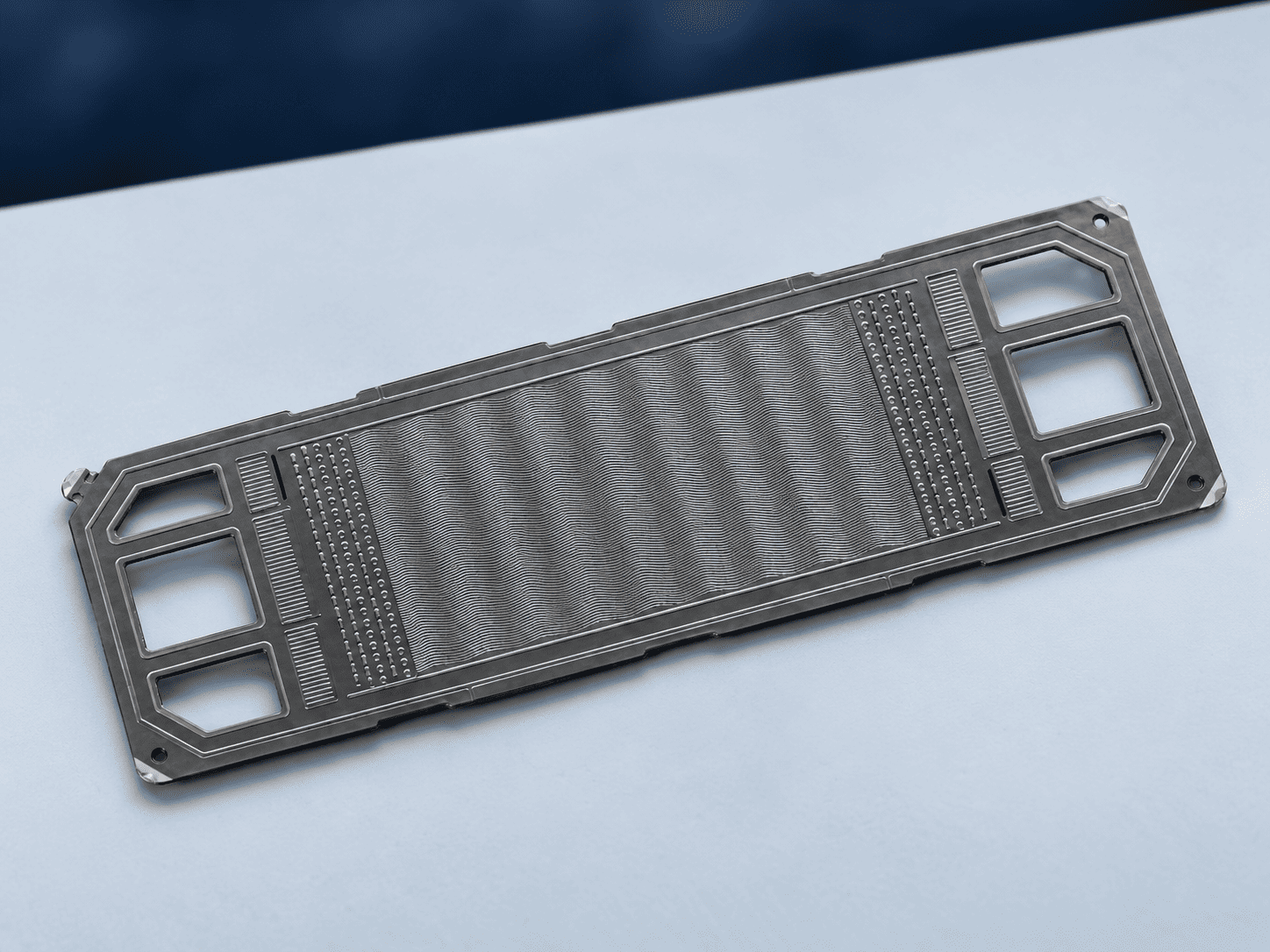
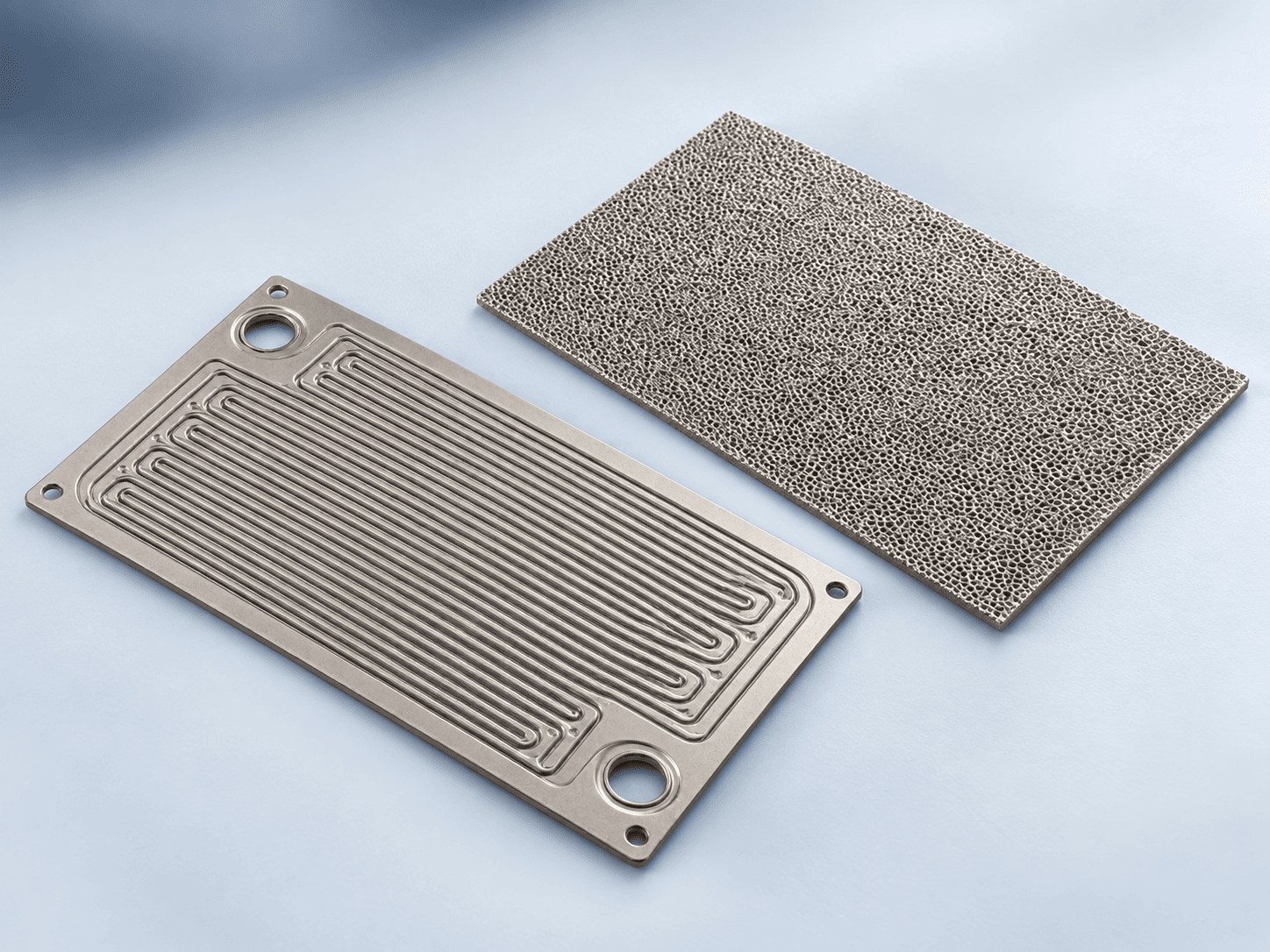
Precision flow channels, precious-metal-free FCVA coatings and integrated sealing help your PEM fuel cell deliver efficient power for longer. SydroPLATE™ combines these features with automated manufacturing and inspection to support cost-effective, repeatable supply from qualification to mass production.
Finished Plates From One Manufacturing Programme
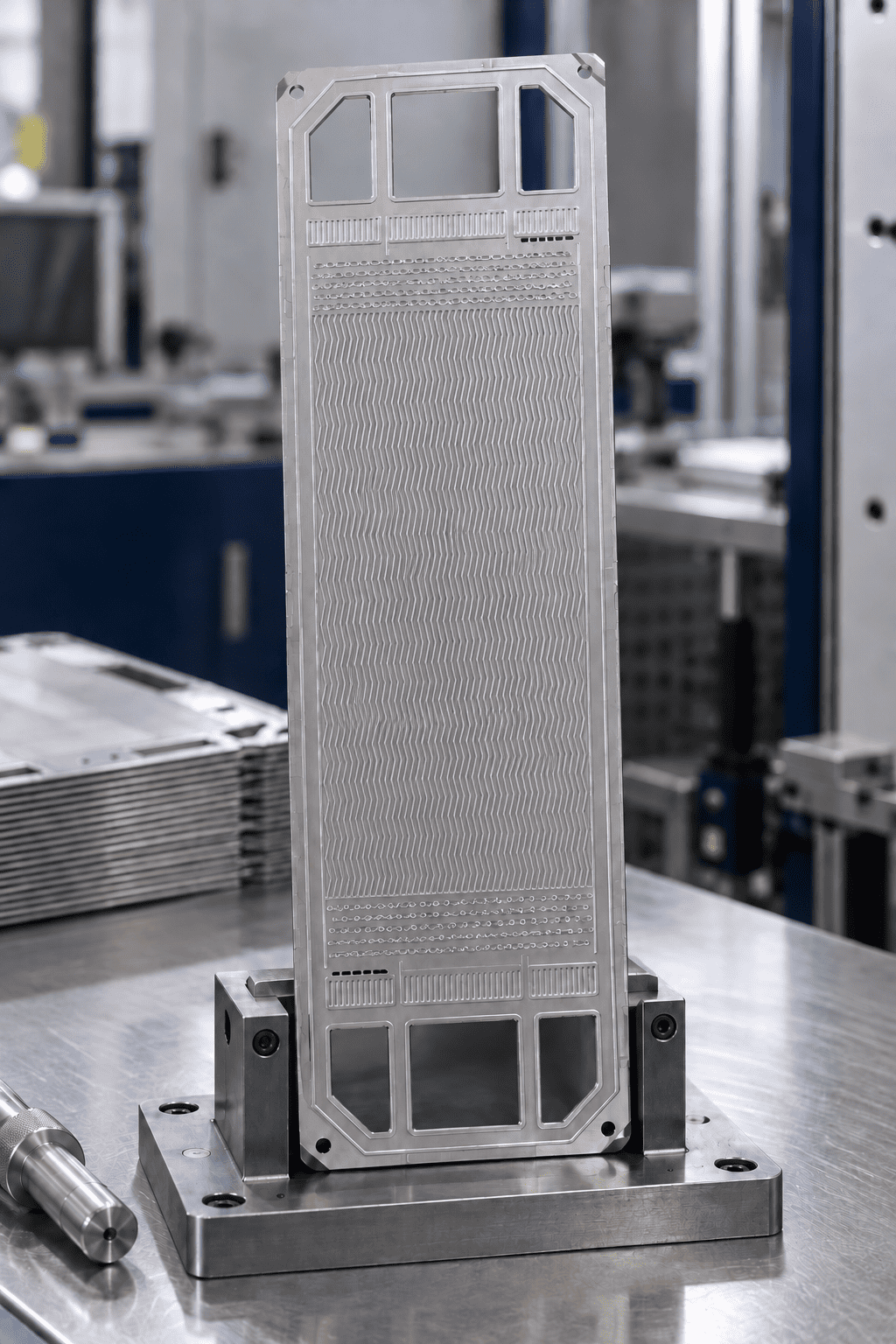
Source a finished, sealed bipolar plate through one manufacturing programme. Precision forming, laser welding, coating and seal integration reduce separate supplier handoffs, while dimensional, surface and leakage checks support consistent component quality.
Selected Processes for Your Existing Production
Add forming and joining, protective coatings, gasket integration or inspection to your existing production chain. SydroPLATE™ lets you address specific manufacturing needs without transferring the full bipolar plate programme.
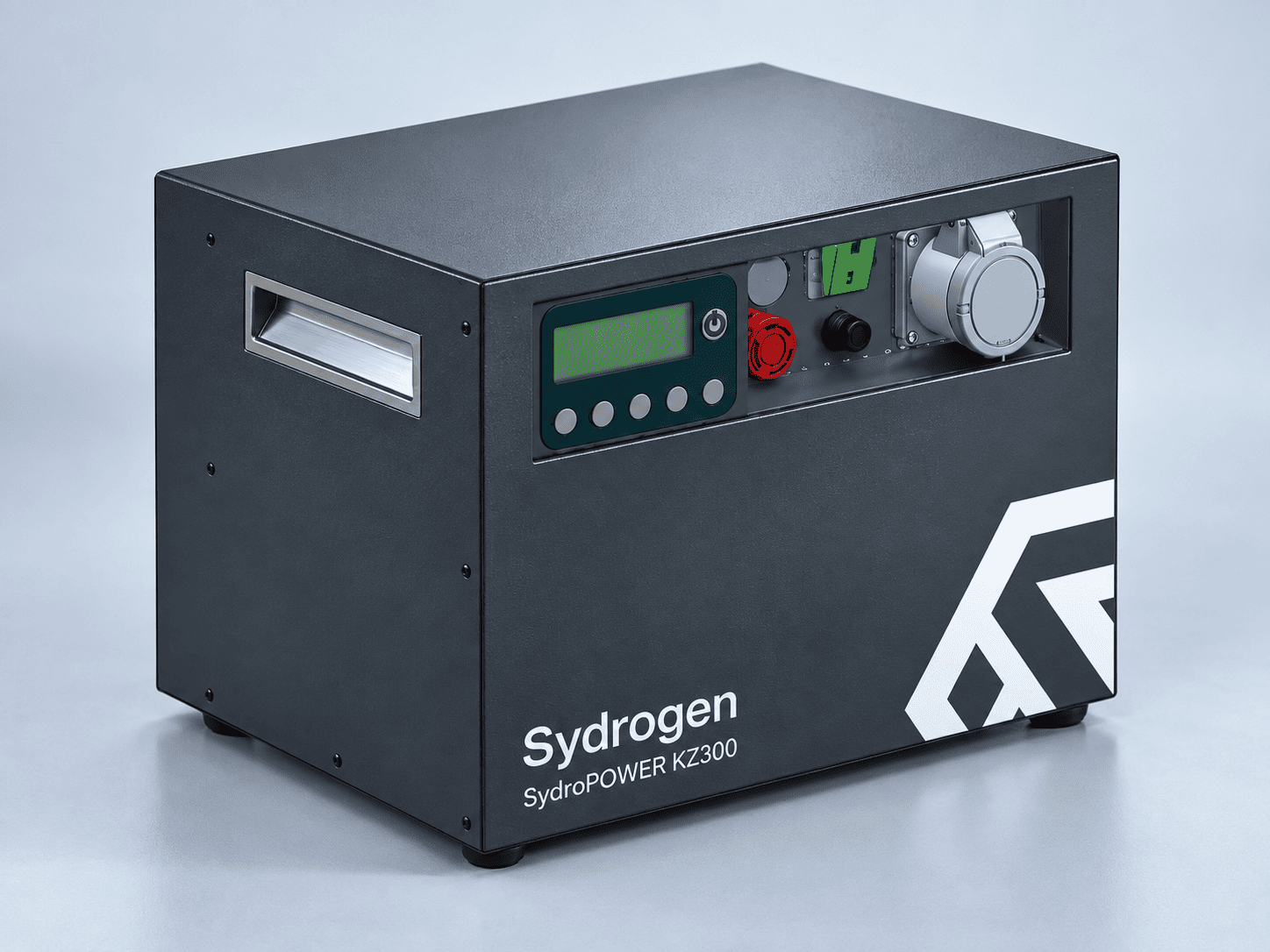
SydroPOWER® delivers quiet, combustion-free electricity from portable and remote duty to vehicle integration, stationary generation and marine deployment. The 300 W to 1 MW portfolio gives you productised fuel cell systems, stack modules, integrated engines and packaged generators matched to the power architecture you need to build.
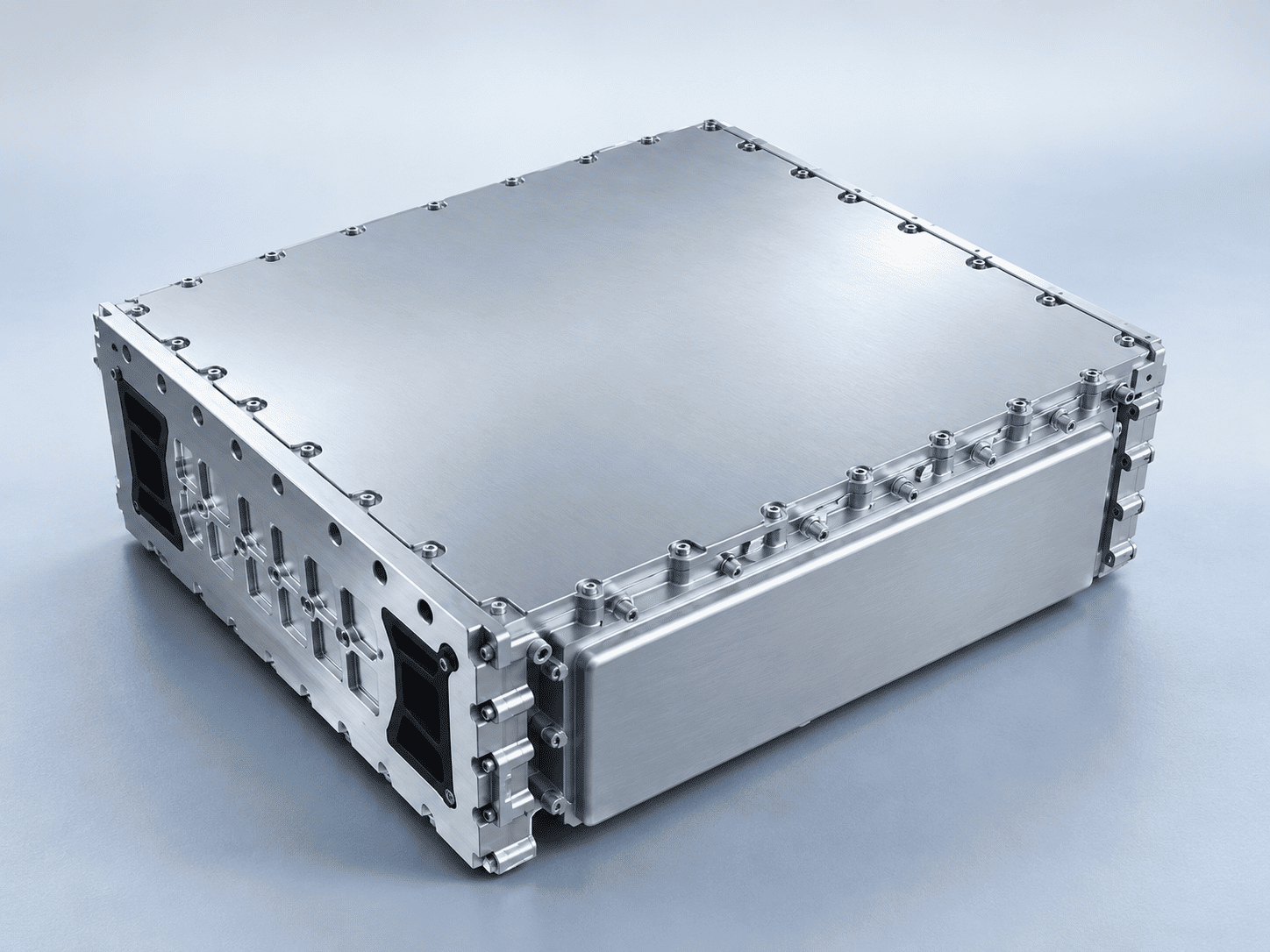
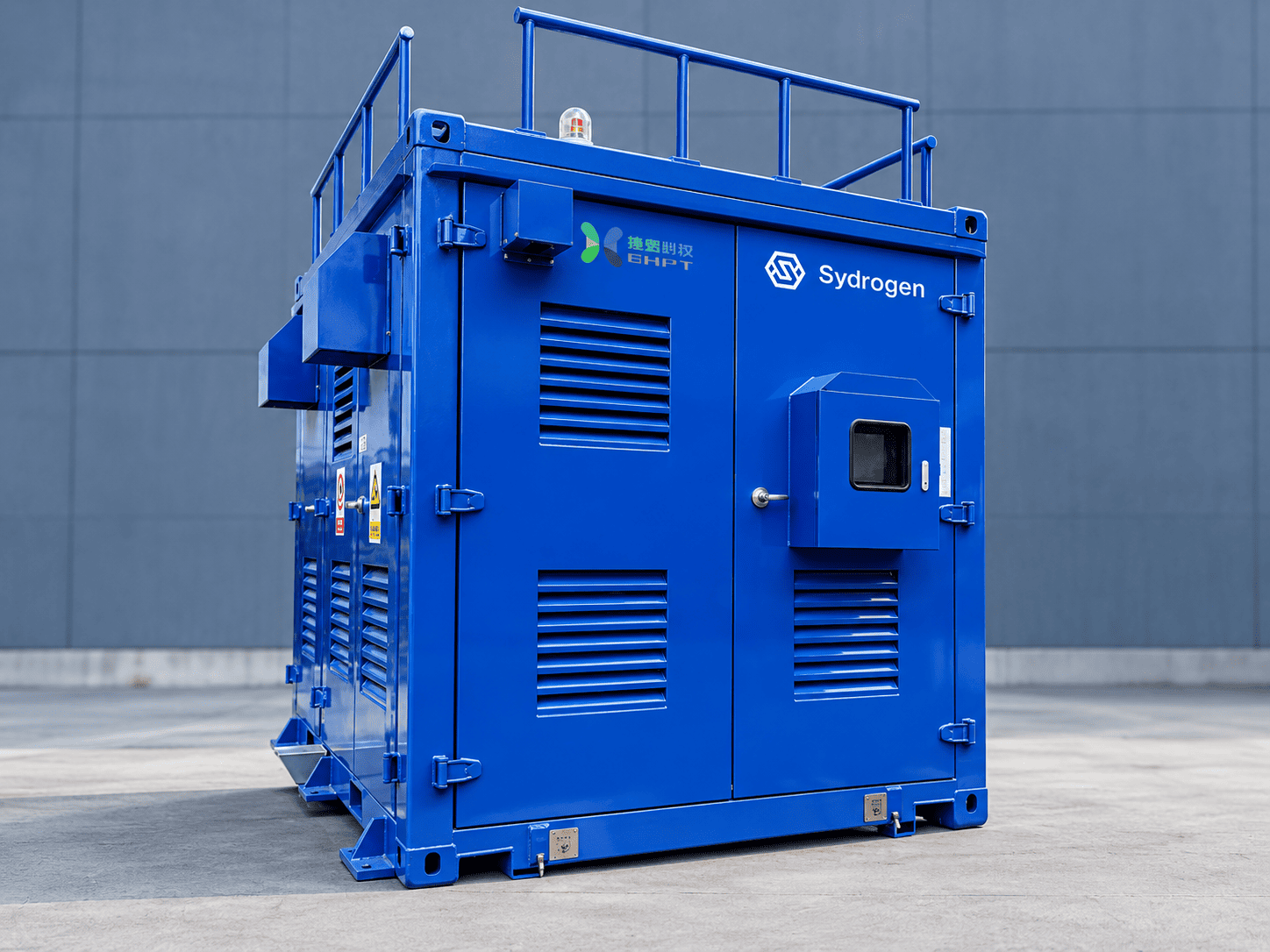
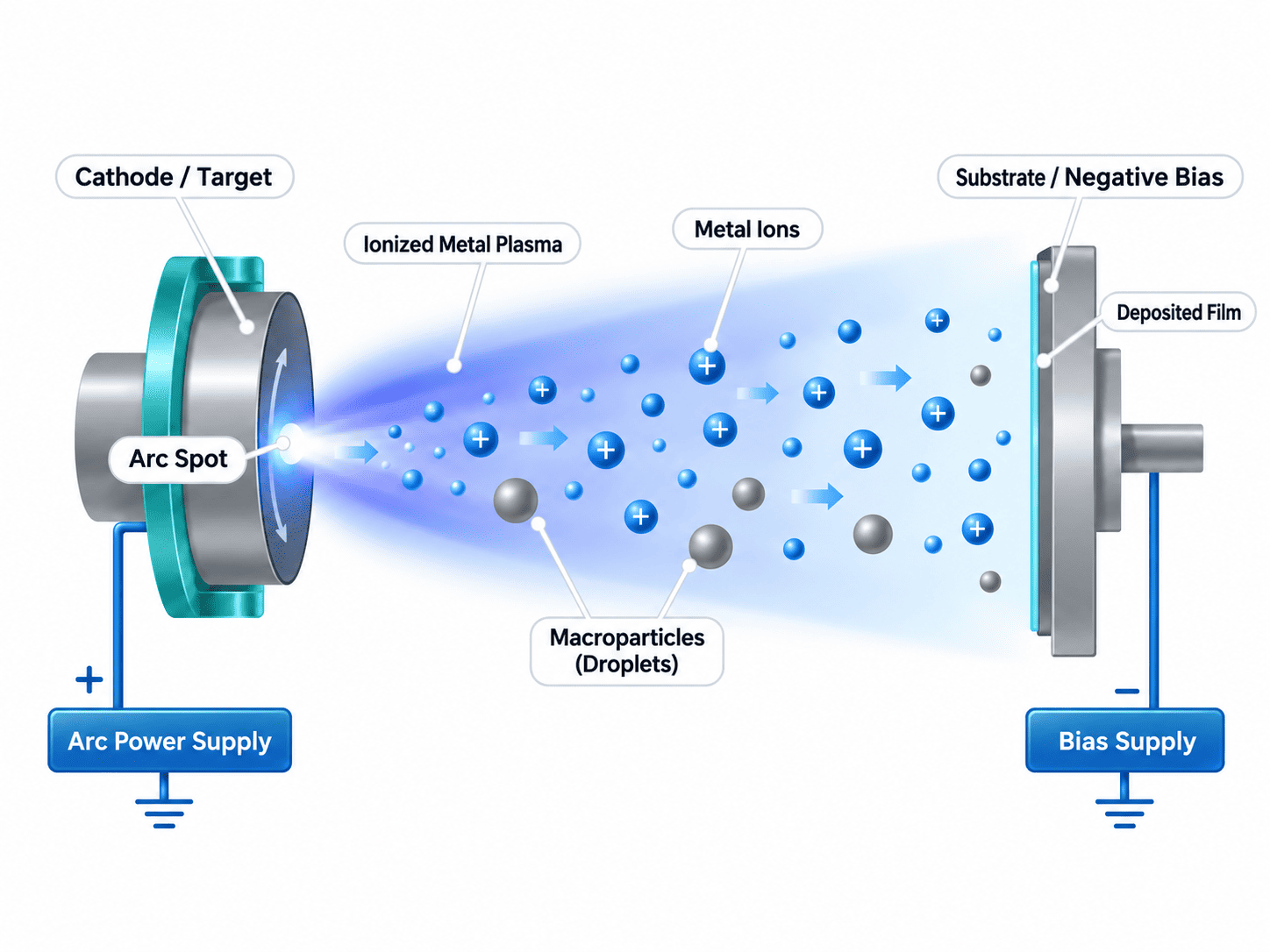
Hydrogen components place different demands on conductivity, corrosion resistance, adhesion, thermal stability and qualification readiness. Sydrogen combines NTI Nanofilm’s FCVA, magnetron sputtering and multi-arc expertise to match the deposition route to the component, material system and application requirement across fuel cell and electrolyser programmes.
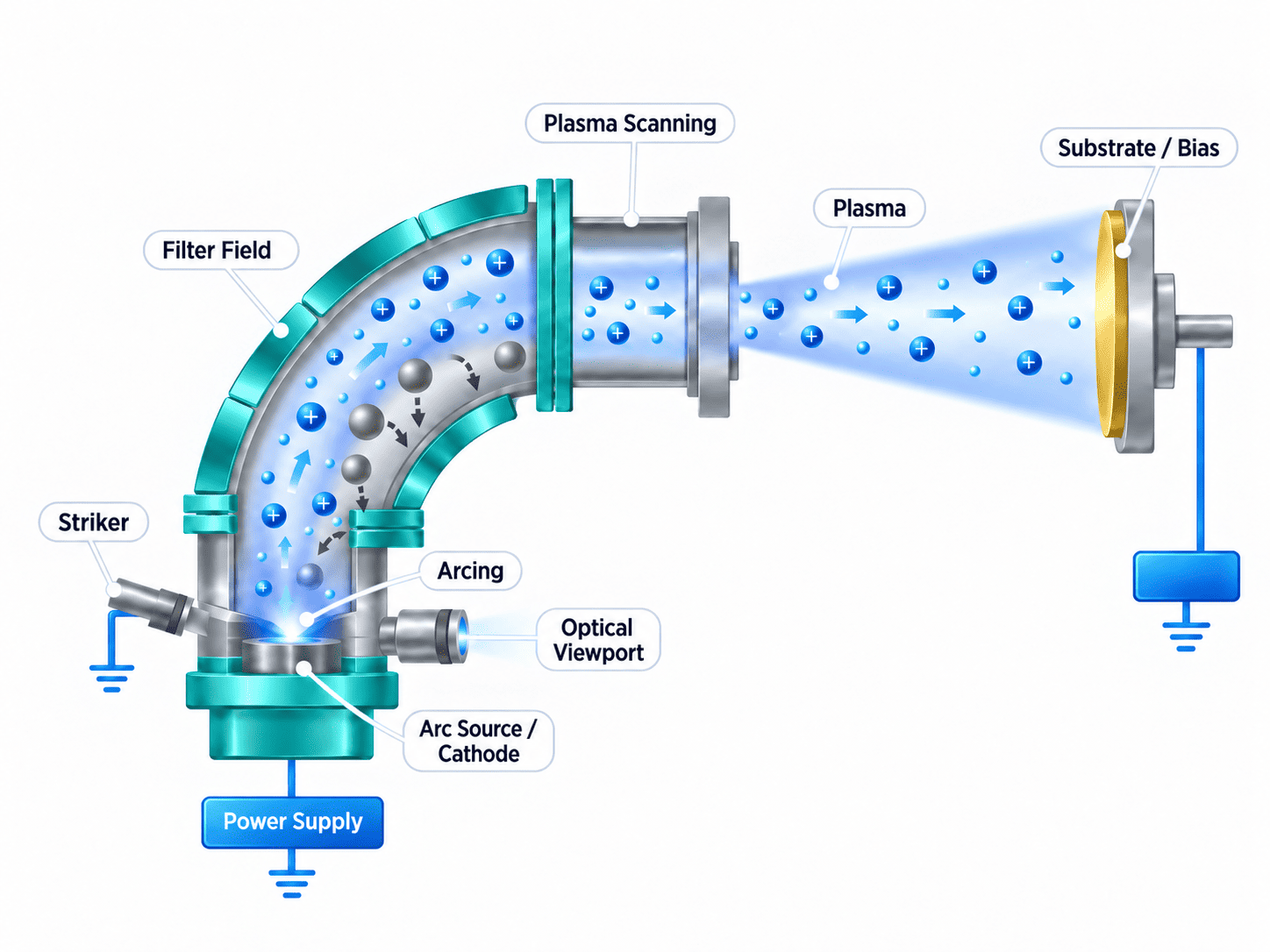
Dense Carbon Protection at Nanometre Thickness
Magnetically filtered, highly ionised plasma forms dense, adherent carbon films. On metallic PEM fuel cell plates, these limit corrosion and ion release while maintaining low contact resistance without gold.
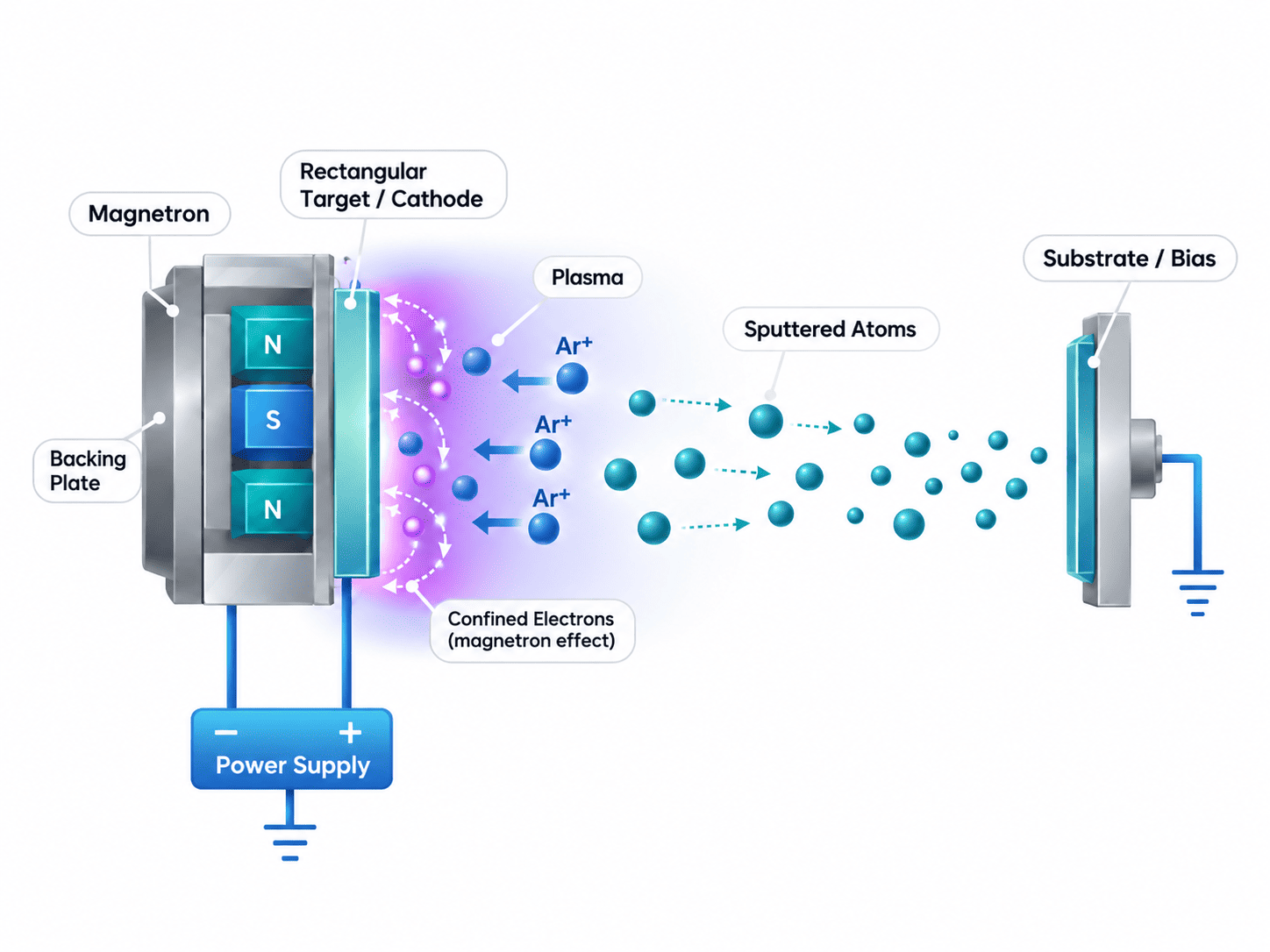
Uniform Thin Films Across Larger Surfaces
Deposit metals, alloys and compounds with controlled composition and thickness. Large-area sources and component motion support uniform coverage and repeatable batch or inline production.
Strongly Bonded Protective Coatings
Highly ionised metal vapour from cathodic arc sources promotes strong film adhesion. Productive deposition of selected protective coatings supports component durability.
Up to
Protect your PEM fuel cell’s membrane and catalyst with precious-metal-free SydroDIAMOND®. Low contact resistance and reduced ion release demonstrated in ZBT testing support durable performance without gold-based coatings.
Protection down to
SydroDIAMOND® retains corrosion protection and low contact resistance at 100 nm on SUS316L. Reduced material use, processing demand and dimensional build-up support more efficient bipolar plate production.
Titanium bipolar plate coatings
Pt-free
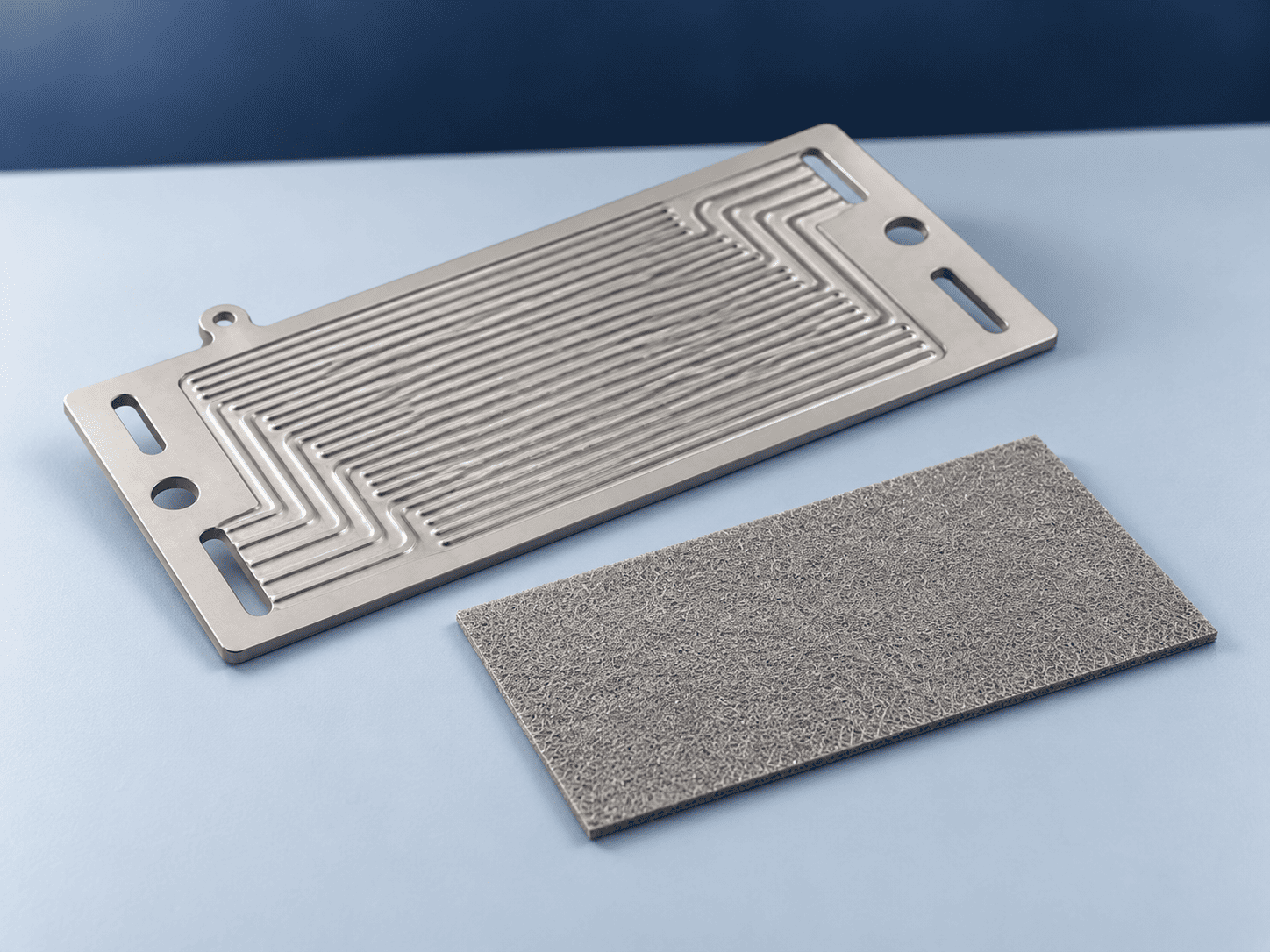
Reduce platinum demand while retaining low contact resistance. SydroPEARL® is platinum-free for titanium bipolar plates; SydroPEARL® Plus uses 20× less platinum than the commercial titanium bipolar plate reference.
Recognition in the Gaogong Hydrogen Energy Industry TOP Benchmark List highlights Sydrogen’s capabilities in fuel cell core components. Jointly organised by Gaogong Hydrogen Energy and the Gaogong Industry Research Institute (GGII), the list adds to Sydrogen’s #4 position in China’s metal bipolar plate rankings for 2024.
Put that experience to work in your supply chain. Our Shanghai manufacturing hub brings precision forming, joining, FCVA coating, sealing and inspection into one production programme, supported by automation and an IATF 16949-certified automotive quality management system.
GGII
Fuel cell core components
China · GGII 2024 rankings
Up to
Annual production capacity
IATF 16949
Automotive manufacturing
From heavy-duty fuel cell qualification to renewable heat and power, explore the projects advancing how hydrogen is used.
Whether you’re improving a fuel cell, preparing for production or exploring a new use for hydrogen power, we’d love to be part of what comes next. Let’s move your project forward, together.
Sydrogen is NTI Nanofilm Group’s hydrogen energy solutions business. Its portfolio includes SydroCOAT™ coatings for fuel cell and electrolyser components, NTI Dream™ and NTI Titan™ coating equipment, SydroPLATE™ metallic bipolar plate contract manufacturing, and SydroPOWER® fuel cell stacks, integrated engines and power generators. Customers can engage one offering or combine several around their application.
Sydrogen’s coating capabilities include proprietary Filtered Cathodic Vacuum Arc (FCVA), magnetron sputtering and multi-arc ion plating. These deposition technologies support different coating materials and surface functions across proton exchange membrane (PEM) fuel cells, PEM electrolysers, anion exchange membrane (AEM) electrolysers and solid oxide cells. The process is selected around the component’s conductivity, corrosion resistance, adhesion and operating requirements.
SydroGEM™, SydroDIAMOND® and SydroSTAR™ are FCVA-based carbon coatings for metallic PEM fuel cell bipolar plates. They maintain low interfacial contact resistance while helping limit corrosion and metallic-ion release. SydroGEM™ focuses on high-volume SUS316L coating economics; SydroDIAMOND® combines broader substrate compatibility with ZBT-validated performance; SydroSTAR™ addresses extended duty cycles and higher chloride exposure.
Yes. SydroPEARL® is a platinum-free coating for titanium PEM electrolyser bipolar plates. SydroPEARL® Plus provides low-platinum coatings for titanium and SUS316L bipolar plates and titanium porous transport layers. Both target low contact resistance and conductive-interface protection. The platinum-free claim applies to the specified titanium bipolar plate coating, not to every component or the electrolyser’s catalysts.
Yes. SydroALK™ is a nickel-based PVD coating available for co-development on AEM electrolyser stainless steel bipolar plates and stainless steel or nickel porous transport layers. SydroNEXUS™ covers protective interconnect coatings, electrolyte barriers and functional electrolyte layers for solid oxide fuel cells (SOFC) and solid oxide electrolysis cells (SOEC), with application-specific development around the required interface function.
A thinner coating uses less material and adds less thickness to the formed bipolar plate. SydroDIAMOND® development has reduced coating thickness from approximately 350 nm to 100 nm while retaining the reported corrosion protection and low contact resistance on SUS316L. The reduced material and processing requirements support more efficient coating production; the finished plate is evaluated against its dimensional and performance specifications.
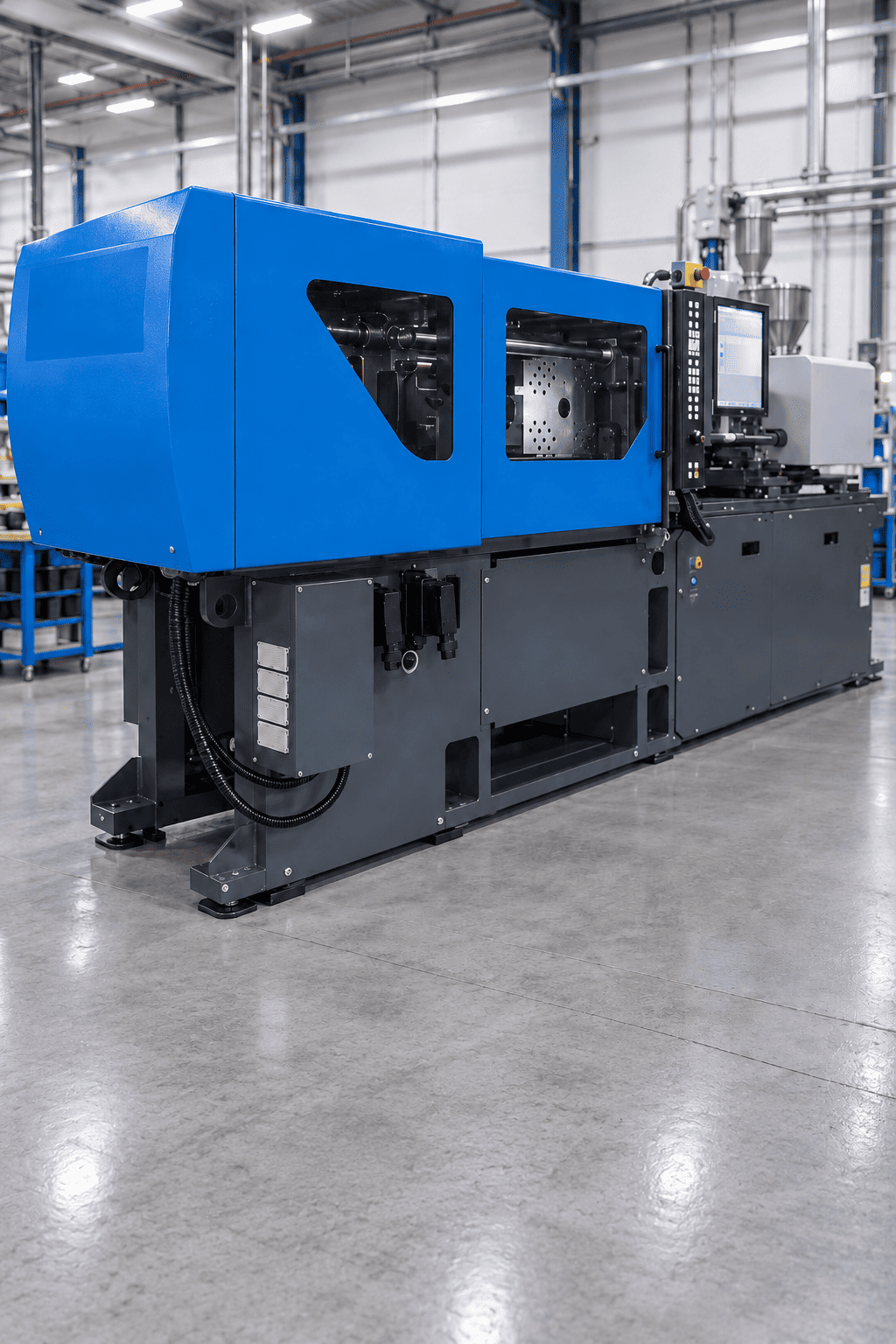
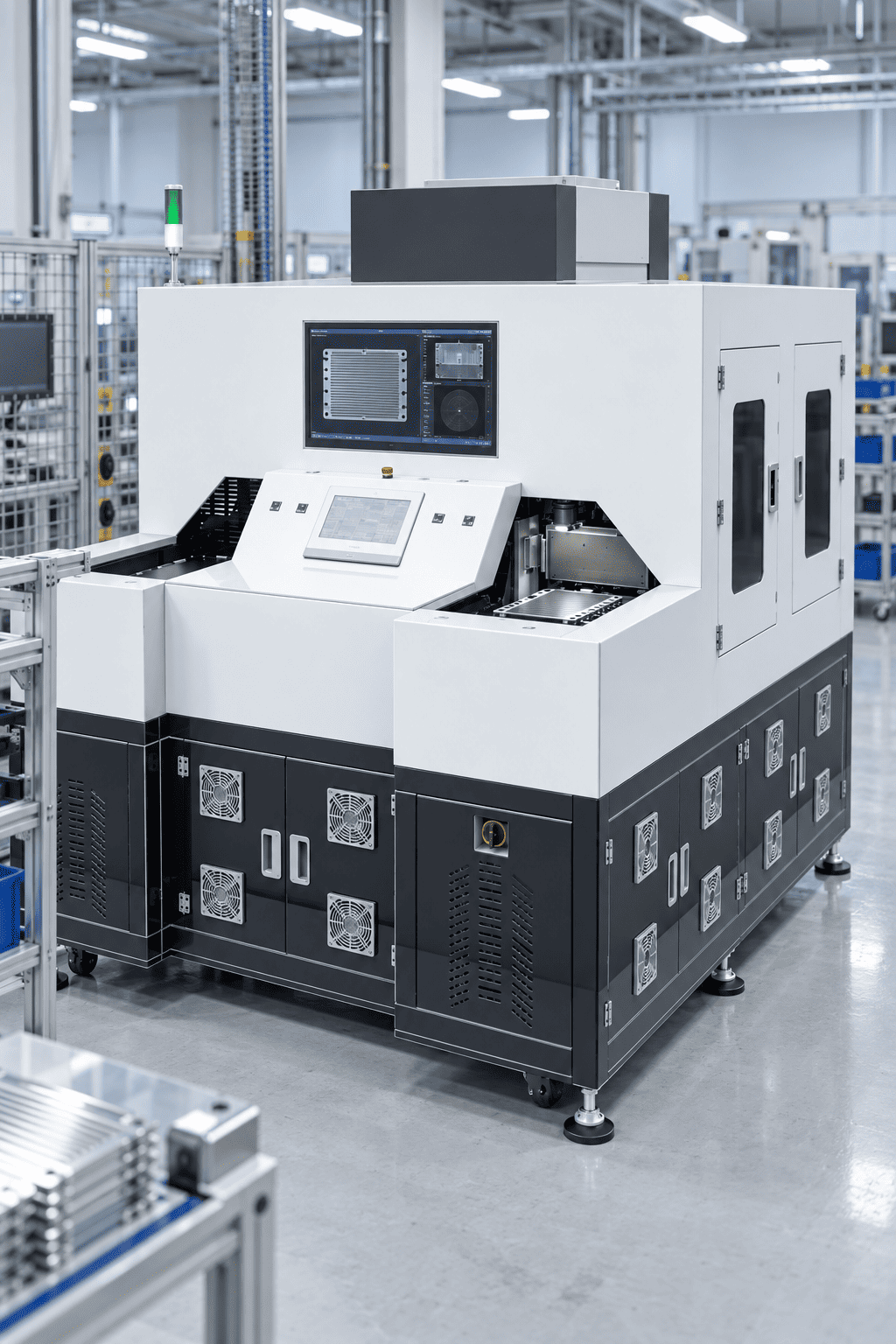
Yes. The NTI Dream™ Batch Coating System and NTI Titan™ Inline Coating System are available as standalone equipment. NTI Dream™ supports mixed component loads and flexible coating recipes; NTI Titan™ integrates coating, handling and automation for higher-volume production. Selected SydroCOAT™ processes can also be considered for in-house implementation with agreed equipment configuration and process support.
SydroPLATE™ offers full-service or modular manufacturing for metallic PEM fuel cell bipolar plates. The agreed scope can include raw material control, precision forming, cleaning, laser welding, leak testing, FCVA coating, liquid silicone rubber (LSR) overmoulding or preformed gasket bonding, inspection and packaging. Customers can source a finished, coated and sealed plate or use selected processes within their existing production chain.
Sydrogen’s Shanghai manufacturing hub has annual production capacity of up to 5.5 million metallic PEM fuel cell bipolar plates. Integrated forming, joining, coating, sealing and inspection support programmes moving from component qualification into volume production. Capacity for an individual programme is confirmed against plate format, coating requirements and the agreed manufacturing scope.
Sydrogen’s Shanghai manufacturing capability operates under an IATF 16949-certified automotive quality management system. Manufacturing execution system (MES) monitoring, automated optical inspection (AOI), dimensional checks and leakage testing support process control and traceability. Inspection and qualification requirements are agreed around the finished plate. IATF 16949 certification applies to the quality management system rather than individual product approval.
SydroPOWER® standard products span 300 W to 1 MW. SydroPOWER Air™ covers portable and remote power; SydroPOWER Stack™ supports OEM stack integration; SydroPOWER Drive™ provides integrated vehicle engines; SydroPOWER Grid™ supports stationary generation, backup power, EV charging and microgrids; and SydroPOWER Marine™ covers maritime integration. Product selection depends on the required output, runtime, operating environment and hydrogen supply.
SydroPOWER Stack™ provides a bare fuel cell module for integration into an OEM’s surrounding system. SydroPOWER Drive™ is an integrated fuel cell engine for vehicle powertrains. SydroPOWER Grid™ packages fuel cell generation for stationary applications such as backup power, EV charging and microgrids. The distinction is the level of integration and intended application, not only the power rating.
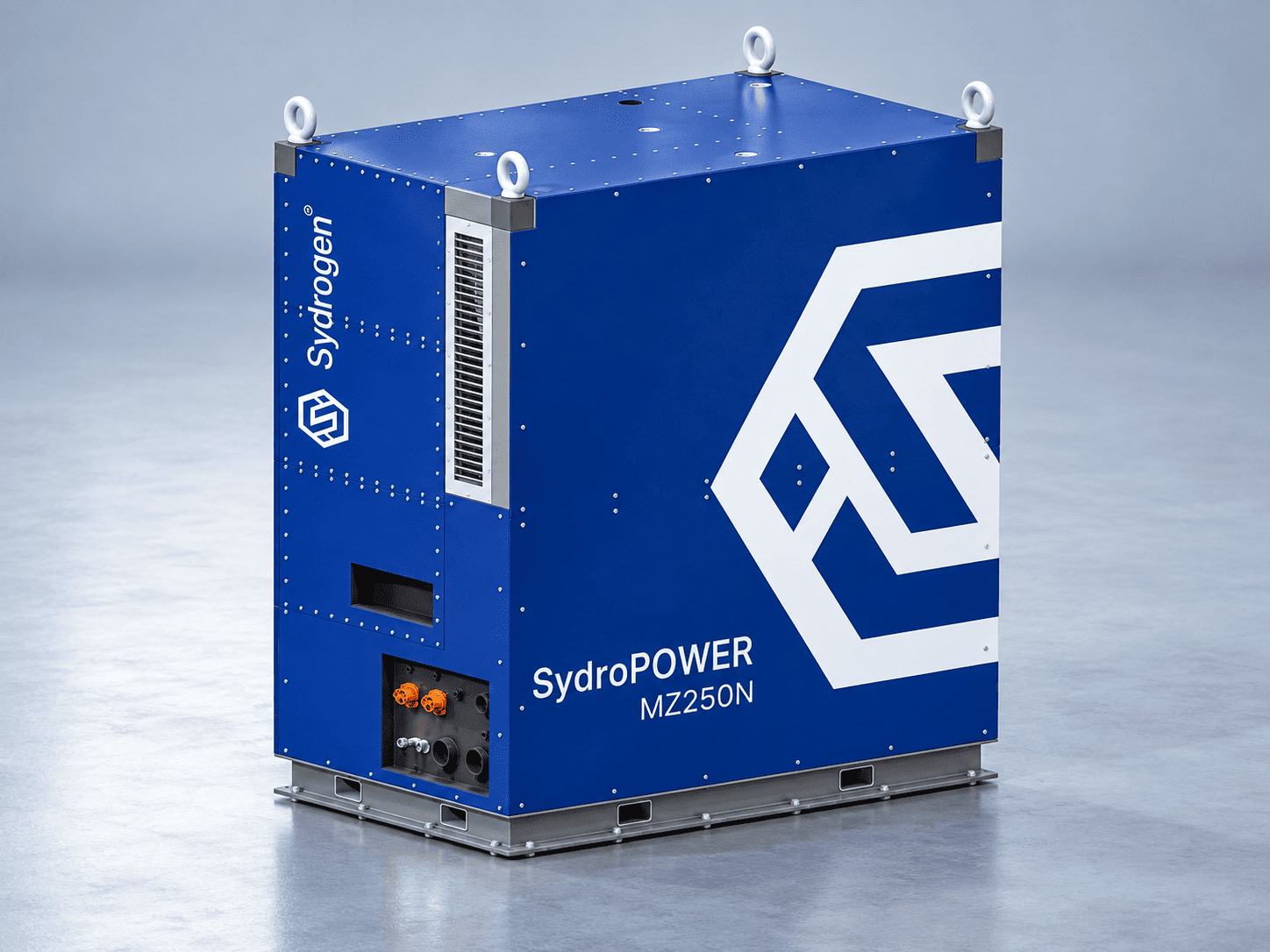
SydroPOWER MZ250N has received Approval-in-Principle (AiP) and Basic Design Assessment (BDA) certificates from Bureau Veritas (BV). The 245 kW rated marine fuel cell system supports vessel and offshore integration. These design-stage milestones do not establish completed Type Approval or approval of a particular vessel installation; class and integration requirements remain project-specific.
Yes. Sydrogen supports coating development, material analysis, electrochemical and physical testing, and representative component evaluation before production. Broader development capabilities include membrane electrode assemblies (MEAs), precision sealing, fuel cell stack development and system validation with relevant partners. The evaluation plan is agreed around the application, performance targets and production requirements. Sydrogen’s development laboratory is not presented as an independent certification body.
Yes. One enquiry can cover coating services, coating equipment, SydroPLATE™ manufacturing and SydroPOWER® systems. Product families, coating grades and model selections are optional. Your project objective and contact details are enough to begin; component material, dimensions, quantity, power output, runtime and timing are useful when known. Requirements remain grouped under each selected solution so several interests can be discussed together.
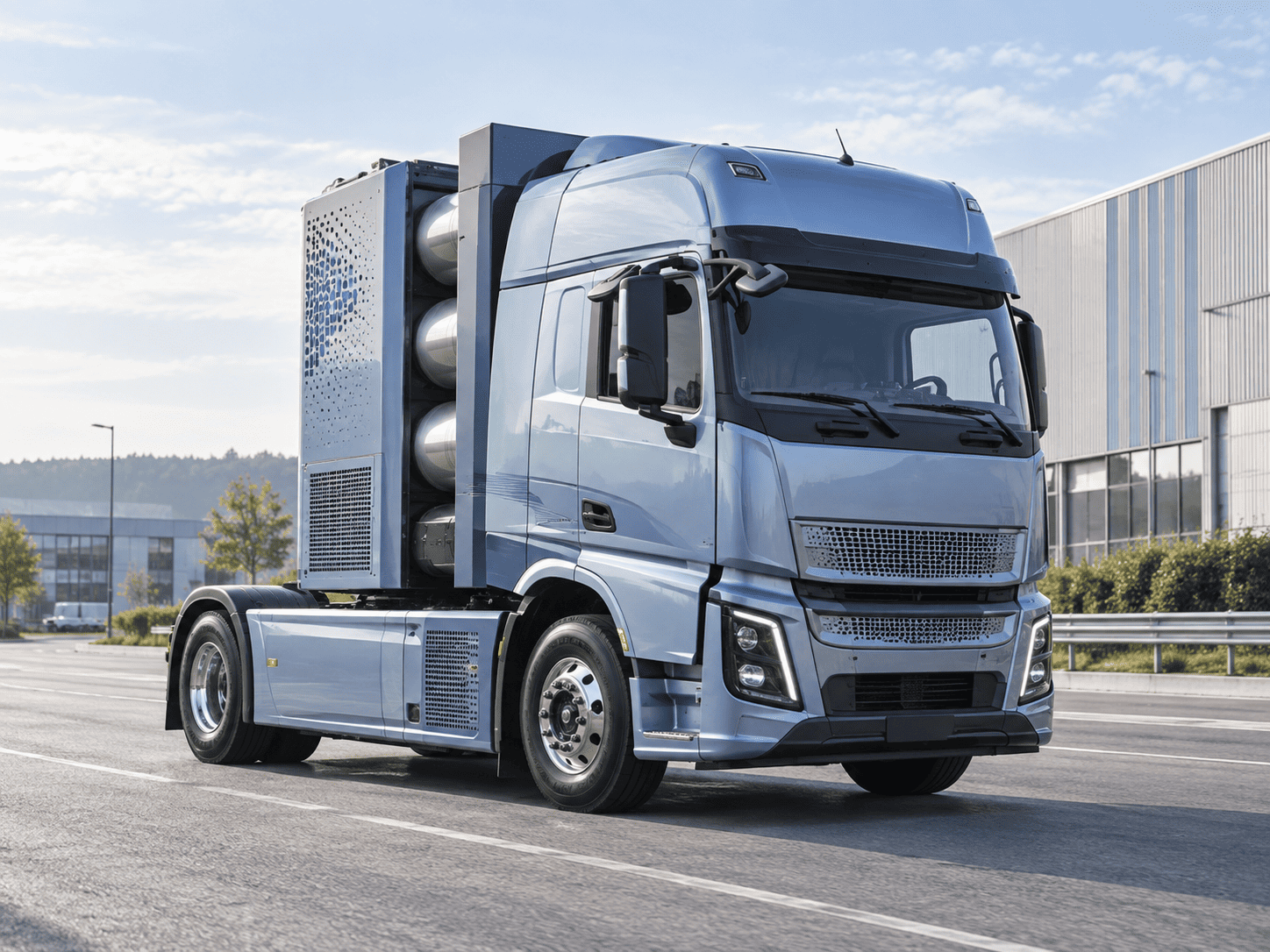
A customer’s 400 kW fuel cell stack has passed China’s national-standard 10,000-hour durability verification. Sydrogen-enabled metallic bipolar plates support the stack programme, which has been recognised with the HyTA Durability Star.
Sydrogen’s contribution brings bipolar plate engineering, conductive protective coatings and component manufacturing into a demanding mobility application. The qualification milestone provides application evidence alongside the coating-level evaluations used during development.
The 10,000-hour result is a stack-level qualification milestone. Sydrogen works with fuel cell developers on the component specifications, coating evaluation and manufacturing requirements for each programme.
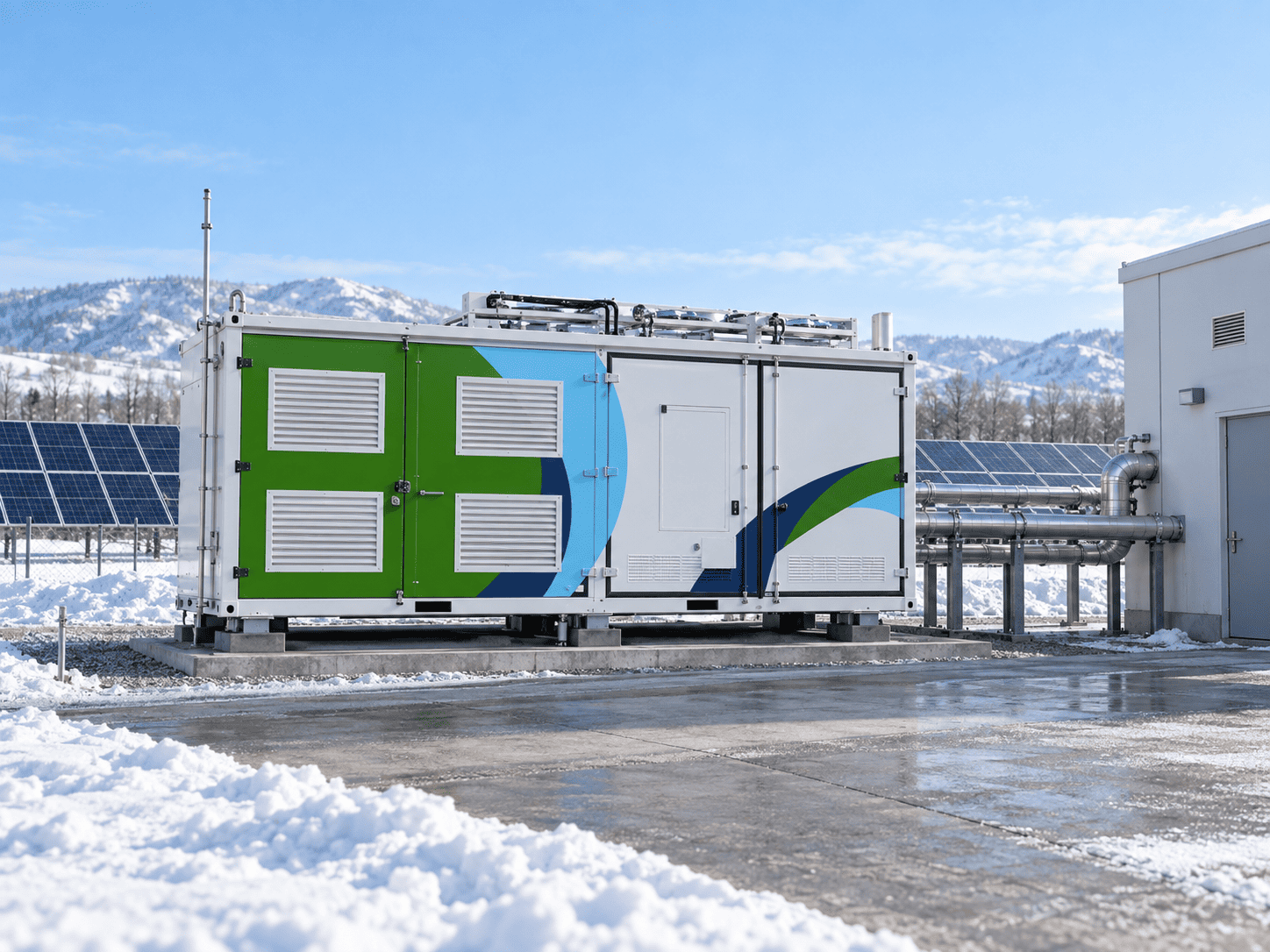
In Ordos, Inner Mongolia, a 300 kW combined heat and power application connects solar-powered hydrogen production with electricity generation and useful heat. Operation reported from October 2023 includes winter conditions reaching −30°C.
The application combines co-located solar generation, hydrogen production and fuel cell heat-and-power conversion. It illustrates a way to connect renewable electricity with energy use beyond the immediate moment of generation.
Featured as a SydroPOWER technology-platform application, the project illustrates one possible renewable heat-and-power architecture. System selection and operating targets are established for each site.
A planned Singapore project explores extracting hydrogen from town gas to supply a 100 kW fuel cell power system. Potential applications include EV charging and building power, using an existing gas network as the starting point for hydrogen access.
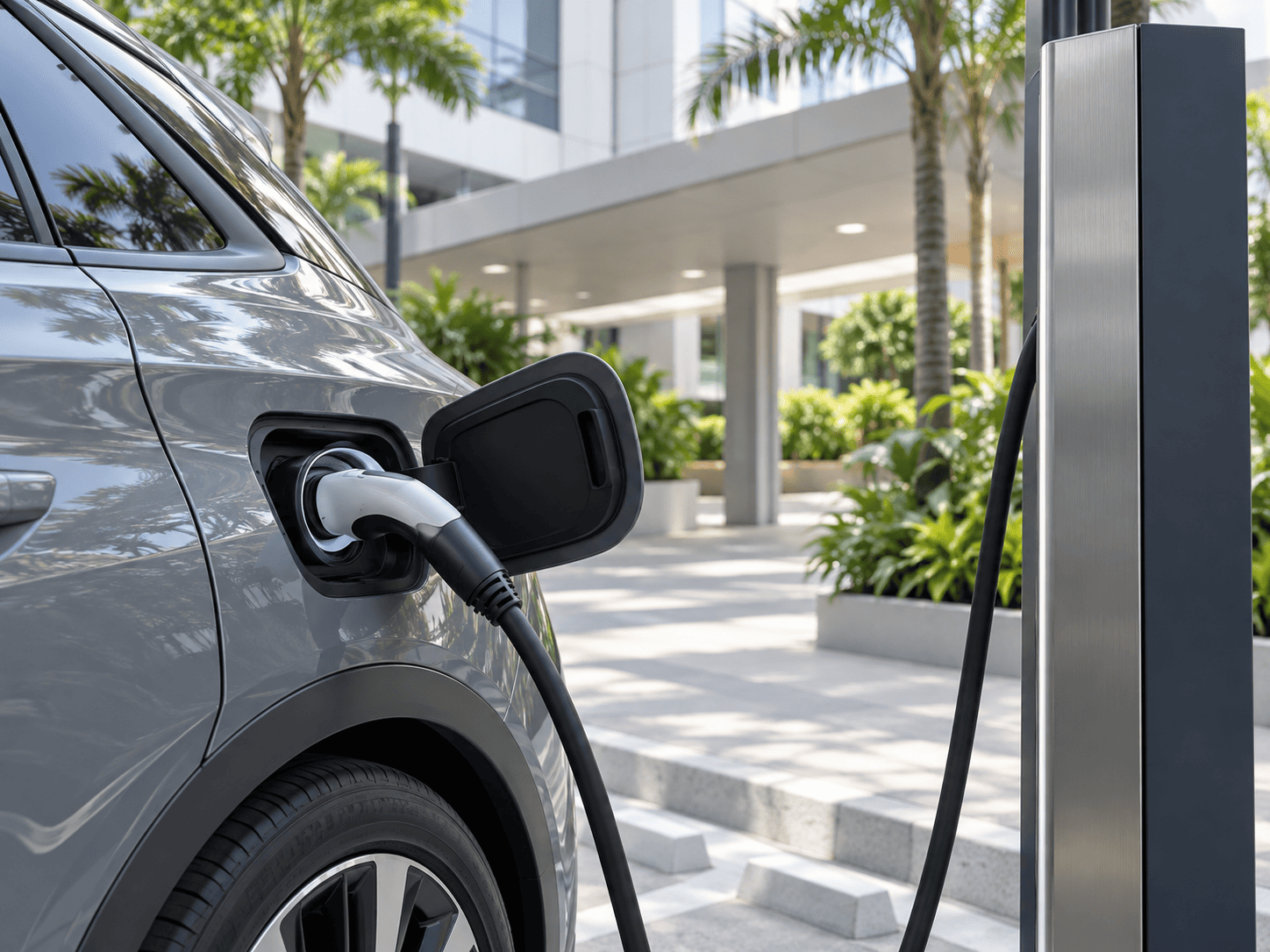
The concept addresses one of the practical challenges of distributed hydrogen power: how the fuel reaches the point of use. Hydrogen extraction and purification would be integrated with the power system rather than assuming a dedicated delivered-hydrogen supply for every location.
City Energy and Sydrogen publicly announced a study of town-gas hydrogen extraction for off-grid fuel cell solutions in 2022. The planned 100 kW application builds on that direction. Commissioning has not been confirmed.