Protective, barrier and functional PVD coatings engineered around the interfaces that influence SOC performance, manufacturing consistency and production readiness.
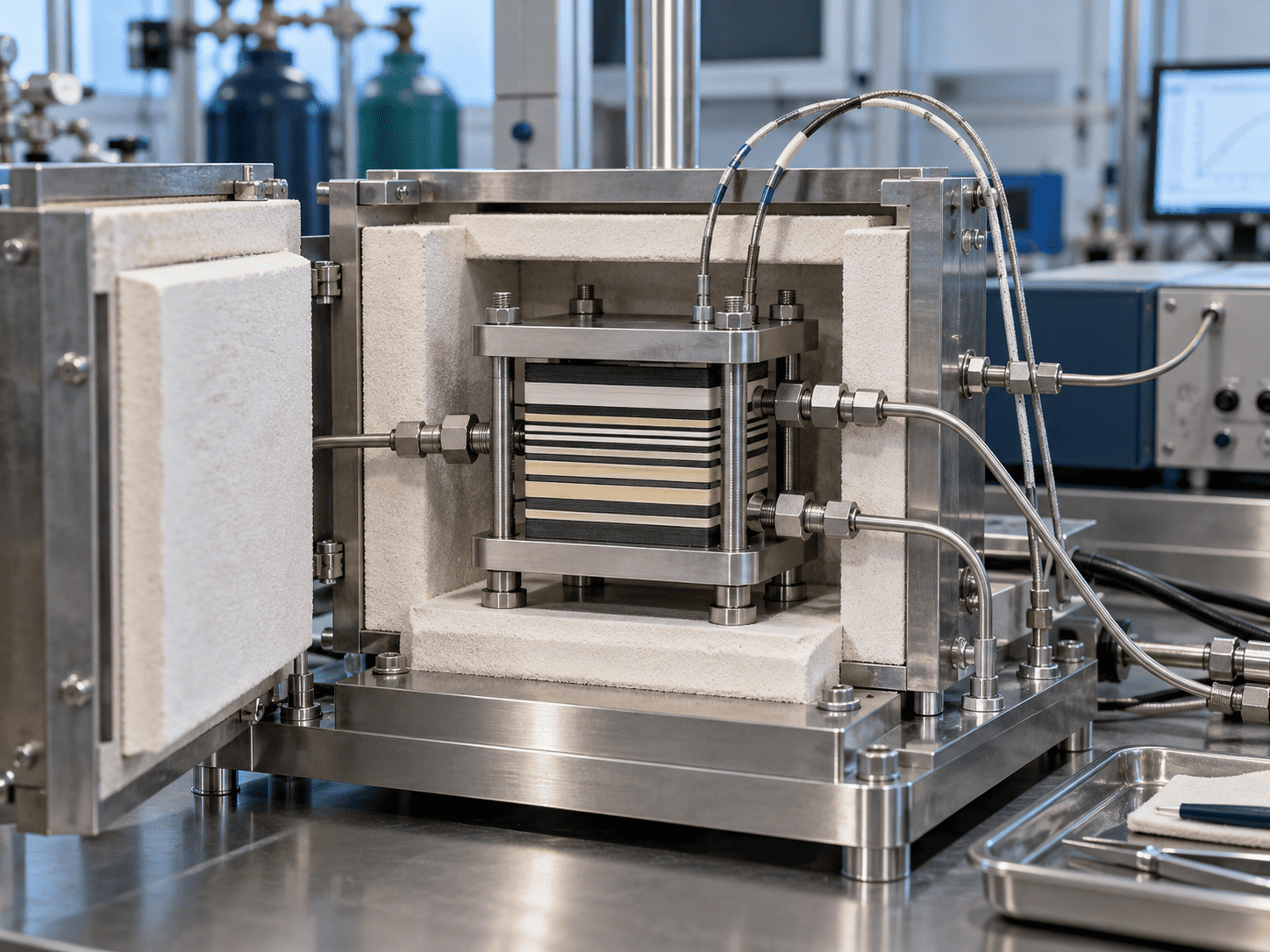
SOFC provides distributed and on-site power where availability, efficiency and long operating life matter. SOEC enables efficient hydrogen and e-fuel production from steam for industrial Power-to-X applications.
Reliable on-site power for continuous operation
SOFC systems support distributed power applications where uptime, efficiency and long service life are important, including data centres, industrial facilities and microgrids.
Efficient hydrogen and e-fuel production
SOEC systems support industrial hydrogen and Power-to-X applications where conversion efficiency, stack lifetime and consistent operation influence project economics.
SOC architectures may differ across manufacturers, but the manufacturing challenges are consistent, manifesting as ASR drift, chromium risk, and manufacturing variability.
As deployment increases, manufacturers need to maintain cell performance while producing components and stacks with greater consistency.
01
Oxidation and chromium migration can increase electrical resistance and contribute to performance loss over the operating life of the stack.
02
Material interactions between electrodes, electrolytes and adjacent layers can form undesirable phases and affect interface stability.
03
Variations in coating thickness, composition and coverage can translate into inconsistent performance from component to component.
04
A coating proven during development must also maintain consistent quality across production-sized components, repeated batches and higher volumes.
These are the layers that most strongly influence ASR stability, degradation rate and manufacturing yield. SydroNEXUS™ addresses three critical areas of the SOC stack, helping reduce component-to-component variation and reproduce the required coating quality across batches and production runs.
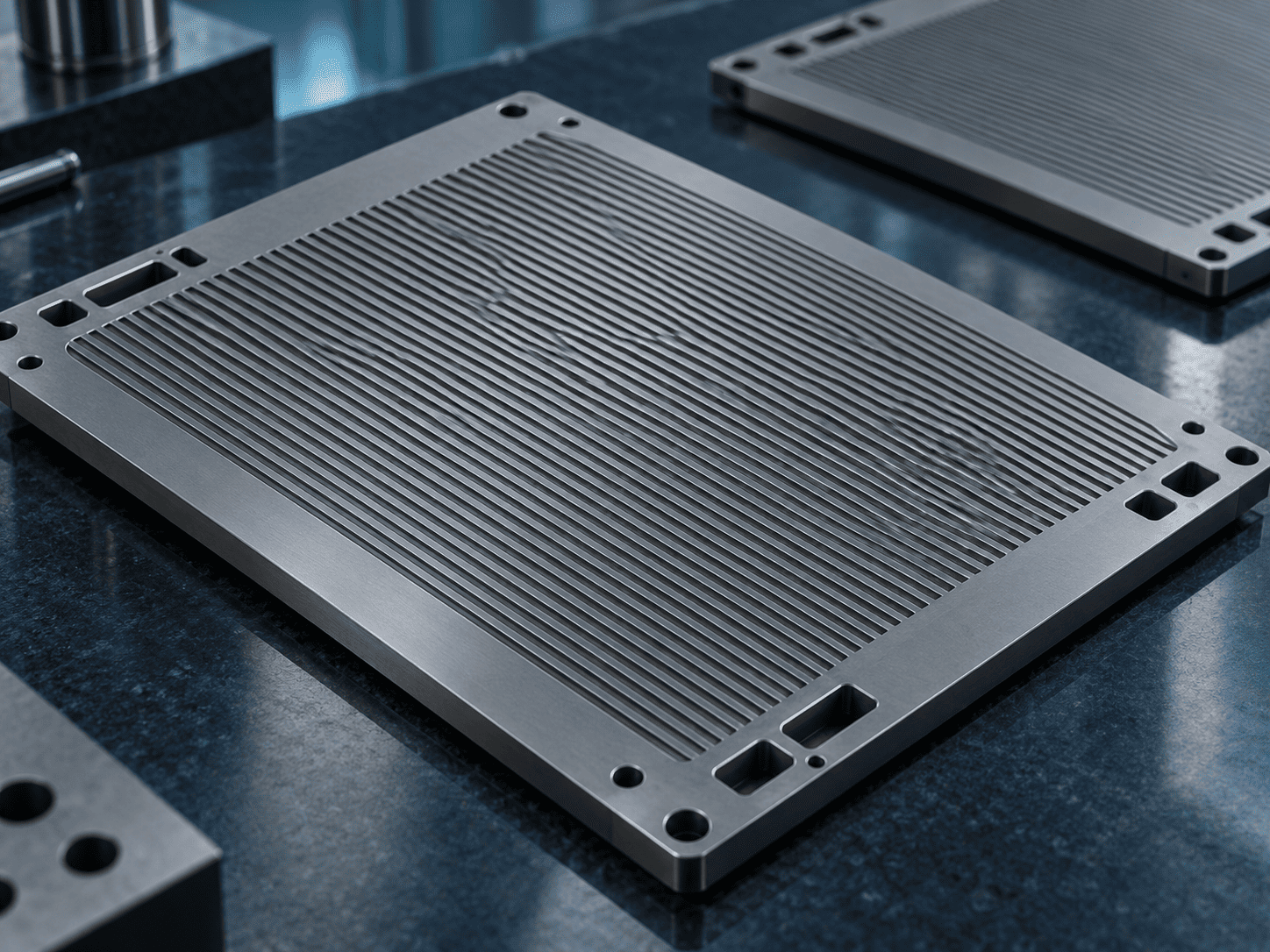
Metallic interconnects need to maintain electrical contact throughout operation, but oxidation and chromium volatilisation can progressively increase resistance and affect adjacent cell components.
SydroNEXUS™ Interconnect applies a protective spinel coating to suppress chromium volatilisation and surface oxidation while maintaining low area-specific resistance at 600–800°C, ensuring a stable conductive interface over the stack’s operating life.
Coating Material
Spinel, customisable
Substrate Material
Stainless steel / alloys
Substrate Size
Up to 20 cm × 30 cm
Coating Thickness
≤60 μm
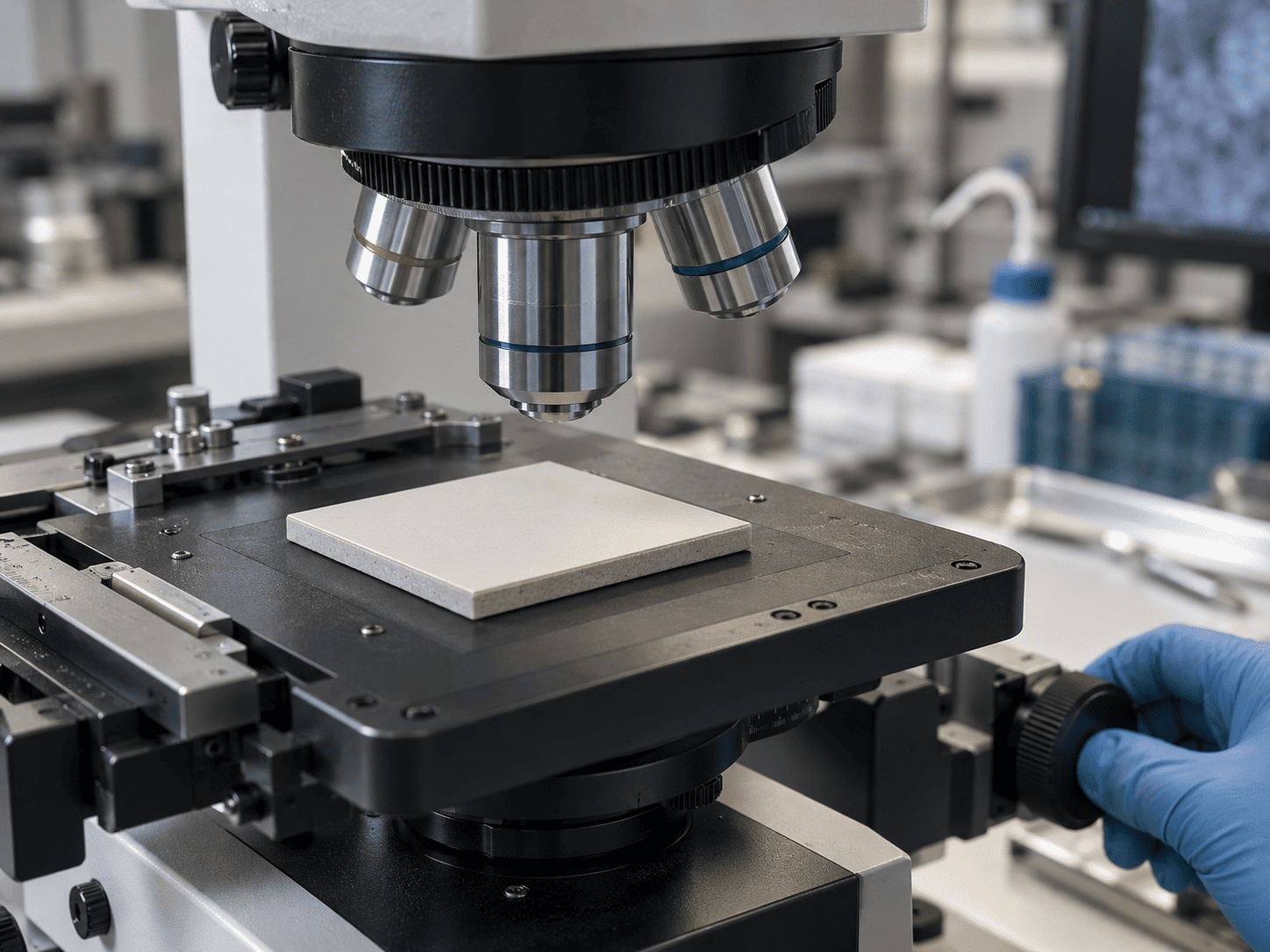
At the electrode-electrolyte interface, adjoining materials can react or interdiffuse during processing and operation, forming insulating phases that increase resistance and compromise interface performance.
SydroNEXUS™ Electrolyte Barrier introduces a thin, continuous ceramic layer that limits interdiffusion and separates incompatible chemistries, improving material compatibility while preserving electrode–electrolyte performance.
Coating Material
Ceramic, including GDC / YSZ, customisable
Substrate Material
Ceramic / metal-supported ceramic
Substrate Size
Up to 20 cm × 30 cm
Coating Thickness
≤3 μm
The electrolyte needs to provide reliable ionic conduction while remaining dense and continuous enough to separate the gas environments on either side of the cell. Variation in thickness, density or coverage can directly affect cell performance and consistency.
SydroNEXUS™ Functional Electrolytes uses GDC- and YSZ-based films tailored to required composition, thickness and cell architecture, enabling more consistent electrolyte formation across components.
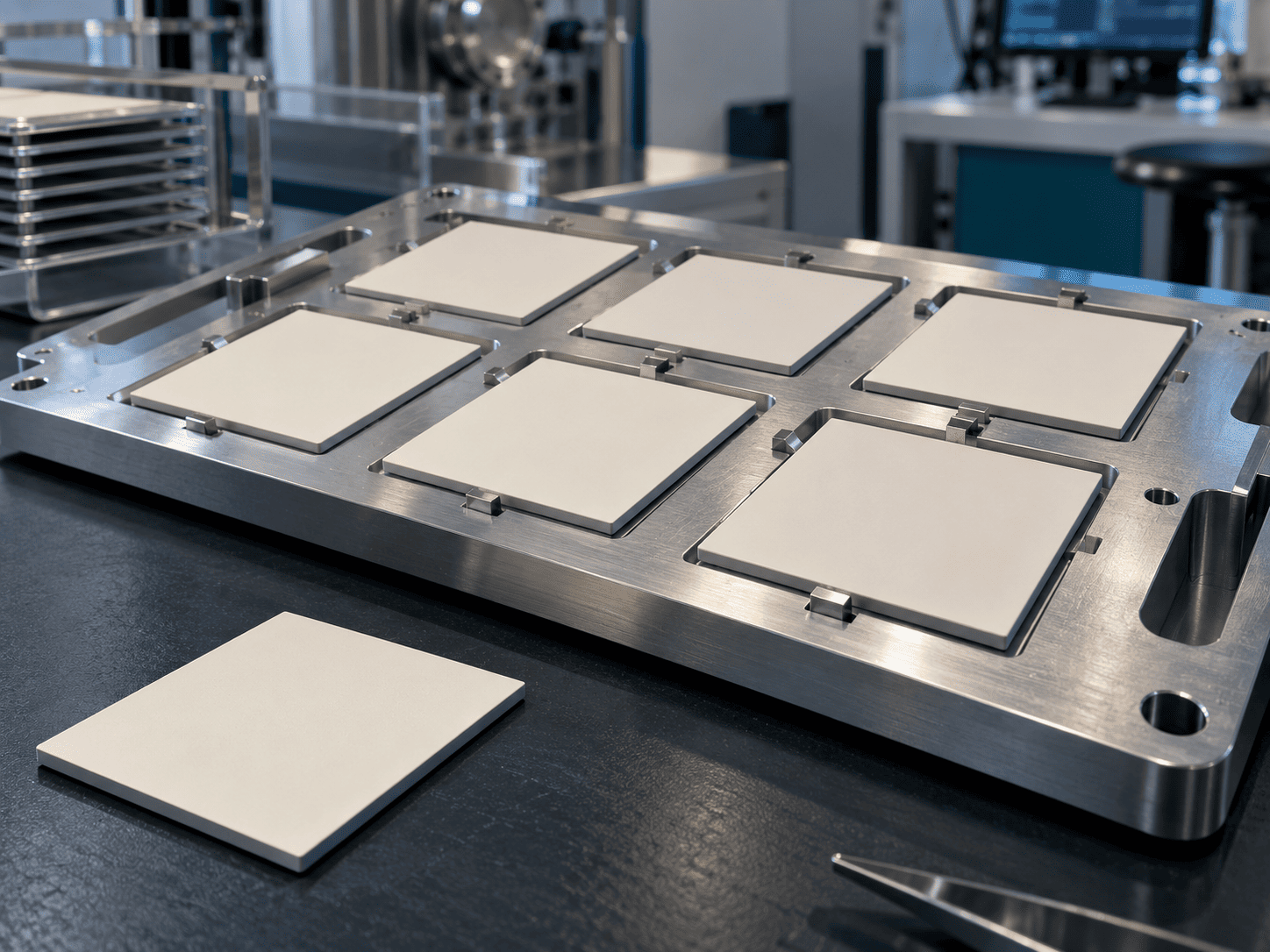
Coating Material
Ceramic, including GDC / YSZ, customisable
Substrate Material
Ceramic / metal-supported ceramic
Substrate Size
Up to 20 cm × 30 cm
Coating Thickness
≤15 μm
Current SydroNEXUS™ capabilities provide the starting point for coating development. Final coating configuration depends on the substrate, component geometry, material system, operating requirements and agreed evaluation plan.
SydroNEXUS™ uses controlled PVD deposition to manage the film properties that influence interface performance and consistency from component to component.
Maintain tighter control of film thickness and composition across coated components to stabilise ASR trends over operating life and support consistent electrical and functional behaviour.
Reduce pinholes, pores and coating discontinuities to create the dense microstructure needed for more stable high-temperature SOC interfaces.
Coat complex geometries with more uniform coverage to reduce edge effects, local variation and component-to-component variability.
Control deposition conditions to reduce coating stress and support adhesion through forming, thermal cycling and subsequent operation within stable process windows.
Define a controlled process window that maintains repeatable coating output from trials and pilot runs through higher-volume production.
SydroNEXUS™ supports critical SOC interfaces across applications where stack durability, operating consistency and long-term performance matter.
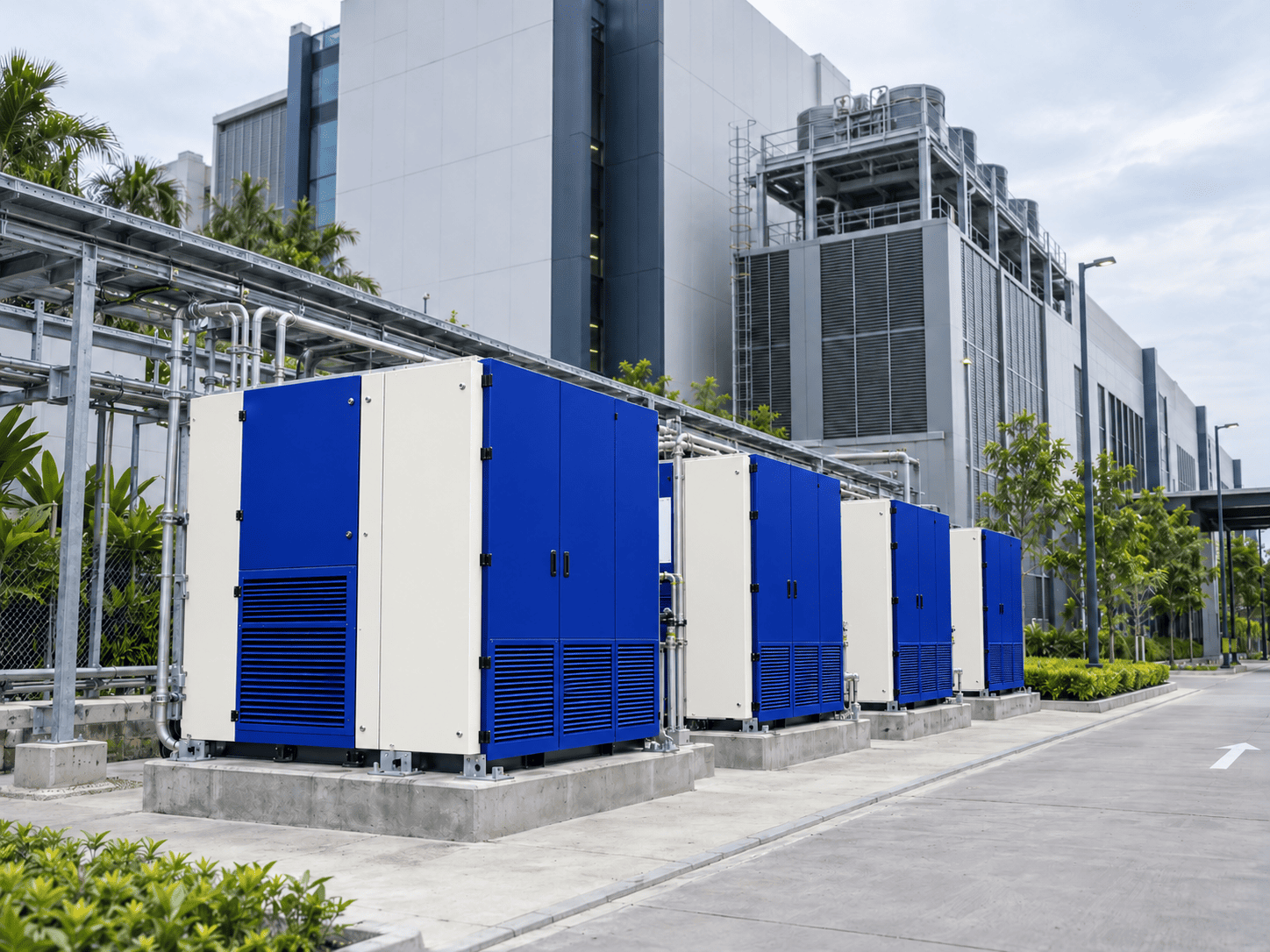
Data centres and distributed power systems depend on long operating hours with limited tolerance for performance drift. SydroNEXUS™ Interconnect helps suppress chromium volatilisation and rising ASR, supporting more stable electrical performance over extended operation.
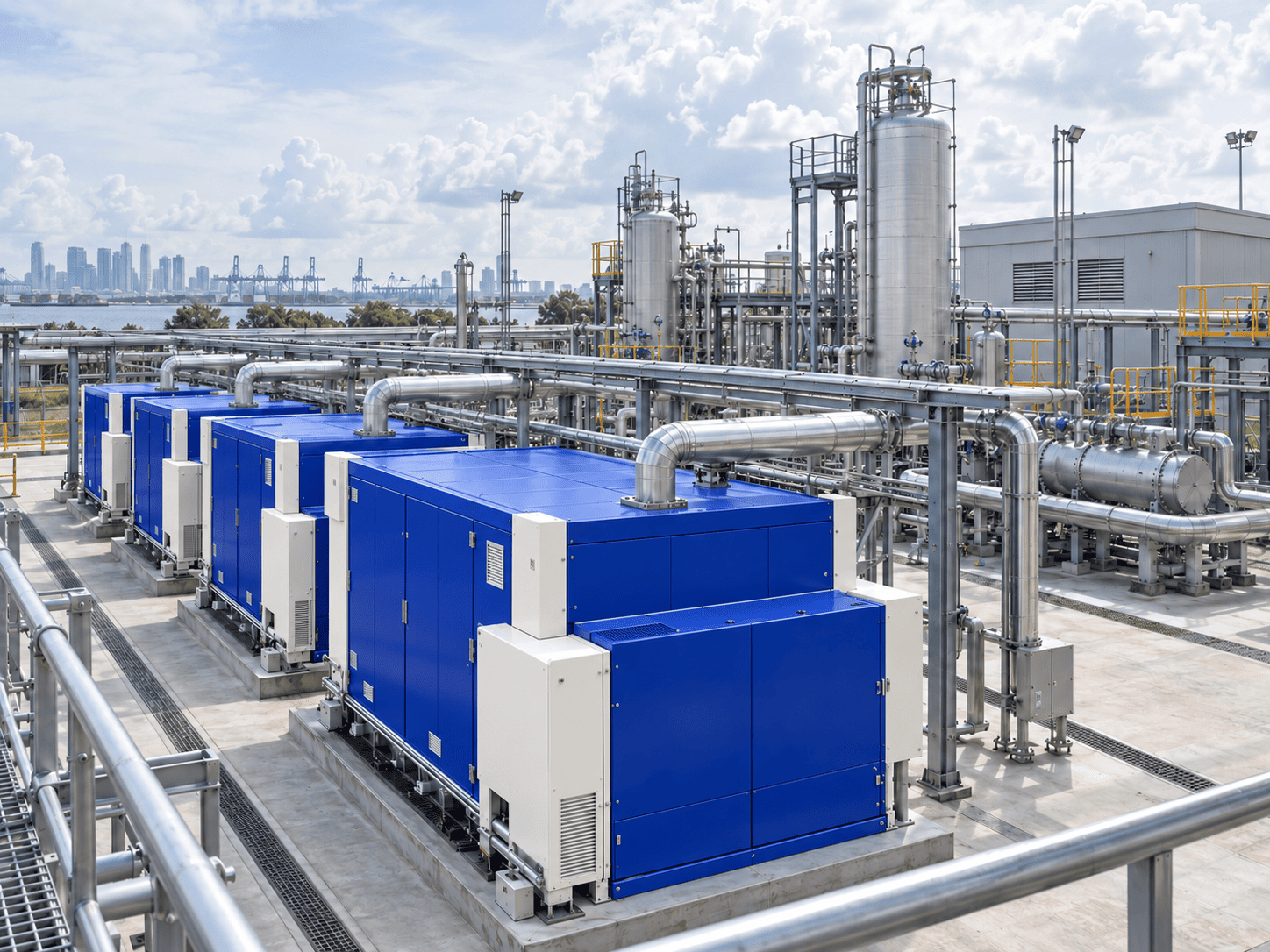
Long-duration steam electrolysis can drive material migration and insulating phase formation at critical interfaces. SydroNEXUS™ Electrolyte Barrier and Functional Electrolytes help stabilise these interfaces and preserve ionic conductivity during continuous Power-to-X operation.
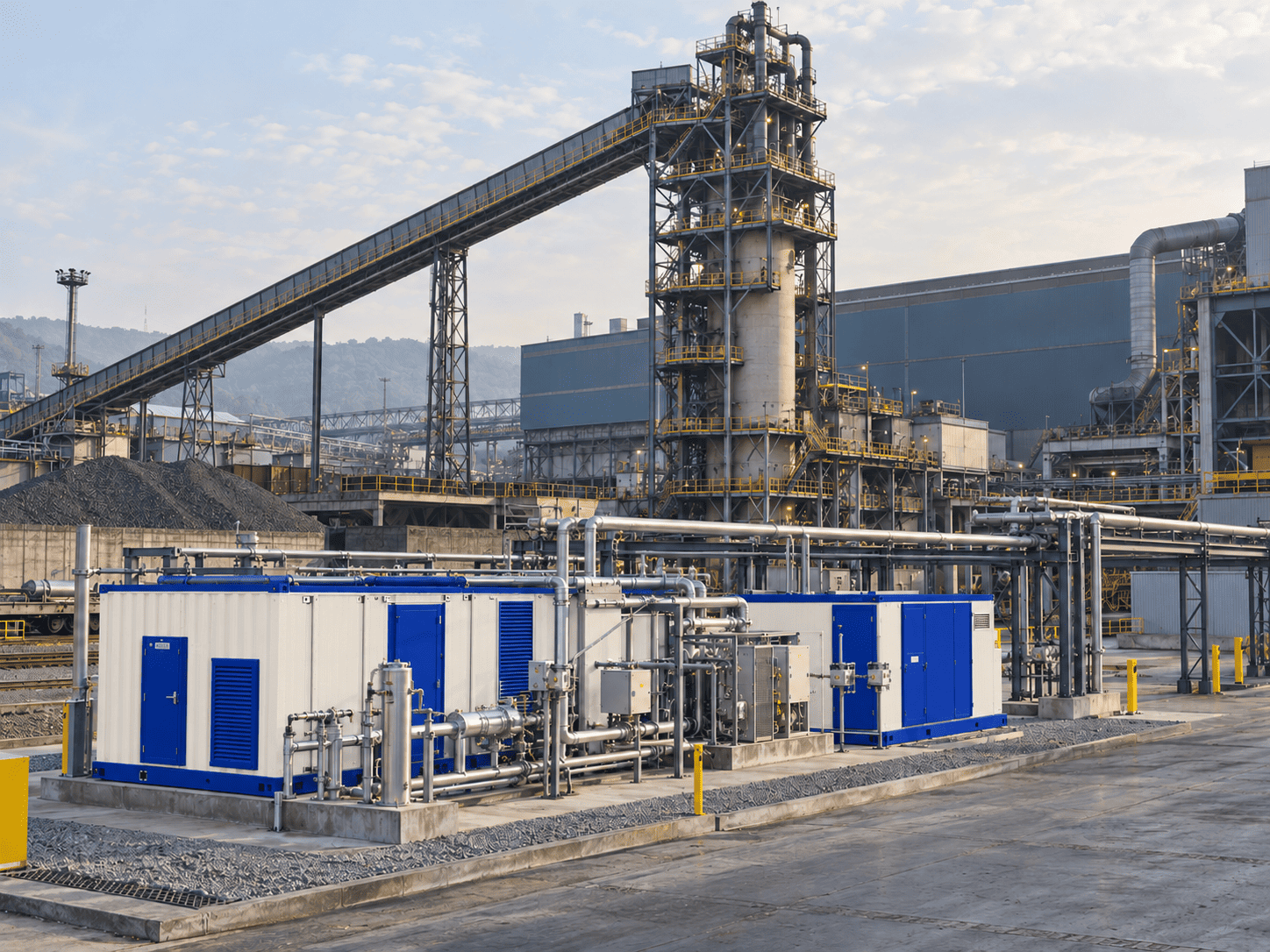
Large SOC installations multiply the impact of small variations between coated components. SydroNEXUS™ provides greater control over coating thickness and coverage, helping reduce interface variation and support more consistent stack performance across production.

Marine and onboard systems experience vibration, load changes and repeated start-stop operation. SydroNEXUS™ coatings help maintain adhesion, electrical contact and interface stability as operating conditions change.
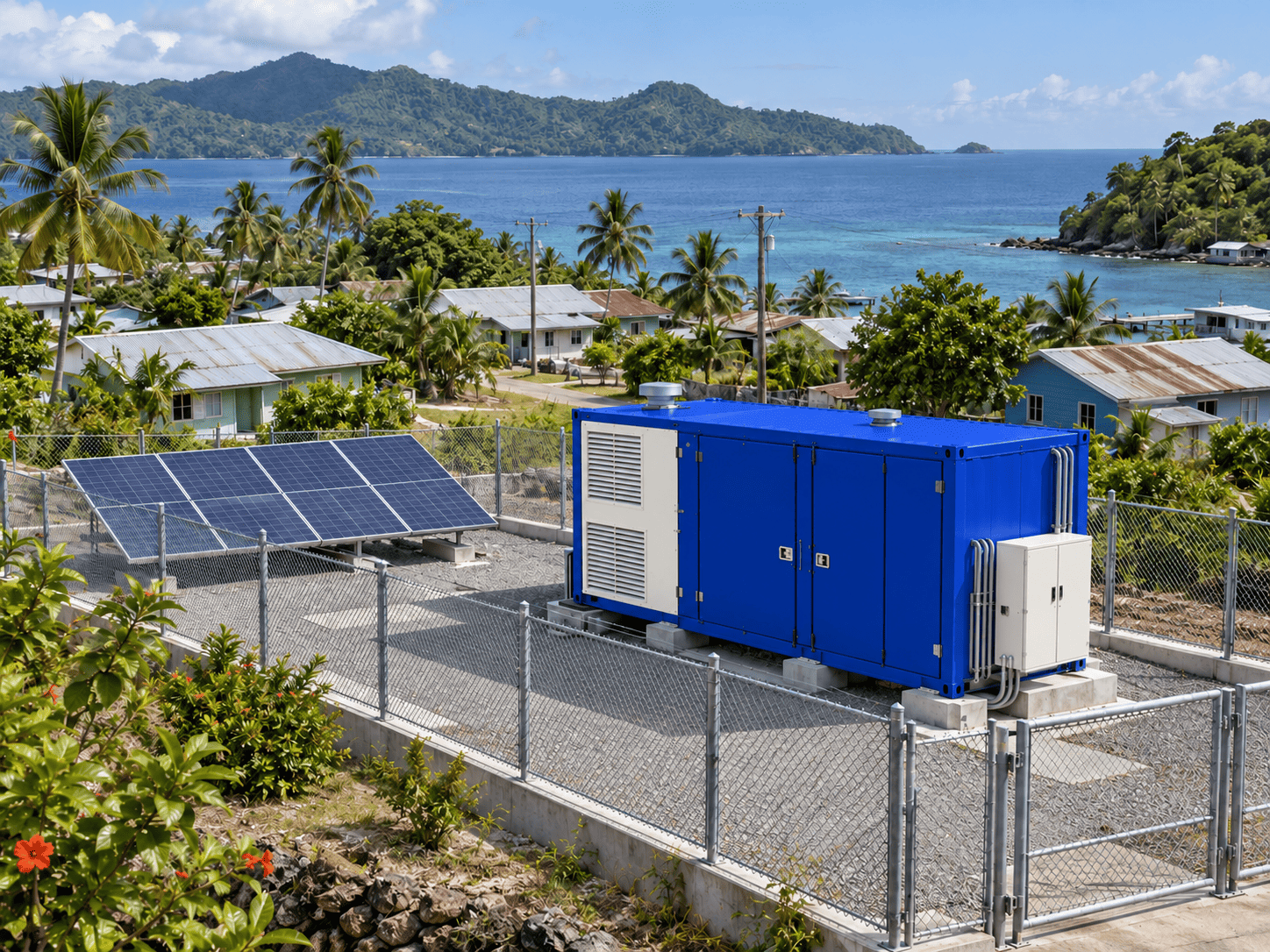
Remote and off-grid systems need to operate reliably despite variable loads and limited servicing opportunities. SydroNEXUS™ helps stabilise critical SOC interfaces, supporting more consistent performance over longer operating periods.
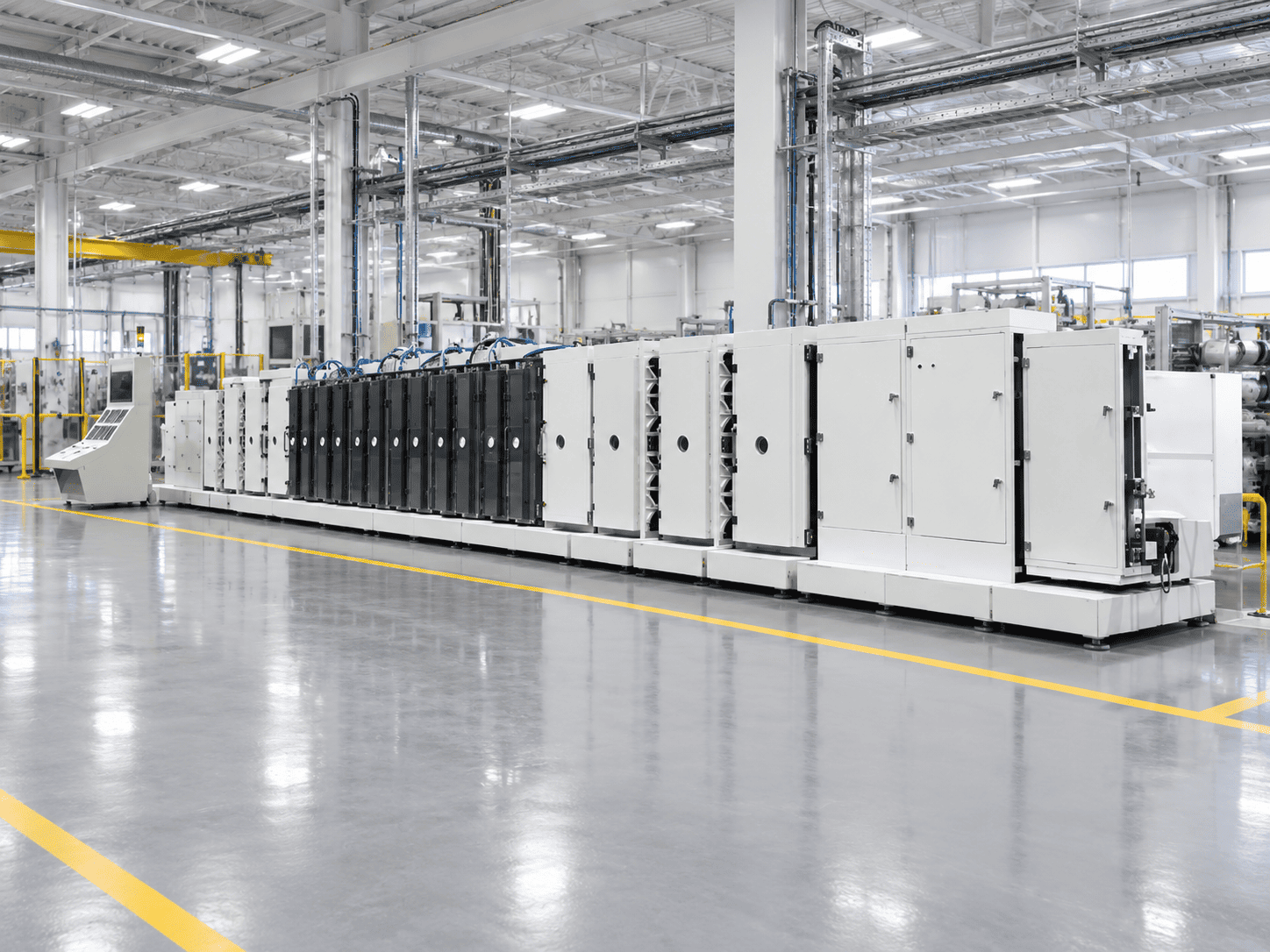
Sydrogen supports coated-component supply or selected process transfer through our configurable batch and inline coating platforms, enabling a clear pathway from development and pilot runs through to scalable volume production.
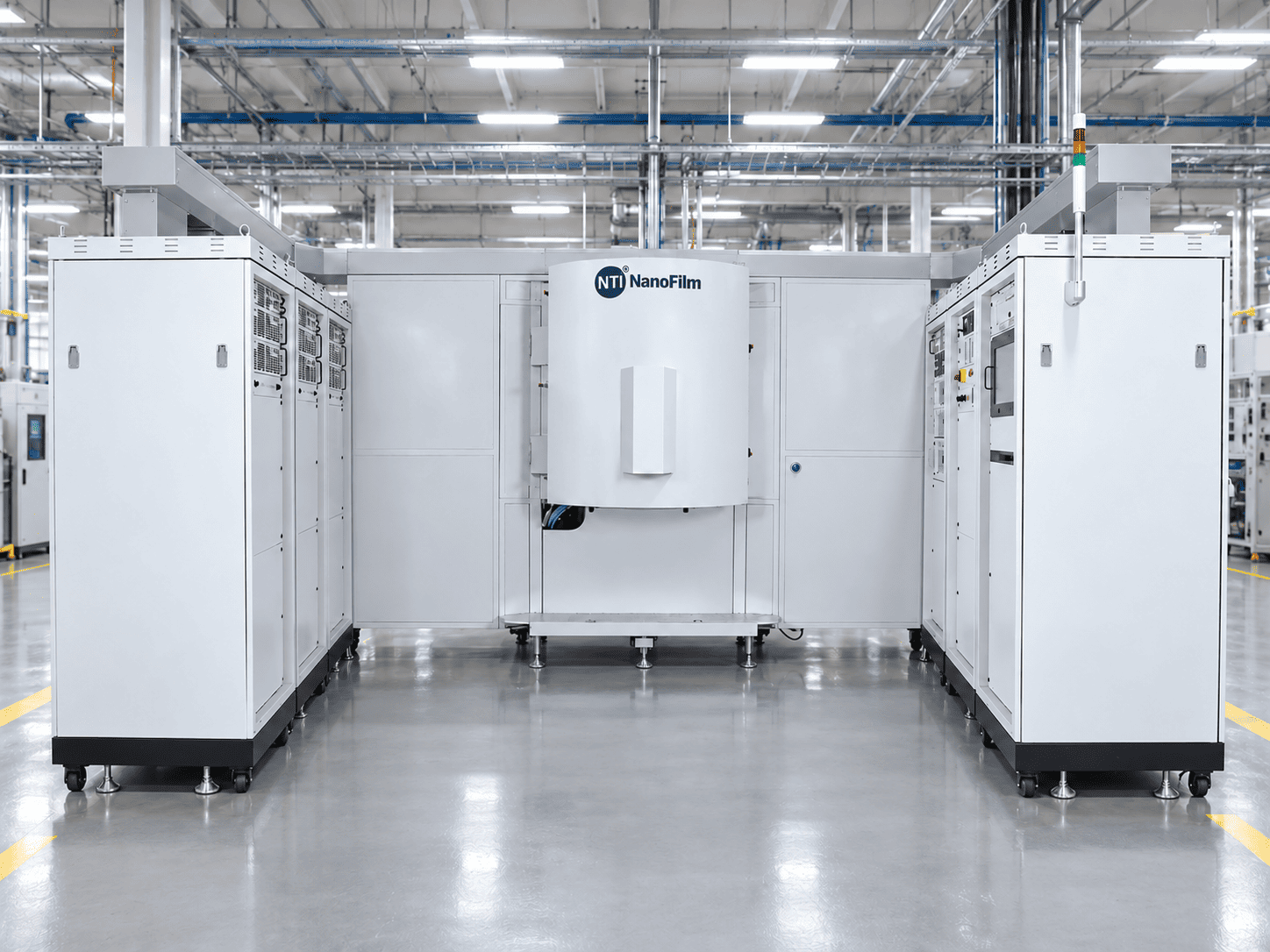
Sydrogen develops the coating around your component and production requirements, helping you move from evaluation to repeatable manufacturing.
01
Start with the component geometry, substrate, adjacent materials, electrical requirements and expected operating environment.
02
Establish the coating material, layer structure and deposition parameters around the required interface function.
03
Assess coating quality and repeatability across representative components and repeated deposition runs.
04
Move the developed coating route towards batch or inline production with equipment configuration and process control considered together.
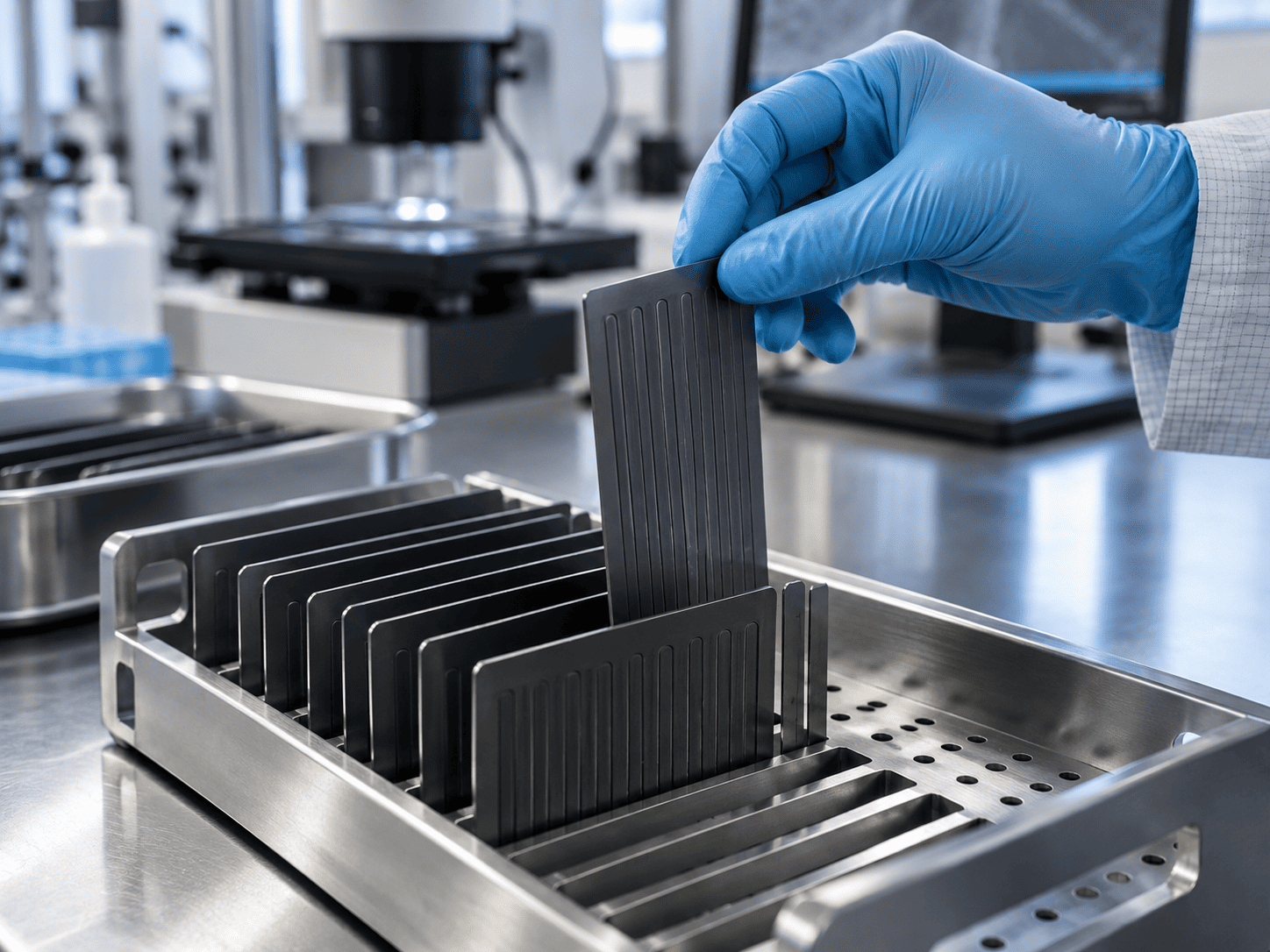
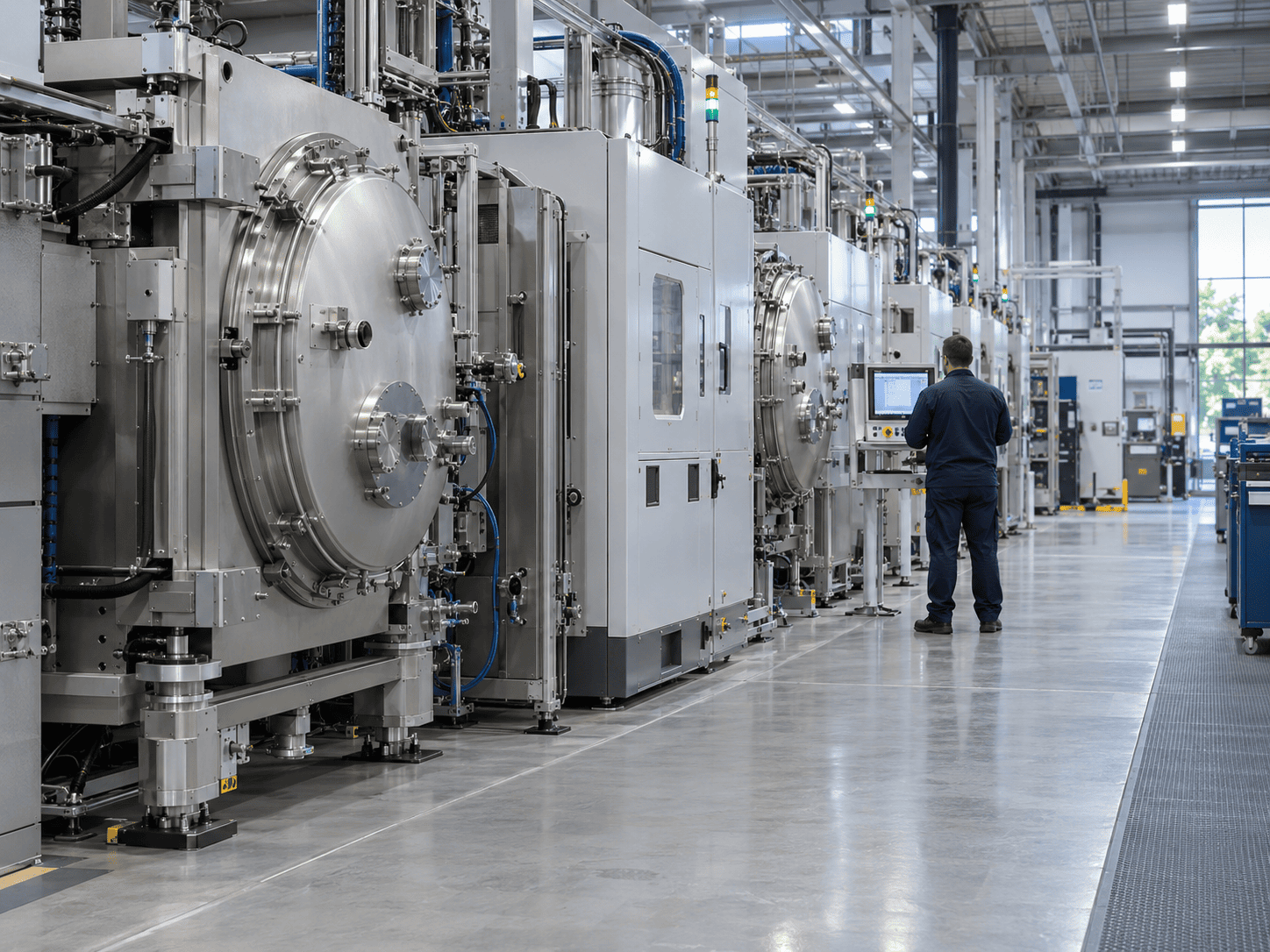

From initial component assessment through coating development and production implementation, Sydrogen brings together coating and manufacturing capabilities to support your SOC programme.
SydroNEXUS™ coating routes can be developed for metallic interconnects, electrode-electrolyte barrier interfaces and functional electrolyte layers, depending on the substrate, material system and required coating function.
Yes. Coating material, layer structure and deposition parameters can be evaluated around the customer’s component geometry, substrate materials, operating requirements and target interface function.
Yes. Component dimensions, coating properties, process repeatability and equipment requirements can be considered as part of the development route to support subsequent production implementation.
Current capabilities include flat plates, discs and small tubular forms. Additional geometries and dimensions can be assessed through joint trials.
No. SOC architectures and material systems differ. Coating composition, thickness and deposition parameters are developed around the specific component and interface requirements.