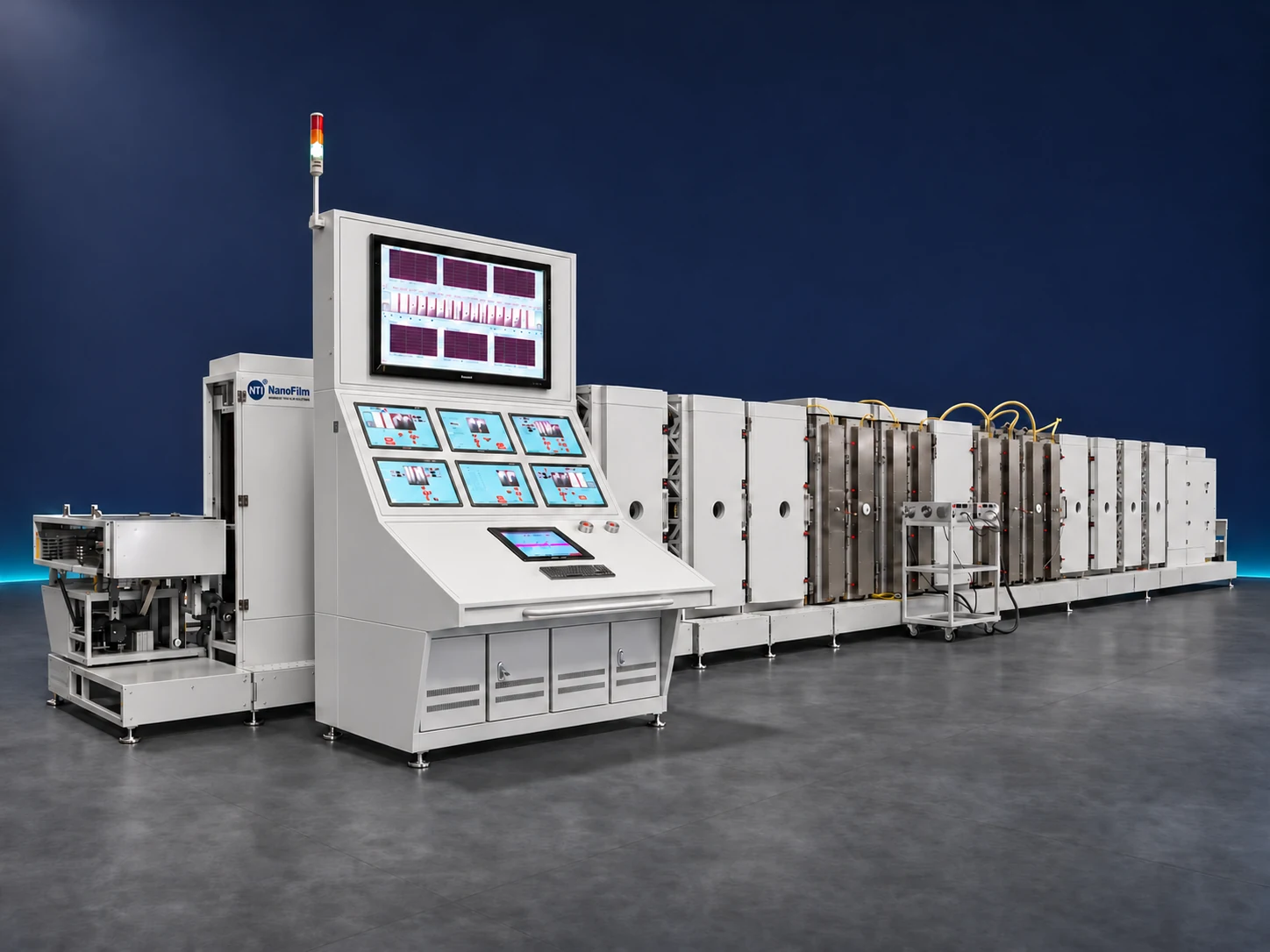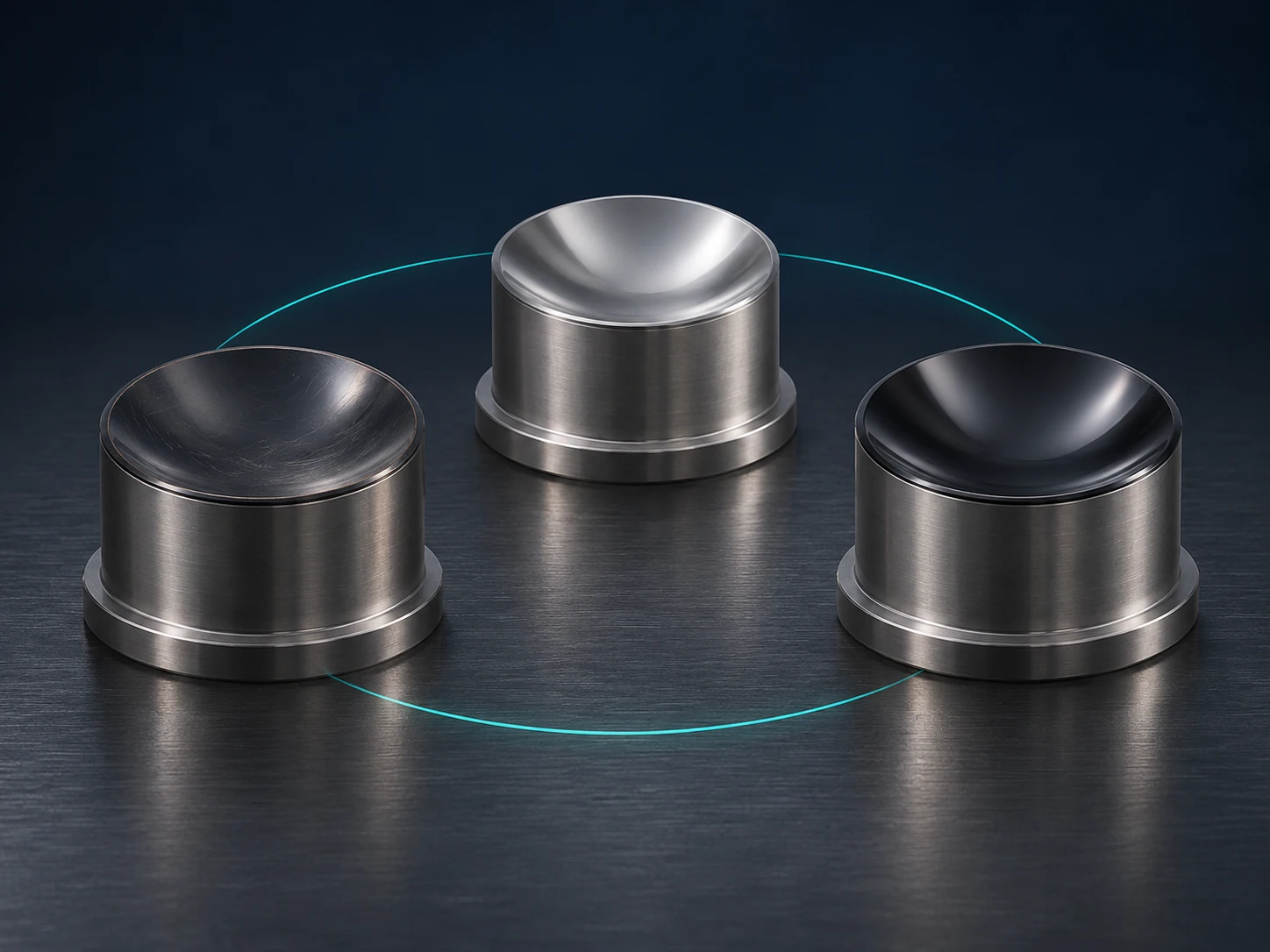
Remove worn coatings. Restore high value precision components. Reclaim more productive life.
NTI Renew™ gives manufacturers an in house route to recover reusable precision components for recoating, helping lower replacement cost, shorten renewal lead time and keep more qualified tooling in production.
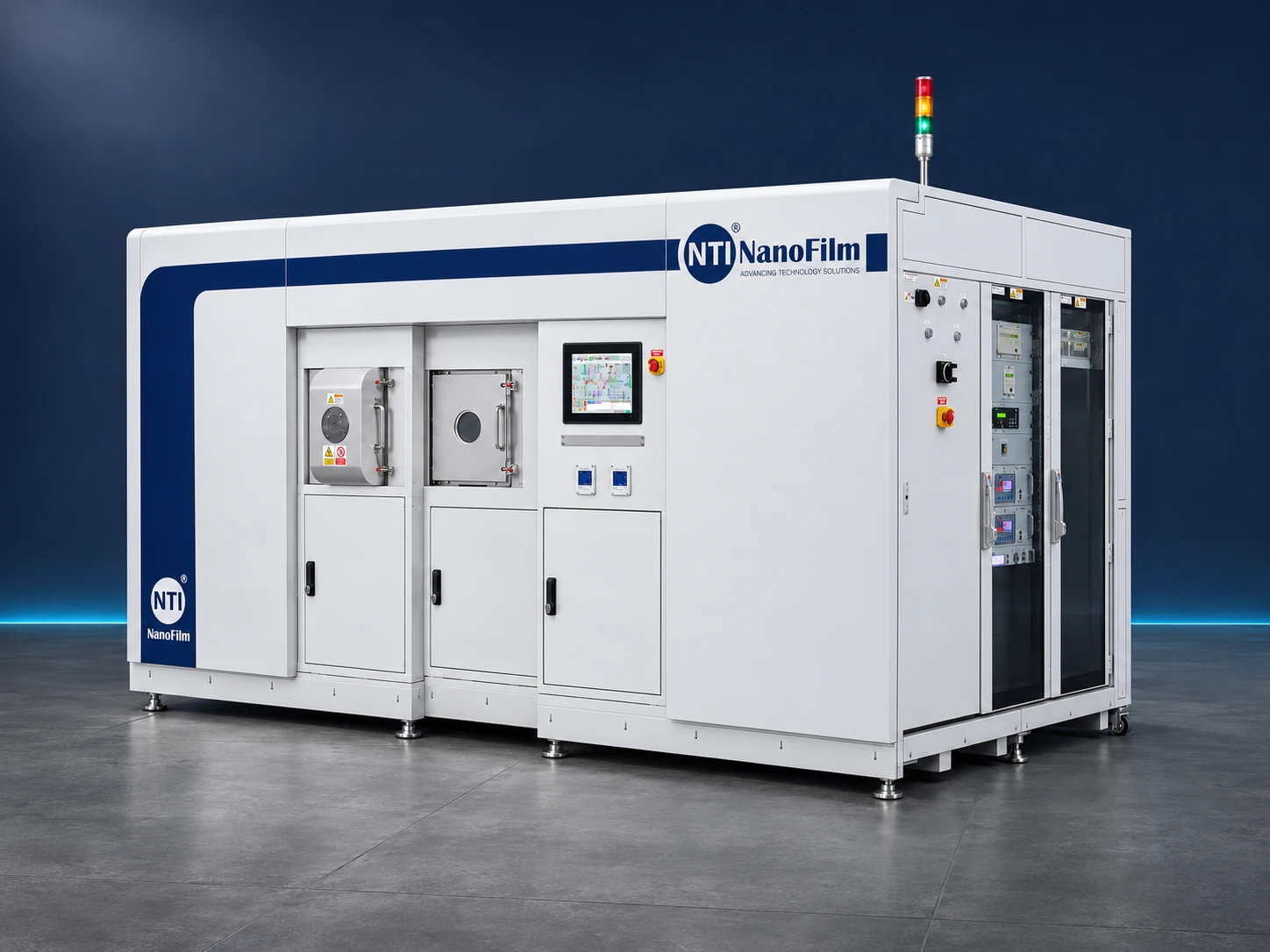
Bring recurring component renewal into your production flow. NTI Renew™ combines controlled vacuum removal with a choice of ion beam or plasma source packages, helping recover precision tooling, shorten renewal turnaround and prepare eligible surfaces for recoating.
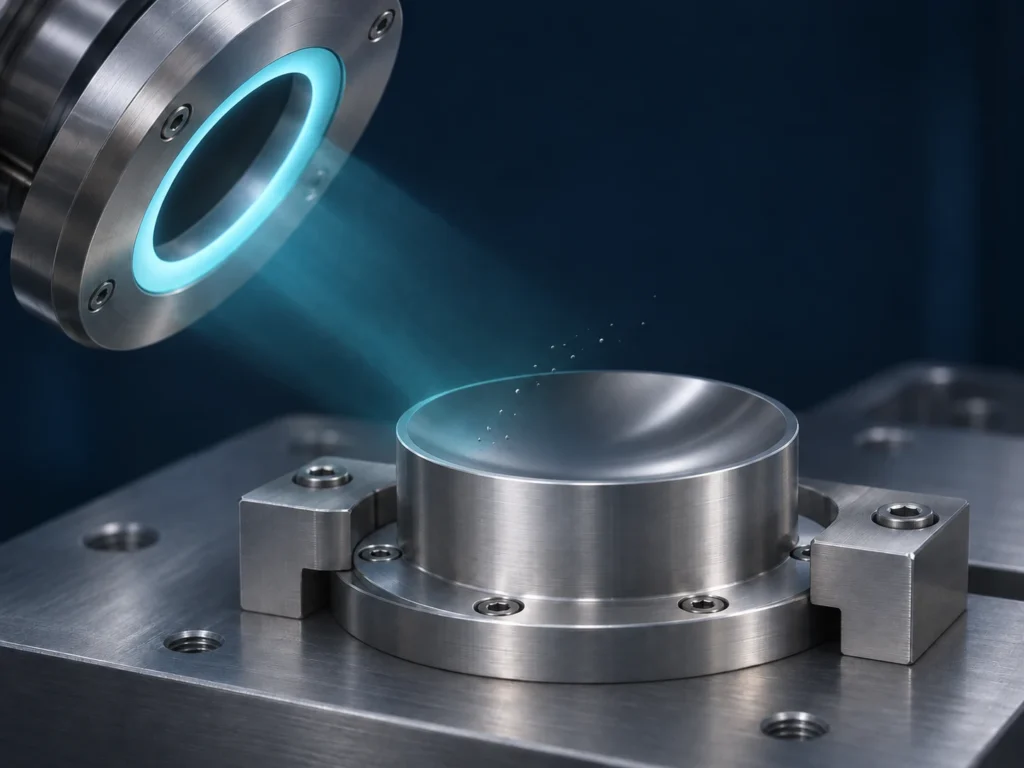
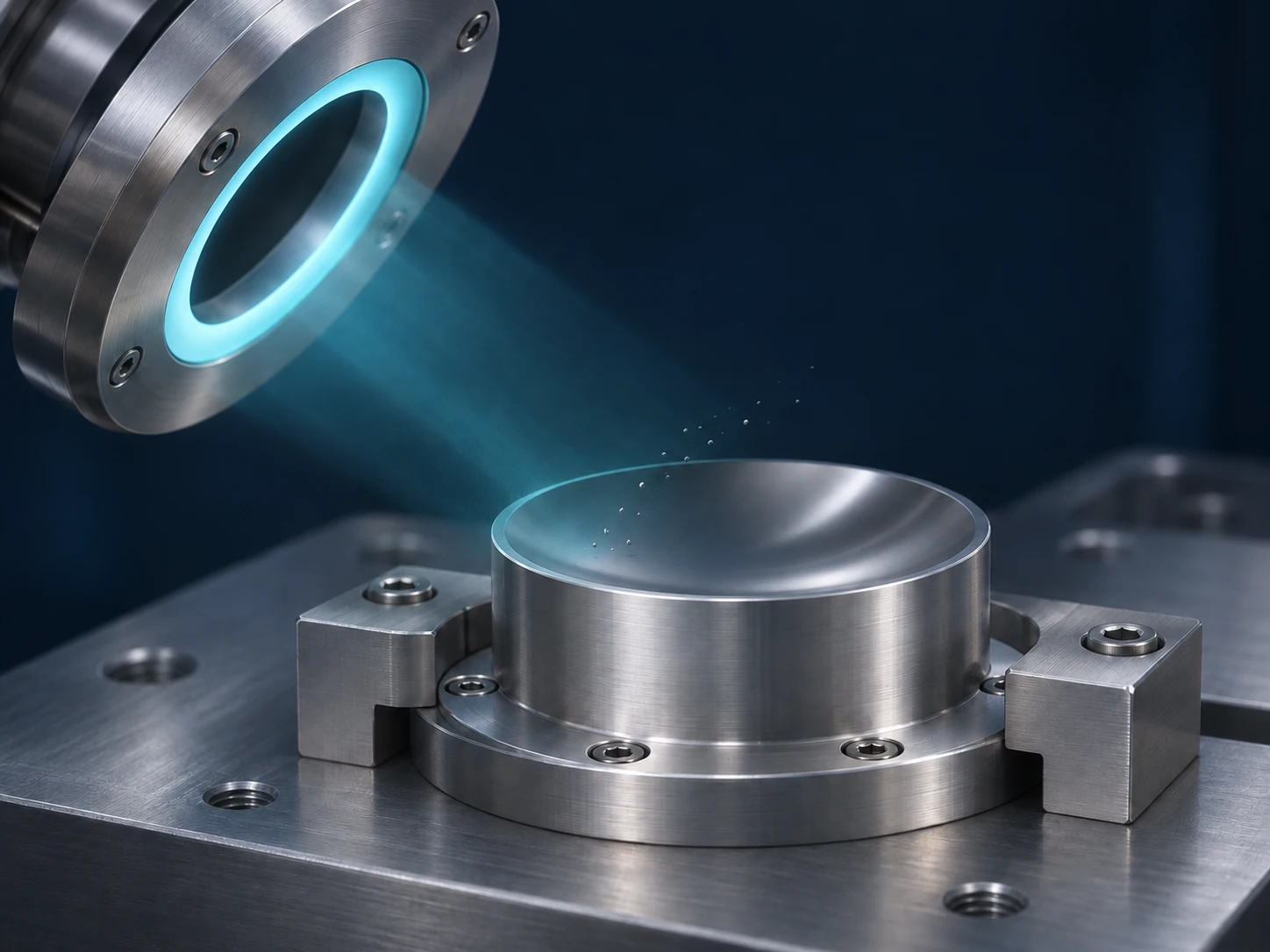
An anode layer ion beam source removes worn coatings in a controlled vacuum environment so eligible components can move toward inspection and renewal without discarding the precision substrate. For recurring maintenance, this brings a critical recovery step in house and shortens the path back to production.
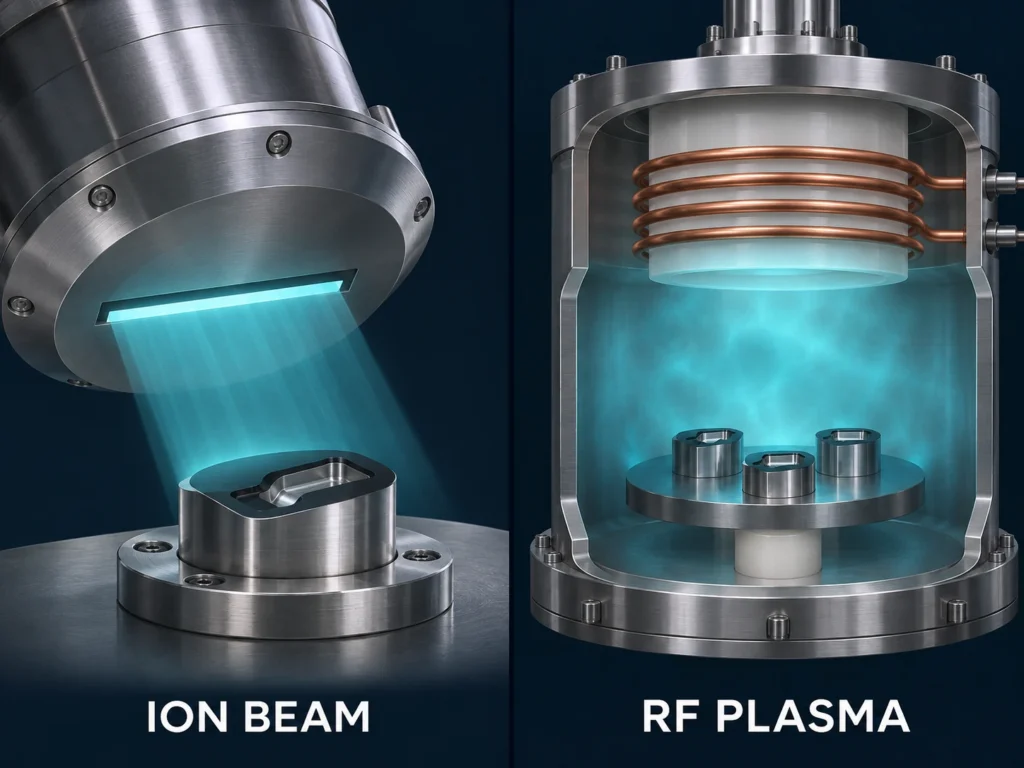
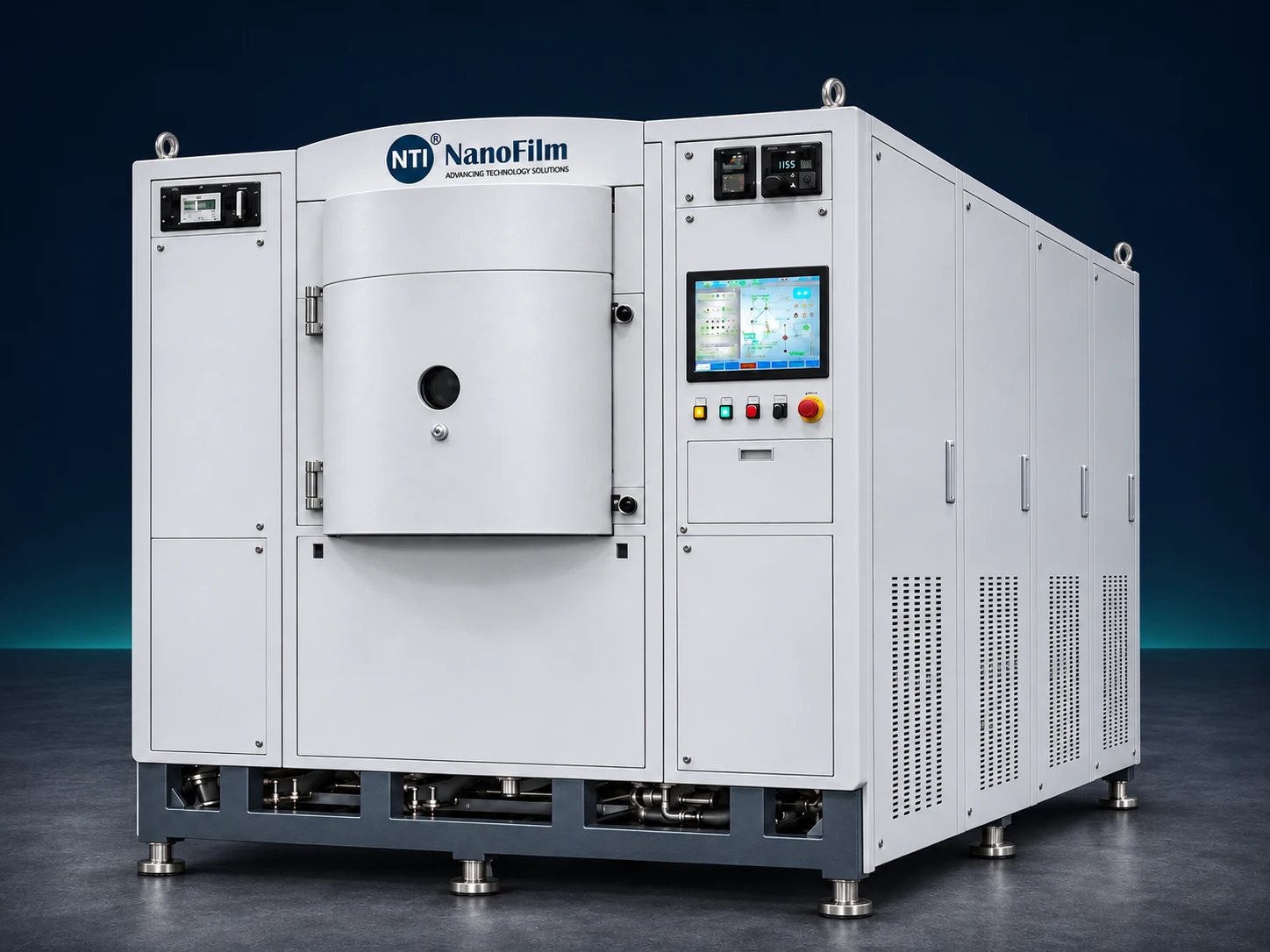
Select ion beam removal or an RF plasma process route around the film and substrate. NTI Renew™ Industrial is being developed with multi source ion beam and RIE or ICP plasma packages, allowing recipes and work handling to address different coating families.
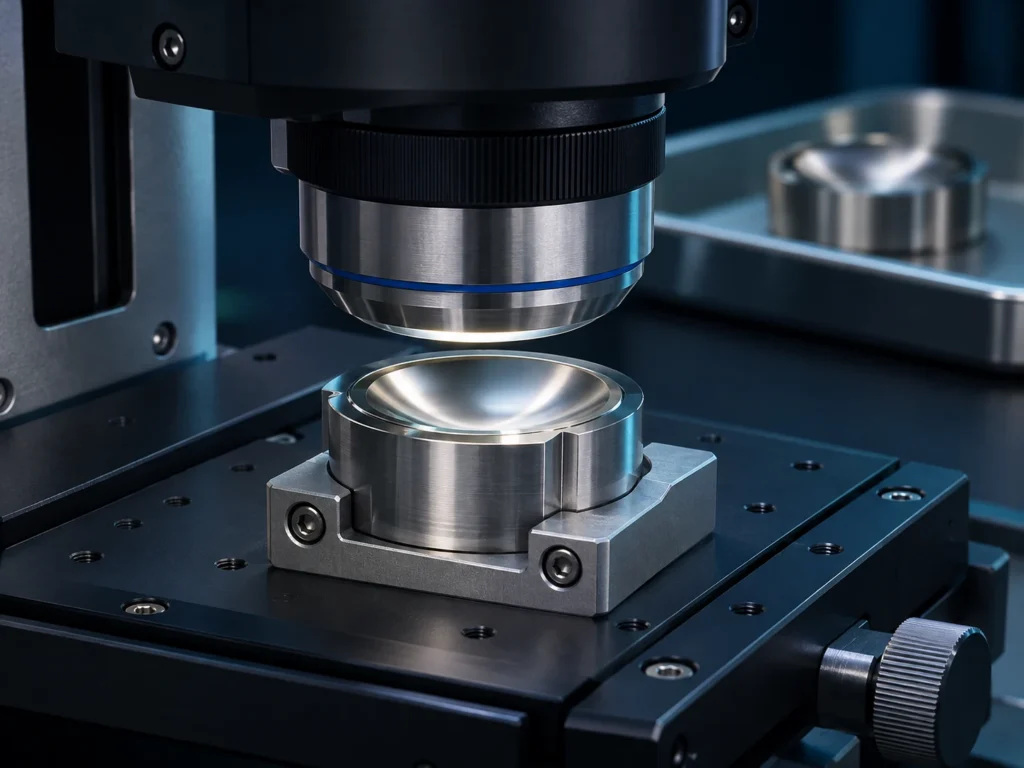
Remove spent coatings under controlled vacuum conditions and return eligible components to inspection before recoating. In house renewal reduces external handling and makes recurring recovery easier to plan around production demand.
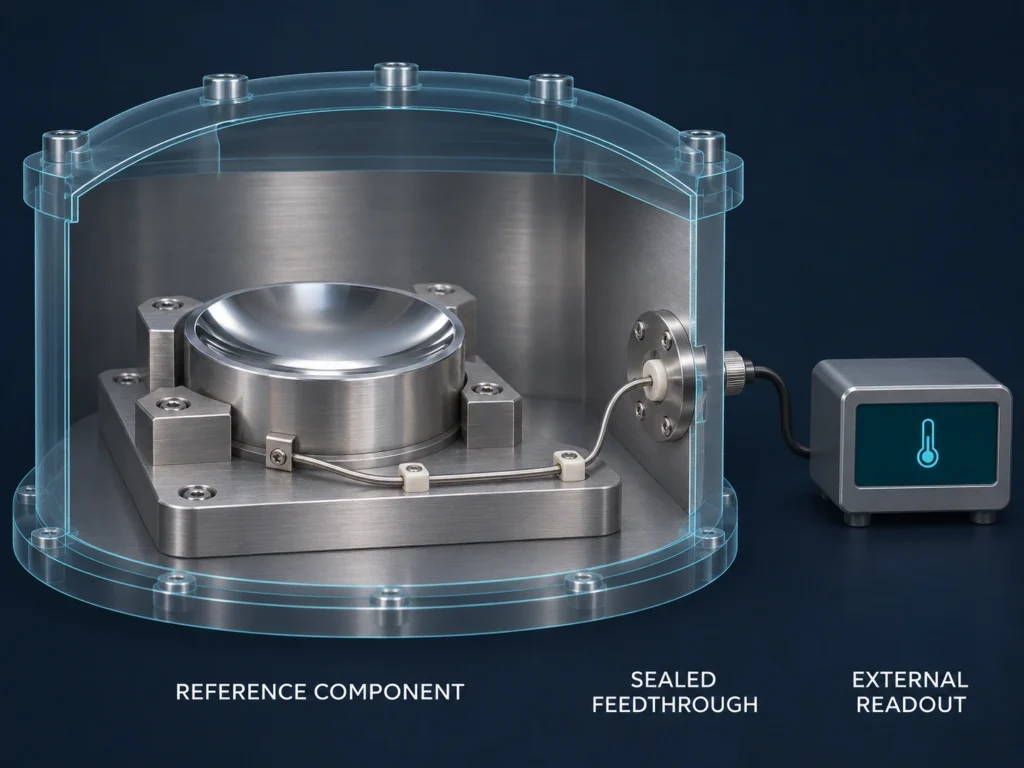
NTI Renew™ Compact is specified without added process heat. Industrial ion beam and plasma process windows will be selected around the coating, part geometry and allowed substrate temperature, helping protect the dimensions and surface condition required for reuse.
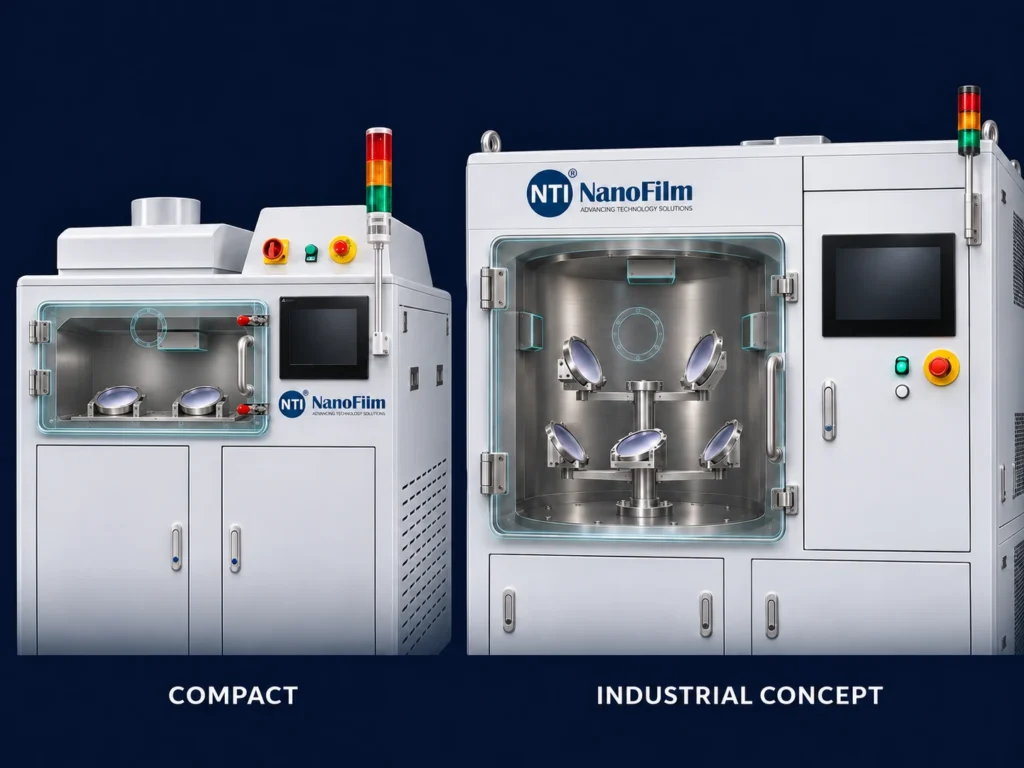
NTI Renew™ Compact handles precision components up to Ø300 mm. Industrial design targets extend work coverage and multi position batch handling for larger recurring renewal programs, with source type and fixturing selected around the coating and part mix.
Illustrations are provided for explanatory purposes and may show simplified or representative equipment, fixtures and process arrangements. Actual configuration, operation and performance depend on the selected system, coating, substrate, component geometry and qualified process conditions.
Remove the spent functional coating while retaining the precision component underneath for inspection and recoating.
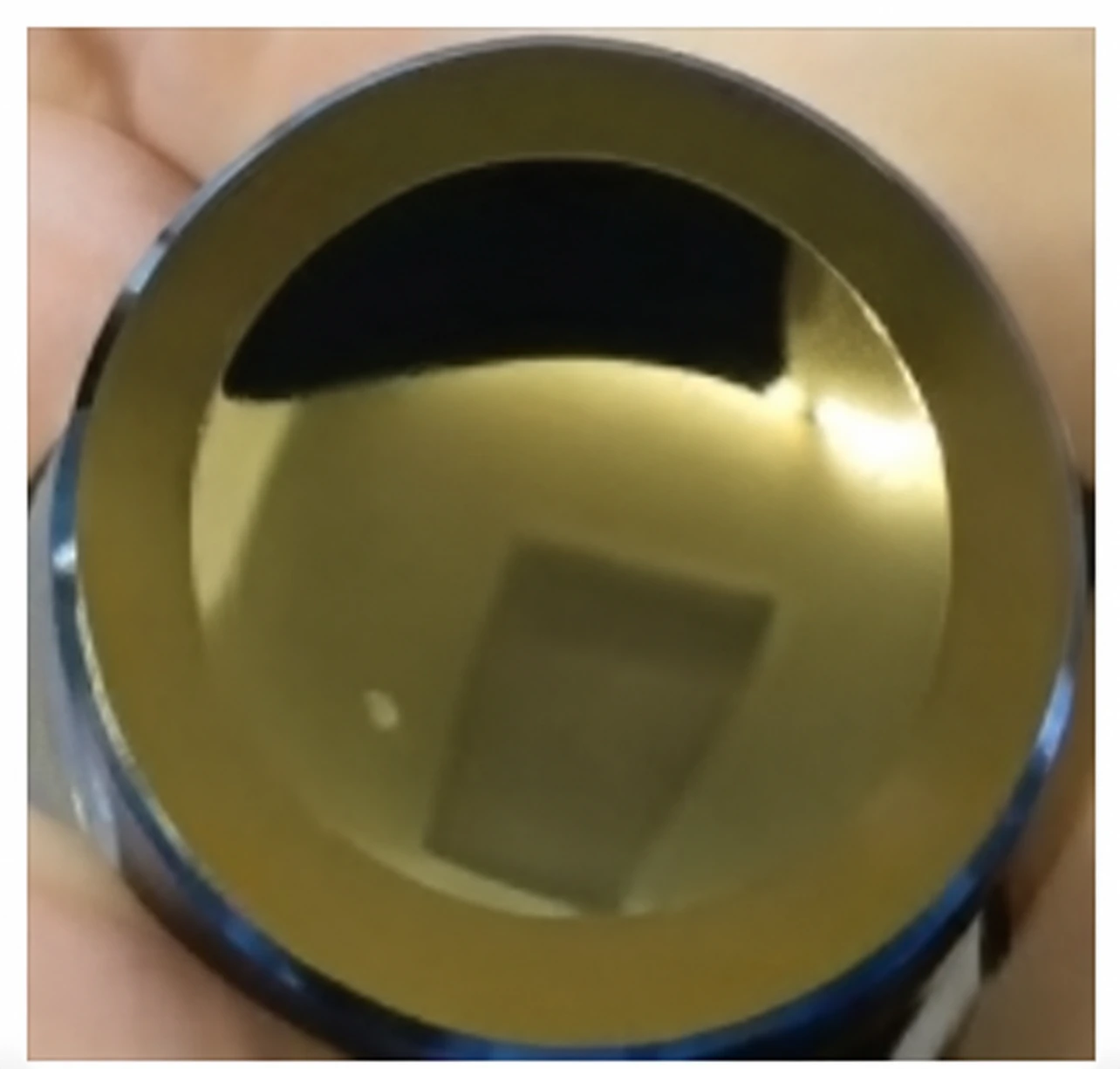
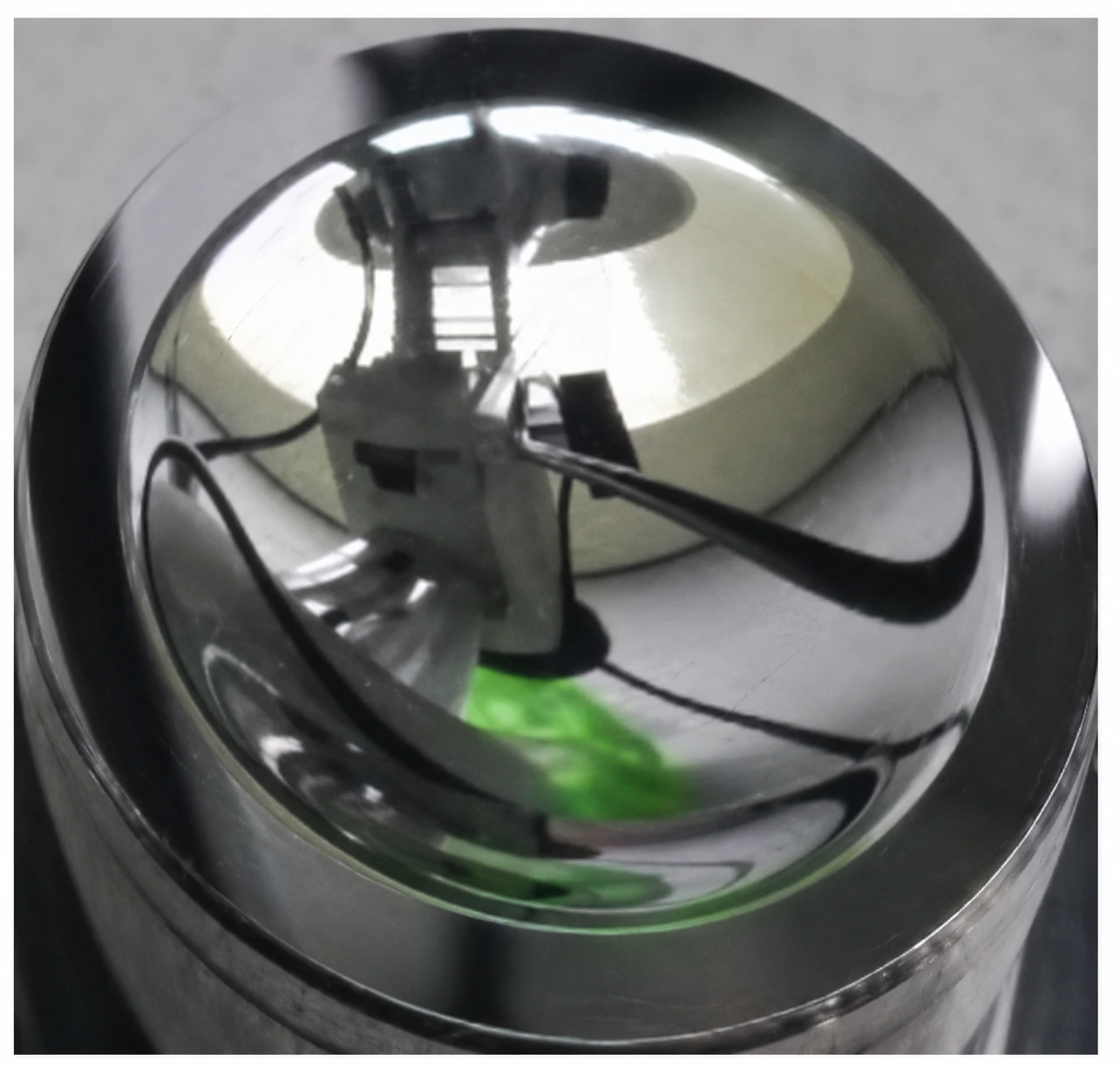
NTI decoating demonstration shown on a carbon coated sample. Final removal outcome depends on coating material, substrate condition, geometry, fixturing and validated process recipe.
Keep qualified tooling and precision components in production through more coating cycles while reducing replacement spend. NTI Renew™ Compact supports focused precision renewal, while NTI Renew™ Industrial brings larger batch coverage and configurable ion beam or plasma removal routes.
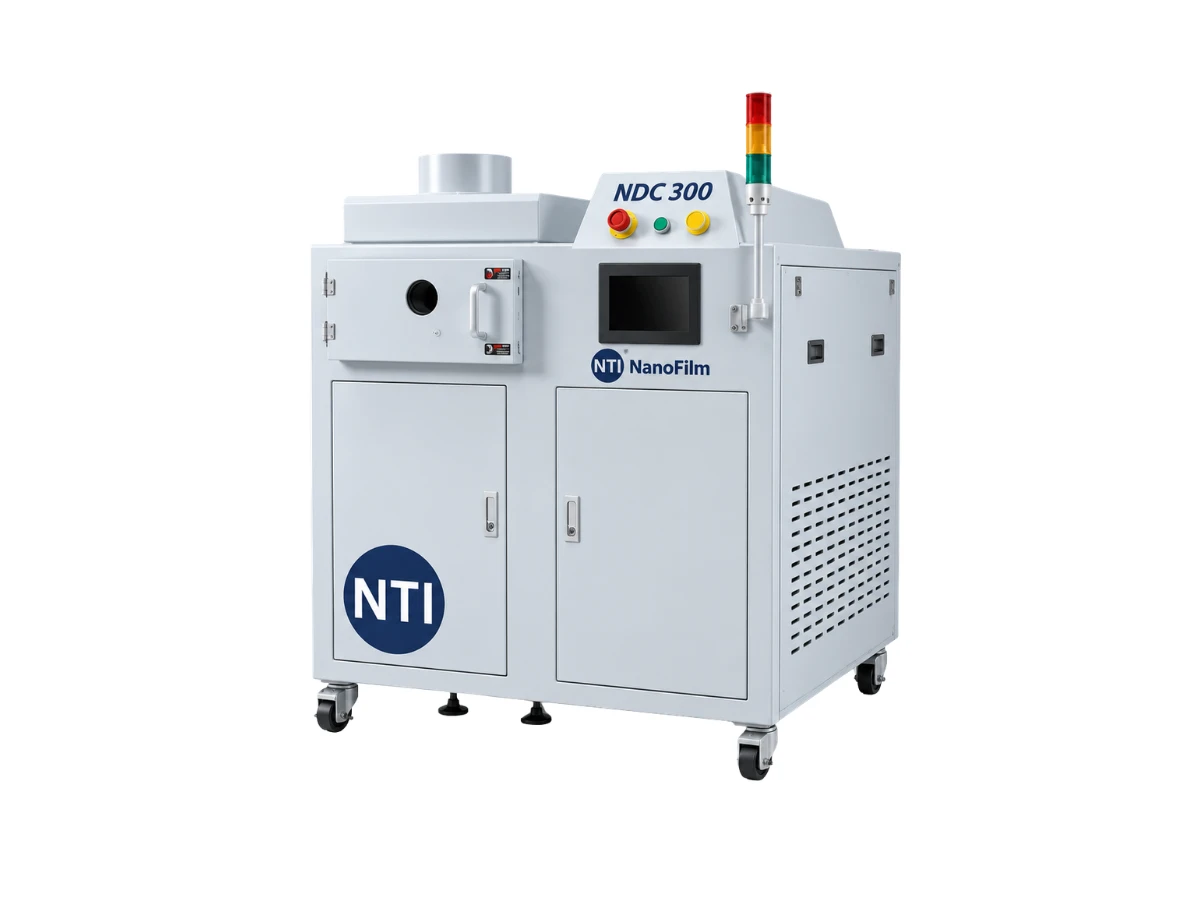 NTI Renew™ Compact Precision component renewal in a focused equipment footprint | 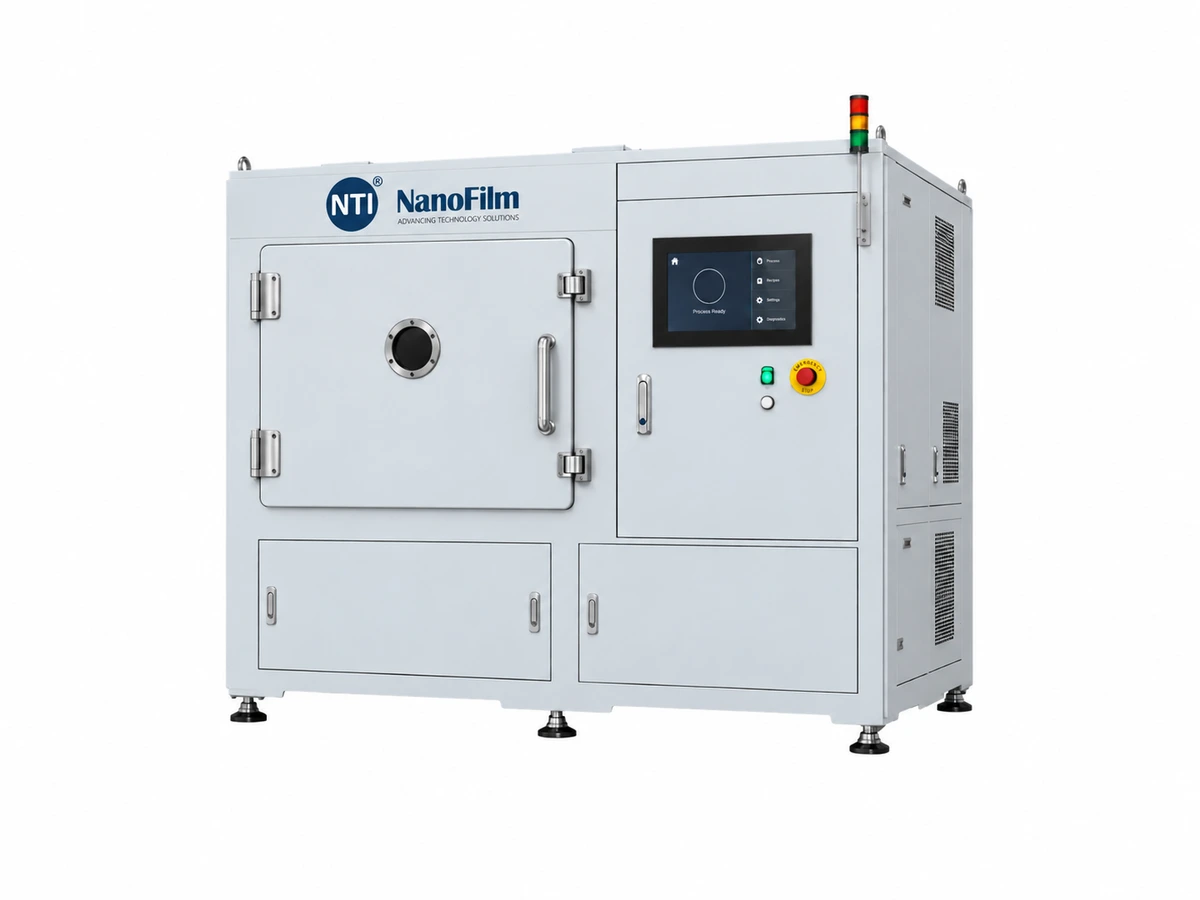 NTI Renew™ Industrial Broader work coverage and larger batch loads for industrial renewal |
|
|---|---|---|
| Decoating sources | Anode Layer Ion Beam Source | Multiple Anode Layer Ion Beam sources or RF plasma with RIE and ICP process options |
| Coating coverage | Application qualified ion beam removal | Carbon coatings and selected nitride and metallic films, subject to process qualification |
| Component envelope | Up to Ø300 × 70 mm H | Up to Ø800 × 800 mm HLarger component envelopes engineered on request |
| Ion source positions | 1 | 4 to 8 for the ion beam source package |
| Vacuum chamber size | 423 (L) × 363 (W) × 232 (H) mm | Ø1,000 × 1,000 mm HLarger chamber sizes engineered on request |
| Equipment dimensions | ≈ 1,400 (L) × 1,100 (W) × 1,730 (H) mm | ≈ 2,400 (L) × 1,500 (W) × 2,400 (H) mmDimensions vary with chamber size and source configuration |
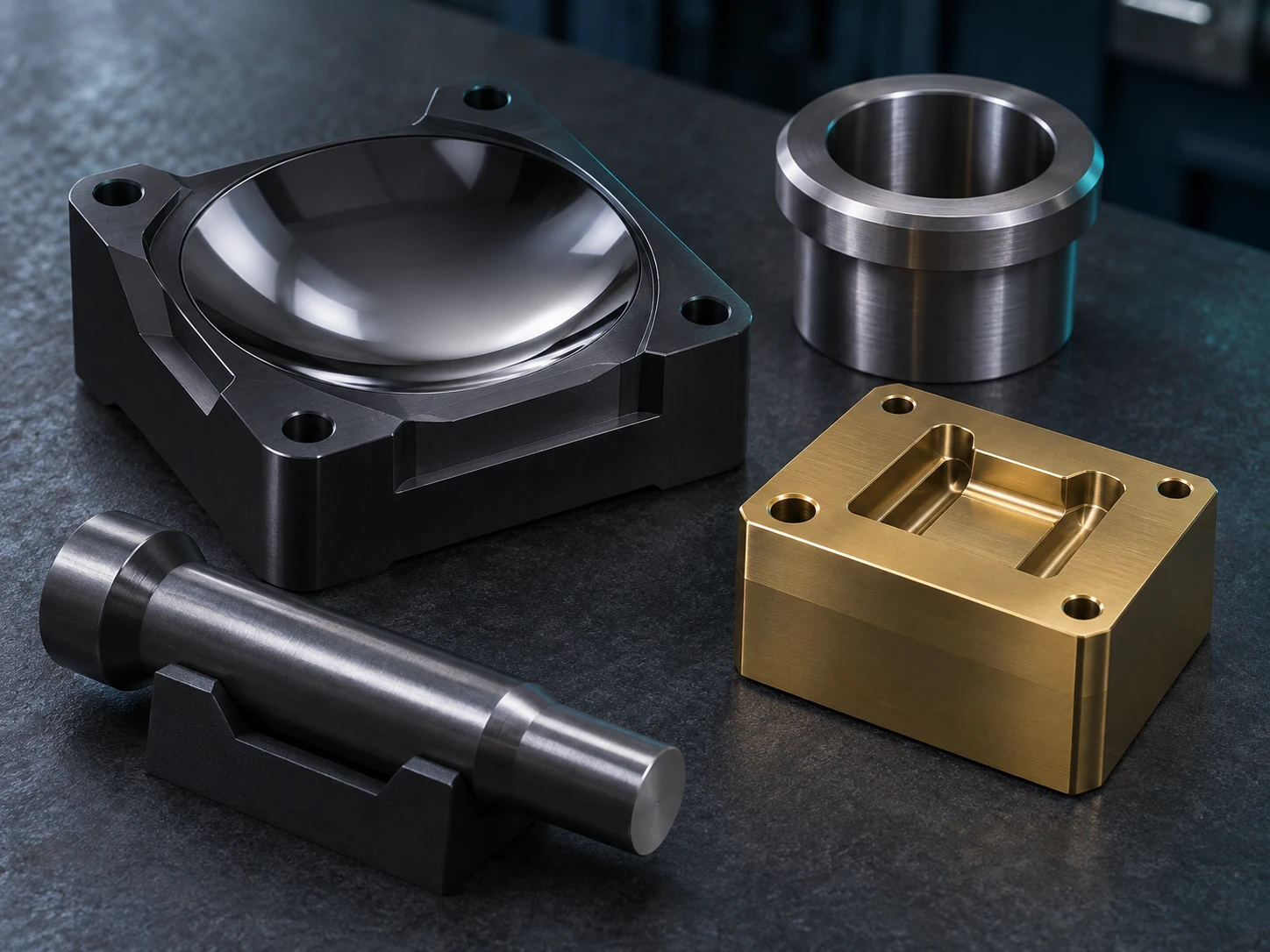
NTI Renew™ recovers reusable molds, semiconductor tooling, wafer carriers and other precision assets for recoating. This helps reduce replacement purchase cost, spare inventory, storage demand and exposure to long replenishment lead times.
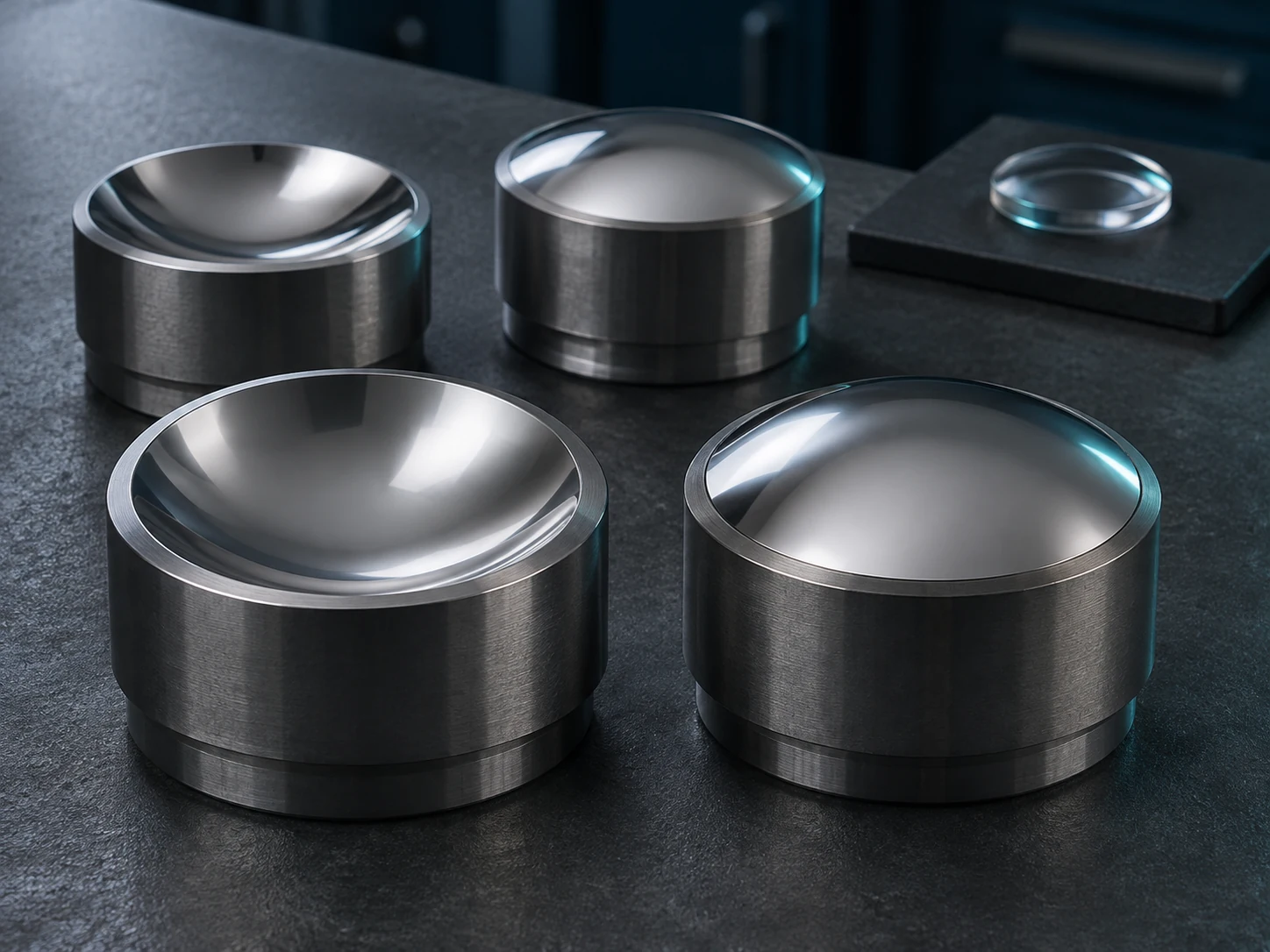
Qualified glass lens molds carry significant machining and polishing value, so every additional renewal cycle reduces mold changes, spare demand and production disruption. NTI Renew™ removes the worn coating so eligible molds can return to recoating. Recoated through NTI Vault™ with NTI ta-C, optical glass lens molds have demonstrated up to 6× longer shot life, reaching 6,000 shots versus 1,000 before sticking.
Removal recipes and fixturing are matched to mold geometry, coating condition and surface requirements, creating a repeatable NTI Renew™ and NTI Vault™ pathway for current and future optics programs.
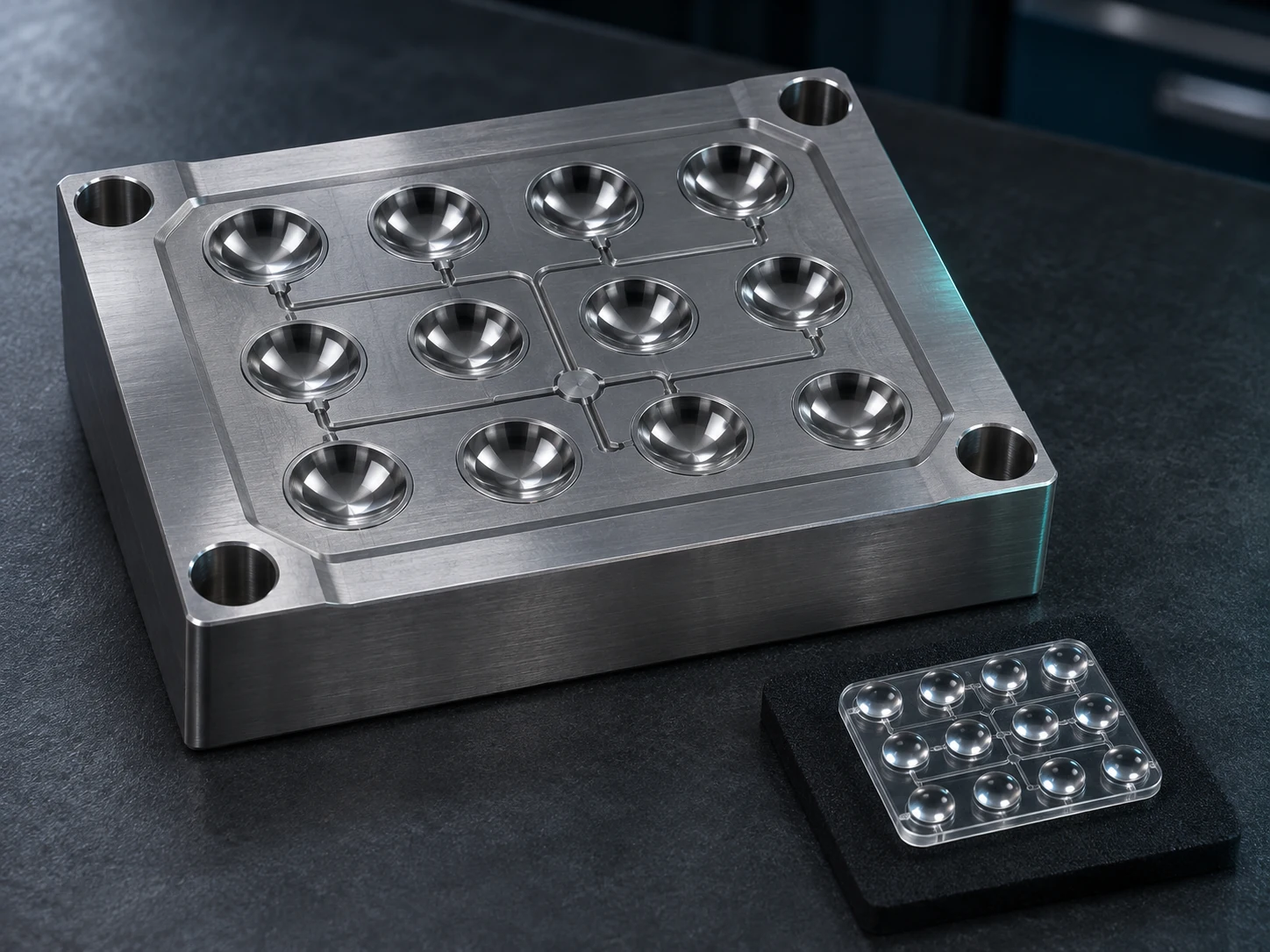
High cavity and micro feature molds carry substantial machining, polishing and qualification value, making premature replacement costly. NTI Renew™ removes the worn coating so eligible molds can return to recoating. Recoated through NTI Vault™ with NTI MiCC® Hard Protect™, an optical plastic lens mold recorded 30,000 shots versus 10,000, demonstrating 3× longer mold runs.
Removal recipes and fixturing are developed around cavity density, geometry, substrate and coating condition, giving manufacturers a repeatable NTI Renew™ and NTI Vault™ pathway for current molds and future variants.
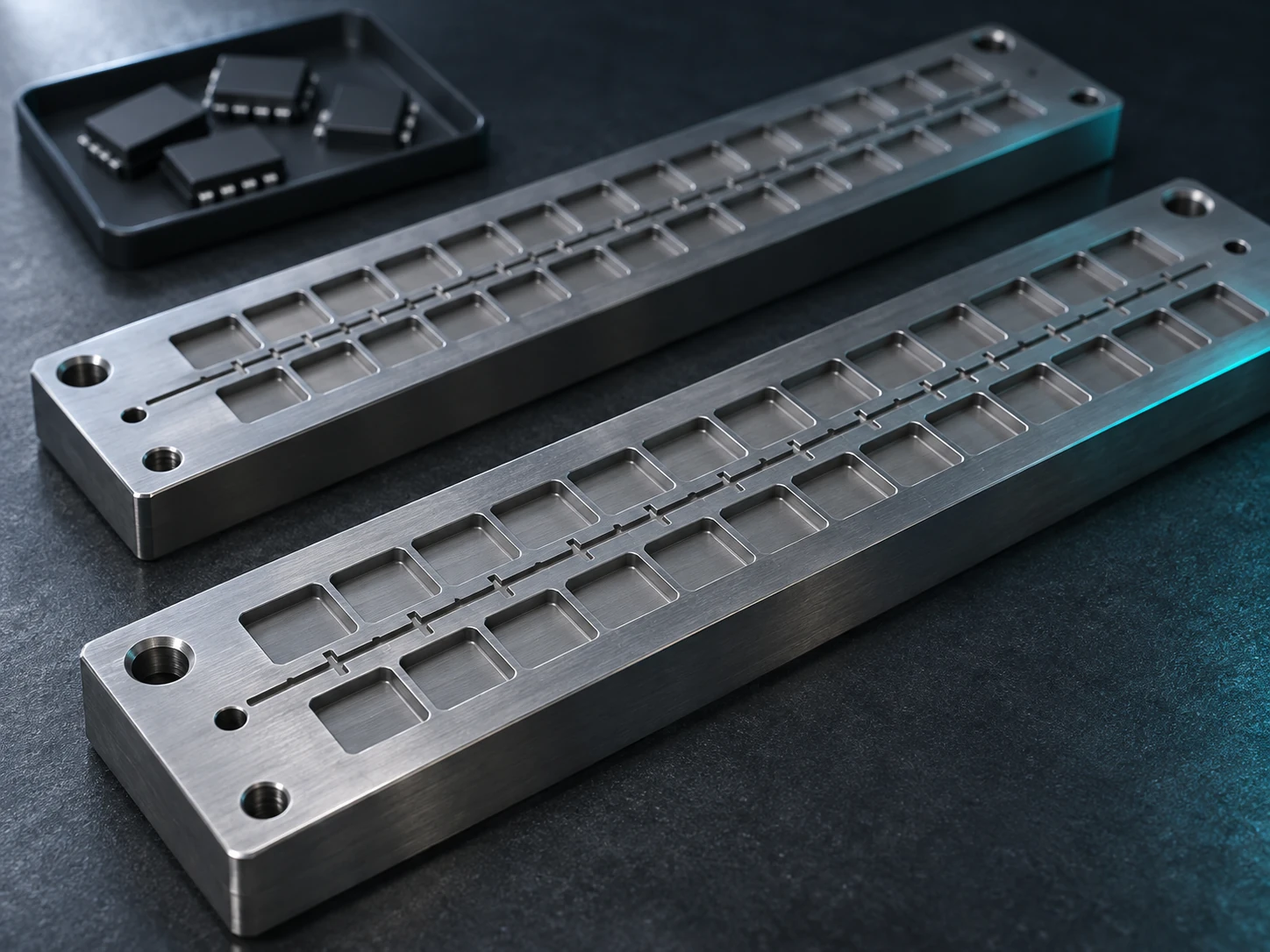
Semiconductor cavity bars are precision machined assets exposed to repeated heat, polymer or flux adhesion, cleaning and surface wear. When the bar remains within dimensional specification, NTI Renew™ removes the worn coating so the same qualified component can be prepared for recoating, reducing replacement purchase cost, spare inventory and replenishment risk.
The process can be developed around bar geometry, substrate, existing coating and target surface condition, giving back end packaging operations a controlled in house renewal route that keeps more qualified cavity bars available for production as maintenance demand increases.
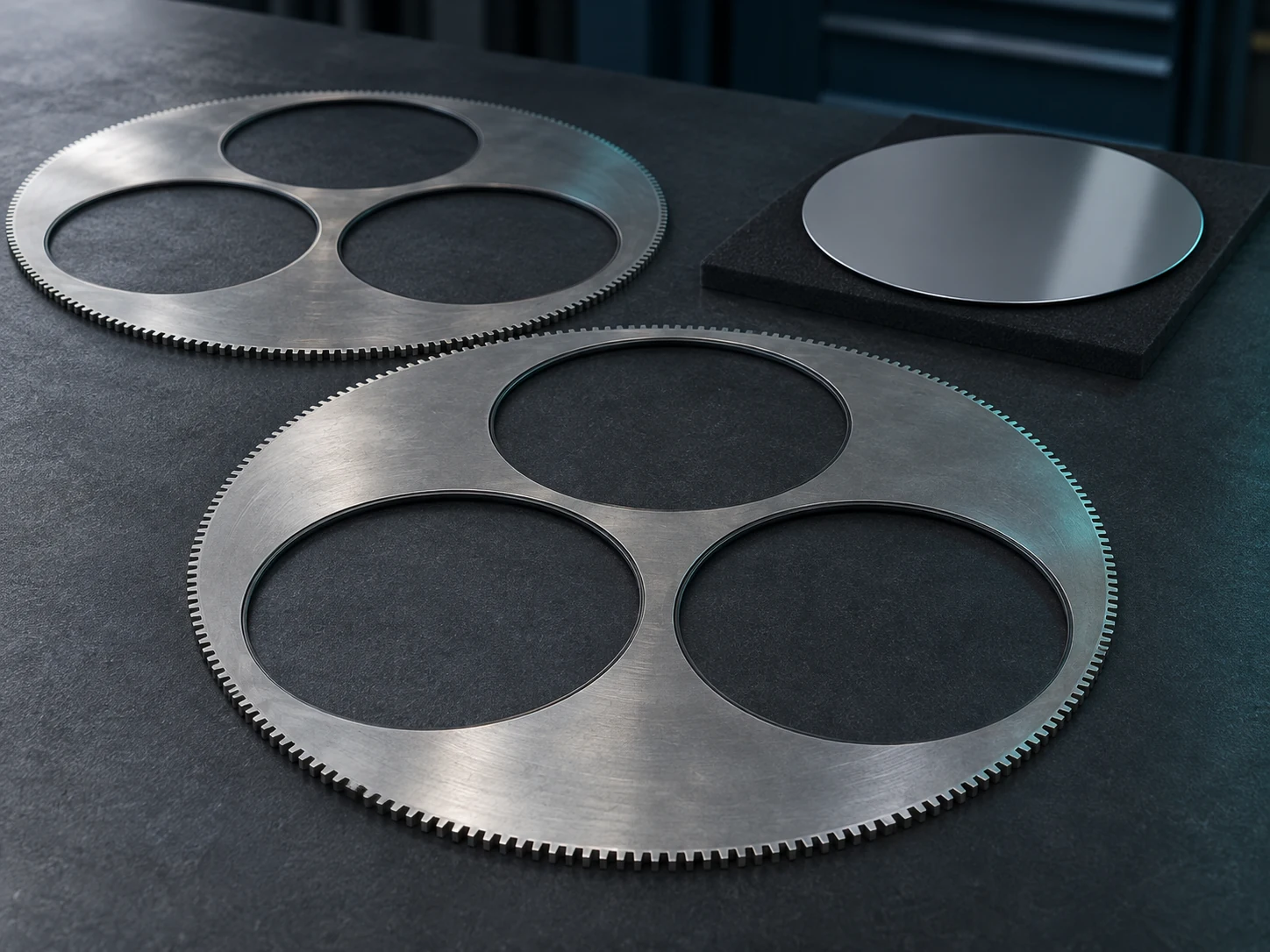
Wafer lapping carriers combine material, machining, hole pattern and flatness control into a high value production asset. When the carrier remains mechanically serviceable, NTI Renew™ removes the worn coating so the substrate can be inspected and prepared for recoating, reducing the need to replace or stock additional carriers simply because the surface has reached its maintenance point.
Decoating parameters and fixturing can be set around carrier diameter, geometry, exposed area, coating thickness and required surface condition, supporting a repeatable in house renewal cycle as carrier mixes and production demand evolve.
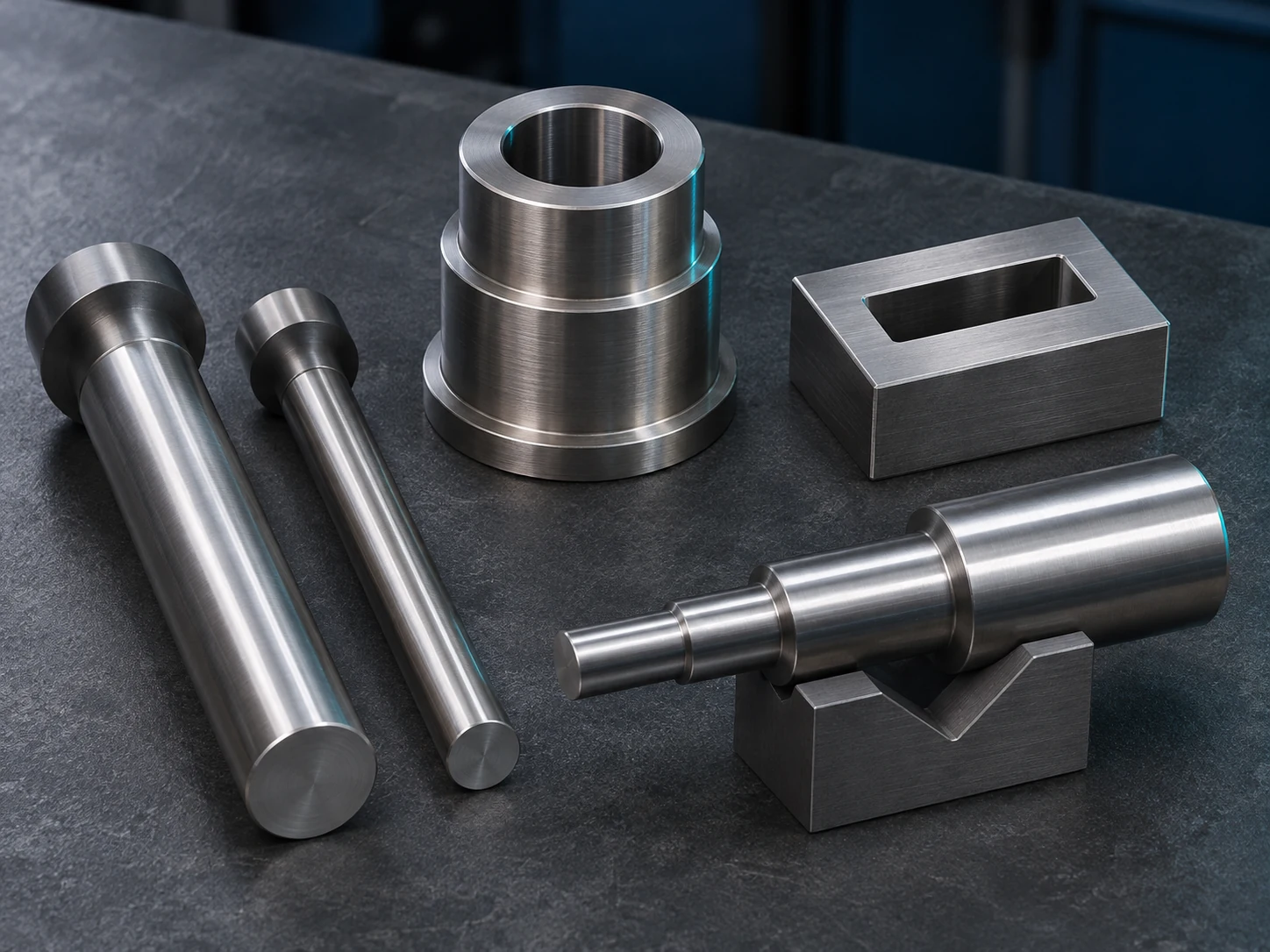
Precision inserts, fixtures, carriers and engineered components often retain far more value in their substrate, machining and qualification than in the coating that wears first. NTI Renew™ removes the existing coating from eligible parts so that value can remain in service through inspection and recoating, reducing replacement spend and shortening the route back to production.
The system can be configured around component geometry, substrate, coating material, exposed area and removal requirement, giving manufacturers a flexible renewal capability for established tooling today and additional reusable precision assets as future maintenance programs grow.
Renewal suitability and outcomes depend on substrate condition, remaining dimensional allowance, existing coating, geometry, fixturing, removal requirements and recoating acceptance criteria. Demonstrated shot life figures are coating outcomes achieved through NTI coating routes and illustrate the value of the combined NTI Renew™ and NTI Vault™ renewal pathway rather than NTI Renew™ decoating performance limits.
Broaden the coating capabilities you can bring in-house, from precision surface protection and functional films to higher-volume production and component recovery, with NTI equipment configured around your parts and production goals.
Pair NTI Renew™ with NTI Protect™ and the right NTI coating platform to recover reusable components, restore surface performance and return them to production with less replacement spend, fewer spares and lower material demand.
NTI MiCC® Hard Protect™ recorded 30,000 shots on an optical plastic lens mold versus 10,000 shots for the reference condition, delivering 3× longer mold runs with fewer mold changes and production interruptions.
NTI RainbowTAC™ Protect achieved more than 5,000 drilled holes versus approximately 1,500 holes with a standard arc coating, extending tool utilisation while reducing tool changes, stoppages and consumption.
Eligible carbide tooling can undergo up to 12 decoating, regrinding and recoating cycles, extending the working life of the original tool and reducing demand for new replacements.
Reconditioning eligible carbide tooling can lower lifecycle cost by approximately 25% versus replacement, retaining the precision substrate across additional productive service cycles.
Results shown are application specific and may vary by component condition, coating and process requirements.
NTI Renew™ brings the substrate back. NTI Protect™ and the right NTI coating platform restore the functional surface for the next production cycle.
From first assessment through decoating, recoating and production return, NTI Nanofilm brings the technology, surface solution and equipment pathway together around the component you need to recover.
Share your component, existing coating and production needs so we can assess the precision value worth retaining.
Align decoating, inspection and recoating with the substrate, geometry and surface performance your next production cycle requires.
NTI Renew™ removes worn coatings from eligible components while retaining the precision substrate for the next coating cycle.
Match NTI Protect™ coatings with the NTI Vault™, NTI Dream™ or NTI Titan™ system suited to your application.
Confirm substrate condition and coating performance before establishing a recurring renewal route for production.
Return renewed components to production with less replacement spend and a defined pathway for future renewal.
Your production needs continue long after commissioning. We support operators and maintenance teams with process transfer, preventive maintenance, spare parts, diagnostics and upgrade pathways to protect uptime and keep your NTI Renew™ system productive as your component renewal requirements evolve.
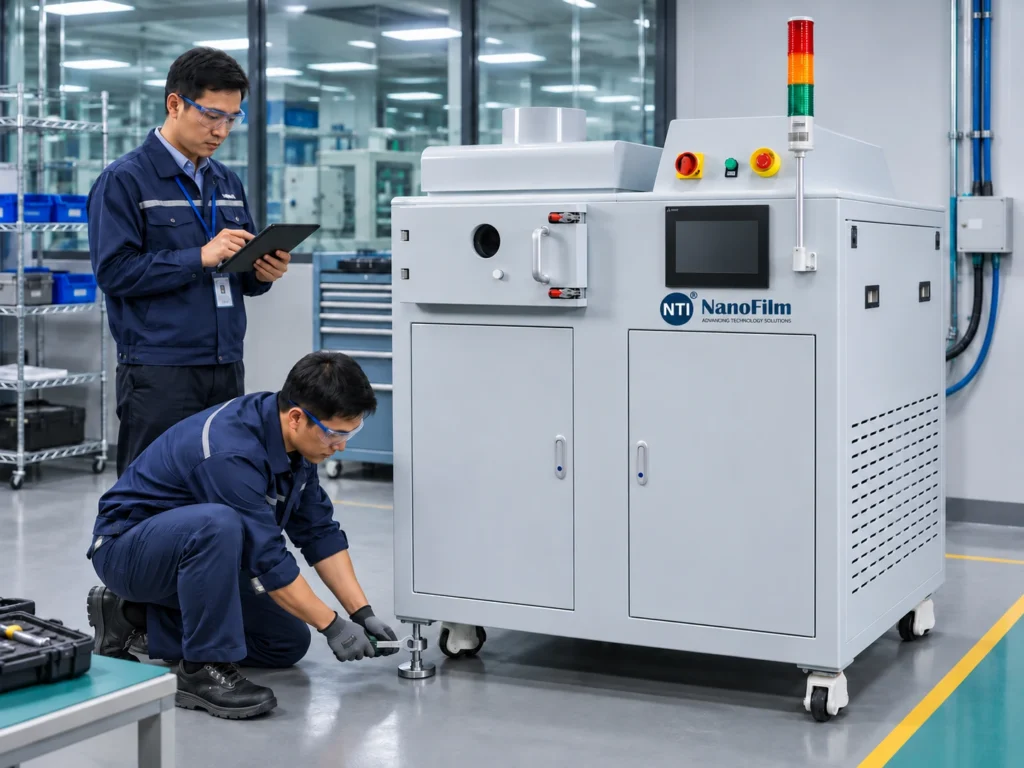
We support installation, startup and site acceptance to bring your decoating system into production.
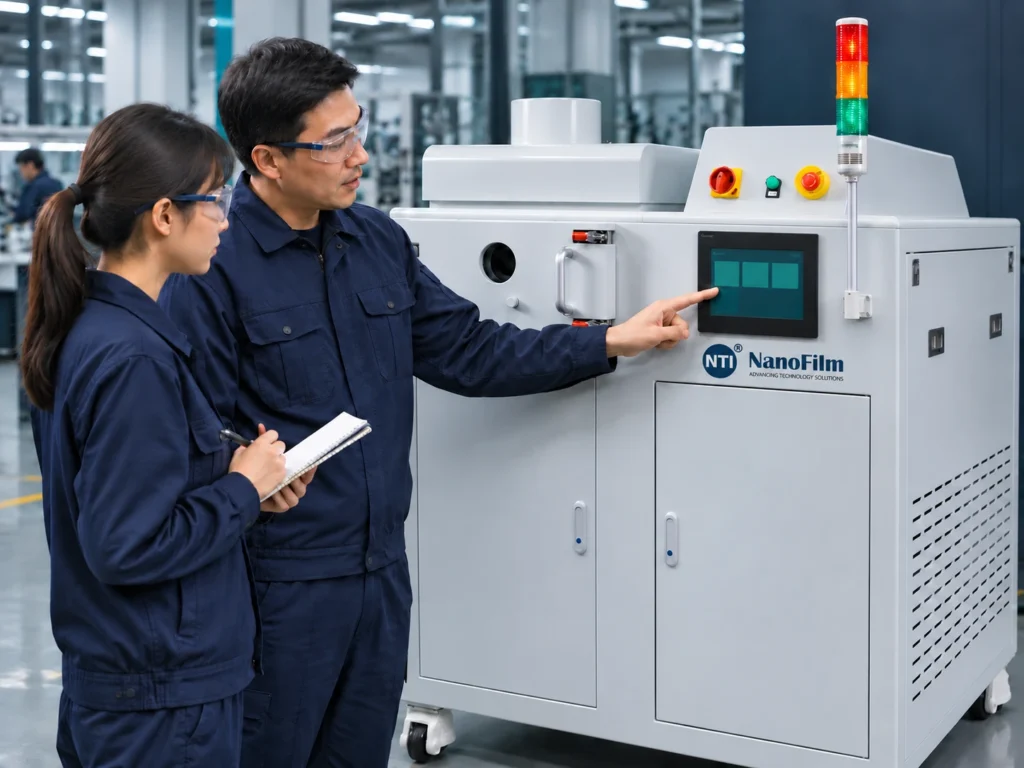
Equip your operators and maintenance teams with the process knowledge and recipes needed to run NTI Renew™ confidently.
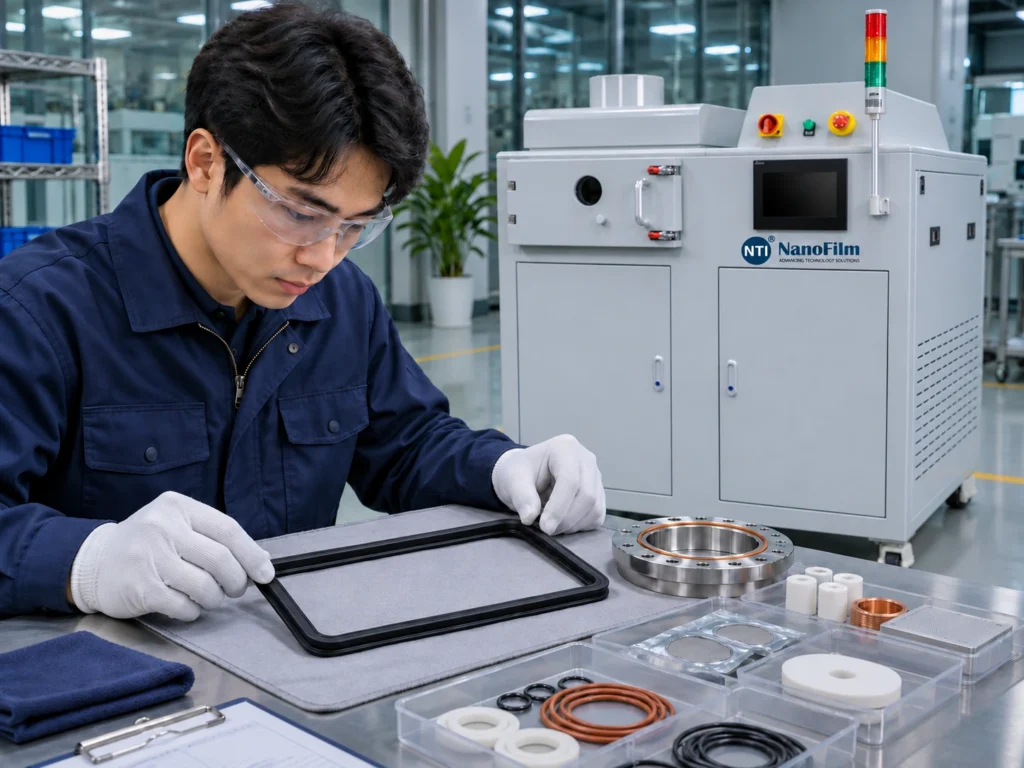
Plan preventive maintenance and critical spares to help protect uptime through recurring renewal work.
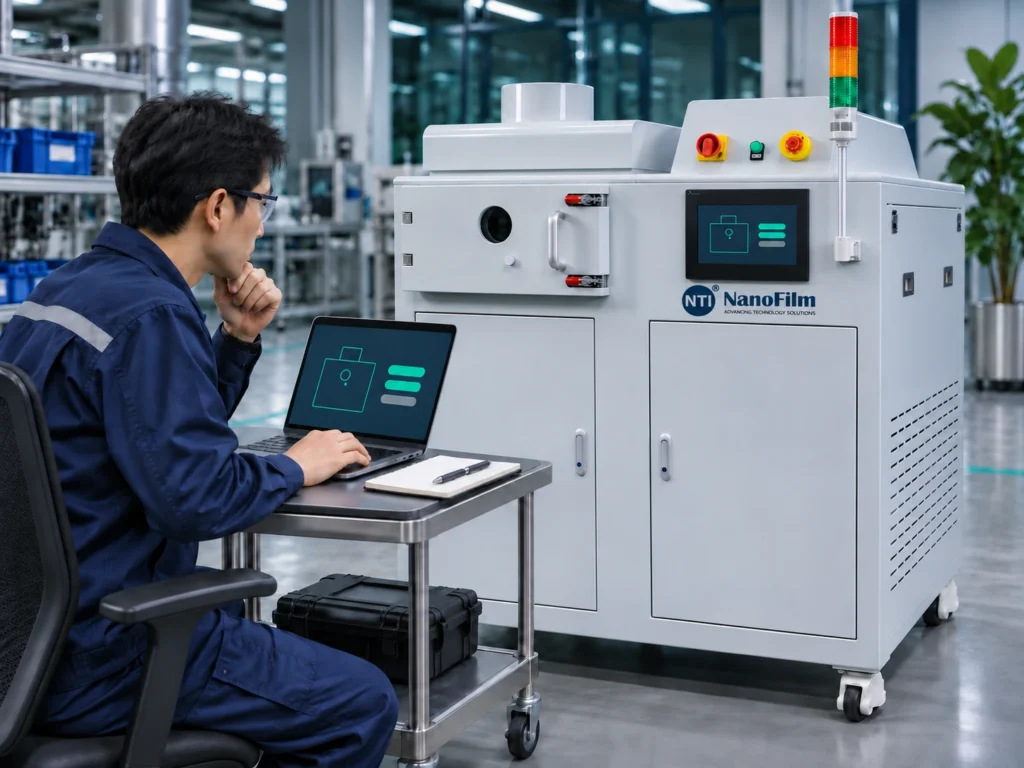
Get technical diagnostics and practical support to resolve issues and return the system to production sooner.
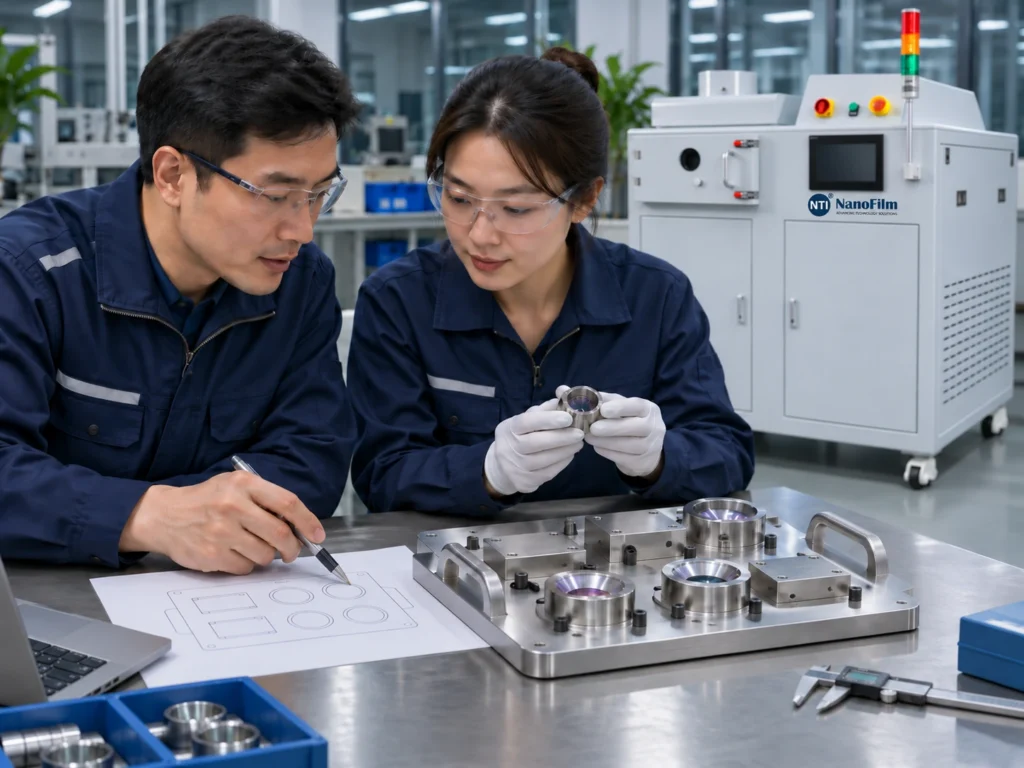
Explore qualified recipes, source options and new applications to keep your decoating capability relevant as requirements evolve.
Explore more about component renewal, decoating, recoating and the surface lifecycle of high value precision components.
Tell us what you need to recover. NTI can review the component, coating and production requirement and help define the right decoating and recoating pathway.
A decoating system removes a worn or unwanted functional coating from a reusable component so the underlying substrate can be prepared for evaluation and recoating. NTI Renew™ is designed for precision parts where the component value supports a renewal route before full component replacement.
Yes, when the substrate, geometry and remaining dimensional allowance are still suitable for reuse. The coating can be removed, the component inspected and the surface recoated for another service cycle. Suitability depends on the component material, existing coating, wear condition and required performance after recoating.
NTI Renew™ Compact uses an anode layer ion beam source. NTI Renew™ Industrial is being developed for configurable ion beam and plasma source packages, including RIE and ICP, with the removal route chosen for the coating and substrate. Industrial design figures remain subject to engineering qualification.
Applications include glass lens molds, plastic and micro optic molds, freeform and complex mold inserts, semiconductor cavity bars, wafer lapping carriers and other reusable precision tooling or components where the underlying asset value supports refurbishment and recoating.
Yes, when the precision machined cavity bar remains dimensionally serviceable after the coating has worn. Decoating removes the existing surface layer so the component can be evaluated for recoating, helping reduce replacement spend and dependence on critical spares.
They can be evaluated for renewal when the carrier material, geometry, flatness and remaining surface condition stay within the required operating window. NTI Renew™ provides the controlled coating removal step before inspection and recoating.
Yes, the industrial concept broadens source choice beyond a carbon focused plasma route. Ion beam removal is applicable to many materials, while plasma removal depends on process gas chemistry, film structure and substrate selectivity. Selected nitride and metal routes need their own qualification; oxygen plasma alone should not be assumed to strip every coating.
NTI Renew™ Compact supports components up to Ø300 mm and 70 mm high. The proposed NTI Renew™ Industrial component envelope is up to Ø800 × 800 mm H, with larger envelopes engineered on request. Industrial dimensions remain subject to engineering confirmation.
NTI Renew™ Compact lists approximately 10 nm per minute for its fast etch specification. The industrial ion beam and plasma packages will have coating specific removal rates established through trials; no universal rate is claimed.
NTI Renew™ Compact is specified with no added process heat. Industrial ion beam and plasma recipes require process specific thermal control, with temperature limits confirmed against the substrate and coating.
Reusing an eligible precision component allows the original substrate, machining and qualification investment to support additional productive surface cycles. This can reduce replacement purchases, spare inventory and replenishment exposure while keeping more of the original asset value in service.
Yes. Reusing an eligible precision component can reduce demand for new substrate material and avoid part of the manufacturing burden associated with producing a replacement. The actual environmental benefit depends on the component, renewal process, transport, recoating route and replacement scenario.
NTI Renew™ provides the decoating step. After inspection, the recovered component can return to the appropriate NTI Protect™ coating solution and coating platform. NTI Vault™ supports precision load lock coating, NTI Dream™ supports flexible batch production and NTI Titan™ supports higher volume inline production, depending on the application and production model.