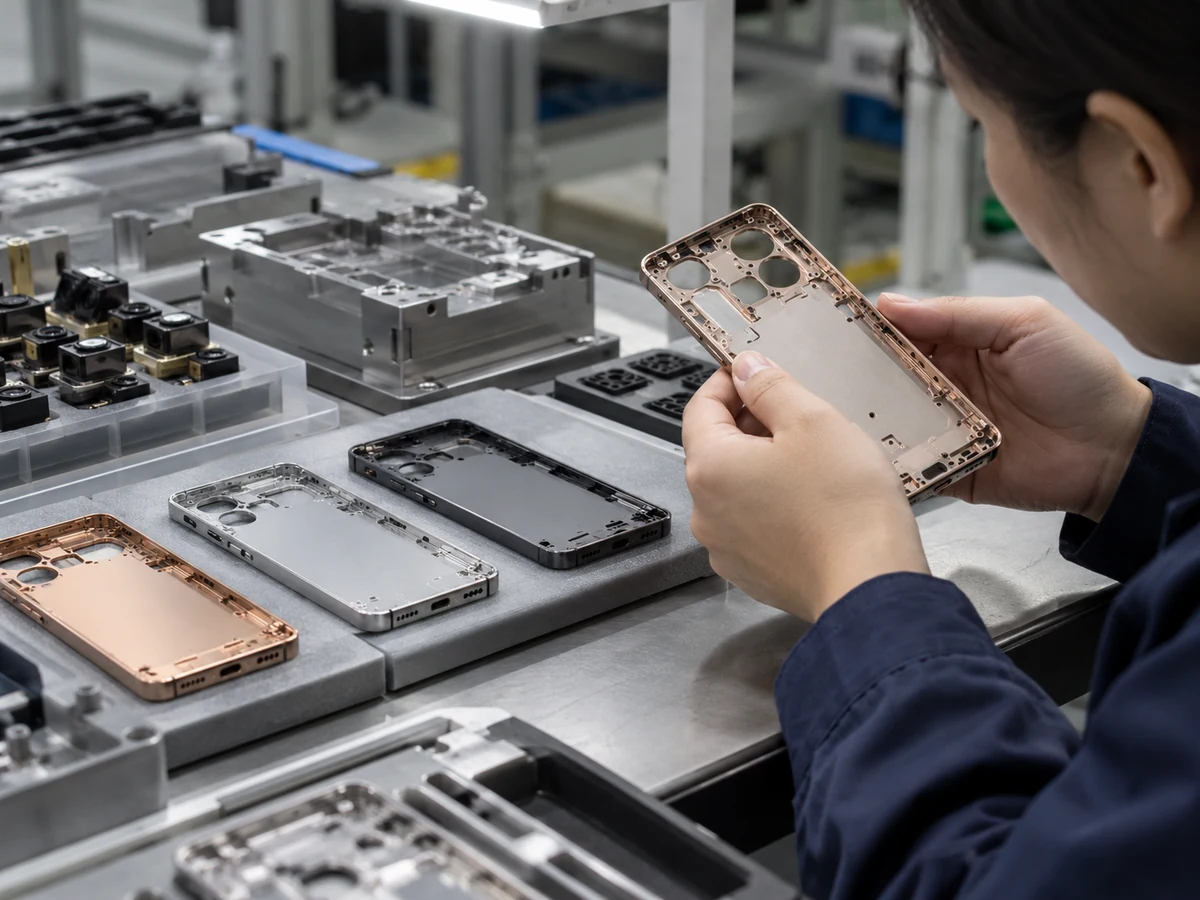
Across printing, textiles, marine engines, food processing, compressors and pumps, NTI advanced coatings, coating equipment and application development address friction, wear, adhesion, corrosion, erosion and leakage to extend component life, improve operating efficiency and maintain consistent output.
Longer operating cycles, higher productivity targets and tougher process environments place more pressure on the surfaces that control motion, contact, sealing and product handling. Better surface performance can directly support efficiency, maintenance, service life and output quality.

Longer operating cycles and higher output raise friction, wear and heat. Protecting critical surfaces helps sustain throughput with fewer maintenance interruptions.
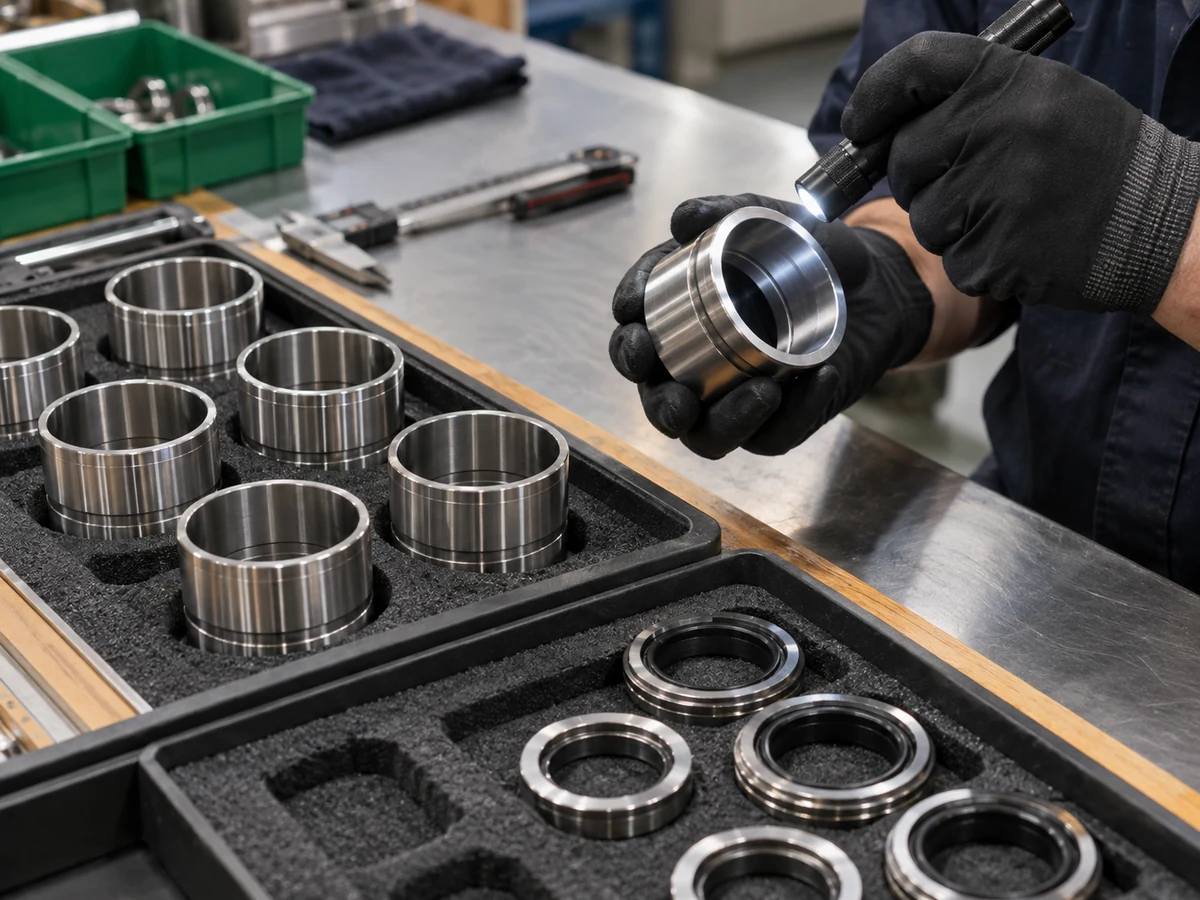
Longer-lasting tools and components, easier cleaning and lower friction can reduce replacement, energy and maintenance burden across industrial operations.
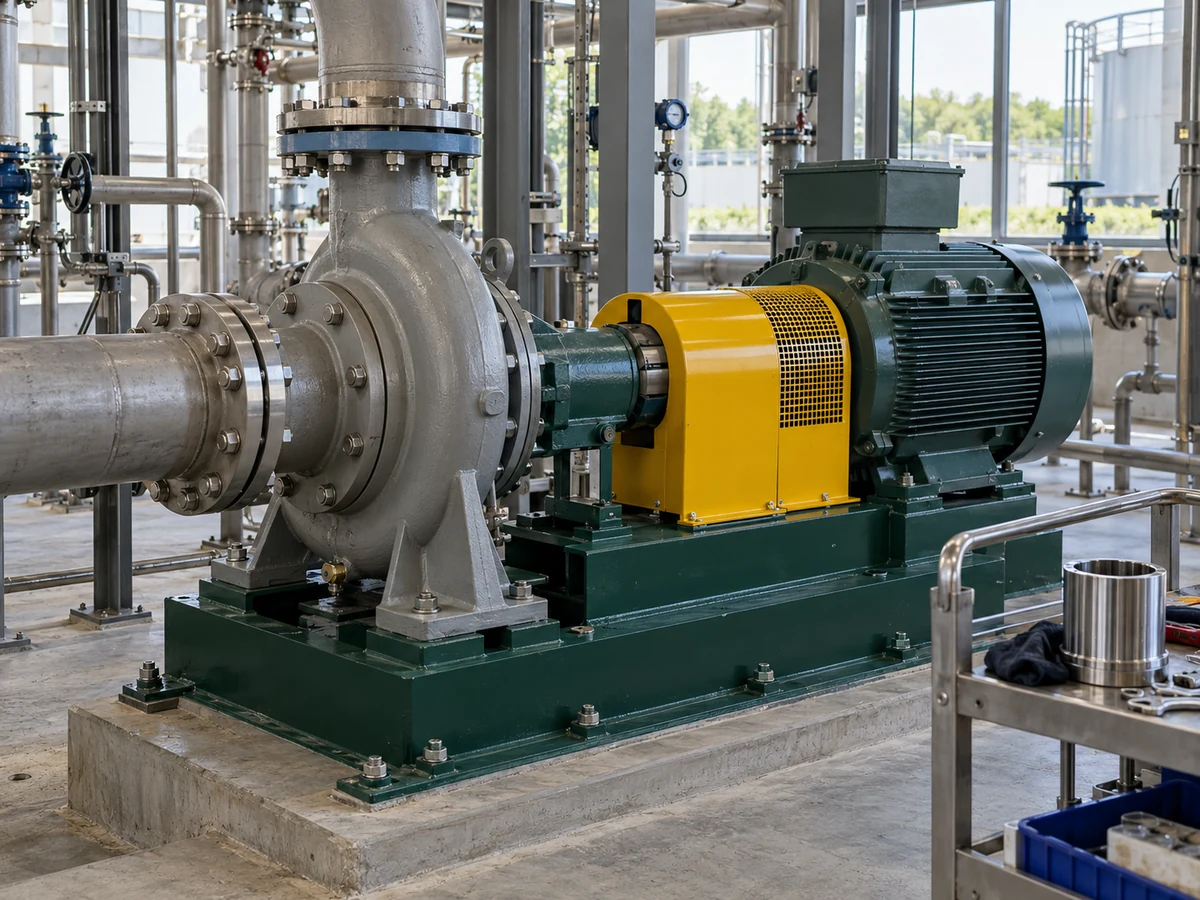
Lower friction, leakage, drag and surface build-up help preserve mechanical efficiency, process control and delivered output.
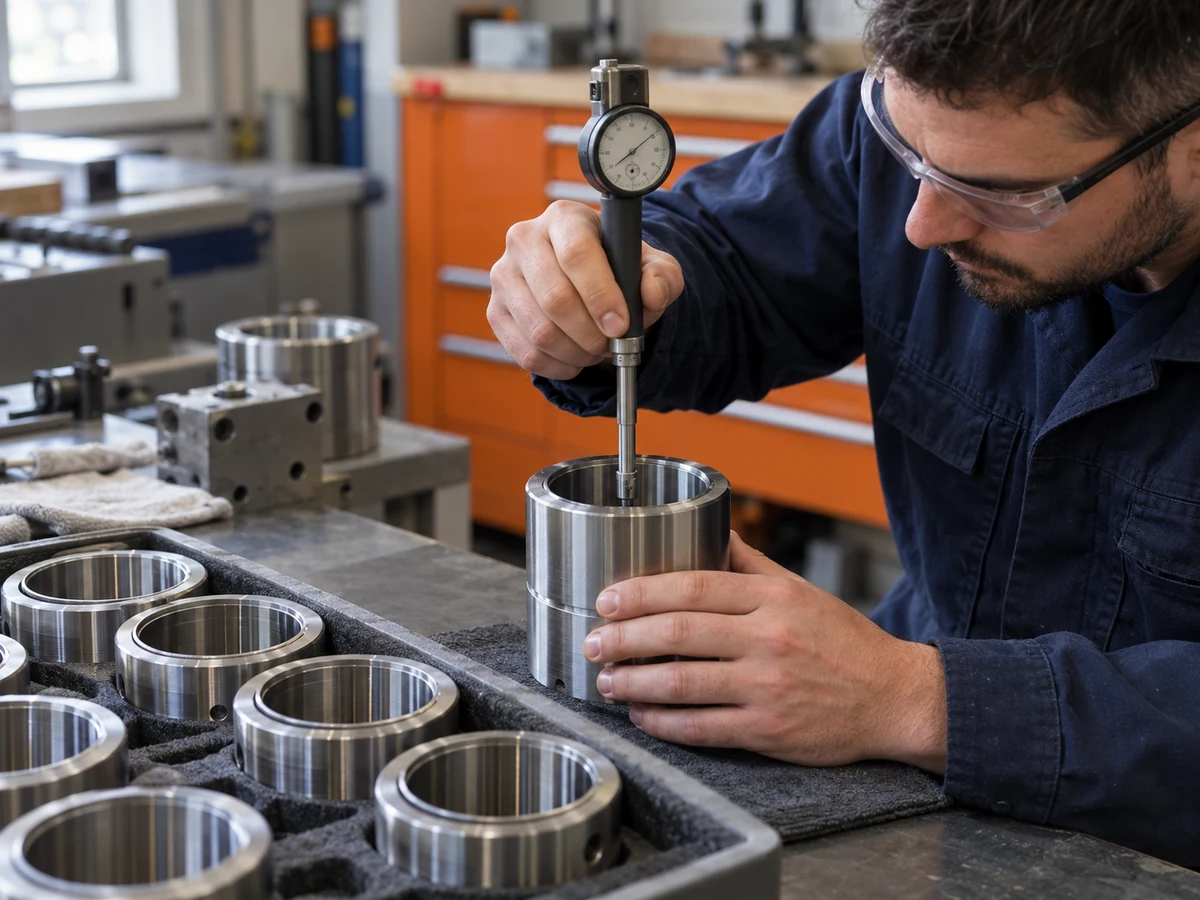
Wear, erosion and corrosion protection helps retain working geometry and surface condition, reducing replacement frequency and lifecycle maintenance.
Across industrial applications, NTI focuses on the surface conditions that influence uptime, product quality, energy use and component life, then connects each challenge to coating routes that can be evaluated for the application.
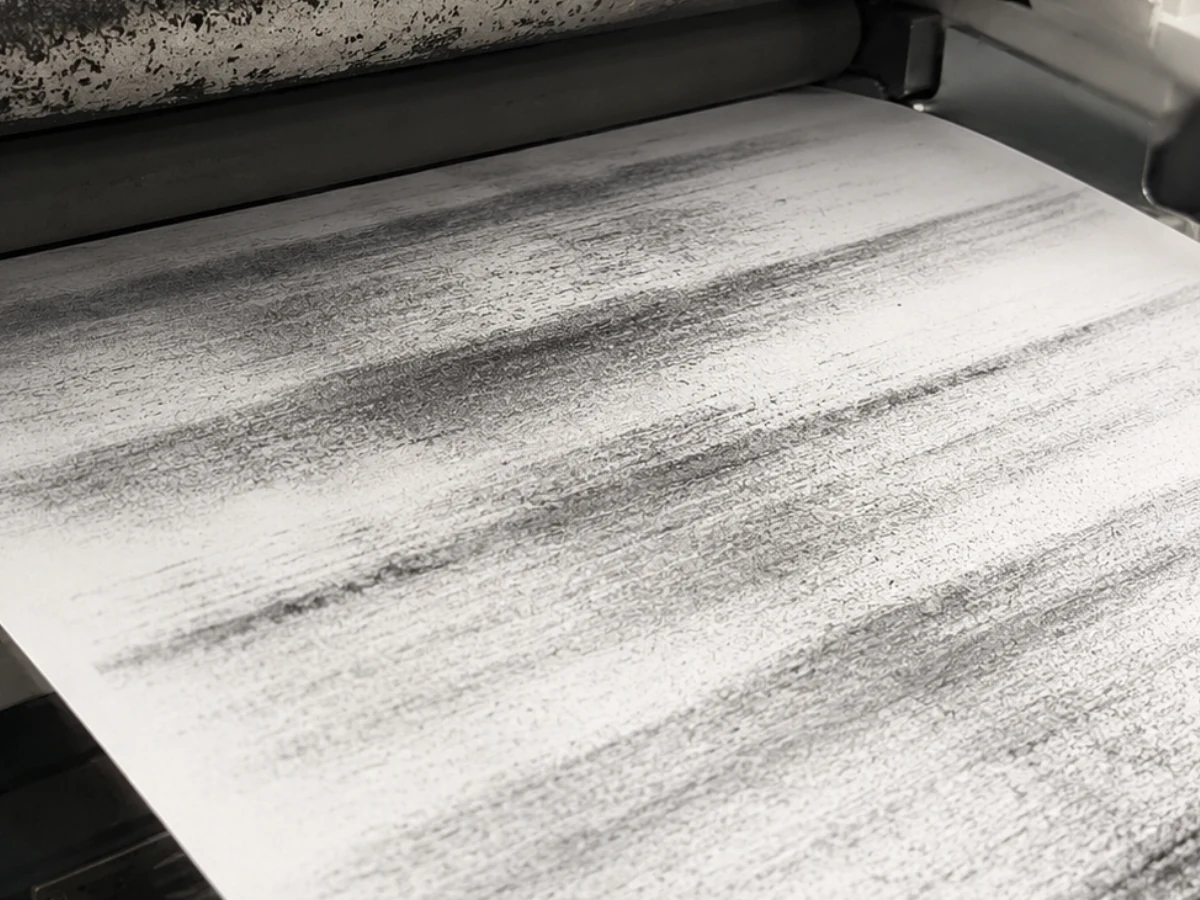
Toner can adhere to rollers and contact surfaces, increasing cleaning and risking image defects. Lower-adhesion surfaces support cleaner transfer, steadier print quality and longer production runs.
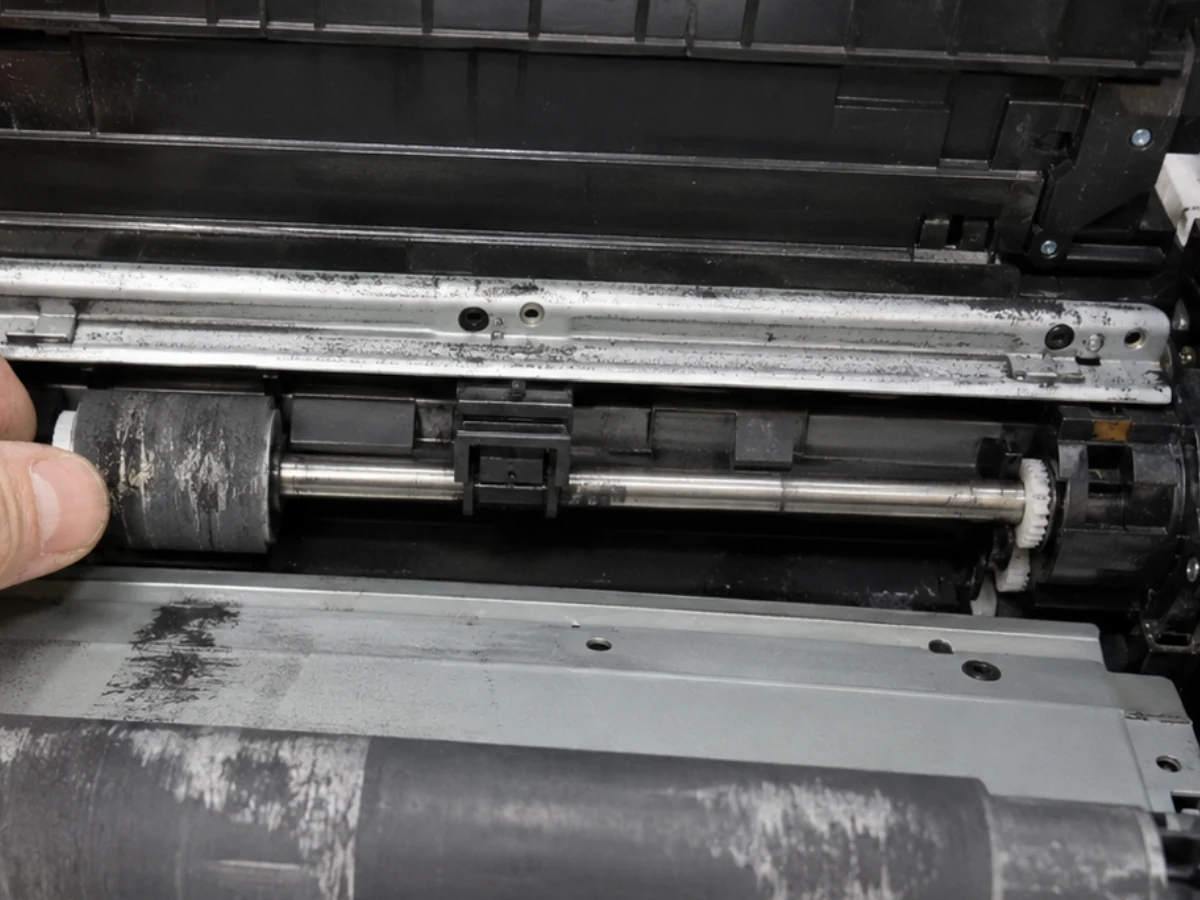
Repeated paper, toner and mechanical contact wear rollers, blades and shields. Wear-resistant surfaces help preserve component condition, reduce replacement frequency and protect machine availability.
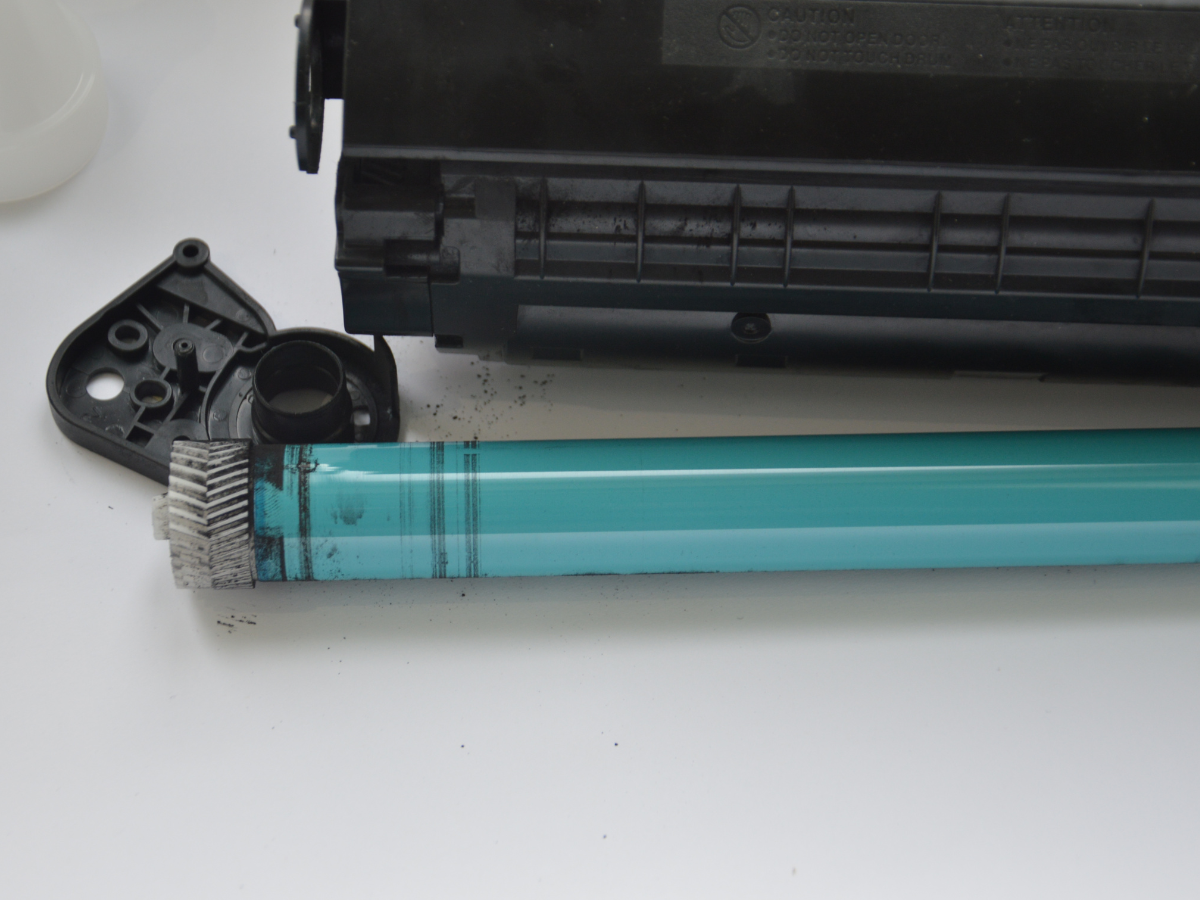
Toner and residues on fusing surfaces can create spots, streaks and service stops. Durable release surfaces support consistent printing and lower cleaning intervention.
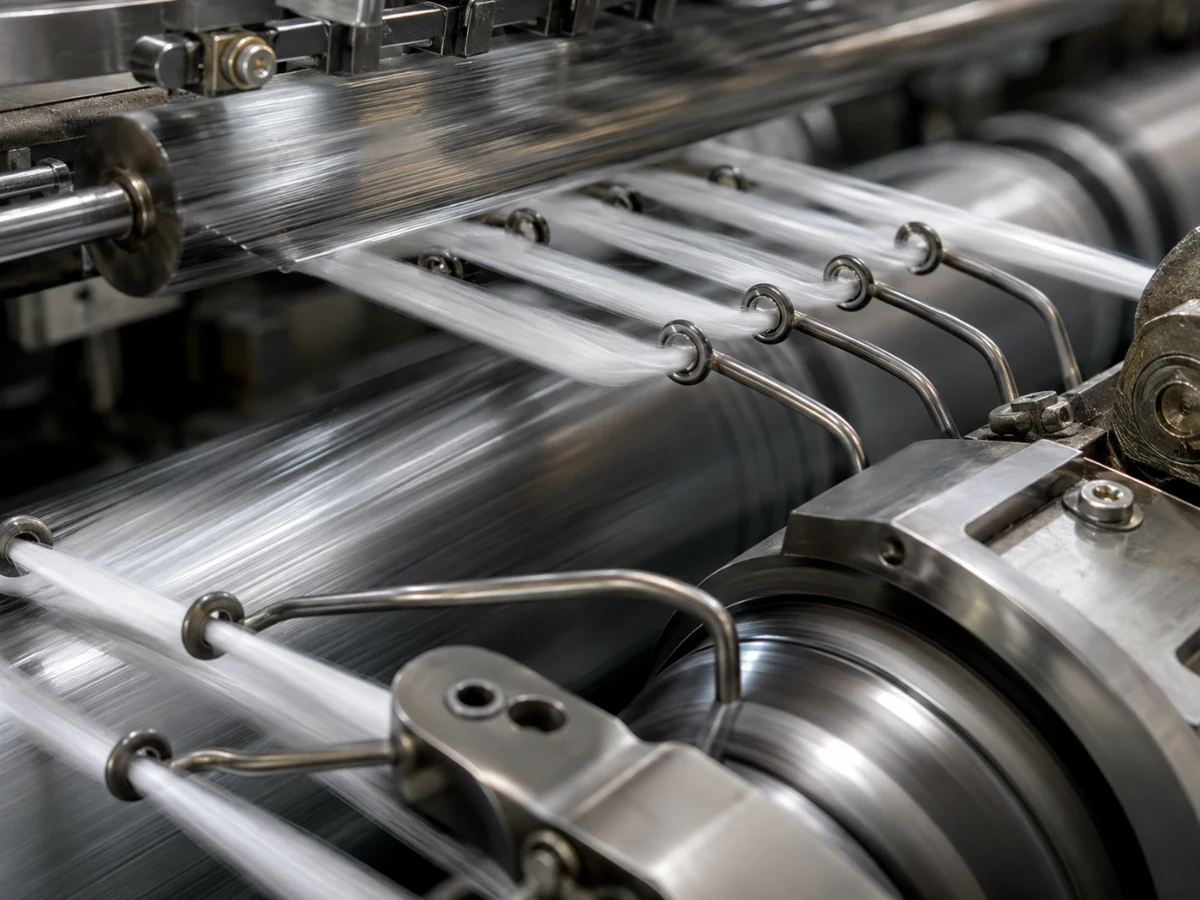
High-speed contact between yarn and machine parts generates friction and heat, limiting component life. Low-friction surfaces support smoother running, higher productivity and fewer interruptions.
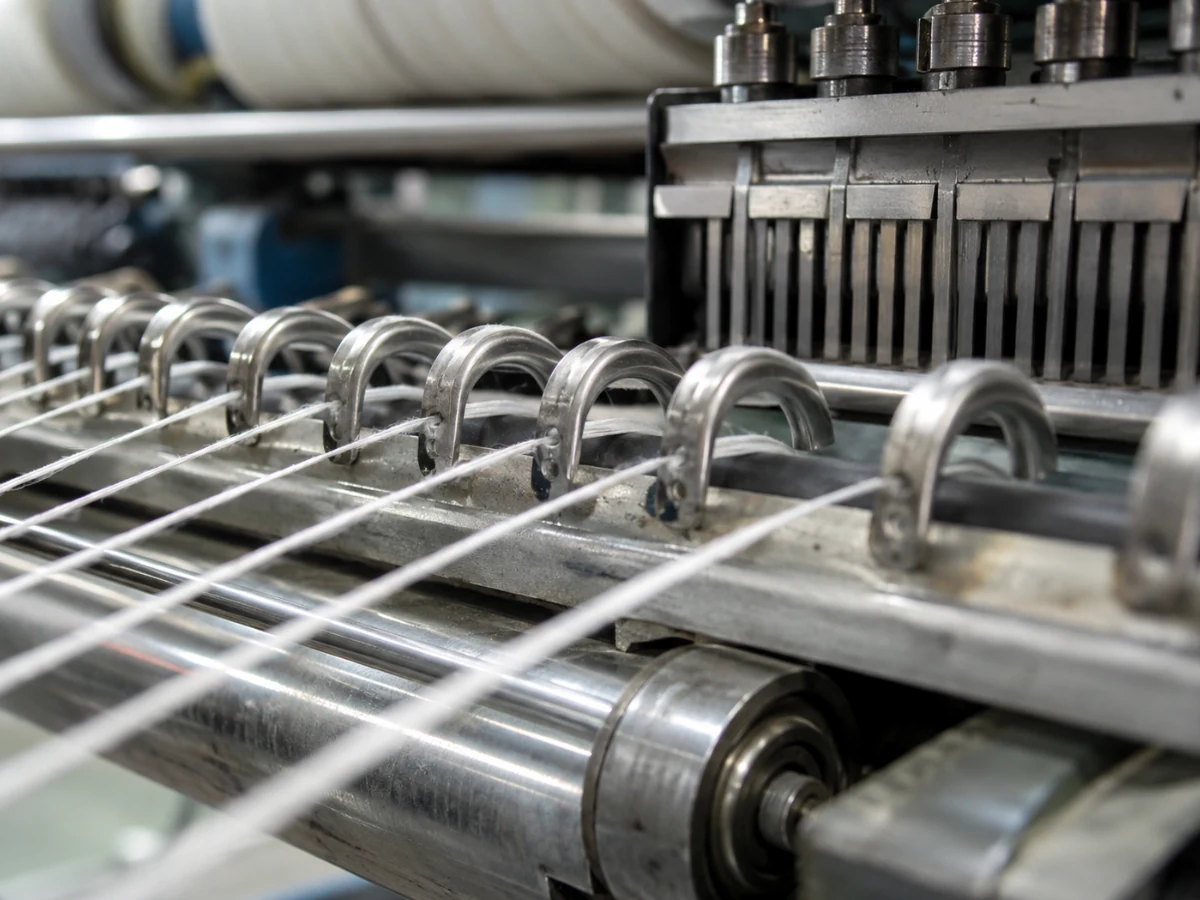
Abrasive fibres can groove reeds, guides, rings and other yarn-contact parts. Wear-resistant surfaces help protect yarn quality, component life and machine utilisation.
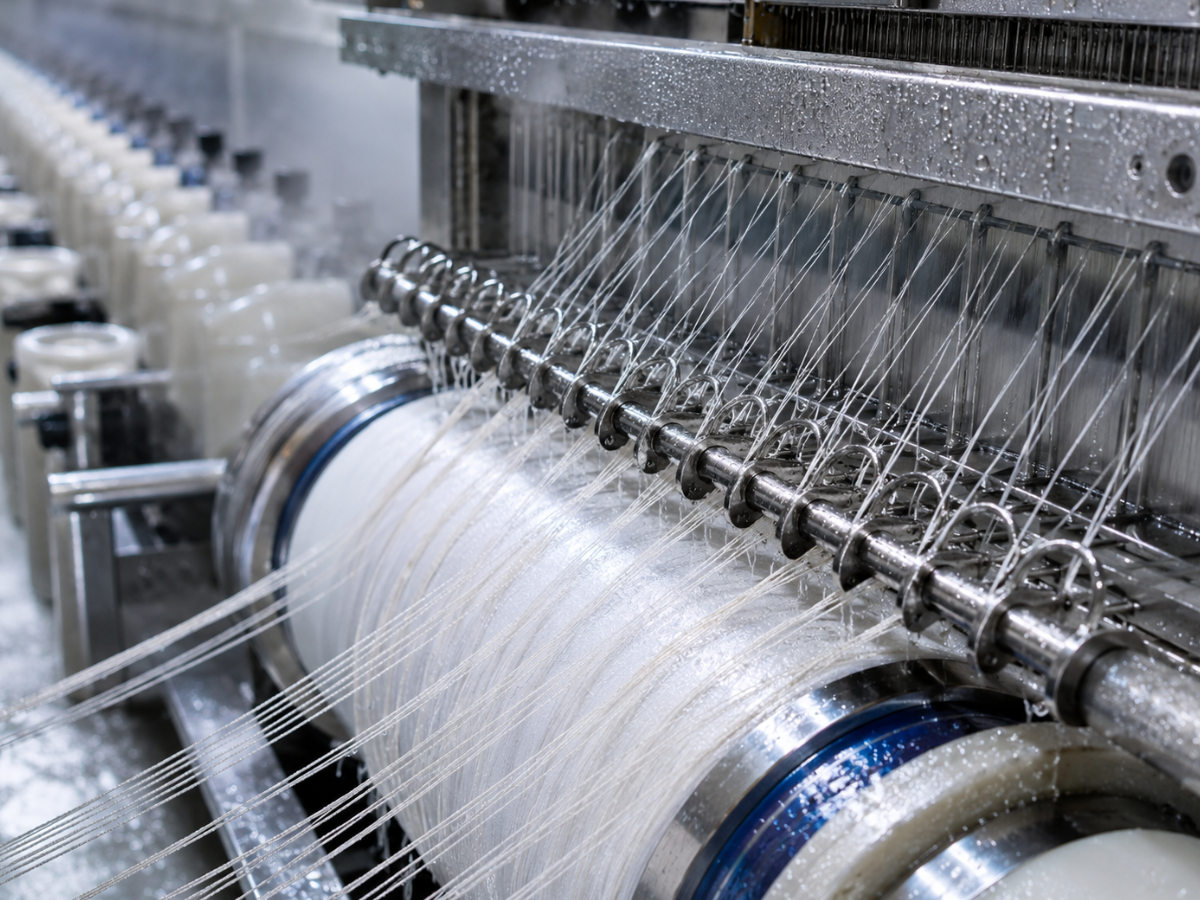
Humidity and process moisture can change friction behaviour and accelerate corrosion on exposed parts. Protective surfaces support reliable movement, consistent yarn handling and longer service intervals.
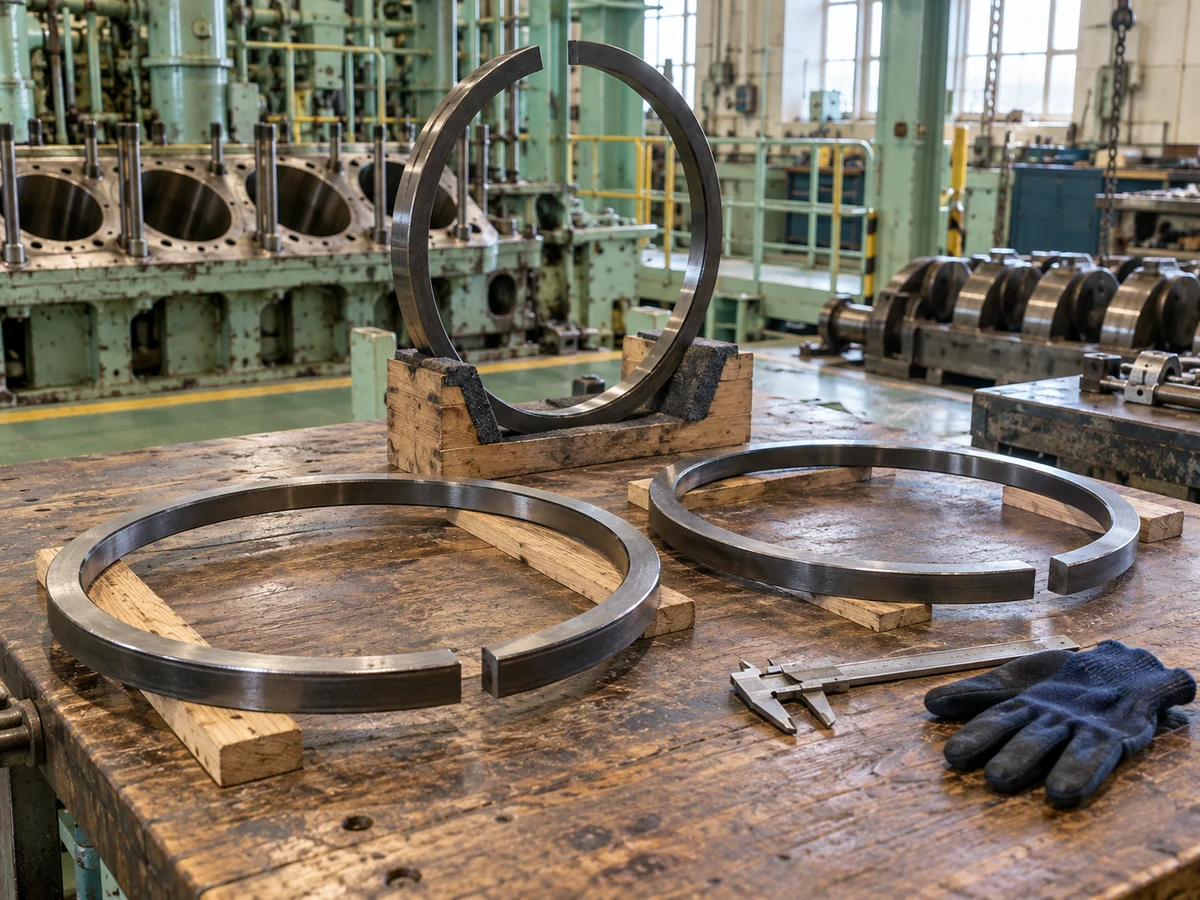
High load, heat and lubrication changes can promote scuffing between piston rings and liners. Protective surfaces help reduce damage, protect sealing and avoid costly engine intervention.
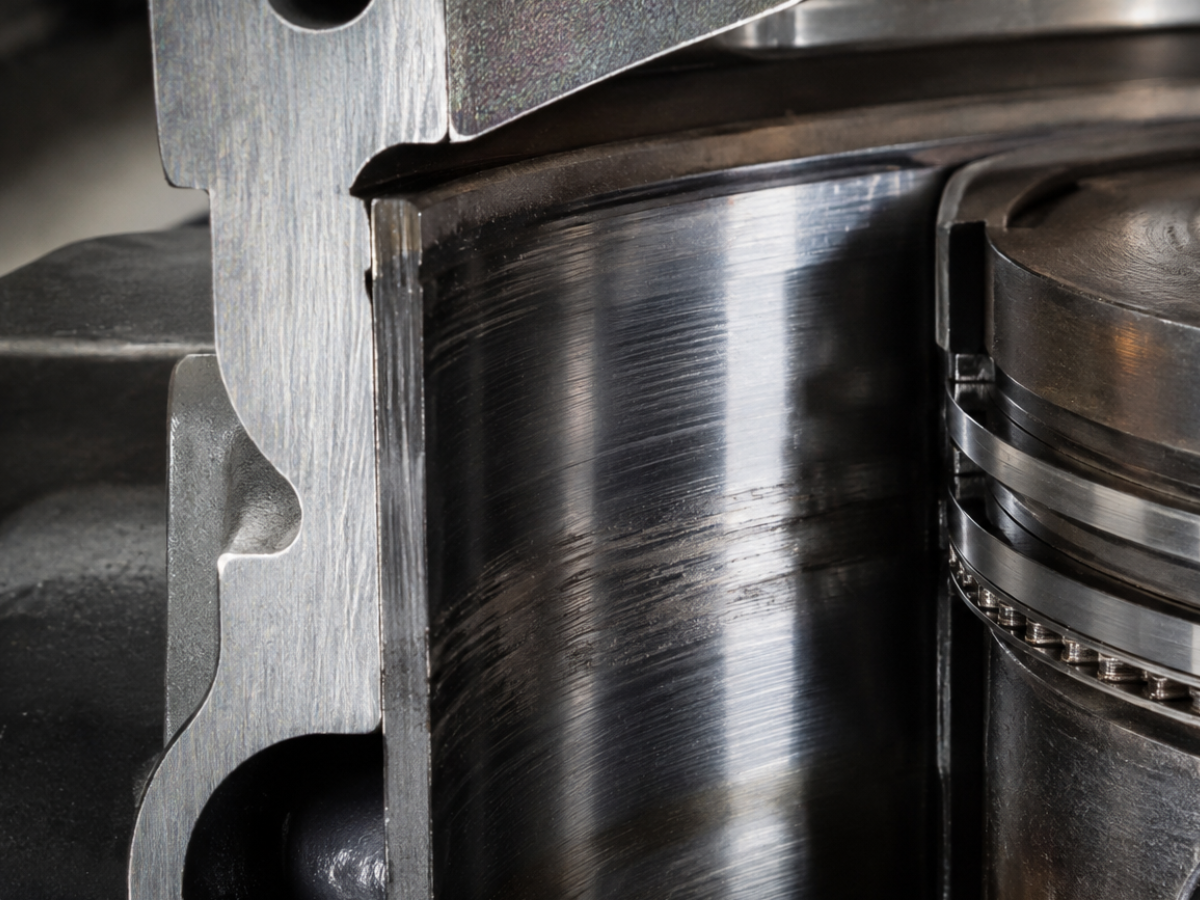
Progressive ring and liner wear changes surface geometry and sealing performance. Wear-resistant coatings help preserve liner condition, extend overhaul intervals and reduce lifecycle maintenance cost.
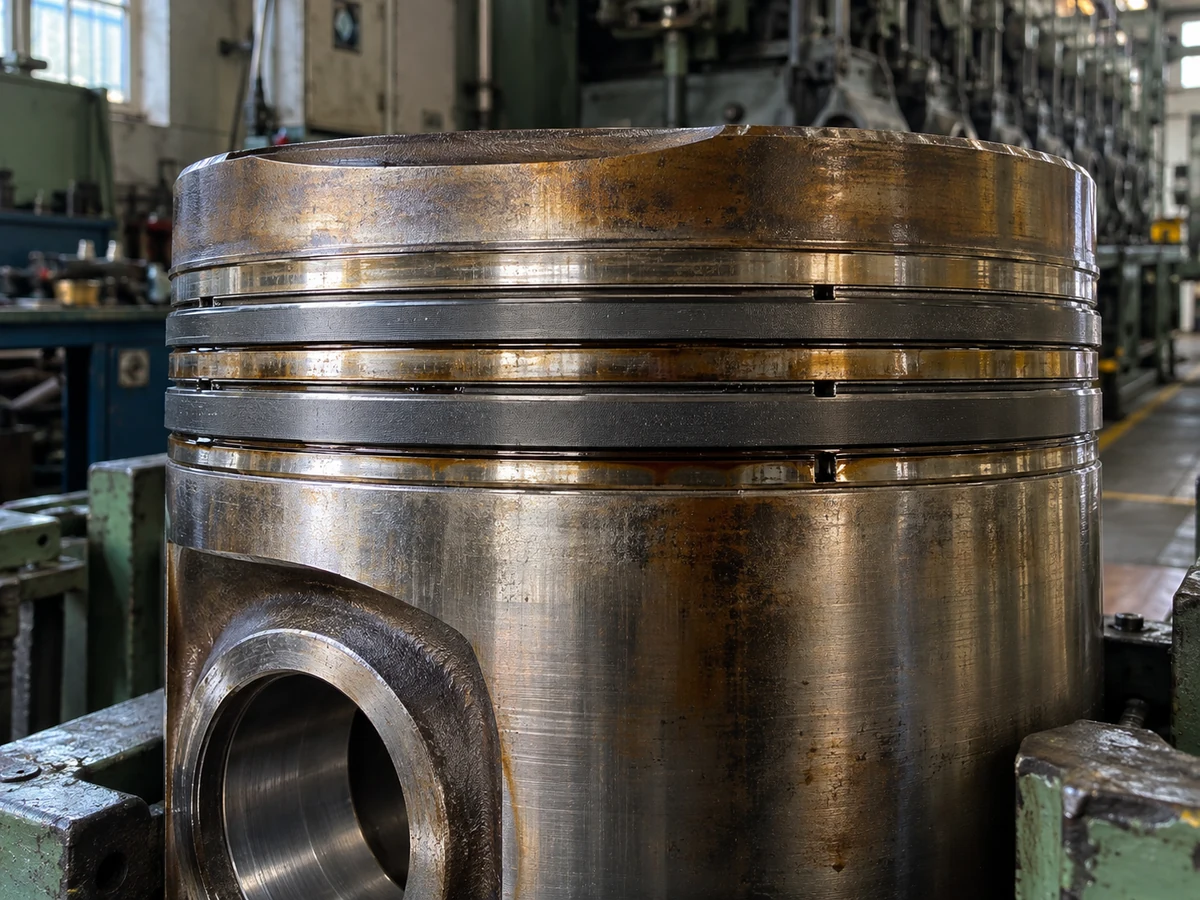
Friction at ring-liner contact consumes mechanical energy and increases heat. Low-friction, wear-resistant surfaces support engine efficiency, sealing stability and sustained performance.
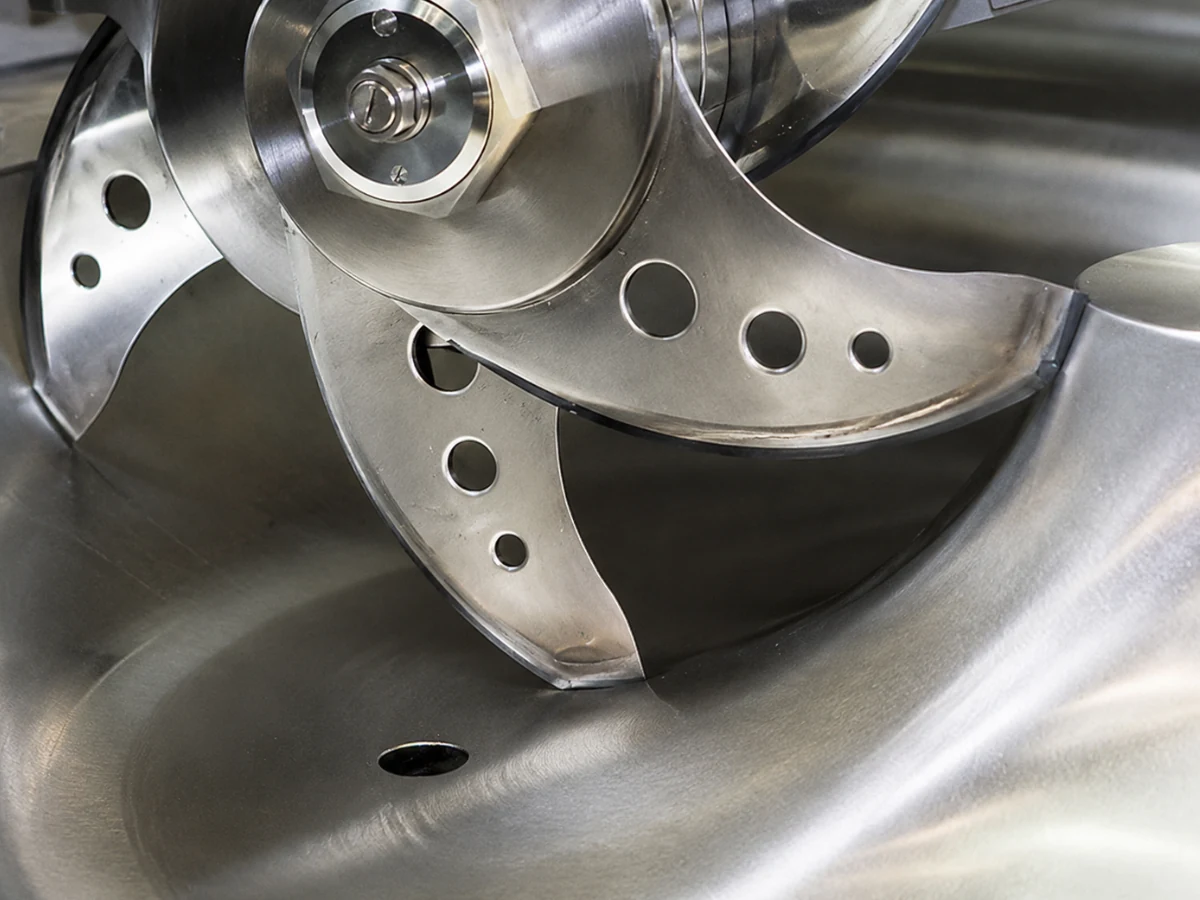
High-speed knives and cutting sets gradually lose working geometry under repeated processing. Wear-resistant surfaces support consistent cutting performance, product quality and longer replacement intervals.
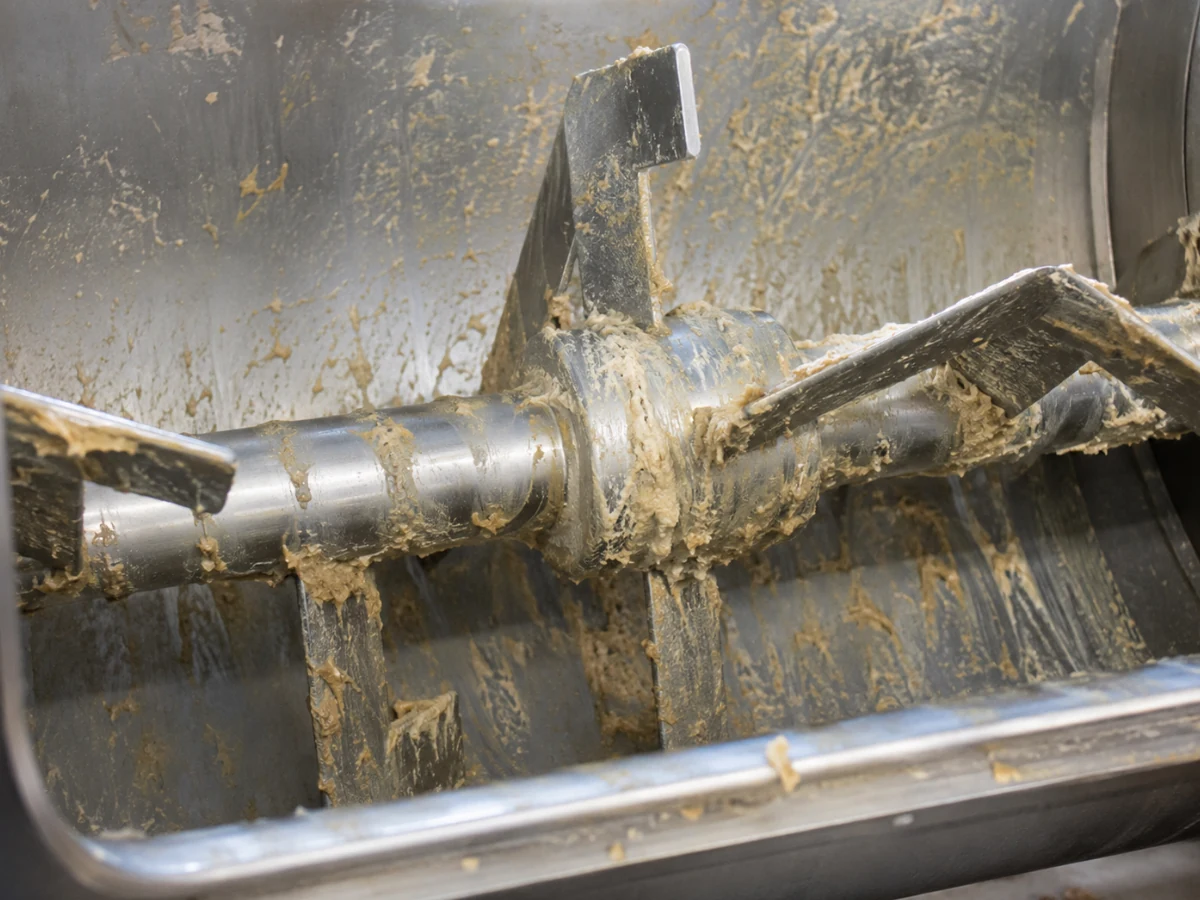
Food residues can adhere to mixer, shaft and processing surfaces, increasing cleaning effort and downtime. Lower-adhesion surfaces support easier cleaning, faster turnaround and sustainable production.
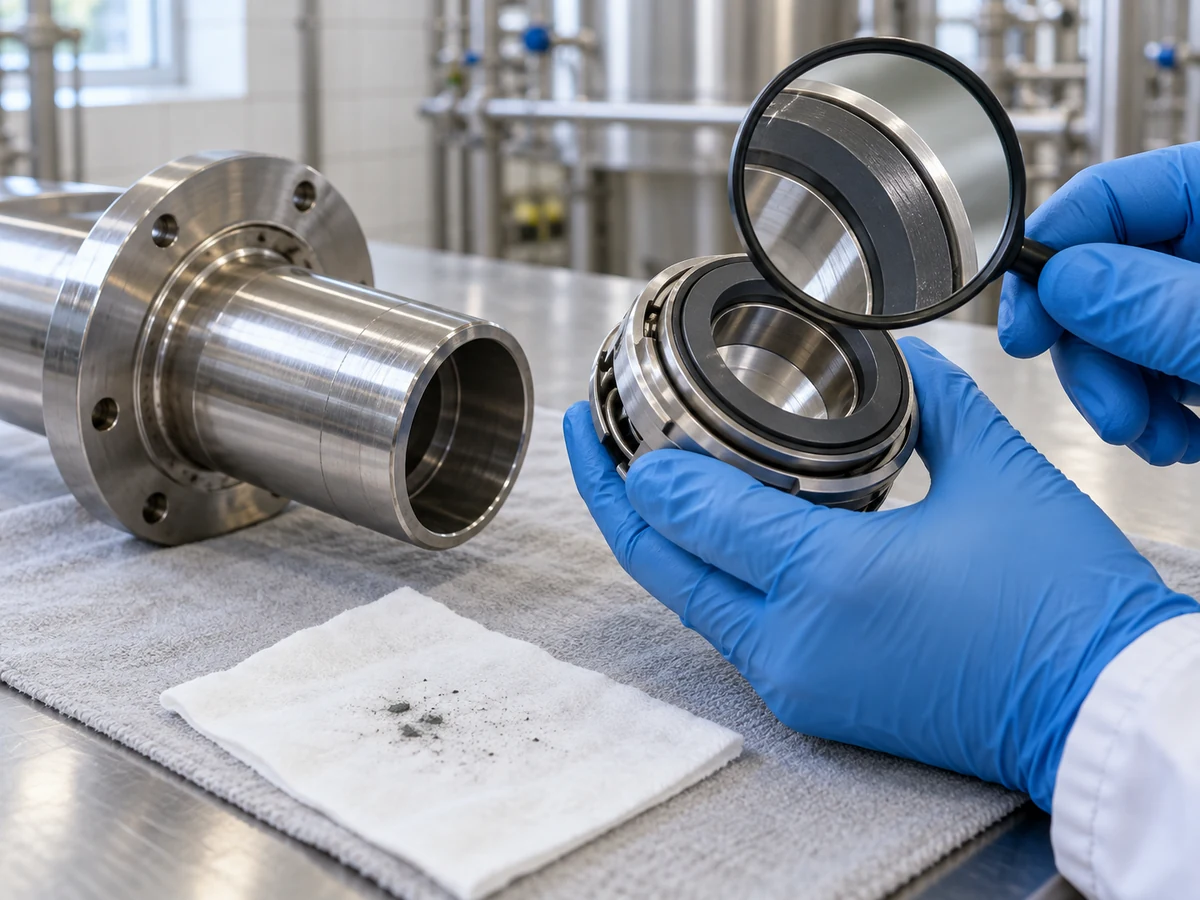
Wear at moving interfaces can generate unwanted debris and shorten service intervals. Durable surfaces help reduce wear generation, protect process reliability and support product quality.
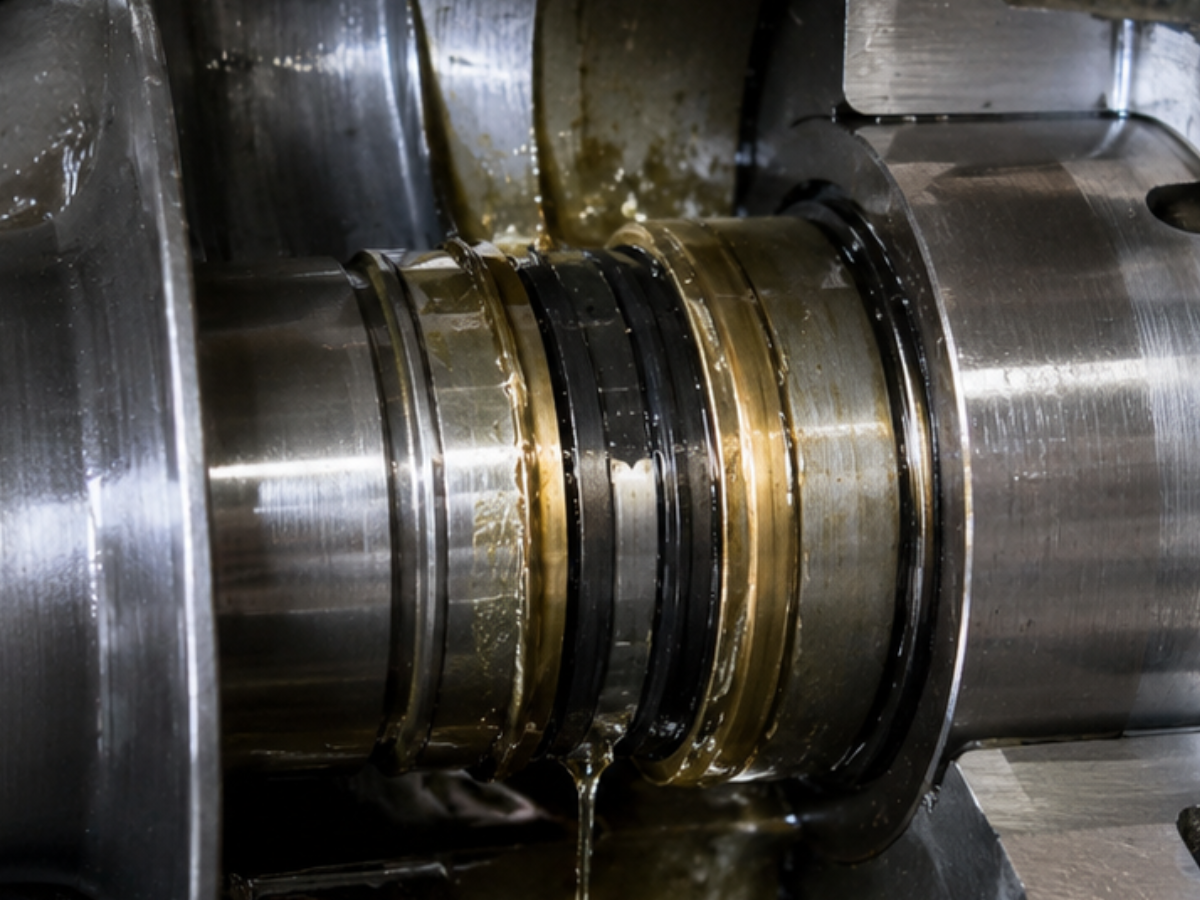
Wear at rotors, seals and wear-ring clearances can increase internal leakage and efficiency loss. Protecting these surfaces helps maintain delivered performance and energy efficiency.
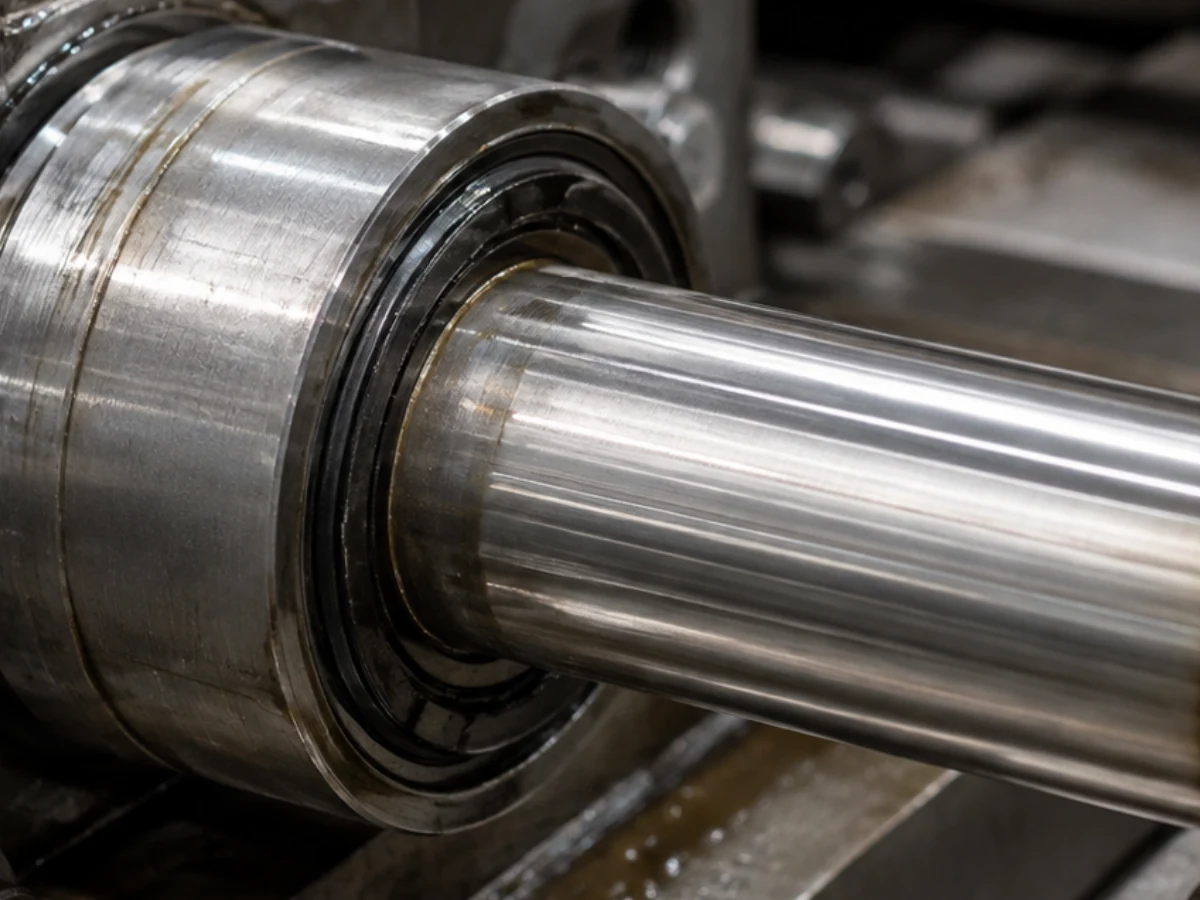
Shafts, sleeves, plungers, bearings and seal interfaces face repeated sliding, sometimes with limited lubrication. Low-friction wear protection supports longer service life and fewer maintenance stops.
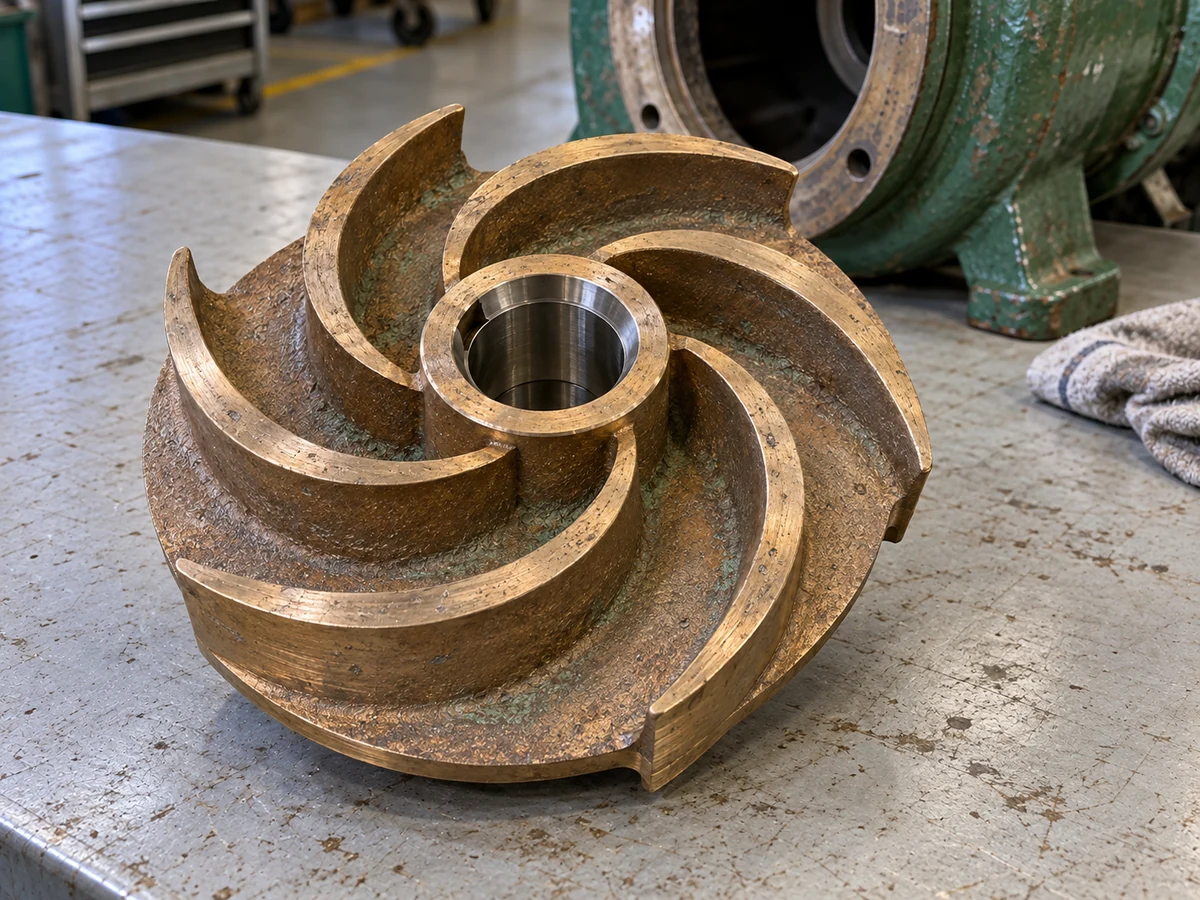
Abrasive or corrosive media can attack impellers and flow surfaces, changing geometry and performance. Protective coatings help preserve hydraulic efficiency, reliability and maintenance intervals.
From toner handling and yarn contact to marine piston rings, food processing tools and fluid-handling components, NTI surface technologies help protect working surfaces, reduce friction and contamination, and maintain process performance.
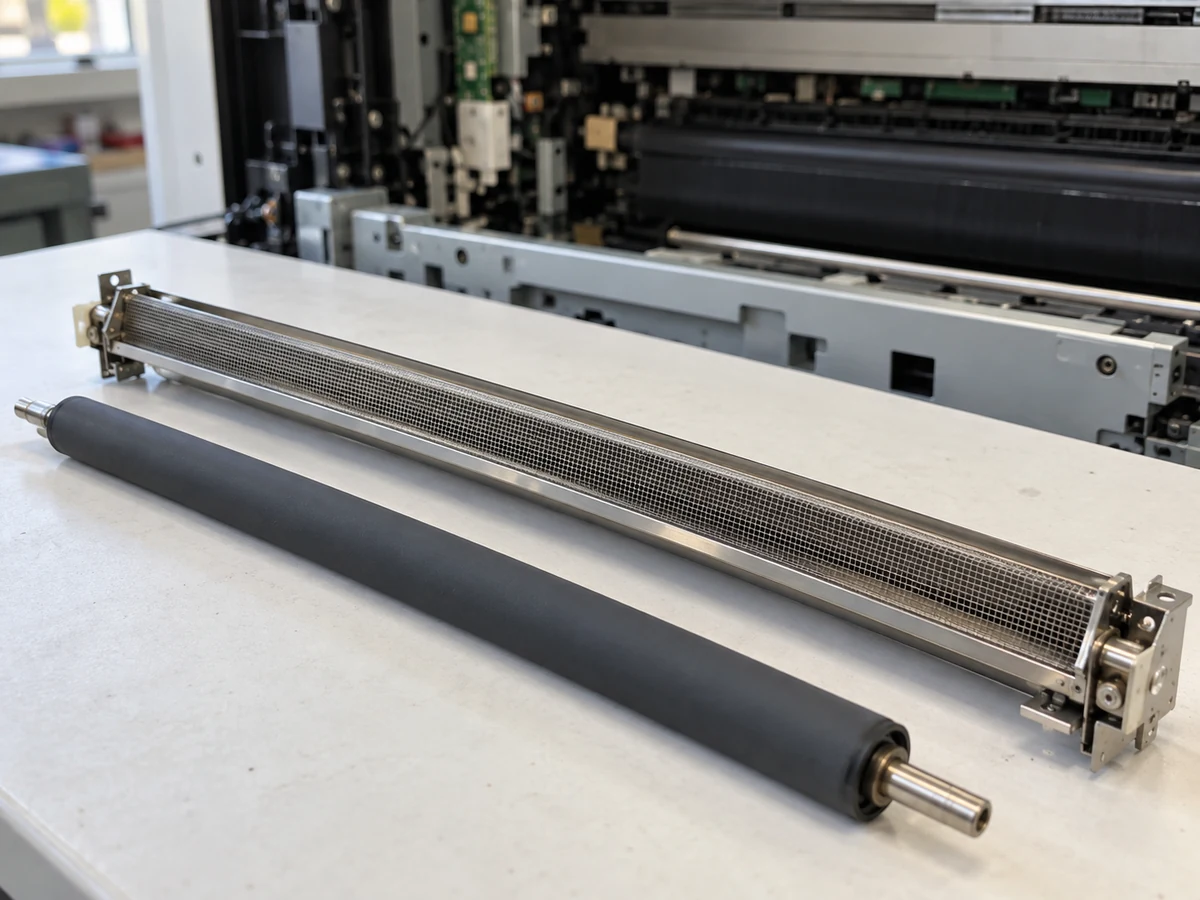
NTI TAC-ON Protect™ protects charging grids, shields and rollers against ozone and NOx corrosion, helping preserve dimensional stability and extend service life.
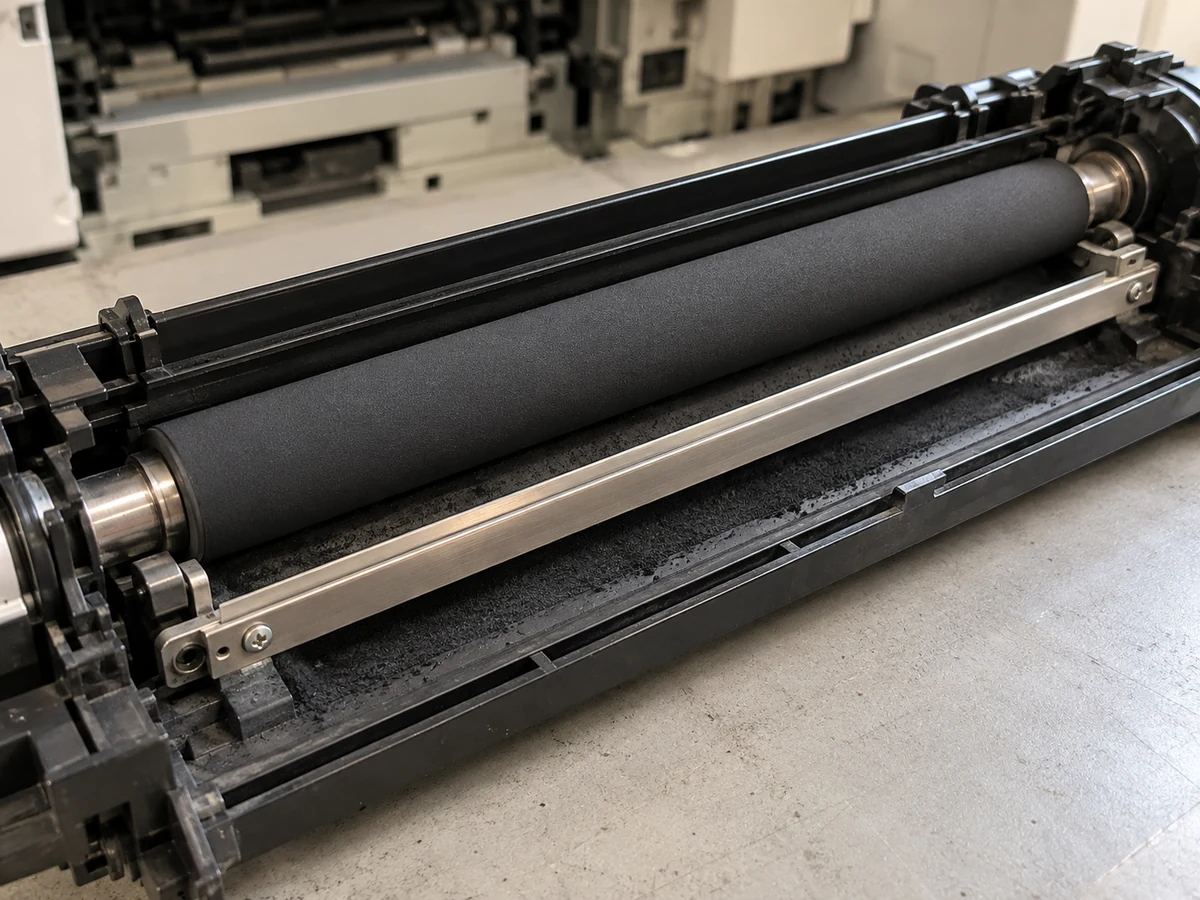
NTI TAC-ON Protect™ resists toner abrasion and lowers adhesion on developer rollers and doctor blades, helping maintain cleaner transfer and more stable print quality.
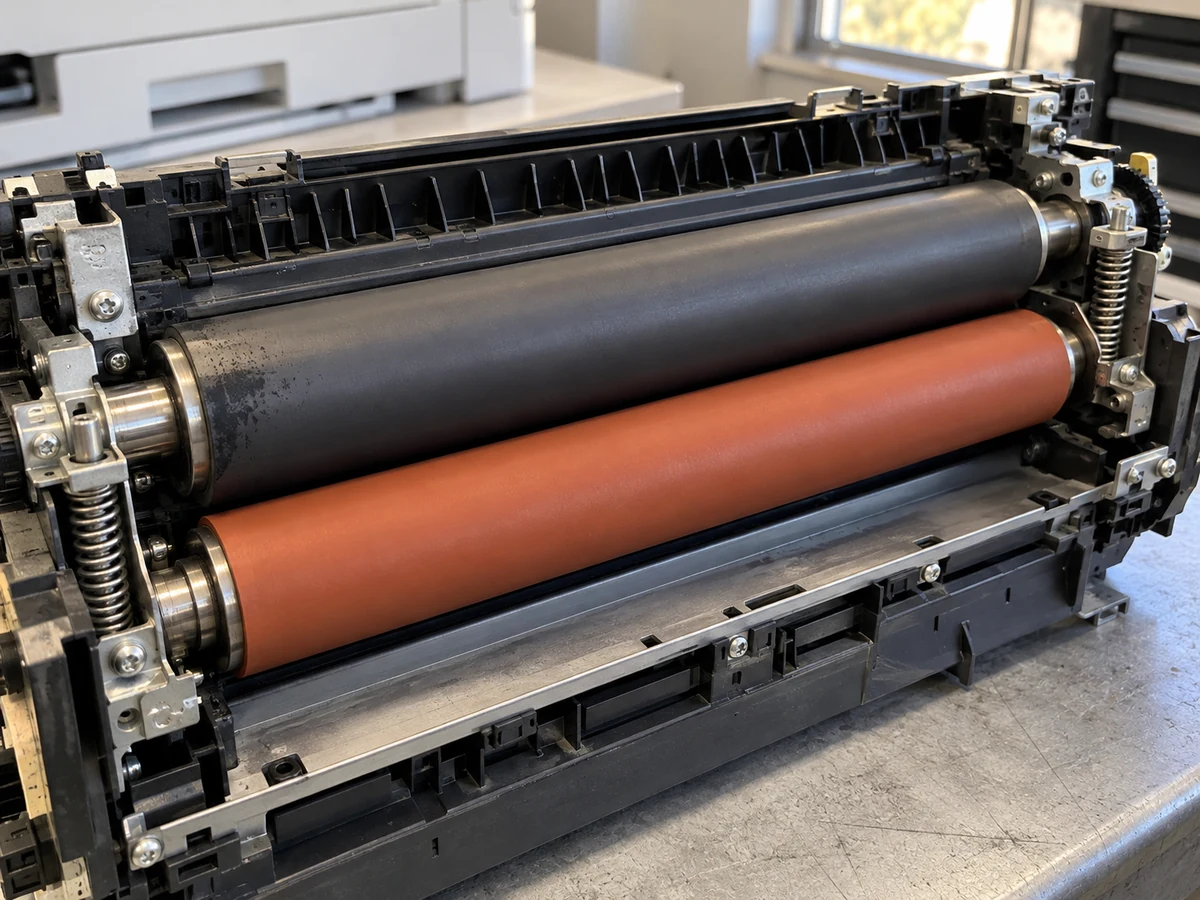
NTI TAC-ON Protect™ supports smooth toner release and lower friction on fusing rollers and fixing parts, helping reduce contamination and maintain print consistency.
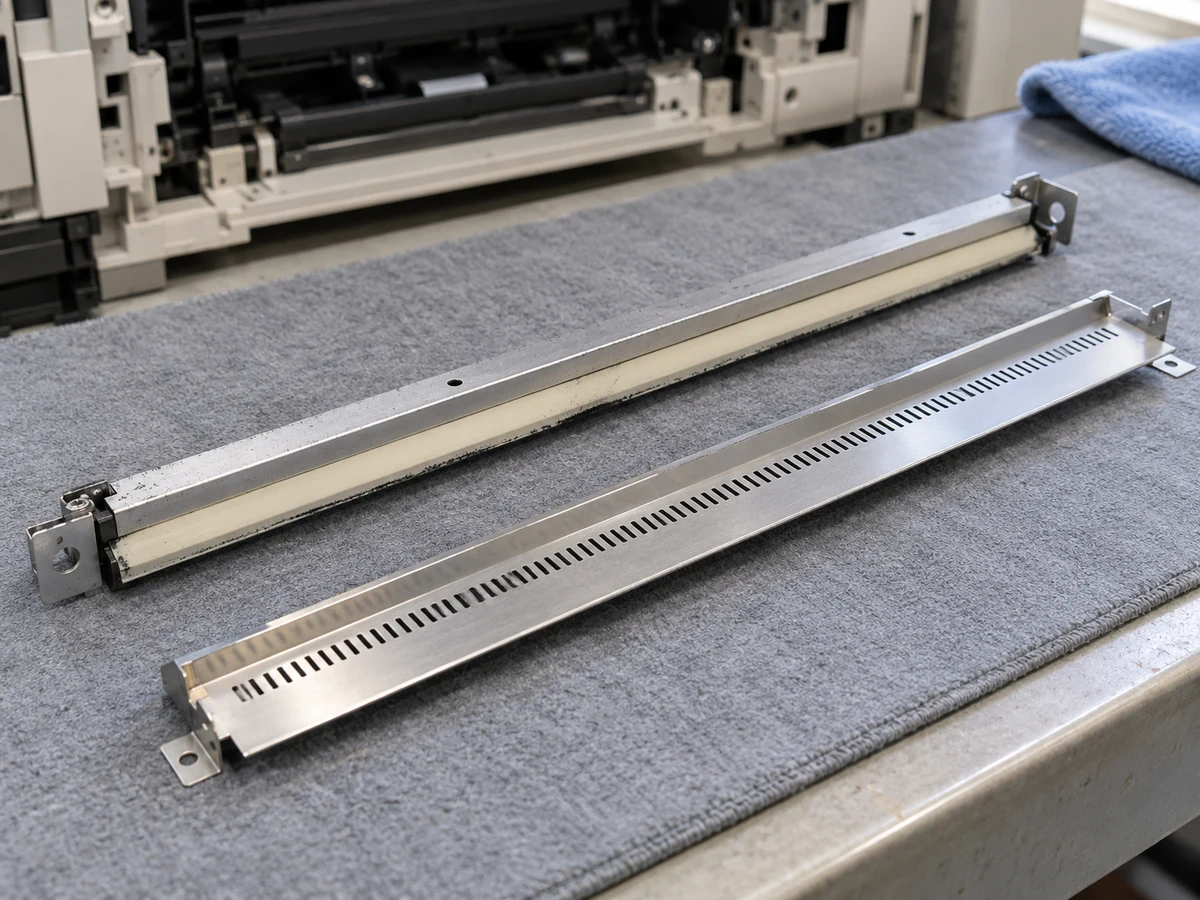
NTI TAC-ON Protect™ protects cleaning blades and discharge shields against wear, corrosion and particle adhesion, helping reduce maintenance intervention across repeated operating cycles.
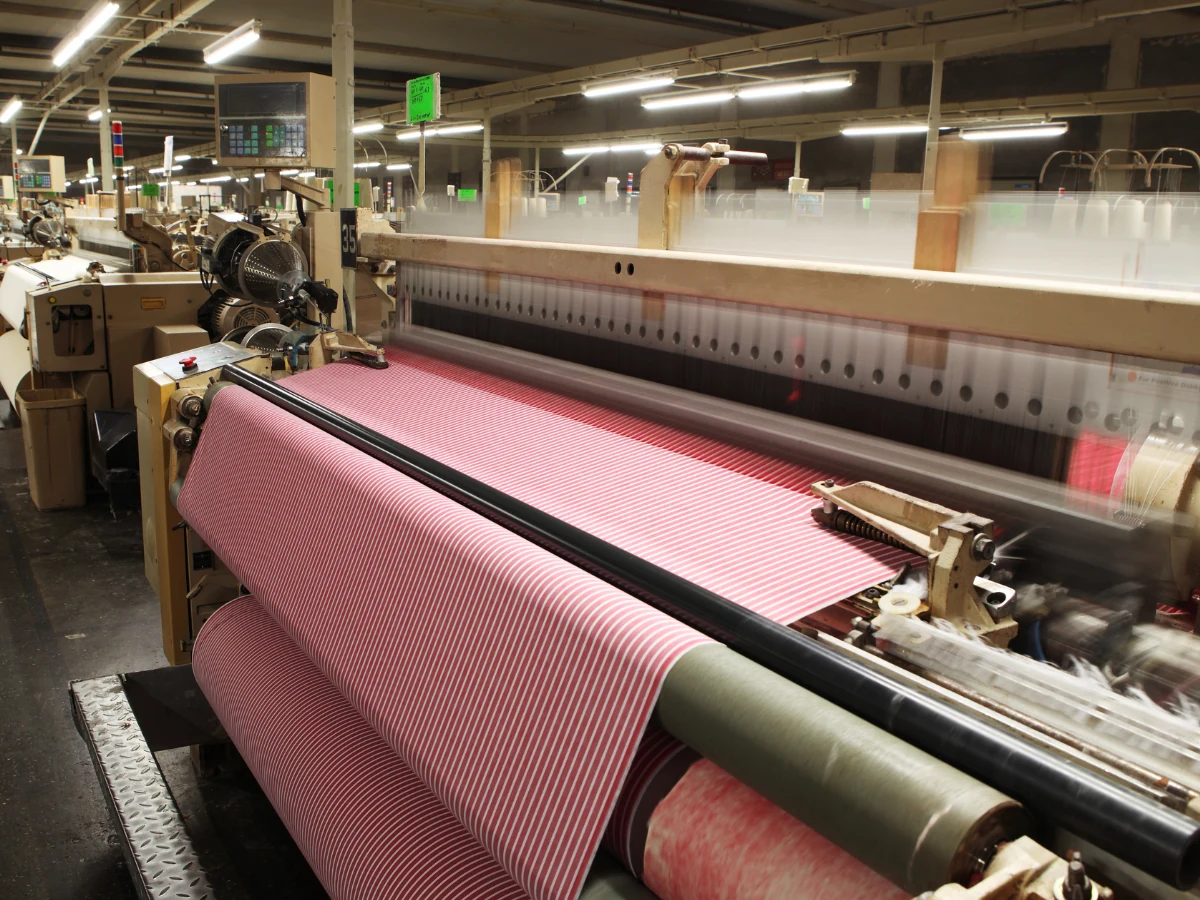
NTI TAC-ON Protect™ reduces yarn friction, sticking and groove formation on weaving reed teeth, helping protect yarn handling and extend component life.
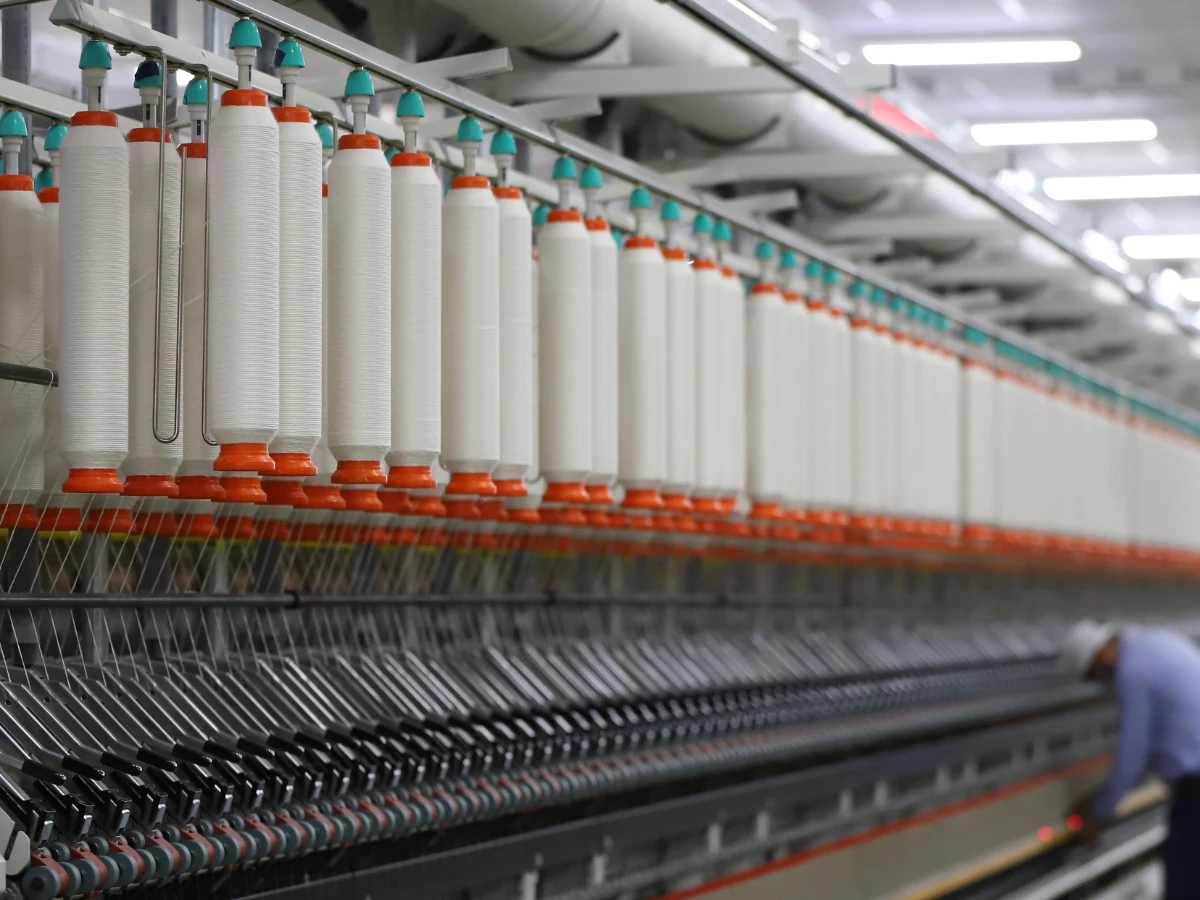
NTI TAC-ON Protect™ helps lower friction and wear across high-speed spindles, spinning rings and traveller surfaces while supporting smoother operation in demanding textile environments.
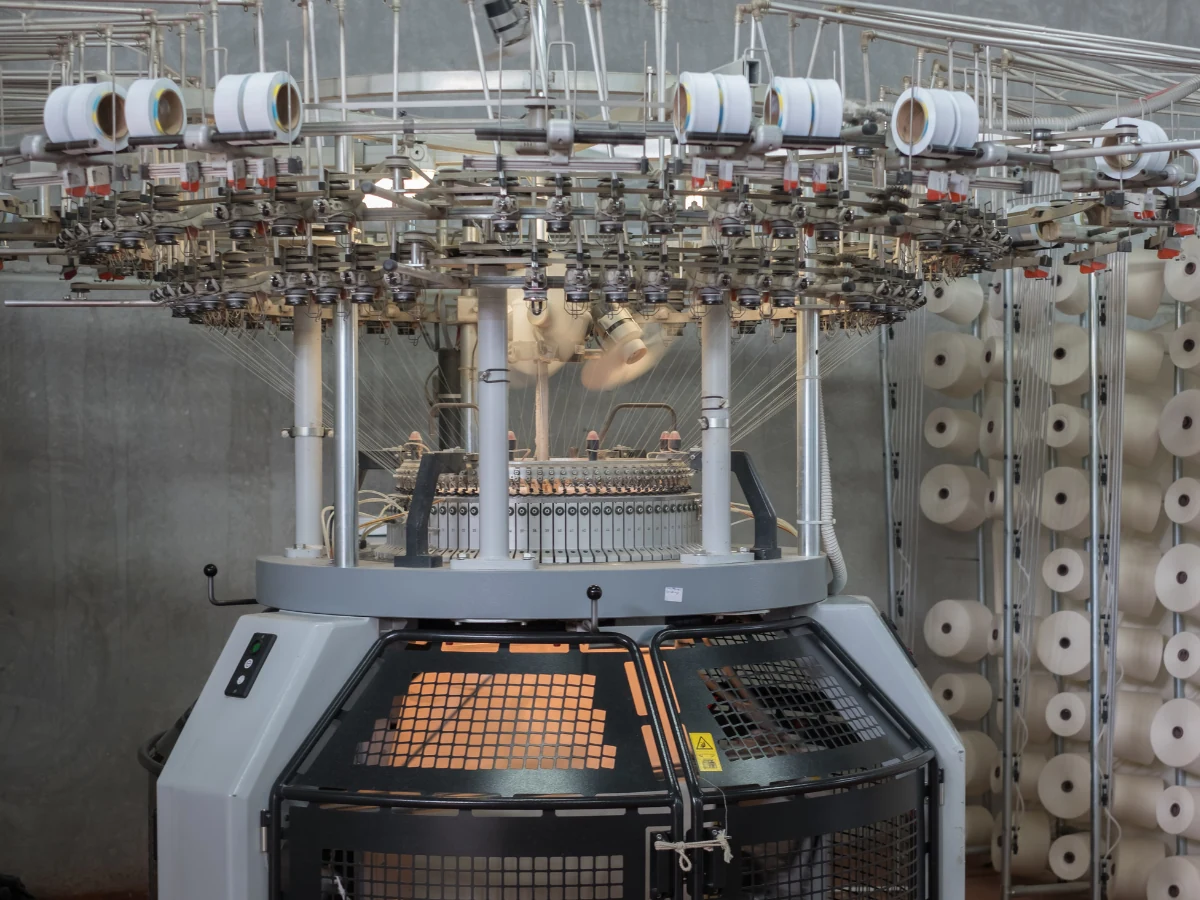
NTI Protect™ surface solutions help control friction and wear across needles, sinkers and cam parts, supporting more stable high-cycle knitting performance.
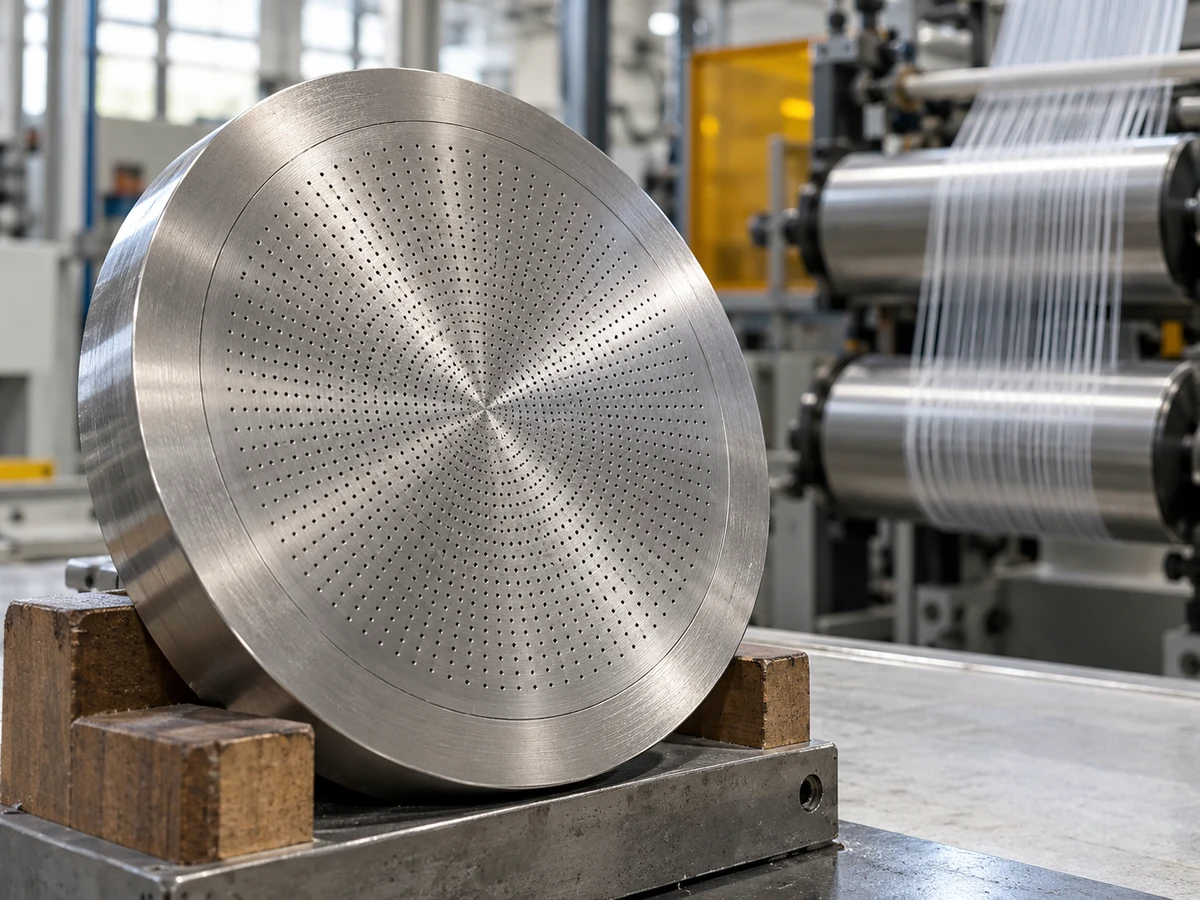
NTI Protect™ surface solutions support wear and corrosion control across spinnerets, godet rolls and metering pumps, helping maintain fibre-processing consistency.
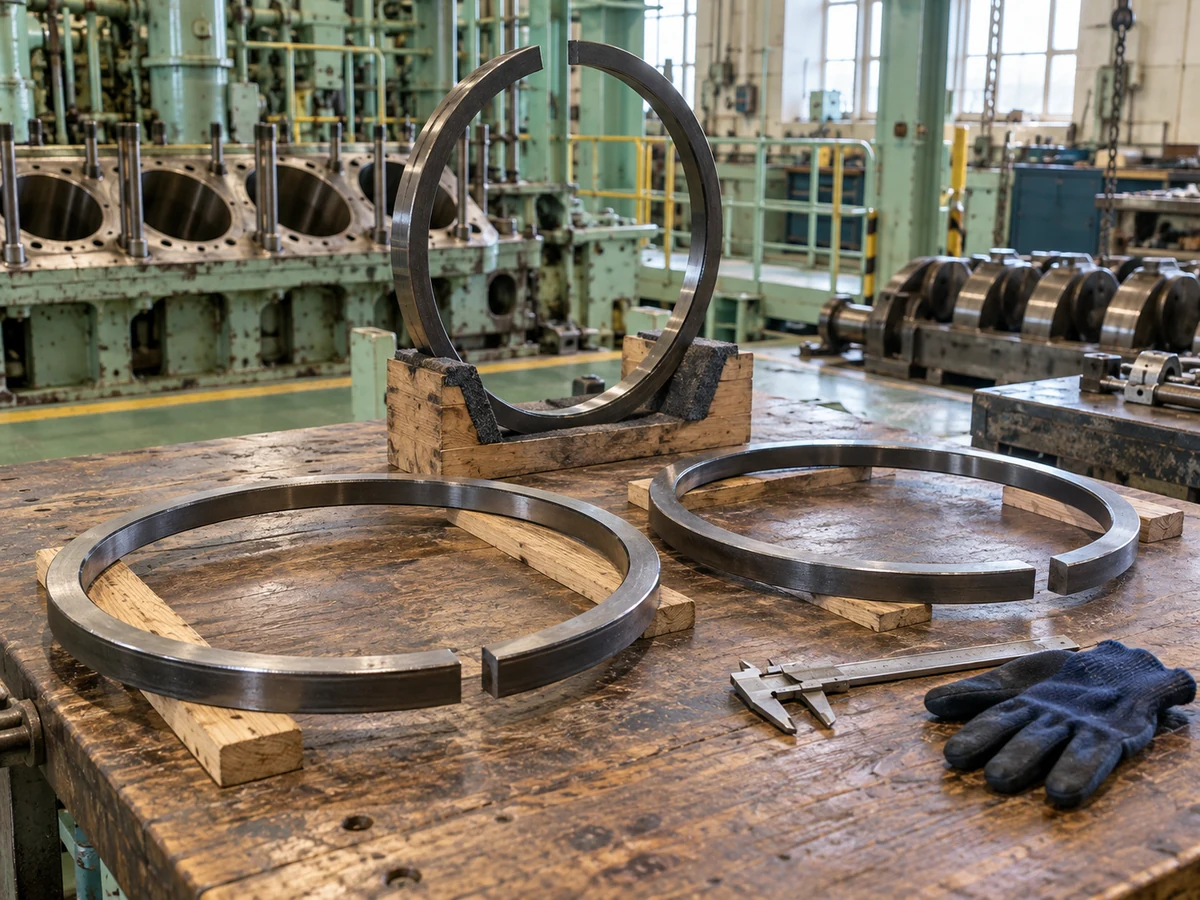
NTI i-TAC Protect™ reduces friction, wear and scuffing on marine piston rings, supporting sealing stability, engine efficiency and longer maintenance intervals.
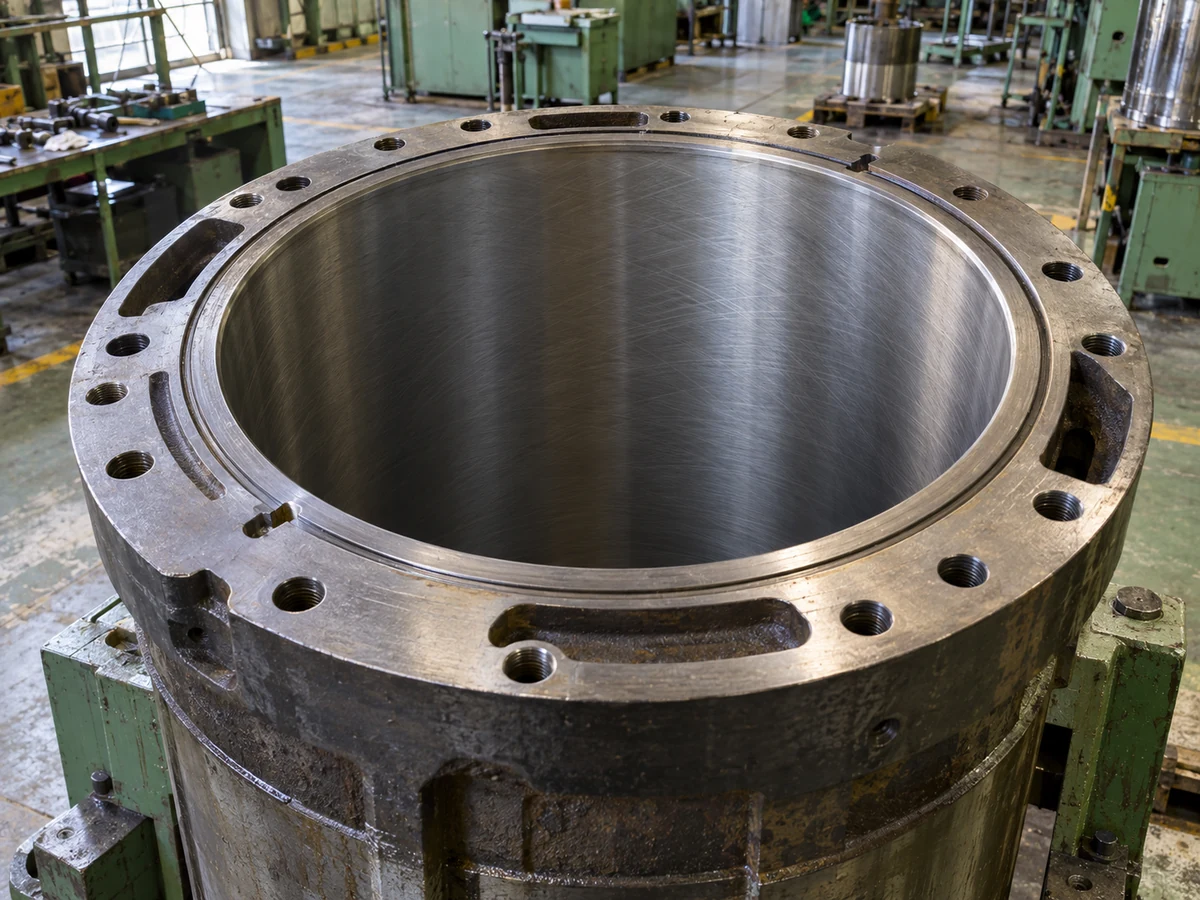
NTI i-TAC Protect™ protects liner-facing ring surfaces against progressive wear, helping preserve sealing performance under high-load operating conditions.
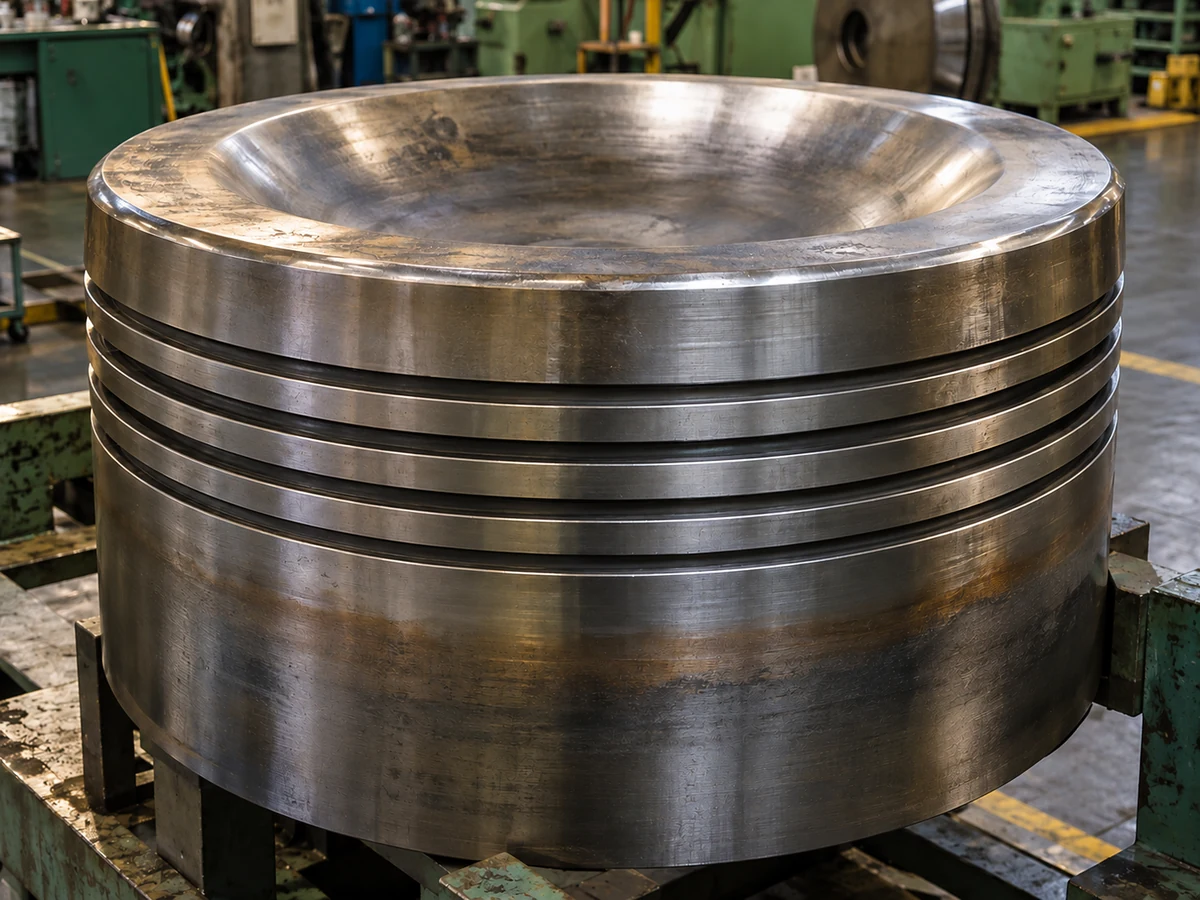
NTI i-TAC Protect™ protects ring grooves and running surfaces against friction-driven wear across extended marine engine duty cycles.
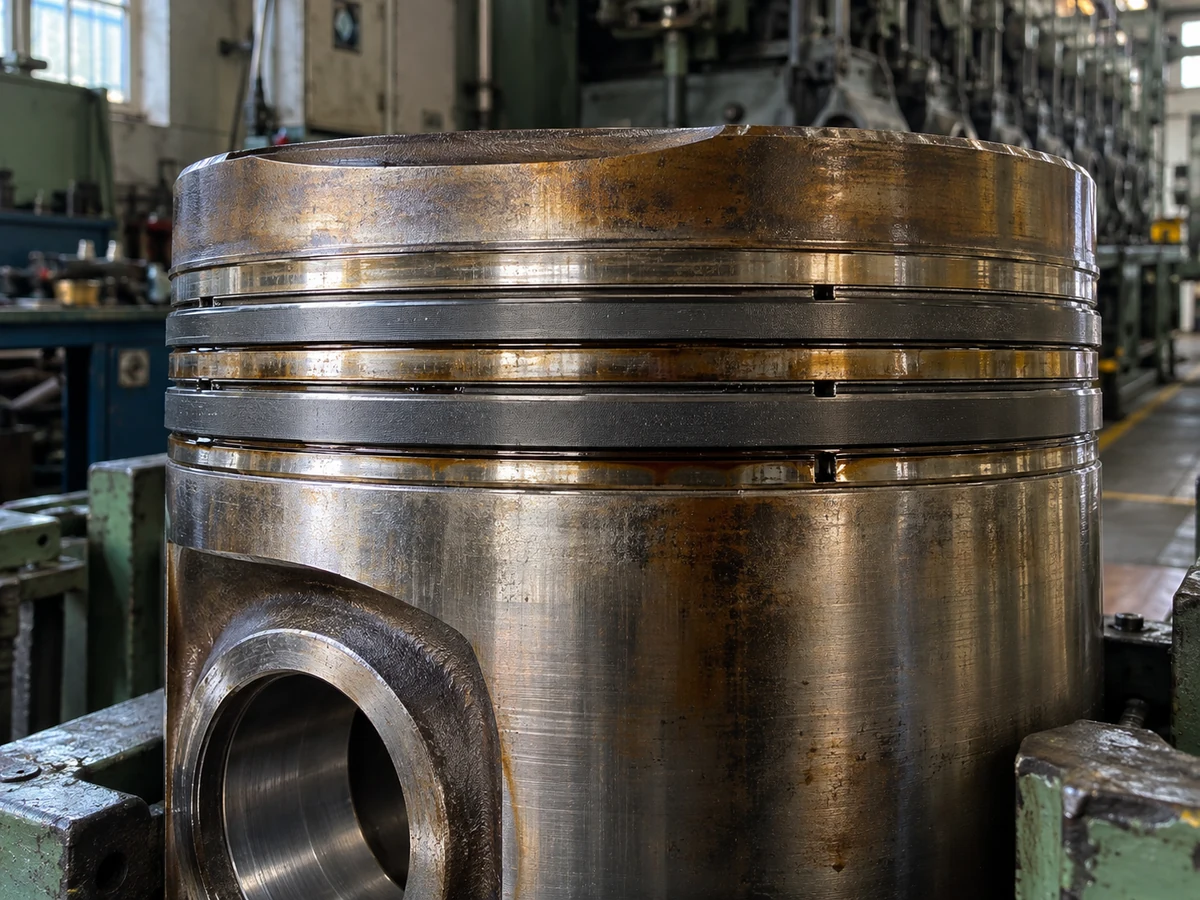
NTI i-TAC Protect™ maintains low-friction, wear-resistant surface performance across hot, oil-lubricated sliding interfaces in marine engines.
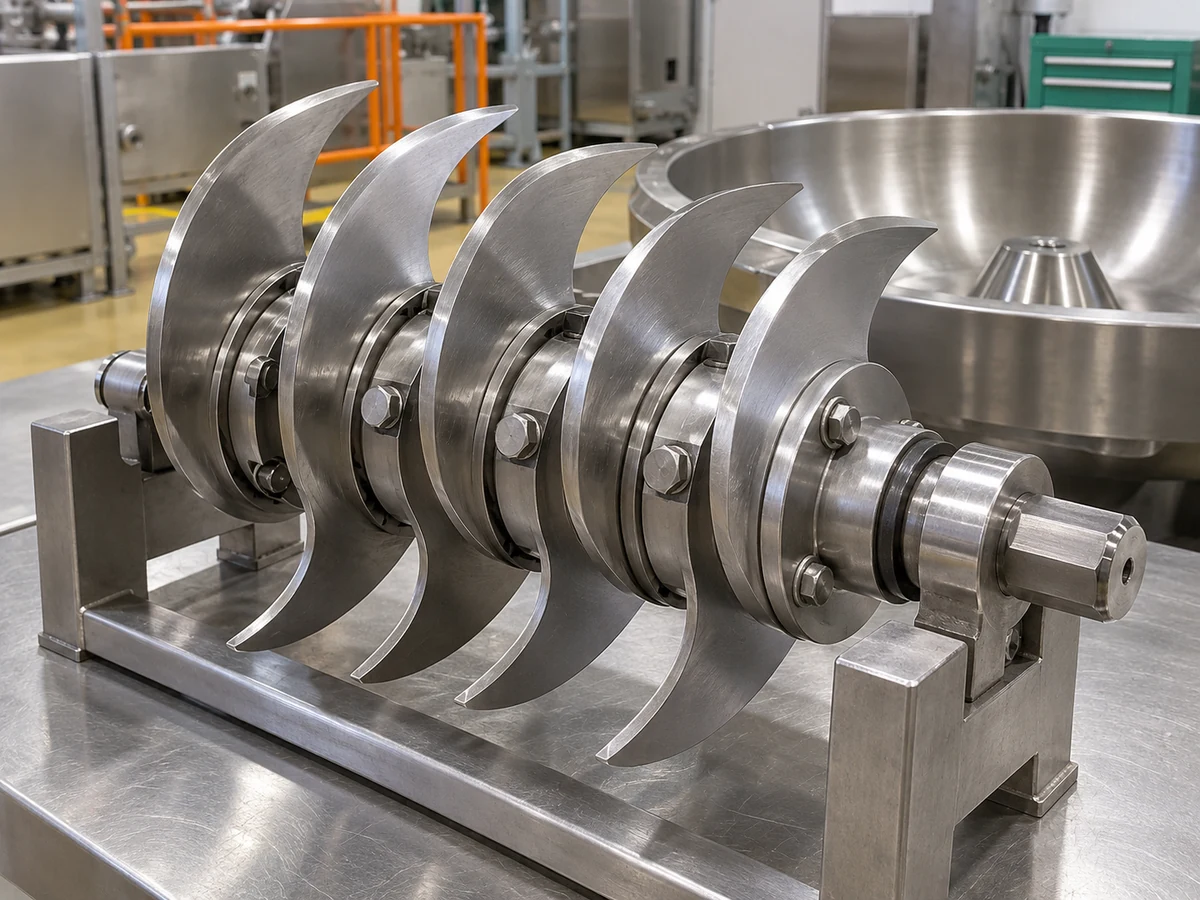
NTI Protect™ helps protect bowl cutter knives and knife heads against abrasive wear, supporting cutting consistency and longer replacement intervals.
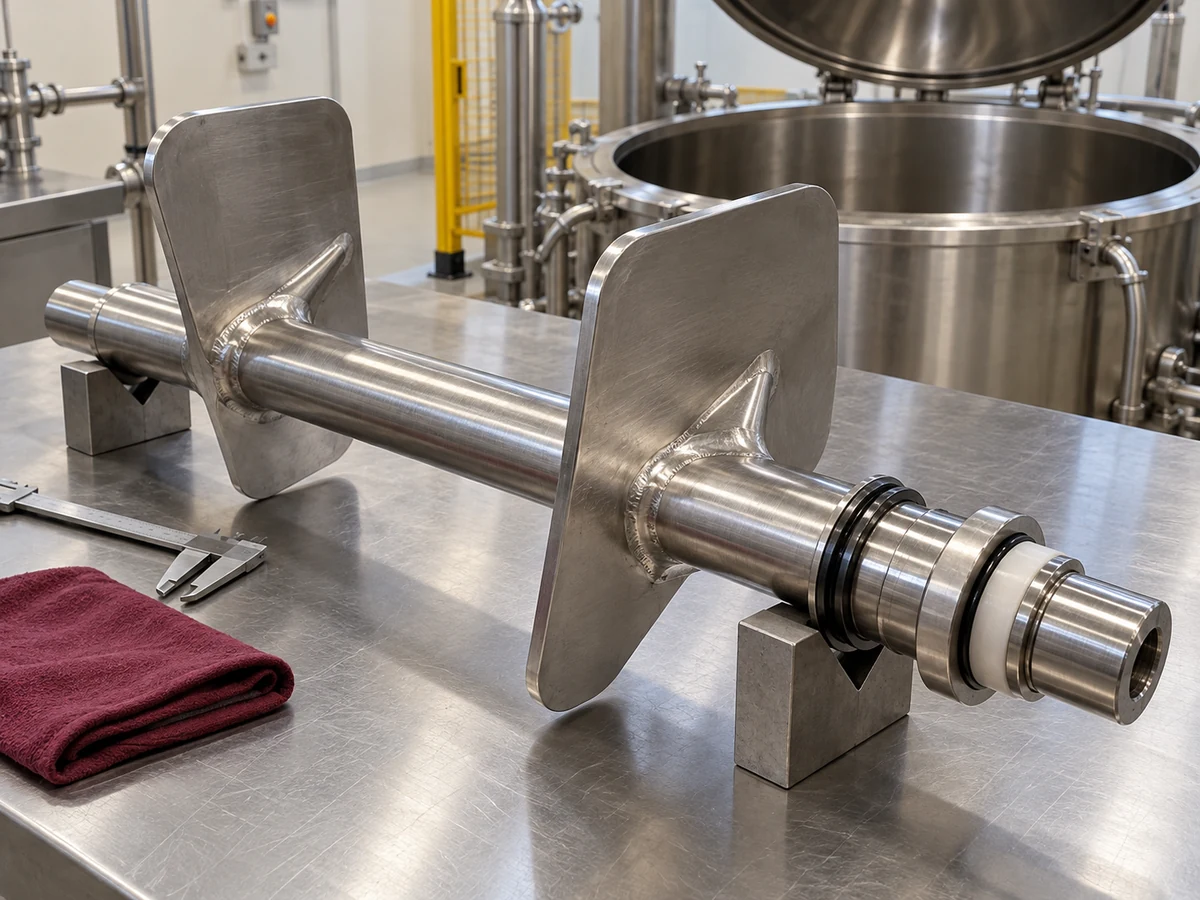
NTI Protect™ helps mixer shafts and impellers resist wear, corrosion and residue adhesion during repeated hygienic processing.
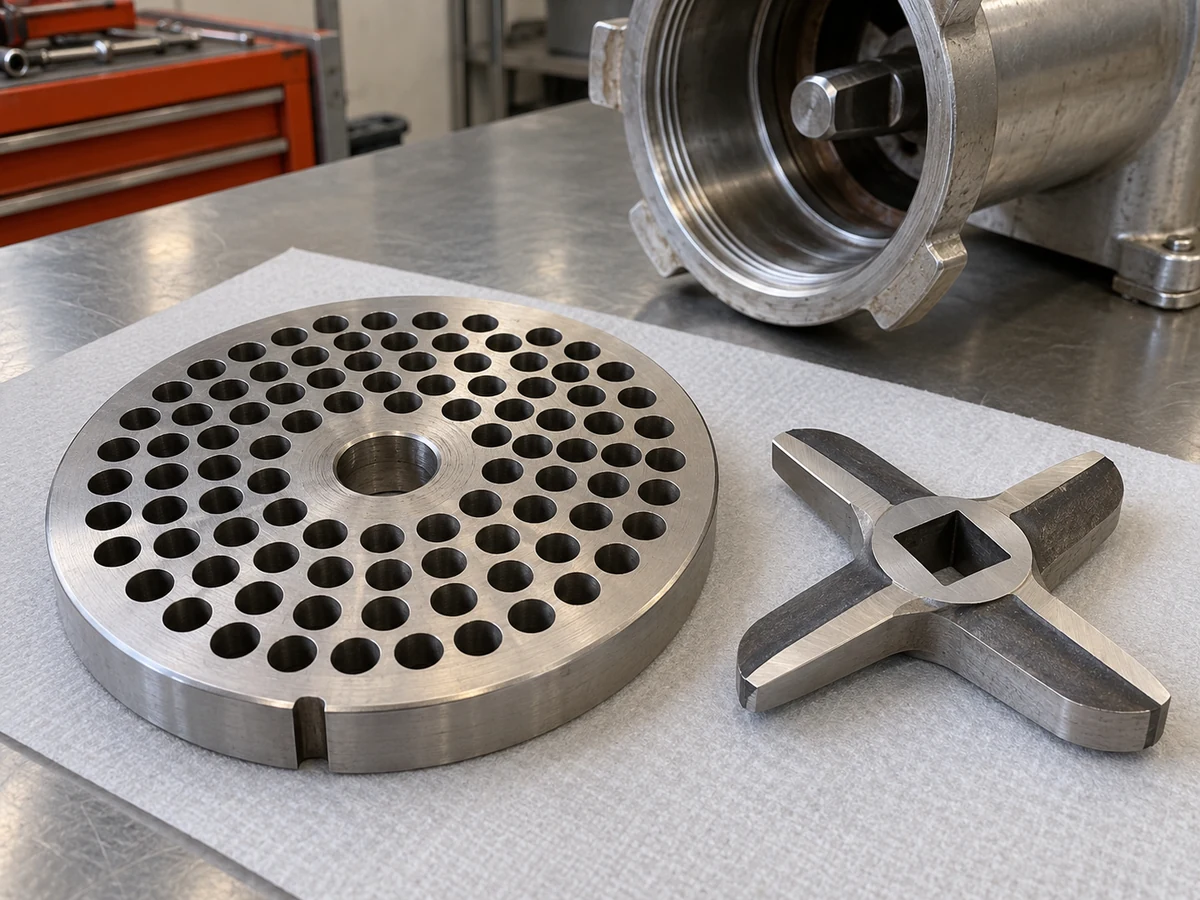
NTI Protect™ improves wear resistance on grinder plates and cutting sets, helping maintain particle-size consistency and processing throughput.
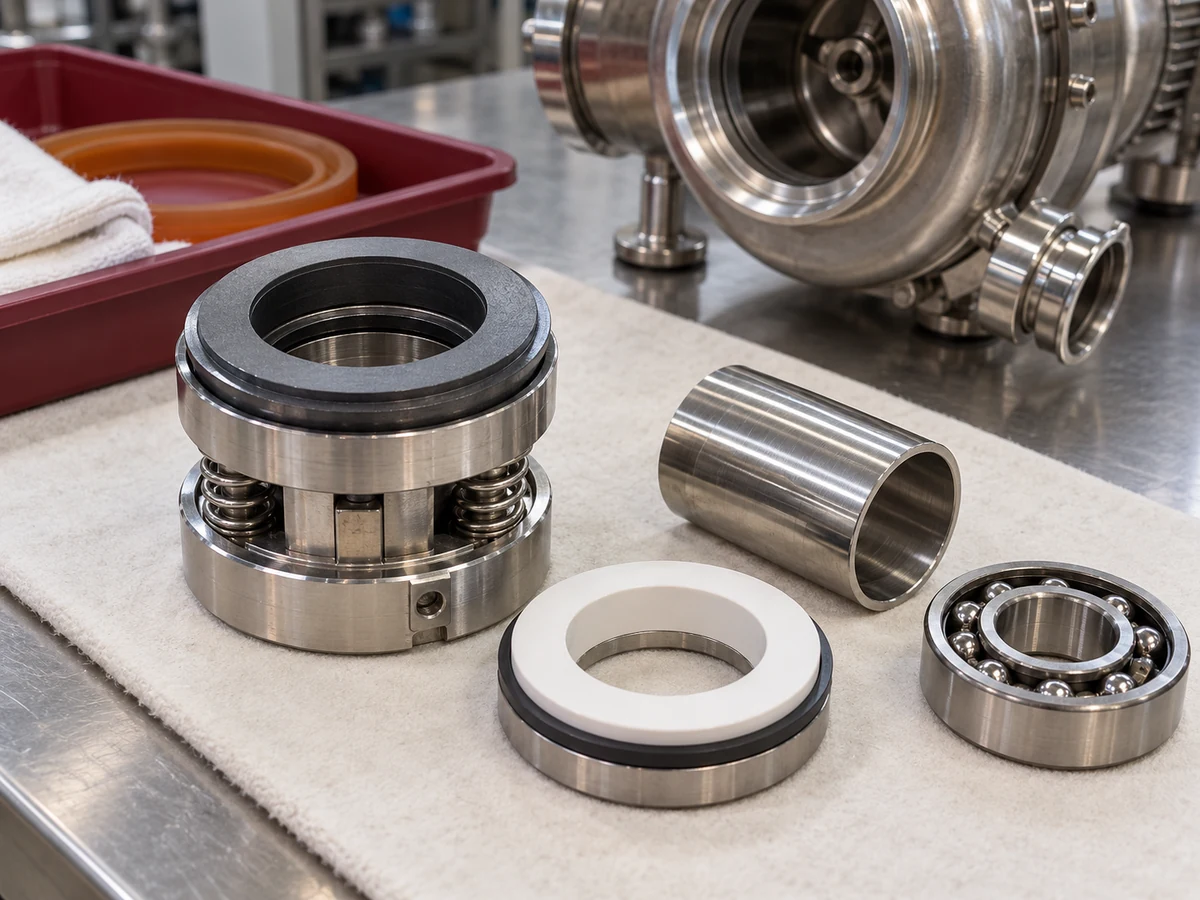
NTI Protect™ supports seal and bearing interfaces exposed to cleaning, moisture and repeated operation, helping reduce friction-driven wear and maintenance.
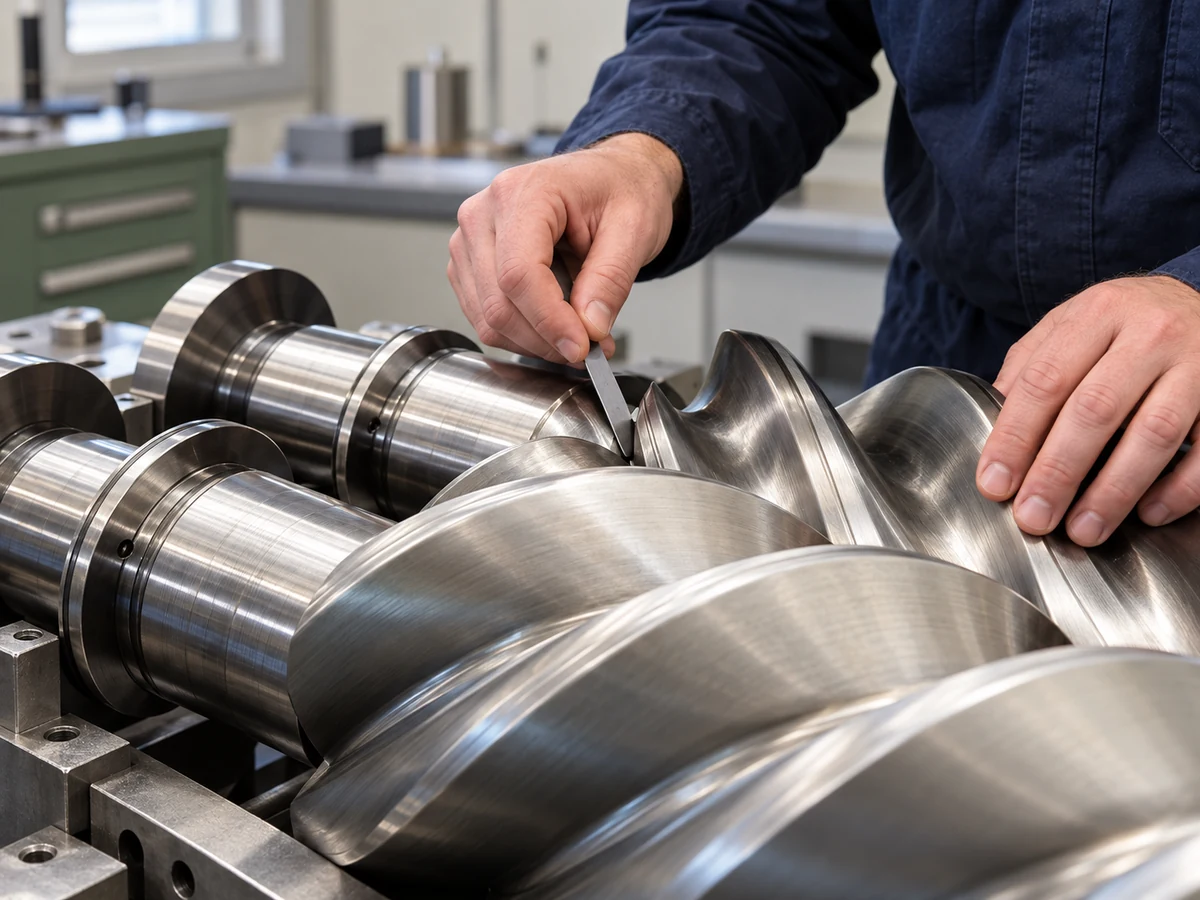
NTI Protect™ supports low-friction screw rotor and housing surfaces, helping limit wear, leakage risk and efficiency losses across demanding duty cycles.
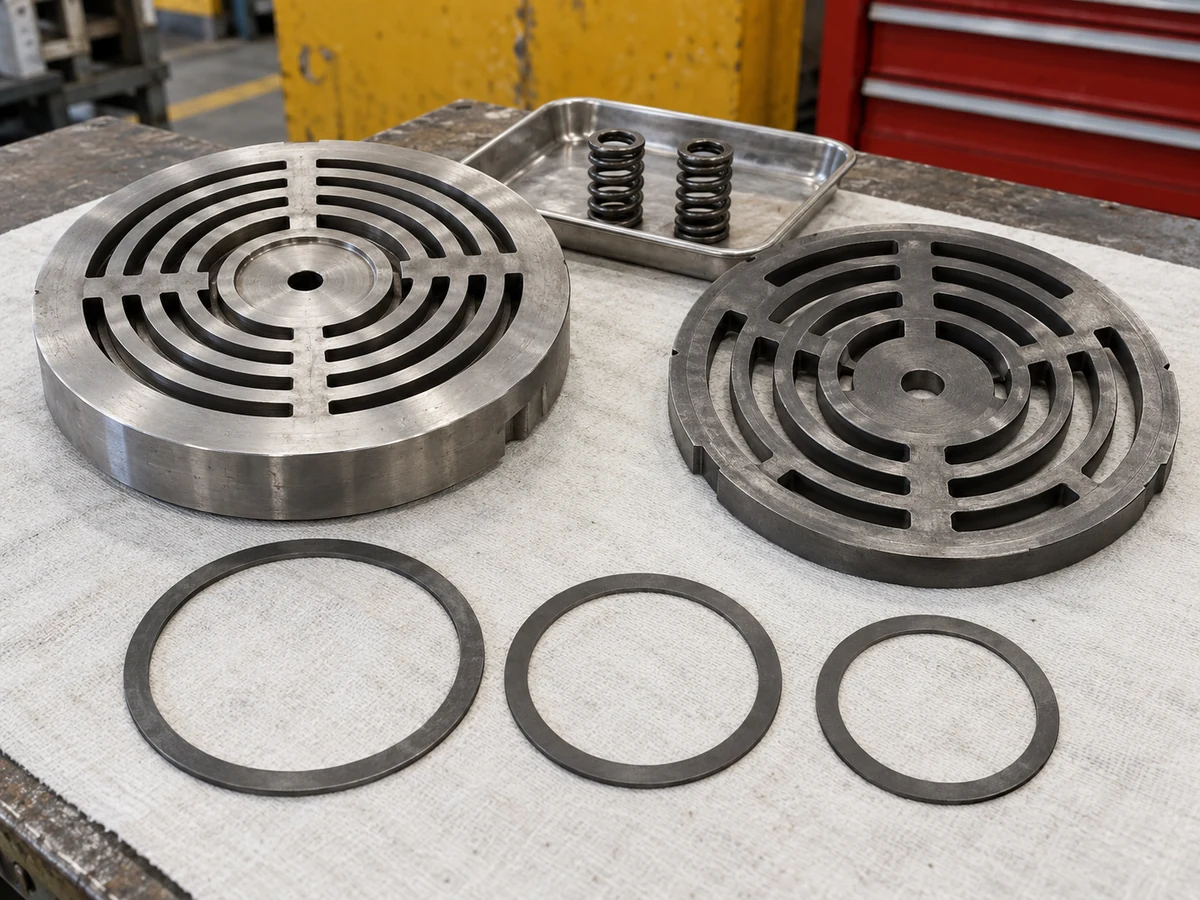
NTI Protect™ improves wear resistance on valve plates and seats exposed to repeated impact, heat and pressure cycling, helping extend service intervals.
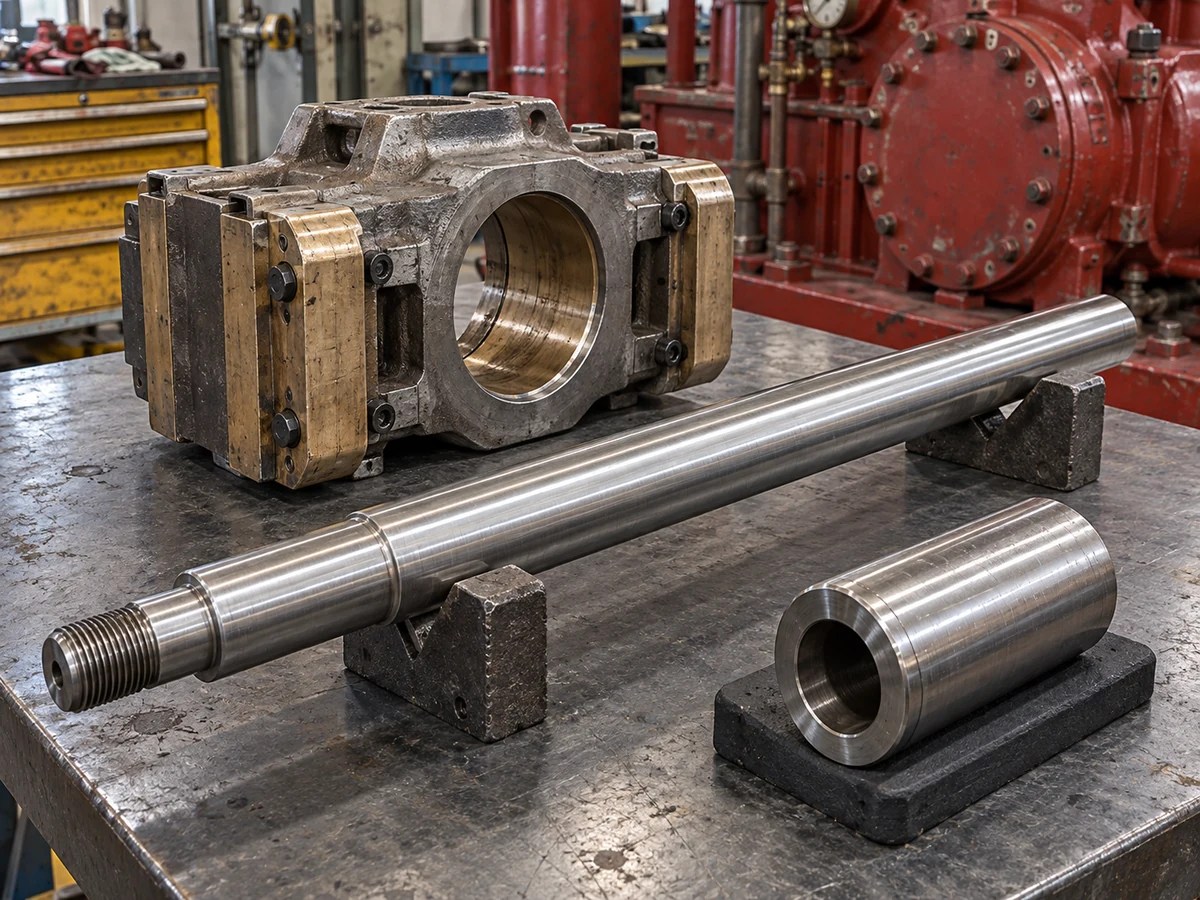
NTI Protect™ reduces galling and sliding wear across plungers, wrist pins and crossheads operating under marginal lubrication.
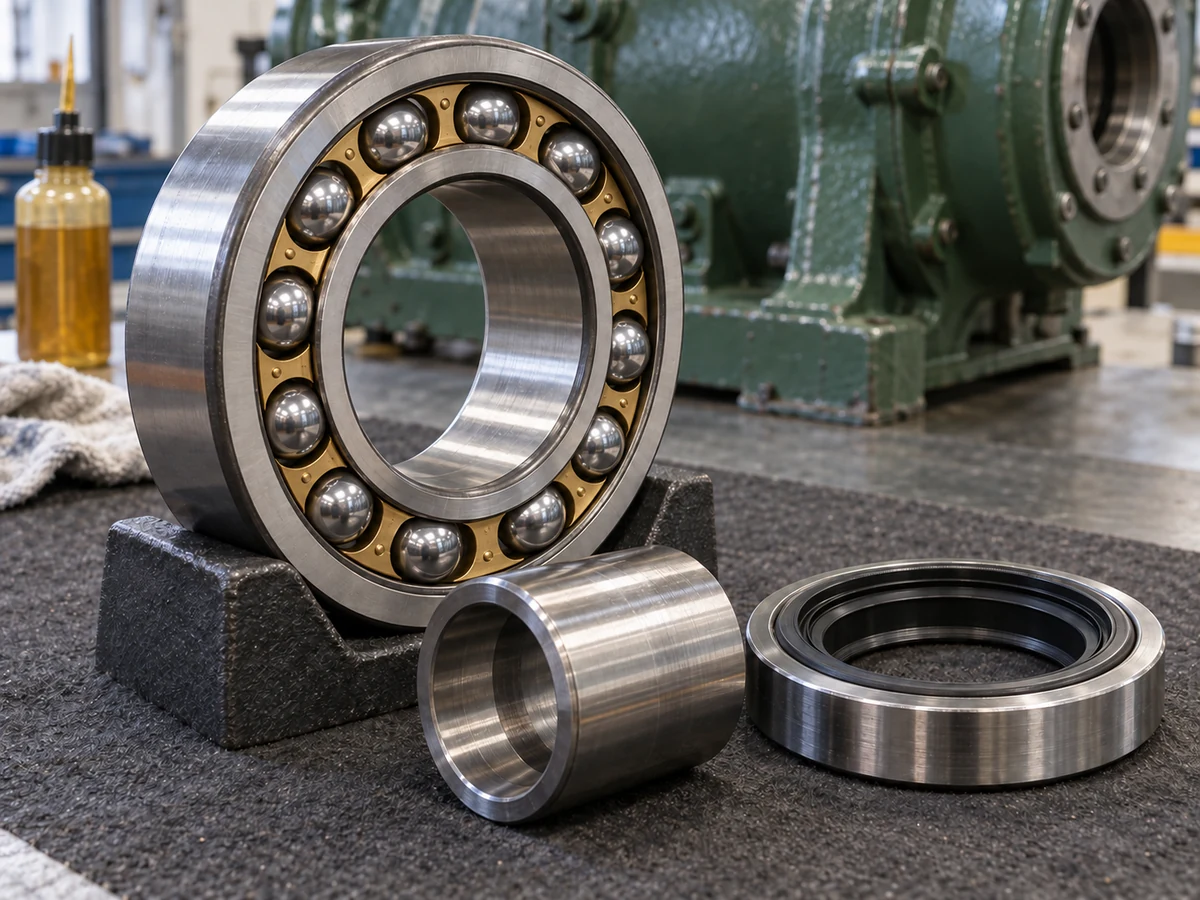
NTI Protect™ supports low-friction bearing and seal interfaces where poor lubrication can increase heat, wear and maintenance demand.
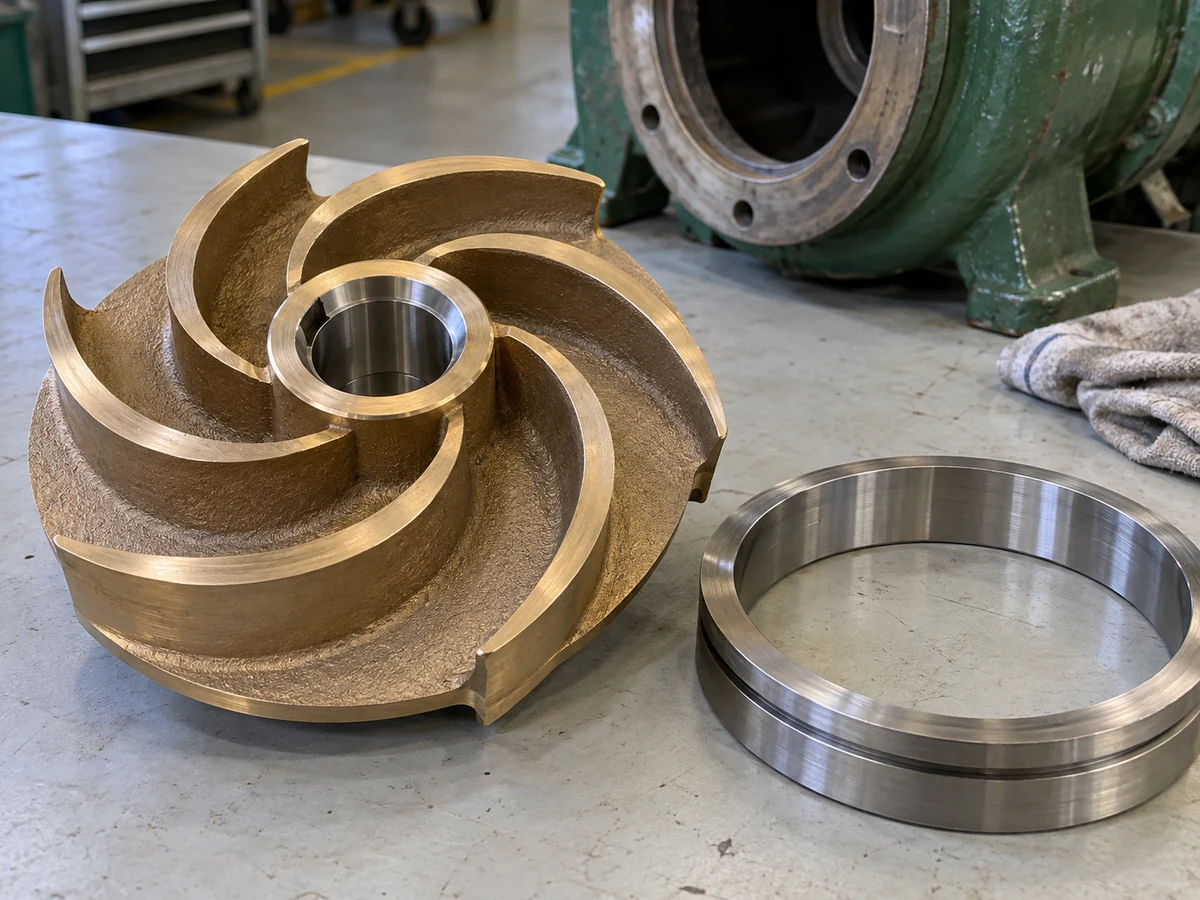
NTI Protect™ helps protect impellers and wear rings against corrosion, erosion and clearance loss, supporting hydraulic efficiency and service life.
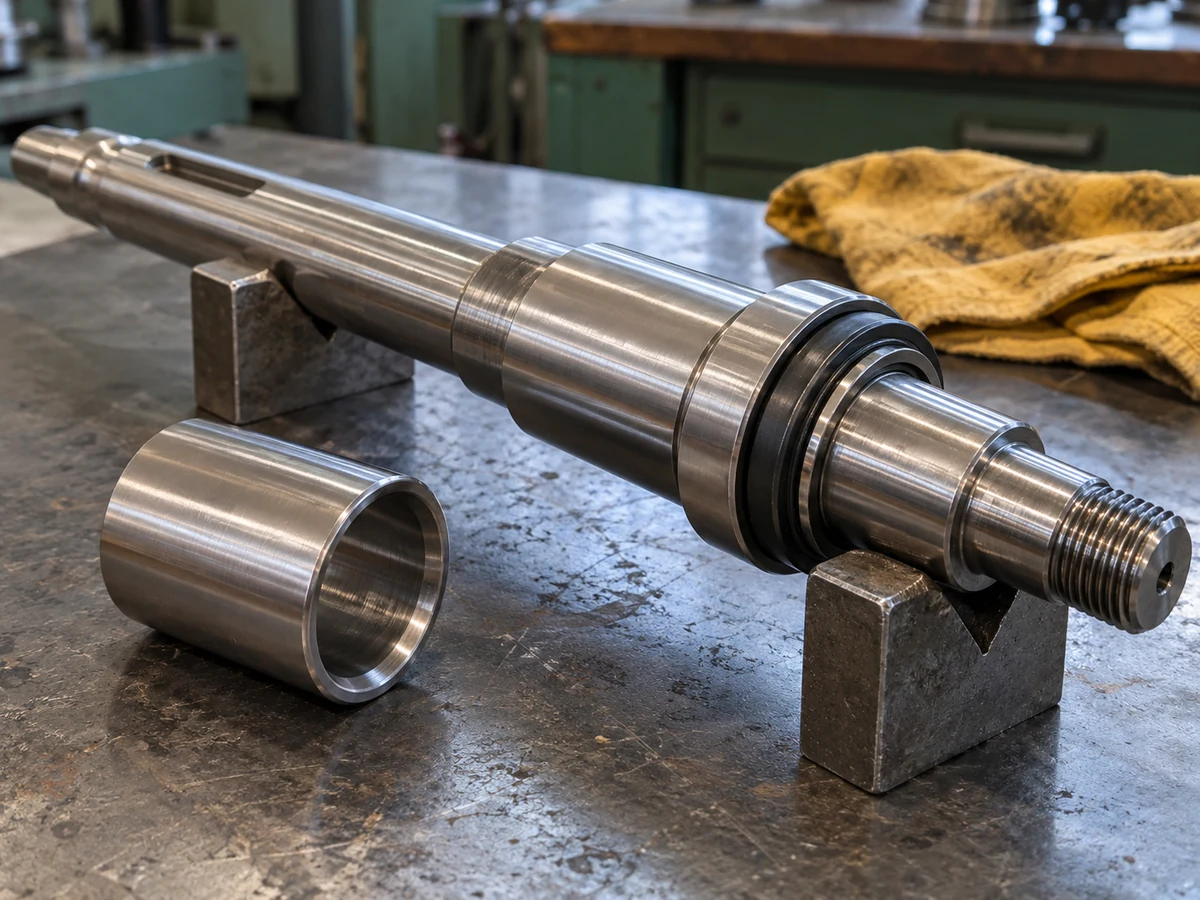
NTI Protect™ reduces abrasive wear across pump shafts and sleeves operating against seals in demanding media.
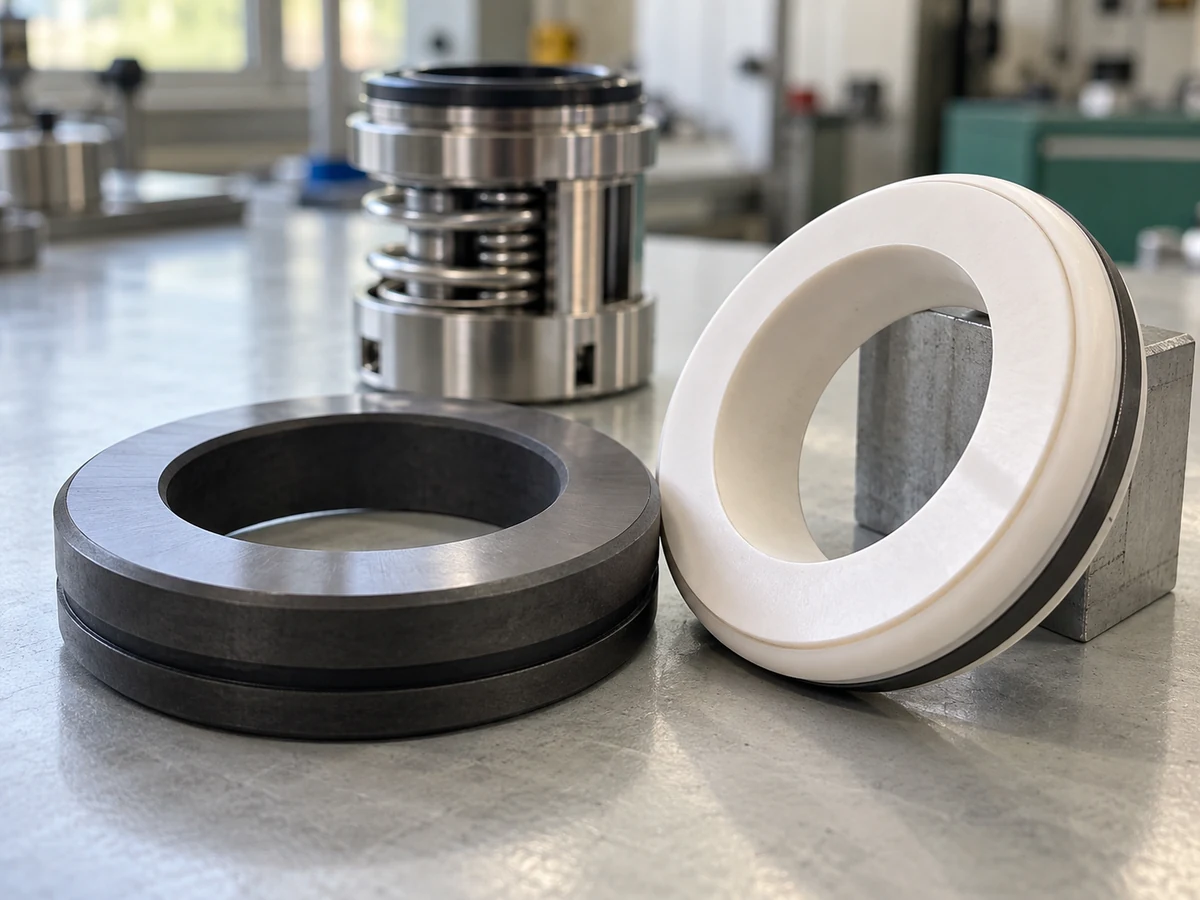
NTI Protect™ supports low-friction mechanical seal faces where poor lubrication can increase heat, wear and leakage risk.
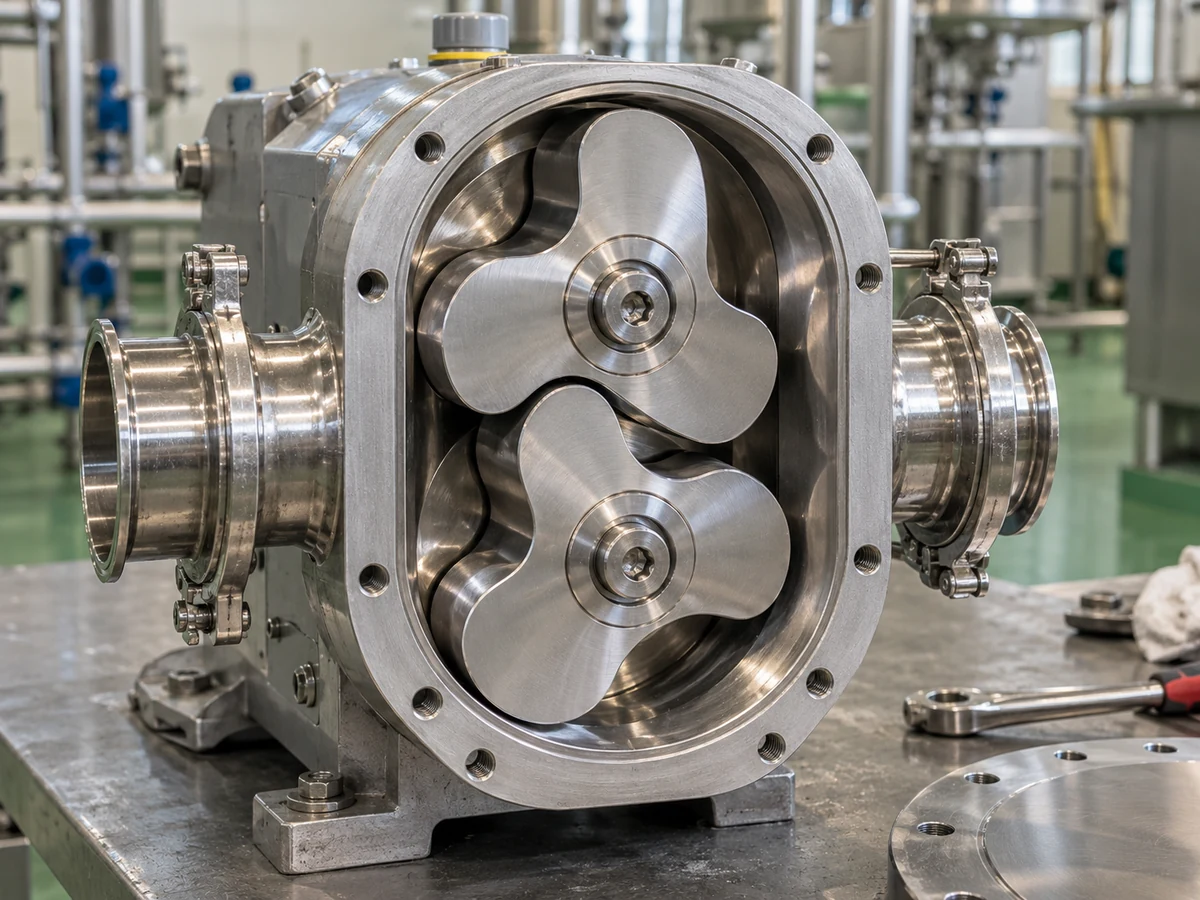
NTI Protect™ protects rotary lobes and internal gears against abrasive wear, helping preserve working clearances and stable flow.
Engage NTI through coating services, in-house coating equipment or joint development, with the route matched to application maturity, process ownership and manufacturing needs.
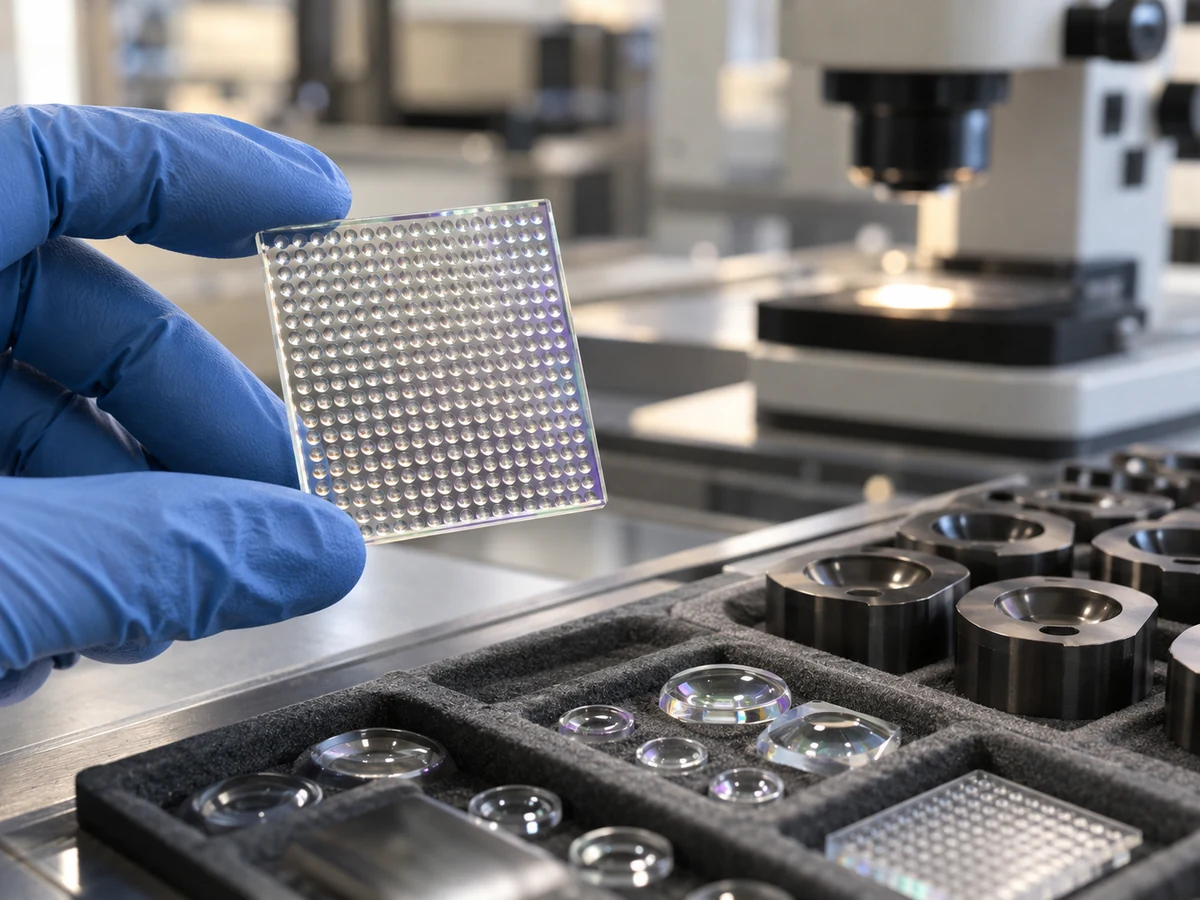
Micro-optics help shape, direct and collect light for structured light and time-of-flight architectures that require repeatable geometry transfer.
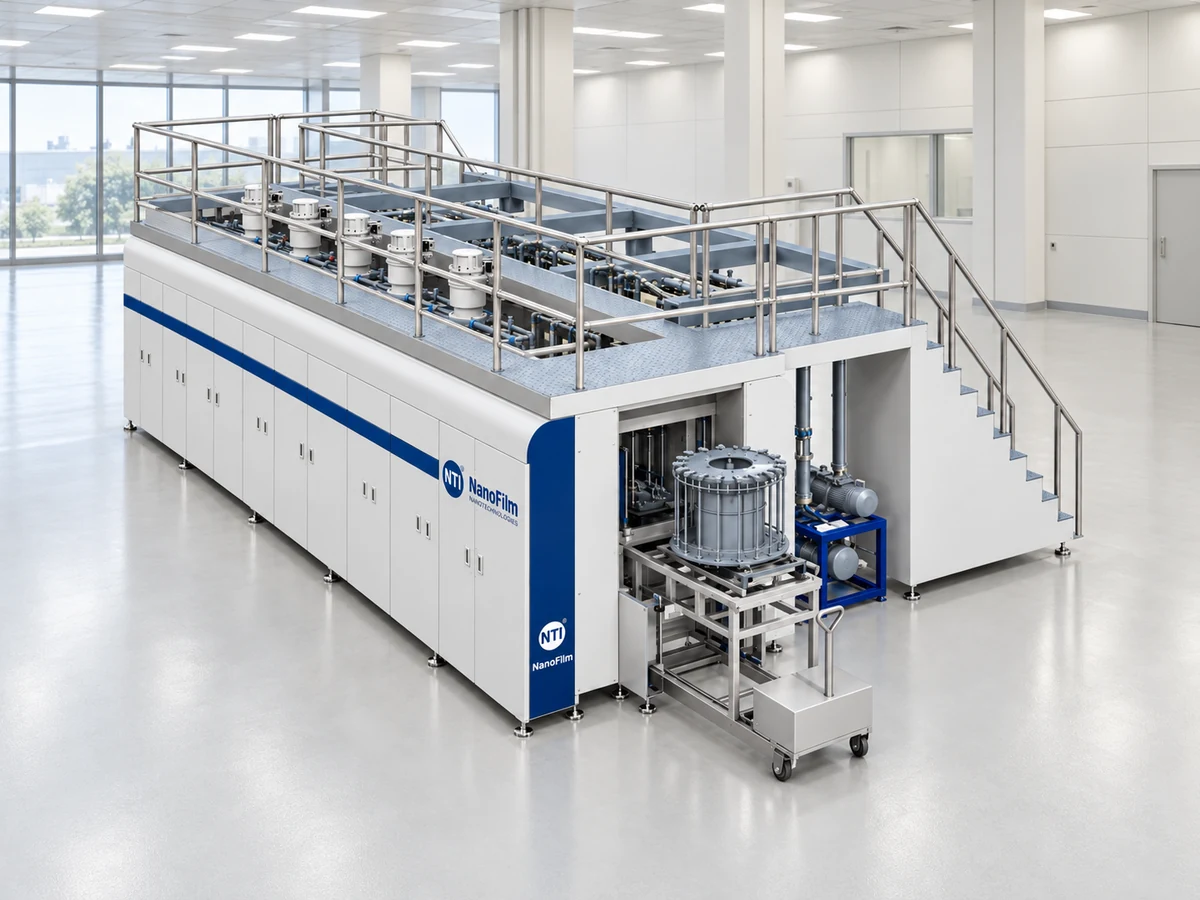
Integrate batch or inline coating capability into your factory for greater process ownership, stable throughput and closer integration with manufacturing flow.
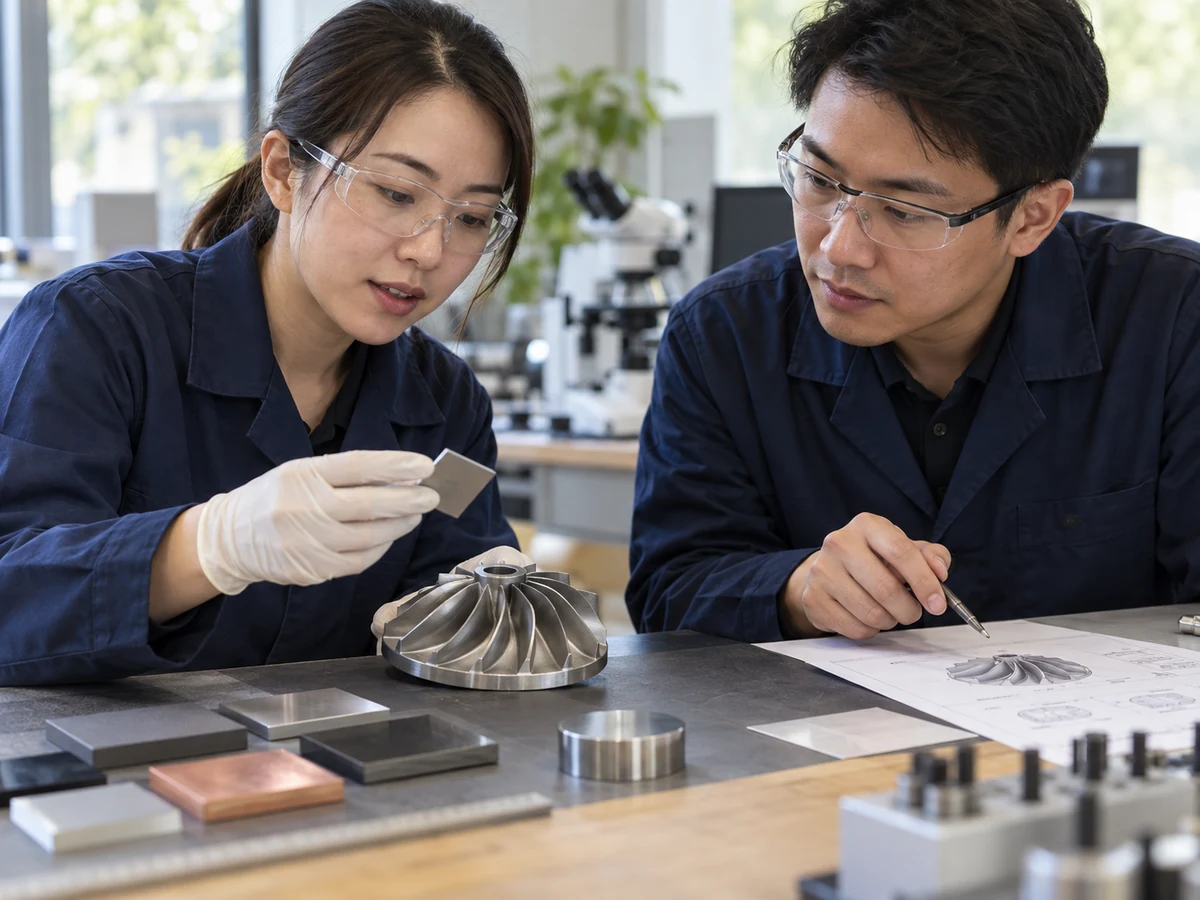
Co-develop coating or equipment routes for emerging materials, complex geometries or performance targets beyond established platforms.
Explore how NTI technologies support additional industries through advanced coatings, coating equipment and application development.
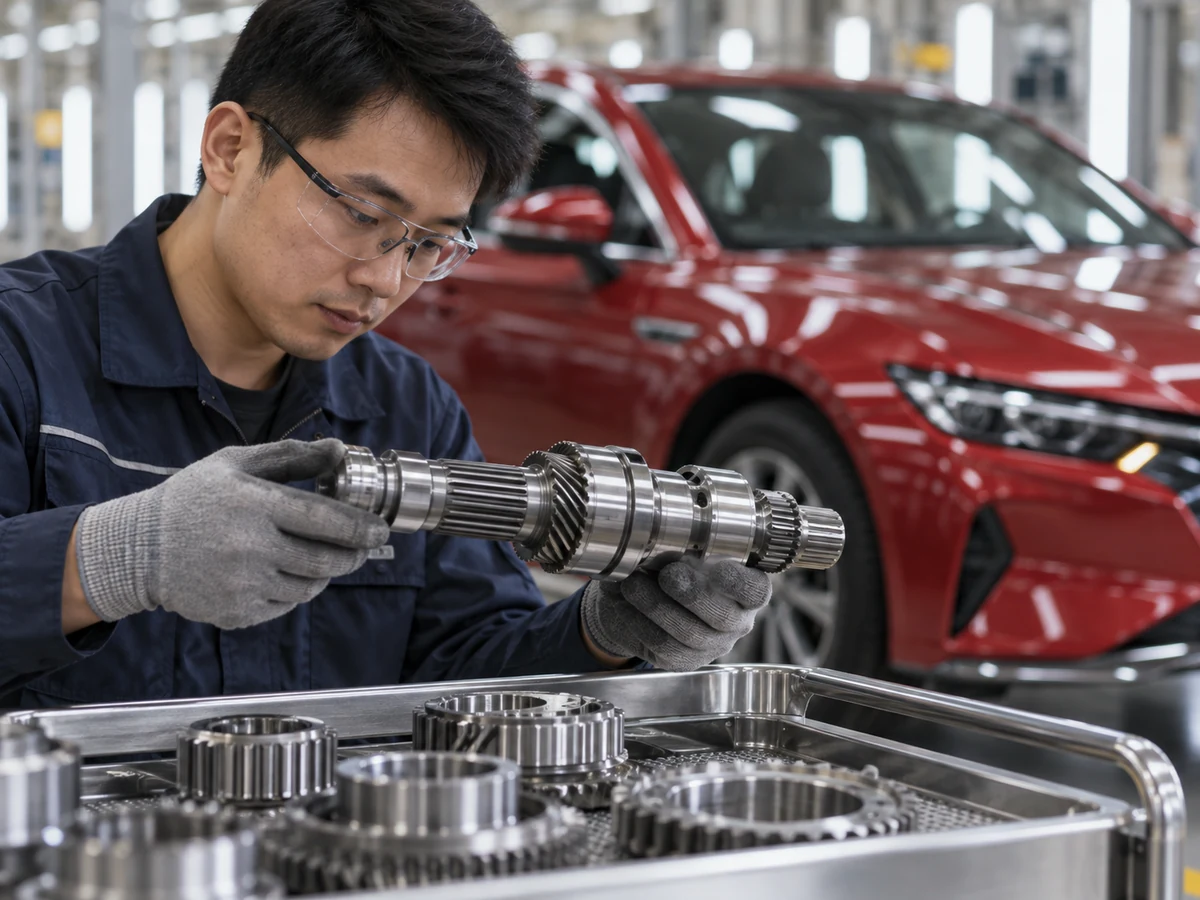
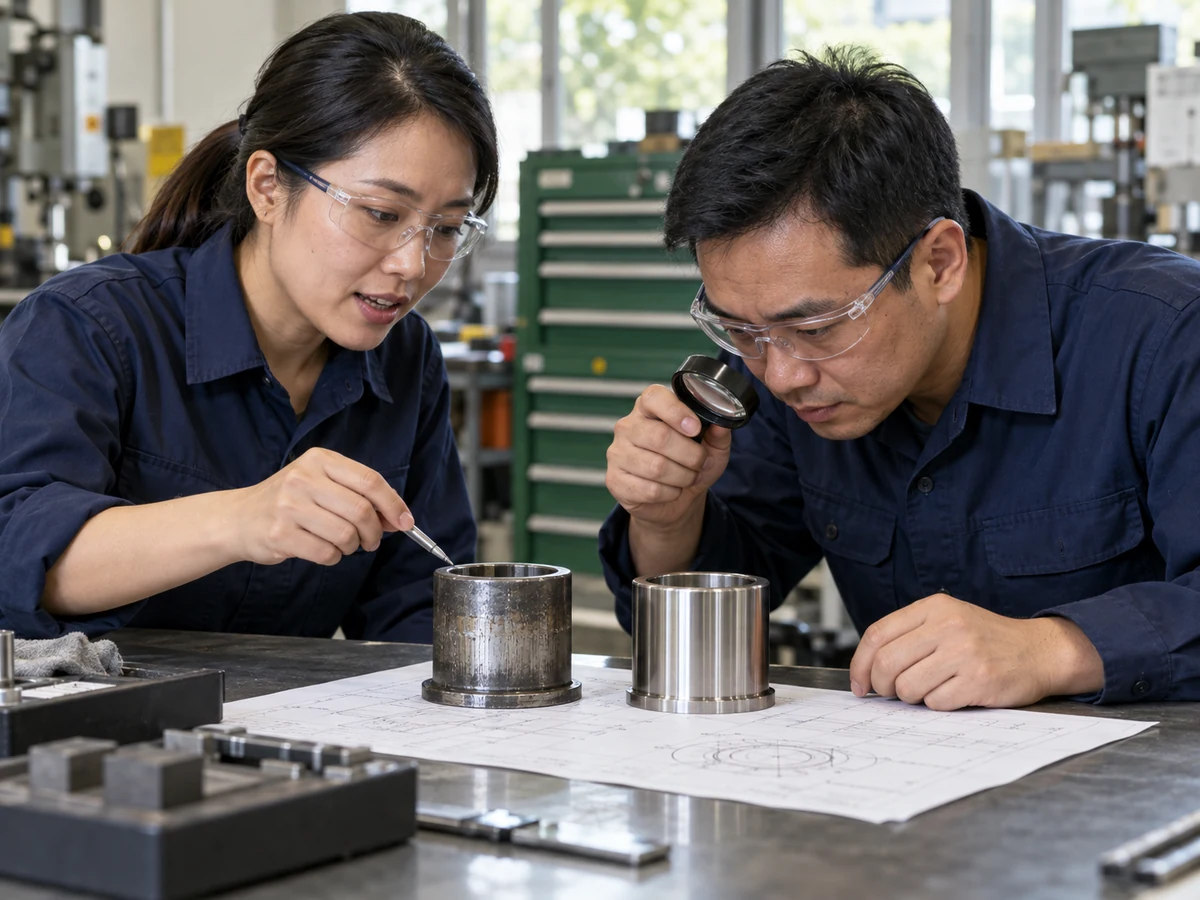
Bring us the component, substrate, operating environment or production target. We will connect the requirement with the relevant NTI coating, equipment or development route to improve efficiency, service life, maintenance performance and output quality.
NTI Nanofilm supports industrial manufacturers with advanced coating services, coating equipment and application development. The applications on this page span production and multifunction printing, textile manufacturing, marine engine components, food processing equipment, compressors and pumps, with surface solutions focused on friction, wear, adhesion, contamination, corrosion, erosion and leakage.
The applications shown on this page include charging grids, rollers, doctor blades and fusing parts for printing; reeds, spindles, rings, needles and fibre-processing components for textiles; piston rings and liner-facing interfaces for marine engines; knives, mixer components, grinder parts and seal interfaces for food processing; and rotors, valves, shafts, seals, impellers and wear rings for compressors and pumps.
Low-friction and wear-resistant surfaces can reduce mechanical losses, heat and material damage at moving interfaces, while corrosion, erosion and lower-adhesion surfaces can help preserve component condition and reduce cleaning or maintenance intervention. The appropriate coating route depends on the substrate, geometry, working environment and required performance.
NTI TAC-ON Protect™ is applied to printing components such as charging grids, shields, developer rollers, doctor blades, fusing rollers and cleaning parts where wear, toner adhesion, contamination and corrosive exposure can affect print quality and service life. Application review is used to match the coating route to the component and operating conditions.
NTI surface engineering can reduce friction, wear and corrosion on yarn-contact and high-cycle textile components such as weaving reeds, spindles, rings, travellers, needles, sinkers, cam parts, spinnerets, godet rolls and metering pumps. This can support smoother running, component life and consistent yarn or fibre handling.
For marine piston rings and other high-load sliding interfaces, NTI i-TAC Protect™ is used to address friction, wear and scuffing. The objective is to help protect sealing surfaces, reduce frictional losses and support longer maintenance intervals under demanding operating conditions.
NTI Protect™ can support cutting, mixing, grinding, sealing and bearing components where abrasive wear, corrosion, residue adhesion or repeated cleaning can affect performance. Relevant applications on this page include bowl cutter knives, knife heads, mixer shafts, impellers, grinder plates, cutting sets and seal or bearing interfaces.
NTI Protect™ can be applied to rotors, housings, valves, plungers, bearings, shafts, sleeves, seal faces, impellers, wear rings, rotary lobes and internal gears. Surface protection can help control sliding wear, corrosion and erosion, preserve working clearances and reduce leakage or efficiency loss.
Yes. NTI can support batch or inline coating equipment for manufacturers that want greater process ownership and closer integration with their manufacturing flow. Equipment selection is matched to the coating process, component format, production requirement and factory integration needs.
Yes. The applications on this page are representative examples rather than a complete list. NTI can review other industrial components, materials, geometries and operating conditions through application development, coating trials or equipment development where the requirement extends beyond an established platform.
Useful starting information includes the component and substrate, geometry, operating environment, current surface issue, target performance, production requirement and whether the preferred route is coating service, in-house coating equipment or joint development. These details help guide the technical review and validation plan.