
Partner with NTI Nanofilm to investigate, develop, validate and industrialize advanced materials and nanotechnology solutions. From early feasibility to production readiness, we help turn technical ambition into solutions that can perform in the real world.
Since 1999, NTI Nanofilm has developed advanced materials, coatings and nanotechnology for demanding applications. Our connected research ecosystem supports new concepts, application-specific development, performance validation and industrial implementation.
Deep-tech research and industrial experience across advanced materials and nanotechnology
Joint NTI–NTU research platform for development, validation and pilot production testing
R&D and engineering expertise from early development to industrialization
Structured IP governance for co-development confidence, protection and commercialization
When standard materials or processes are no longer enough, NTI combines materials science, application engineering and industrial experience to help solve the performance gap, prove the result and prepare successful development for manufacture.
New materials, engineered surfaces, micro-optics and electrochemical approaches can address requirements for wear, friction, corrosion, conductivity, optics, biocompatibility and heat management beyond standard solutions.
Material and process development takes account of the substrate, component geometry, operating environment, process temperature, throughput and cost, aligning surface performance with the way a product is made and used.
Application-relevant testing builds evidence of durability, reliability and the mechanical, electrical, optical, thermal, environmental or biological performance needed for qualification.
Validated technologies can progress into process integration, qualification and production through NTI’s coating services, equipment, micro-optics fabrication and Research Engineering capabilities.
Explore new materials, prove application performance and prepare validated technology for production with NTI’s connected research and engineering expertise.
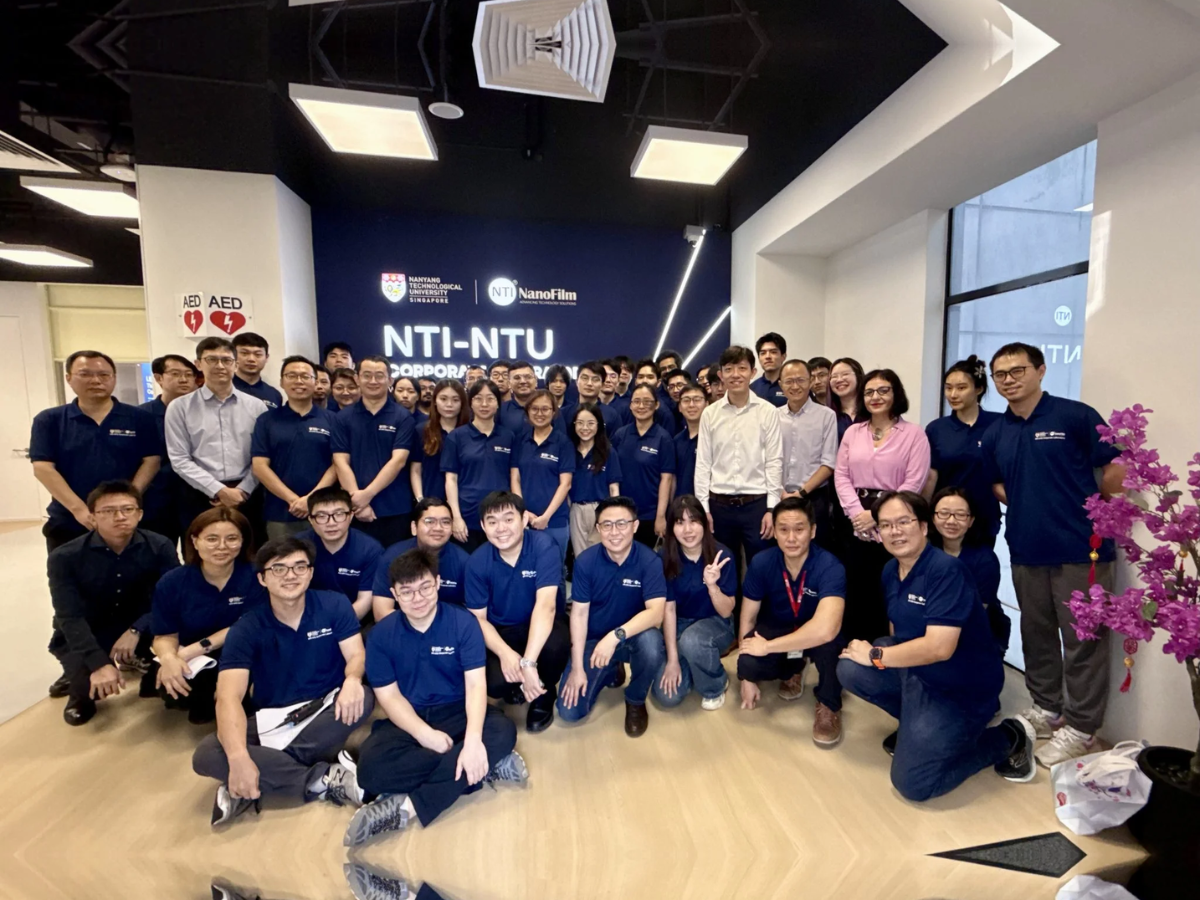
The NTI–NTU Corporate Laboratory combines NTI’s industrial experience with NTU’s scientific research to investigate new materials, coating concepts and fabrication technologies. Supported by more than 60 researchers and PhD candidates, early feasibility and proof-of-concept work explores the potential for new performance and functionality in real applications.
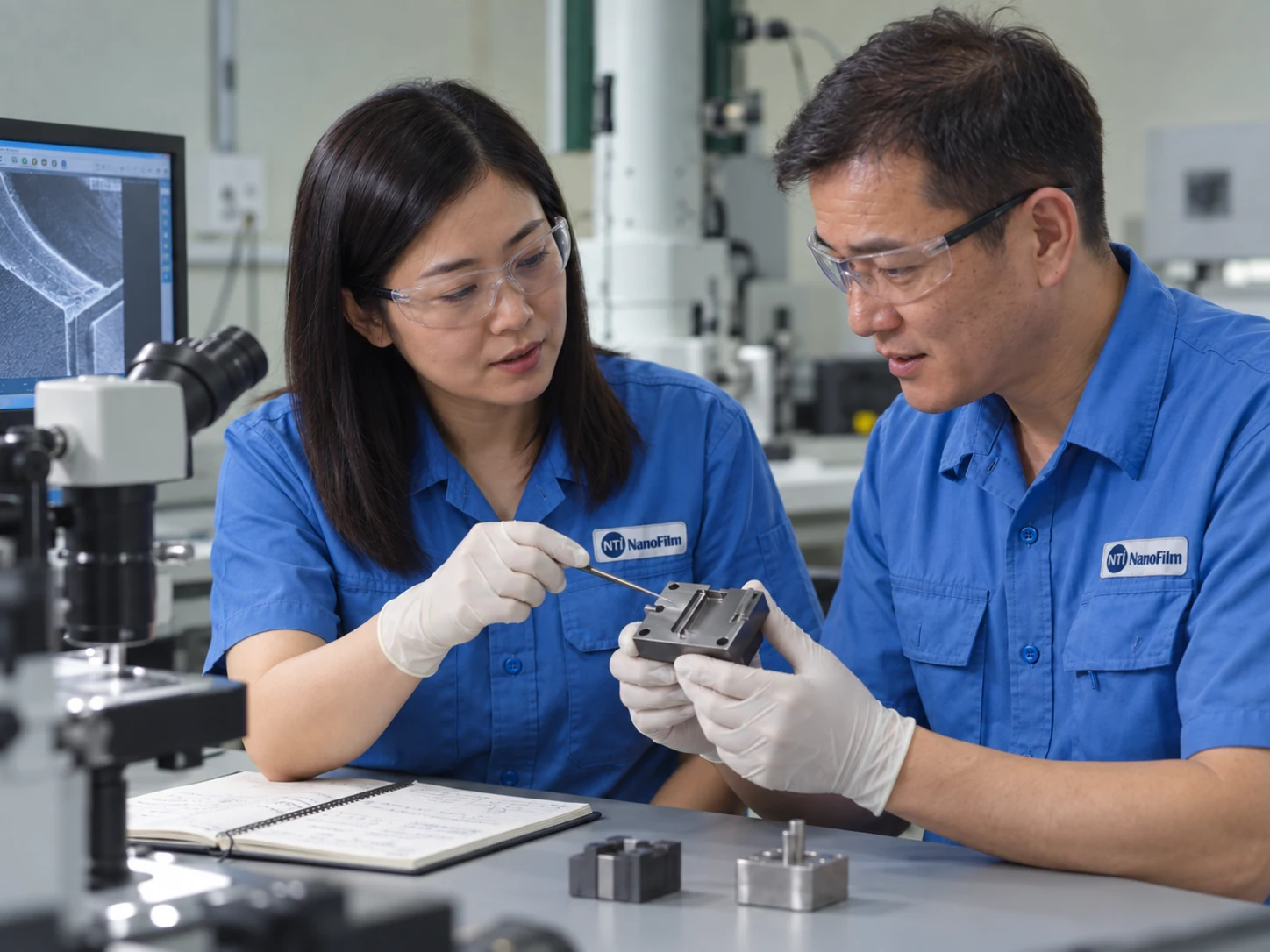
At NTI’s Advanced Technology Research Centre, early research advances into refined process windows, samples and prototypes developed around the intended application. Performance and process validation show how a material, coating or technology responds under relevant conditions, building the technical evidence needed for product qualification.
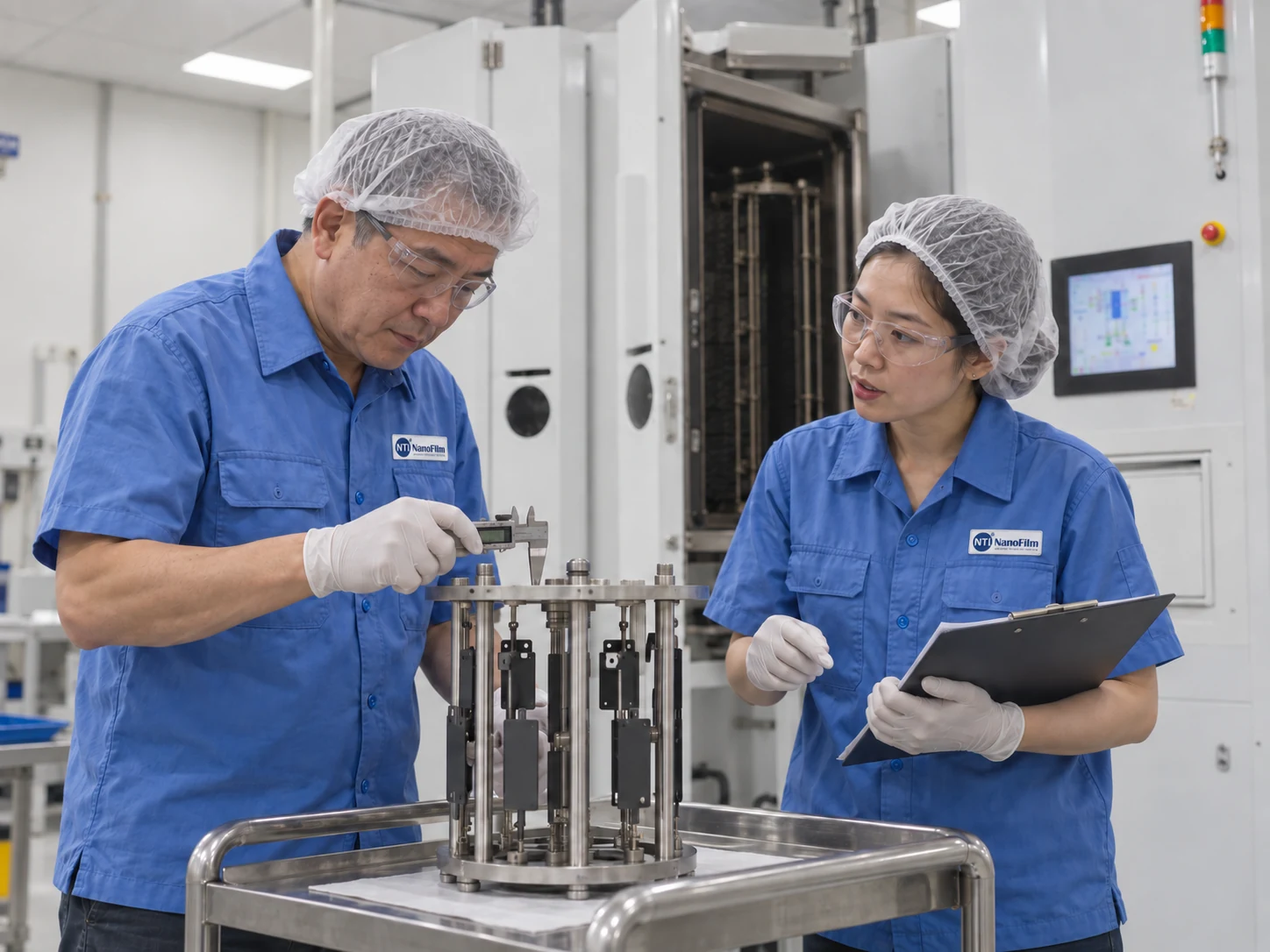
Research Engineering teams across NTI’s Business Units bring validated materials and processes into component-specific engineering, production integration and qualification. The technical knowledge developed during R&D carries into process control, manufacturing requirements and production readiness, helping successful trials progress toward commercial implementation.
From advanced materials and coating processes to precision micro-optics and hydrogen technologies, NTI develops new functionality and production-relevant solutions for the products and industries shaping what comes next.
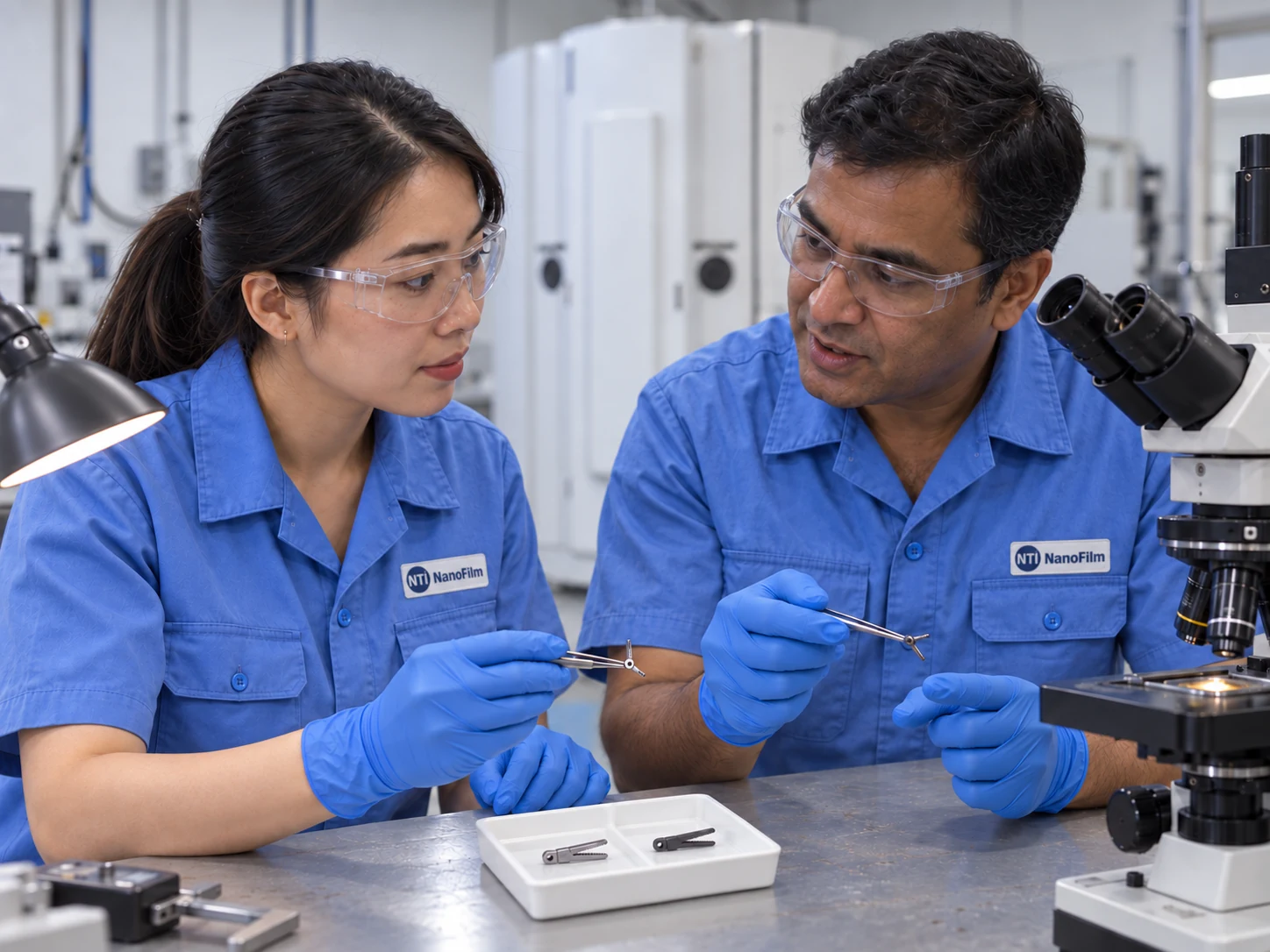
Advanced Materials research explores new compositions, deposition techniques and surface architectures for demanding semiconductor, biomedical and industrial applications. This can unlock higher wear resistance, biocompatibility, functional interfaces and coating performance beyond the limits of conventional material systems.
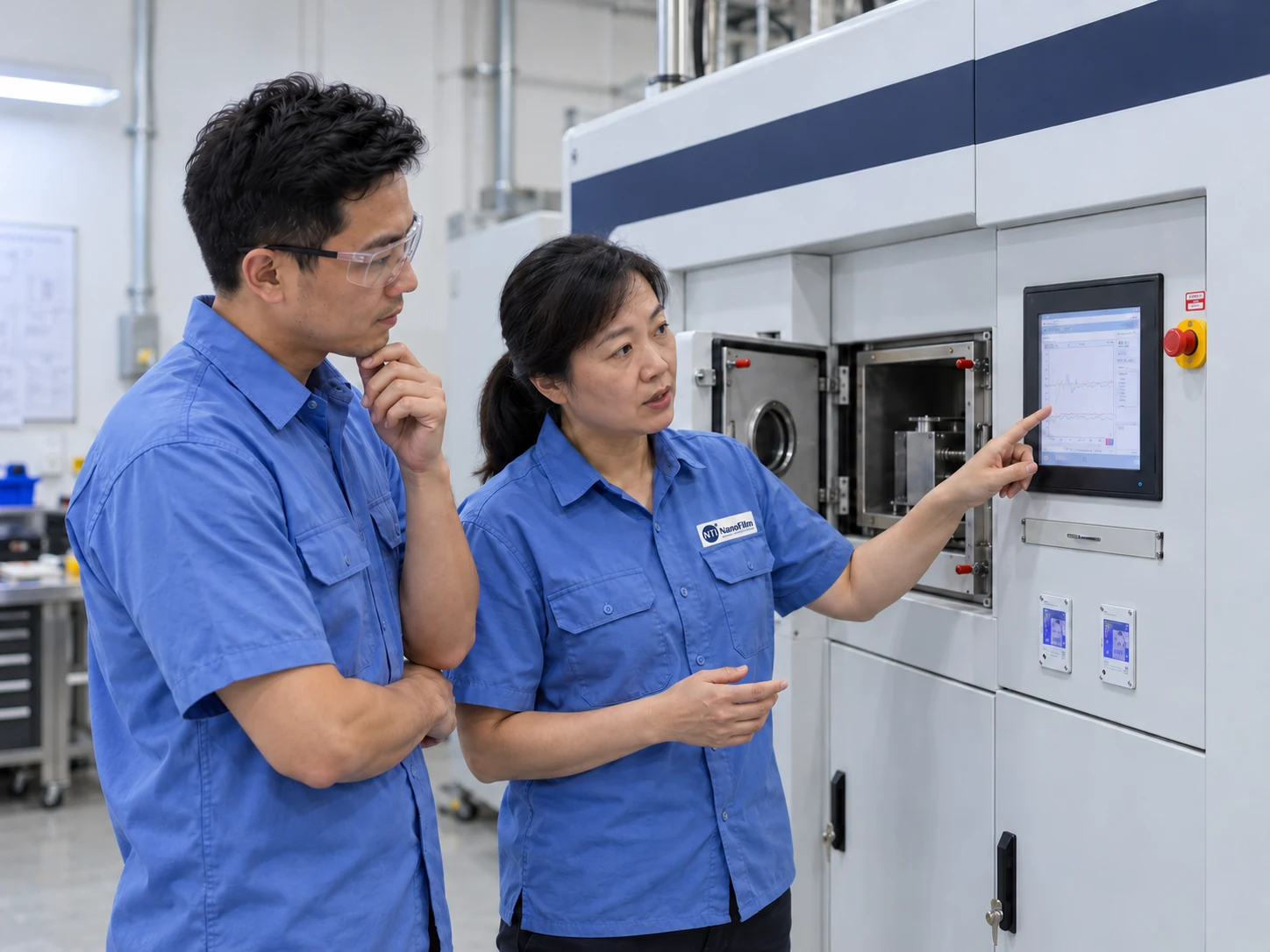
Research in coating equipment and process technology focuses on plasma sources, large-area deposition and high-throughput platforms that improve process capability. The work links film performance with the uniformity, repeatability, throughput and process control required for practical manufacturing.
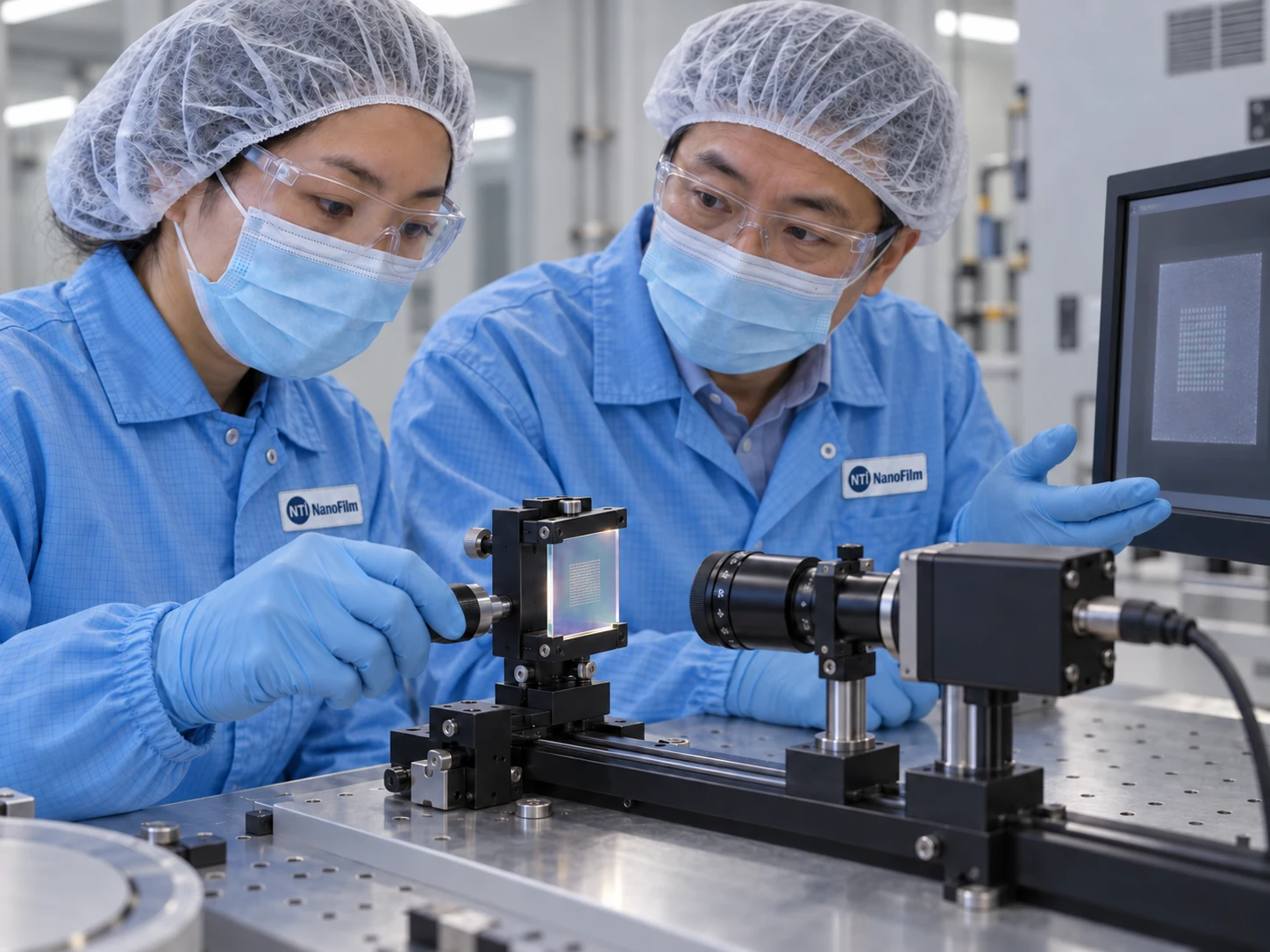
From metalenses and diffractive optical features to nanoimprint processes, micro-optics fabrication research explores precisely patterned structures that shape, direct and focus light. The work targets compact optical designs and new functionality for augmented reality, virtual reality, imaging, sensing and next-generation displays, with fabrication methods developed around real product requirements.
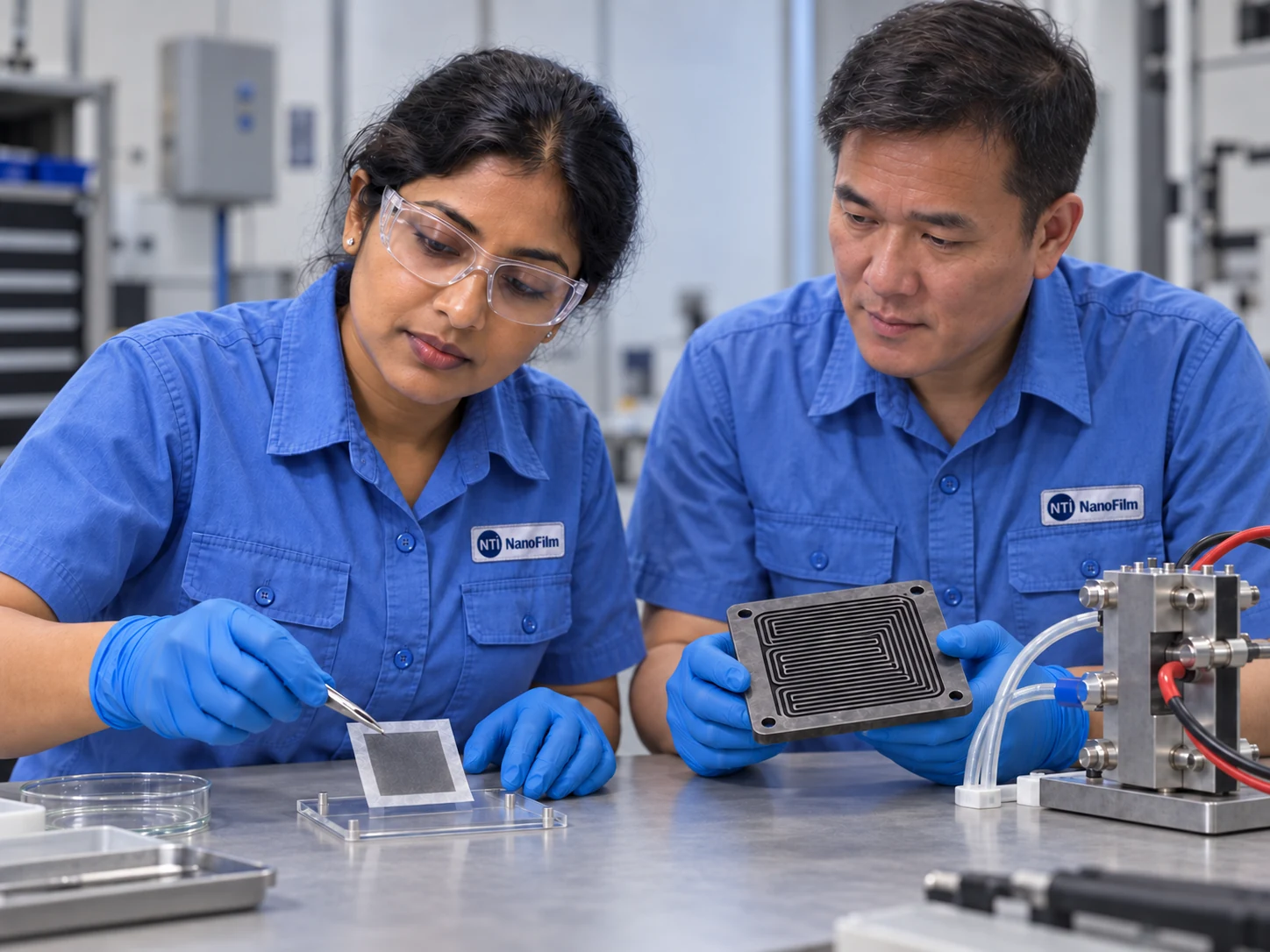
Hydrogen Energy research examines catalyst materials, configurations and system concepts for fuel cells and electrolyzers. The work targets the electrochemical interfaces that directly influence efficiency, durability, precious-metal utilization and the economics of hydrogen technologies.
Explore a selection of active R&D programs showing where NTI is developing new materials, processes and application technologies to address emerging needs across thermal management, advanced packaging, healthcare, solar, optics and hydrogen.
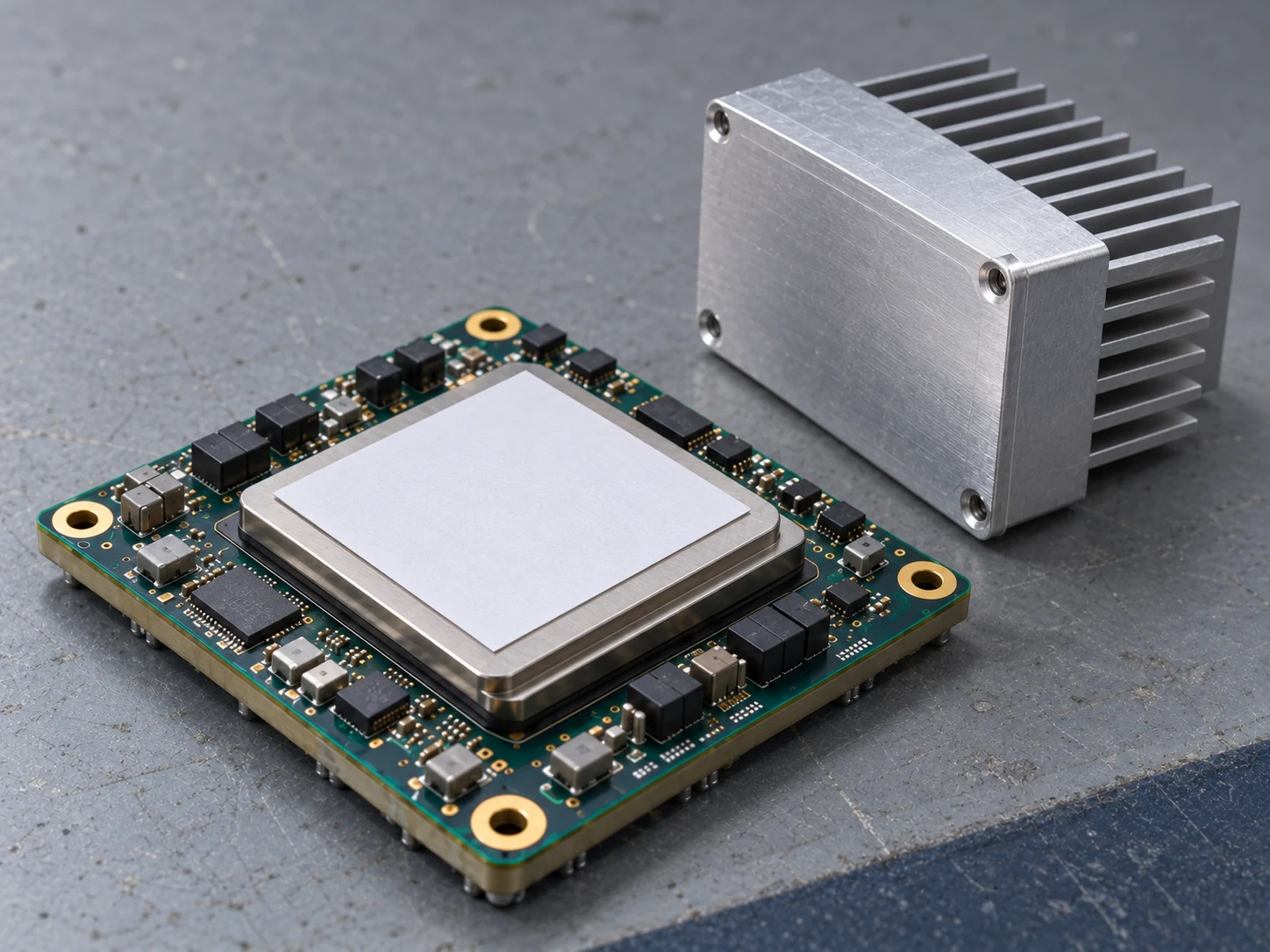
Developing boron nitride material and process routes to improve thermal conductivity and manufacturability for next-generation thermal interface materials in high-power electronics and advanced packaging.
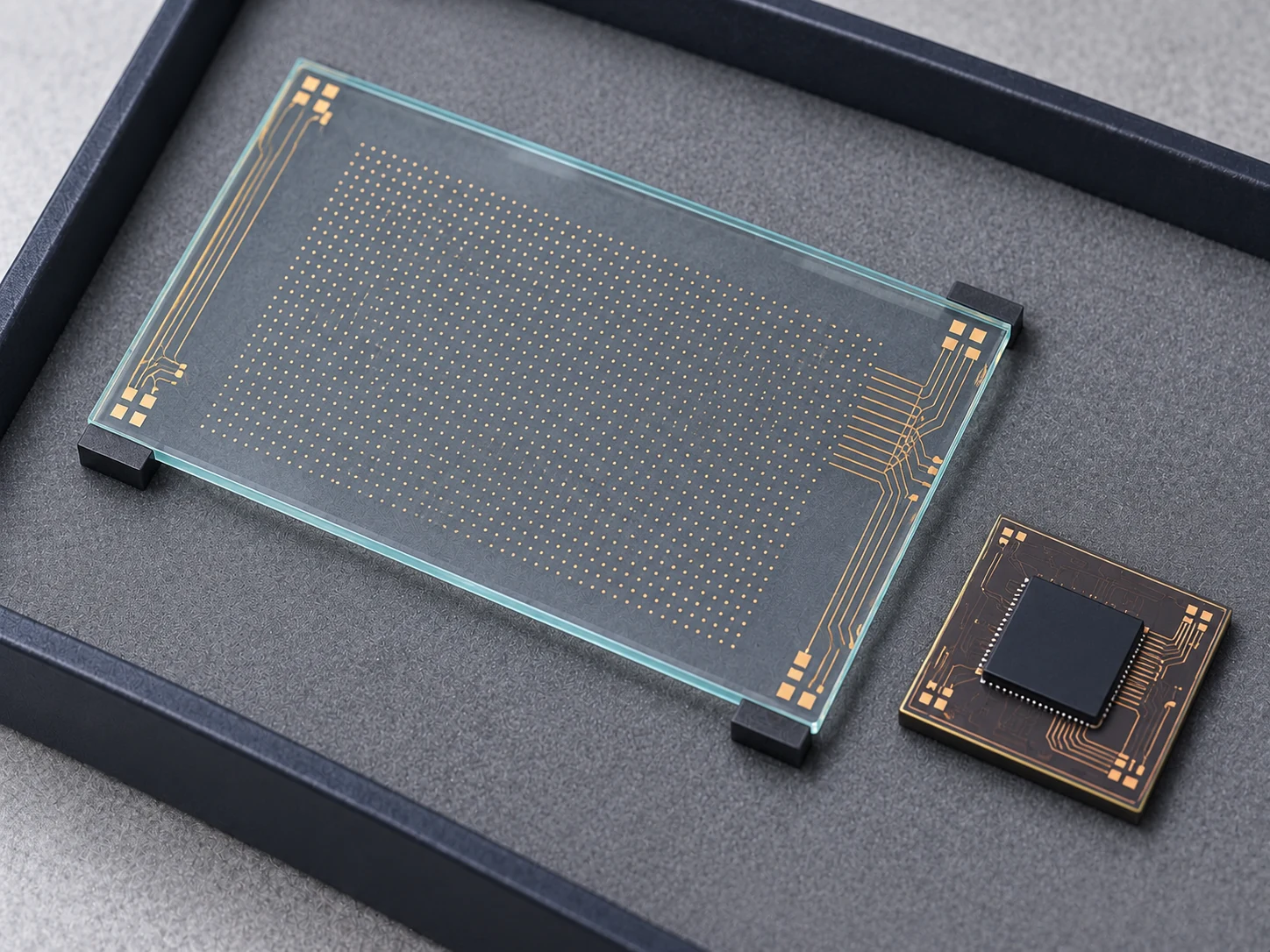
Developing through-glass via processes for high-density interconnects, with emphasis on precision, process control and production compatibility for advanced packaging and heterogeneous integration.
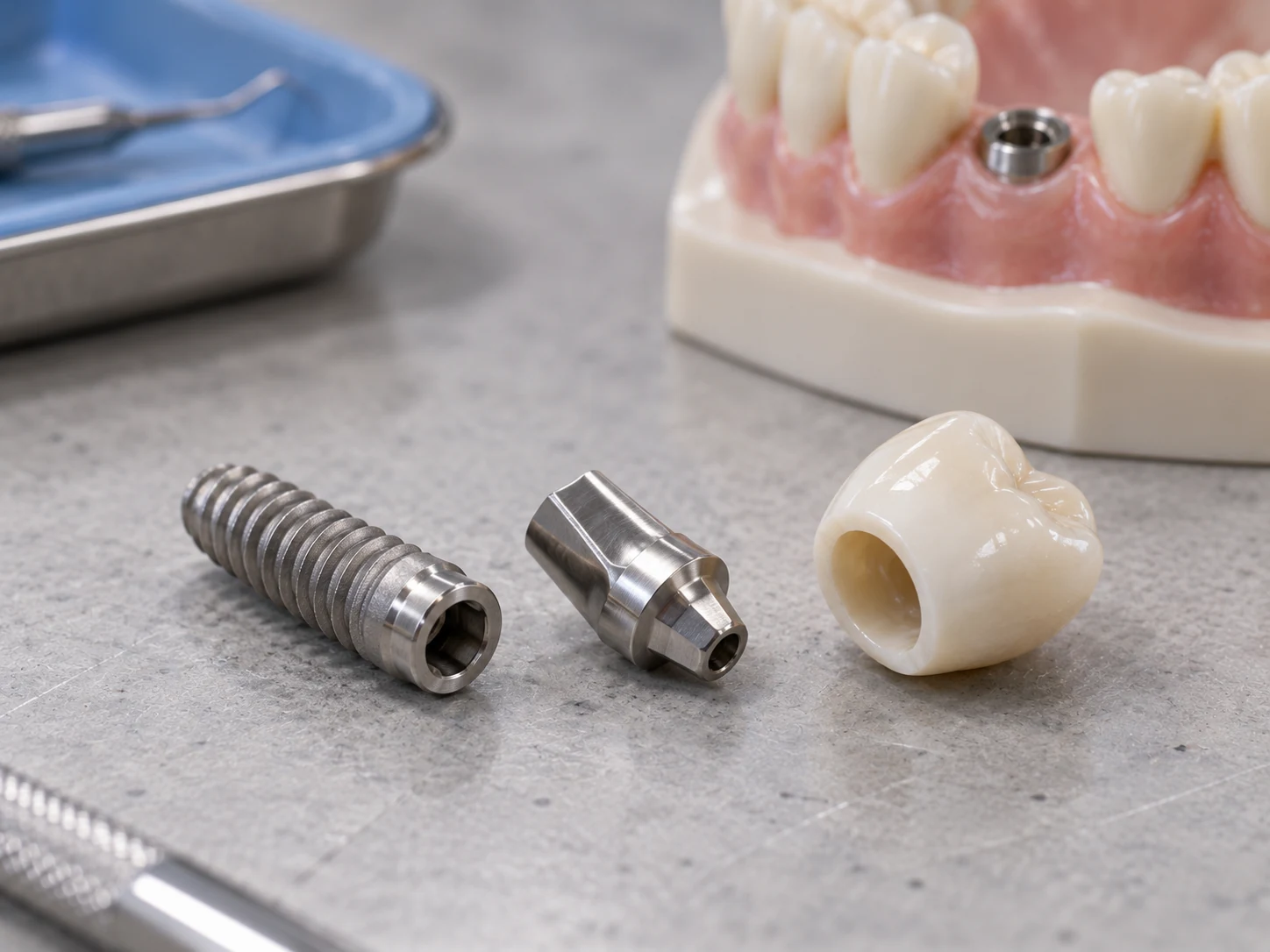
NTI TAC-ON Protect™ supports smooth toner release and lower friction on fusing rollers and fixing parts, helping reduce contamination and maintain print consistency.
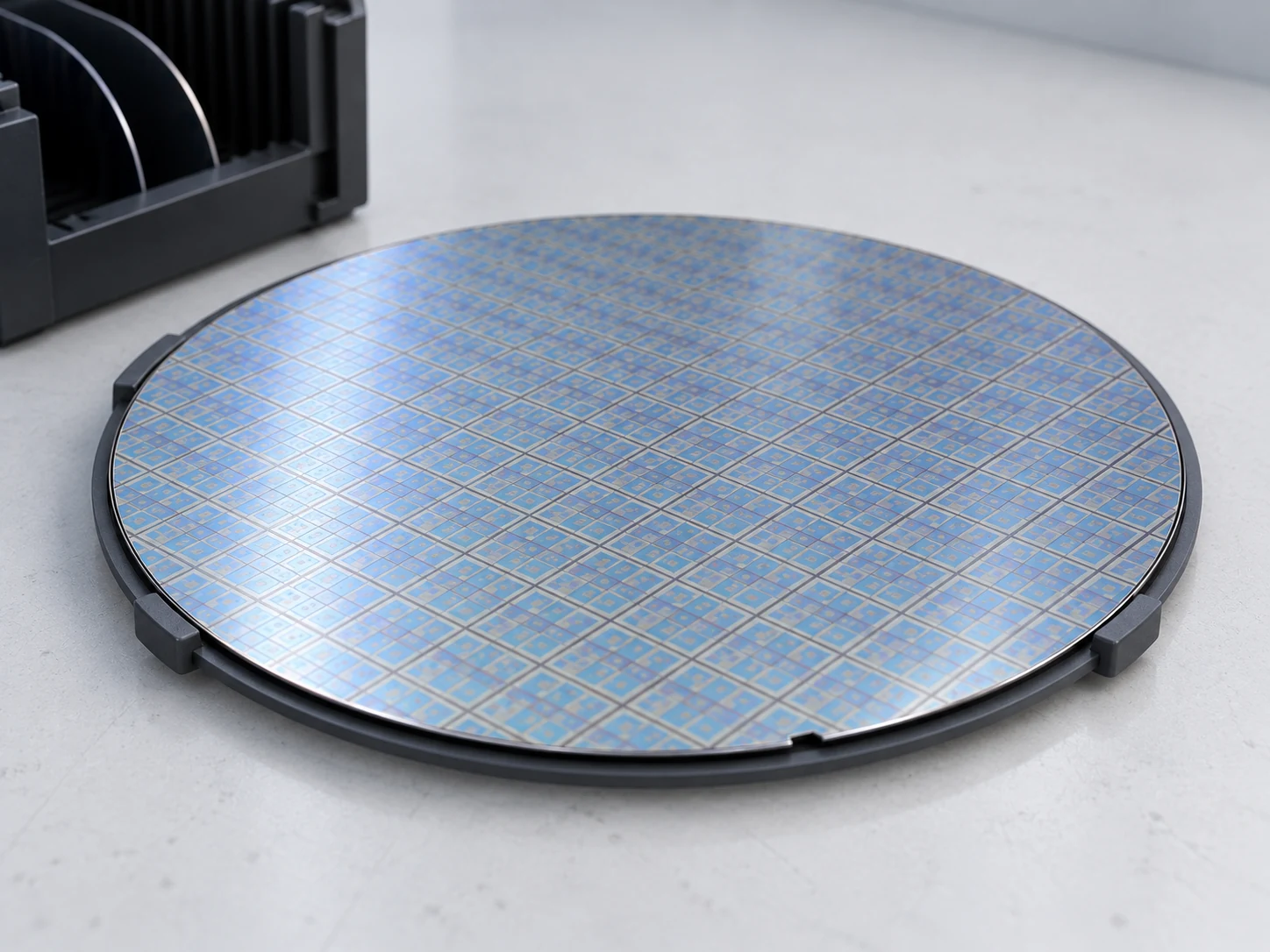
Developing hard-mask materials and process windows for precision pattern transfer, targeting stronger dimensional control and process robustness in semiconductor manufacturing.
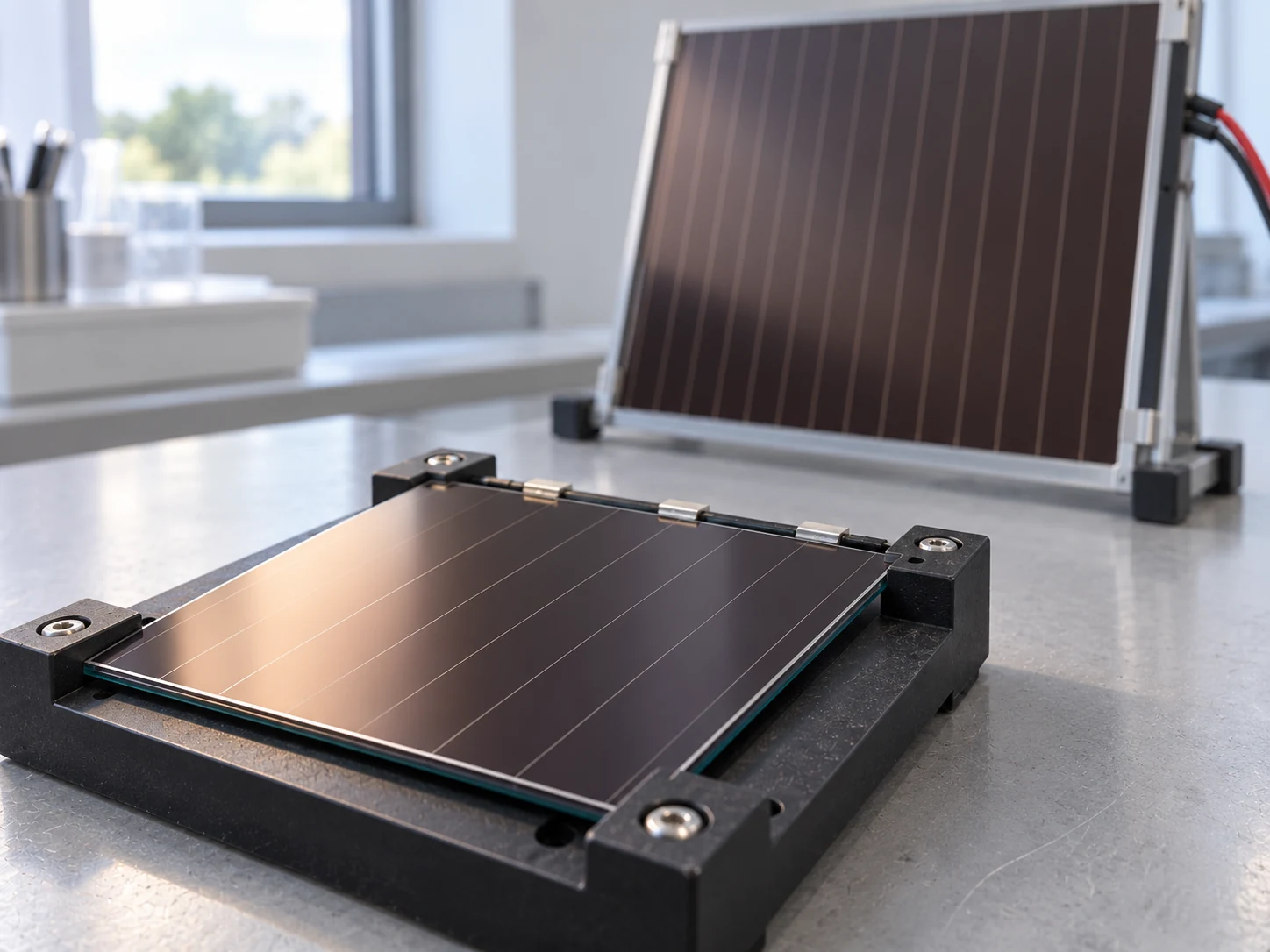
Advancing closed-space sublimation deposition for controlled, higher-throughput thin-film formation, supporting higher-volume manufacturing for photovoltaic applications.
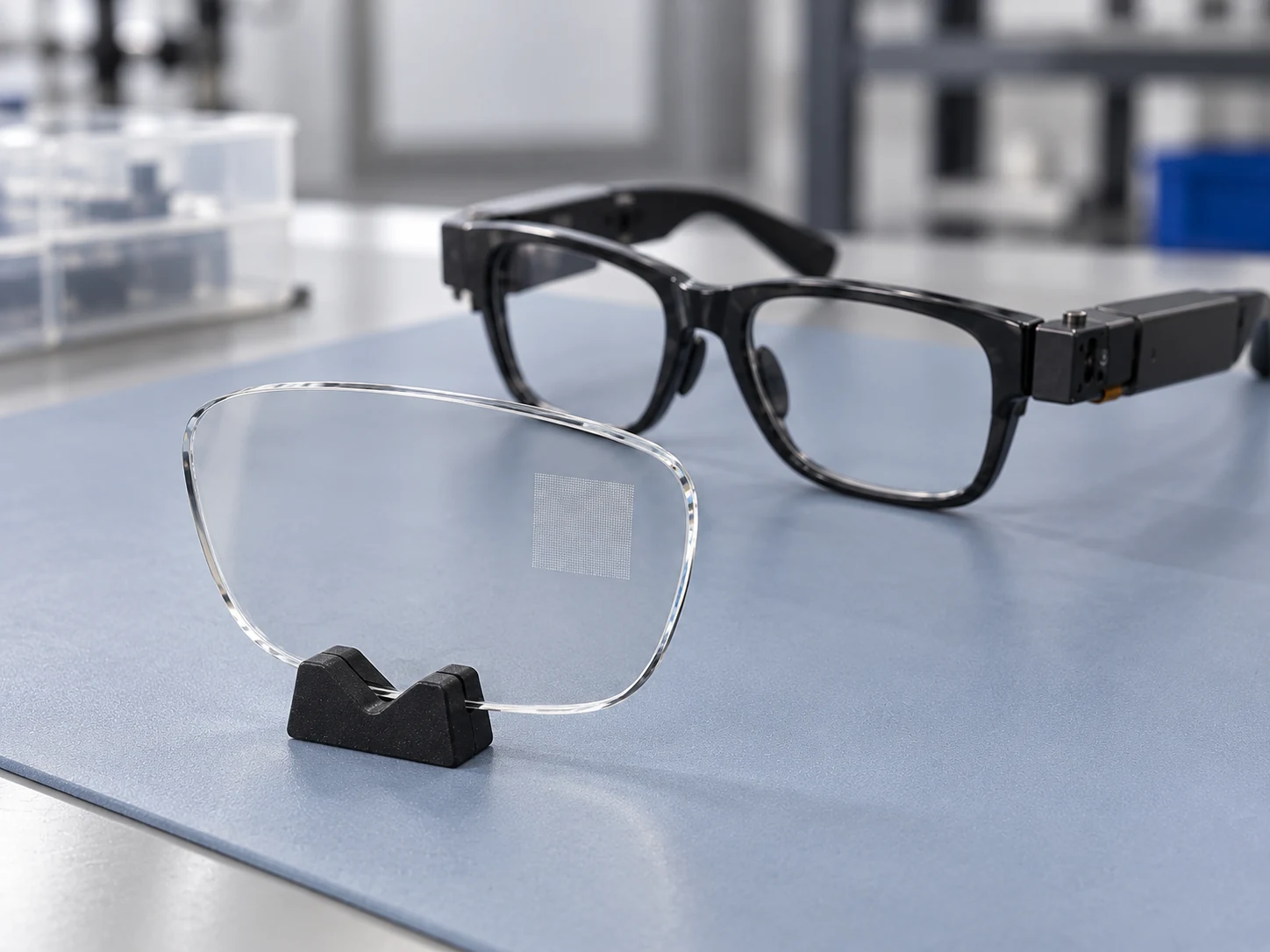
Developing next-generation optical architectures and glass solutions to improve optical efficiency, form factor and visual performance for augmented-reality applications.
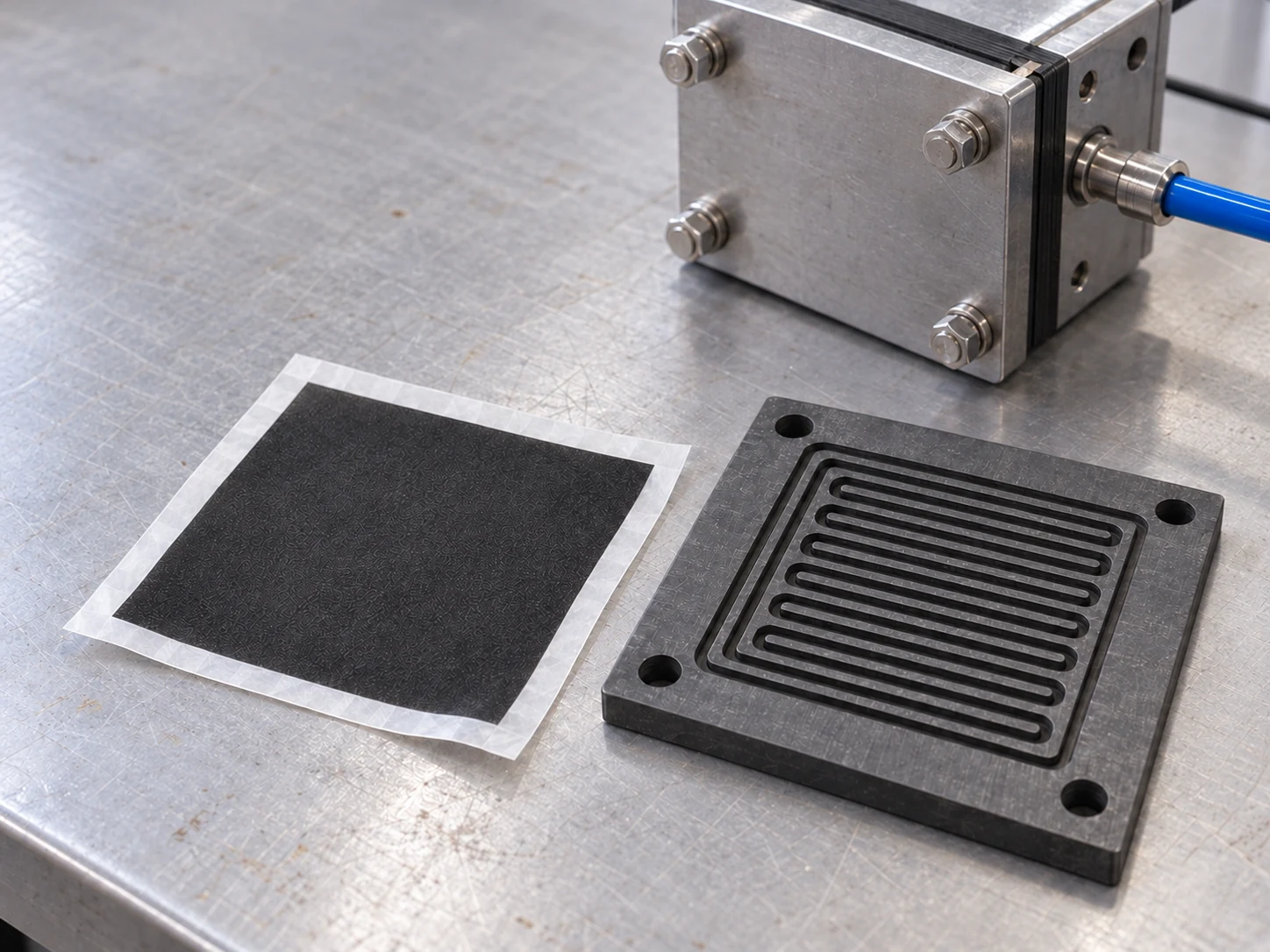
Developing Pt-based catalyst compositions and structures to increase electrochemical activity and durability while reducing precious-metal loading for fuel-cell applications.
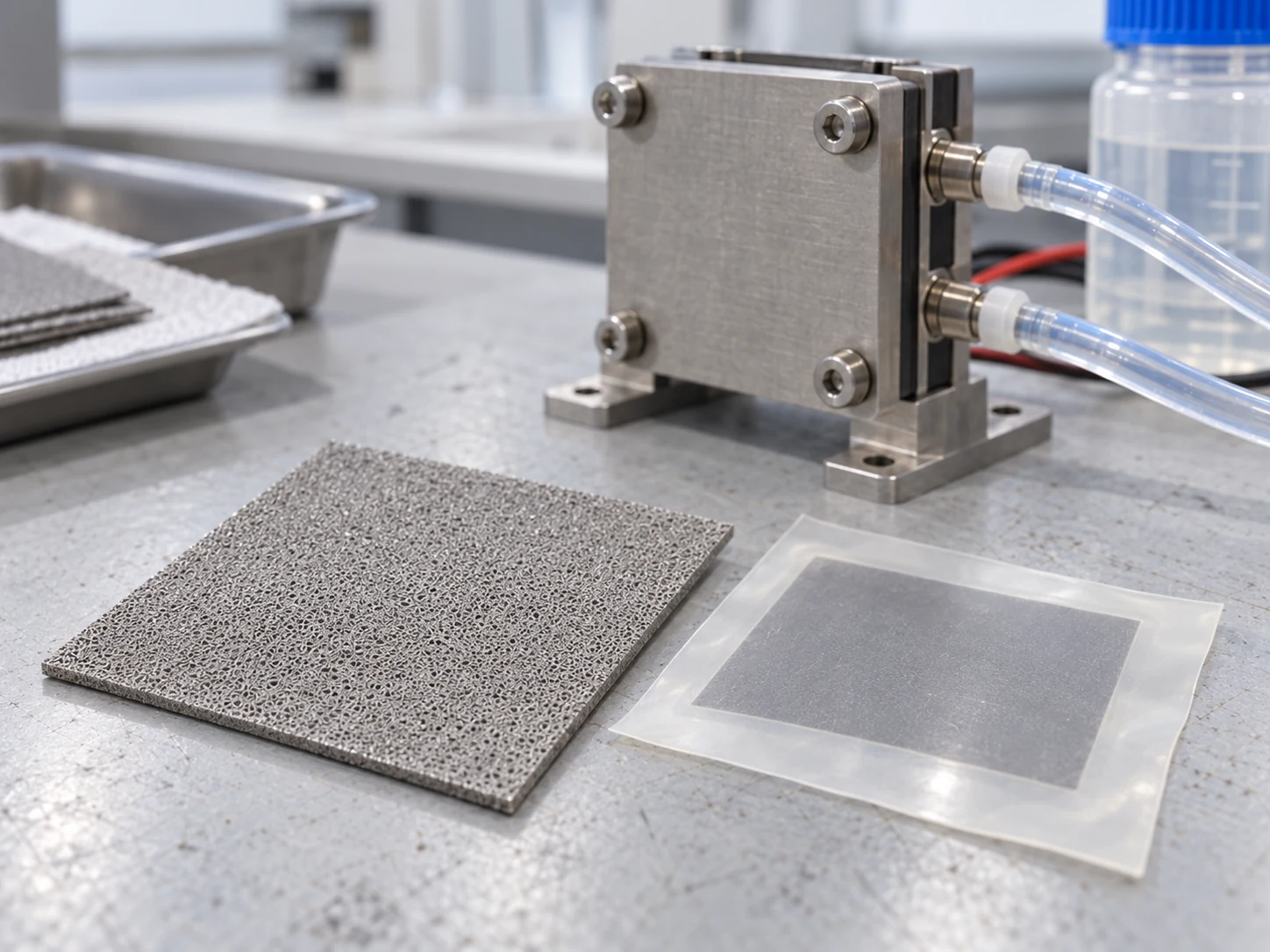
Developing anode catalyst materials and architectures to improve oxygen-evolution activity, durability and precious-metal utilization in PEM water electrolyzers.
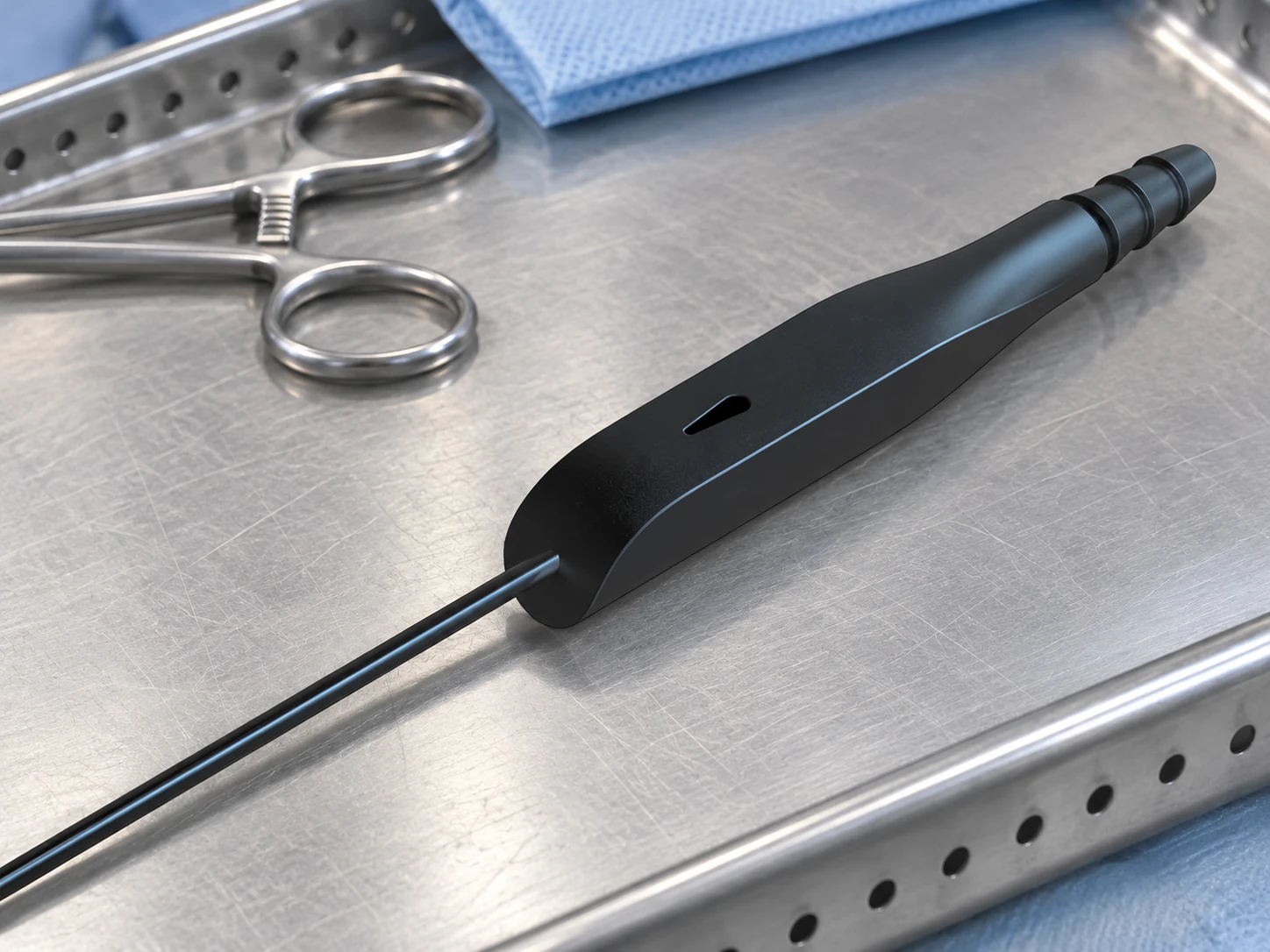
Developing biofunctional, sterilization-resistant DLC hard coatings for shape-memory-alloy microsurgical instruments, targeting corrosion resistance, reduced glare and biocompatible use in minimally invasive surgery.
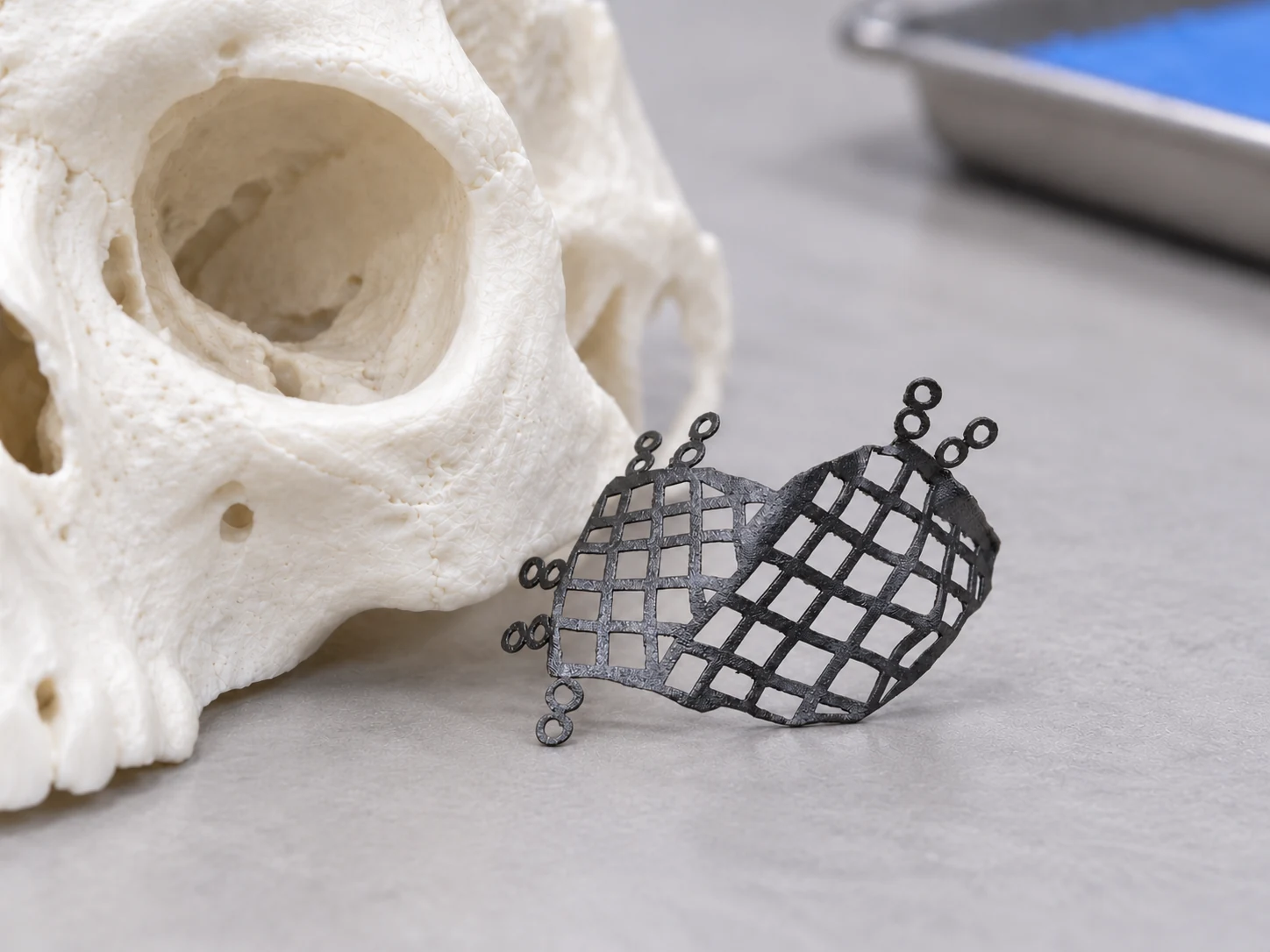
Developing coating methods and passivation layers for patient-specific superelastic implants, supporting protected and biocompatible surfaces for oral, maxillofacial and facial surgery.
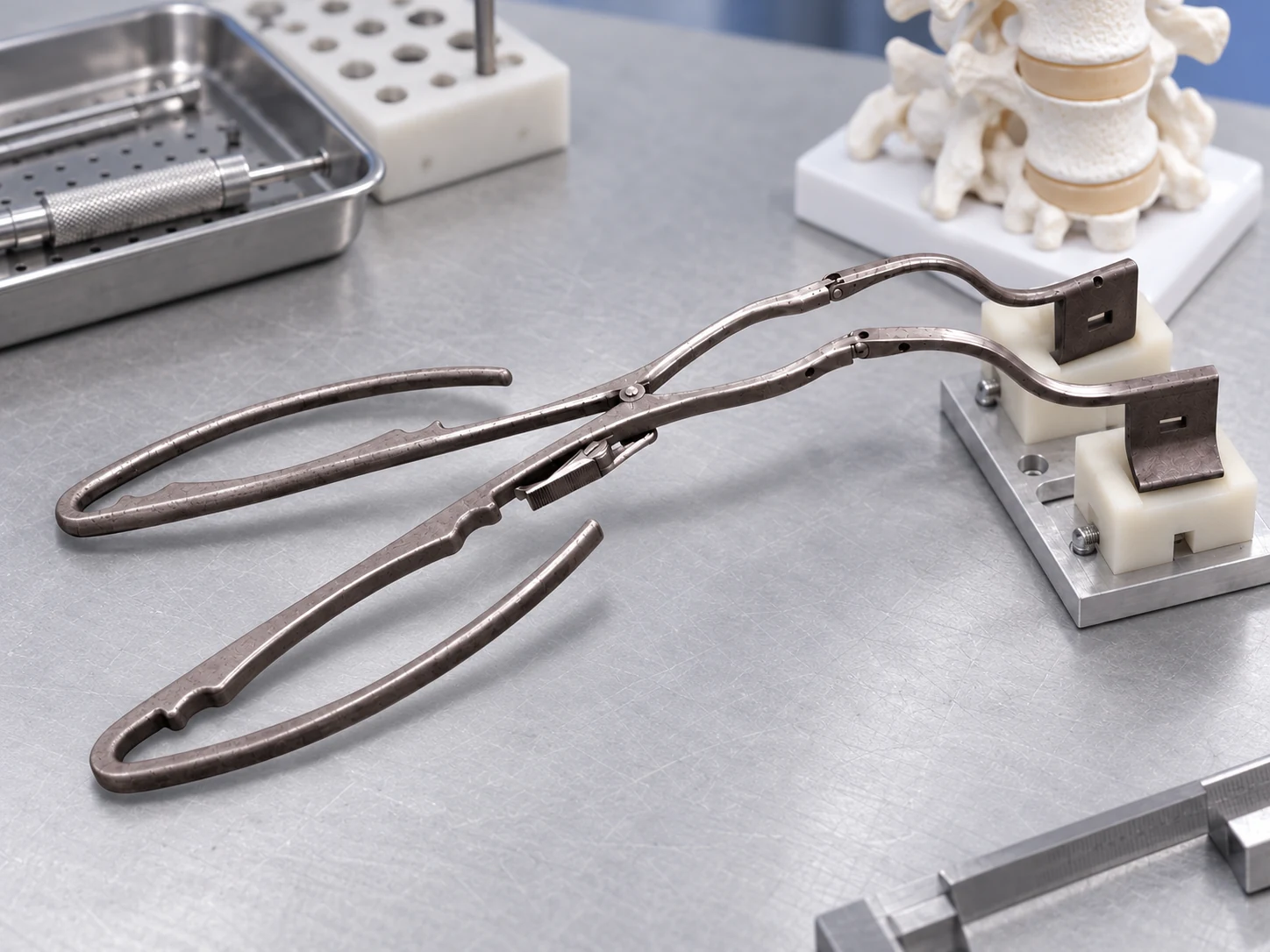
Evaluating coating processes and materials for an intelligent spinal surgical retractor with integrated oxygen-saturation sensing, supporting functional instrument surfaces for safer surgical use.
Selected partners across published NTI research and development programs bring complementary scientific, clinical, engineering and application expertise into collaborative development work.








From the first technical challenge through validation and production readiness, NTI works with you to shape the development program, prove the solution against real application requirements and prepare successful outcomes for industrial implementation.
Frame the application challenge, operating conditions and performance target around the outcome the program needs to achieve.
Align the material, coating or technology scope with the experiments, samples and evidence needed to move the work forward.
Develop the material, coating, process or technology against component geometry, operating conditions and production requirements.
Validate performance, reliability and manufacturability with evidence tied to the intended application and qualification requirements.
Translate the validated solution into process integration, qualification, transfer and serial production requirements.
Work directly with NTI on a defined development challenge, or combine NTI with relevant universities and research institutes when the program needs complementary capability. In both models, the work stays anchored to measurable performance, validation and production requirements.
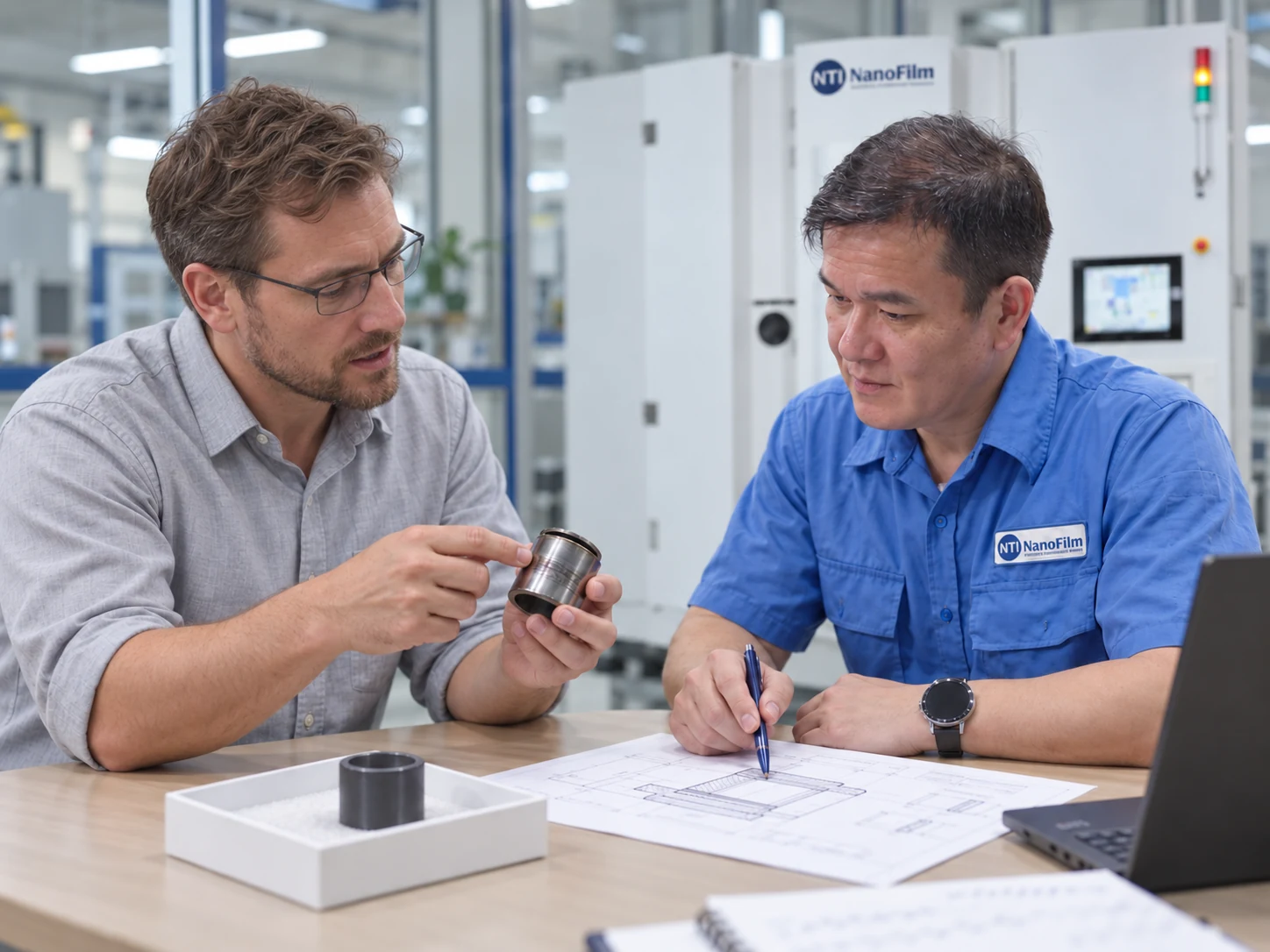
Develop and validate a defined material, coating, micro-optics or nanotechnology solution with NTI, with the work aligned to your application, qualification and production requirements from the outset.
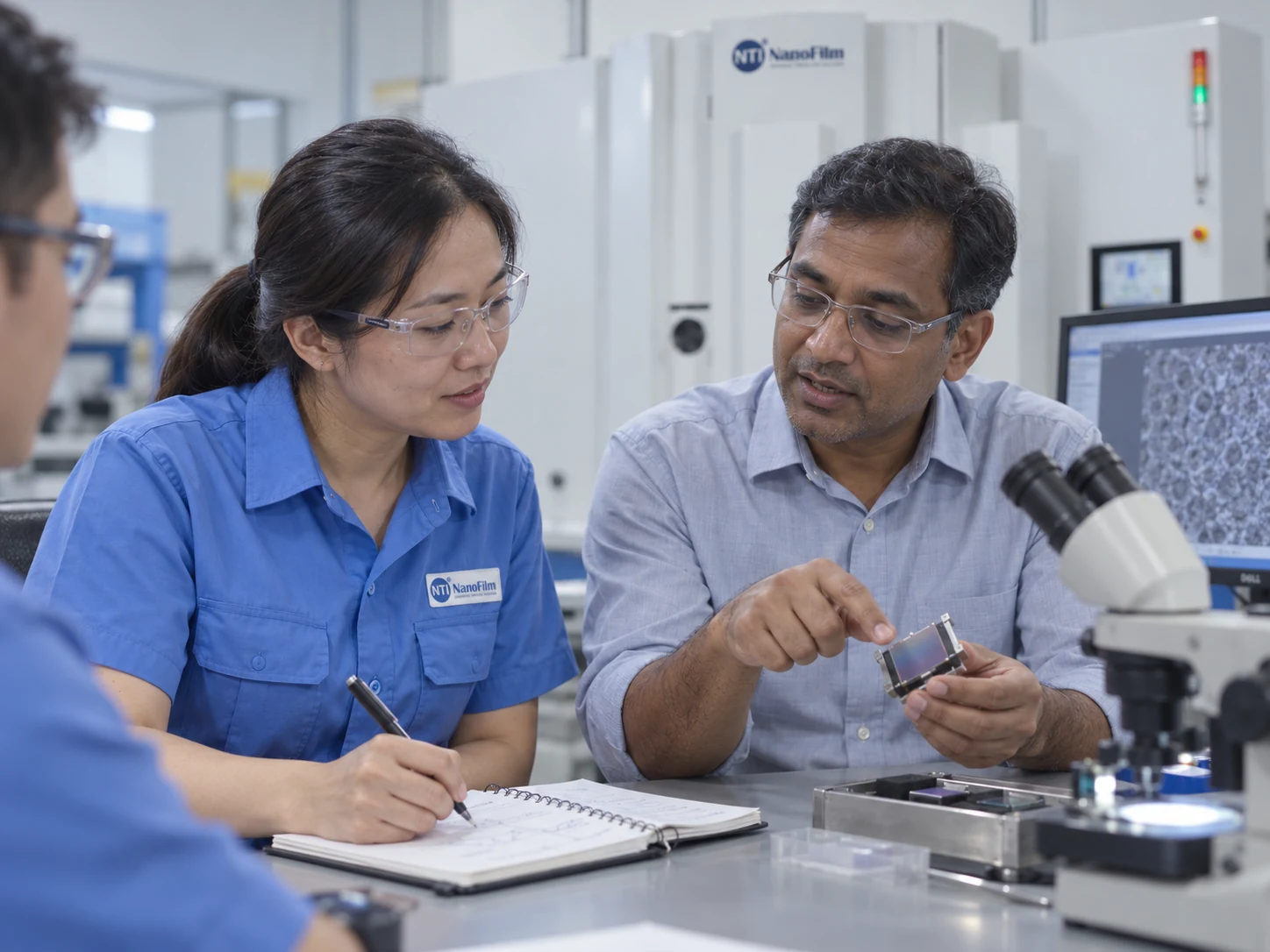
Bring NTI together with universities, research institutes or industry partners when the challenge benefits from additional scientific or domain capability, while keeping the program focused on a defined technical outcome and commercial application.
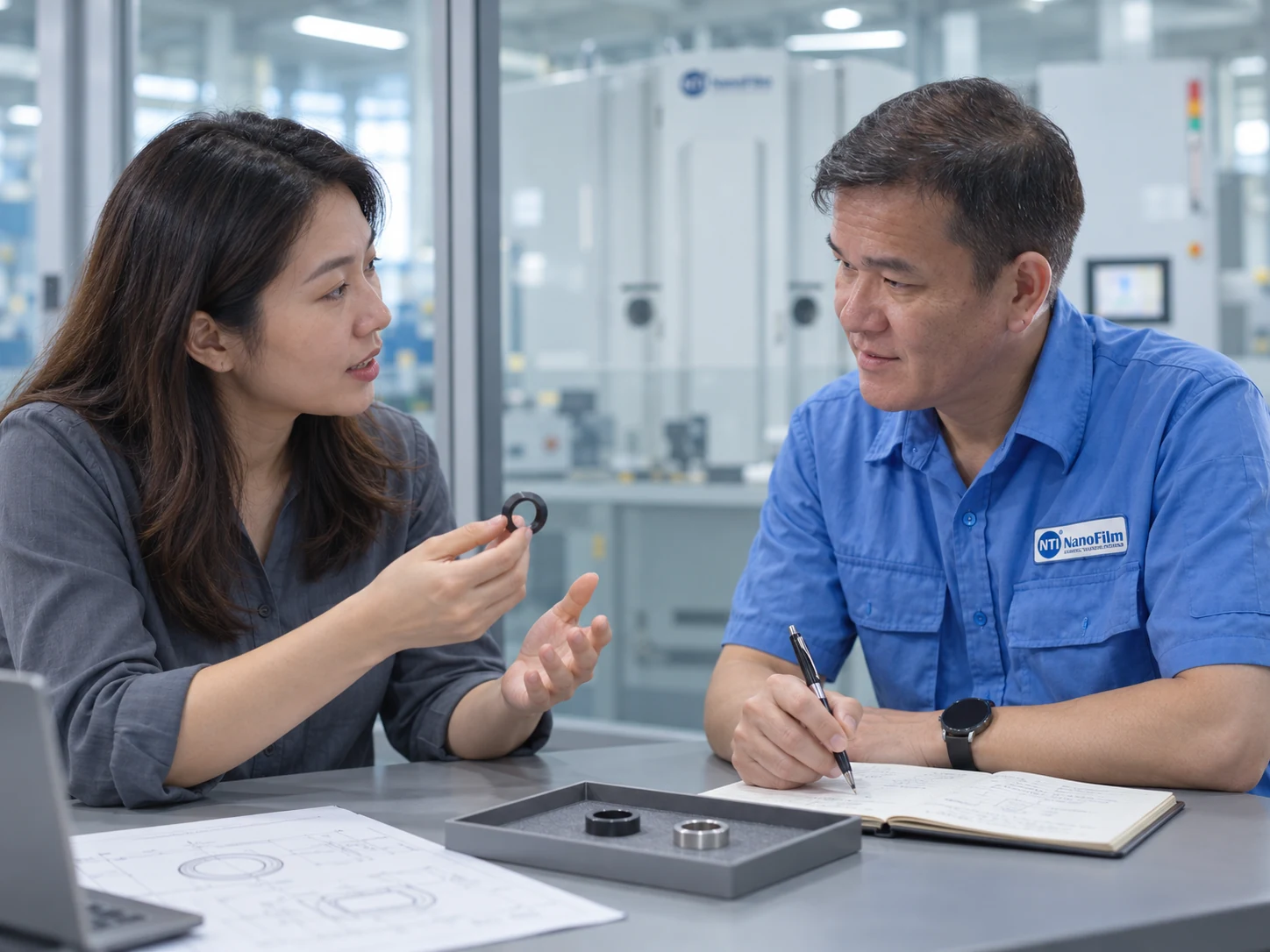
Tell us what you are trying to achieve, and explore how NTI’s R&D capabilities can support the next step.
NTI Nanofilm supports feasibility studies, proof-of-concept development, advanced materials and coating development, process optimization, application validation, qualification and industrialization. Work can begin with an early concept, an existing technology that needs improvement or a mature program preparing for production.
Yes. NTI can evaluate the substrate, operating environment, performance target and potential material or process routes, and establish the evidence needed to assess the concept for further development.
NTI research spans Advanced Materials, Coating Equipment and Process Technology, Micro-Optics Fabrication and Hydrogen Energy. Current development work includes thermal interface materials, semiconductor processing, advanced packaging, biomedical surfaces, solar-cell deposition, optical systems, fuel-cell catalysts and PEM water electrolysis.
Yes. Development can be shaped around the substrate, geometry, operating temperature, wear, friction, corrosion, electrical, optical, thermal or biological requirements, together with process constraints and intended production conditions.
Validation can combine materials characterization, prototype or sample evaluation, application-relevant testing, reliability studies and process validation against agreed performance requirements. The exact test plan depends on the component, application and development objective.
Yes, where the technology and business case are suitable. Validated programs can progress into Research Engineering, qualification, process integration, coating services, equipment and process transfer, micro-optics fabrication or other production pathways within NTI.
Yes. Development can be structured directly with NTI or as a collaborative program with universities, research institutes or industry partners when complementary capability strengthens the technical objective and intended application.
Sensitive technical and commercial information can be discussed under appropriate confidentiality arrangements. Intellectual-property considerations, project scope and ownership requirements can be addressed as part of the collaboration framework before detailed proprietary work progresses.
Useful starting information includes the application, substrate or material, target performance, current technical limitation, operating conditions, expected timing and prototype or production context. These inputs help NTI identify the most relevant technical expertise and development starting point for the discussion.