
NTI Nanofilm combines coating services, application engineering and in-house coating systems to help forming, stamping, cutting and molding operations control wear, friction, pick-up, burrs and release behaviour while extending operating intervals and improving tooling economics.
Harder materials, thinner foils, higher press utilization and tighter quality limits are increasing the value of stable working surfaces, planned maintenance intervals and lower tooling cost per acceptable part.
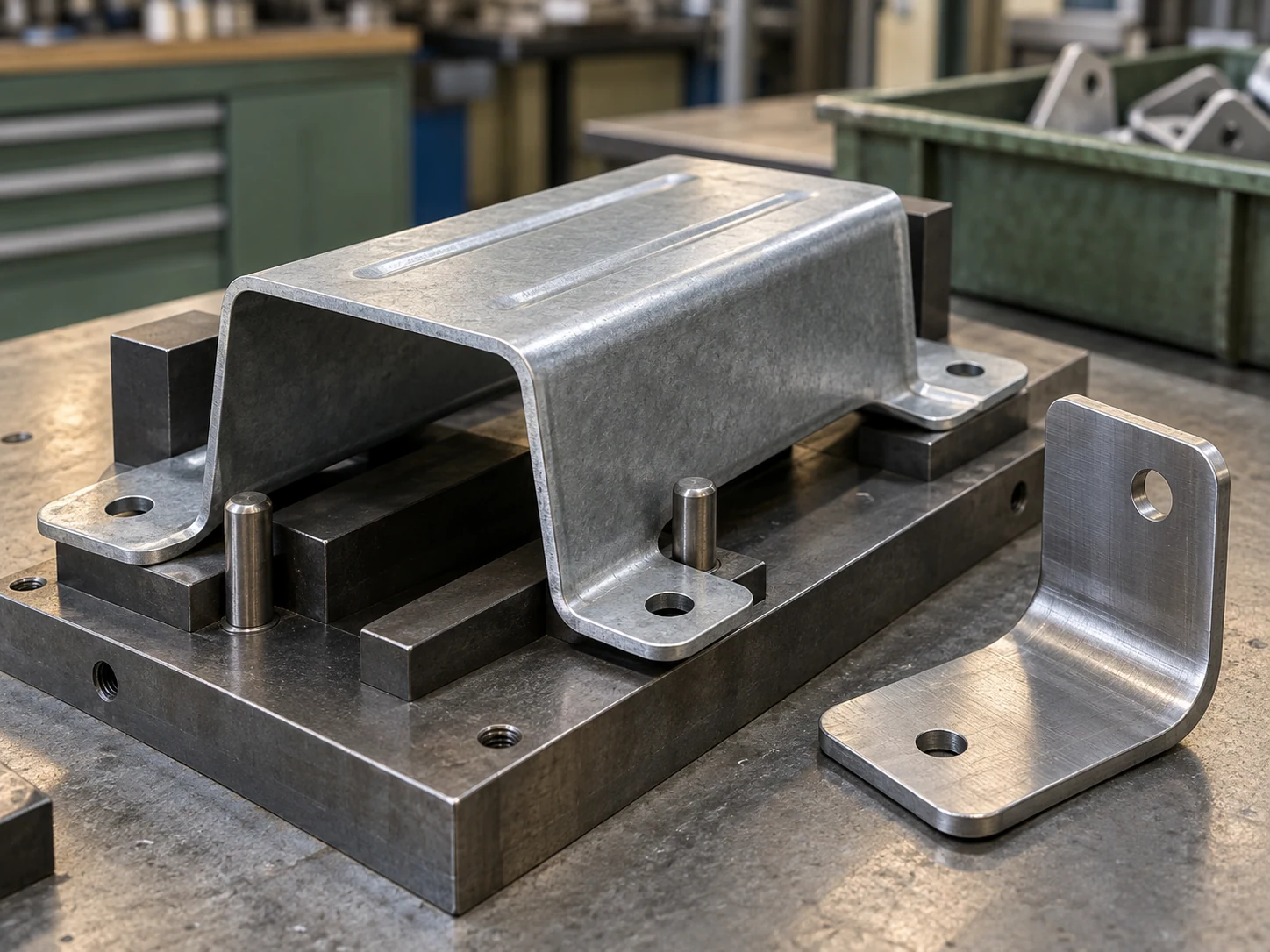
High-strength metals and abrasive materials increase contact pressure, sliding severity and sensitivity to galling, pick-up and working-surface damage.
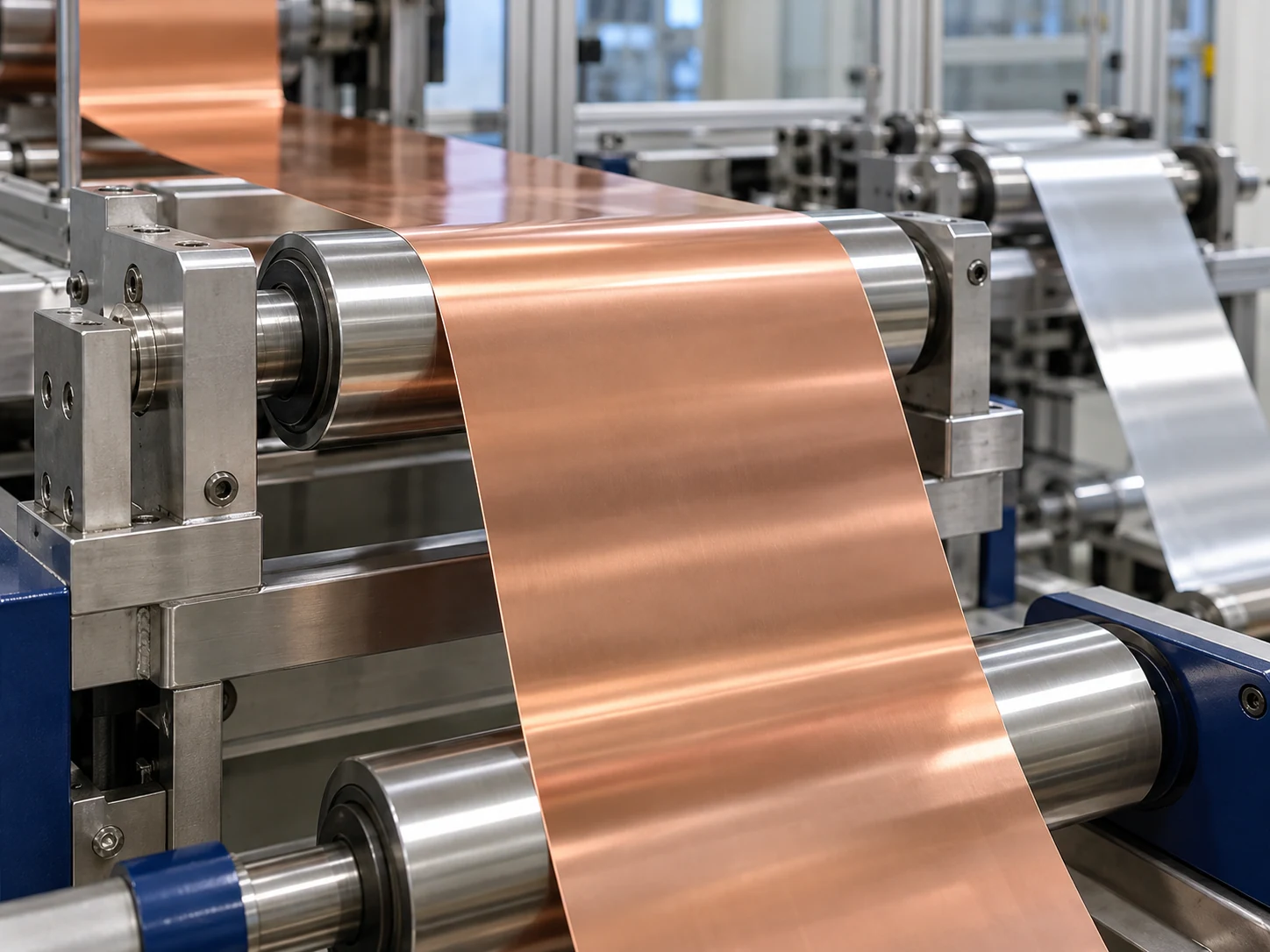
Precision slitting and fine cutting leave less tolerance for burrs, edge rounding, particle generation and dimensional variation.
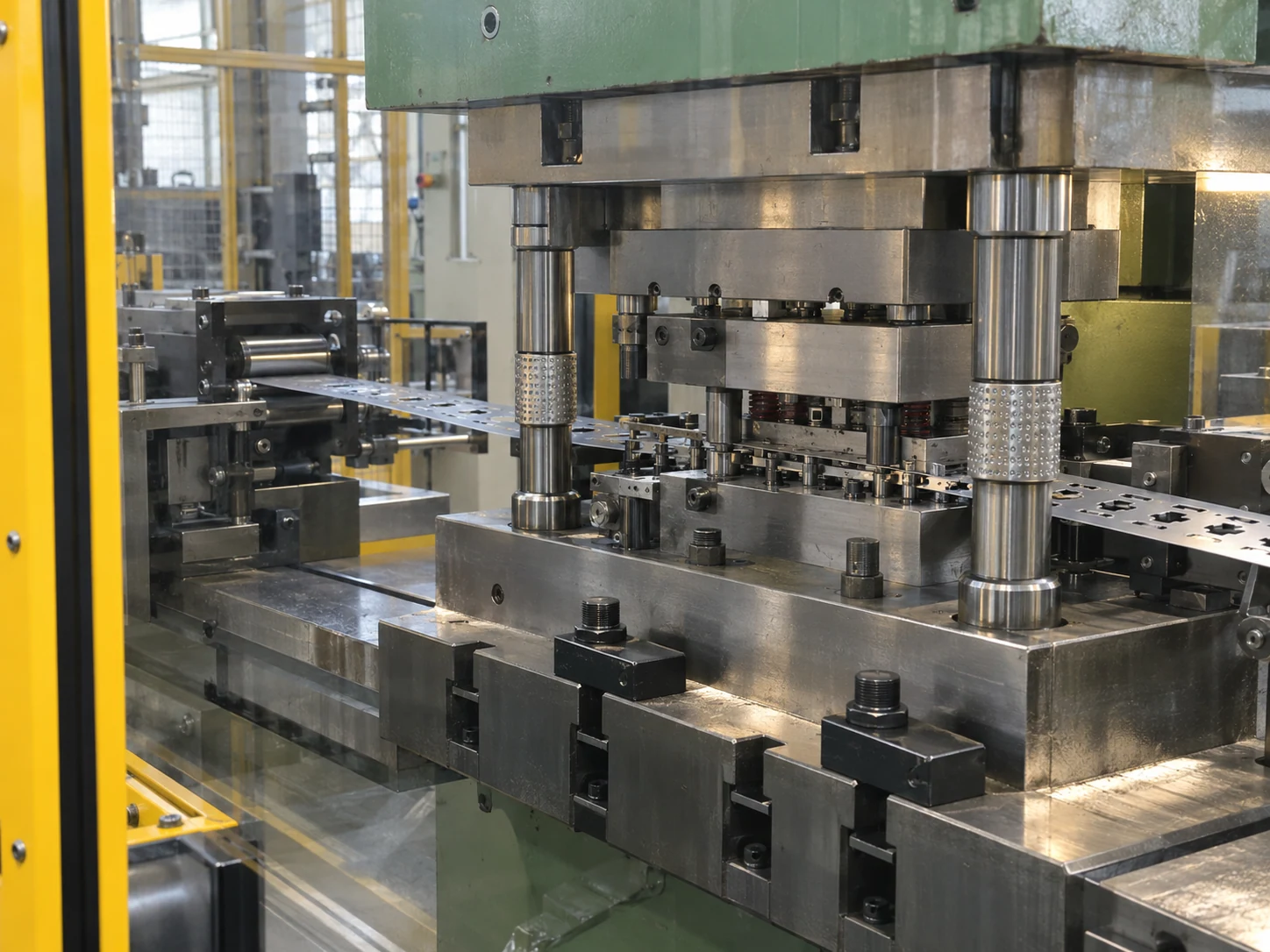
Faster cycles and longer production runs make predictable service intervals and fewer unplanned tool changes increasingly important to output planning.
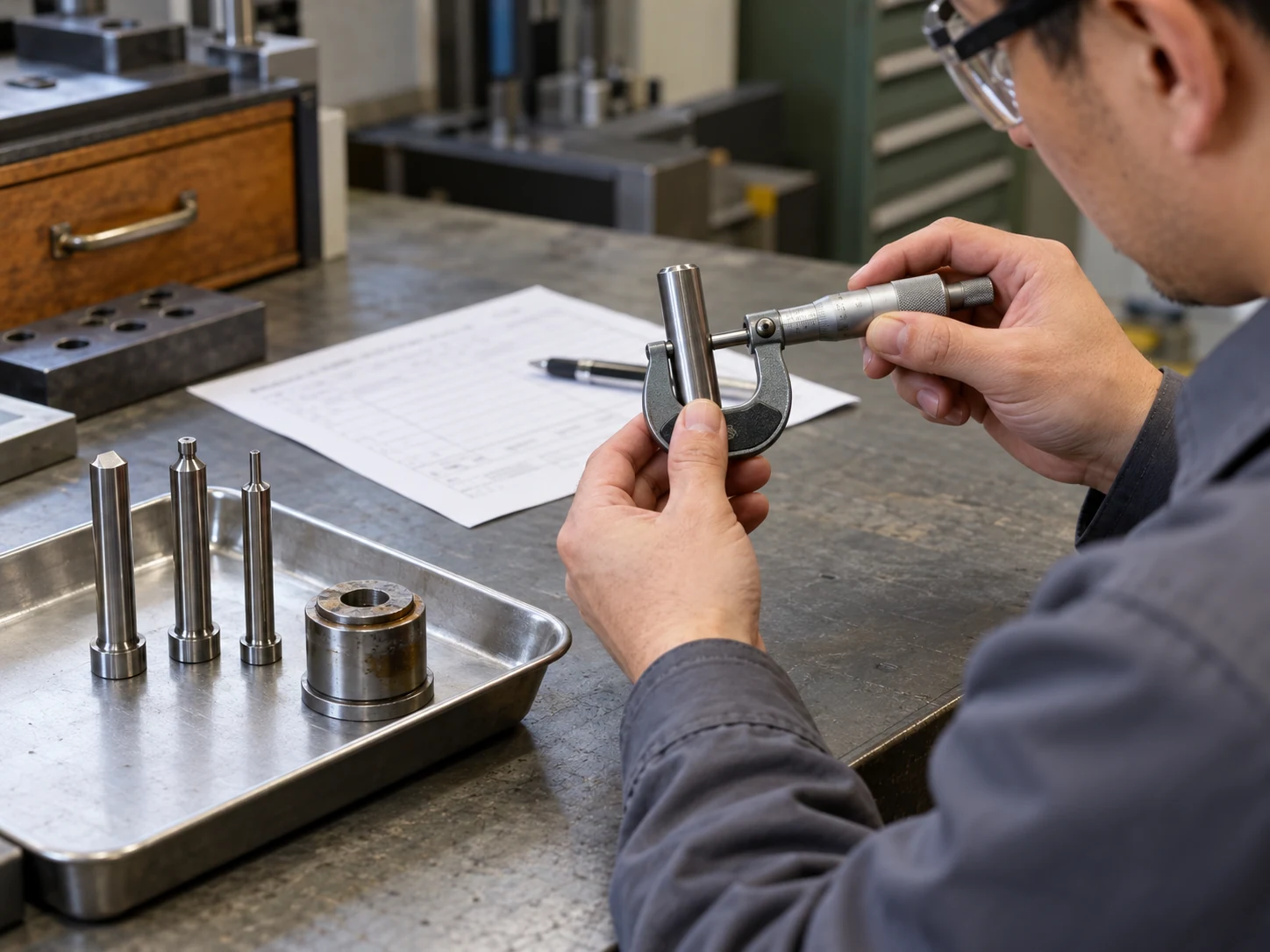
Greater attention to maintenance frequency, unplanned tool changes and service intervals is shifting focus from initial tool cost towards lifetime utilisation and tooling cost per part.
Select a tooling priority to see how a specific surface condition affects maintenance, process consistency and tool utilisation—and where the appropriate NTI Nanofilm capability can help.
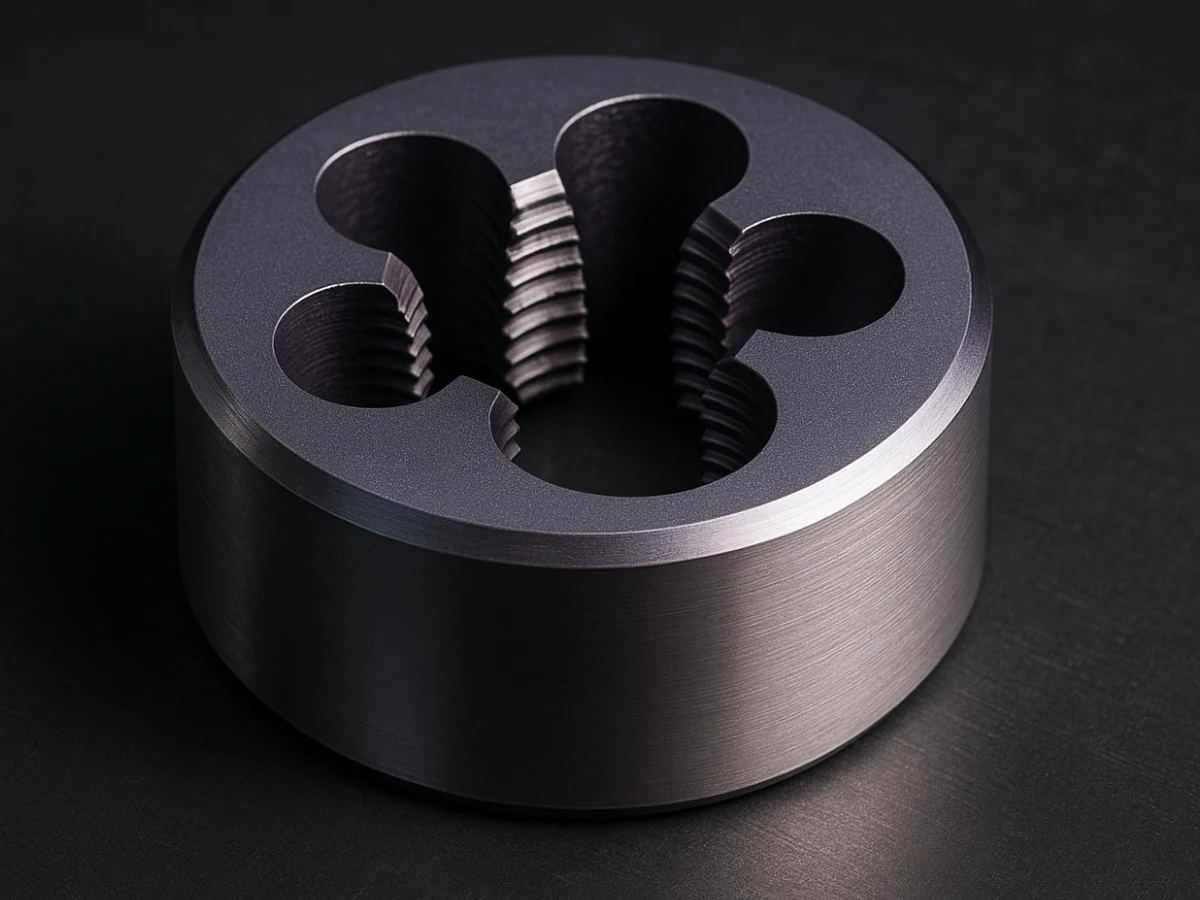
High contact pressure and repeated sliding can trigger galling and material transfer between the workpiece and tool. Controlling friction and adhesion helps maintain smoother material flow, reduce pick-up and extend intervals between cleaning or reconditioning.
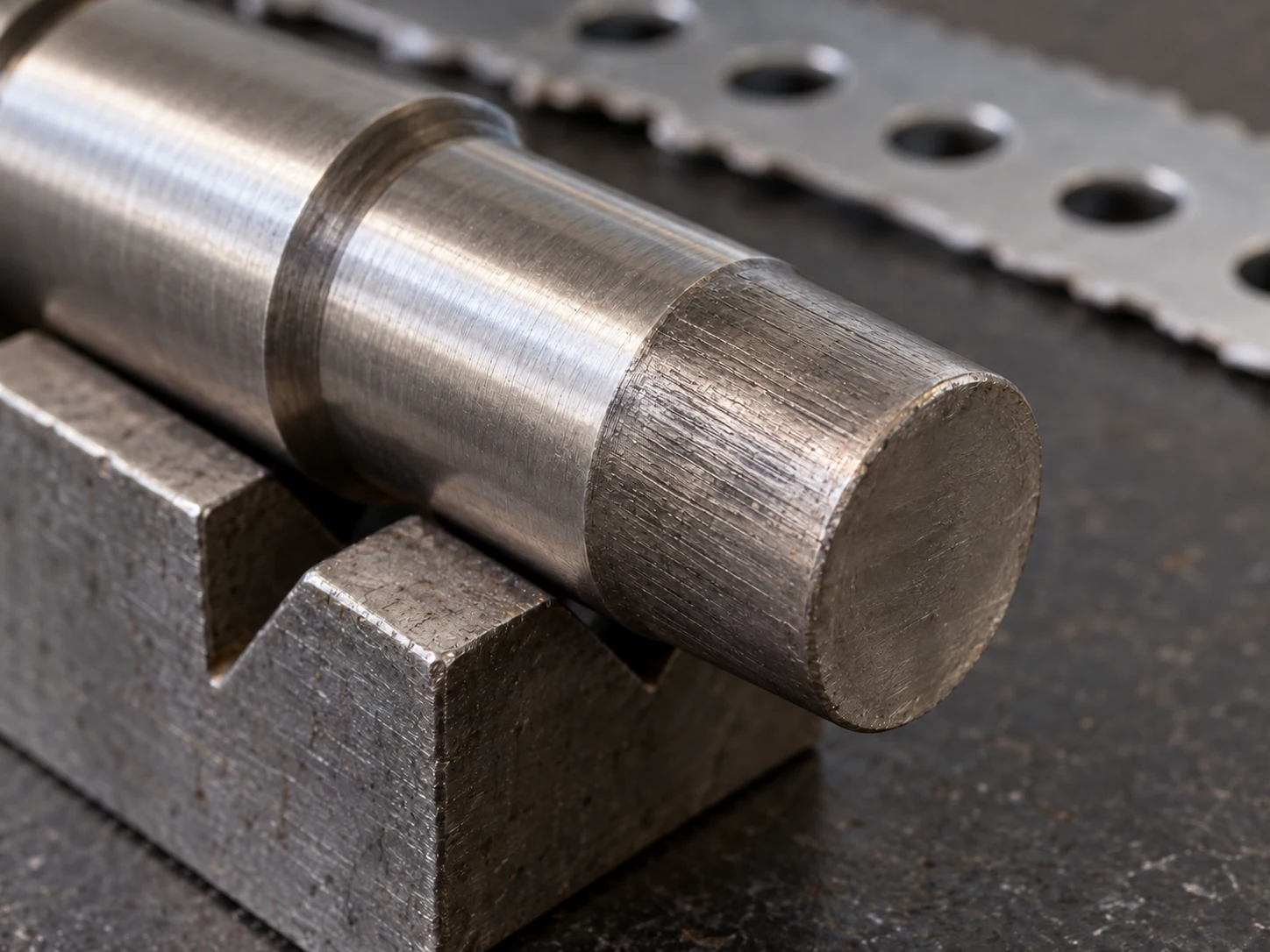
Hard particles, abrasive workpiece materials and repeated contact can progressively remove material from working surfaces. Wear-resistant coatings help protect punches, dies and mold interfaces, supporting more predictable service intervals and reducing premature surface degradation.
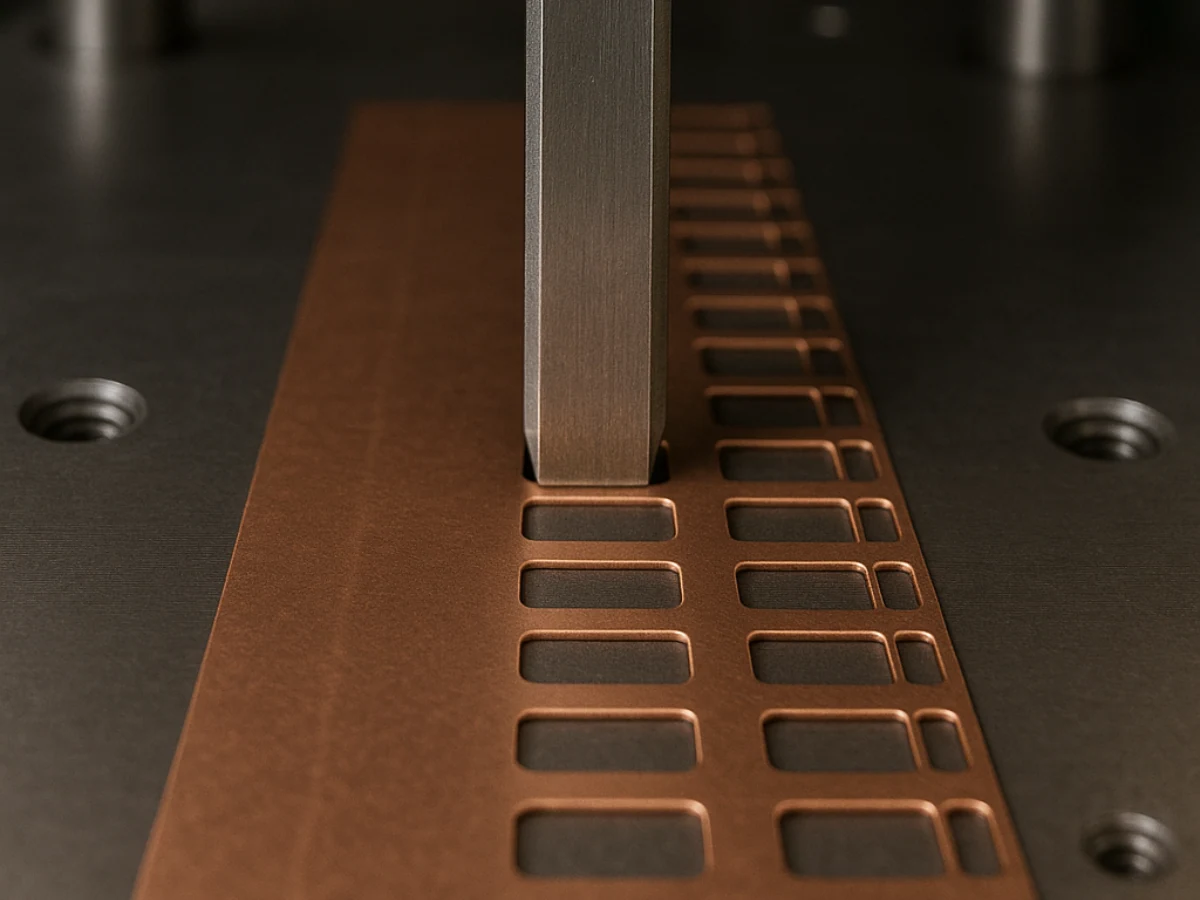
Precision cutting depends on maintaining a stable edge as contact cycles accumulate. Thin, hard coatings can protect cutting geometry without materially changing the tool profile, helping sustain cutting consistency and delay regrinding or replacement.
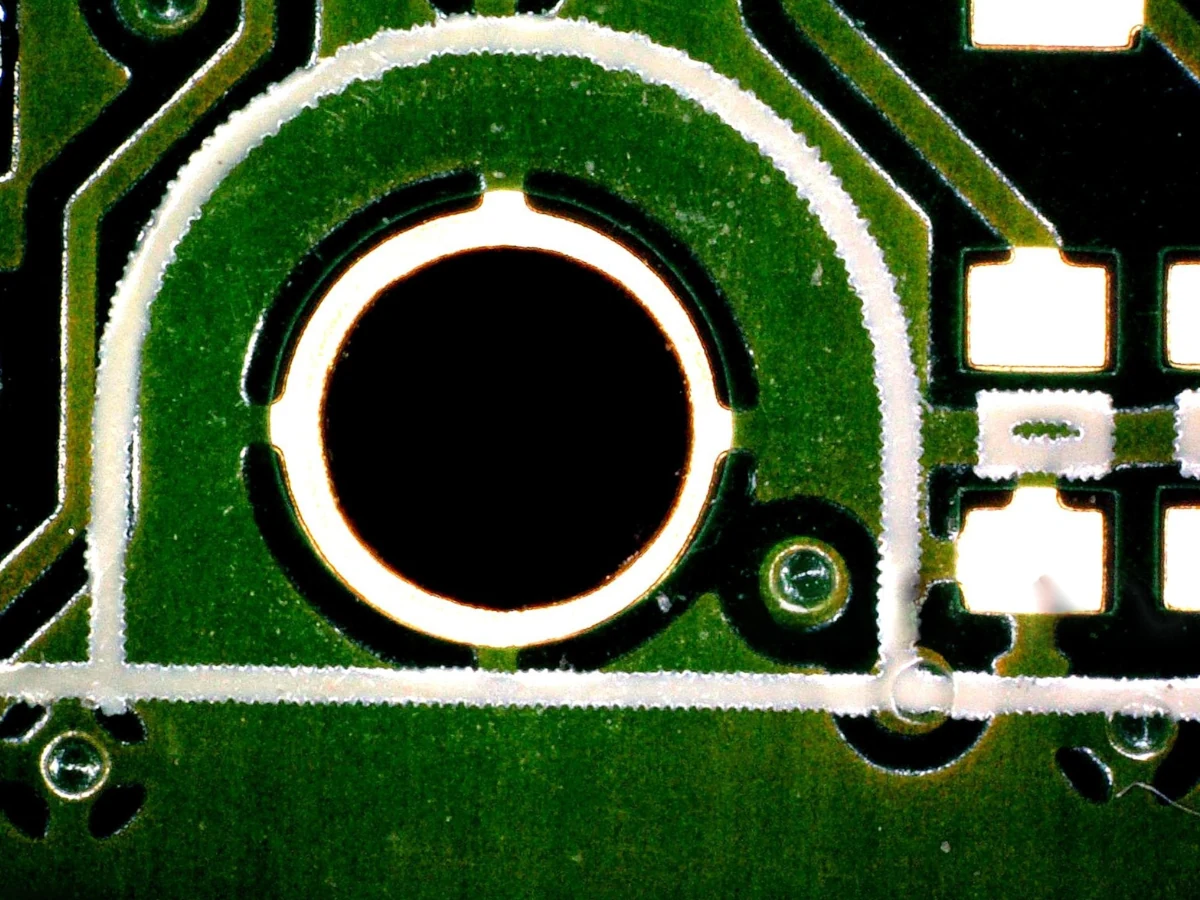
Burr formation can increase as cutting edges wear or material begins to adhere to the tool. Managing friction, adhesion and edge condition helps maintain more consistent cut quality and reduce downstream deburring or inspection pressure.
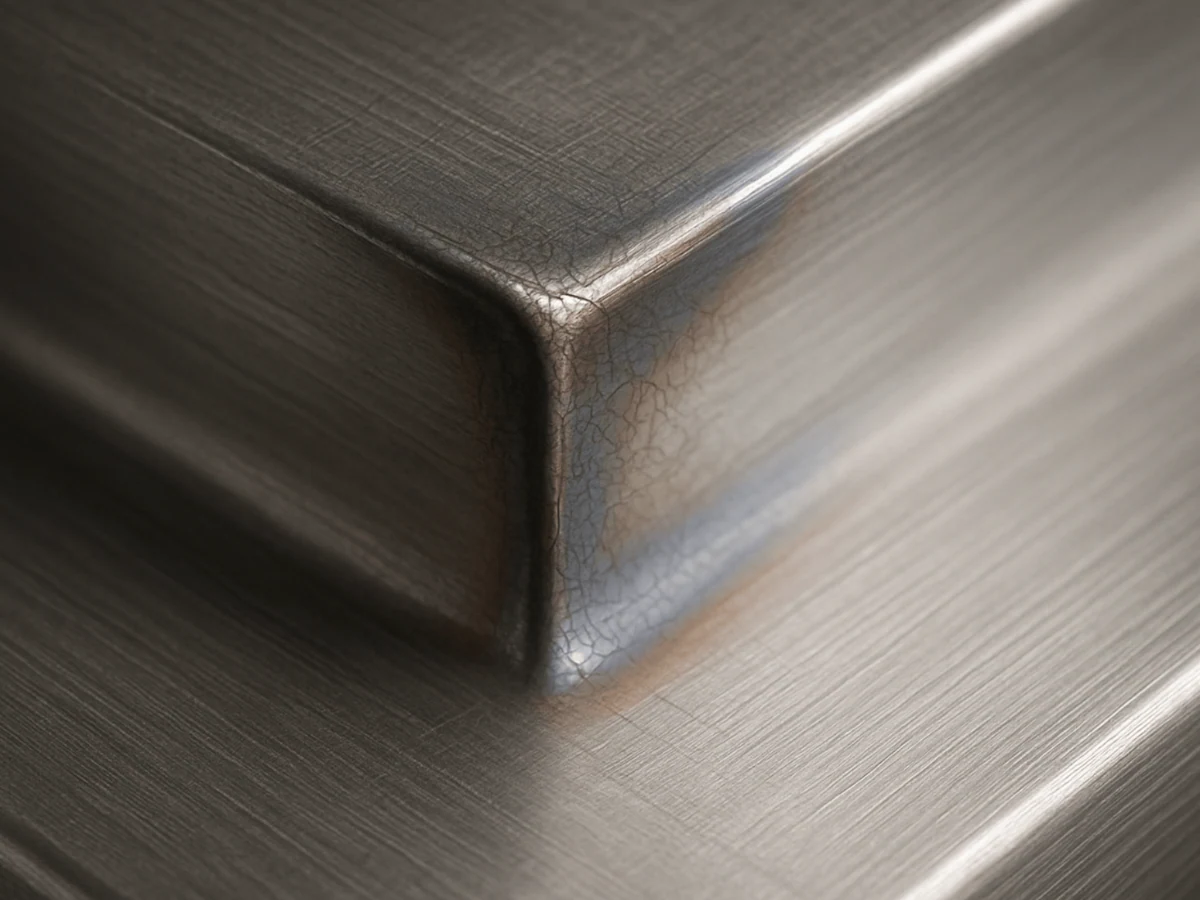
Repeated heating and cooling can initiate fine thermal-fatigue cracks at die corners, edges and gating areas. Thermally stable coatings can protect exposed surfaces, helping slow crack initiation and support longer intervals between polishing, repair or die replacement.
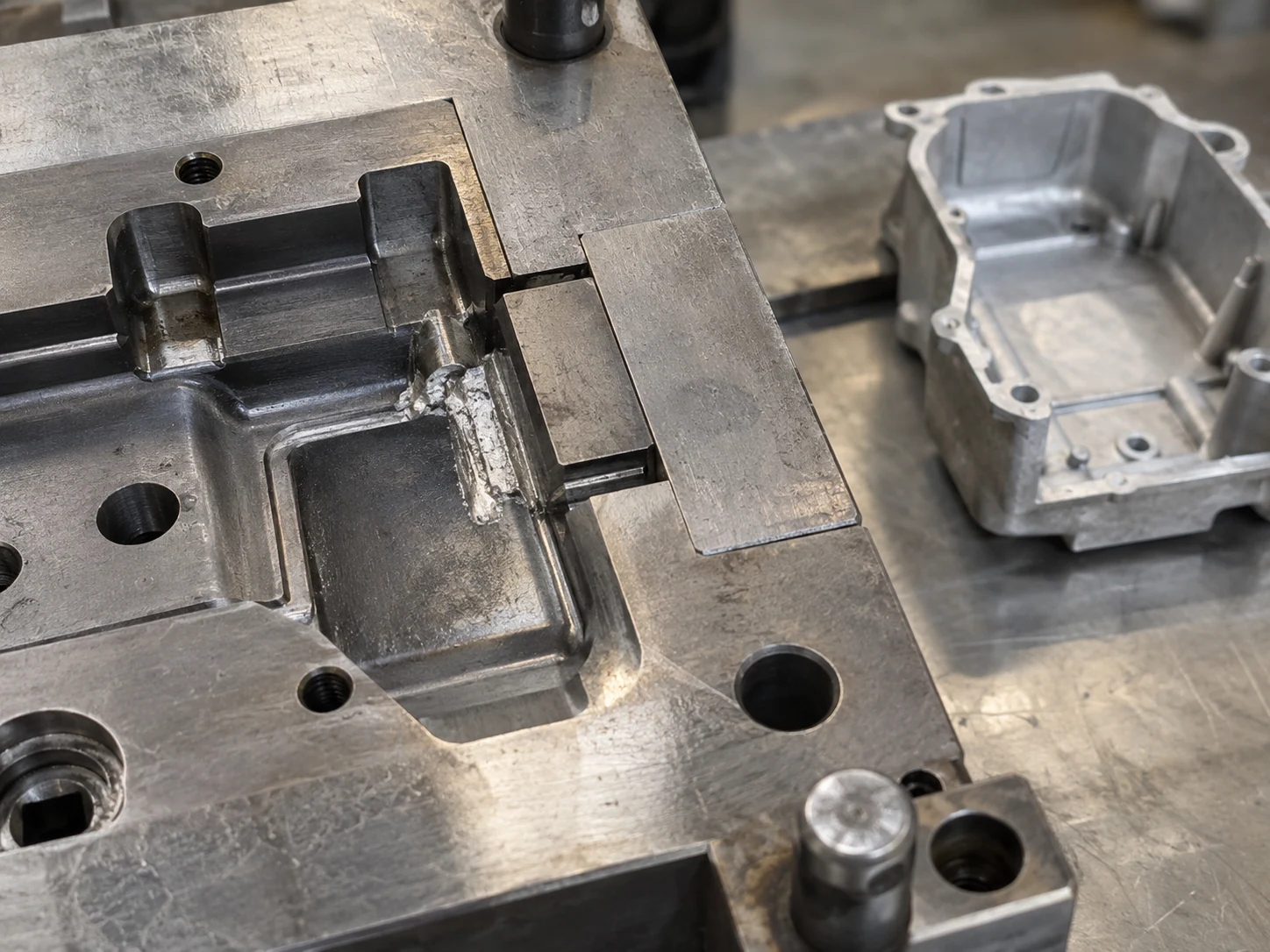
Molten aluminium can react with and adhere to die surfaces, creating soldering, ejection difficulty and surface defects. Appropriate coating surfaces can reduce metal interaction, helping limit build-up, cleaning demand and associated production interruptions.
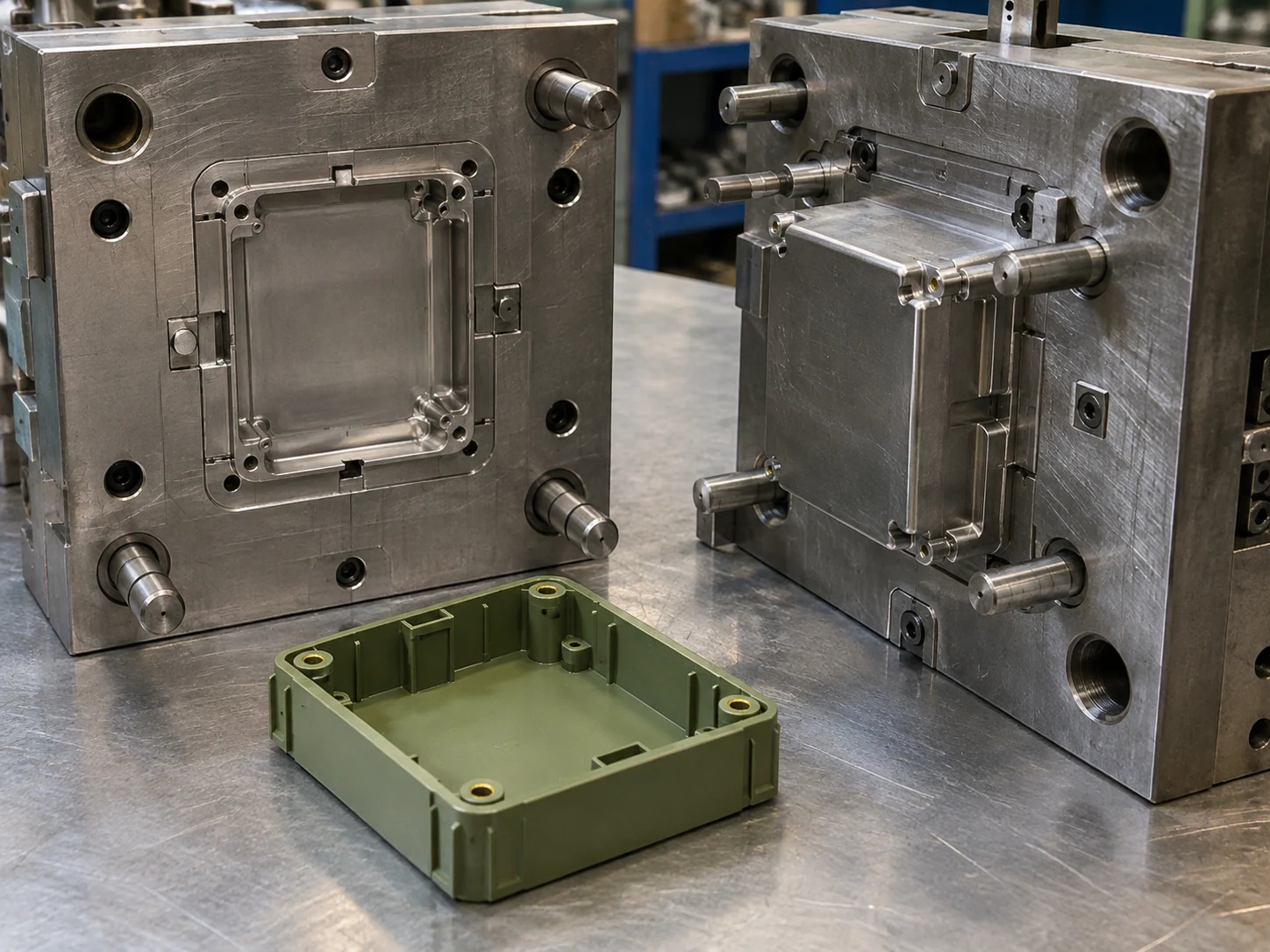
Molding and demolding cycles can become less stable as friction, residue or surface damage increases. Low-friction and release-oriented coatings help control sticking and transfer marks, supporting more consistent ejection and part-surface quality.
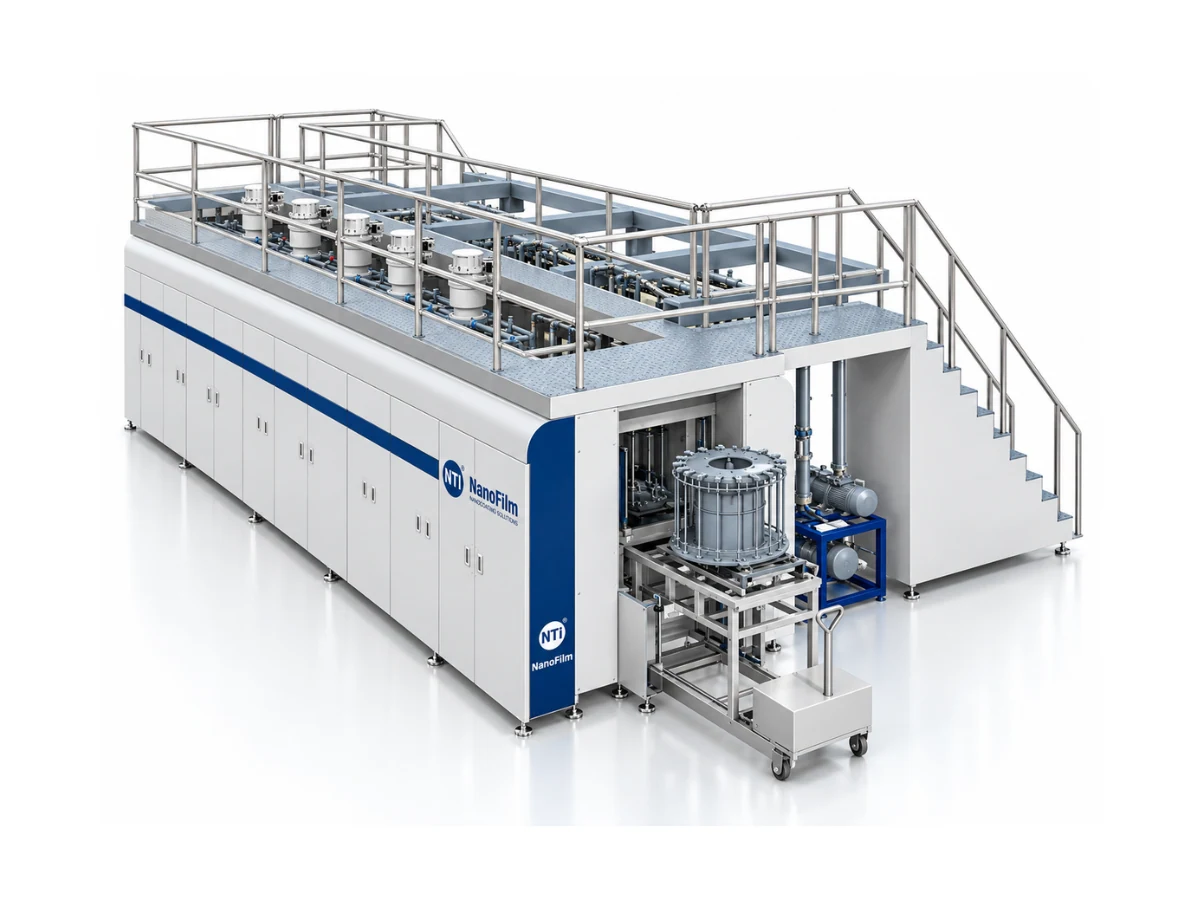
As validated coating requirements move into recurring production, consistency of coating quality, recipe control and turnaround becomes increasingly important. Configurable batch or inline coating systems can bring the process closer to production and strengthen internal process ownership.
Supported applications span stamping, fine blanking, precision cutting, electrode slitting, forming and molding, with each card focused on the working-surface condition that matters most to process stability and maintenance.
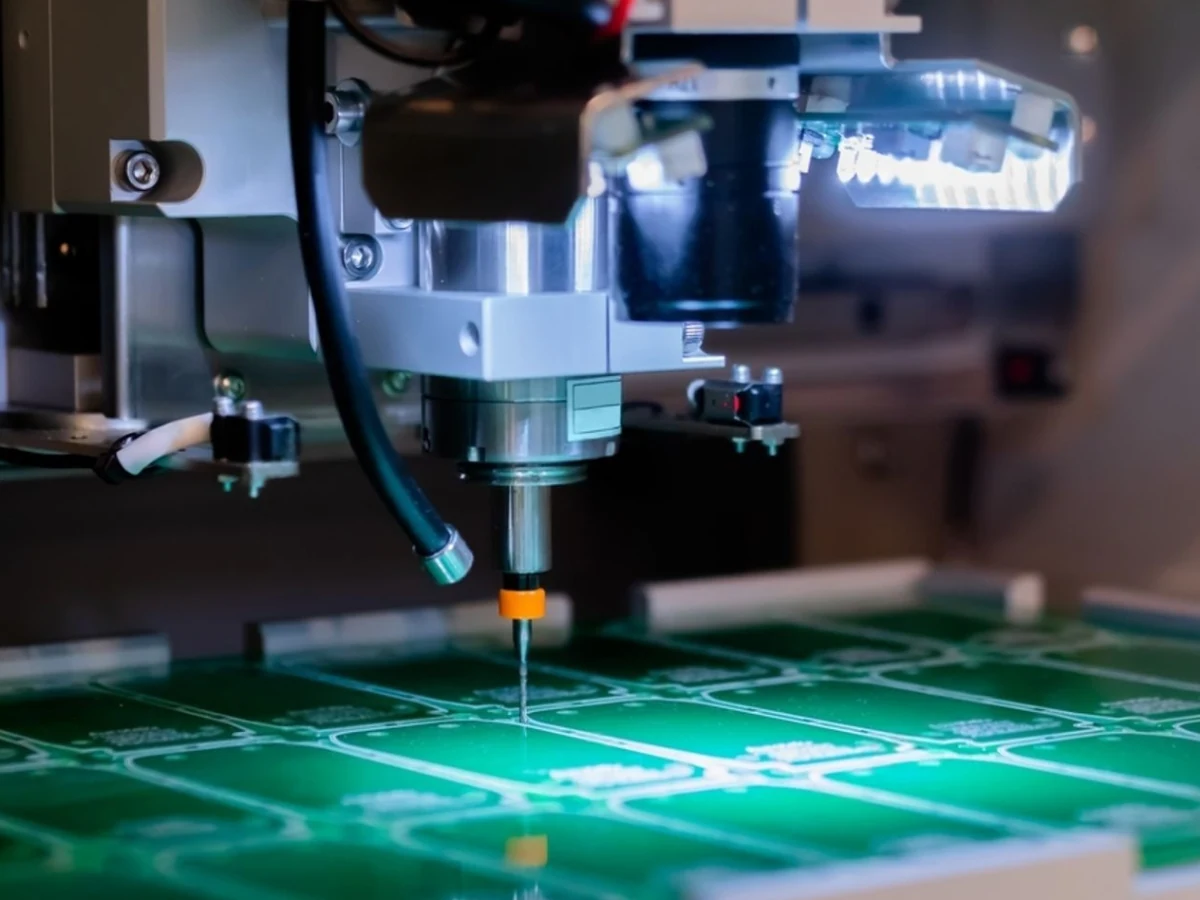
Small-diameter drills, mills and punching tools rely on fine edge geometry and dimensional accuracy. Ultra-thin surface protection can limit edge wear and material adhesion without unnecessarily altering precision tool geometry.
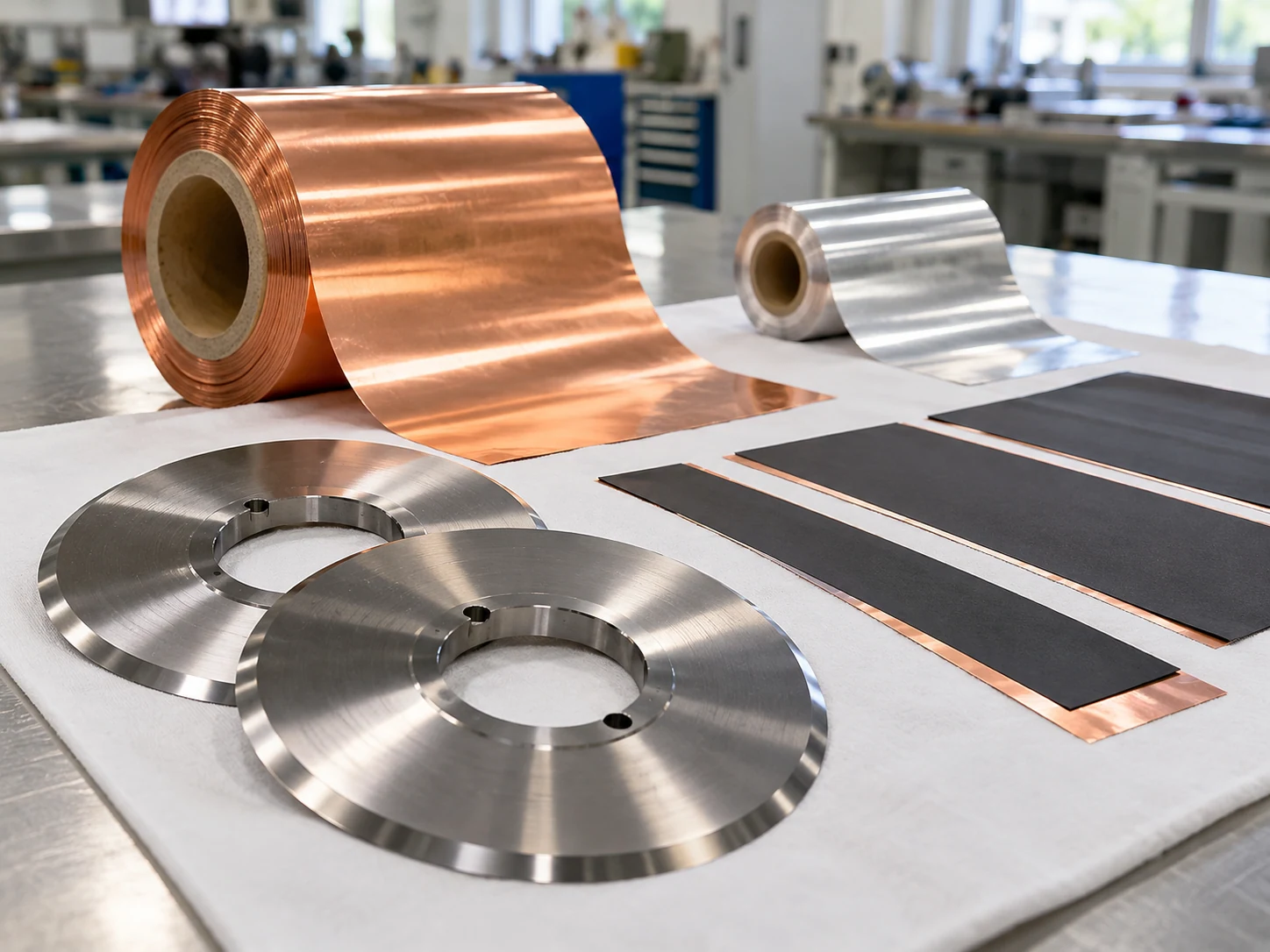
Copper and aluminium foils place high demands on blade condition during slitting and converting. Burr formation, foil adhesion and edge wear can affect downstream quality, making geometry retention and controlled surface interaction essential.
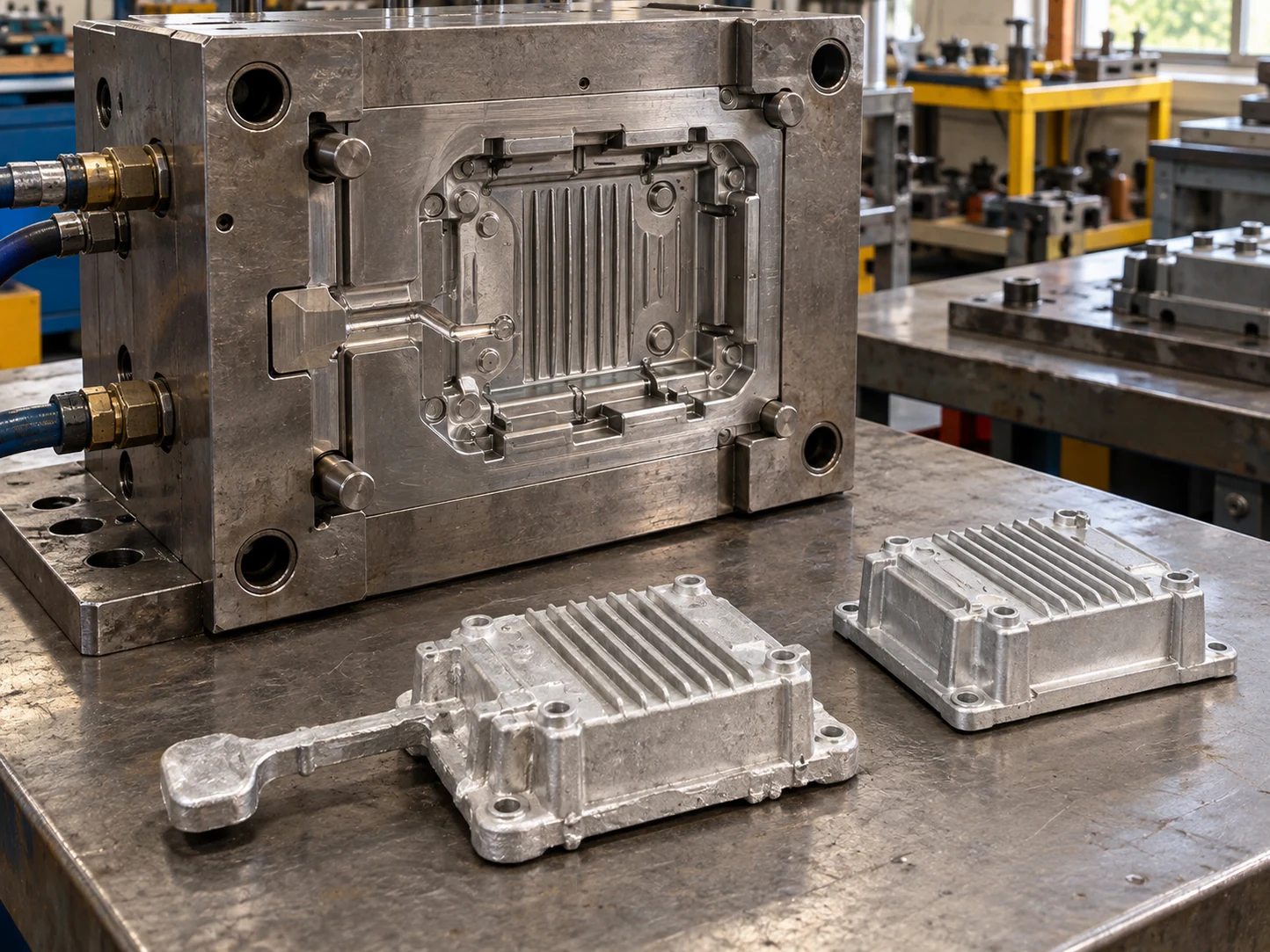
Die-cast molds face rapid thermal cycling, molten-metal interaction and localised surface stress. Resistance to heat checking, oxidation and sticking helps protect cavity condition and reduce maintenance associated with progressive surface damage.
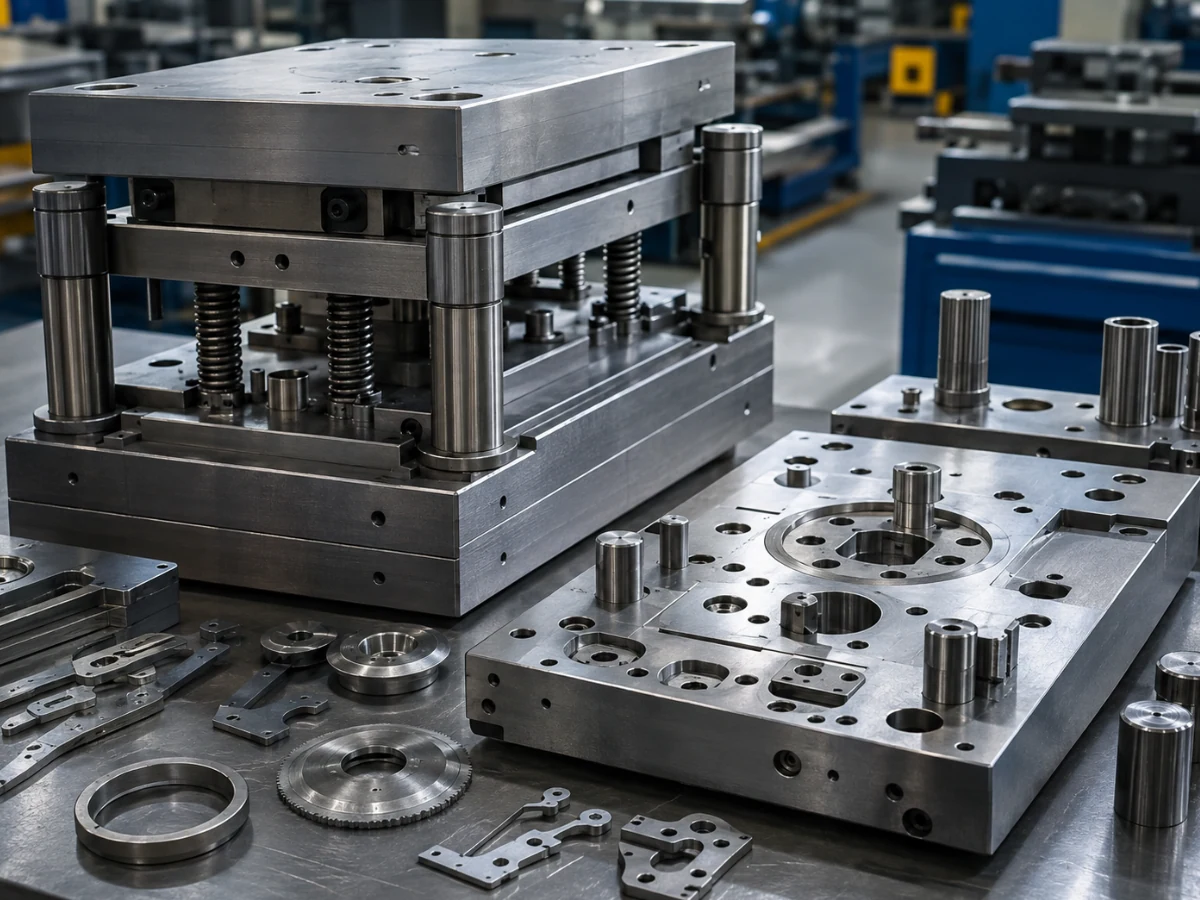
Fine blanking depends on controlled clearance and stable cutting edges to achieve precise part geometry. Wear or pick-up at the working surface can increase burrs and dimensional variation, making edge condition central to process consistency.
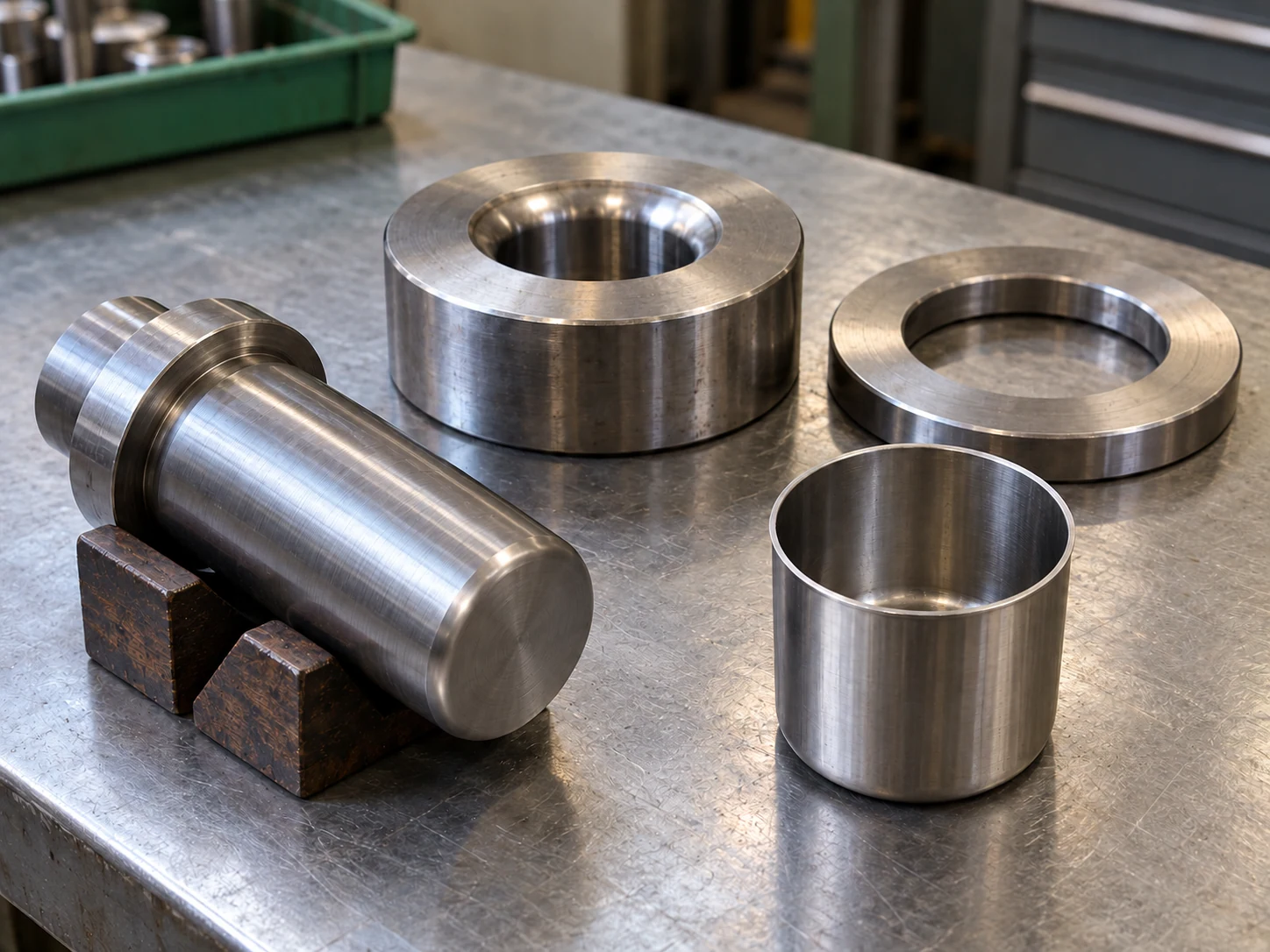
Drawing and forming operations combine sliding, pressure and repeated material contact. Controlling friction, galling and pick-up helps stabilise material flow, protect working surfaces and reduce maintenance caused by adhesion-related damage.
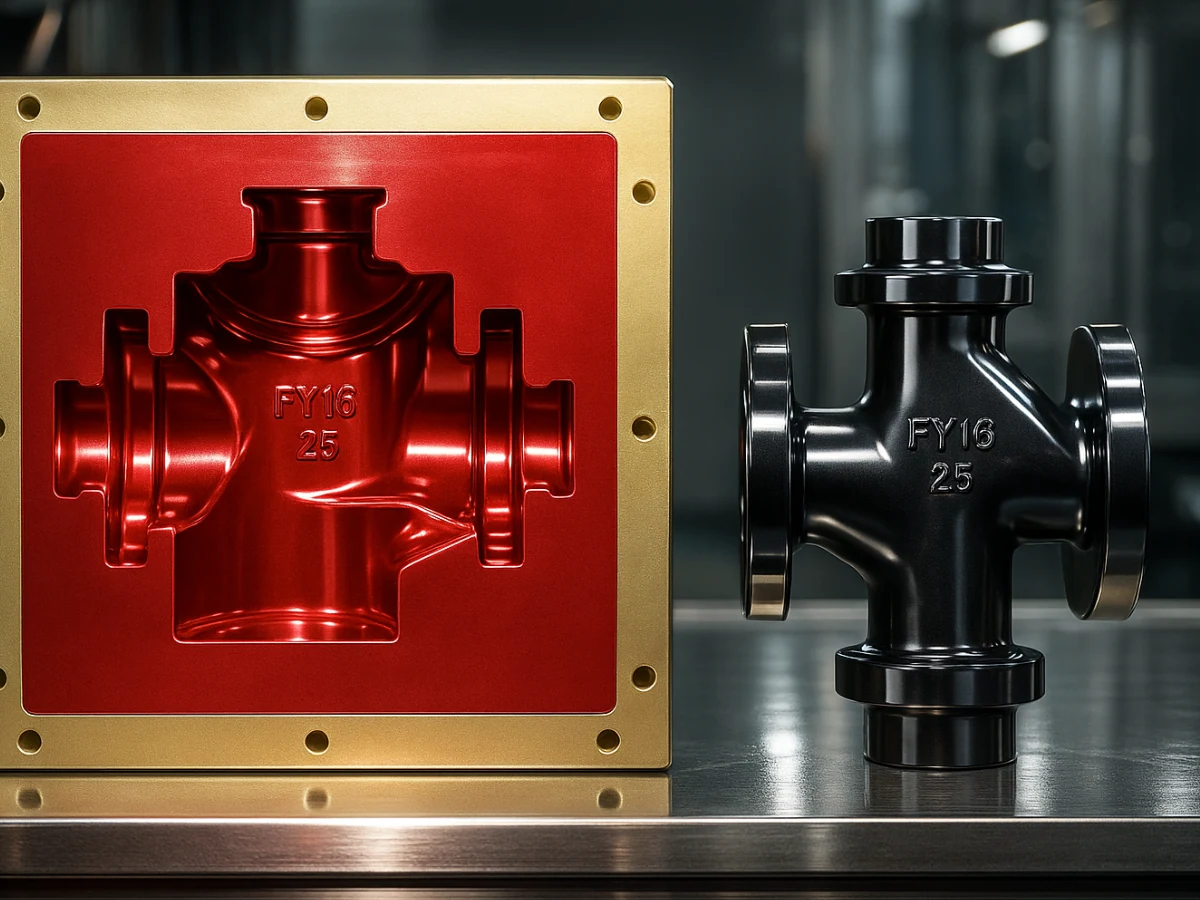
Abrasive filled polymers and repeated injection cycles can degrade mold surfaces and release behaviour. Wear-resistant, low-friction surfaces help maintain finish requirements, reduce surface damage and support more stable mold operation.
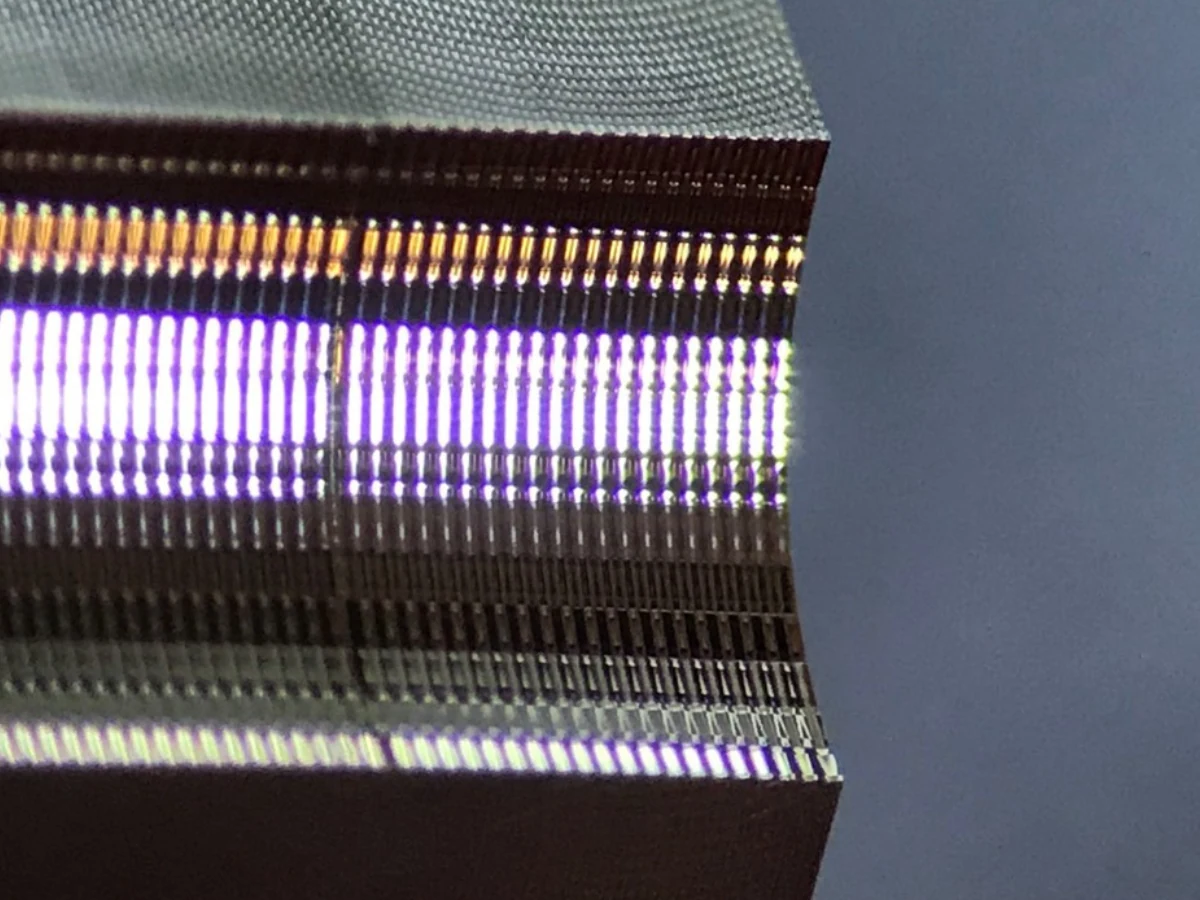
Mold inserts operate with tight surface and dimensional requirements across repeated contact and release cycles. Stable friction, wear resistance and surface integrity help protect molded-part quality and reduce corrective maintenance.
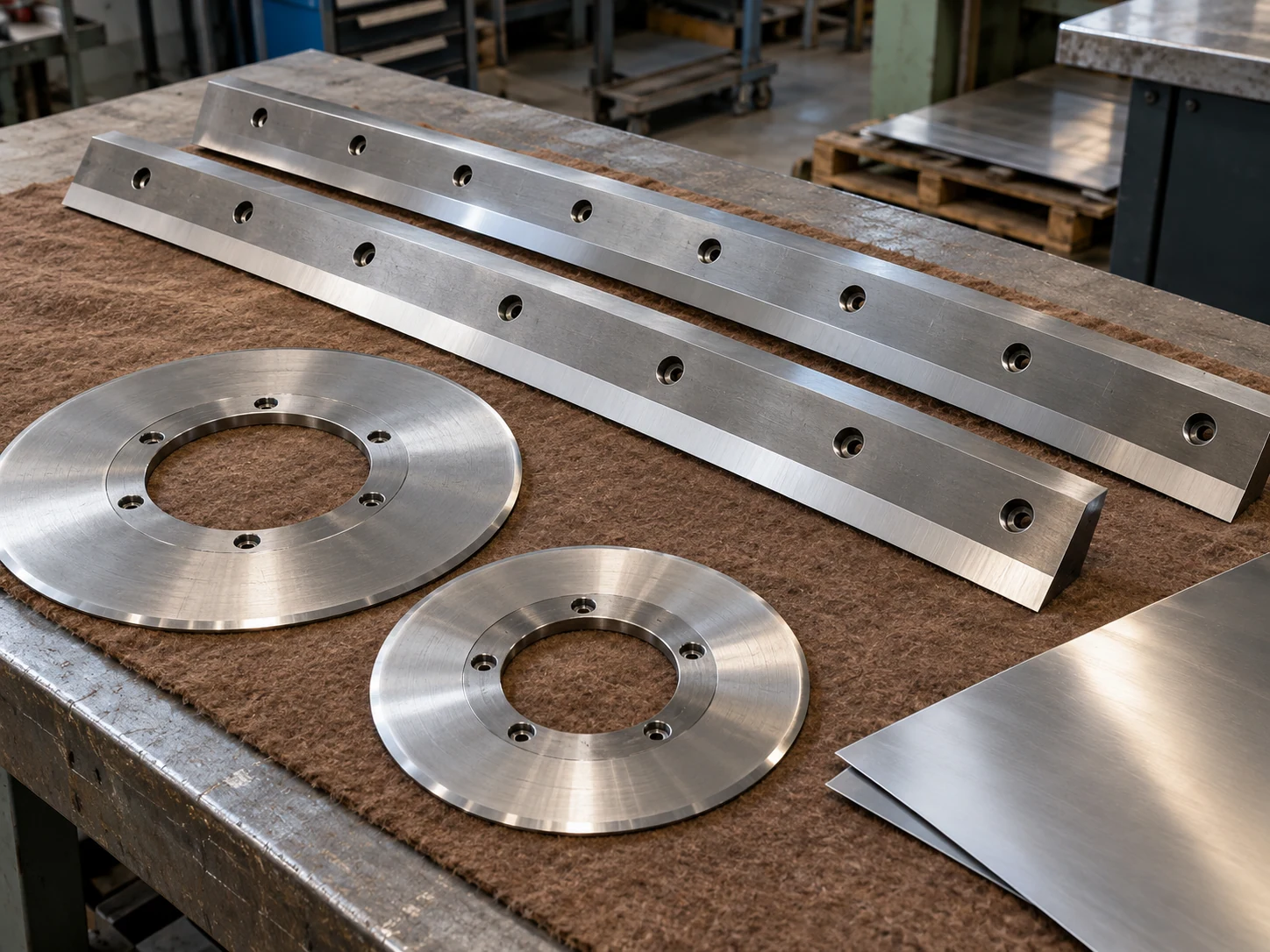
Shearing knives and precision cutters repeatedly engage metal under concentrated edge loading. Maintaining blade geometry while controlling friction and adhesion helps protect cut quality, limit build-up and extend the interval between reconditioning events.
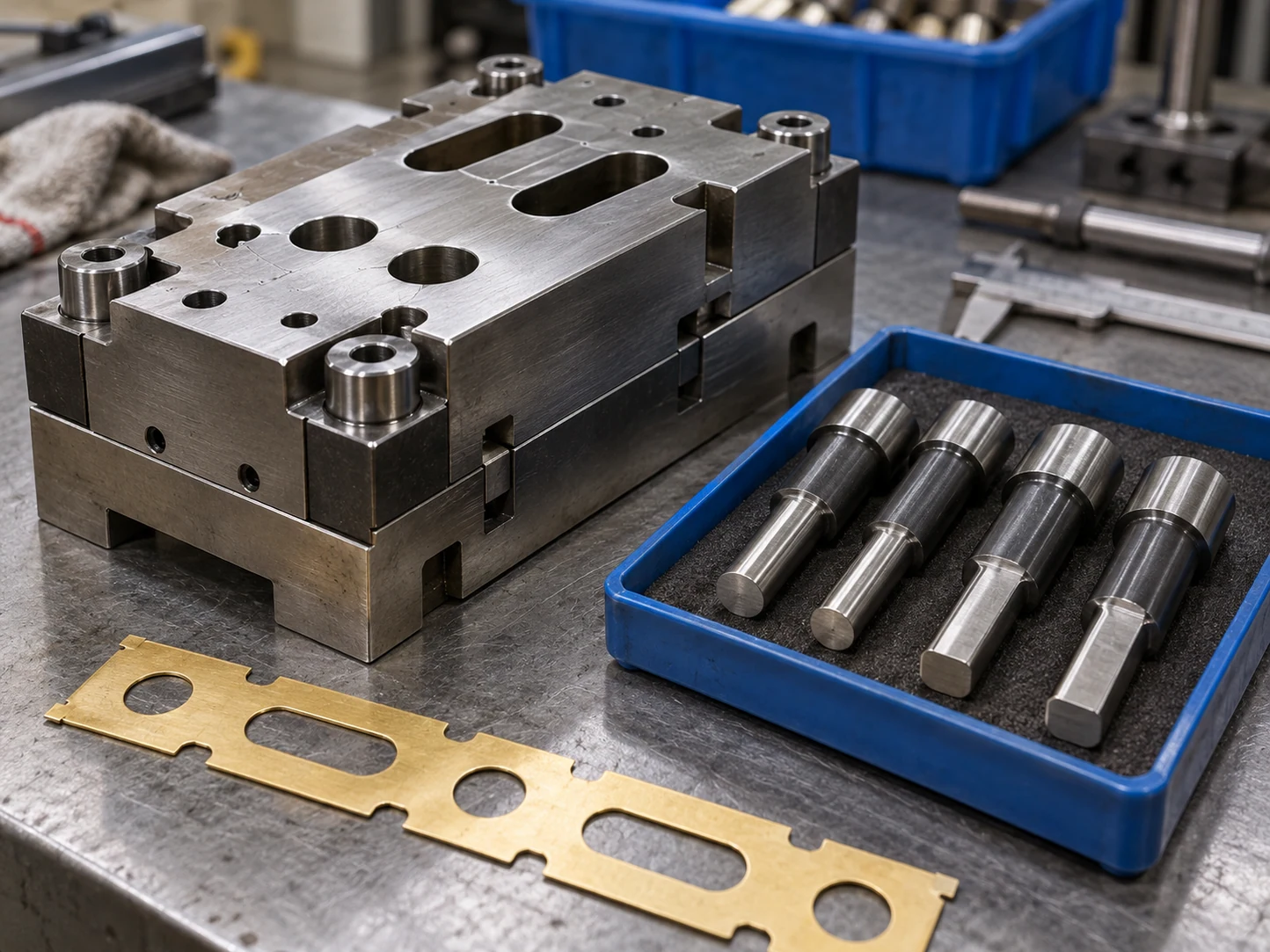
Repeated high-pressure contact can drive edge wear, friction and material transfer on punches and die interfaces. Surface protection helps preserve working geometry, reduce maintenance intervention and maintain more consistent stamping conditions.
Different production strategies require different levels of process ownership. NTI Nanofilm provides outsourced coating, in-house coating systems and application development from initial qualification through recurring production.
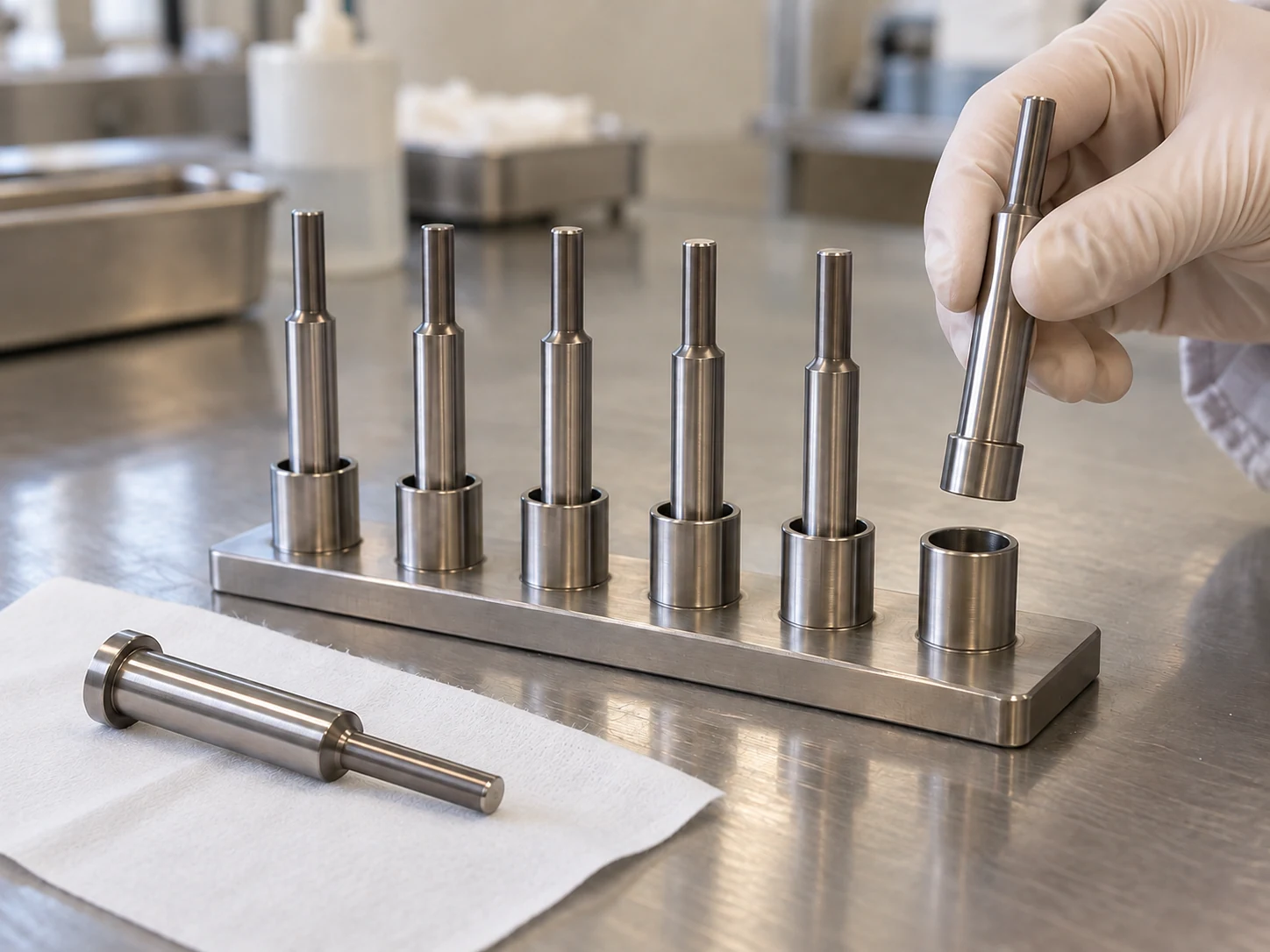
Evaluate and qualify tooling through outsourced coating, then move into recurring production support without bringing the coating process in-house.
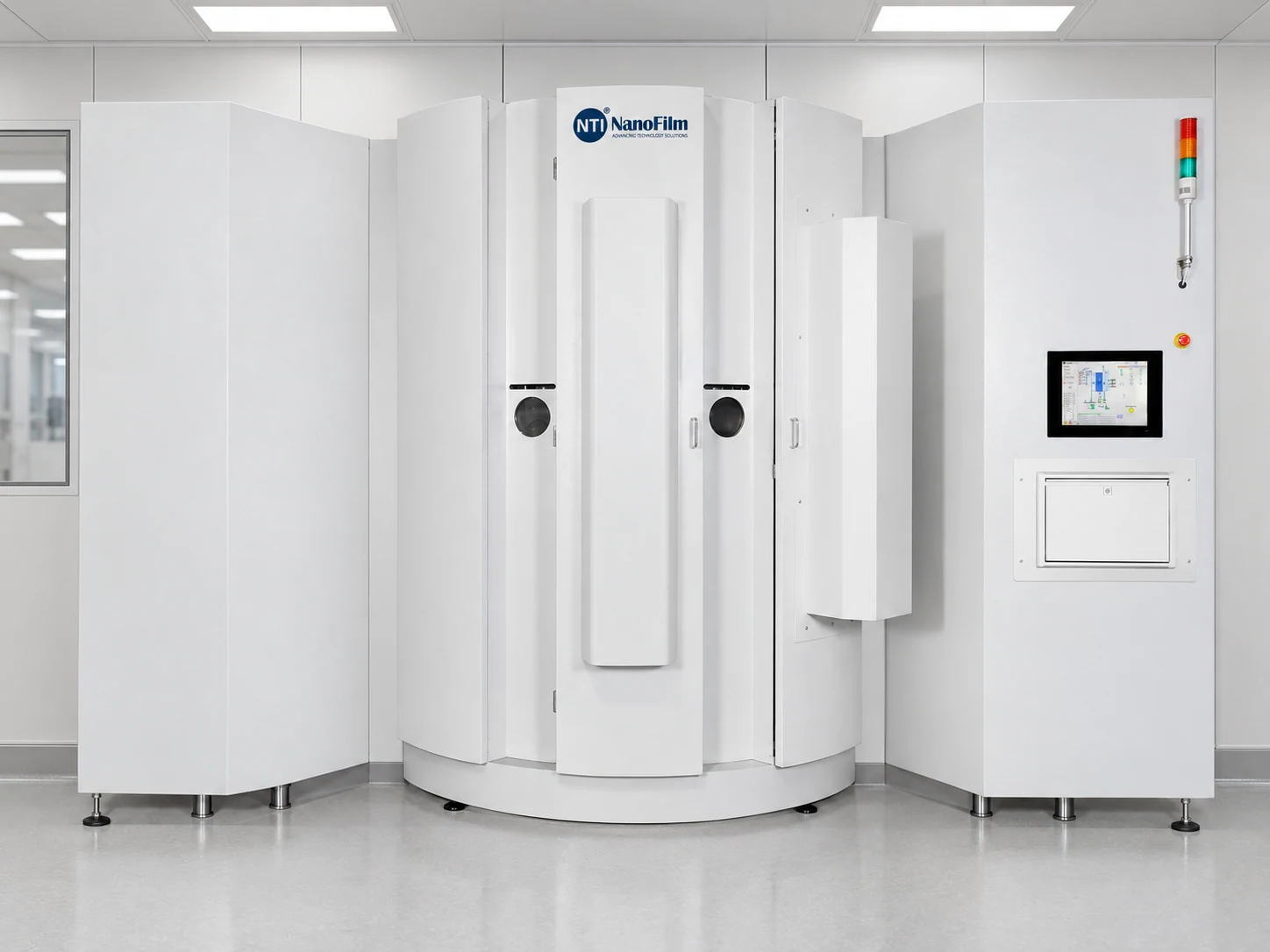
Integrate configurable batch or inline coating systems where tool volume, turnaround and process-control requirements justify greater internal coating ownership.
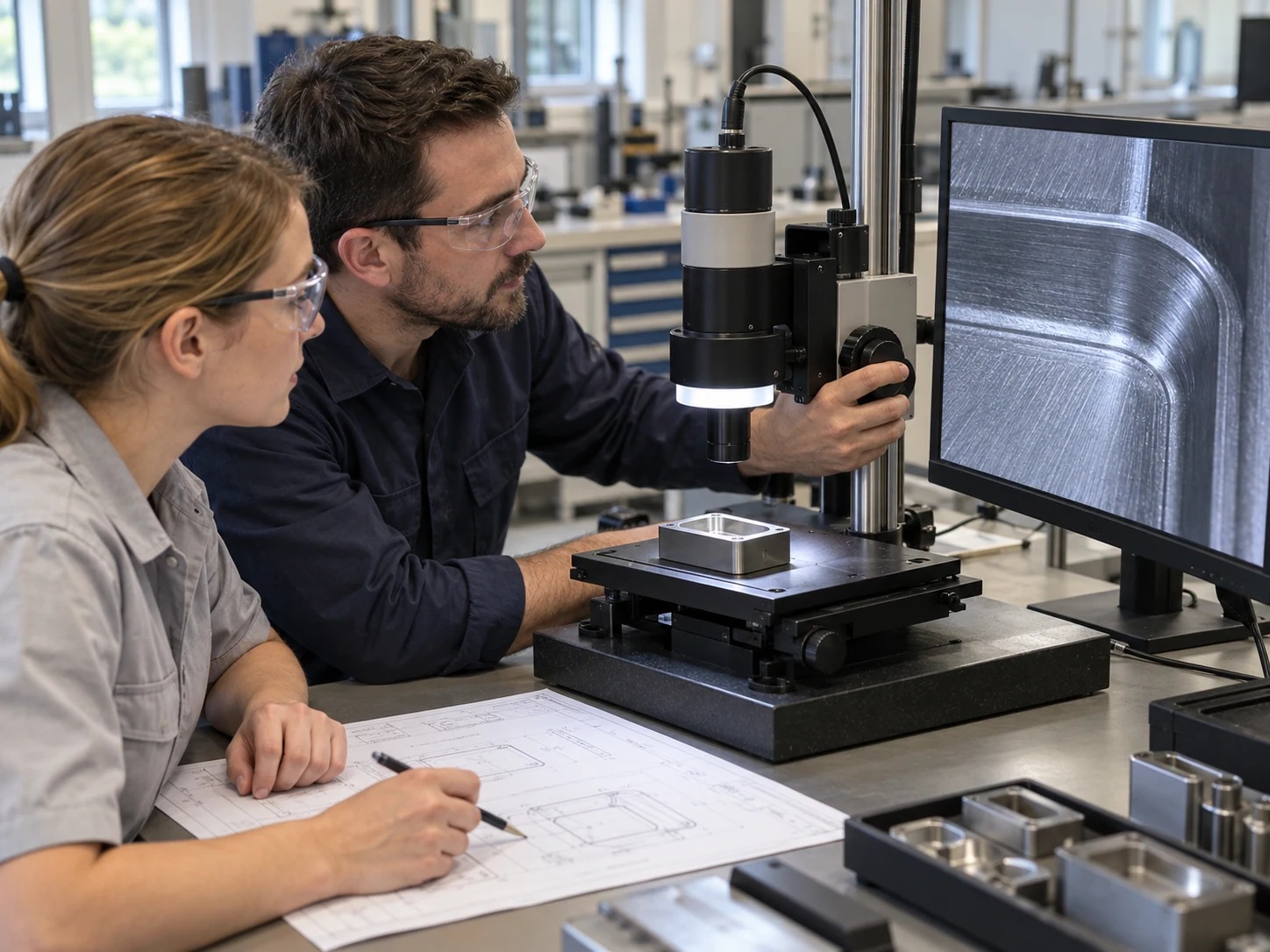
Evaluate substrate, workpiece material, geometry, lubrication and process conditions before establishing the coating architecture, qualification plan and manufacturing route.
Continue exploring how NTI Nanofilm surface engineering supports other industries through coating technology, equipment platforms and application development.


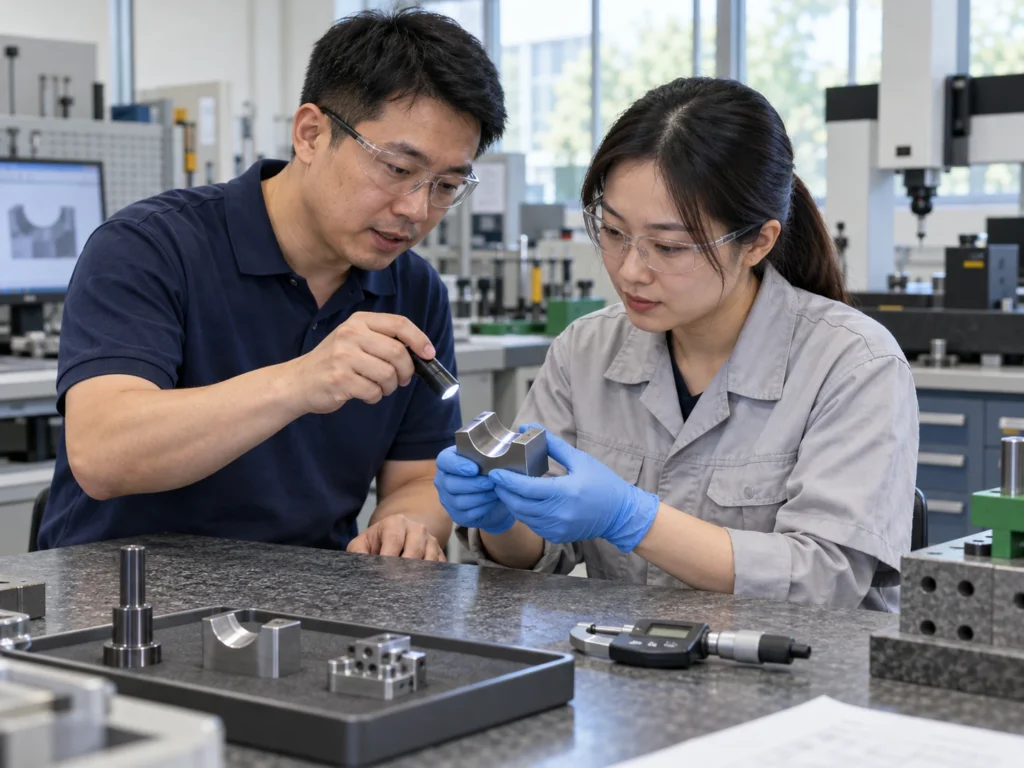
Share the tool type, substrate, workpiece material, process condition, wear or adhesion mode, surface finish, current service interval and intended manufacturing model to identify the appropriate qualification, coating or equipment route.
NTI Nanofilm supports tooling applications through the NTI Protect™ portfolio. NTI Hard Protect™ addresses heat, abrasive wear and demanding production contact; NTI DLC Protect™ supports lower friction, reduced material pickup and cleaner release through NTI DLC Glide Protect™ and NTI DLC Load Protect™; and NTI TAC Protect™ provides proprietary FCVA hydrogen free ta-C routes including NTI TAC-ON® Protect, NTI i-TAC® Protect, NTI STAR-TAC® Protect, NTI RainbowTAC™ Protect and NTI F-TAC™ Protect. The appropriate route is selected against the actual tool, substrate, workpiece material and operating conditions.
The appropriate coating depends on the failure mode. NTI Hard Protect™ is a primary route where abrasive wear, high contact pressure, temperature and tool life stability dominate. NTI DLC Glide Protect™ can be evaluated where galling, friction and material transfer are more significant, while NTI TAC-ON® Protect can be considered when the application also requires hydrogen free ta-C hardness, low friction or tighter thin film control.
Galling develops when high contact pressure and repeated sliding encourage workpiece material to adhere to the tool surface. A suitable low friction and wear resistant coating can reduce direct interaction at that interface, helping control material pickup and maintain the working surface for longer. NTI DLC Glide Protect™ is a primary route where lower material affinity and cleaner release are required, while other NTI Protect™ solutions can be evaluated where load, temperature or abrasive wear also influence performance.
Fine blanking tools and precision cutters depend on maintaining edge geometry while controlling friction, adhesion and wear. NTI Hard Protect™ can support cutting surfaces exposed to abrasion and mechanical loading, while NTI RainbowTAC™ Protect can be considered where ultra thin ta-C protection and edge geometry retention are particularly important. Final suitability is confirmed against the tool material, edge geometry and process conditions.
Mold requirements vary according to molding material, surface finish, dimensional tolerance, release behavior and wear mechanism. NTI MiCC® Hard Protect™ is a specialized NTI Hard Protect™ solution for high precision molds. NTI CrN Hard Protect™ can support molding wear and release requirements, while NTI DLC Glide Protect™ or NTI F-TAC™ Protect can be evaluated where lower friction, reduced material pickup or cleaner release is important.
Die casting molds operate through repeated heating and cooling while also facing oxidation, erosion, wear and interaction with molten metal. NTI AlCrN Hard Protect™ and NTI AlTiN Hard Protect™ provide high temperature hard coating routes that can be evaluated to protect molds, cores, pins and inserts under these conditions. Final selection is based on the combined thermal, wear, oxidation and release requirements.
PVD hard coatings within NTI Hard Protect™ are primarily used where heat, abrasive wear, oxidation resistance and tooling durability are important. NTI DLC Protect™ uses hydrogenated DLC architectures where lower friction, adhesive wear control and reduced material pickup are central requirements. NTI TAC Protect™ uses proprietary FCVA hydrogen free tetrahedral amorphous carbon, or ta-C, for applications that require a different balance of hardness, low friction, film density, thin film control or selected lower temperature processing.
Common tooling substrates that can be evaluated include tool steels, high speed steels and cemented carbides, together with other application specific materials. Coating suitability is not determined by material category alone. The exact grade, hardness, heat treatment, tempering temperature, brazed joints, geometry, surface condition, dimensional tolerance and selected coating process all need to be considered before qualification.
Selected reusable tools can be evaluated for decoating, inspection, reconditioning and recoating where the substrate, geometry and dimensional tolerance remain suitable. NTI Renew™ Decoating System provides a controlled decoating route for eligible tooling and can form part of a more complete coating lifecycle together with subsequent inspection and recoating. Eligibility should be confirmed for the actual coating and tool before a refurbishment route is established.
Yes. Manufacturers can begin with NTI Nanofilm coating services for application evaluation, sampling, qualification and recurring production support without owning coating equipment. Where tool volume, turnaround, process ownership or factory integration justify internal capability, relevant platforms can include NTI Dream™ Batch Coating System Hard Class and NTI Titan™ Inline Coating System Hard Class. NTI Vault™ Load-Lock Coating System Diamond Class can be evaluated for selected precision mold and FCVA requirements, while NTI Renew™ Decoating System supports eligible tool renewal workflows.
NTI Dream™ Batch Coating System Hard Class is suited to production environments that need flexibility across mixed tooling portfolios, changing load sizes and different coating recipes. NTI Titan™ Inline Coating System Hard Class is intended for higher output production where coating is integrated more directly into the manufacturing flow. The appropriate route depends on tool mix, output requirements, handling, coating architecture, production flow and the level of internal process ownership required.
NTI Nanofilm can support coating characterization and application relevant evaluation across areas such as coating thickness, uniformity, adhesion, hardness, surface condition, composition, friction and wear. The validation plan is established around the performance issue that needs to be improved and the customer application requirements. Testing may be performed in house or coordinated through qualified facilities depending on project scope and location.
Provide the tool type, substrate and material grade, workpiece or molding material, tool geometry, surface finish, current coating if applicable, operating temperature, lubrication or release conditions and the wear or failure mode that is limiting performance. Information on current tool life, dimensional tolerance, production volume and the intended coating model, whether outsourced service or in-house production, will help NTI Nanofilm define a more relevant qualification route.
Ultra-thin surface protection where fine cutting geometry and dimensional accuracy must be retained.
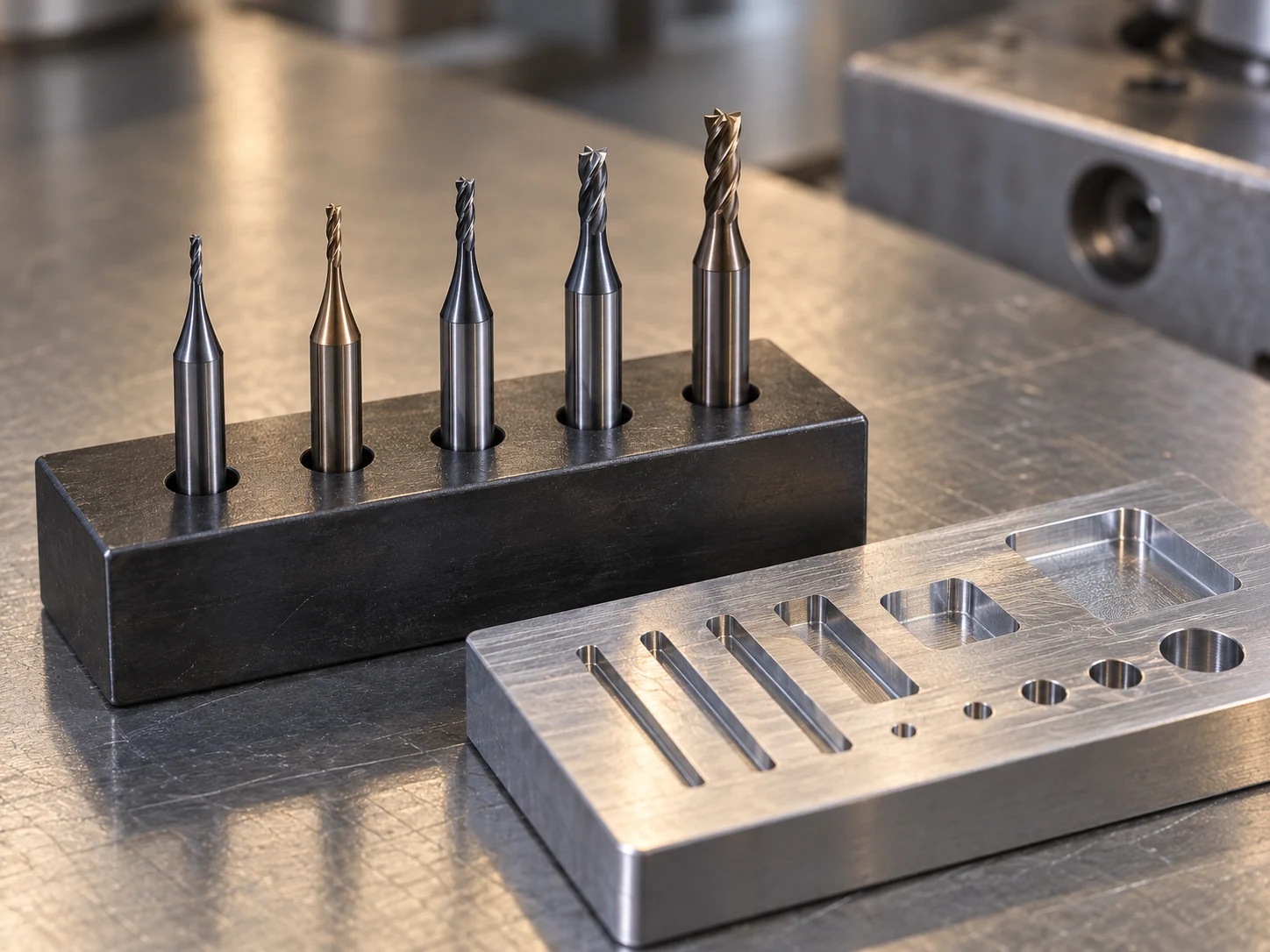
Tooling Requirement
Abrasive edge wear, burr formation, material adhesion and dimensional variation at small tool diameters.
Surface Engineering Response
Rainbow TAC can provide ultra-thin, low-friction protection for suitable micro-tool geometries and workpiece materials.
Qualification Inputs
Tool material, diameter, edge geometry, workpiece material, cutting speed, feed, burr or dimensional requirement and current service interval.
Precision surface protection for repeated copper and aluminium foil slitting and converting.
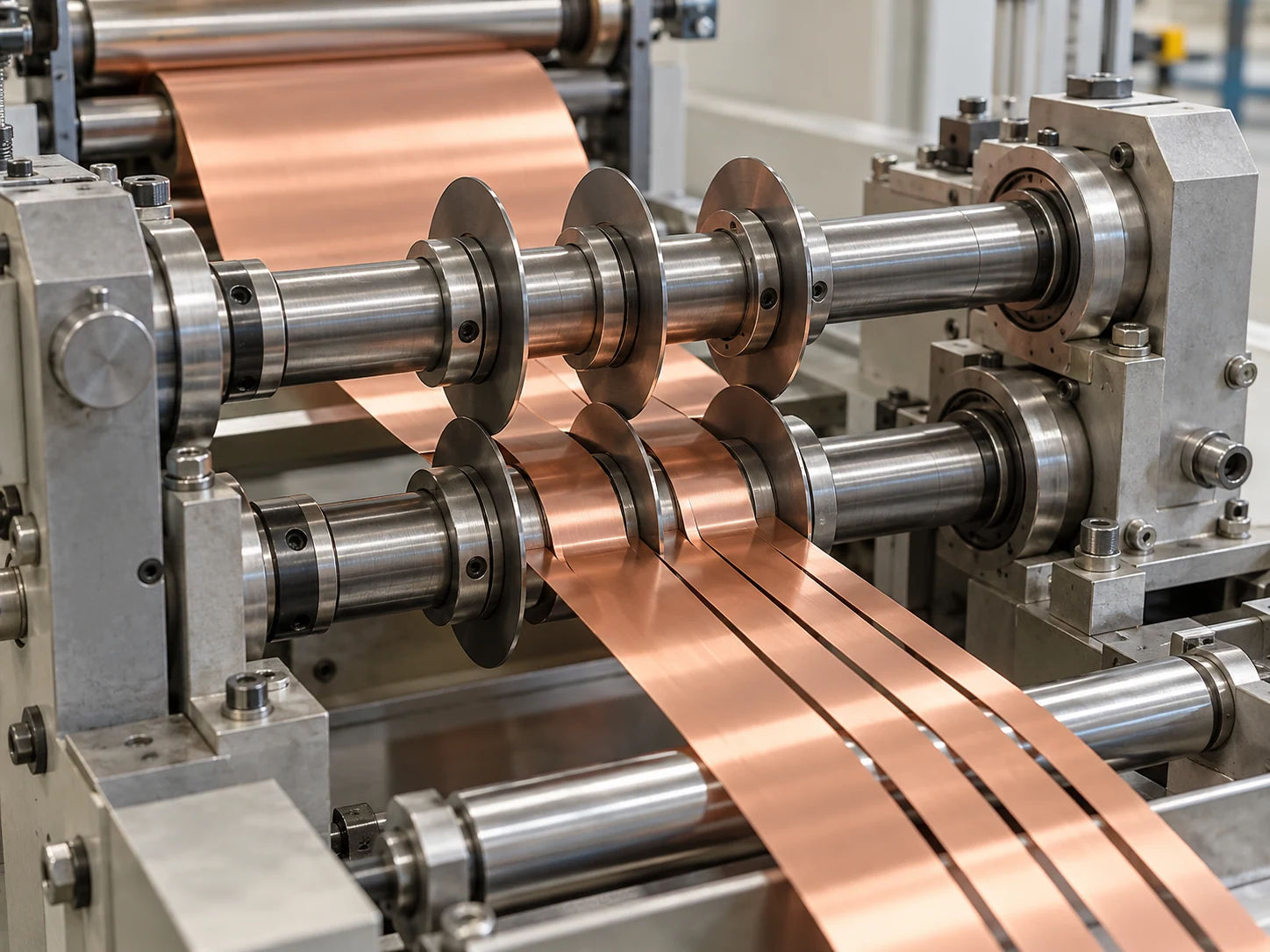
Tooling Requirement
Foil adhesion, burr formation, blade wear and variation in edge condition.
Surface Engineering Response
Rainbow TAC can reduce adhesion and burr formation while preserving cutting-edge geometry where the tool and process are technically suitable.
Qualification Inputs
Foil material, thickness, blade material, edge geometry, speed, burr or particle requirement, current service interval and qualification method.
Thermally stable hard coatings for dies exposed to repeated heating, cooling and molten-metal interaction.
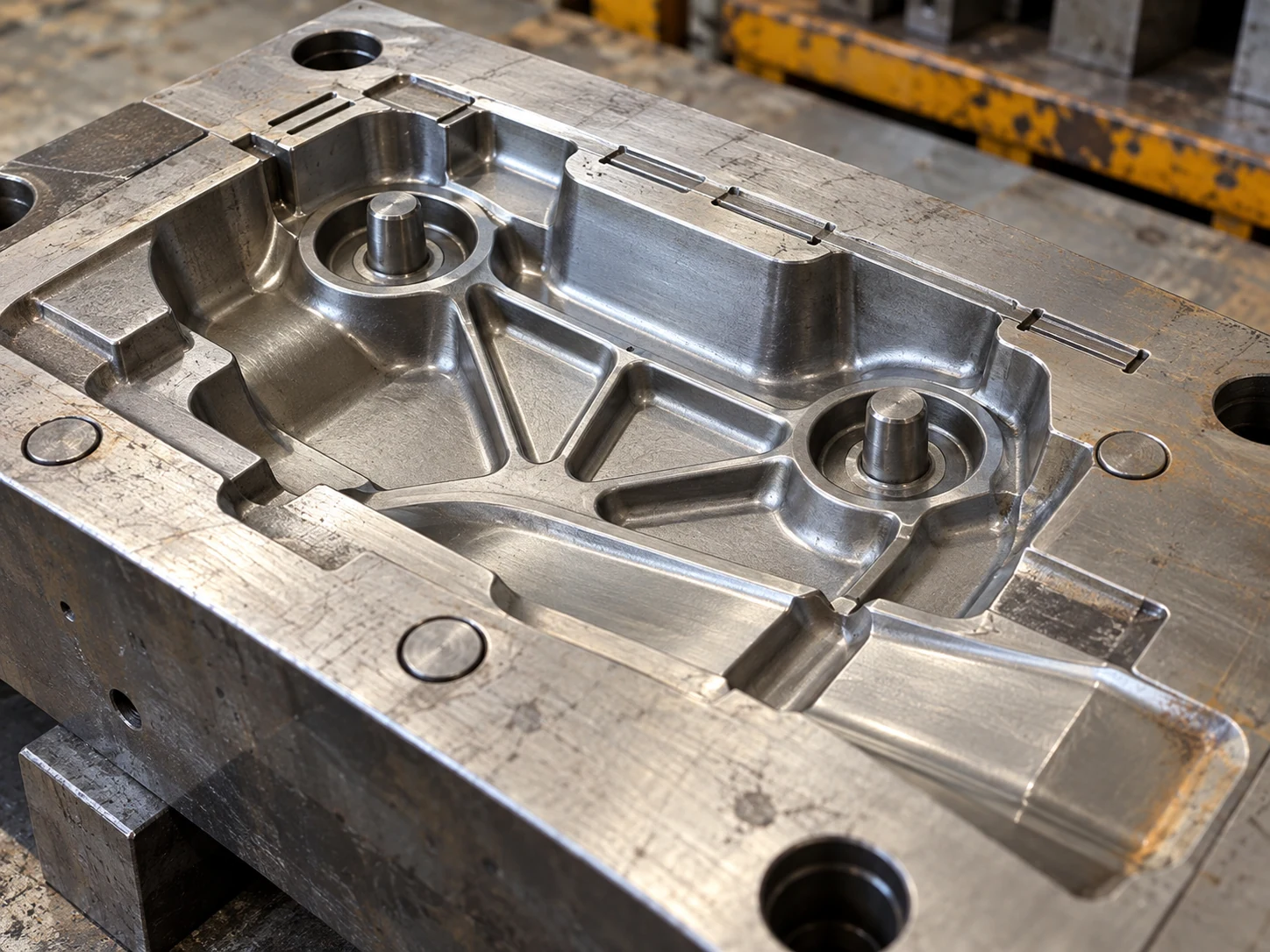
Tooling Requirement
Heat checking, oxidation, sticking, erosion and progressive surface deterioration.
Surface Engineering Response
AlCrN or AlTiN coating routes can improve thermal-fatigue, oxidation and wear resistance for suitable die-casting conditions.
Qualification Inputs
Die steel, casting alloy, operating temperature, cycle time, cooling condition, crack location, sticking behaviour and current maintenance interval.
Coating selection must preserve edge geometry while supporting stable precision cutting conditions.
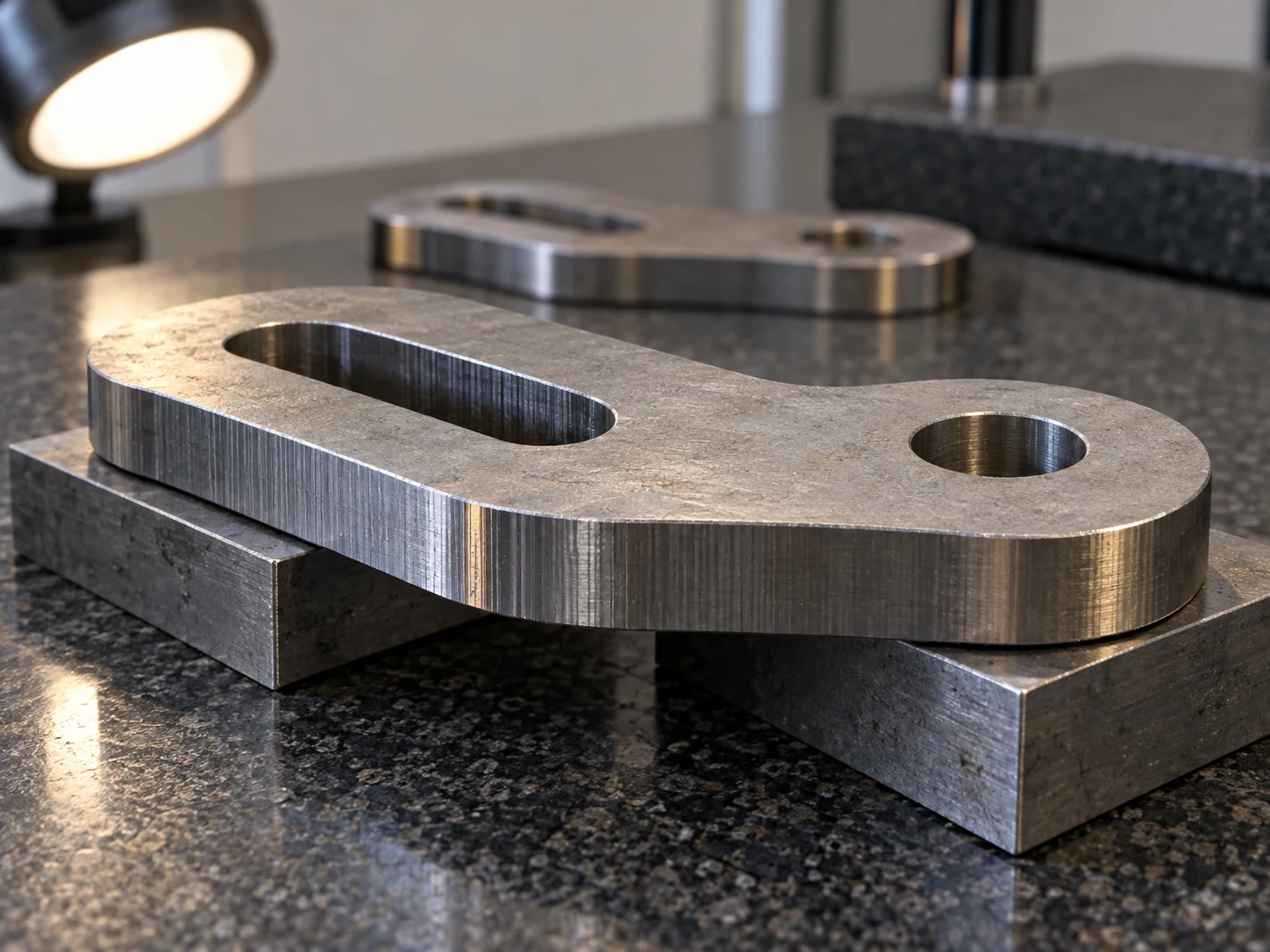
Tooling Requirement
Burr growth, edge wear, pick-up and dimensional drift as the cutting interface deteriorates.
Surface Engineering Response
An edge-preserving hard or low-friction coating route can be evaluated against clearance, tool geometry and workpiece material.
Qualification Inputs
Tool steel, workpiece material, clearance, edge geometry, lubrication, burr requirement, dimensional tolerance and current tool interval.
Surface protection for repeated sliding contact, high pressure and material interaction.
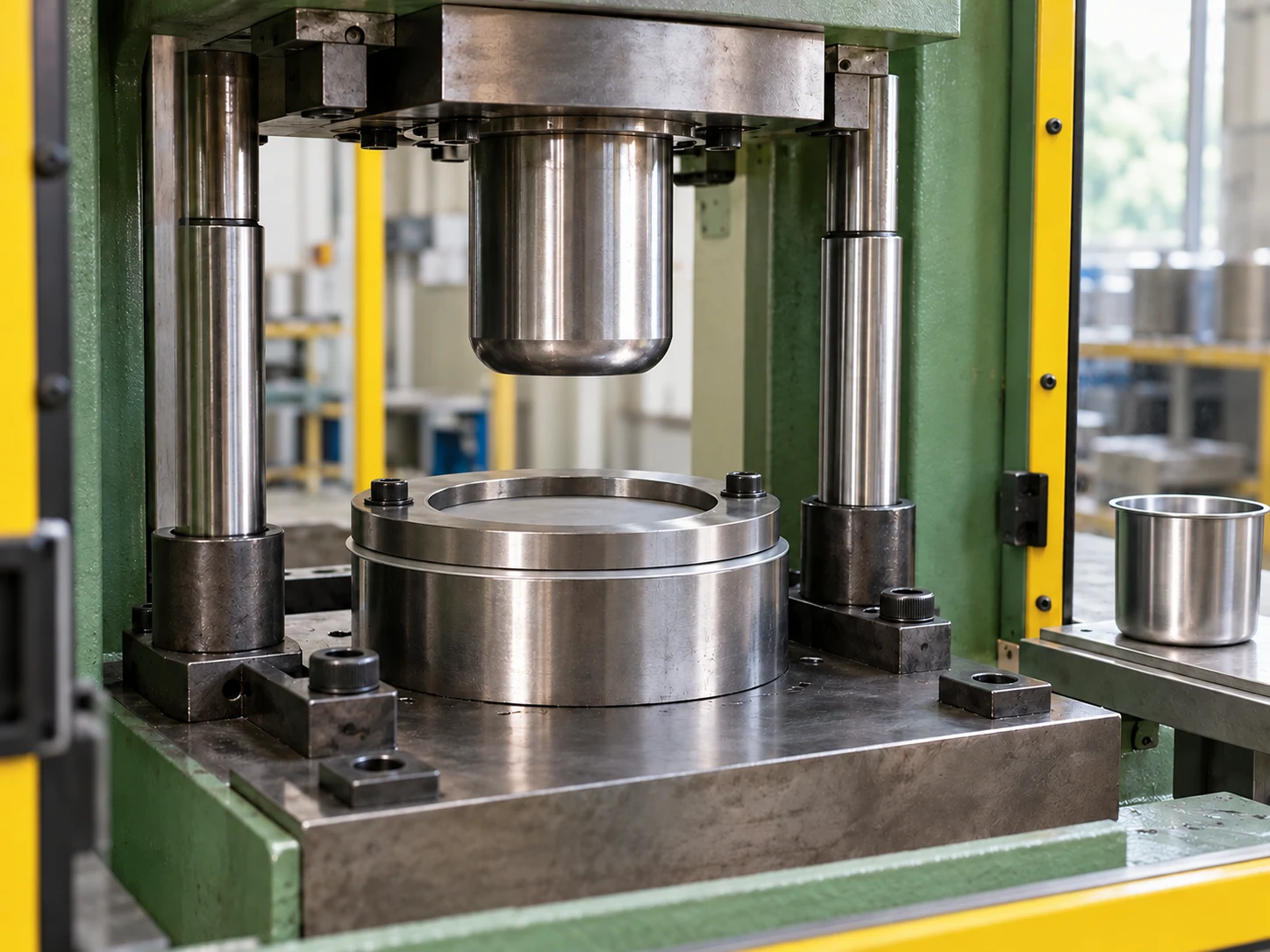
Tooling Requirement
Galling, sticking, friction under load and progressive working-surface deterioration.
Surface Engineering Response
TAC-ON® can improve wear resistance and reduce friction while limiting material adhesion across suitable forming applications.
Qualification Inputs
Tool material, formed material, contact pressure, drawing condition, lubrication, current wear or pick-up mode and target interval.
Wear and friction control for molds processing abrasive or surface-sensitive polymer systems.
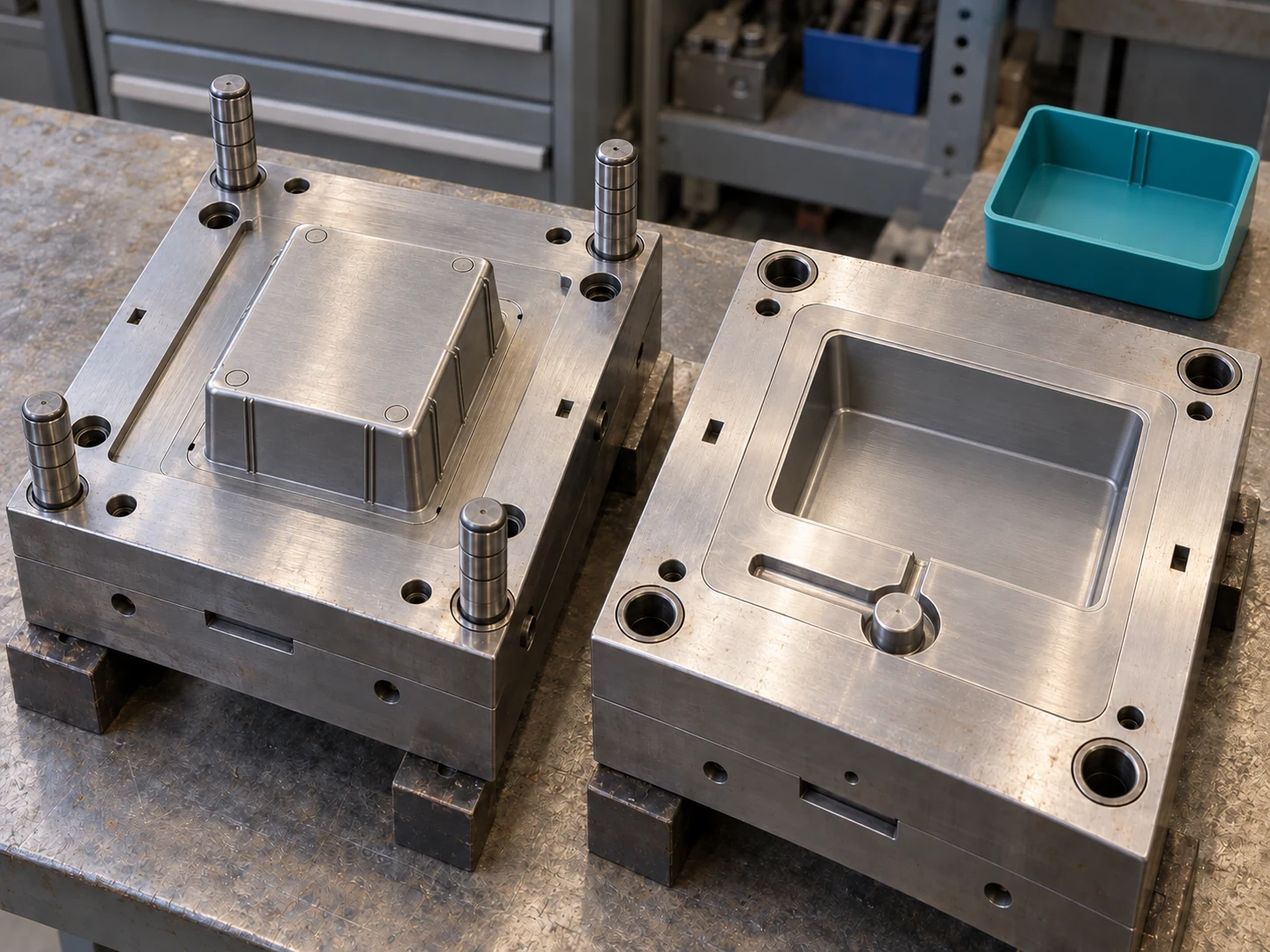
Tooling Requirement
Glass-fill abrasion, surface degradation, friction and changing release behaviour.
Surface Engineering Response
STAR-TAC® or selected hard coatings can protect against abrasive wear; coating choice depends on filler content, finish and operating temperature.
Qualification Inputs
Mold steel, polymer and filler content, injection speed, temperature, surface finish, release condition and current maintenance interval.
Surface protection where finish, dimensional control and repeatable release behaviour must be maintained.
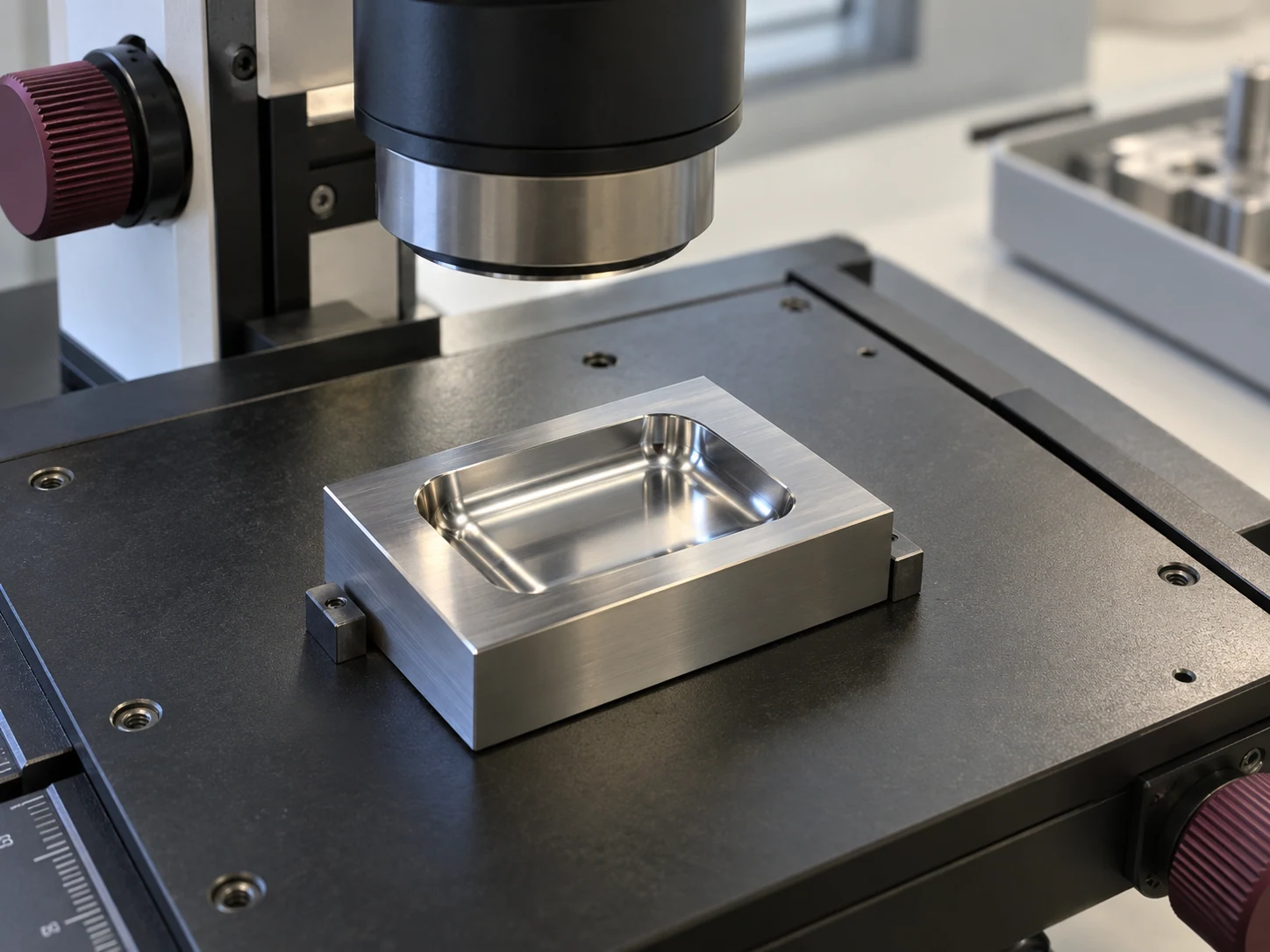
Tooling Requirement
Surface wear, sticking, release instability and damage at high-value mold interfaces.
Surface Engineering Response
TACF, MiCC® or another qualified coating route can be evaluated according to temperature, release requirement and substrate compatibility.
Qualification Inputs
Insert material, molded material, temperature, geometry, surface finish, release behaviour, current maintenance condition and target.
Surface engineering for concentrated edge loading and repeated metal-to-tool contact.
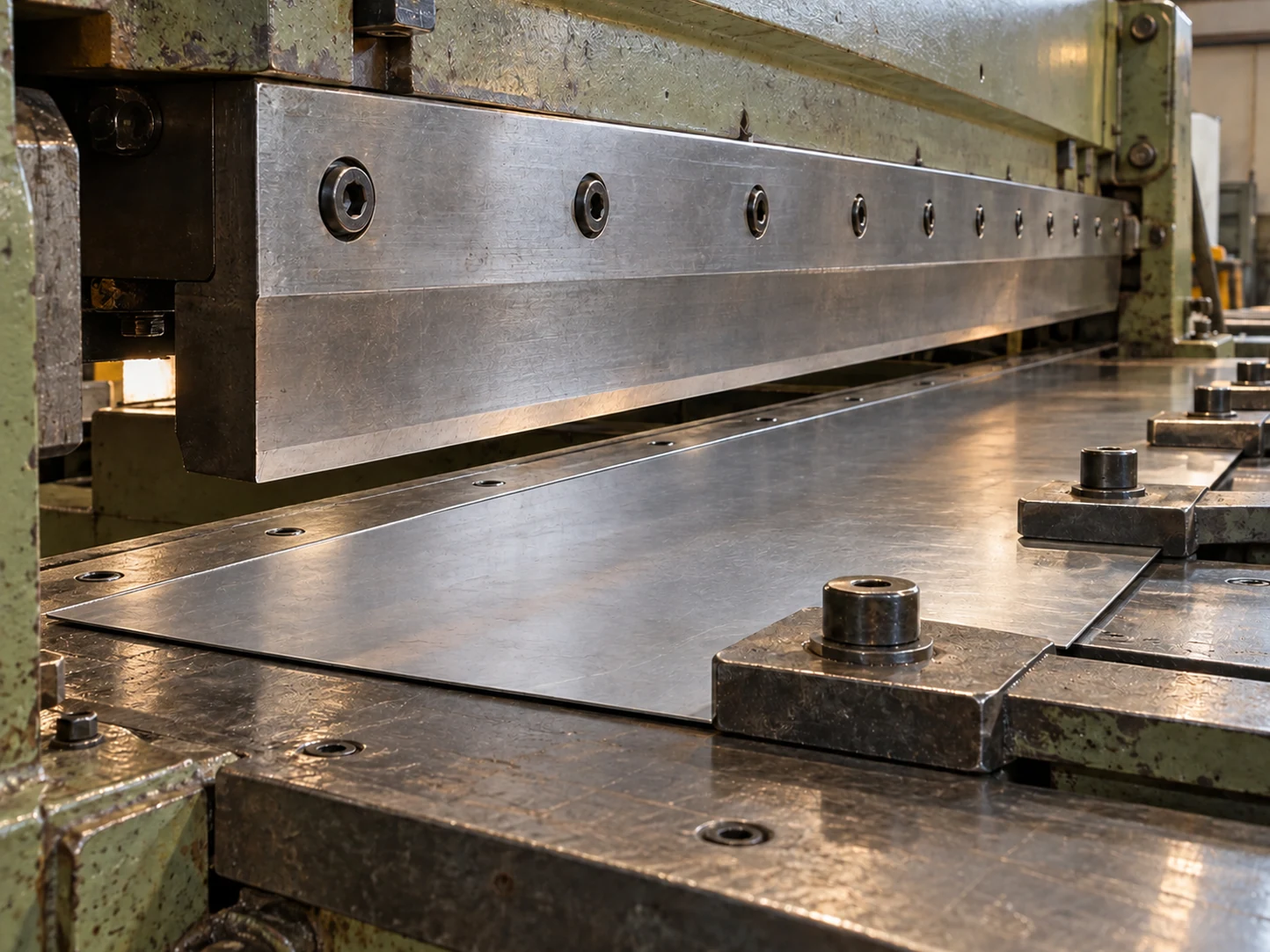
Tooling Requirement
Blade wear, material adhesion, edge rounding and changing cut quality between reconditioning events.
Surface Engineering Response
A low-friction, wear-resistant coating route can be selected to protect blade geometry without compromising the cutting interface.
Qualification Inputs
Blade material, workpiece material, thickness, edge profile, cutting speed, lubrication, cut-quality requirement and current regrind interval.
Surface protection for repeated high-pressure contact at punch faces, edges and die interfaces.
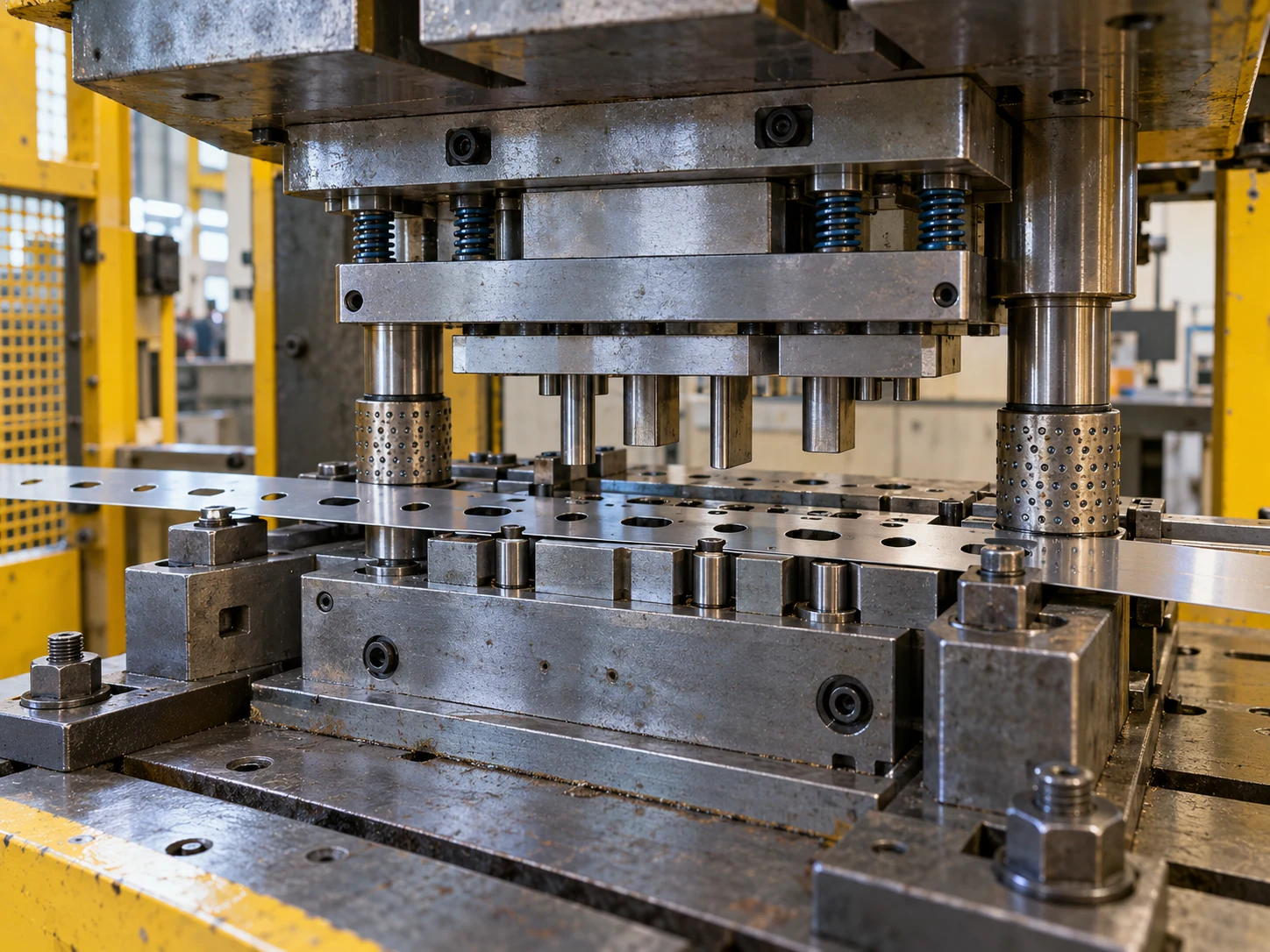
Tooling Requirement
Edge wear, friction, pick-up and progressive loss of working geometry.
Surface Engineering Response
TAC-ON® or a selected hard coating route can improve wear resistance and reduce friction, subject to substrate and process conditions.
Qualification Inputs
Tool steel, sheet material, stroke rate, contact pressure, lubrication, wear location, surface finish and current service interval.