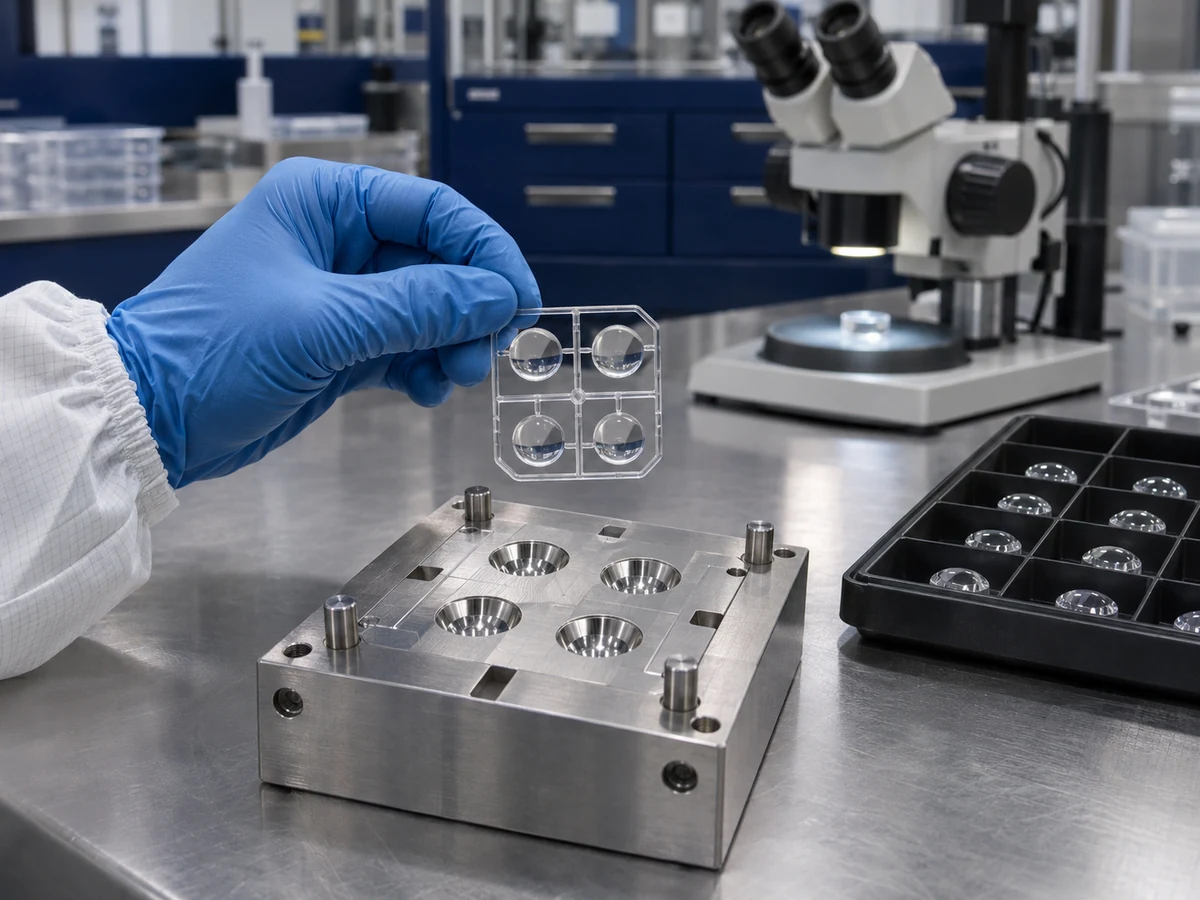
Extend component life, reduce friction losses, protect critical interfaces and control optical performance with one NTI Nanofilm portfolio spanning NTI Protect™, NTI Clarity™, NTI Control™, NTI Repel™, NanoFab micro-optics, coating services and coating equipment for humanoid robotics.
As humanoid robotics advances from technical promise toward wider commercial deployment, leading programmes are increasingly defined by how well they manage joint durability, contamination resilience, optical precision and manufacturing readiness across critical components.
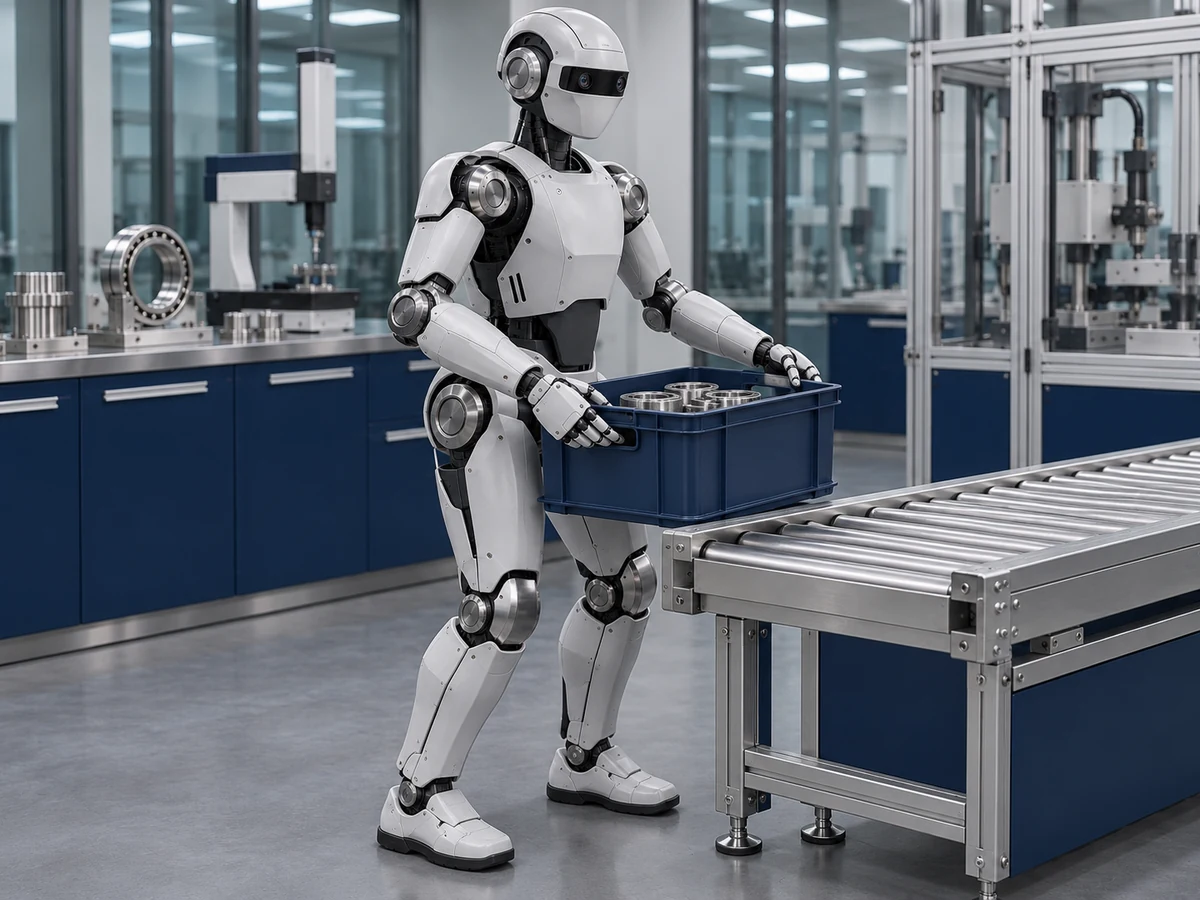
Frequent starts, stops, reversals and load changes raise contact stress across bearings, gears and screws. Better wear and friction control helps protect torque efficiency, motion quality and service life.

Humanoid robots operating around people and production environments encounter humidity, sweat, dust, fingerprints and cleaning agents. Surface protection helps preserve exposed mechanical, optical and electronic interfaces.
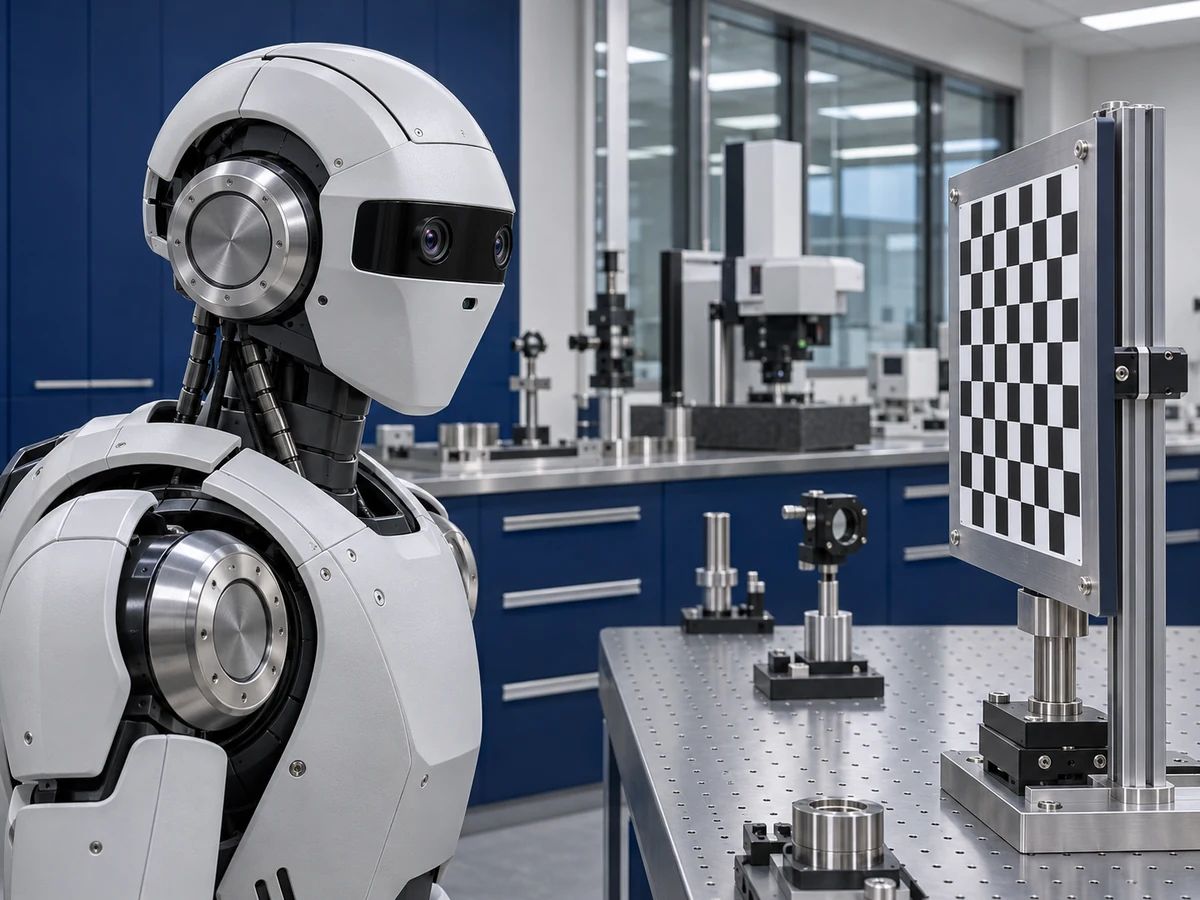
More cameras, ToF, LiDAR and structured-light functions place greater demands on compact optical stacks, controlled light distribution and stable optical performance across multi-sensor architectures.
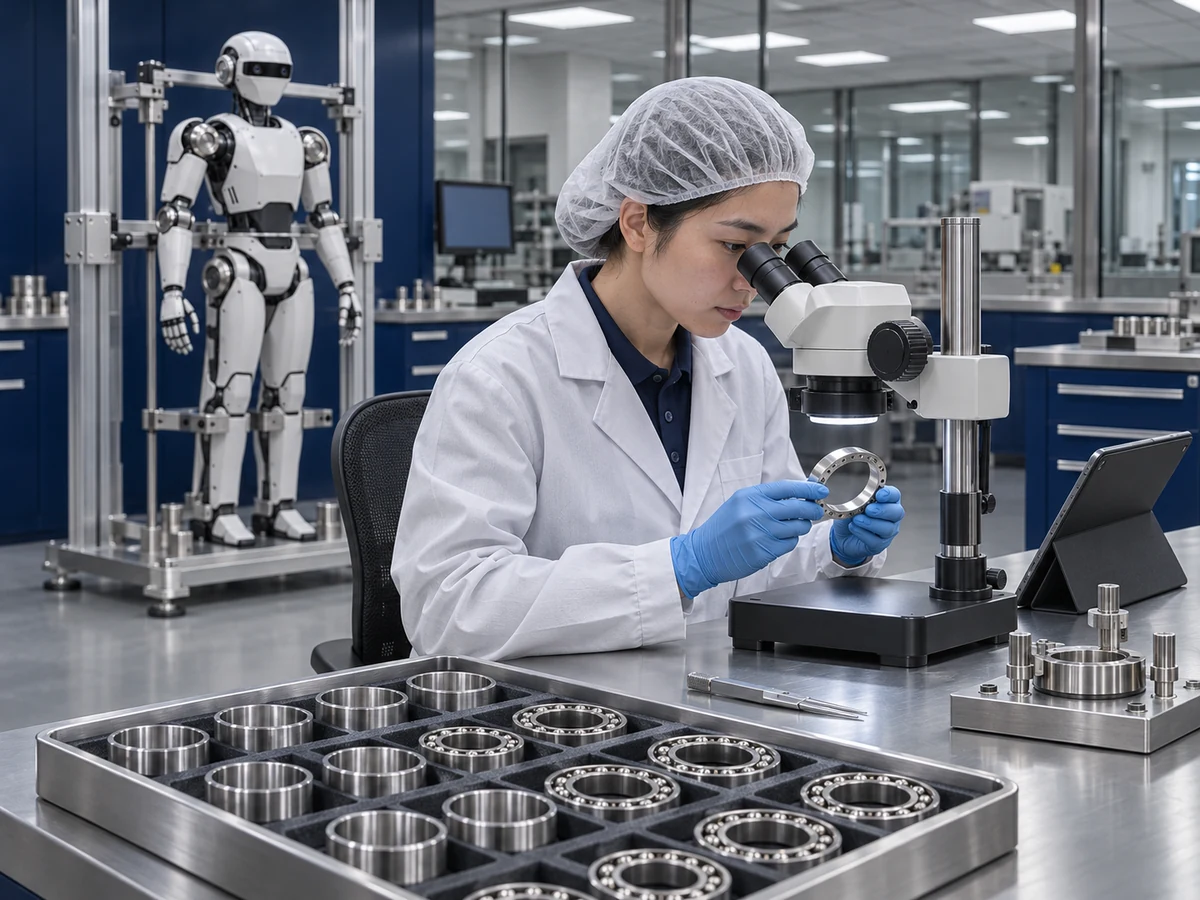
As robotics programmes move beyond prototypes, coating consistency, inspection, traceability, throughput and process ownership become as important as the performance achieved during qualification.
From high-load joints and compact transmissions to 3D sensing, electronics protection and production coating, each humanoid subsystem places different demands on friction, wear, surface durability, optical control and manufacturing. NTI connects application-specific coatings, micro-optics, coating services and equipment to help robotics teams address these requirements from component qualification through production.
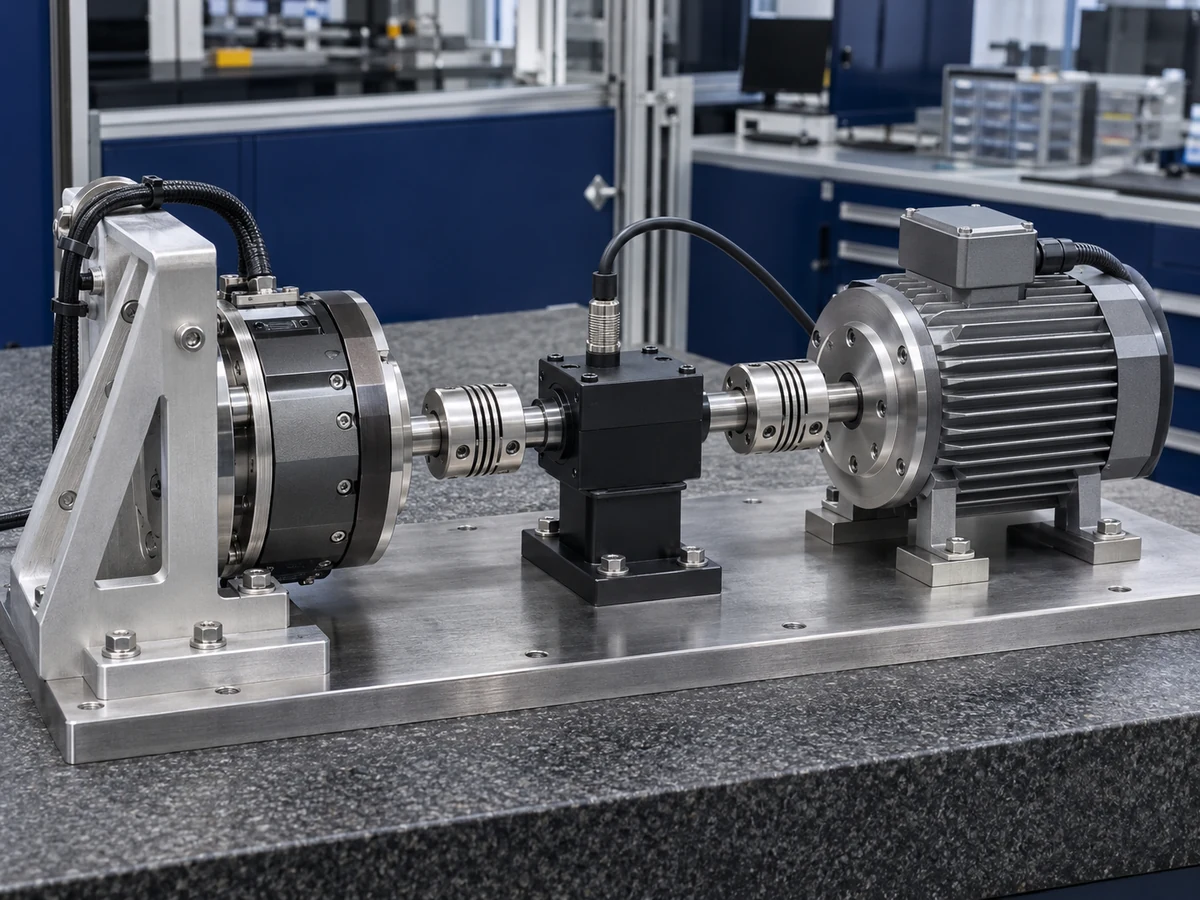
Joint bearings · bushings · guided motion · torque behaviour
Humanoid joints rely on bearings, bushings and guided interfaces that reverse direction frequently under changing loads. Friction variation, stick-slip and surface wear can increase torque demand, reduce motion smoothness and alter joint behaviour over time. NTI Protect™ coating routes can be evaluated around the contact condition, substrate and lubrication system to reduce friction and surface degradation while supporting more stable movement across repeated operating cycles.
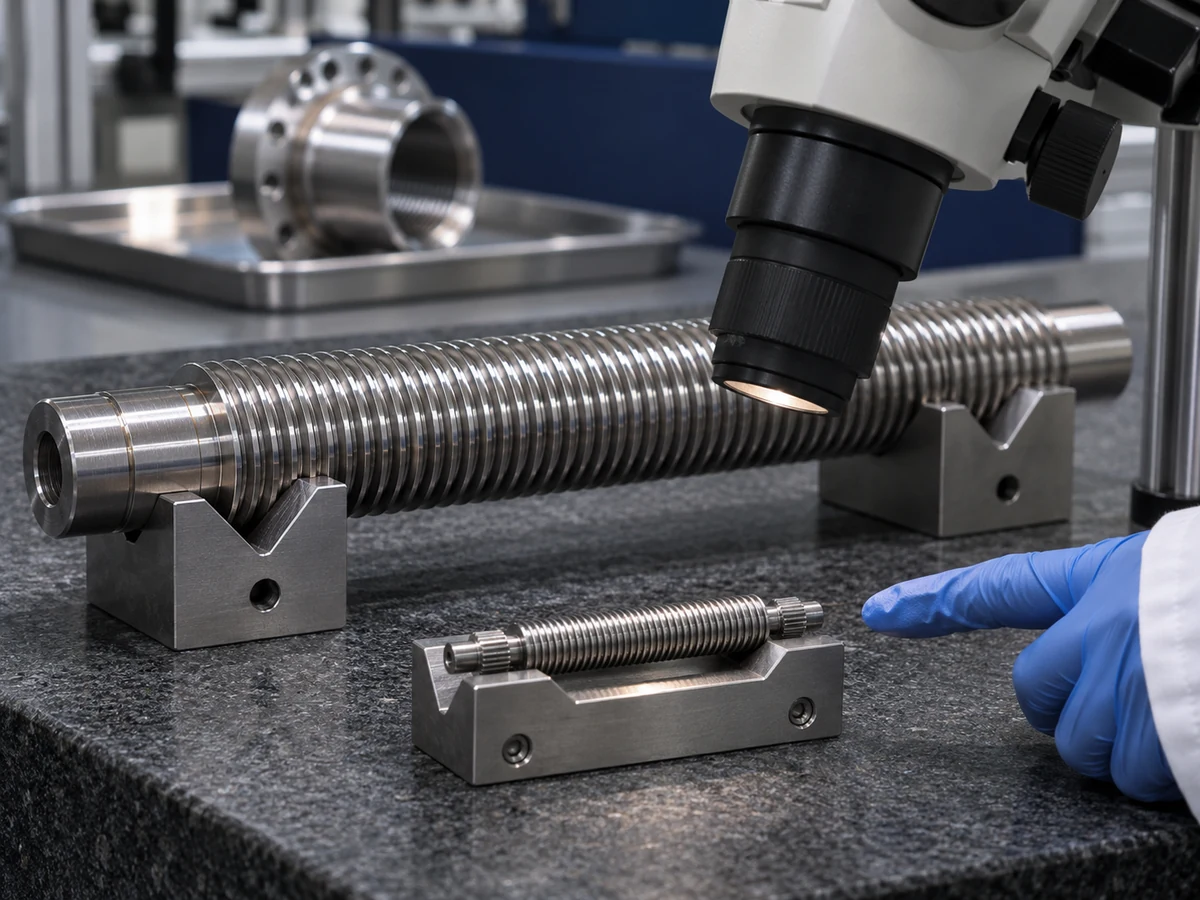
Planetary roller screws · contact stress · friction · positioning precision
Planetary roller screws concentrate high loads across continuously reversing roller and thread contacts, where friction, wear and temperature rise can progressively affect actuator efficiency and positioning performance. NTI Protect™ coating routes can be evaluated around the screw material, contact pressure, lubrication and dimensional requirements to reduce surface degradation while preserving the precision required for linear actuation.
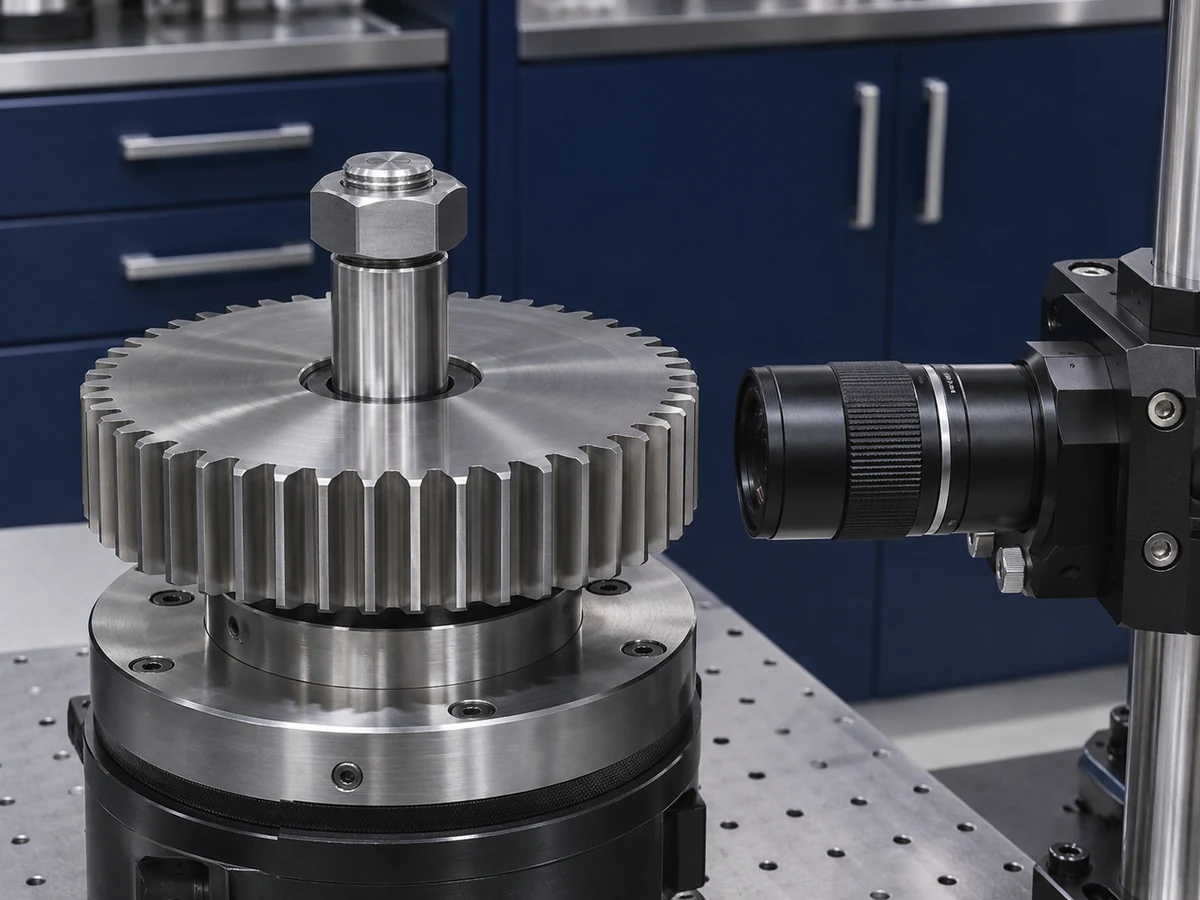
Reducer gears · rolling-sliding contact · scuffing · backlash
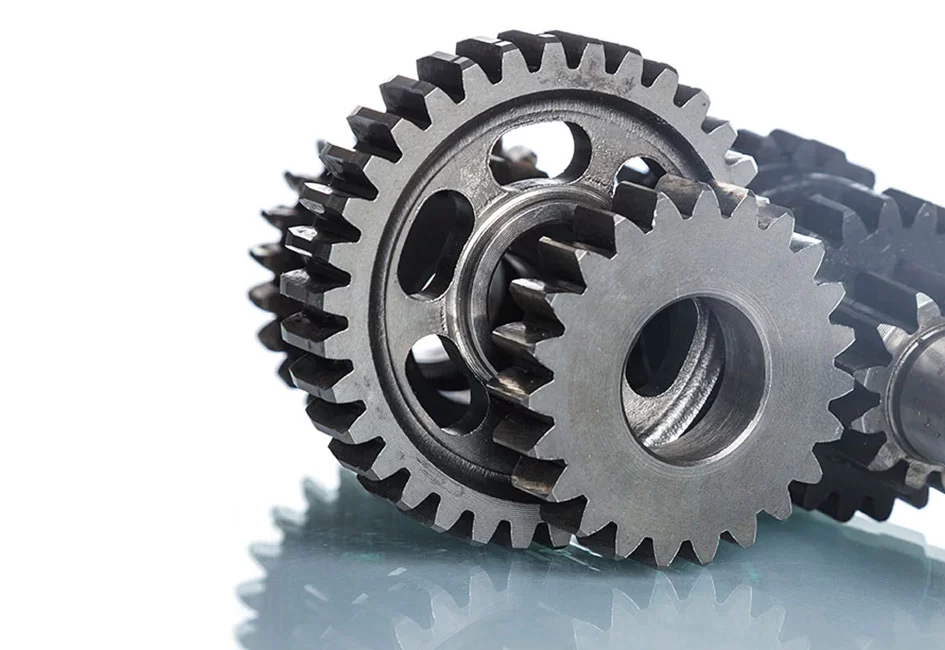
Compact reducer gears operate under high rolling-sliding contact stress, where scuffing, pitting and progressive wear can influence transmission efficiency, noise and backlash. NTI Protect™ surface engineering can be assessed around gear material, tooth geometry, lubrication and load conditions to protect critical contact surfaces and help maintain transmission performance over longer operating periods.
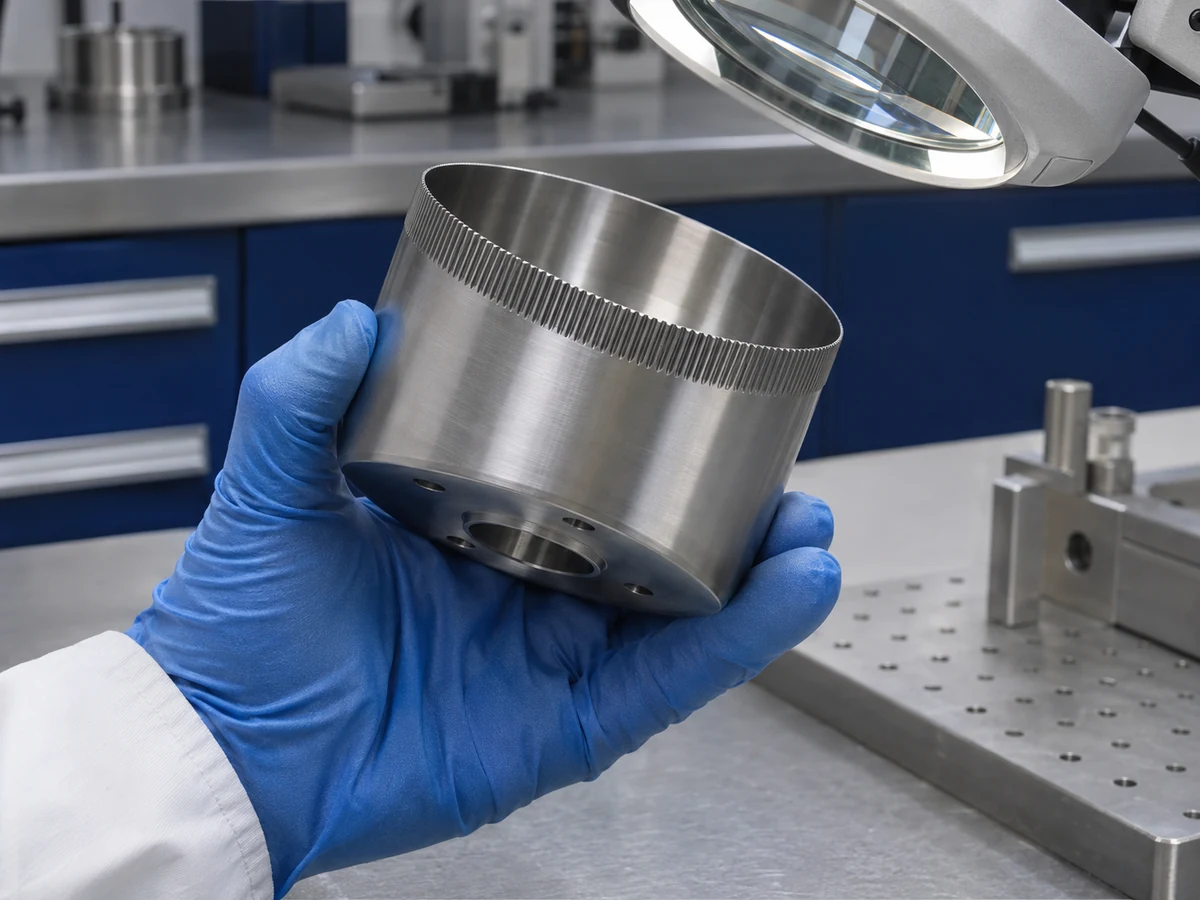
Flex splines · cyclic deformation · wear · fatigue behaviour
Strain-wave transmissions depend on precise elastic deformation while critical surfaces experience repeated contact and cyclic loading. Surface engineering therefore has to balance wear protection, adhesion and coating thickness with the fatigue behaviour and controlled flexibility of the component. NTI can evaluate coating concepts around the flex spline material, contact zones and operating conditions before application validation.
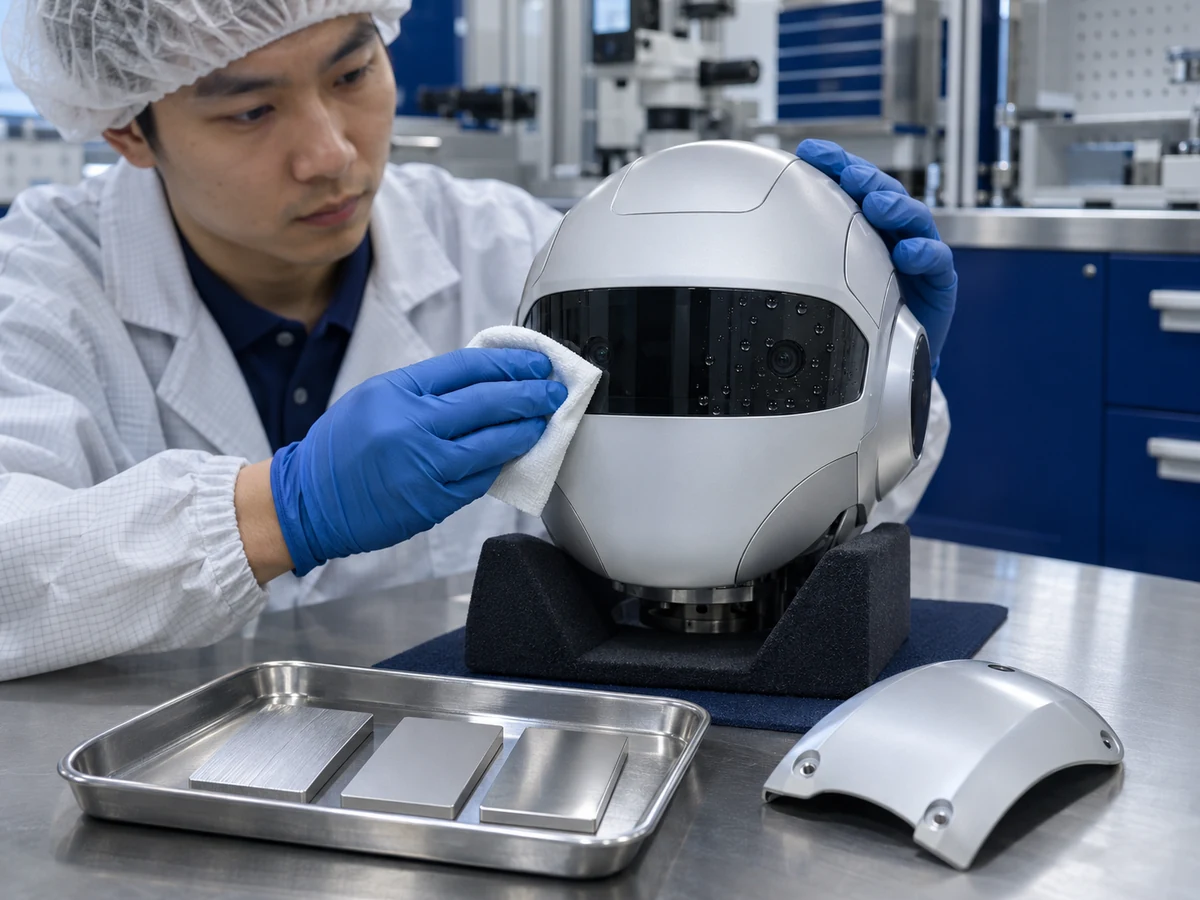
Humidity · sweat · dust · fingerprints · cleaning exposure
Humanoid robots operating around people and production environments can be exposed to humidity, sweat, dust, fingerprints and cleaning agents across mechanical, optical and user-facing surfaces. NTI Protect™ corrosion-resistant coating options and NTI Repel™ hydrophobic or oleophobic treatments can be evaluated according to component function to reduce deterioration, wetting and contamination without compromising the required surface behaviour.
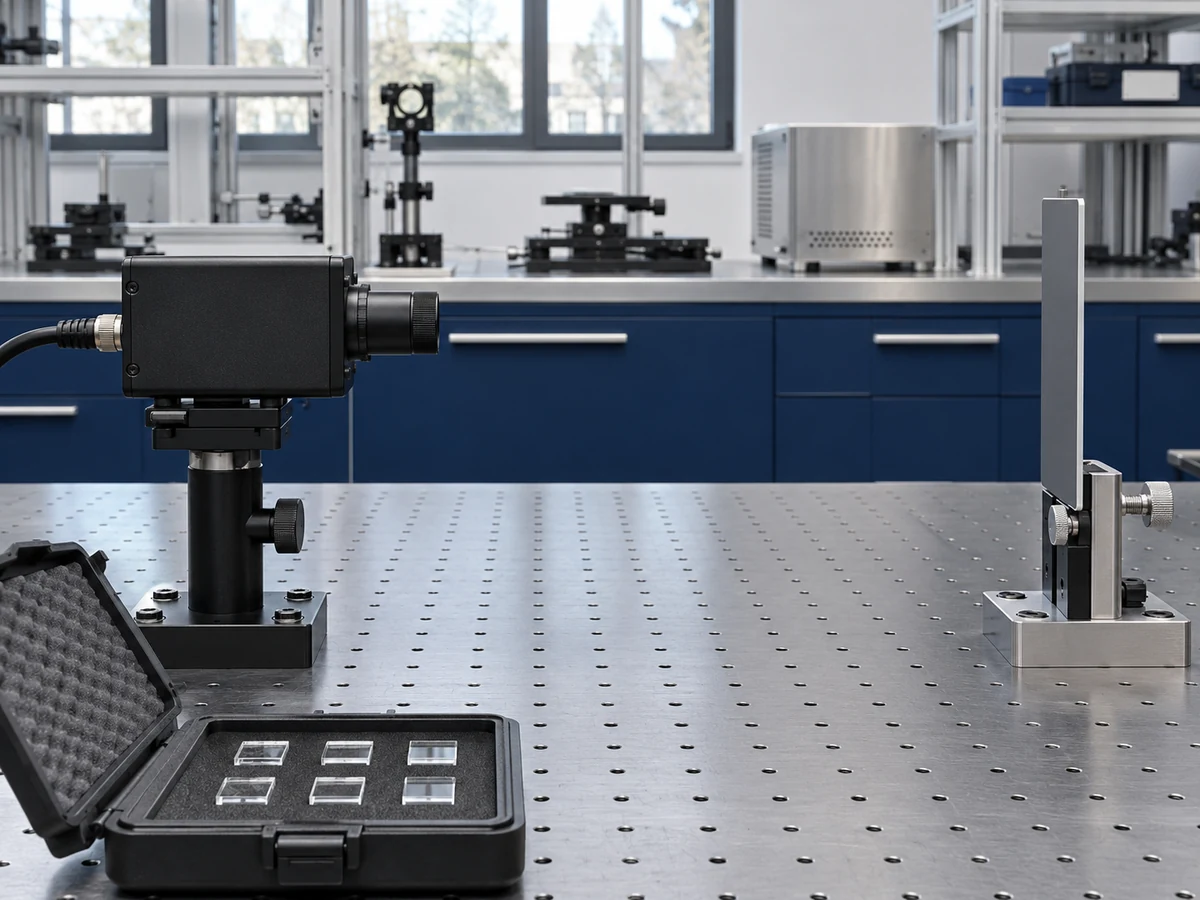
ToF · LiDAR · structured light · MLA · DOE
ToF, LiDAR and structured-light systems depend on controlled beam shaping, light distribution and optical response within compact sensor architectures. NanoFab micro-lens arrays and diffractive optical elements can support illumination and depth-sensing functions, while NTI Clarity™ optical coatings can be considered where transmission, reflection or spectral performance must also be engineered at the optical surface.
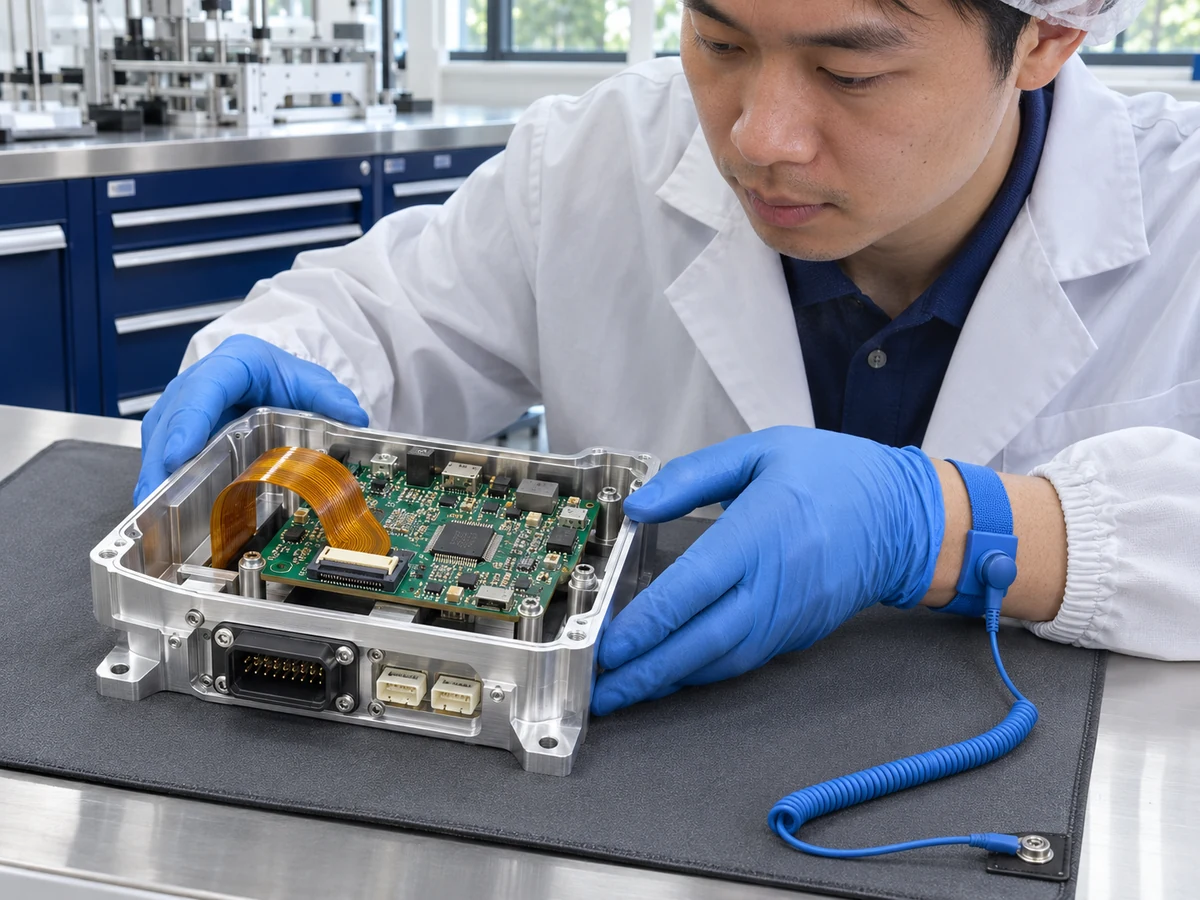
PCBA · FPC · connectors · moisture · electrical function
Compact control electronics, flexible circuits and connectors can be affected by condensation, humidity and contamination while still requiring dependable electrical access and assembly compatibility. NTI Repel™ can support moisture and contamination resistance, while NTI Control™ can be evaluated where ESD, conductivity or insulation requirements need to be engineered into the surface. Selective coverage can be considered around contact and bend zones.
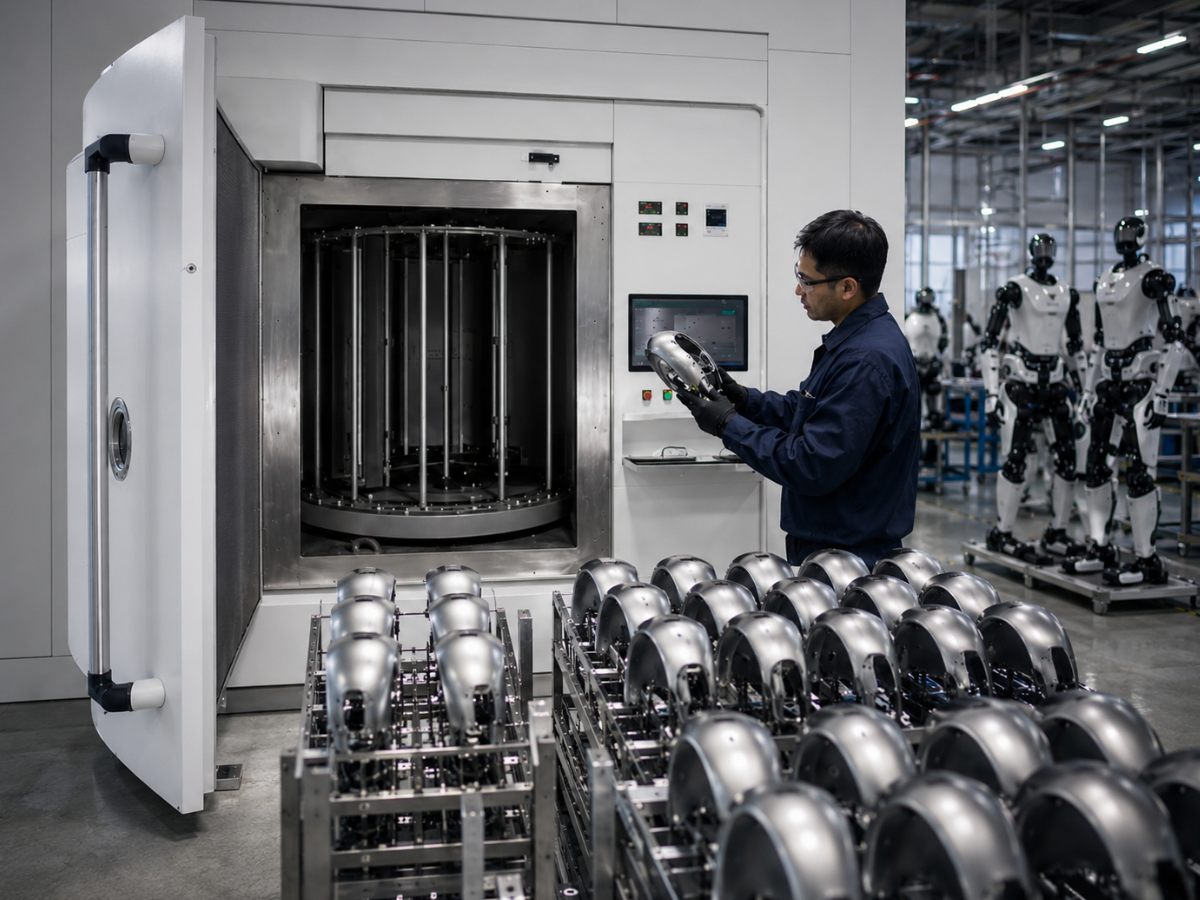
Qualification · fixtures · masking · inspection · production integration
Robotics programmes moving beyond qualification need coating conditions, fixtures, masking, inspection and throughput to remain aligned with the component requirement. NTI can support sample trials, pilot lots and recurring production through coating services, or transfer a qualified process into NTI Dream™ Batch or NTI Titan™ Inline equipment where greater manufacturing ownership and factory integration are required.
From compact joints and linear actuators to robot vision, depth sensing and control electronics, NTI technologies target the surface and optical behaviours that influence efficiency, durability, precision, contamination tolerance and long-term operation.
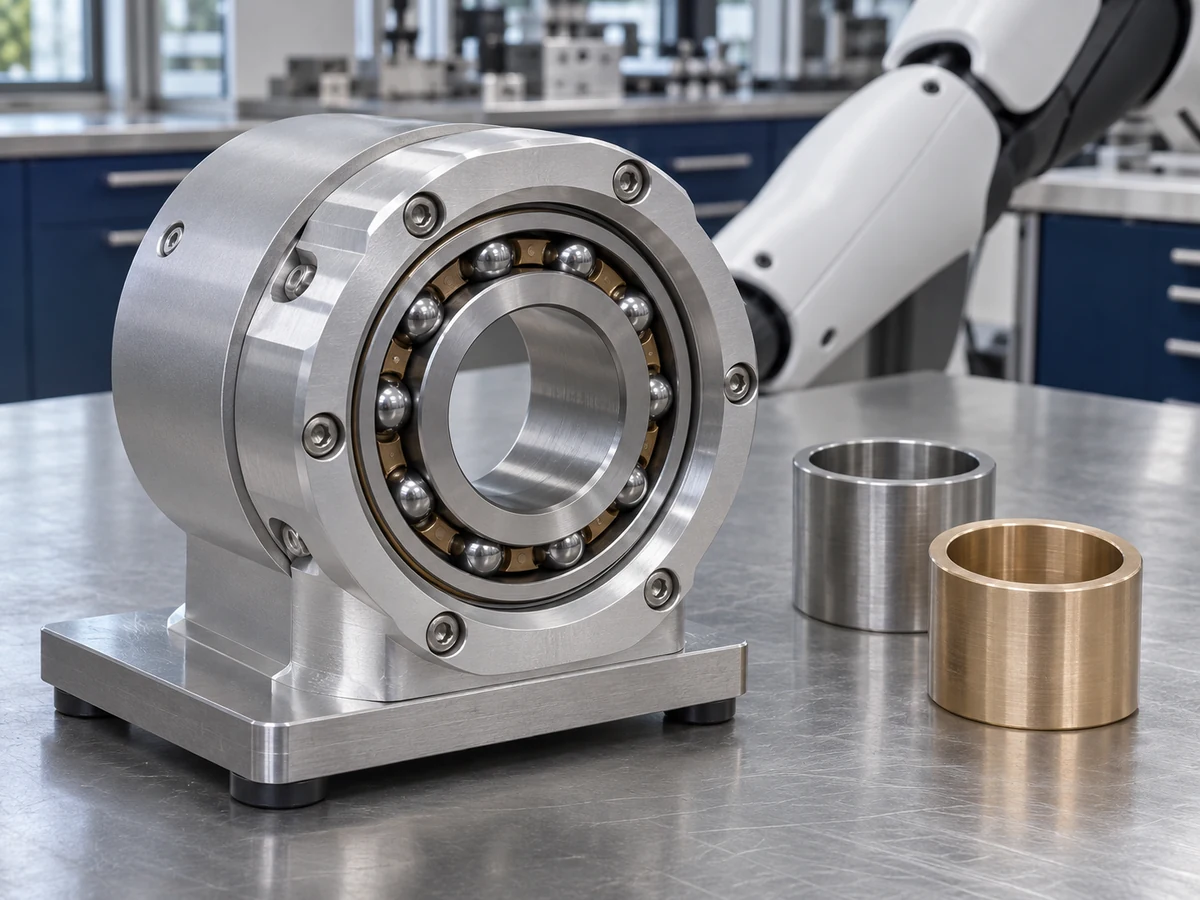
Oscillating and reversing joints can experience friction variation, fretting, wear and corrosion. NTI Protect™ coating routes can help reduce surface degradation and friction losses, supporting smoother motion, more stable torque behaviour and longer service intervals.
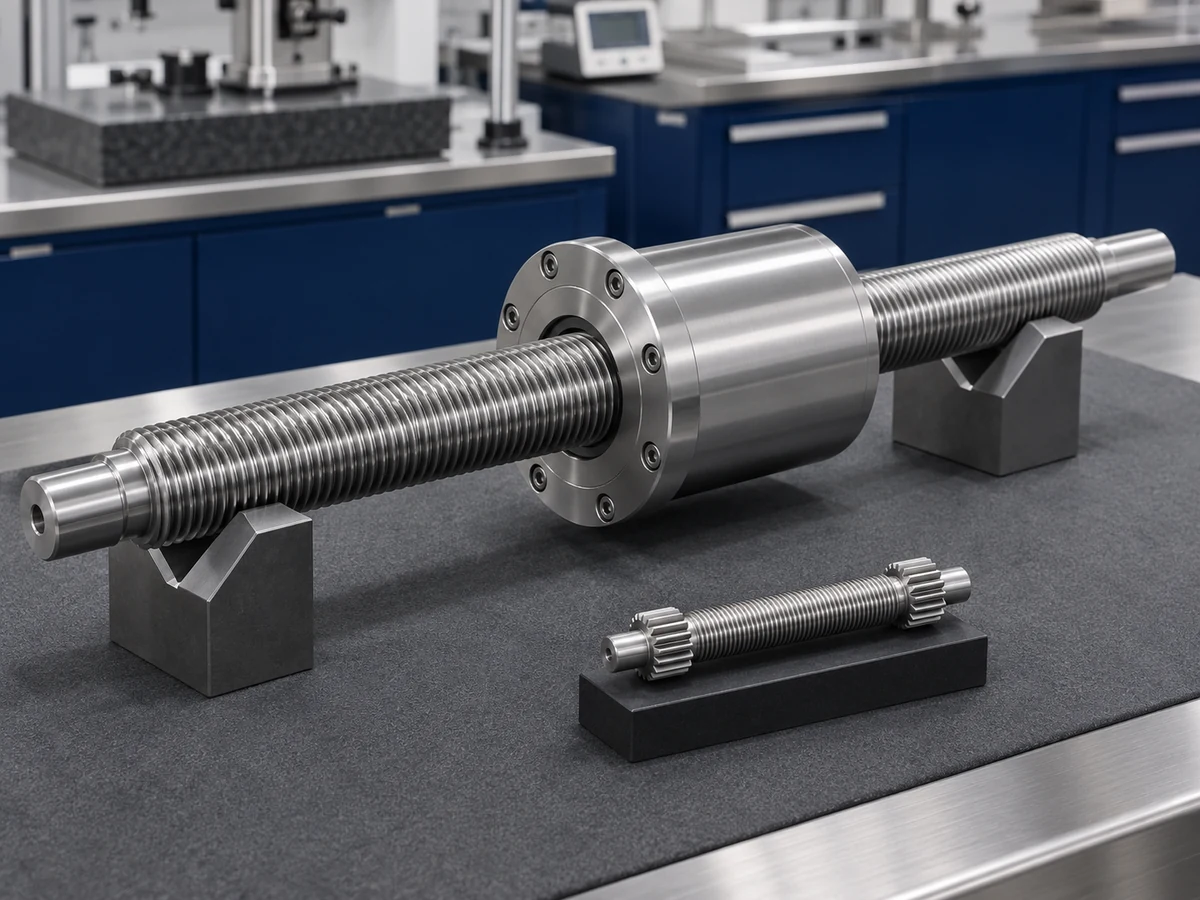
High load density and repeated reciprocating motion concentrate stress at roller and thread contacts. NTI Protect™ surface engineering can be evaluated to manage friction and wear while preserving the precision, efficiency and durability required for linear actuation.
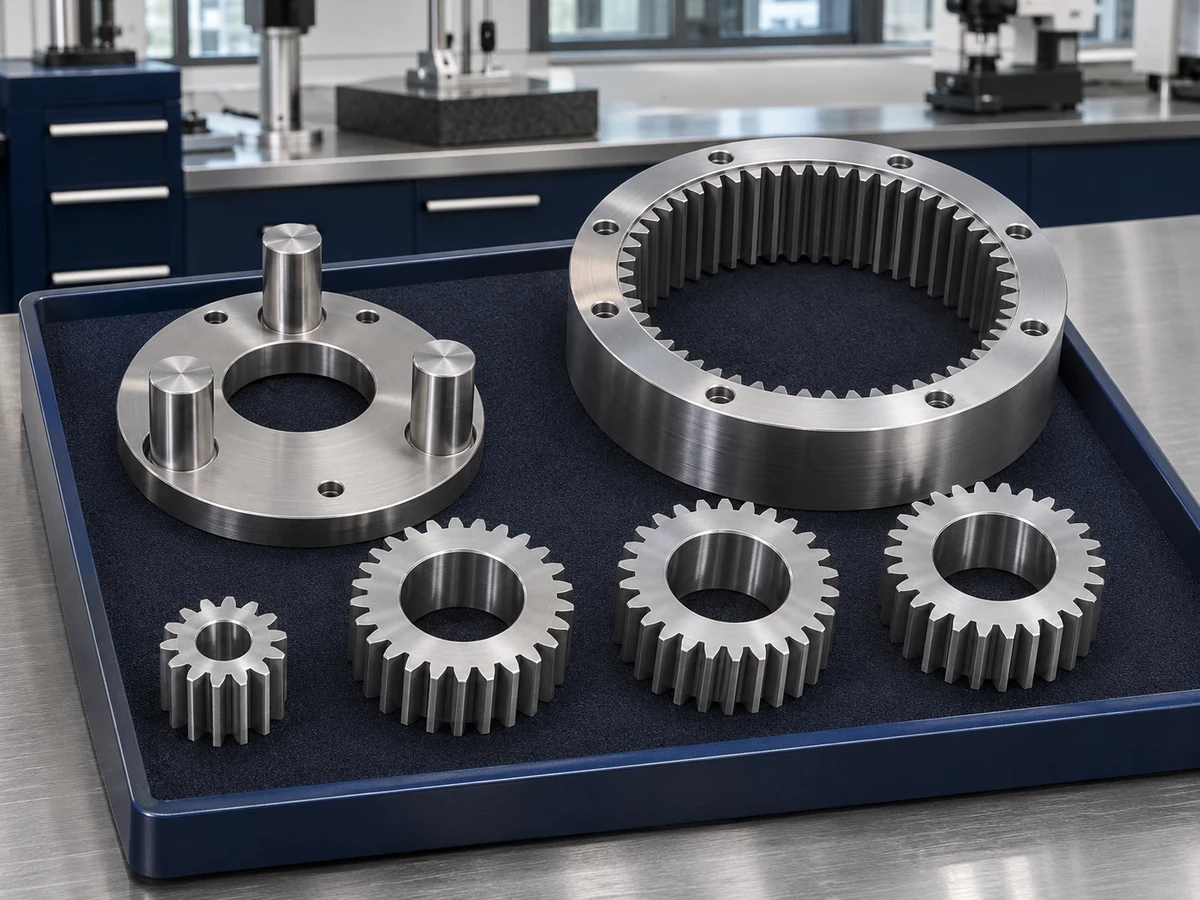
Planetary and compact reducer gears combine high contact stress with rolling-sliding motion. Wear- and friction-focused NTI Protect™ coatings can help limit scuffing and surface damage that contribute to efficiency loss, noise change and backlash progression.
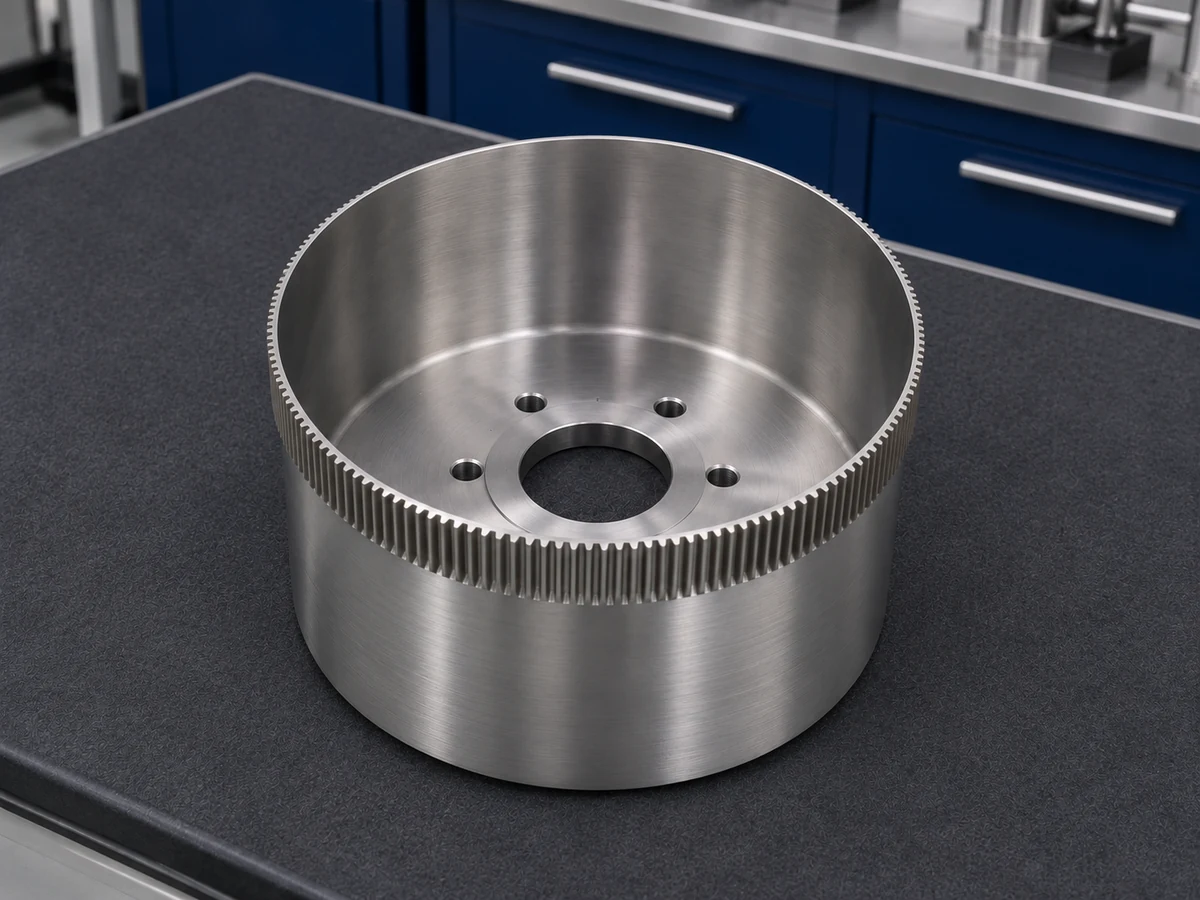
Strain wave transmissions demand high precision while flex splines undergo controlled cyclic deformation. Coating selection must balance wear protection, adhesion and thickness with fatigue behaviour so the surface solution supports the component rather than restricting its function.
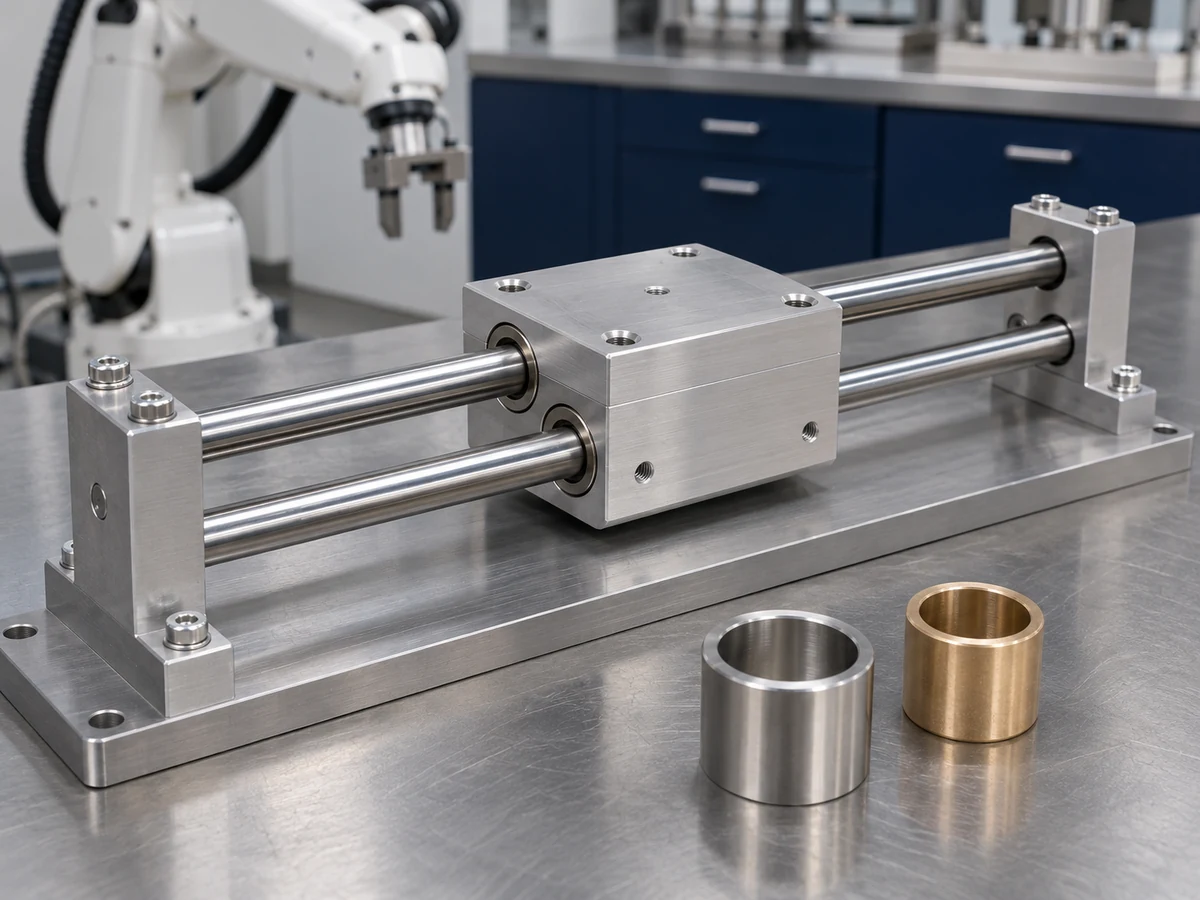
Sliding and guided interfaces can develop stick-slip, scratching and debris under changing loads and environments. Low-friction and anti-stick NTI Protect™ options can help maintain cleaner travel, reduce surface damage and support more consistent guided motion.
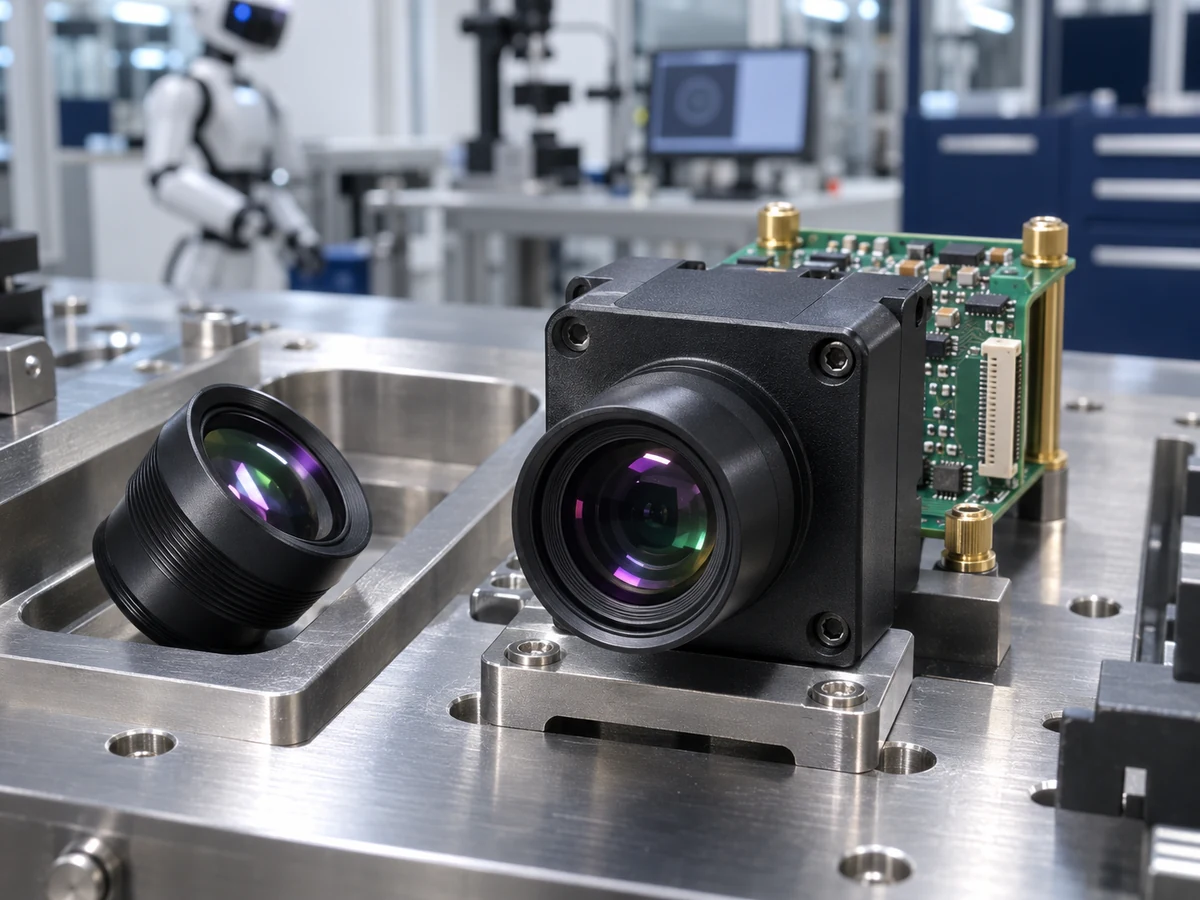
Camera and vision modules depend on defined transmission, reflection and spectral response across visible and infrared wavelengths. NTI Clarity™ optical coatings can be engineered around the required optical function to support clearer, more consistent sensing performance.
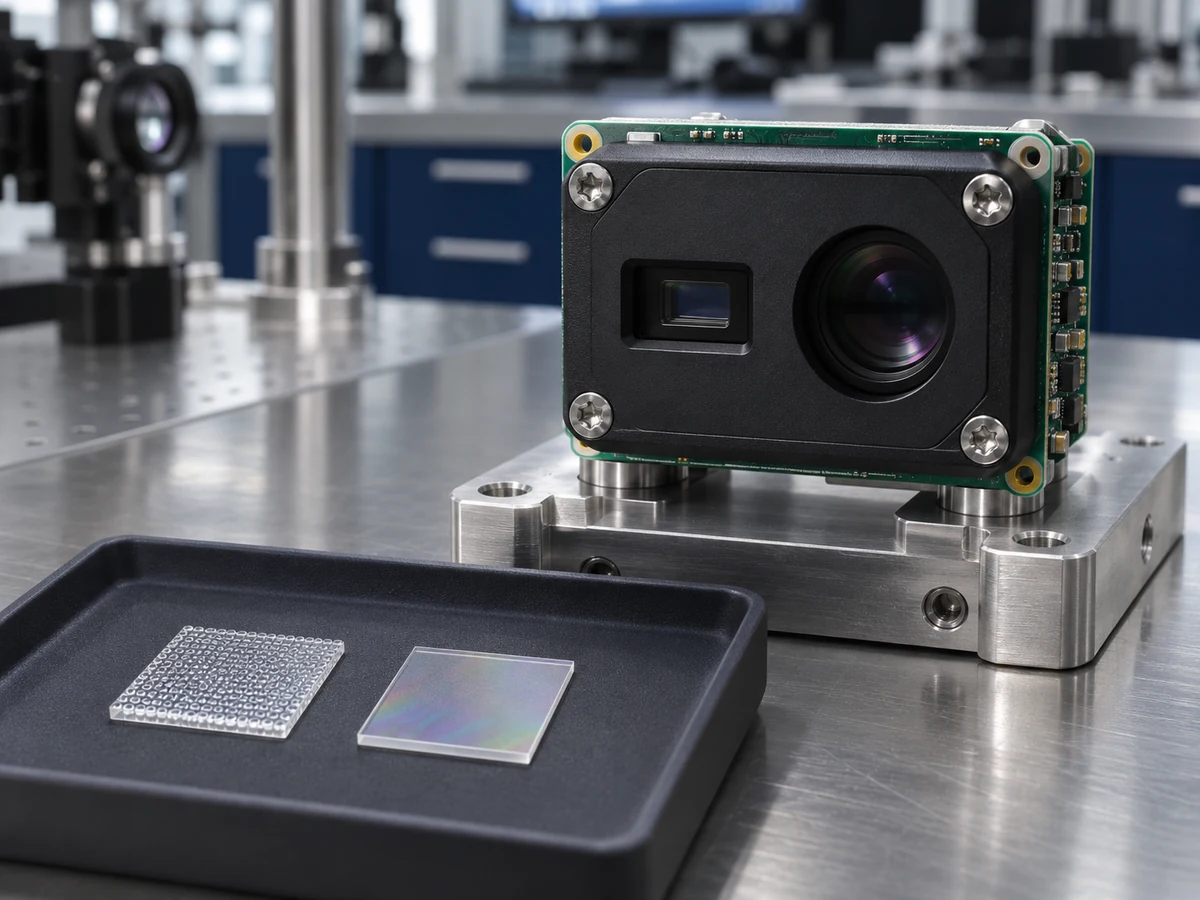
NanoFab micro-lens arrays and diffractive optical elements can shape and distribute light for ToF, LiDAR and structured-light architectures, supporting compact depth-sensing modules for navigation, mapping, obstacle detection and spatial perception.

Fingerprints, water and oil can degrade exposed optical interfaces. NTI Repel™ hydrophobic and oleophobic surface treatments can reduce wetting and handling contamination where cleaner windows help preserve optical transmission and sensor reliability.
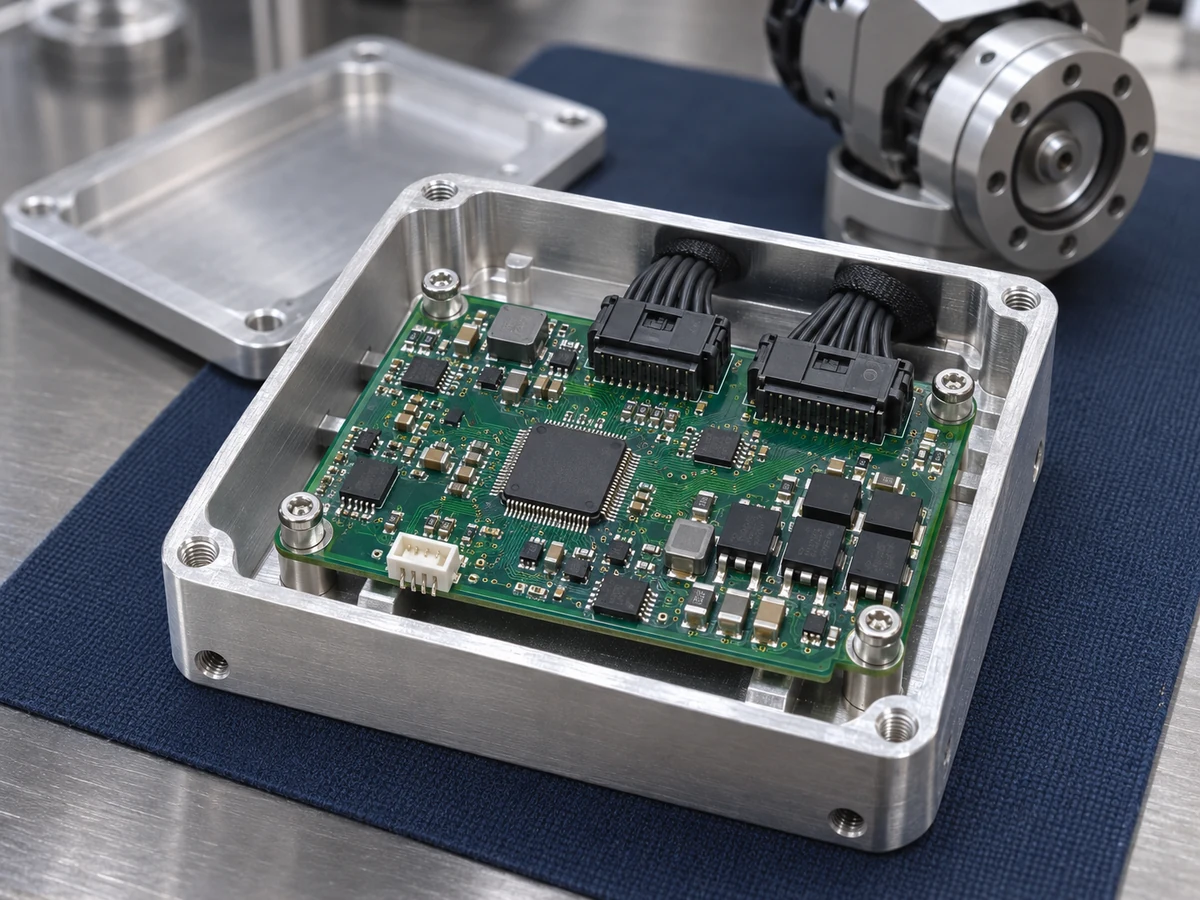
Condensation, humidity and contamination can compromise compact control and power electronics. NTI Repel™ can support moisture and contamination resistance, while NTI Control™ can address ESD, conductivity or insulation requirements where the electrical function calls for it.
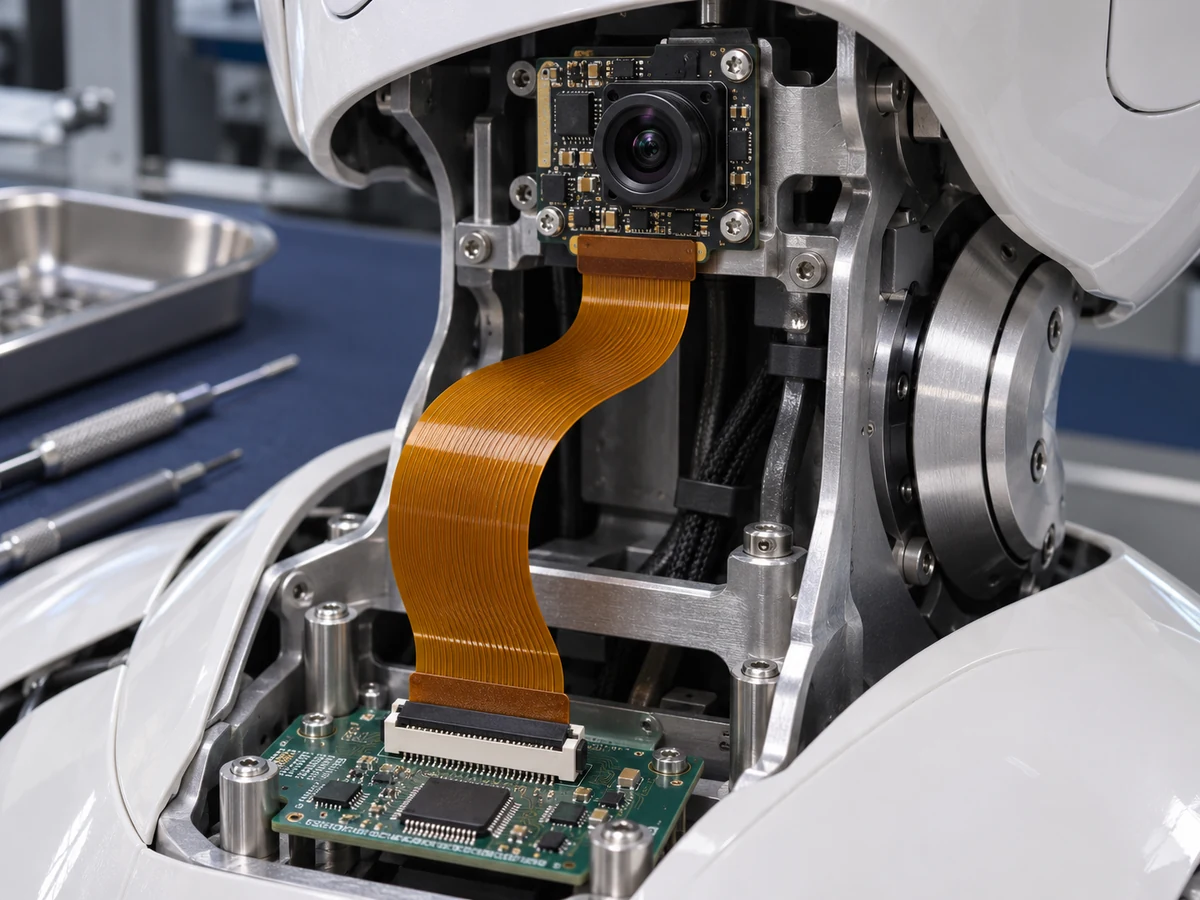
Flexible circuits and connector interfaces need protection without losing contact access or bendability. Selective NTI Repel™ and NTI Control™ approaches can be evaluated around exposed zones, electrical requirements and assembly constraints.

Human-machine interfaces are repeatedly touched, wiped and exposed to skin oils. NTI Repel™ can reduce fingerprints and wetting while preserving the intended appearance and tactile experience of display and touch surfaces.
Whether you need outsourced coating, in-house coating capability, NanoFab micro-optics manufacturing or a co-development route for new components, NTI offers flexible business models aligned to programme maturity, investment priorities and production plans.
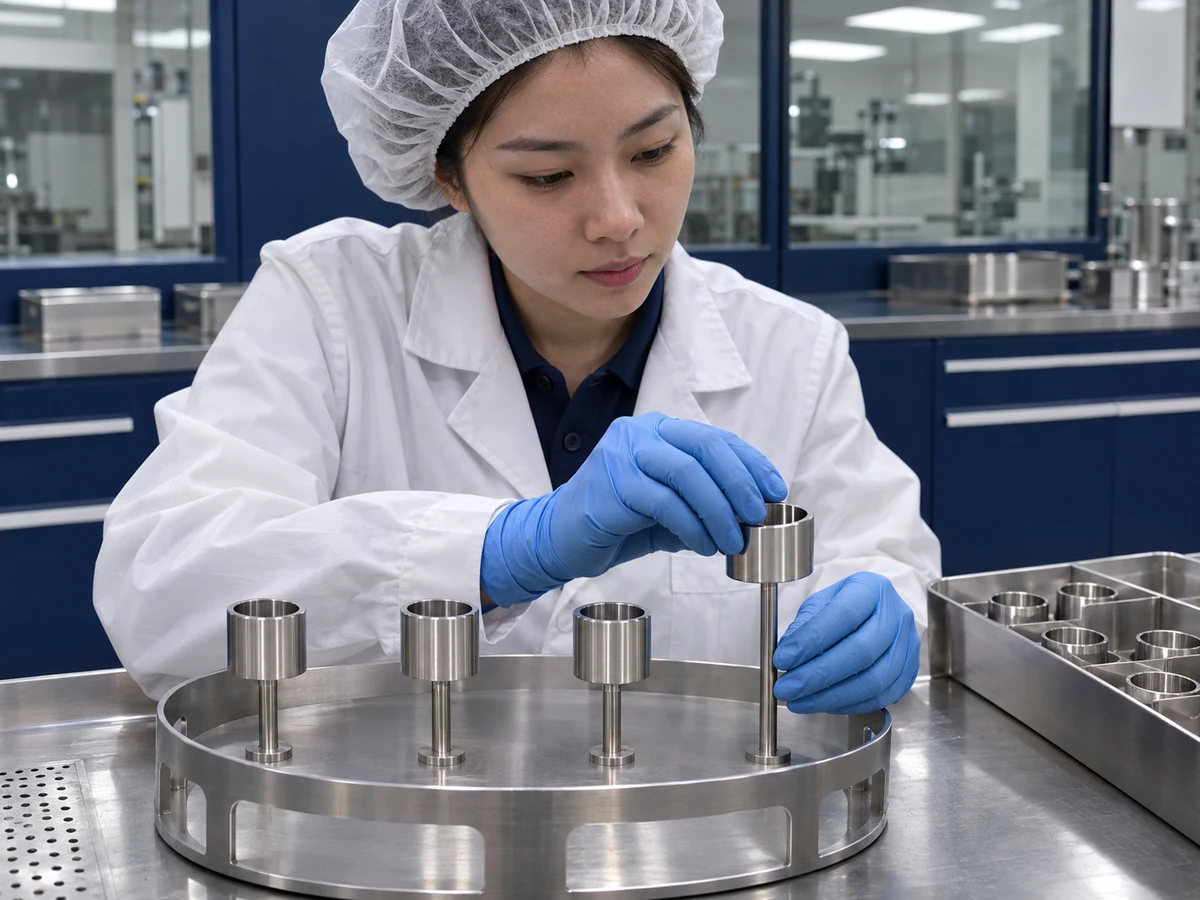
Qualify a surface solution without adding coating capital. NTI supports application review, samples, pilot lots and production coating with component-specific fixtures, masking and process controls.
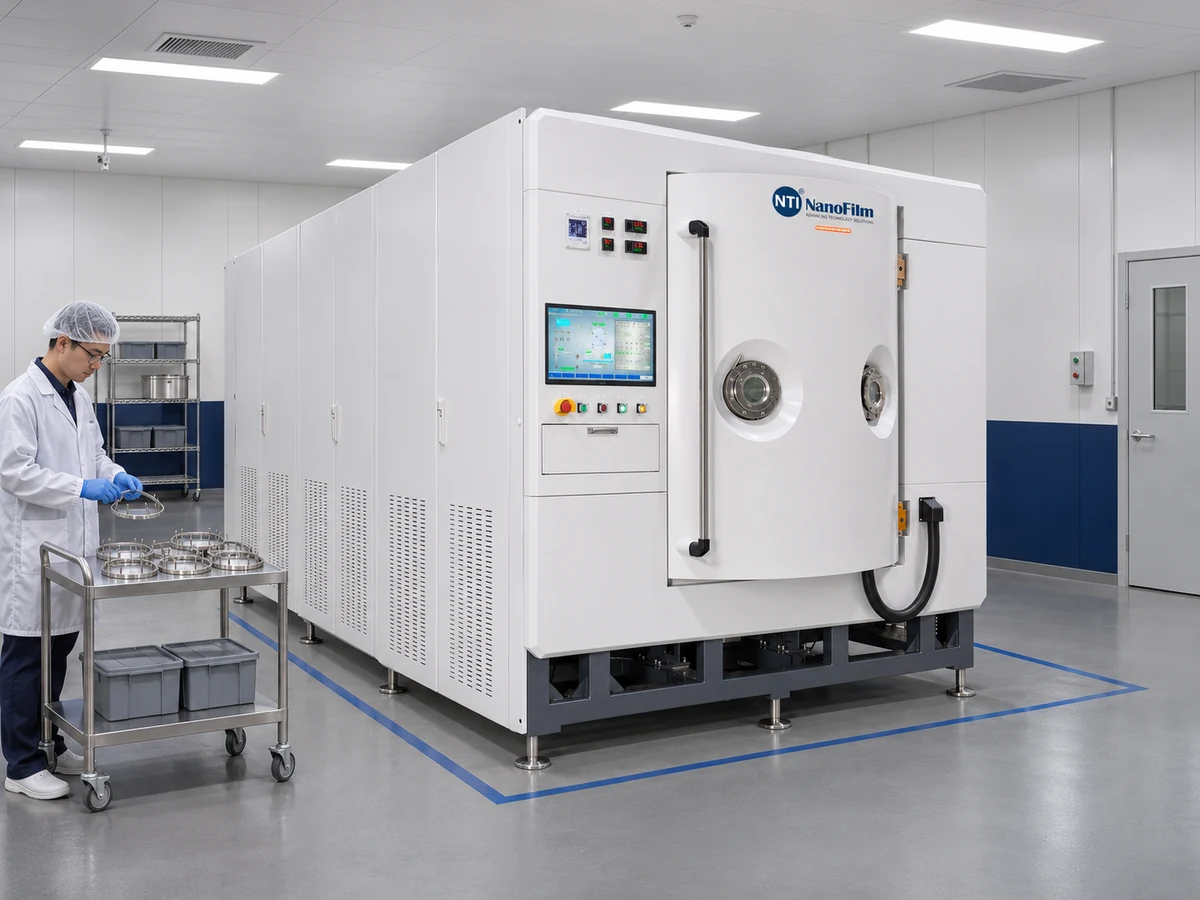
Own the coating process where throughput, integration or IP control justify in-house manufacturing. NTI Dream™ Batch and NTI Titan™ Inline platforms can be configured with process transfer, fixtures and production support.
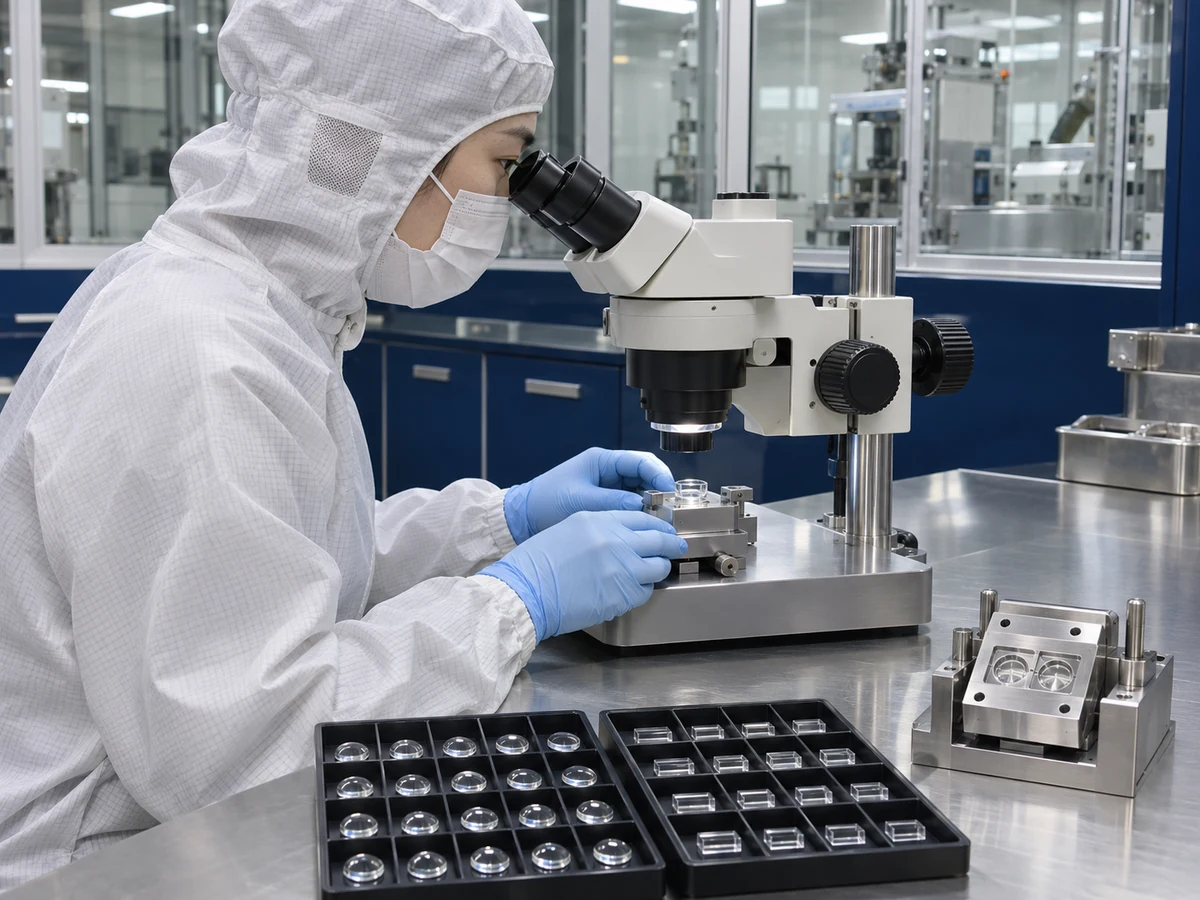
Develop and manufacture micro-optics through NanoFab, from optical design and precision mastering to injection moulding or nanoimprint replication, verification and production manufacturing.
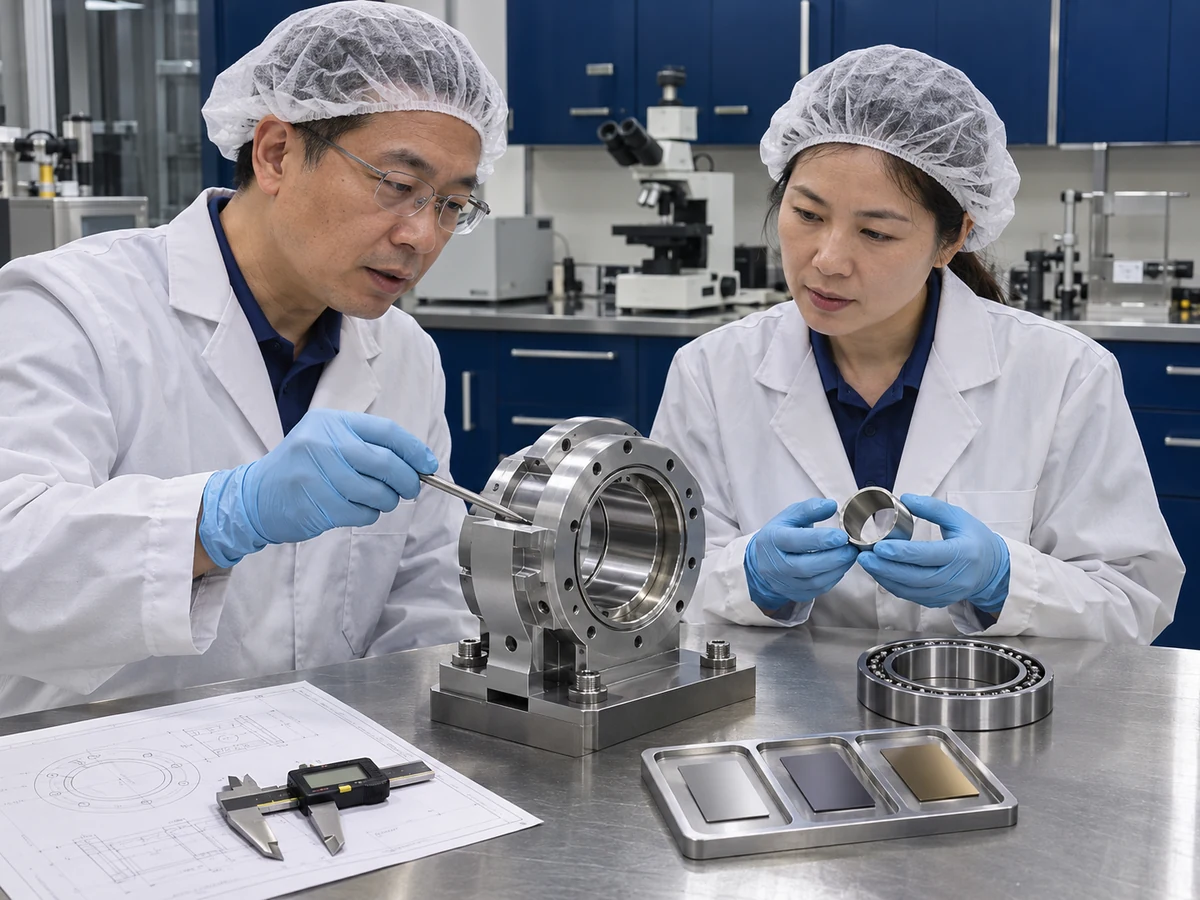
Co-develop a surface solution for new materials, geometries or operating conditions through application review, tailored coating concepts and joint validation before the manufacturing route is defined.
See how the same NTI coating, equipment and micro-optics capabilities solve performance challenges across adjacent industries.
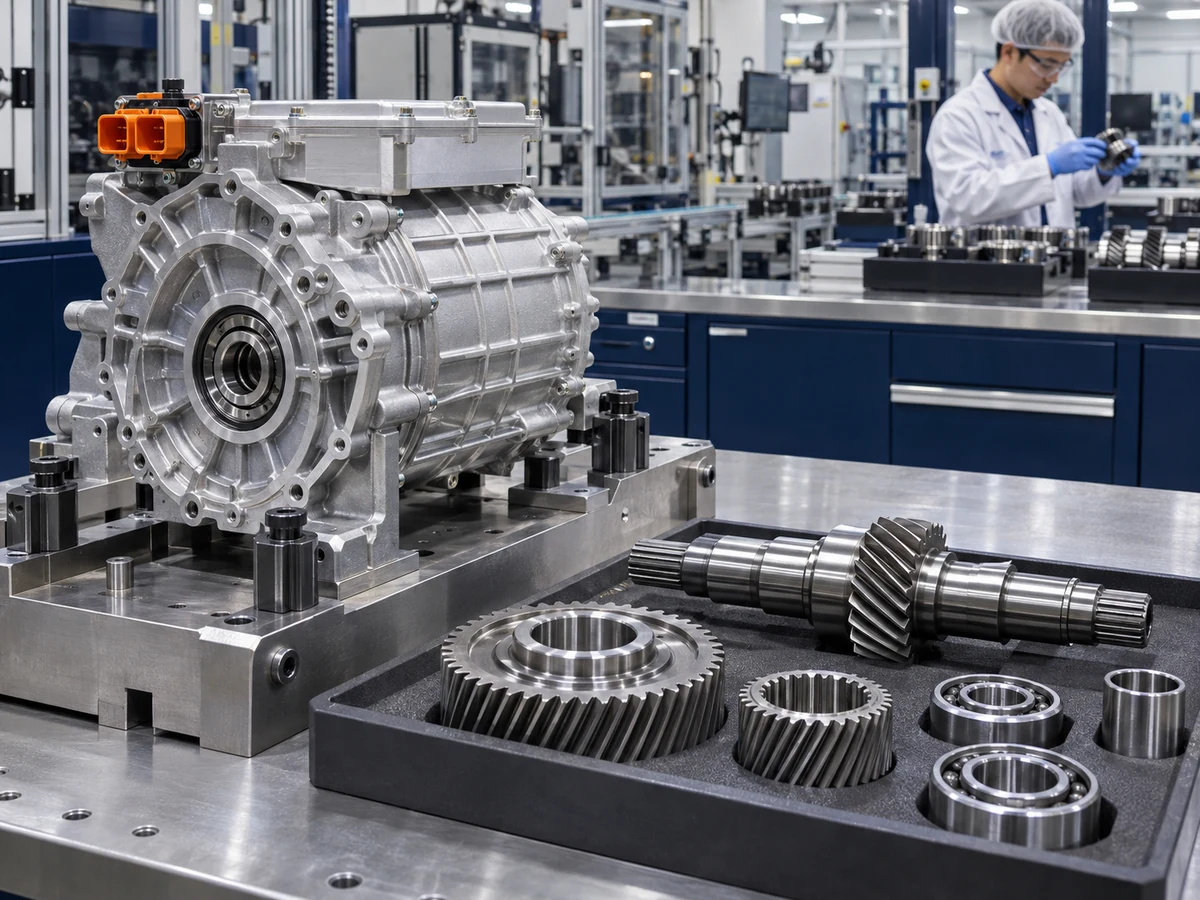
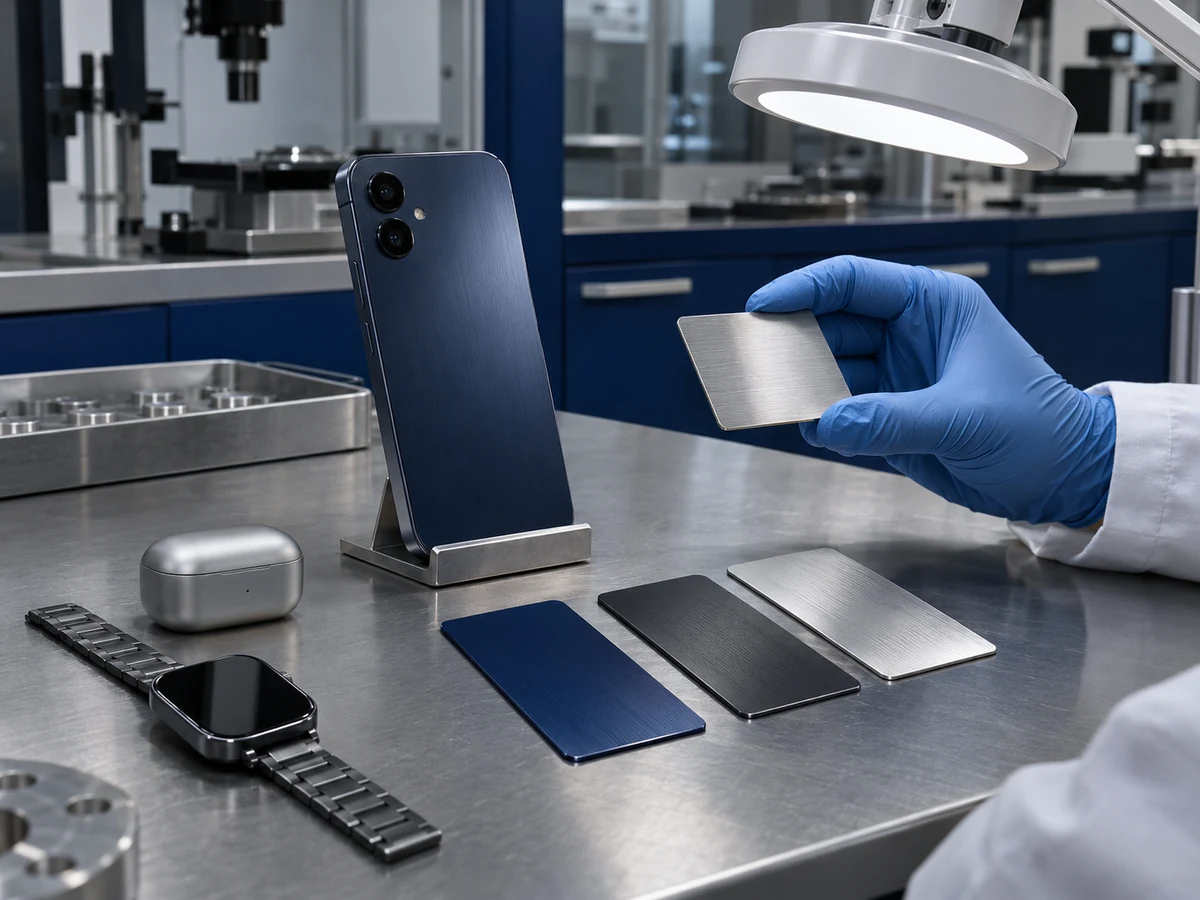
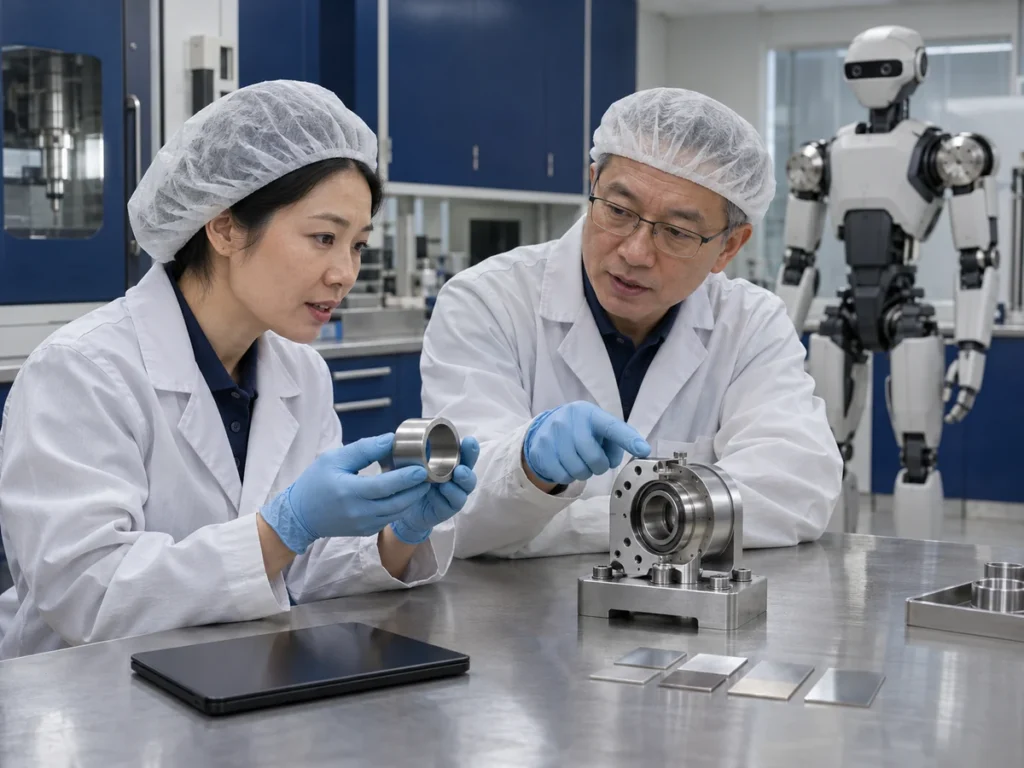
NTI Nanofilm brings together application engineering, coating development, optical design, qualification, coating services and equipment to help robotics teams improve component performance and move more confidently toward production.
NTI Nanofilm supports humanoid robotics across motion, sensing, electronics and manufacturing. Relevant capabilities include NTI TAC Protect™, NTI Hard Protect™ and NTI DLC Protect™ for wear and friction control; NTI Clarity™ for optical performance; NTI Repel™ for reduced wetting and contamination; NTI Control™ for ESD, conductivity and insulation requirements; NanoFab micro-optics; coating services; and NTI coating equipment.
Coatings can help manage wear, friction, scuffing, corrosion and surface degradation at rolling, sliding and oscillating contacts. For suitable bearings, screws, gears and guides, the objective is to protect motion efficiency, torque behaviour and component life while working within the substrate, geometry, lubrication and load conditions of the application.
Yes. These component types can be reviewed for surface engineering. Planetary roller screws and reducer gears are assessed around contact stress, friction, wear and lubrication. Flex splines and other strain wave components also require careful consideration of coating thickness, adhesion and fatigue behaviour because controlled cyclic deformation is part of their function.
NanoFab can develop micro-lens arrays and diffractive optical elements for compact beam shaping and light distribution in ToF, LiDAR and structured-light architectures. NTI Clarity™ optical coating capability can also be considered where transmission, reflection or spectral performance must be engineered at an optical surface.
Yes. NTI Repel™ hydrophobic and oleophobic treatments can help reduce wetting, fingerprints and contamination on exposed surfaces. For electronics, NTI Repel™ can support environmental protection while NTI Control™ can be evaluated where ESD, conductivity or insulation requirements must be addressed. Selective coverage can be considered for contact areas and assembly constraints.
Yes. NTI coating services can support application review, sample trials, pilot lots and production coating. This allows the surface solution, fixtures, masking and inspection approach to be validated before the programme determines the most suitable long-term manufacturing model.
Yes. NTI offers coating equipment for customers that require greater process ownership or manufacturing integration. NTI Dream™ Batch and NTI Titan™ Inline platforms can be configured around the selected coating process, component handling, fixtures and production requirements, subject to technical evaluation.
Yes. NanoFab can support micro-optics from design and precision mastering through injection moulding or nanoimprint replication, verification and production manufacturing under OEM or ODM arrangements.
The decision typically depends on production volume, component mix, process ownership, capital investment, factory integration, IP considerations and the maturity of the qualified process. NTI can support an outsourced coating route first and evaluate an equipment route when in-house manufacturing becomes commercially and operationally appropriate.
Useful inputs include the component function, substrate, geometry, contact or sensing condition, load, operating environment, current failure or performance limitation, lubrication condition where relevant, validation method, expected volume and preferred manufacturing model.
PVD and FCVA based wear resistant, corrosion resistant and non-stick solutions that extend tool and die lifespan and improve productivity.
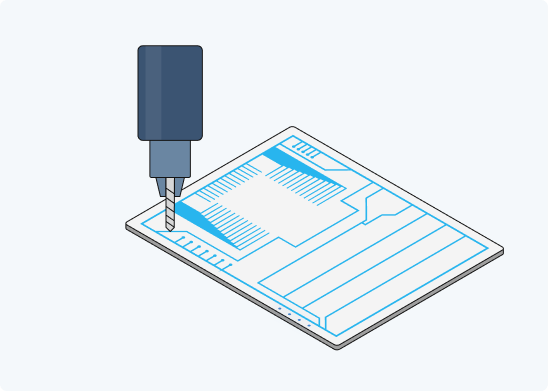
TAC-ON® layer with high hardness and smooth surface greatly reduce the wear between the drill and the board, does not produce tangle; significantly improve the life span and process capability of the drill, reduce replacement frequency and production downtime.
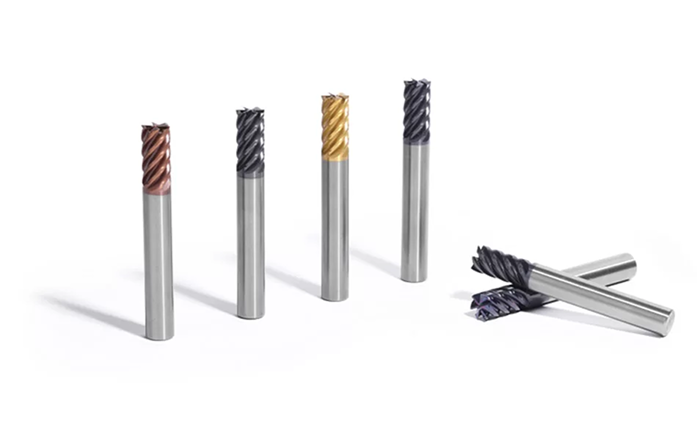
PVD Nitride based Hard Coat wear resistant solution extend CNC machining drill bit lifespan under extreme working condition with temperature up to 1,100°C.
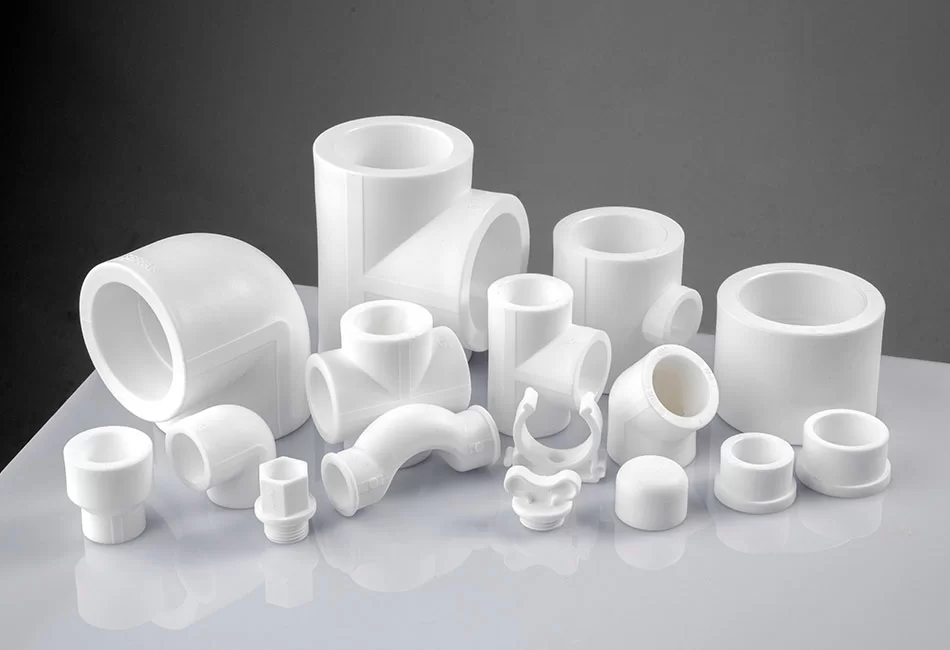
Plastic injection mould operates with high frequency. The injecting materials can corrode the mould, and the friction may scratch the mould surface. These problem often result in products defects and reduce yield rate. Prevent these issues and protect your plastic injection mould with our non-stick MiCC® solution.
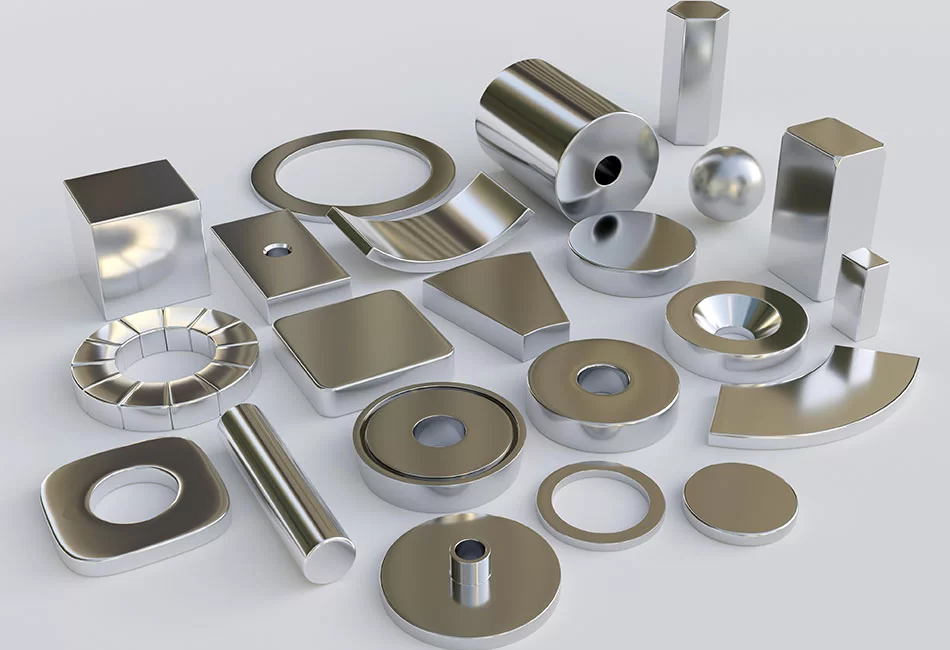
The TAC-ON® coating thickness can be adjusted to forms a super hard and smooth layer on the surface of the mould without impairing precision, with low surface energy that reduces stickiness and friction, greatly improve the lifespan of the piece.
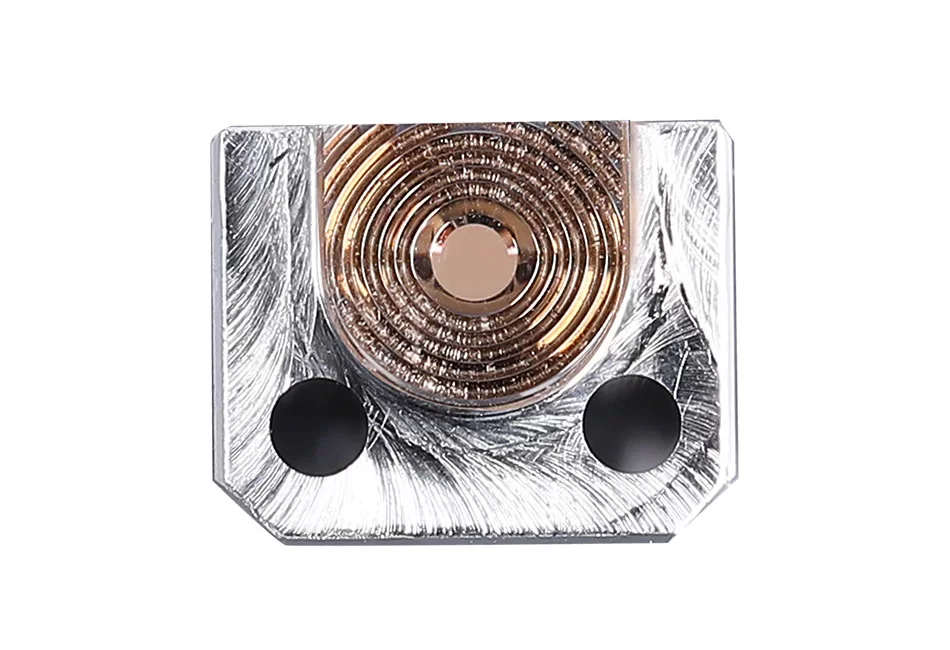
The MiCC® coating forms a protective layer on the surface of the mould with low surface energy and low friction coefficient and gives good non-stick for sliding behavior on the tool surface. The high hardness property also allows the mould to not be easily deformed or scratched during cleaning process. This greatly extend the mould’s lifespan, maintain its precision features and thus improve productivity and yield rate.
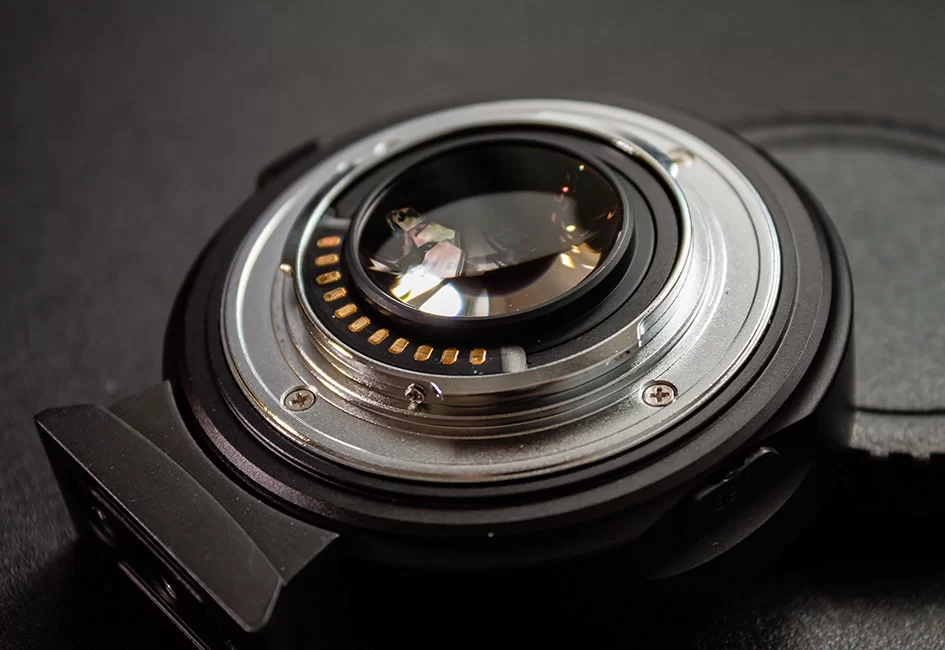
The TAC-ON® coating forms a super hard layer on the surface of the mould with low surface energy that reduces stickiness and friction, greatly improve the life span of the mould. Furthermore , our TAC-ON™ does not contain metal, and can easily be de-coated for recycling.
Lorem ipsum dolor sit amet consectetur. Porta arcu tristique auctor mattis. Integer in mi pellentesque pretium amet.
Lorem ipsum dolor sit amet consectetur. Porta arcu tristique auctor mattis. Integer in mi pellentesque pretium amet.

Do you have any question and want to know more about our services? We will be glad to support you.