NTI Bio™ brings together PVD hard coatings, advanced DLC, proprietary FCVA ta-C and controlled color surfaces to help surgical instruments, dental tools, implants and precision medical components last longer, move with less friction, reduce glare, resist corrosion and repeated cleaning, and support faster visual differentiation.
Medical instruments and devices are repeatedly handled, cleaned, sterilized and returned to use. The surface can influence clinical visibility, movement, reprocessing durability, visual differentiation, corrosion resistance and cutting performance. NTI Bio brings these requirements together through focused PVD hard coatings, DLC coatings, ta-C coatings and controlled color surfaces.
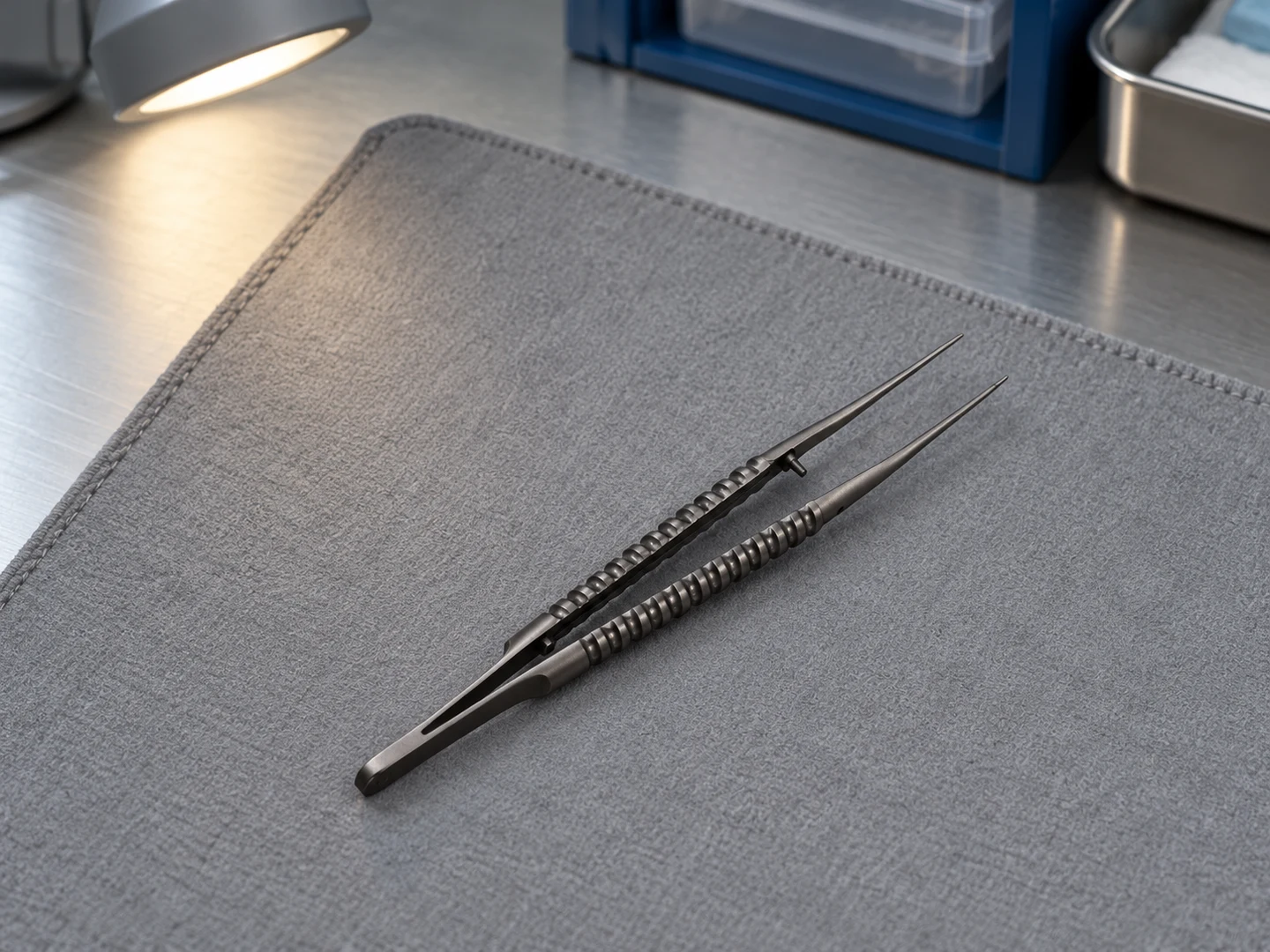
Dark and anthracite surfaces can lower distracting reflections while adding wear and chemical durability to visible instrument surfaces.
DLC coatings and hydrogen-free ta-C coatings can reduce friction, galling and adhesive wear across sliding interfaces, moving mechanisms and contact surfaces.
Coating selection can be aligned to repeated reprocessing, cleaning media and the need to retain adhesion, appearance and surface function.
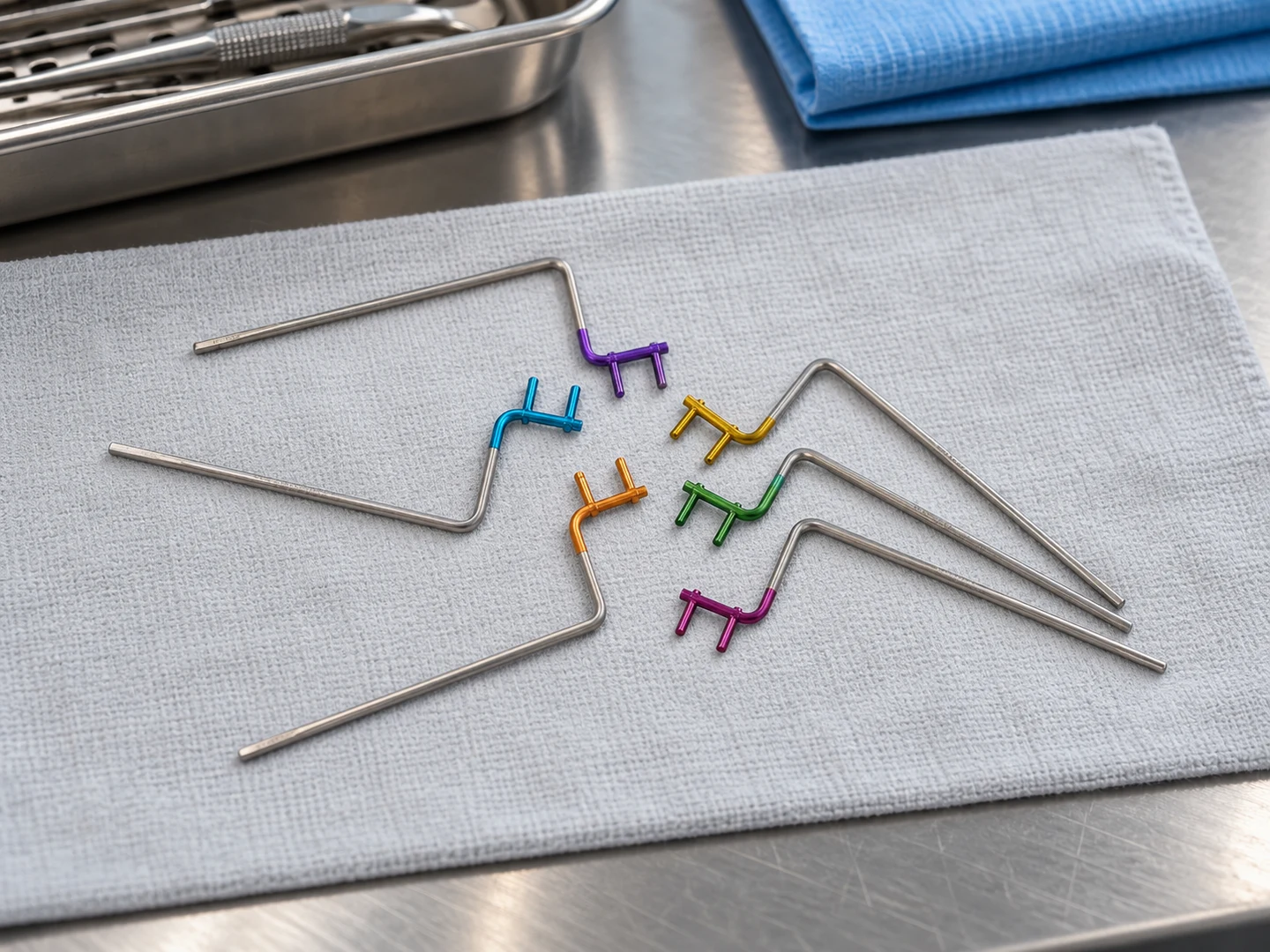
Controlled monotone and multi tone surfaces can help distinguish instrument families, sizes, depth references and related component variants more quickly.
PVD hard coatings, DLC coatings and ta-C coatings provide thin, durable surface protection where repeated contact, chemical exposure and corrosion can limit service life.
PVD hard coatings and ta-C coatings help bone drills, reamers, dental burs, cutters and scissors retain working edges through repeated use.
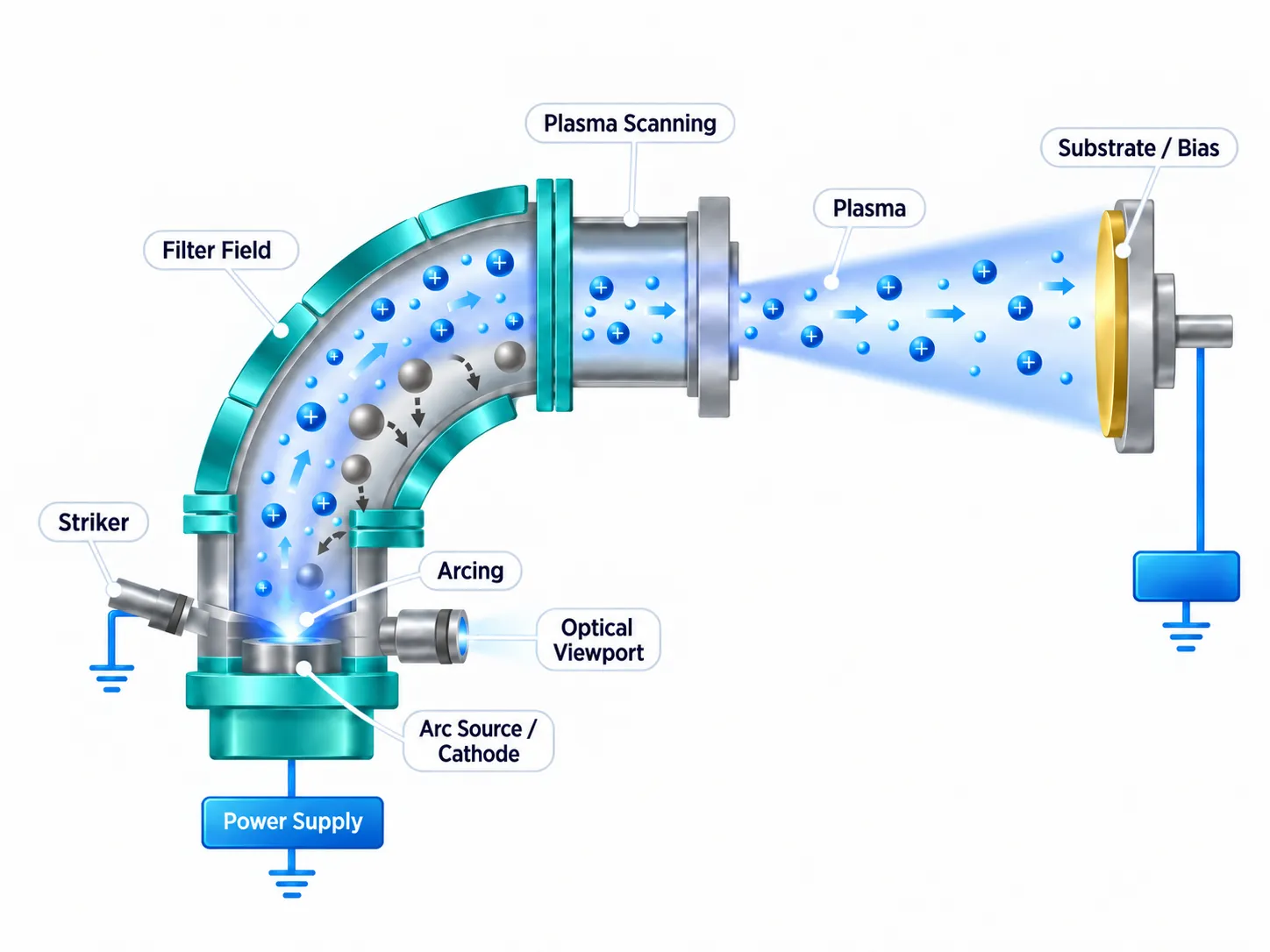
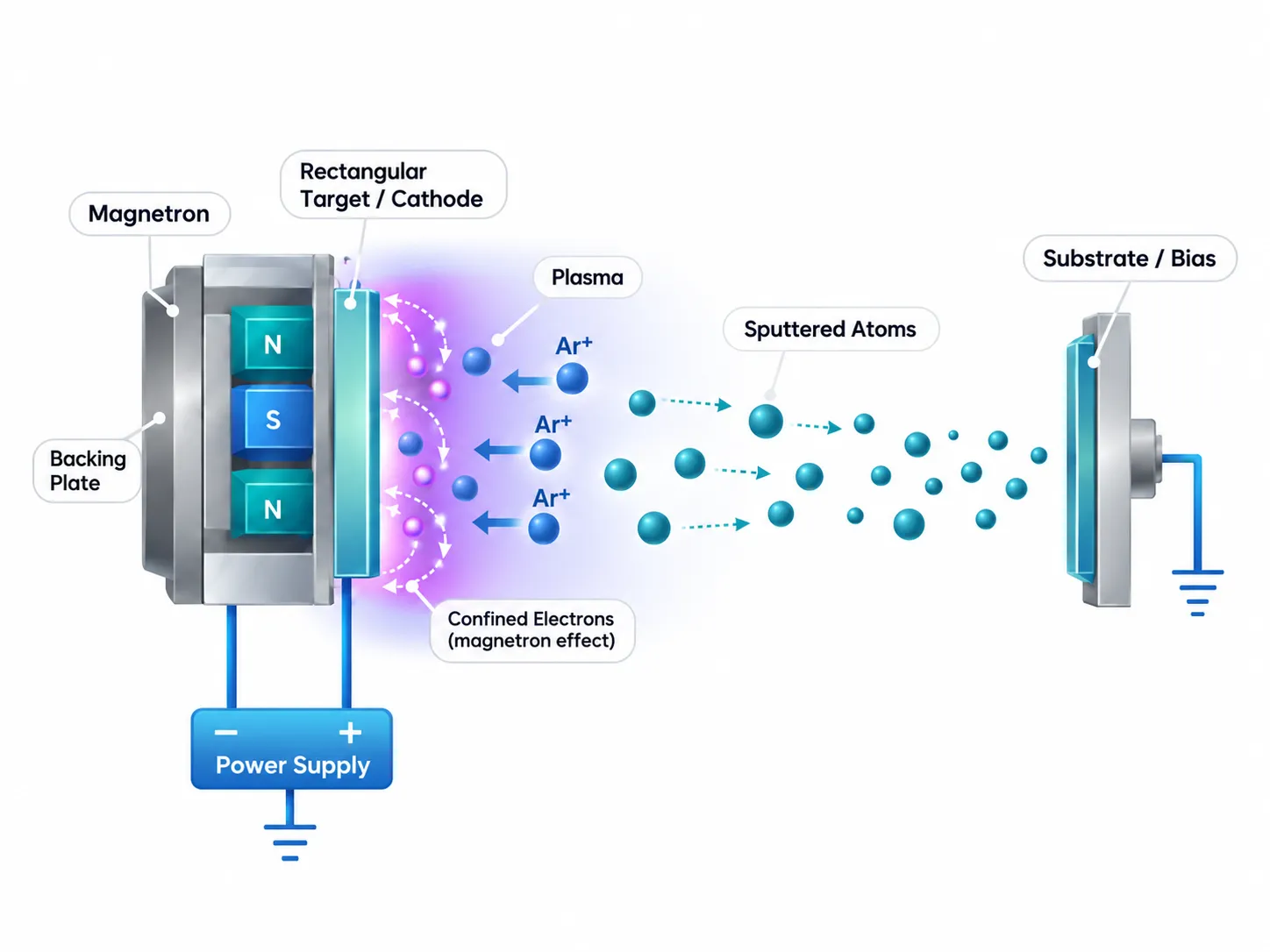
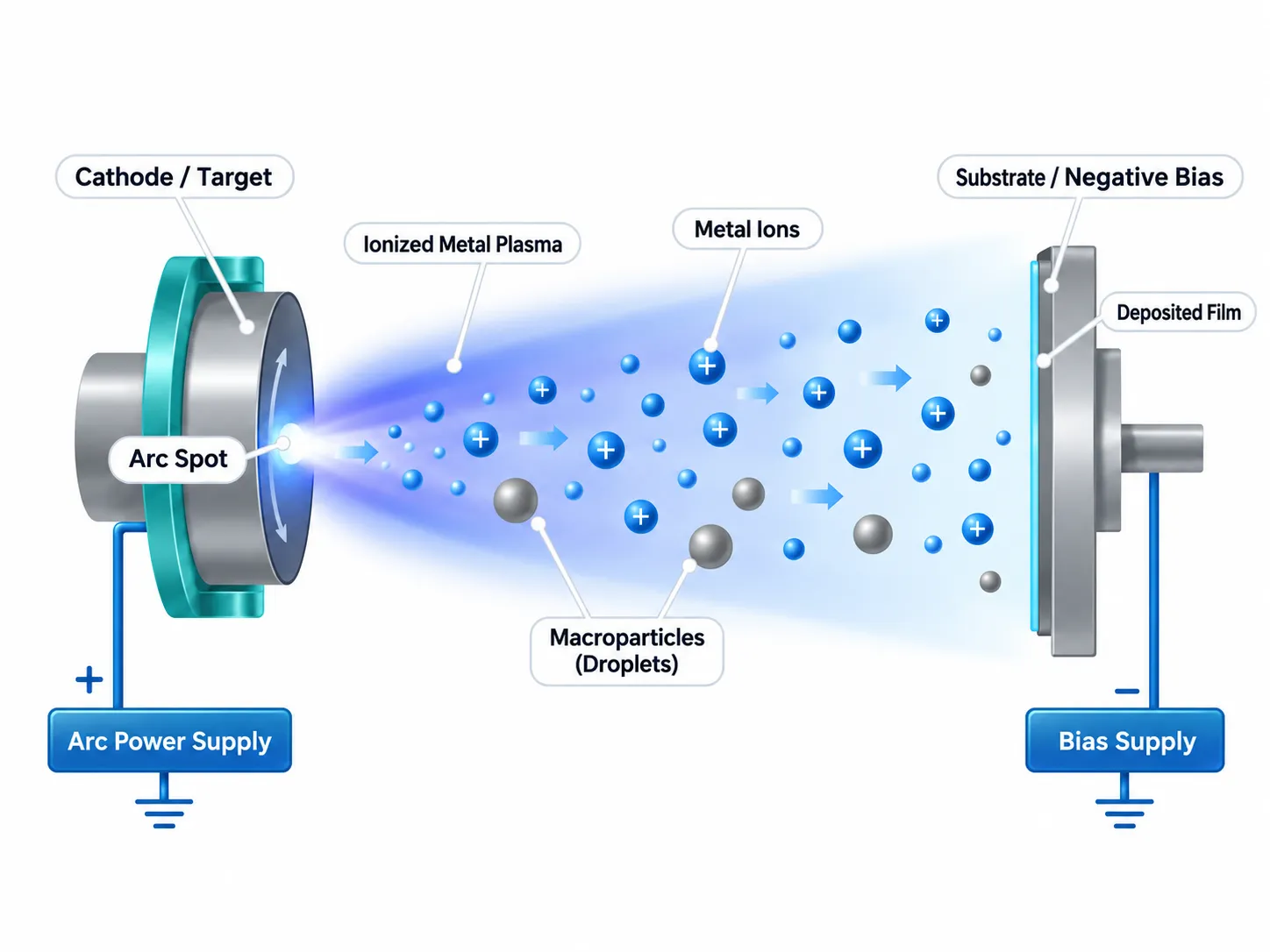
Different medical surfaces call for different combinations of hardness, smoothness, friction, color, coating temperature and finish quality. NTI Bio brings together Magnetron Sputtering, Direct Arc, PACVD DLC and proprietary FCVA so medical and dental OEMs have more options to achieve the surface performance their components need while accounting for material compatibility, geometry and finish.
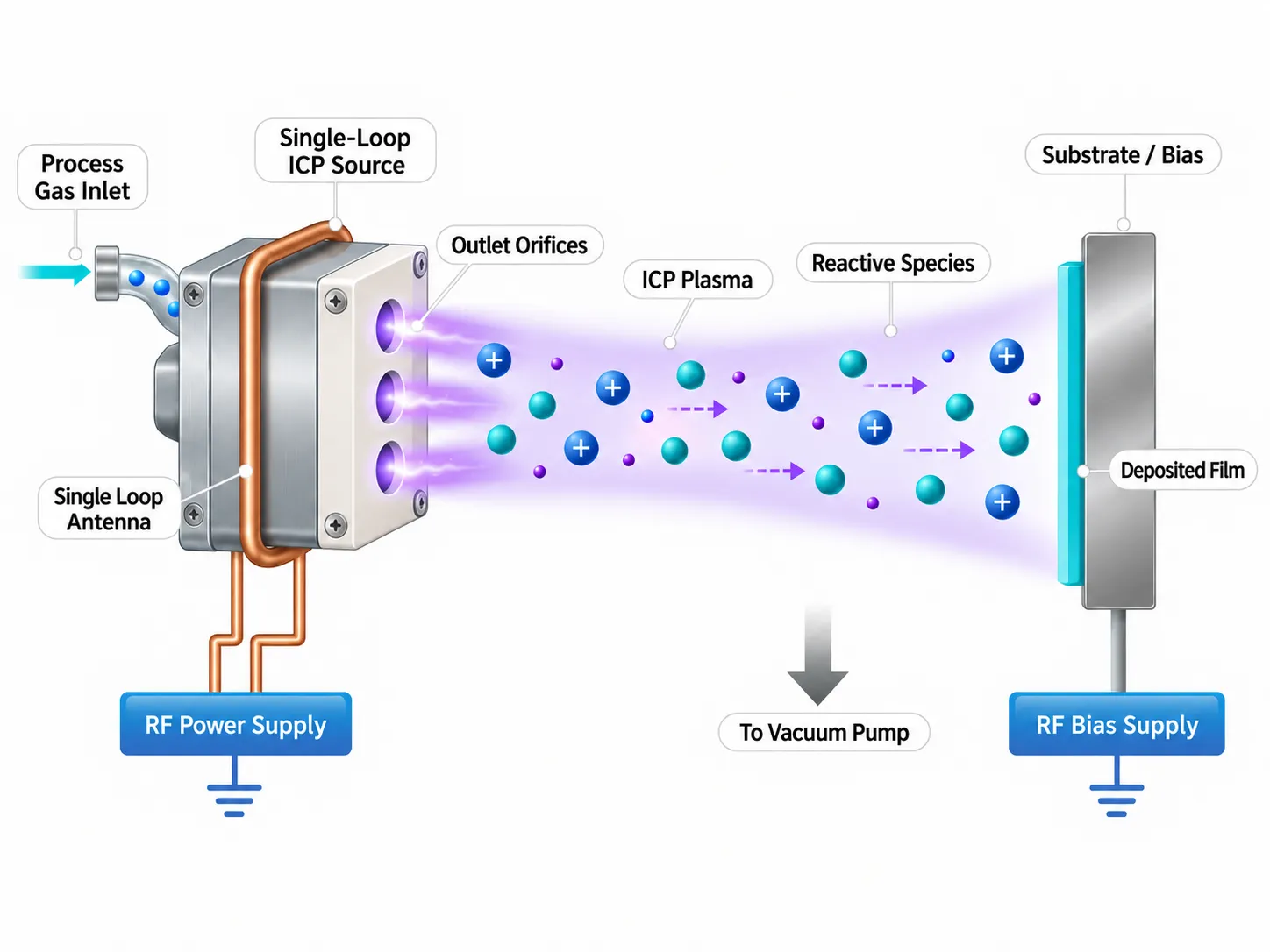
FCVA for Selected Medical Applications: NTI proprietary FCVA ta-C may be considered where dense, ultra-thin carbon surfaces, high hardness and lower coating temperatures are beneficial, subject to application-specific evaluation and qualification.
Start with what the coated surface needs to do, then tell us what type of component you are coating and what it is made from. The NTI Bio Solution Finder brings forward two coating routes that are most relevant to your application as a starting point for evaluation.
From durable cutting surfaces and low-friction mechanisms to ultra-hard ta-C and medical color coding, NTI Bio gives medical and dental OEMs four clear coating routes built around how the surface needs to perform.
NTI Nanofilm supports coating characterization and application relevant testing to verify the functional layer, surface condition, color and tribological response against an agreed medical device requirement.
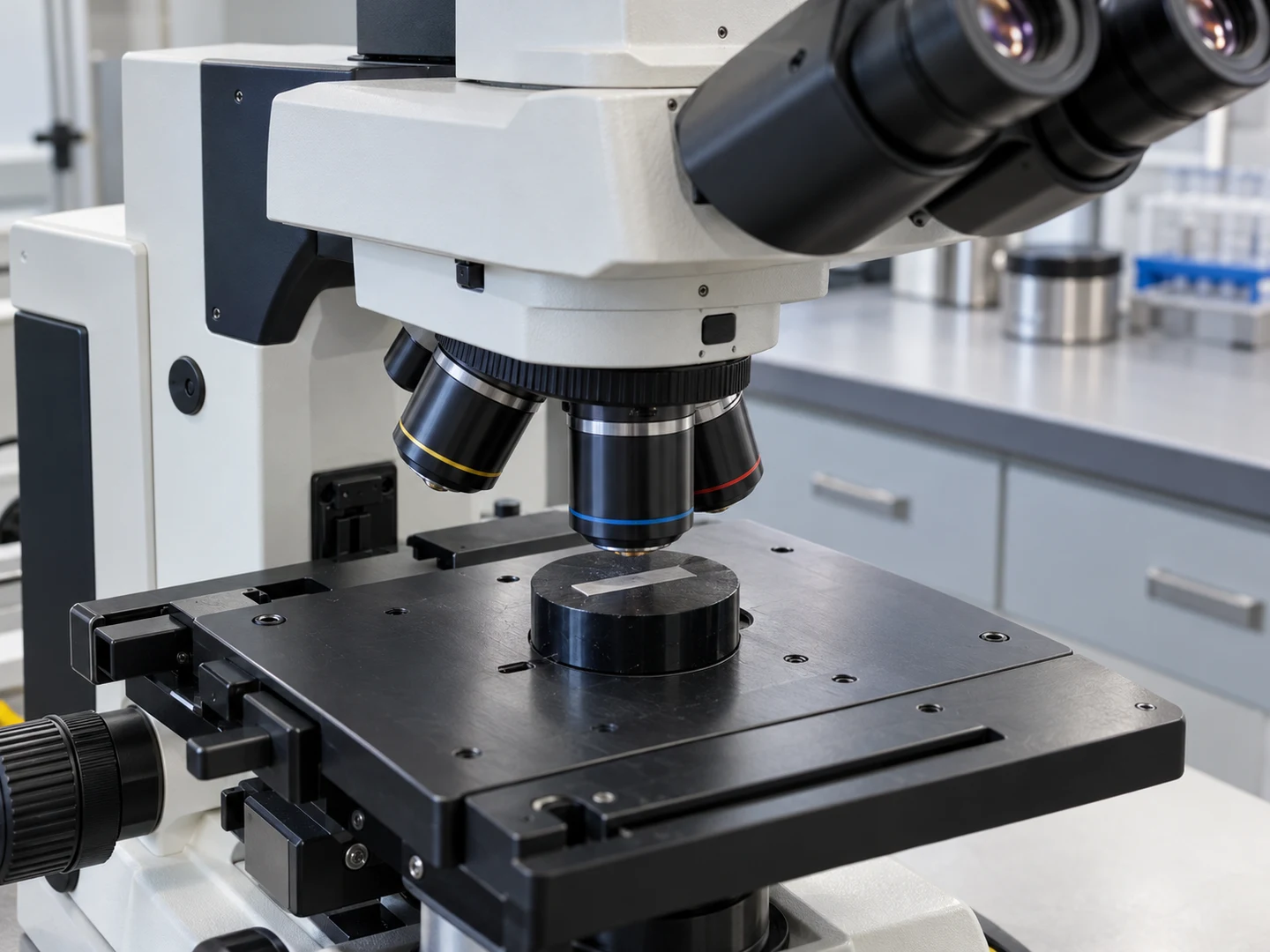
Thickness measurement confirms that the functional layer remains within the agreed dimensional window across representative areas of the coated component.
Testing support can include:
Ball crater measurement, stylus profilometry and cross sectional optical or SEM microscopy can be selected to evaluate local thickness, layer construction and uniformity around the component geometry.
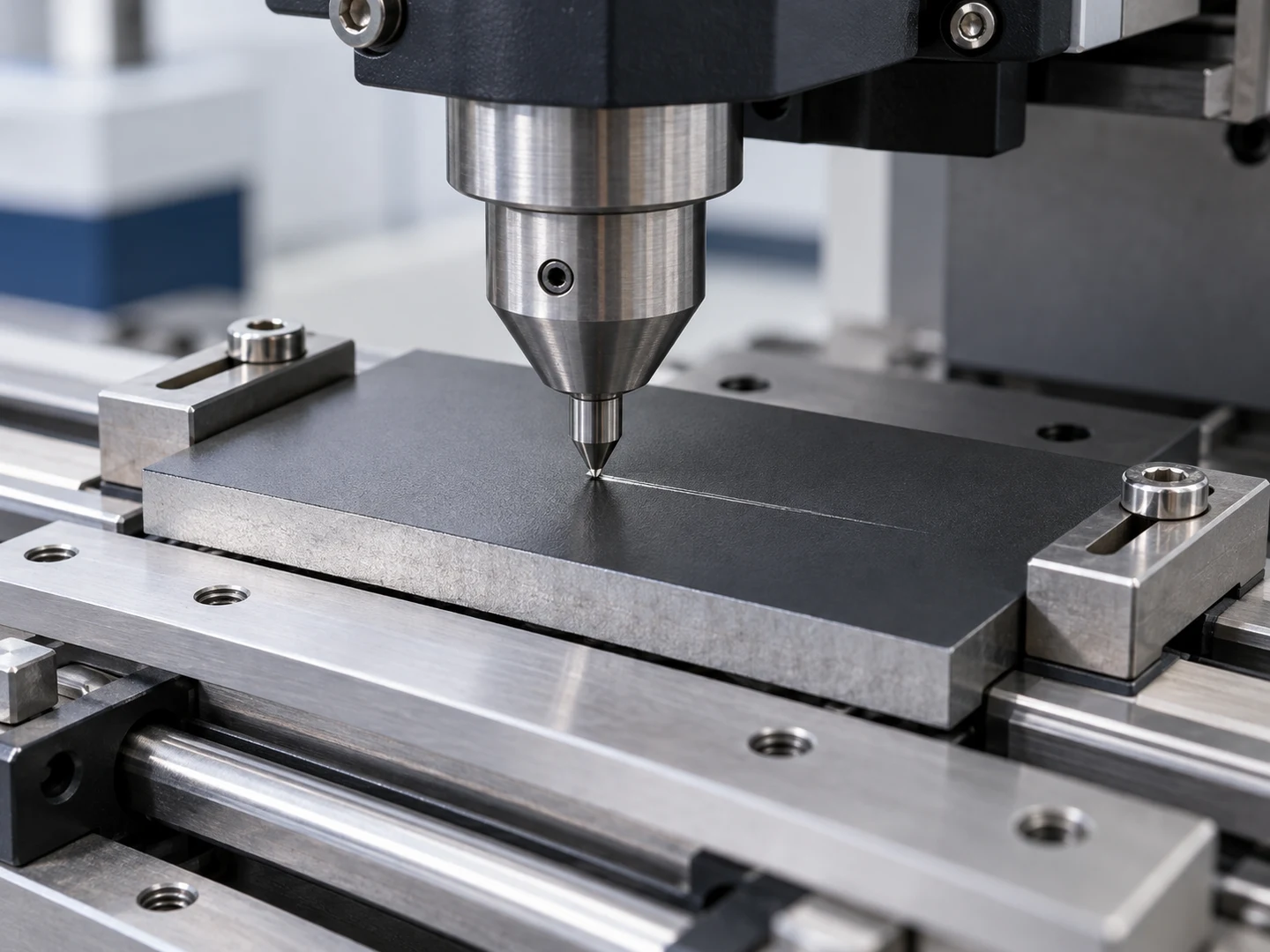
Adhesion evaluation helps determine whether the coating remains securely bonded under progressive load and whether failure occurs within the coating, interface or substrate.
Testing support can include:
Progressive load scratch testing and Rockwell indentation can be used to assess critical load, cracking, delamination and bond integrity on representative test pieces where applicable.
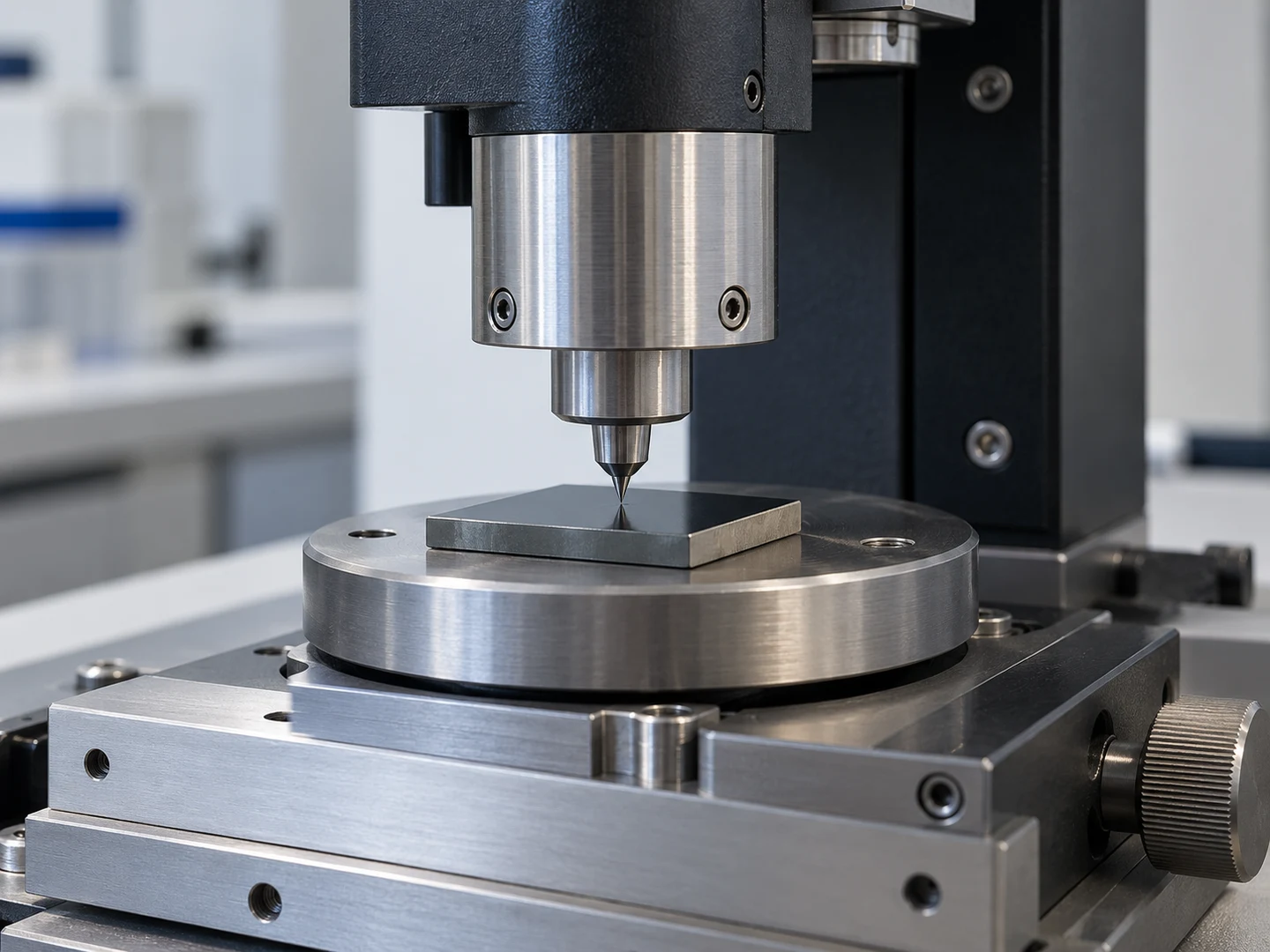
Instrumented indentation confirms coating hardness and mechanical response at controlled loads, supporting comparison between the intended coating window and production samples.
Testing support can include:
Nanoindentation or microhardness methods can be selected around the coating thickness, substrate influence and the engineering information required for the application.
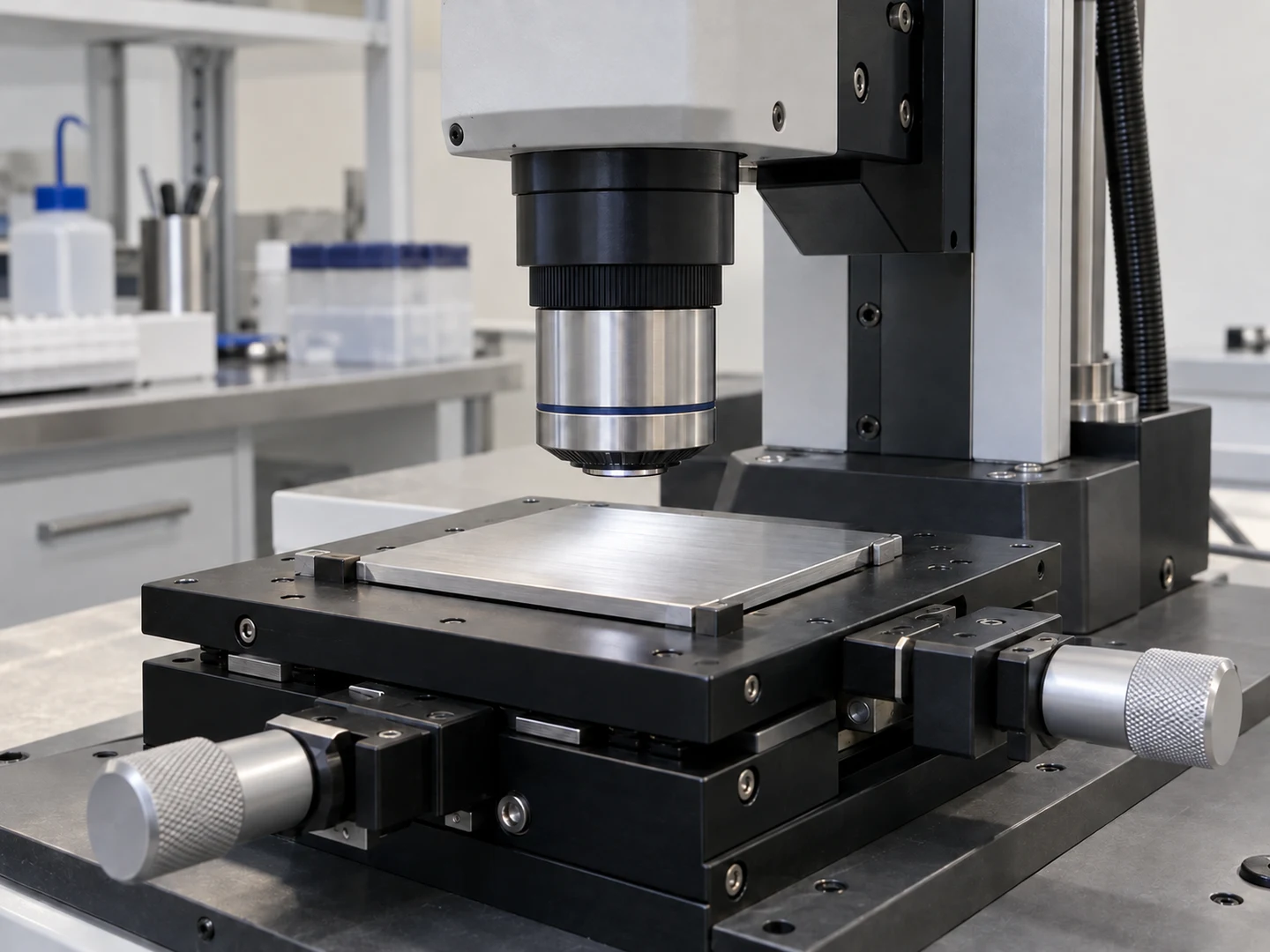
Surface measurement verifies that coating and preparation preserve the finish, working edge or functional texture needed for low friction, release, visibility or precision contact.
Testing support can include:
Stylus profilometry, confocal microscopy, optical microscopy or SEM can be used to evaluate roughness, local topography, edge condition and surface features depending on the project scope.
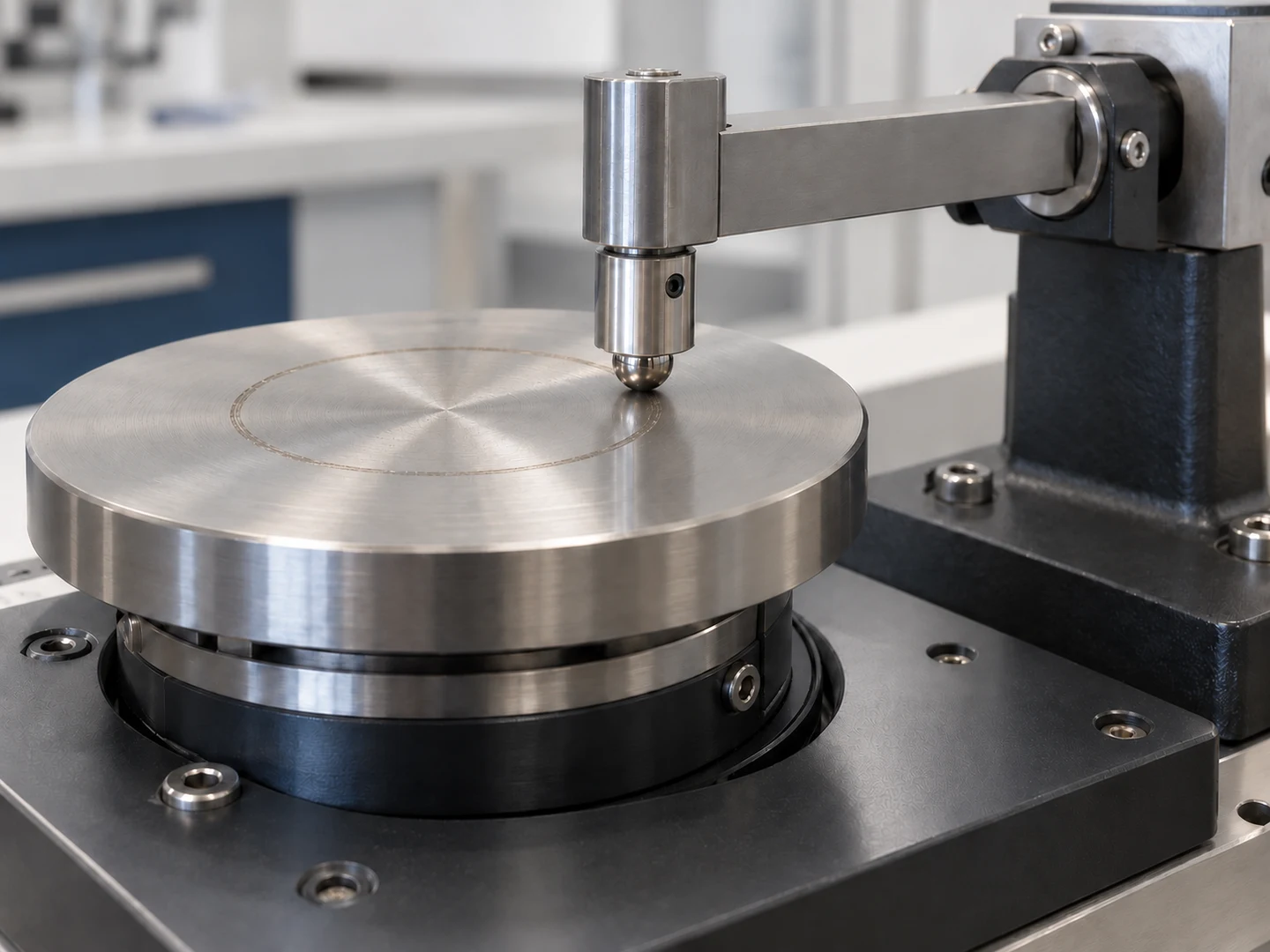
Tribological testing evaluates how the coating behaves against the selected counterface and movement rather than relying only on a generic friction or hardness value.
Testing support can include:
Ball on disc, reciprocating friction, wear track measurement and application cycle testing can be configured around the contact mode, load, speed, lubrication and failure mechanism.
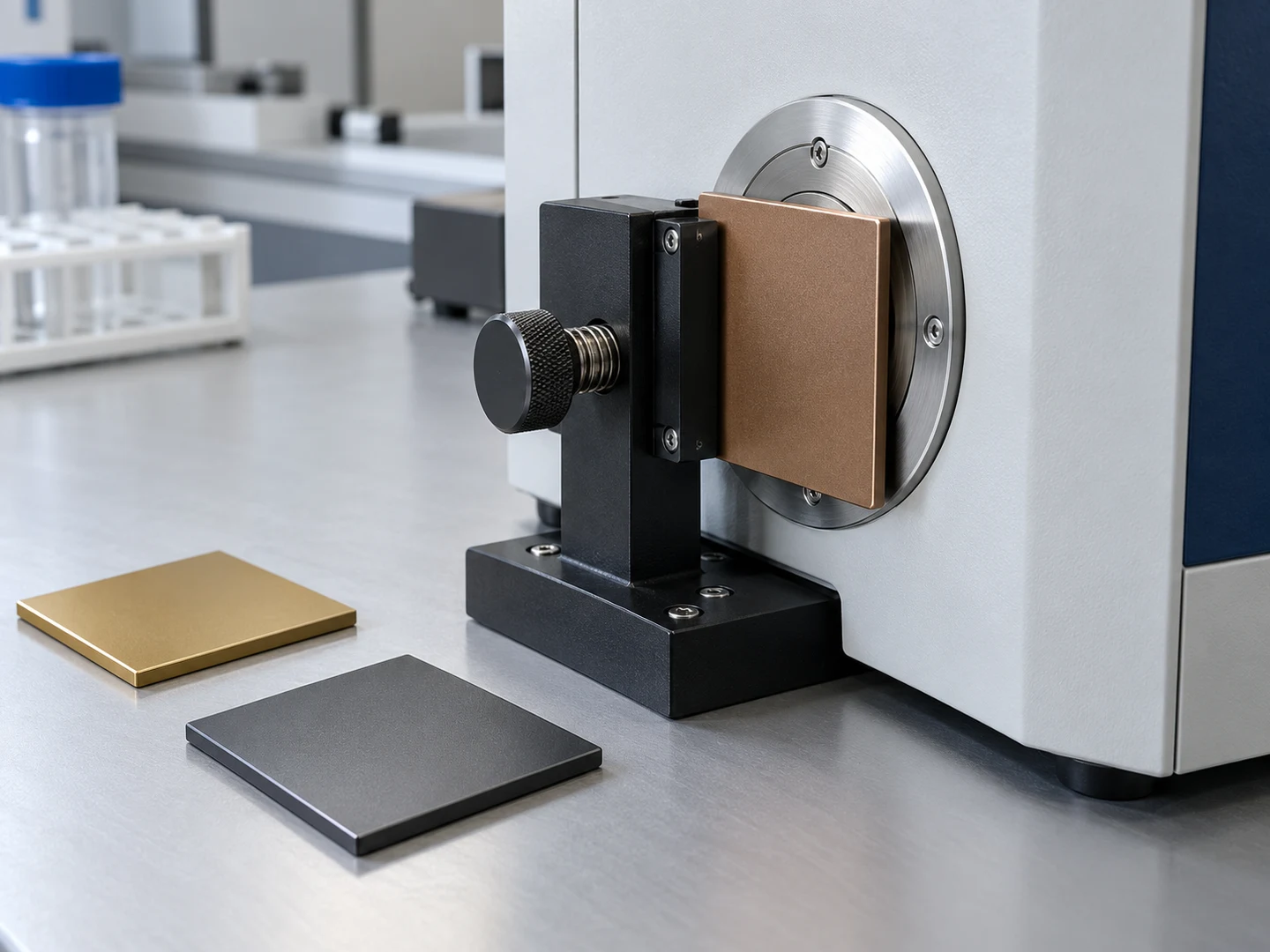
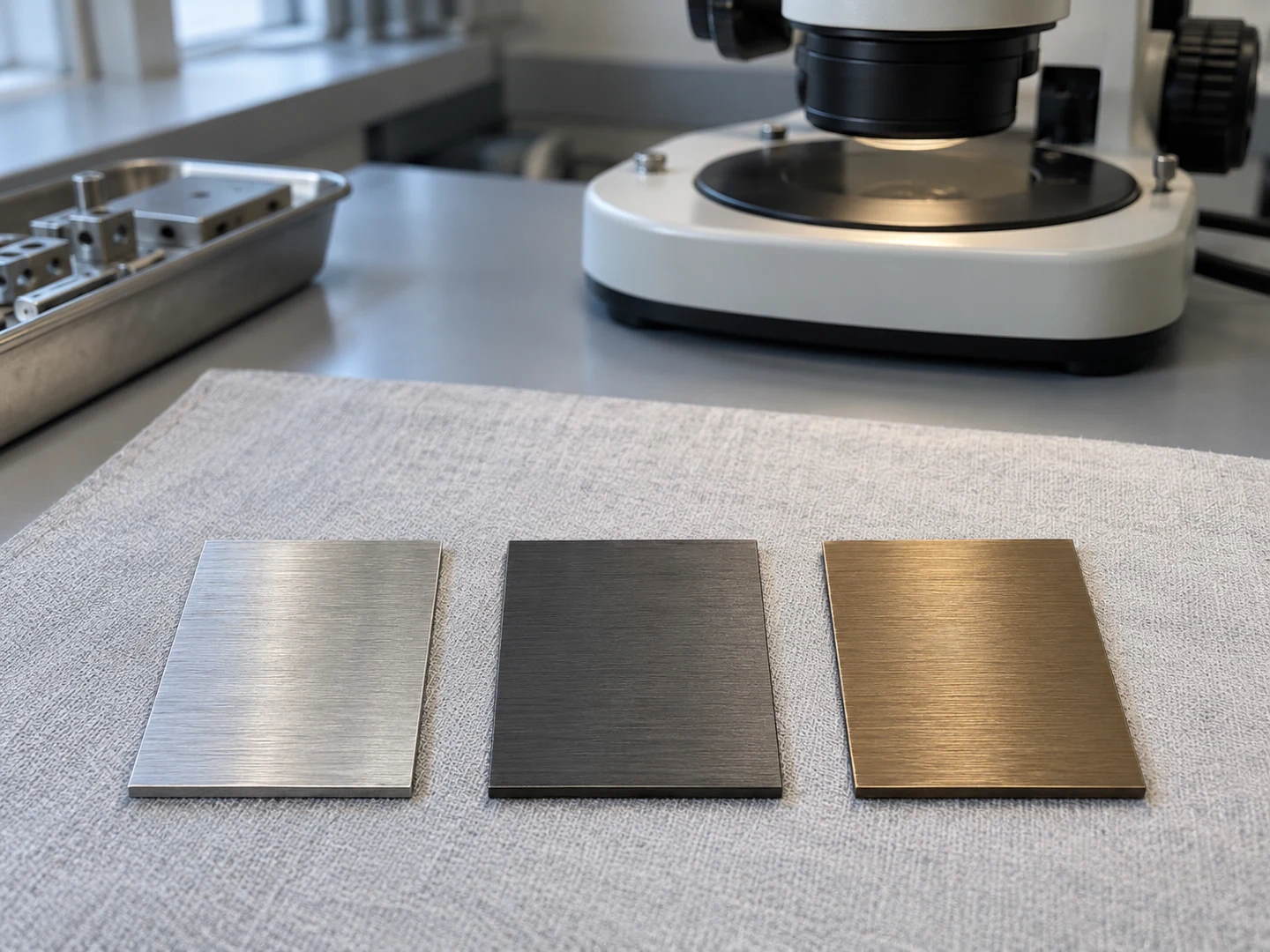
Color measurement and visual evaluation help keep color coding, multi tone differentiation and appearance aligned to the approved medical product requirement.
Testing support can include:
CIELAB measurement, visual inspection and approved coated references can be used to define color targets and tolerance windows for the agreed coating and color direction.
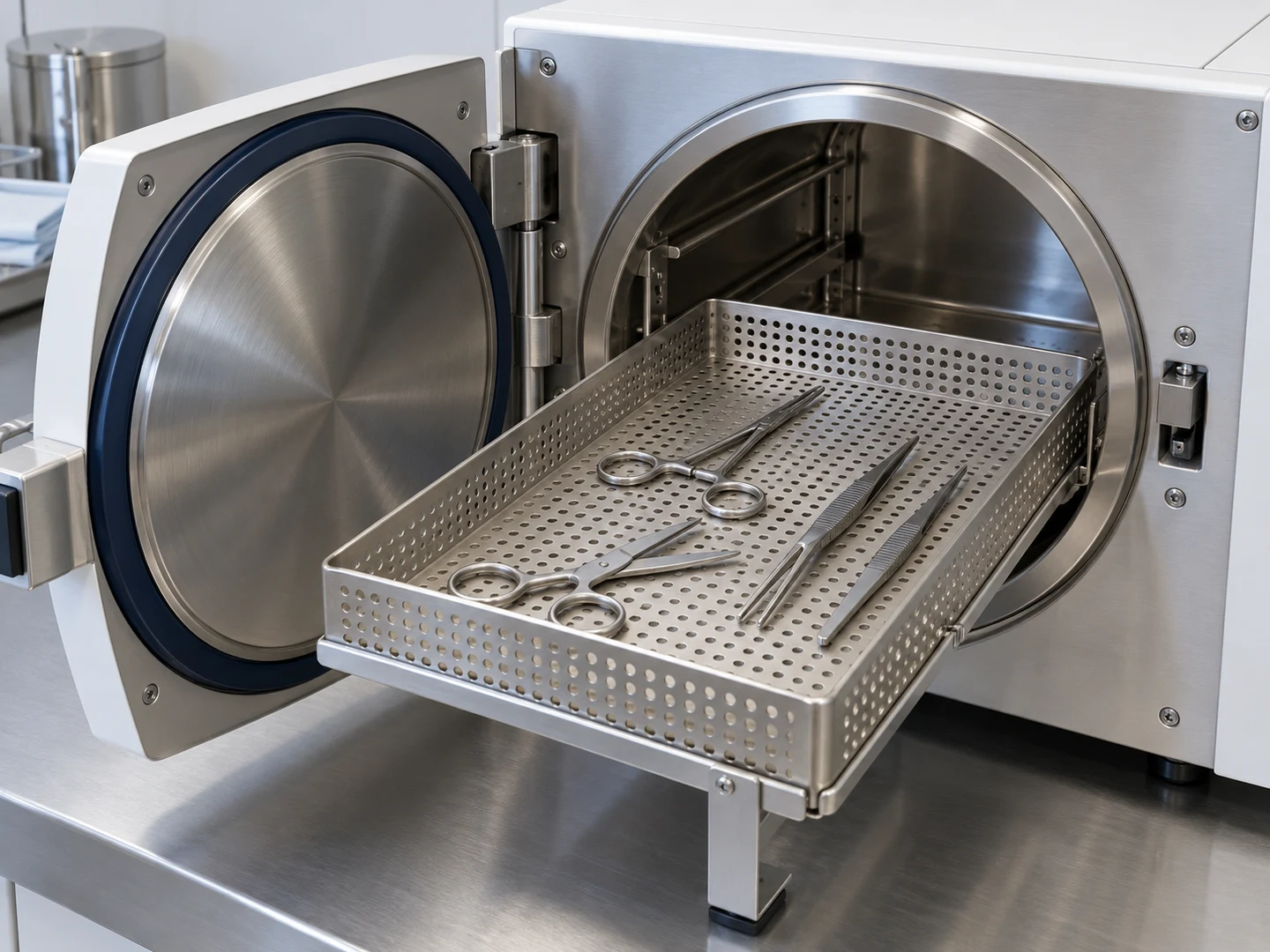
Chemical and reprocessing evaluation checks whether the coated surface retains the required appearance, adhesion and function after exposure relevant to device cleaning and reuse.
Testing support can include:
Cleaning media exposure, disinfection or sterilization cycle evaluation and corrosion testing can be defined around the actual device environment and agreed acceptance criteria.
Testing and characterization support may be performed in house or coordinated through qualified facilities depending on the site, device, test method and project scope. Results support coating development and application qualification and do not replace third party device certification.
Certified medical coating sites
Selected coating configurations
Applicable Nanofilm AM Germany medical coating sites operate certified medical quality management systems, while selected coating configurations carry published ISO 10993-5 biological evaluation data. Documented preparation, coating, inspection and release controls help connect sample development, qualification and ongoing production to the approved device requirement.
Different instruments, powered systems, dental components and implants place different demands on the surface. Explore the application groups most closely aligned with how medical and dental OEMs specify coatings for cutting, movement, visibility, reprocessing, protection and color coding.
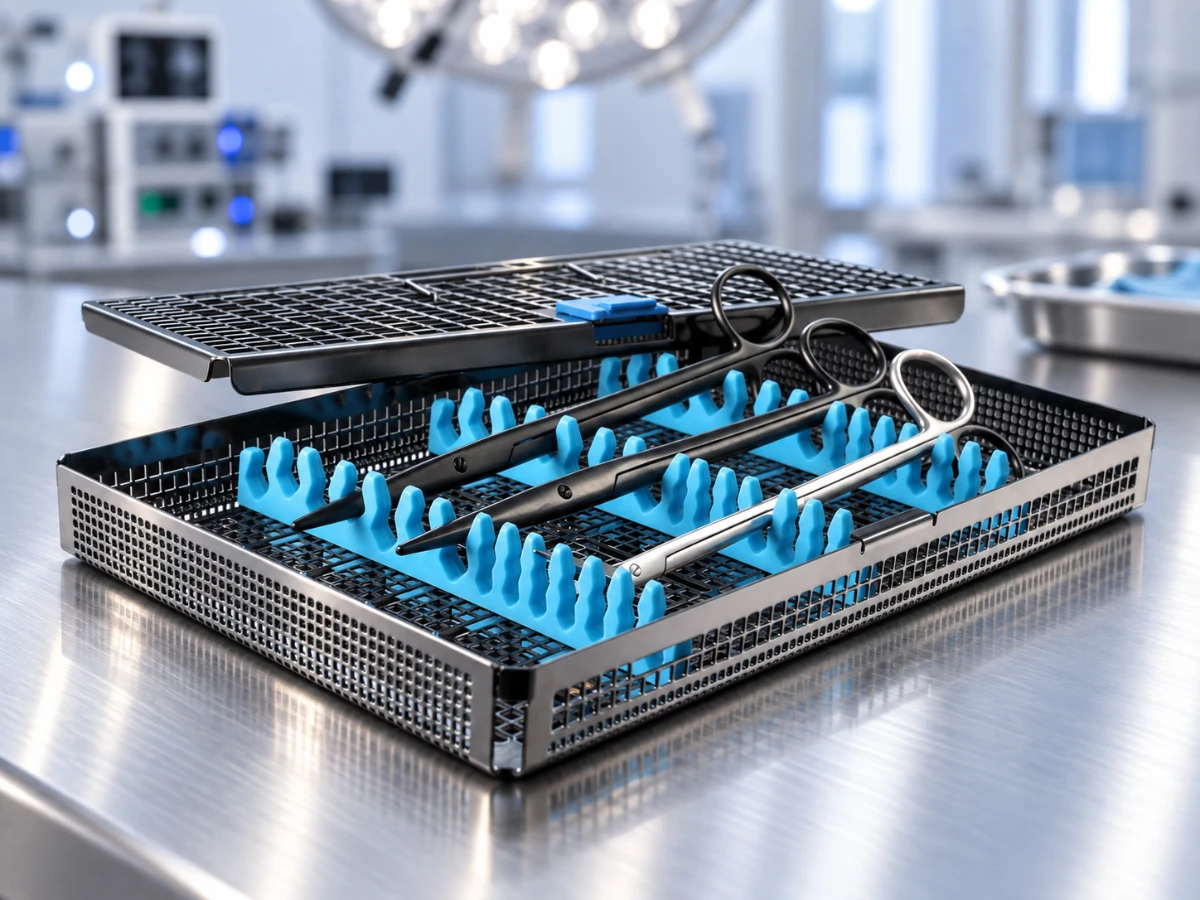
Scissors, forceps, rongeurs, retractors, clamps, punches and minimally invasive instrument components where wear, friction, glare, reprocessing and color coding can affect use.

Handpieces, drive interfaces, couplings, shafts, gears and moving components where low friction, wear control, cleanability and repeated operating cycles are important.
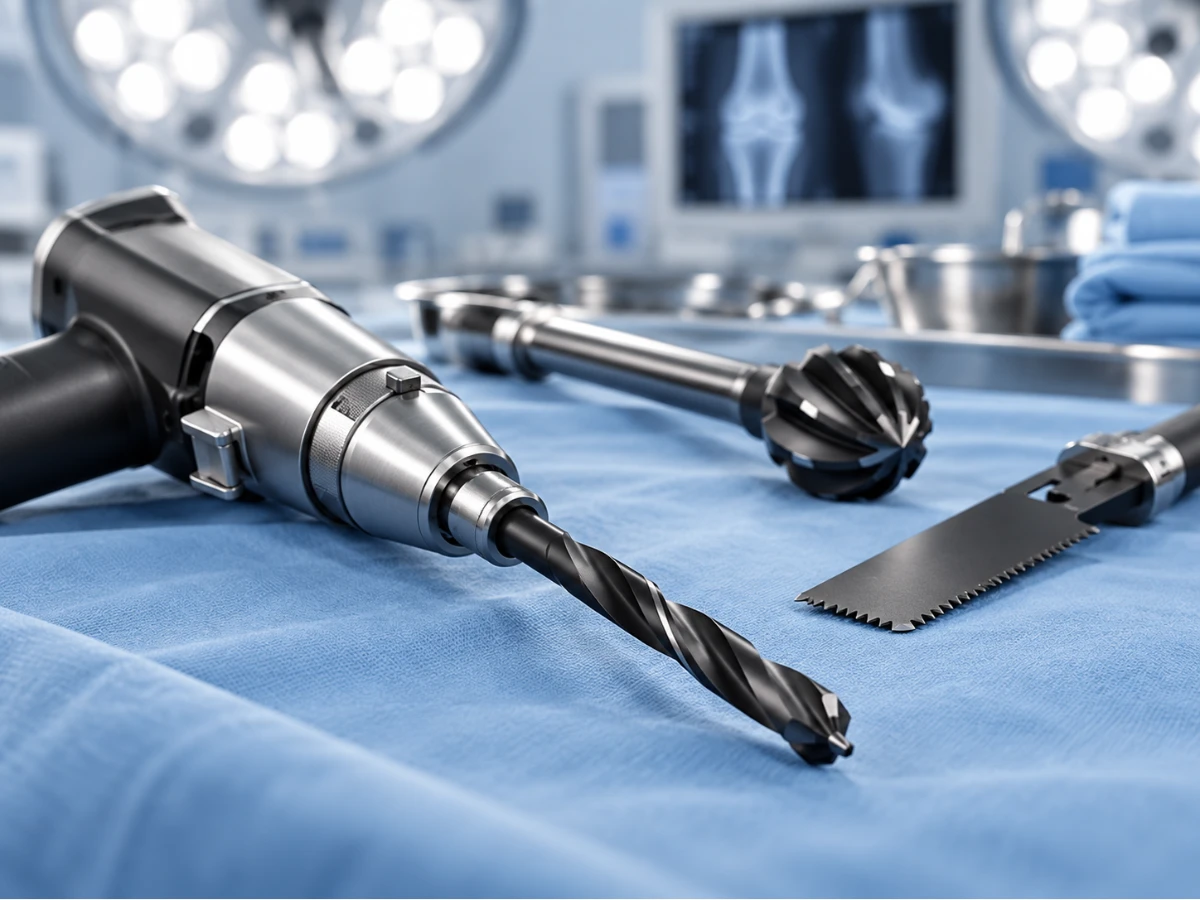
Bone drills, reamers, saw blades and related cutting tools where edge retention, abrasion resistance, low friction and durable cutting performance are primary surface requirements.
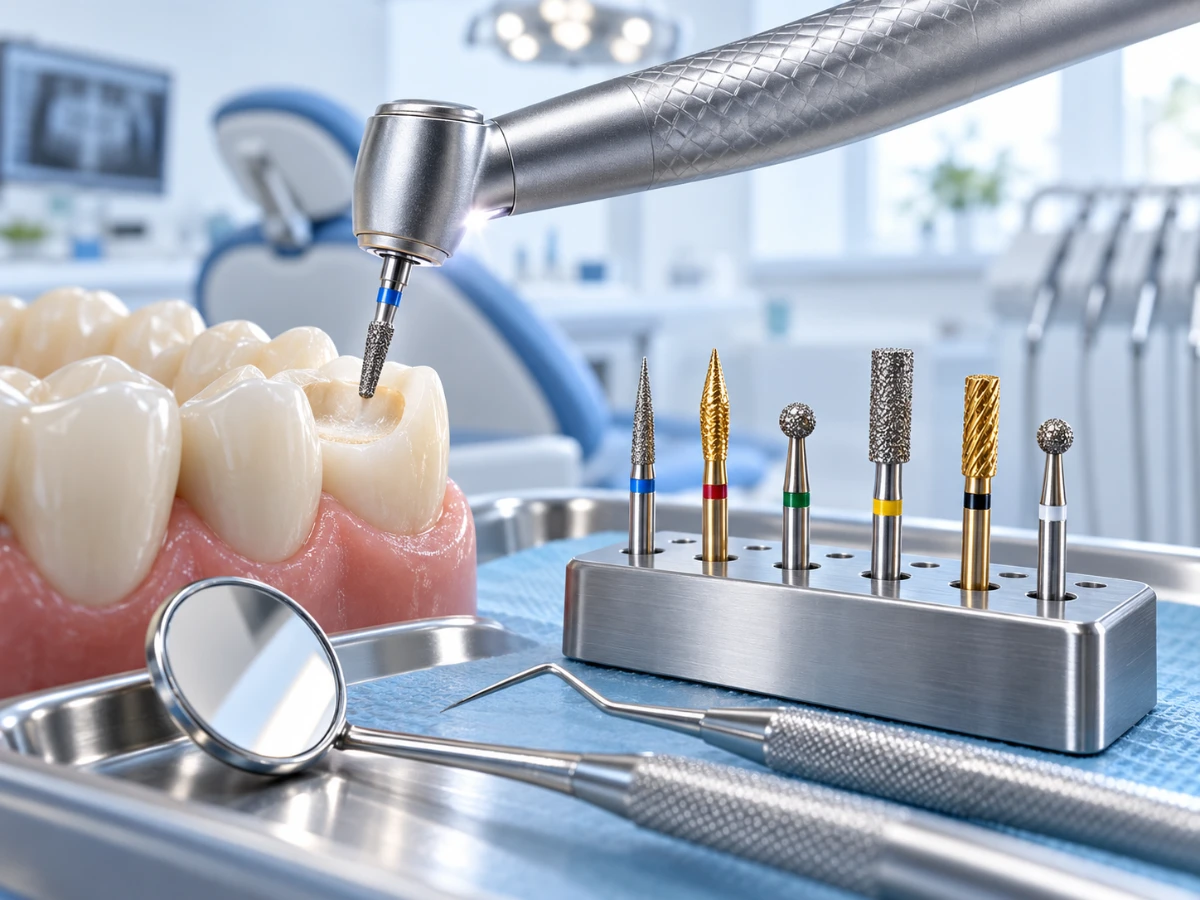
Dental burs, drills, milling cutters, hand instruments and rotary components where cutting life, low friction, corrosion resistance, glare control or color coding can matter.
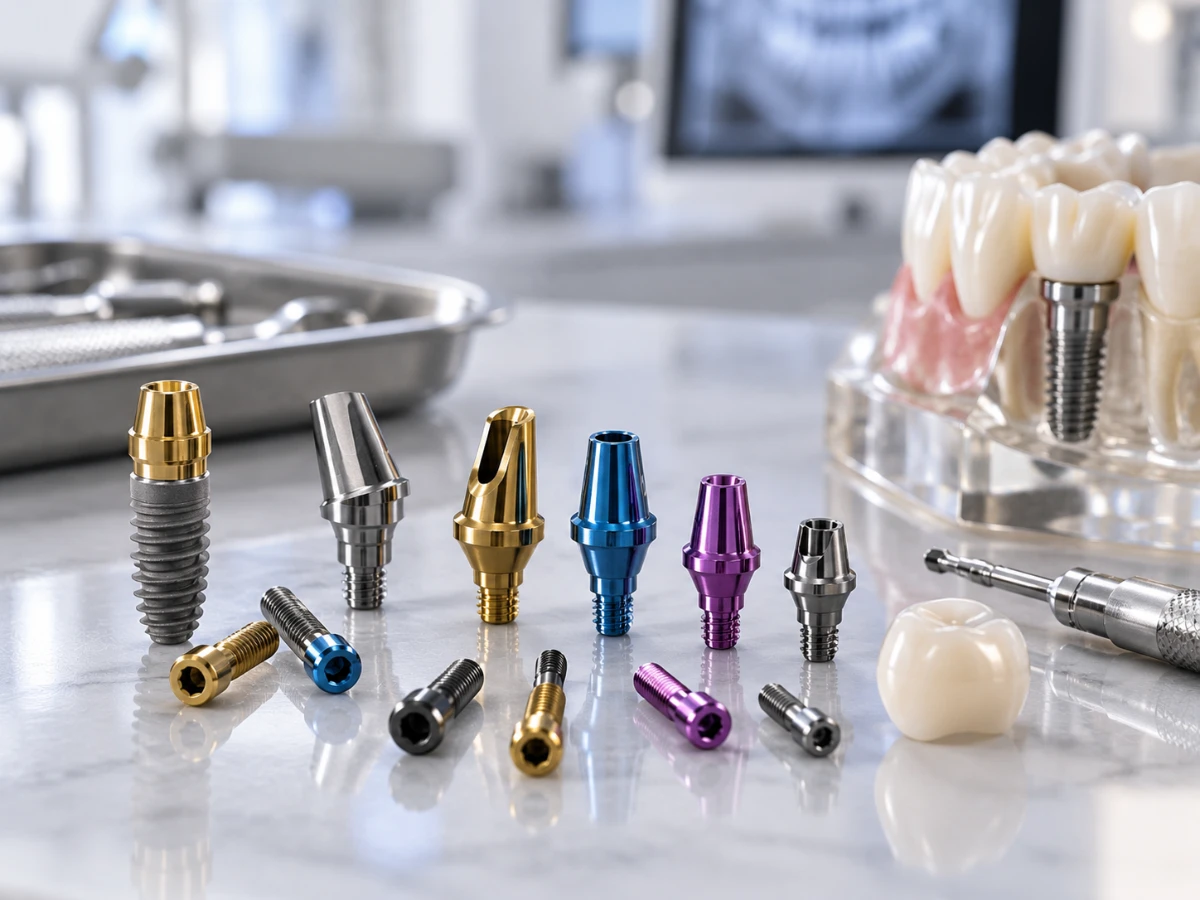
Abutment screws, prosthetic screws, abutments, scan-related components and related dental parts where friction, corrosion resistance, appearance and color differentiation may be important.

Reusable device hardware, mechanisms, guides, handles and interfaces exposed to movement, repeated contact, cleaning, sterilization or chemical exposure.
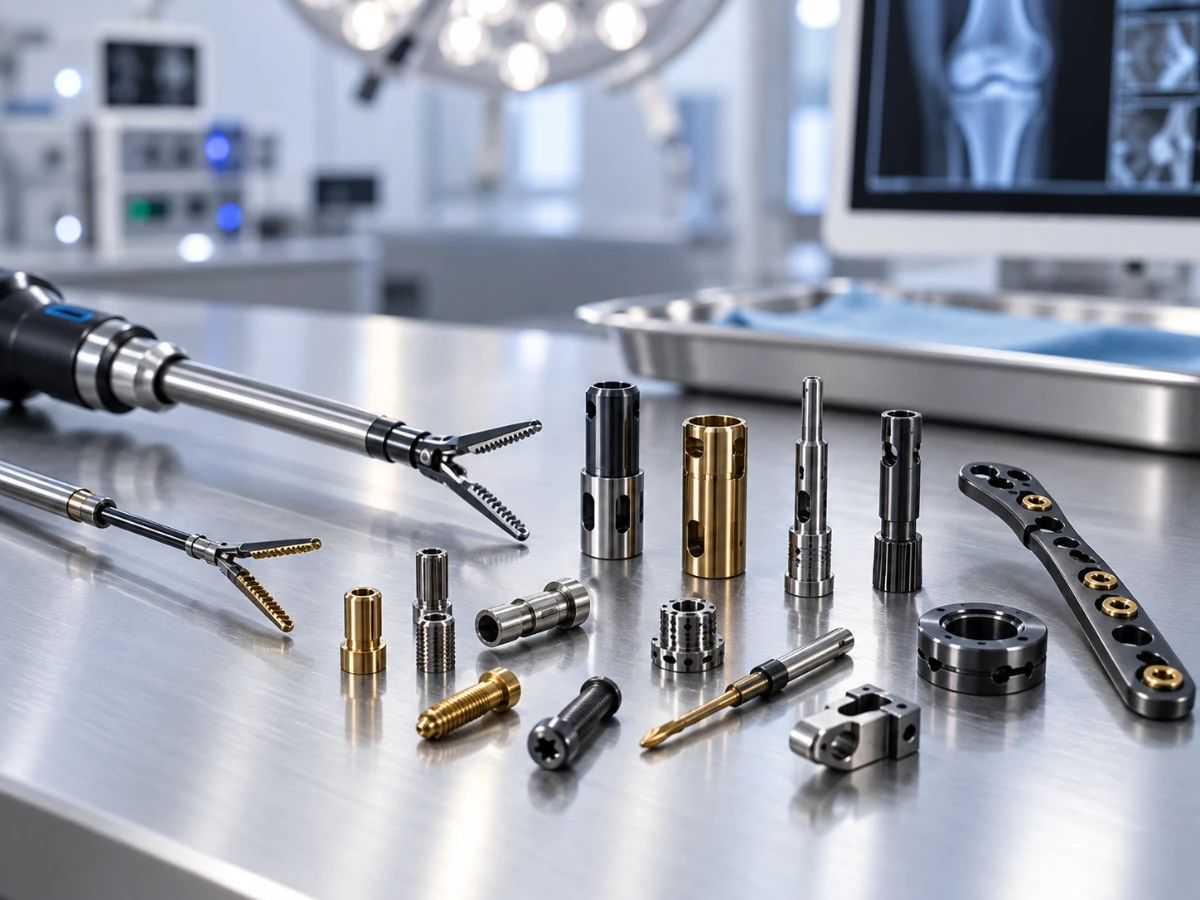
Small, complex or selectively coated parts requiring controlled thin film deposition, repeatable surface quality, low friction, chemical durability or precise visual differentiation.
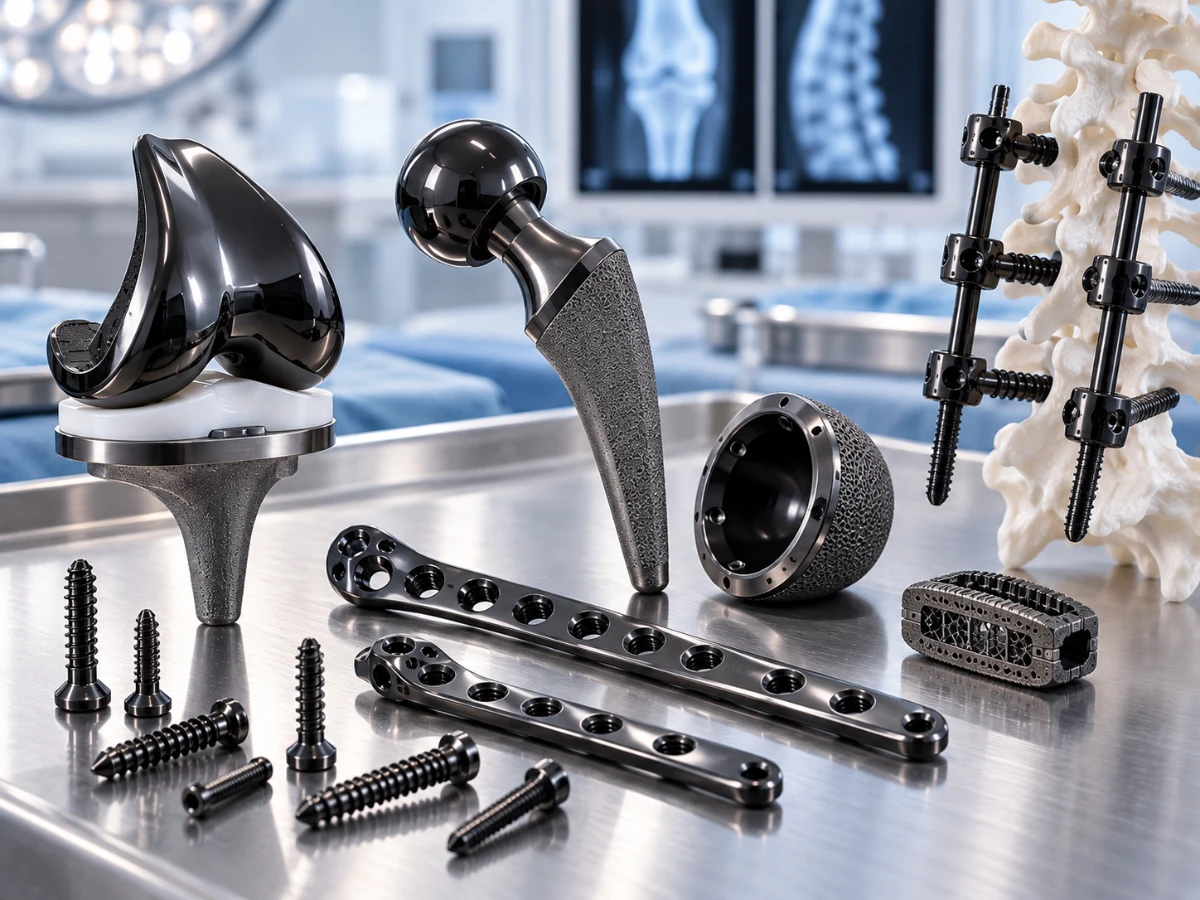
Joint, fixation, spine and trauma components where wear, friction, corrosion and ion-barrier requirements must be considered together with device-specific biological and regulatory qualification.
Bring us the component, the surface challenge and the performance target. We work with you through coating selection, sample evaluation, qualification and production so the approved surface stays connected to what your device needs in use.
We start with your component, current surface challenge, required outcome and the cleaning, reprocessing or use conditions the device needs to withstand.
We study the substrate, geometry and performance priorities so we can propose the most relevant NTI Bio series, coating technology and evaluation pathway.
Representative parts are prepared, coated and assessed against the agreed wear, friction, glare, chemical, color or appearance targets that matter for your application.
Once the sample is right, we refine the coating parameters, finish, masking and inspection criteria around the approved device requirement.
Production intent lots help verify repeatability, handling controls, inspection methods and the release documentation needed before ongoing supply begins.
With the route approved, we support recurring coating supply with inspection, traceability and engineering review so your program remains aligned to future production needs.
Continue into the technologies, coating choices and medical surface considerations behind better performing instruments, dental components and medical devices.
Share the device, substrate, use environment and performance target. NTI Nanofilm can review the coating route, sample pathway and evaluation support most relevant to your application.
Medical and dental surface coatings are thin functional films applied to instruments, device components and selected implant-related parts to modify properties at the working surface. NTI Bio™ brings together PVD hard coatings, hydrogenated DLC, hydrogen-free ta-C and controlled color coatings to address wear, cutting performance, friction, anti-stick behavior, glare, corrosion, reprocessing durability and color coding.
Start with the surface outcome and component. NTI Bio Hard™ is focused on cutting, wear and corrosion protection; NTI Bio DLC™ on low friction, anti-stick and anti-glare performance; NTI Bio TAC™ on precision wear, low friction, edge protection and lower-temperature FCVA routes; and NTI Bio ID™ on color coding and Multi Tone surfaces. The NTI Bio Solution Finder then uses the application and substrate to bring forward two relevant starting routes.
PVD hard coatings are typically nitride-based films selected for hardness, wear resistance, cutting performance, corrosion support and functional color. Hydrogenated DLC, such as a-C:H, adds low friction, anti-stick behavior, dark anti-glare appearance and chemical stability. ta-C is a hydrogen-free class of diamond-like carbon with higher sp³ bonding and can provide very high hardness, low friction and thin-film precision when deposited by FCVA.
NTI Bio DLC™ is the primary dark anti-glare route because hydrogenated DLC can combine low reflection with low friction, wear resistance and chemical stability. Depending on the instrument, substrate and other performance priorities, selected NTI Bio Hard™ or NTI Bio TAC™ surfaces may also be considered where darker appearance and additional wear protection are useful.
NTI Bio DLC™ is the main route for hinges, guides, drive interfaces, dental components and other moving surfaces where low friction and reduced sticking matter. NTI Bio TAC™ may also be considered where the same interface needs higher hardness, thin-film control, edge protection or a lower coating temperature.
NTI Bio Hard™ and NTI Bio TAC™ are the main starting routes for cutting applications. PVD hard coatings provide high wear resistance and cutting-edge durability, while FCVA ta-C may be considered for fine cutting, sharp geometry and precision surfaces where very high hardness, low friction and thin coating build are important.
Yes. Coating selection and validation can be reviewed against the actual cleaning chemistry, disinfection method, autoclave or other sterilization exposure, cycle count and device design. Final durability depends on the coating material and configuration, substrate, surface preparation and the reprocessing conditions used by the medical or dental device.
Common substrate families include stainless steels, titanium and titanium alloys, cobalt-chromium alloys, aluminum alloys and cemented carbide, depending on the coating route and application. NTI Bio TAC™ also extends the evaluation window to ceramics, PEEK and compatible engineering polymers, composites and elastomers. Nitinol, glass and other materials can be reviewed against the actual grade, geometry and surface condition.
NTI Bio TAC™ may be considered for temperature-sensitive materials where the lower-temperature capability of proprietary FCVA is beneficial. PEEK and compatible engineering polymers, composites and elastomers can be evaluated around the actual material grade, fillers, surface preparation, vacuum compatibility, component geometry and qualification requirements.
Yes. NTI Bio ID™ supports Gold, Champagne, Bronze, Graphite, Anthracite and Black directions together with Neon Blue, Neon Violet, Neon Cyan, Neon Green, Neon Pink and Neon Gradient. Monotone and Multi Tone configurations are reviewed on the actual component because substrate, finish, geometry, viewing angle and coating configuration influence the final appearance. Functional NTI Bio Hard, DLC and TAC coatings can also provide additional metallic, dark, gray or iridescent color directions where their performance properties are required.
Biological suitability cannot be assumed for every coating and device configuration. Applicable Nanofilm AM Germany medical coating sites operate under DIN EN ISO 13485 certified quality systems, and selected coating configurations have published ISO 10993-5 evaluation data. Final biological safety and regulatory suitability depend on the completed device, intended use, patient contact and the applicable evaluation plan.
Validation support can include coating thickness and uniformity, adhesion, hardness, surface roughness and topography, friction and wear, color and visual control, and chemical or reprocessing durability. The test method is selected around the component, substrate, counterface, coating thickness, operating condition and agreed medical device requirement.