NTI Hard Protect™ brings together TiN, CrN, TiCN and advanced aluminum-based nitride coatings to resist heat, abrasive wear, material transfer and corrosion across cutting tools, forming dies, molds, hot-work tooling and precision components.
Reduced coolant, lubricant and release-agent use adds further heat and friction at the working interface. As these demands converge, coating performance becomes increasingly important to tool life, part quality, production continuity and cost per acceptable part.
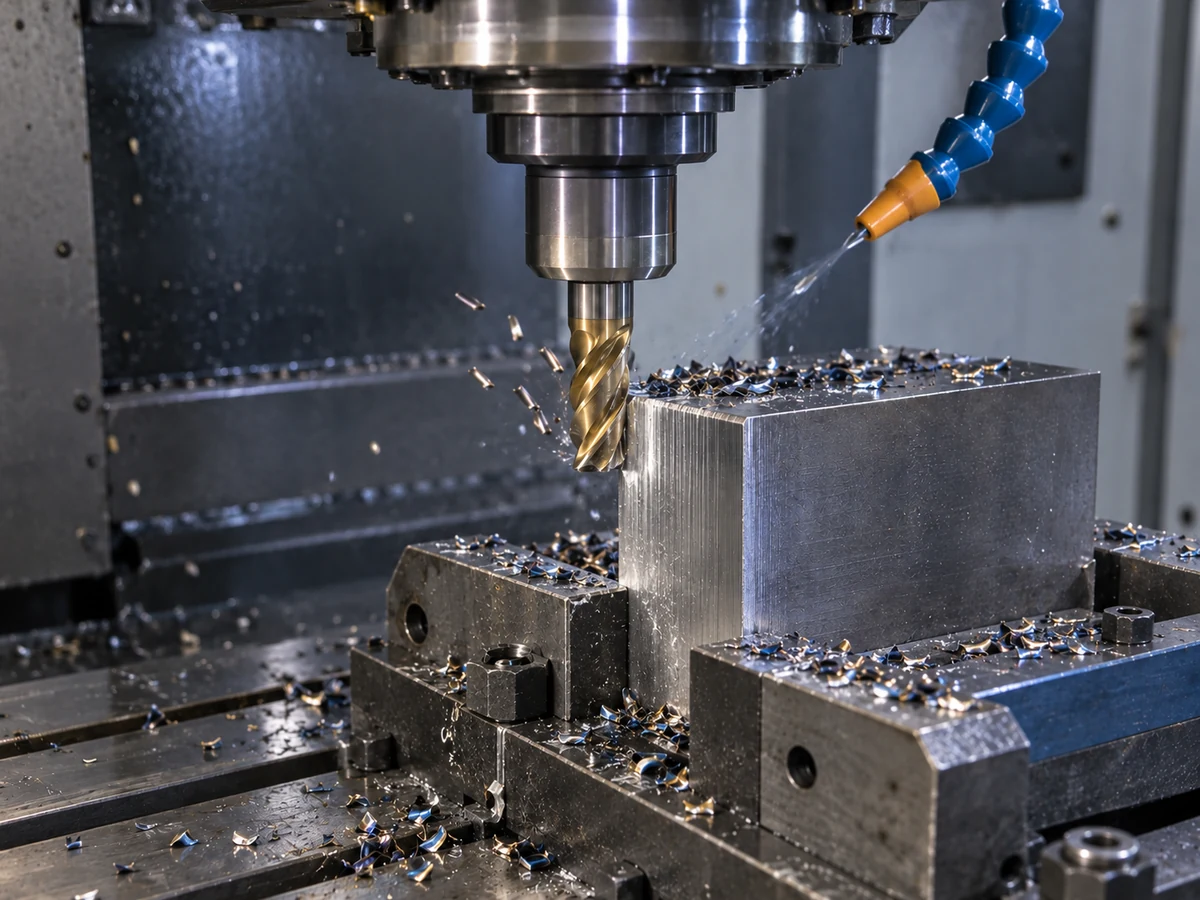
Hardened steels, titanium alloys, nickel-based superalloys, high-silicon aluminum and reinforced materials expose tools to greater abrasion, heat, material buildup and chipping.
Faster cutting, increased feeds and shorter cycles raise thermal and mechanical stress at the working interface, accelerating geometry loss and premature tool failure.
Dry machining, minimum quantity lubrication and lower release-agent use reduce consumption and cleanup while placing greater responsibility on the coated surface to manage heat, friction and adhesion.
Stable wear rates support planned tool changes, consistent part quality and fewer unplanned interruptions, helping maintain throughput and cost per acceptable part.
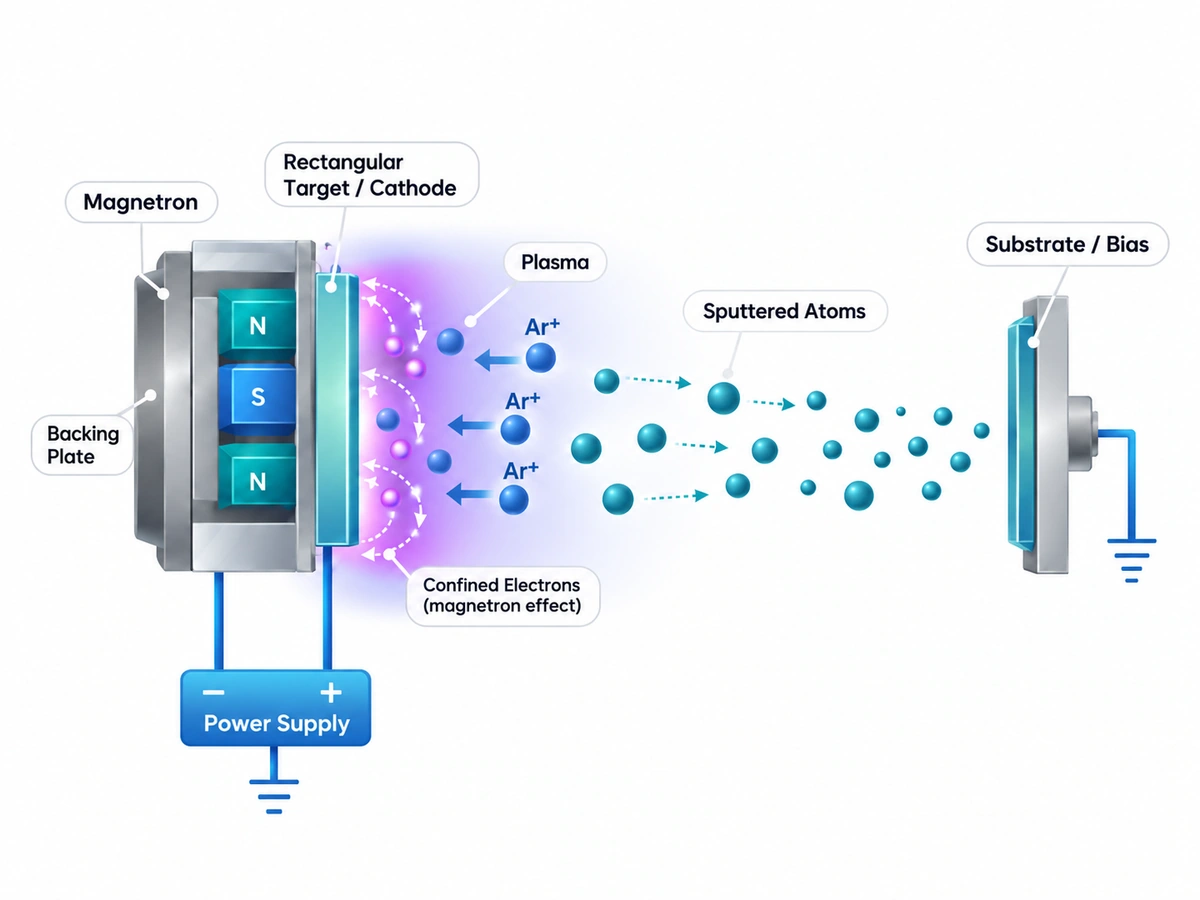
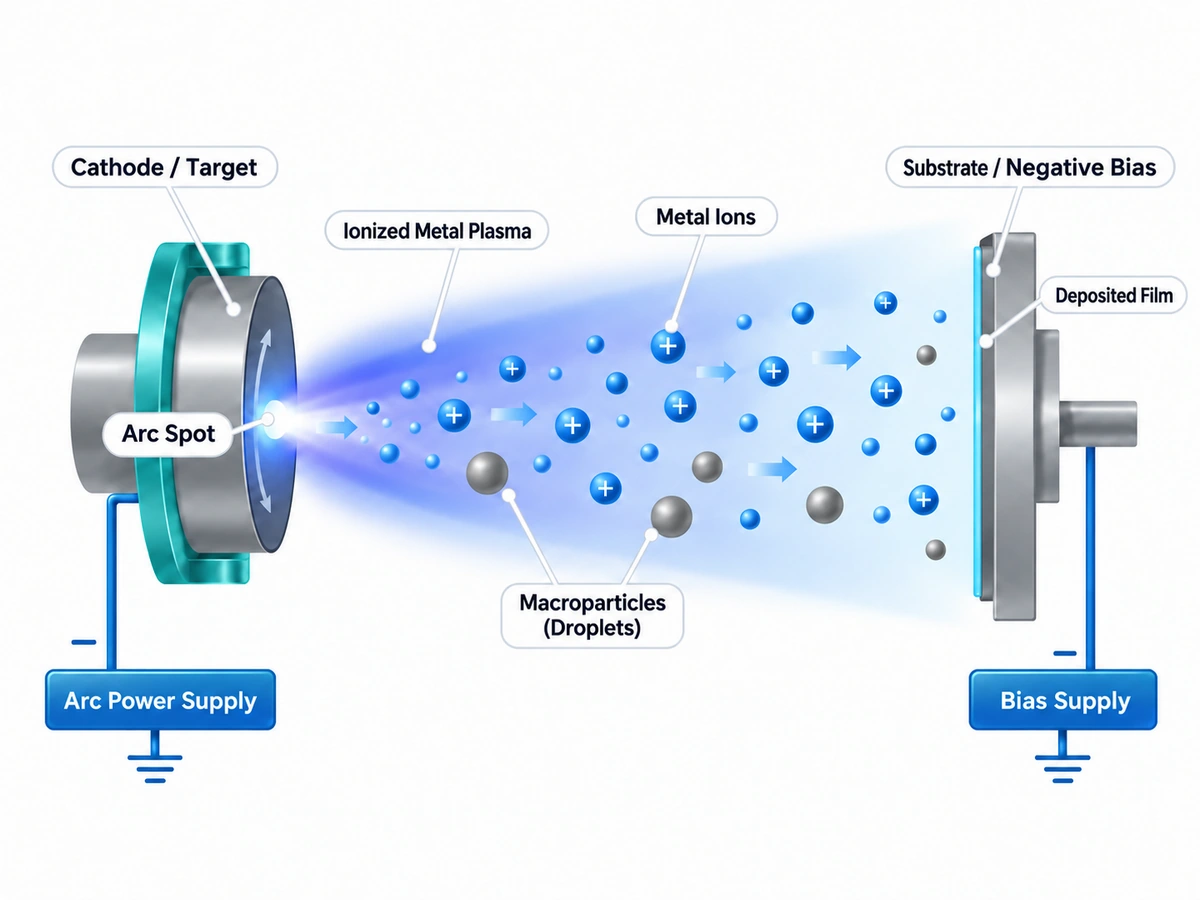
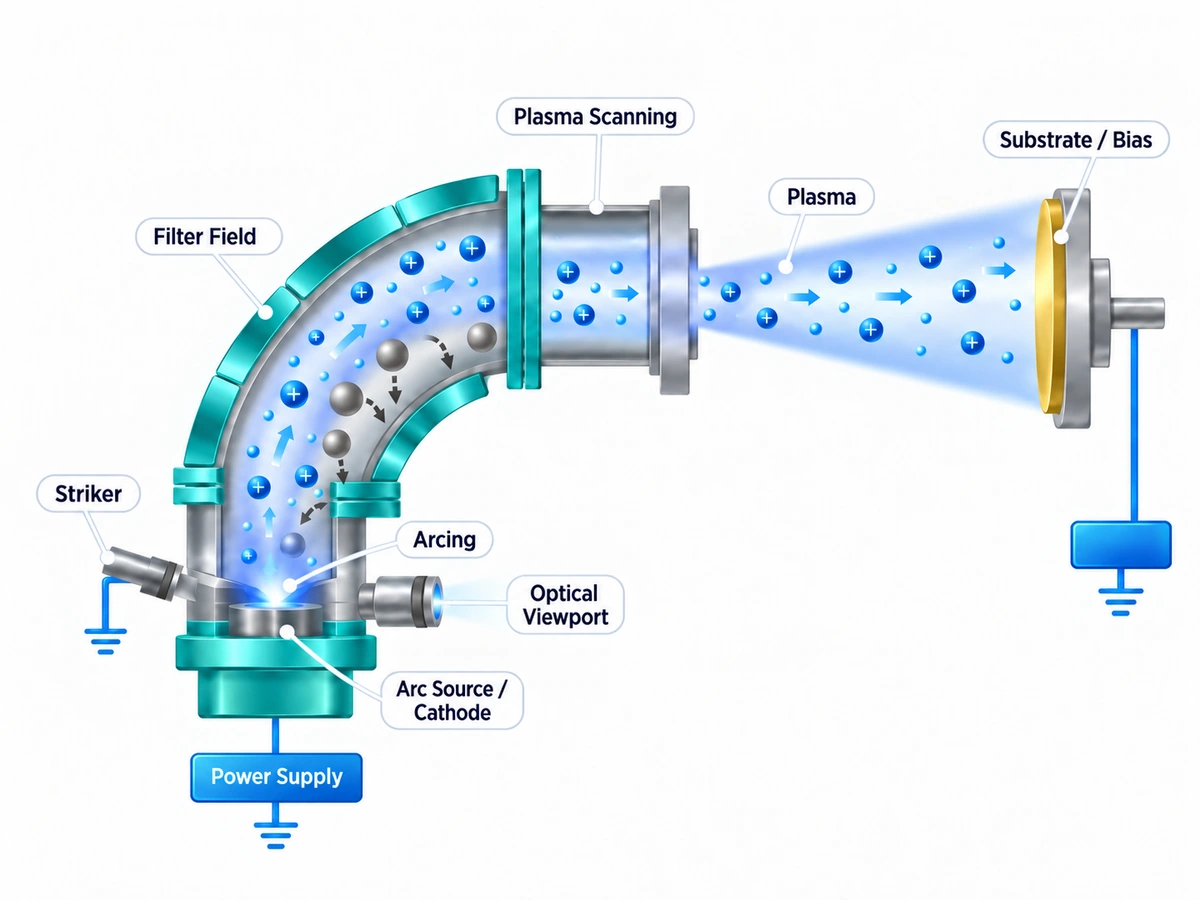
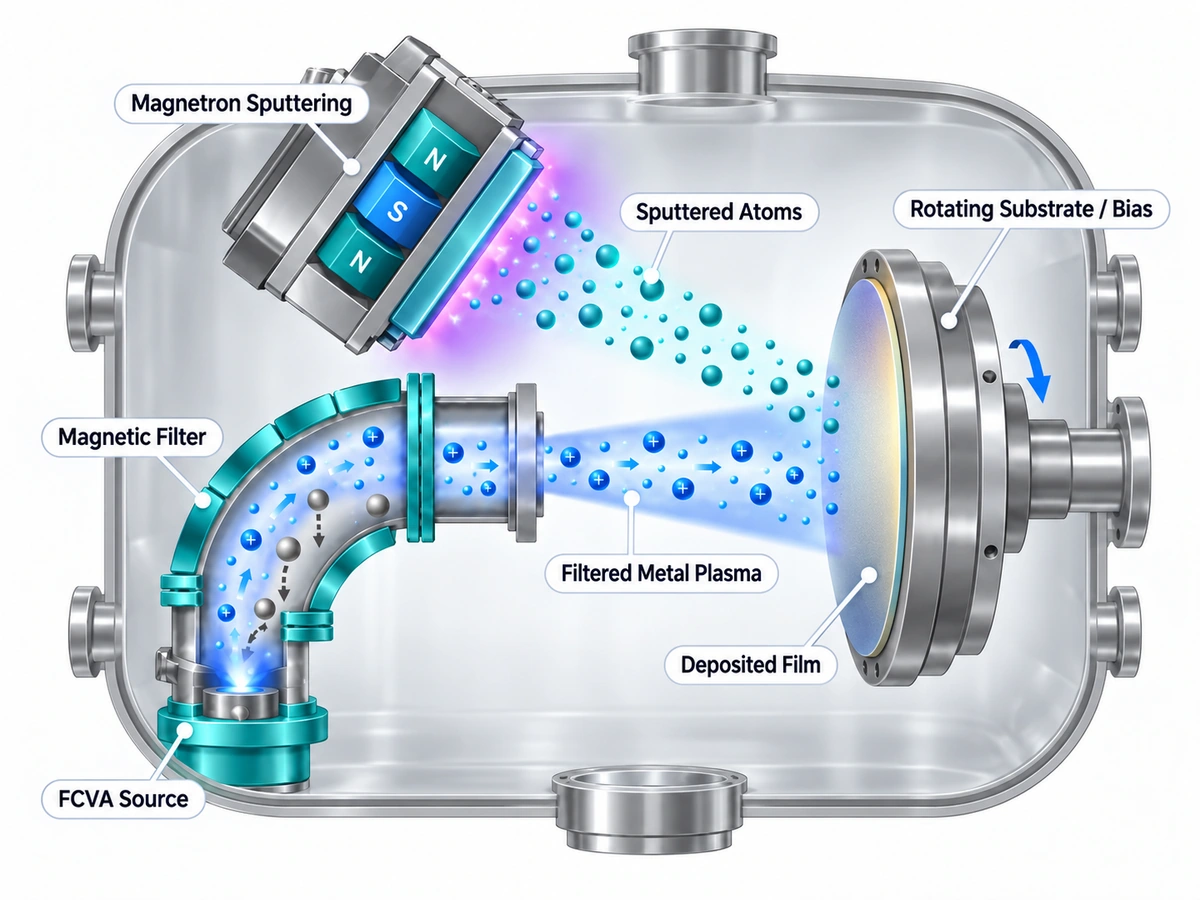
The deposition route shapes how a hard coating bonds, covers critical geometry and retains the required finish under heat, wear and repeated load. NTI combines Magnetron Sputtering, Arc Evaporation, Filtered Cathodic Vacuum Arc and Hybrid PVD to match coating density, smoothness, chemistry control and dimensional requirements to the application.
Match the eight NTI Hard Protect™ coatings to the tool, workpiece or process material and surface challenge that define your production, making it easier to compare the most relevant routes before technical qualification.
The range combines established TiN, CrN and TiCN routes with aluminum rich and silicon enhanced nitride coatings for higher thermal and abrasive demand, plus NTI MiCC® Hard Protect™ for low surface energy, low friction and ultra smooth protection of high precision molds.
Representative values are based on defined coating and test conditions. Final coating selection, substrate suitability and performance depend on material grade, heat treatment, geometry, surface preparation, coating thickness, counterface, lubrication, temperature, environment and application validation. Other substrate materials may be evaluated according to application and process requirements.
NTI Nanofilm supports coating characterization and application relevant testing to confirm the functional layer, surface condition and tribological response against an agreed engineering target.
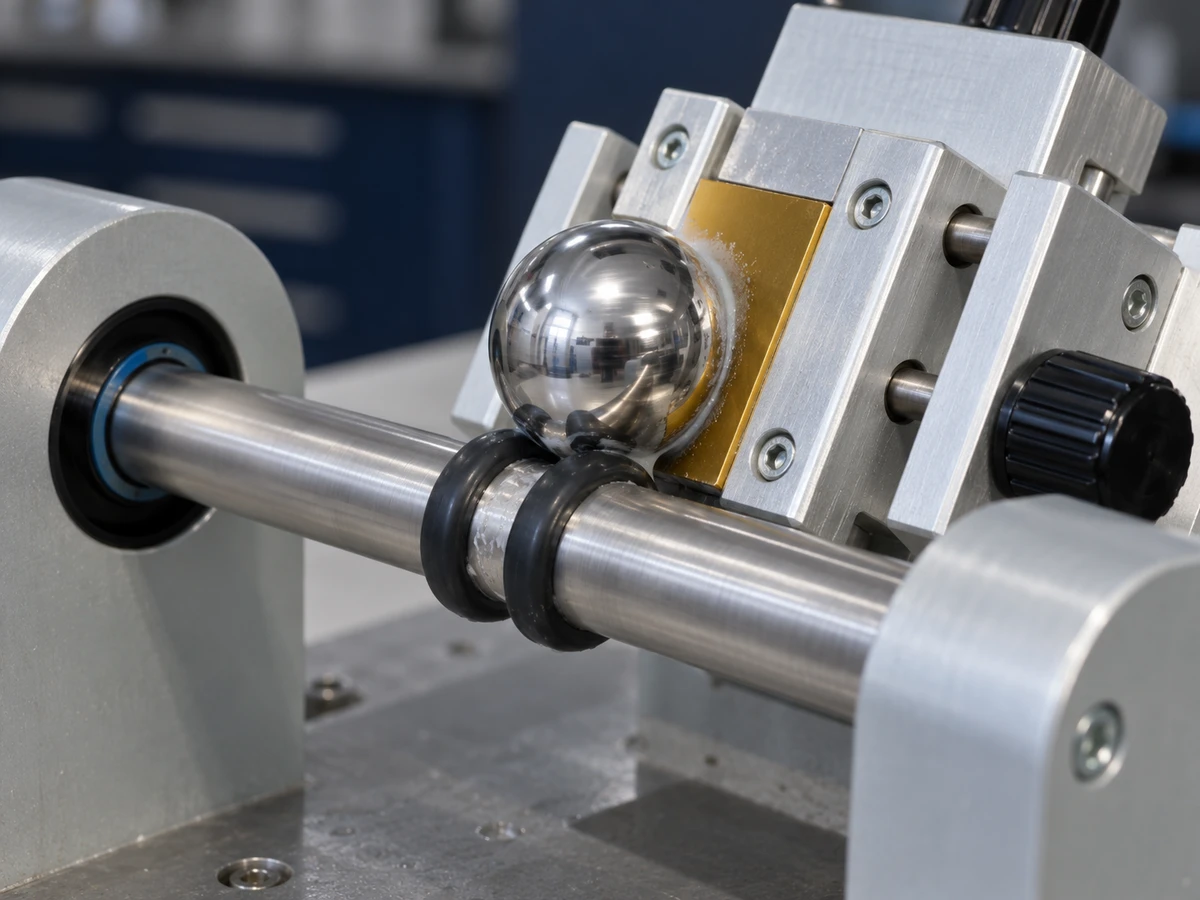
Thickness measurement confirms that the functional layer remains within the agreed dimensional range across representative areas of the component.
Available methods include
Ball crater measurement, stylus profilometry and cross sectional optical or SEM microscopy can be selected around the component geometry to evaluate local thickness, layer construction and uniformity.
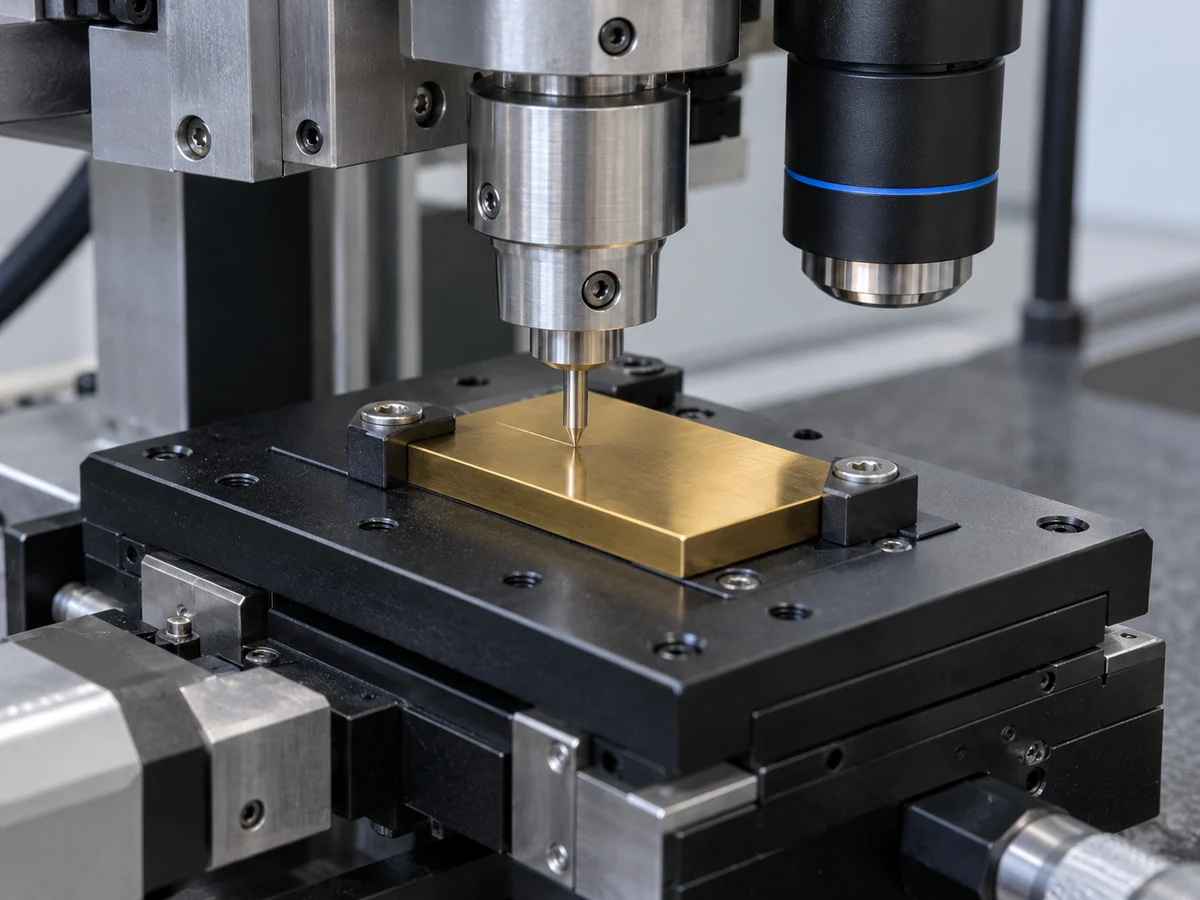
Adhesion testing determines whether the coating remains securely bonded under progressive load and whether any failure is cohesive, interfacial or related to the substrate.
Available methods include
Progressive load scratch testing and Rockwell indentation can assess critical load, cracking, delamination and bond integrity on representative test pieces, referencing ASTM C1624-22 or VDI 3198 where applicable.
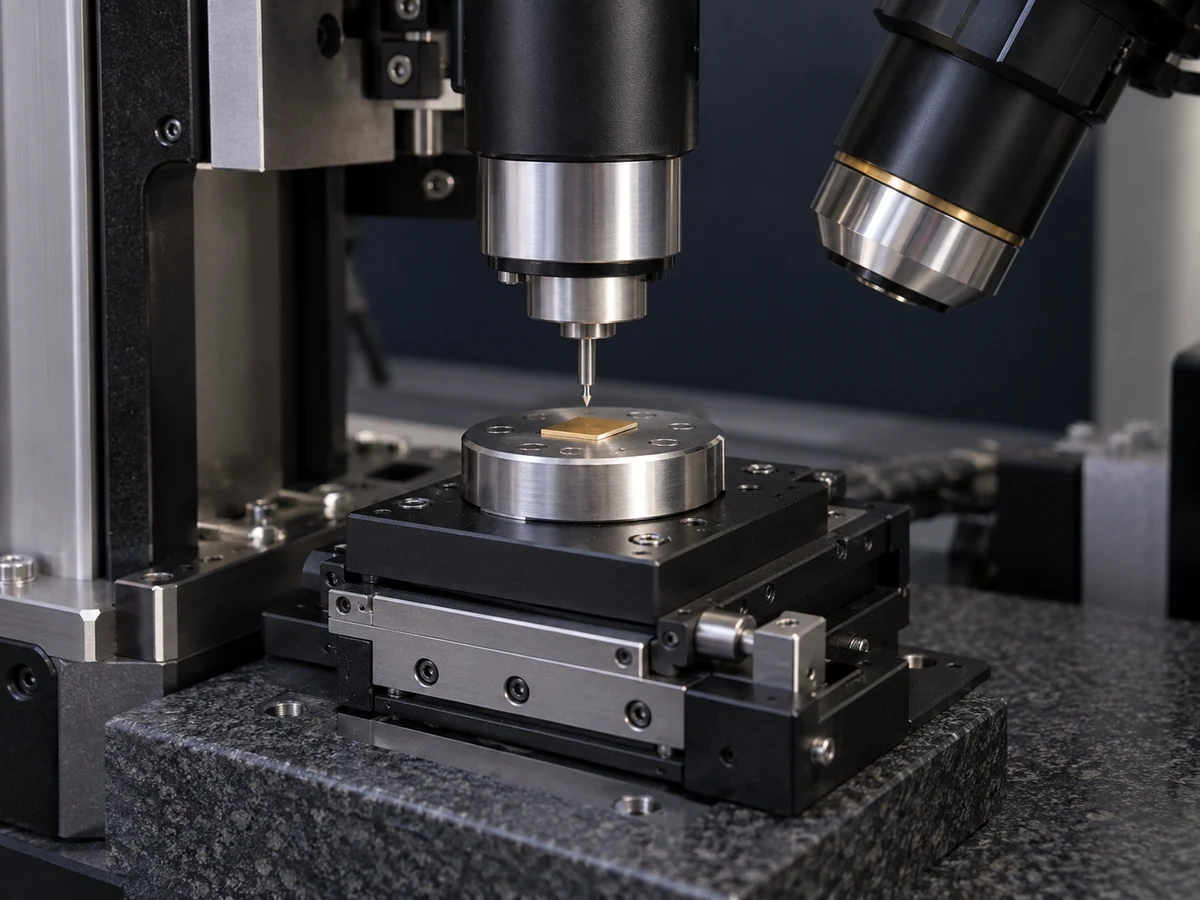
Instrumented indentation confirms coating hardness and mechanical response at a controlled load, supporting comparison between the qualified coating range and production samples.
Available methods include
Microhardness or nanoindentation can measure hardness, indentation modulus, penetration depth and repeatability, with ASTM E2546-15(2023) or an agreed indentation procedure used where applicable.
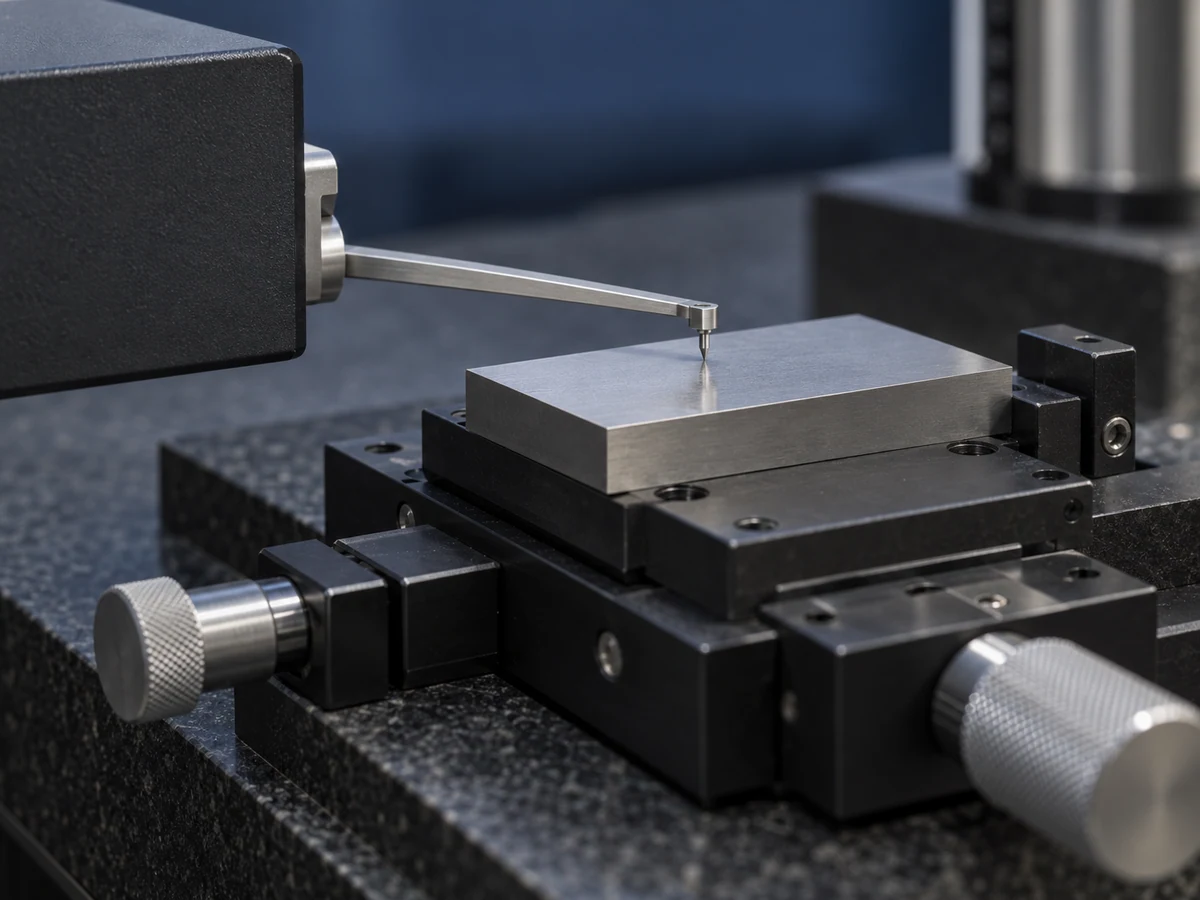
Surface measurements verify that the coating preserves the finish, edge condition and functional texture needed for low friction, release or precision contact.
Available methods include
Stylus profilometry, confocal microscopy, AFM or SEM top view imaging can evaluate Ra, Rz, surface defects, droplets and local features, with ISO 25178 referenced where applicable.
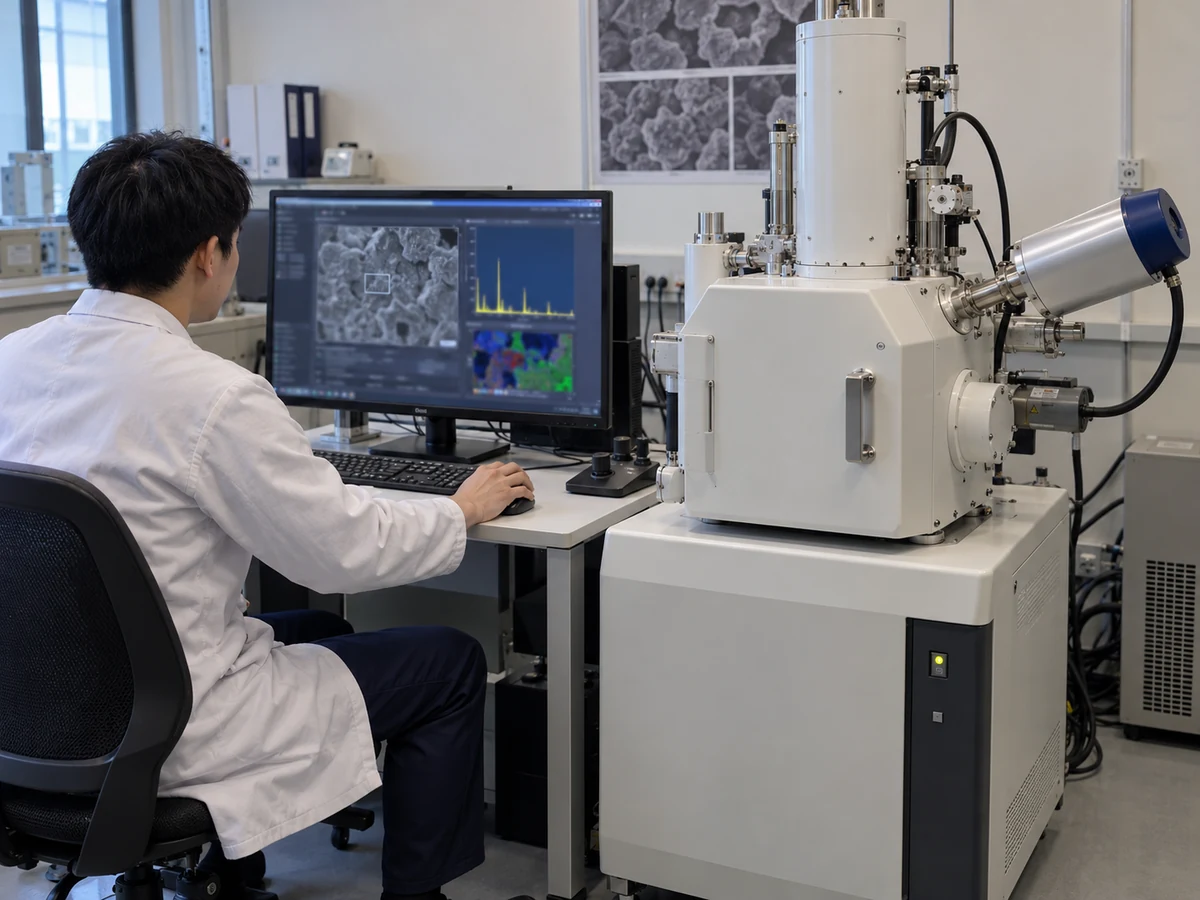
Material characterization confirms that the deposited chemistry, elemental composition and crystalline structure remain consistent with the intended NTI Hard Protect™ route.
Available methods include
SEM with EDX, X ray diffraction and cross sectional microscopy can be selected in house or coordinated through qualified facilities according to the engineering information required.
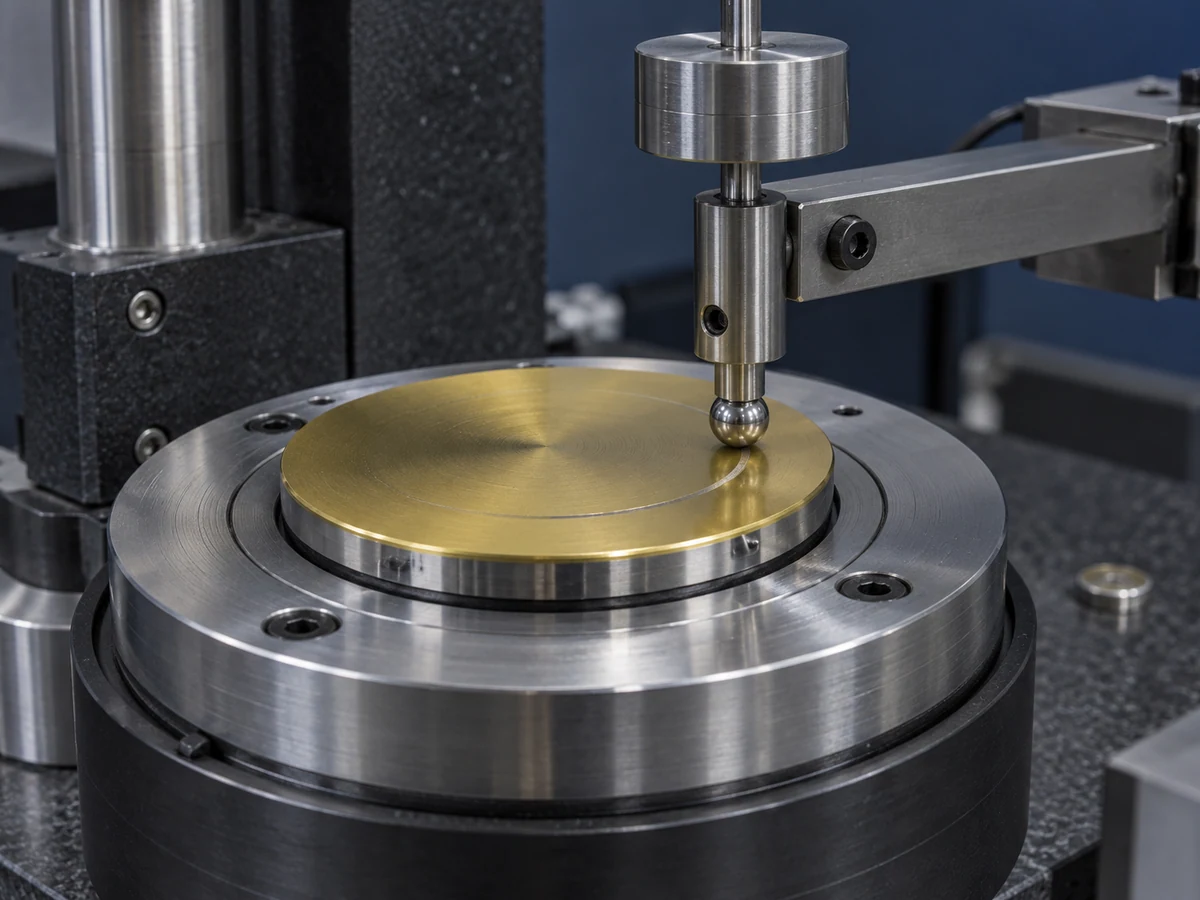
Tribological and environmental testing evaluates how the coating behaves against the selected counterface, movement and exposure condition rather than relying on a generic friction value.
Available methods include
Ball on disc or reciprocating friction testing, wear track measurement, salt spray exposure and application cycle testing can be configured around the failure mode, with ASTM G77-17 or ASTM B117 referenced where relevant.
NTI Nanofilm provides testing and characterization support for coating development and application qualification. Testing may be performed in house or coordinated through qualified facilities, depending on the site and project scope. Results may reference recognized test methods where applicable and do not constitute independent third party product certification.
From cutting edges and forming dies to mold cavities and precision components, NTI Hard Protect™ protects the working surfaces that determine quality, uptime and usable life.
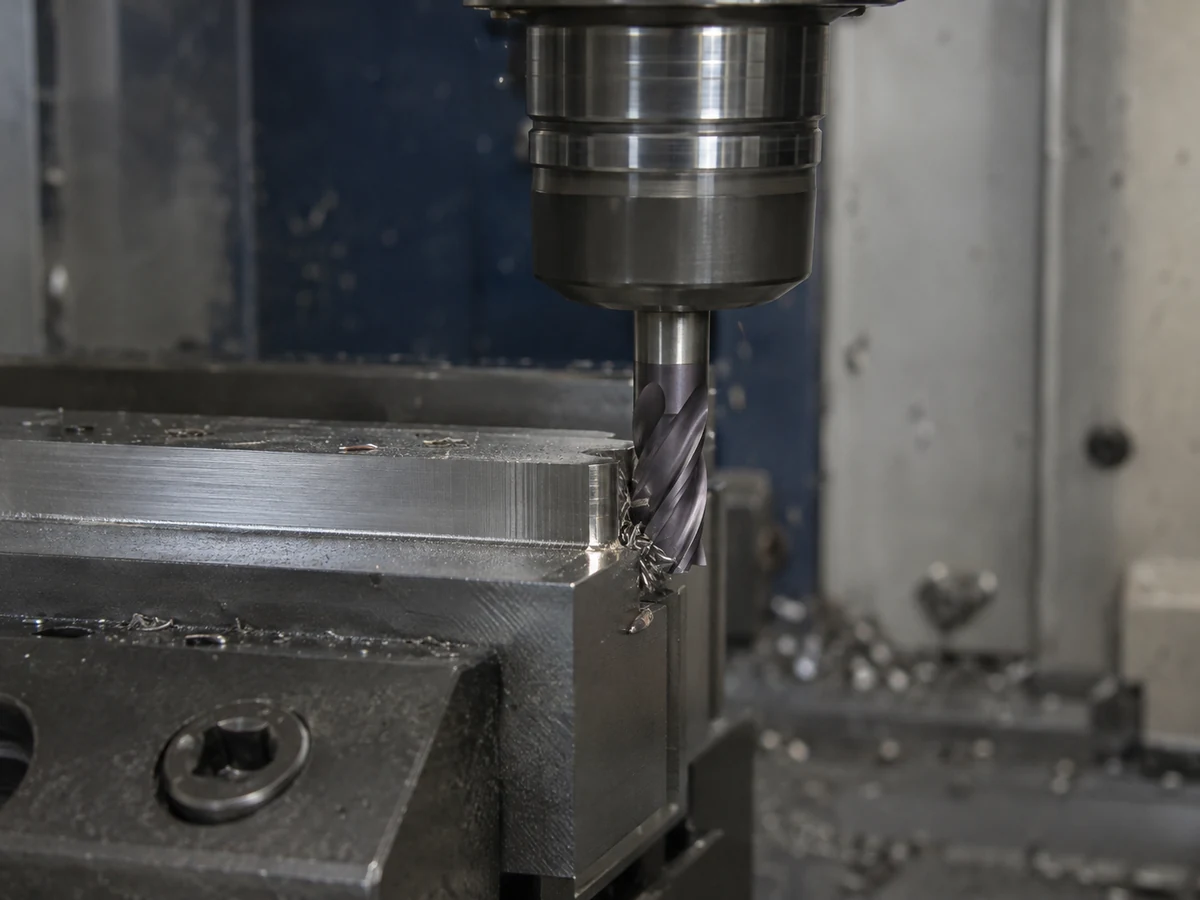
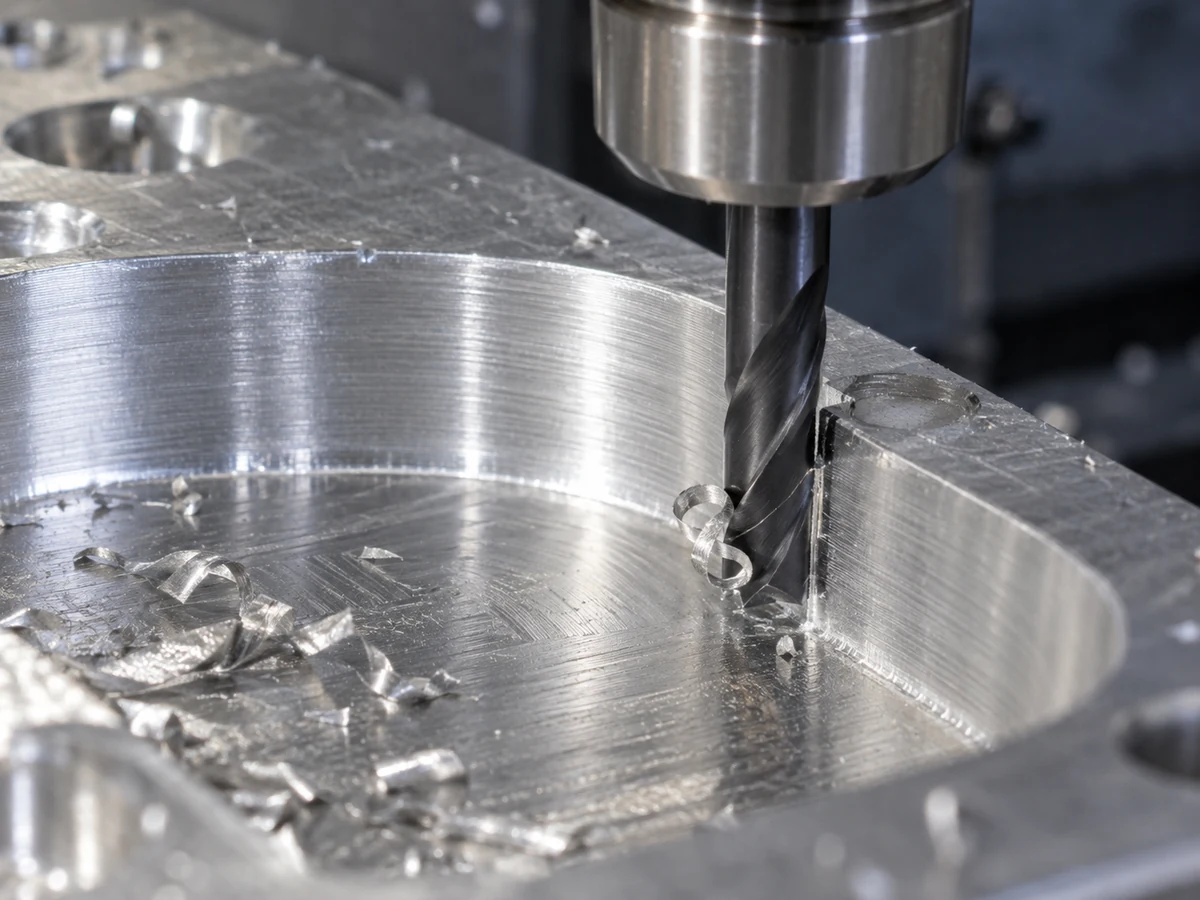
Drills, end mills, taps, reamers and inserts face heat and abrasion as speeds rise and materials become more demanding. NTI Hard Protect™ helps preserve edge geometry, cutting stability and usable life.
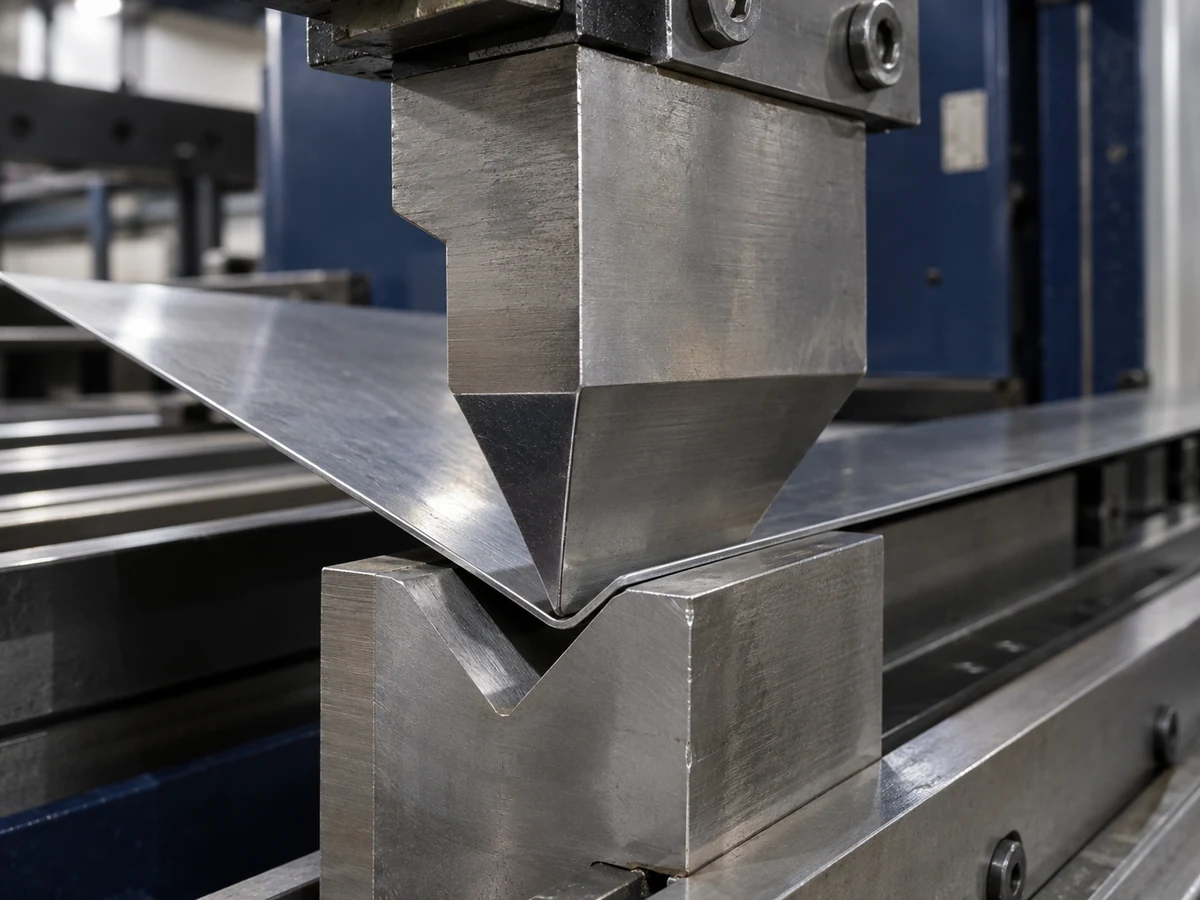
High contact pressure drives galling, material transfer, edge rounding and fatigue. NTI Hard Protect™ helps punches and dies retain form and maintain consistent part quality across repeated strokes.
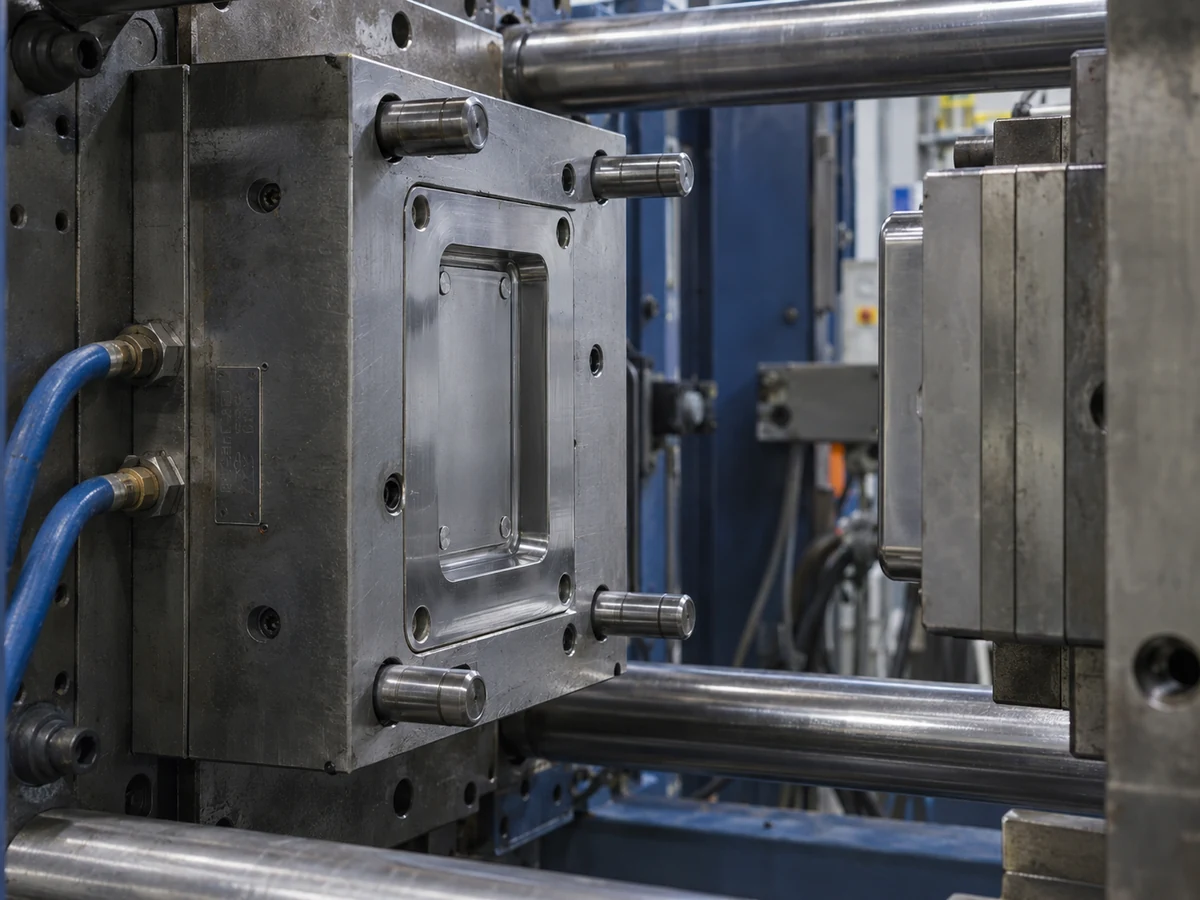
Fiber filled polymers, cleaning and corrosive process conditions can affect release, replicated detail and finish. NTI Hard Protect™ helps cavities, cores and moving elements retain their surface condition.
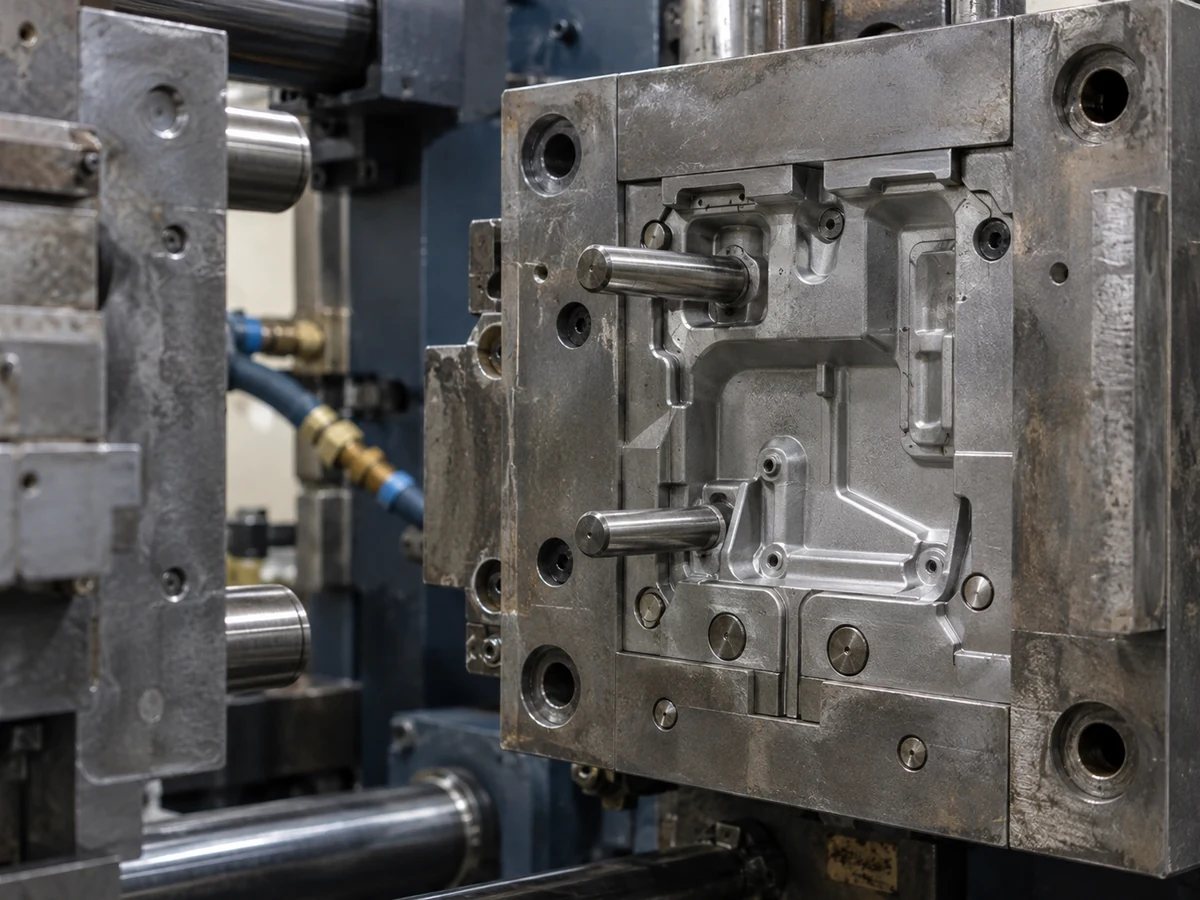
Repeated heating and cooling combine with oxidation, erosion and material soldering. High temperature NTI Hard Protect™ coatings help stabilize molds, cores, pins and inserts.
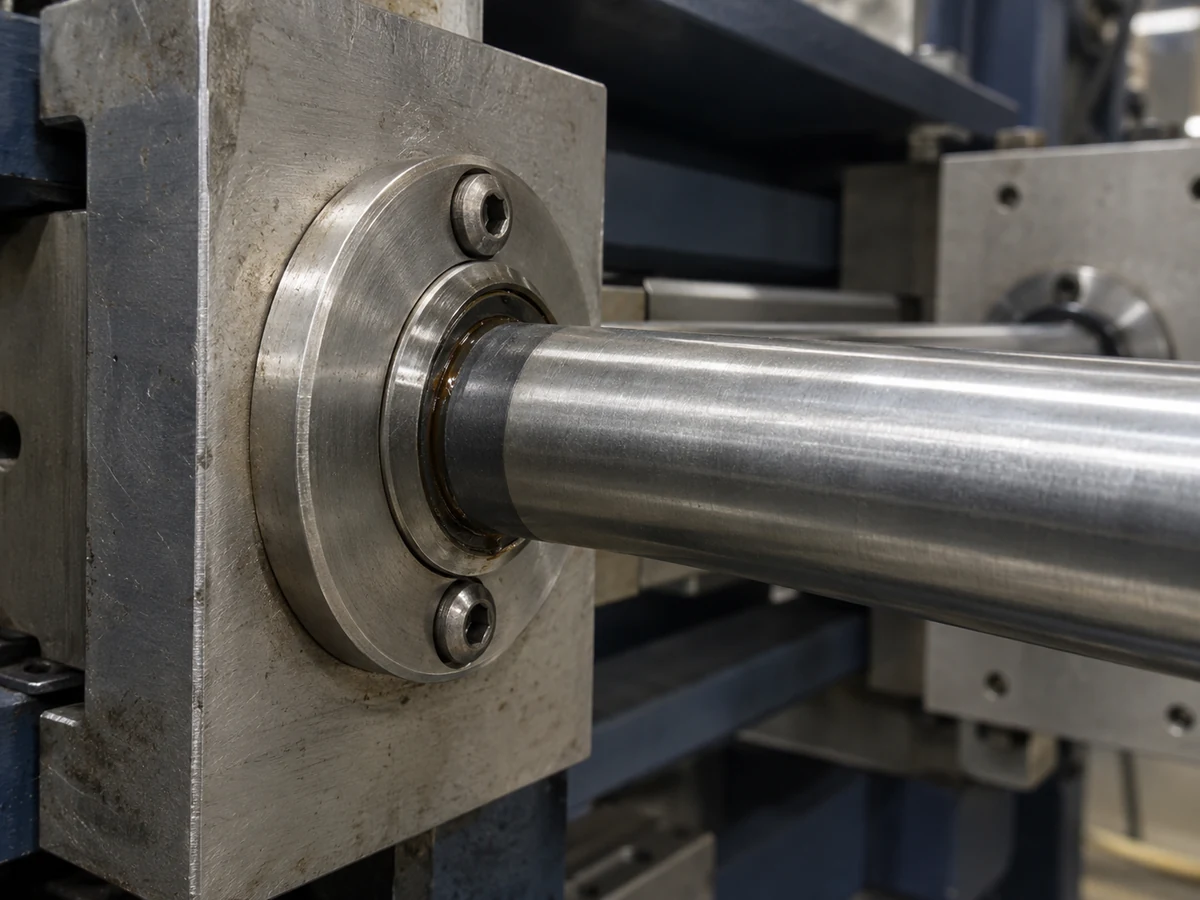
Guides, shafts, pins, valves and carriers can lose accuracy as contact surfaces wear or corrode. Thin film NTI Hard Protect™ adds protection while preserving component geometry.
NTI brings coating engineering, sample evaluation, production transfer and eligible tool refurbishment into one practical support route, helping move from an initial need to a controlled, repeatable coating process.
Tool life, part quality, output, temperature and the current wear mode establish the performance target.
Chemistry, layer architecture, thickness, preparation and PVD route are aligned to the tool, substrate and process.
Sample tools or components are coated and checked against the agreed quality and application criteria.
Approved conditions are documented and transferred into controlled production for consistent delivery.
Where geometry and tolerance permit, worn coatings can be stripped before reconditioning and recoating.
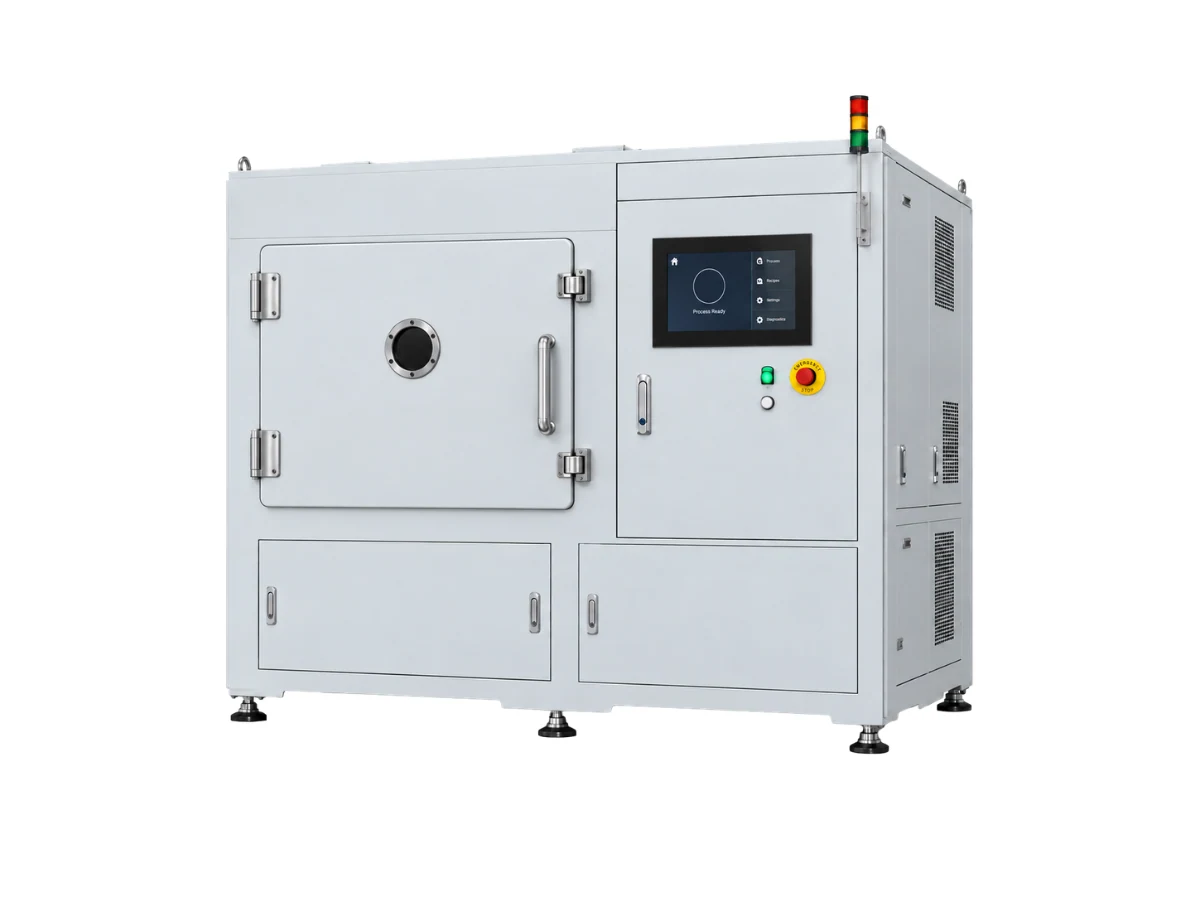
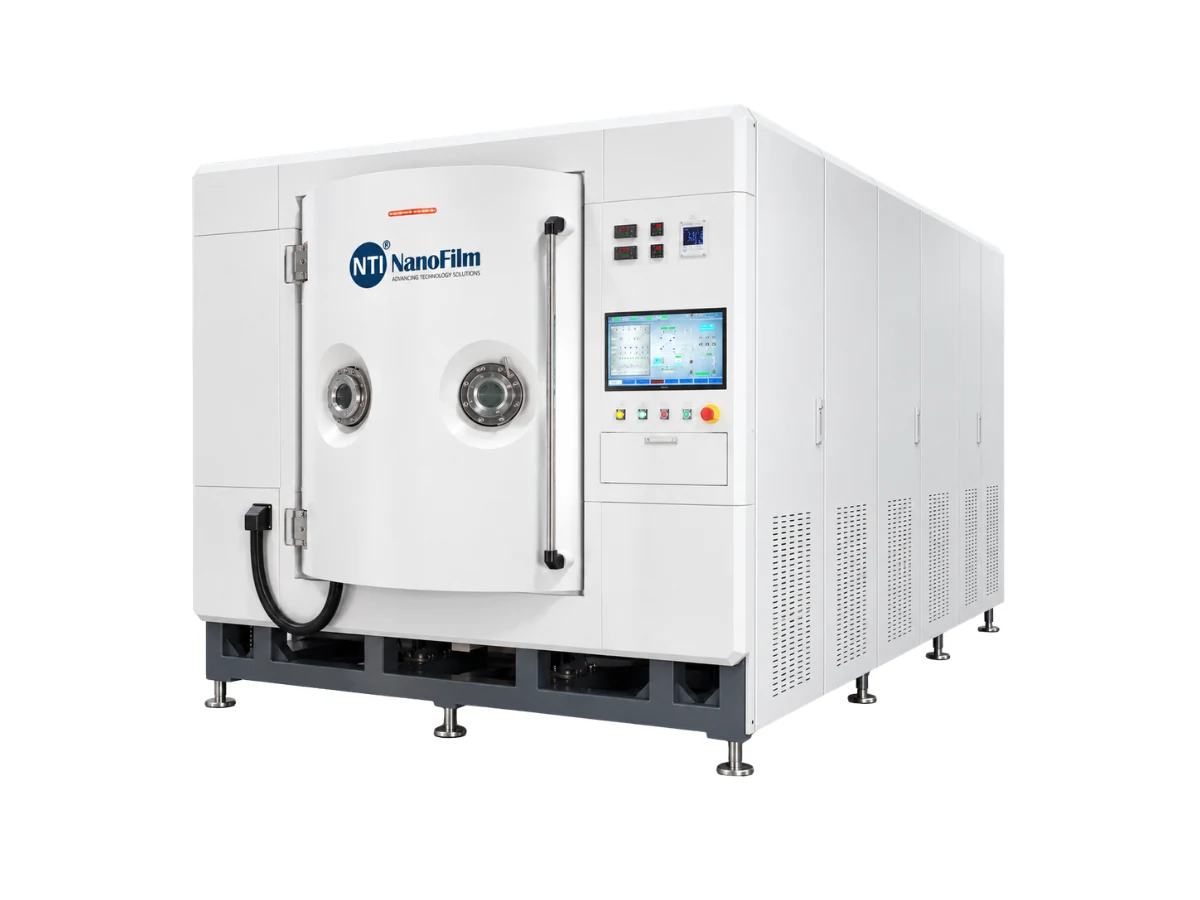
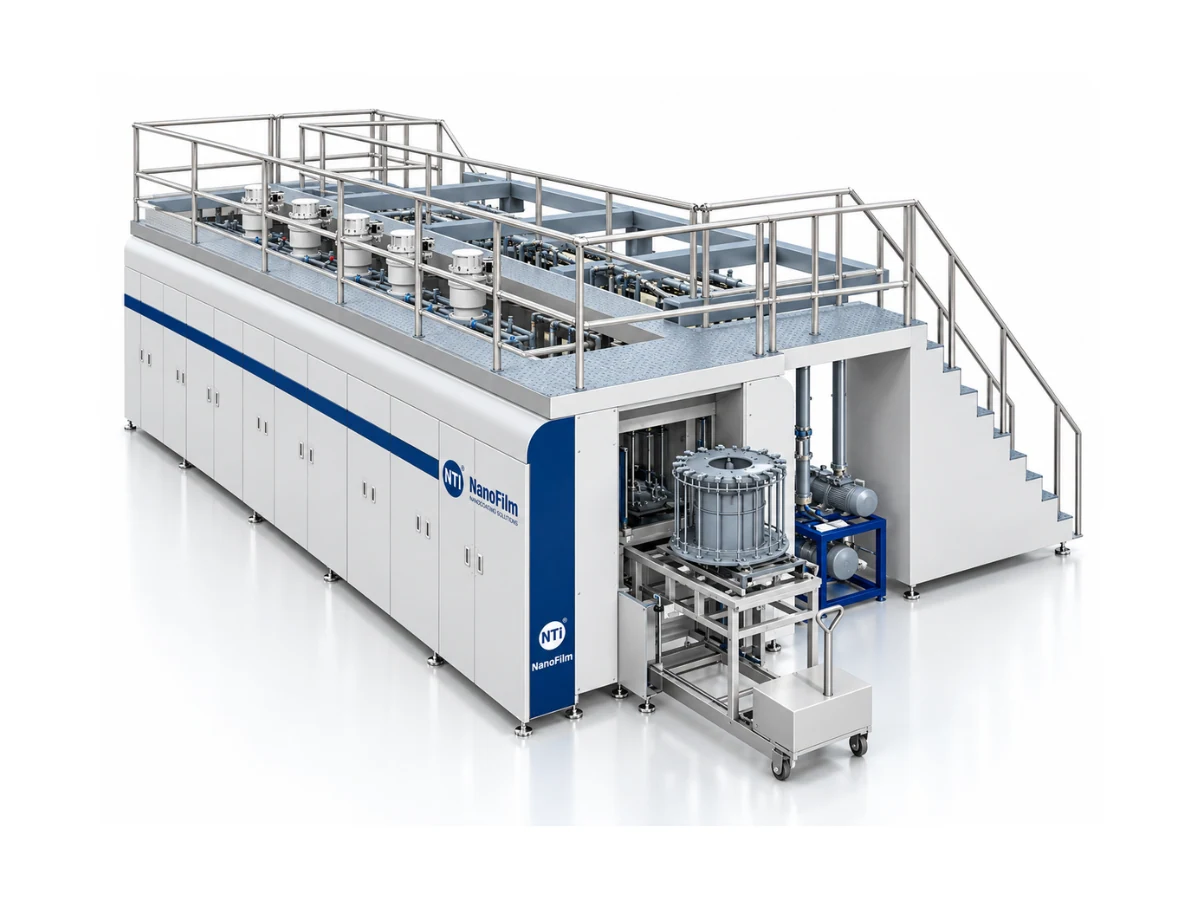
For dedicated coating capacity, greater process ownership or a more integrated tooling lifecycle, selected NTI Hard Protect™ processes can be supported through batch and inline coating platforms, together with decoating capability for eligible tools being prepared for refurbishment and recoating.
Continue into adjacent NTI Protect™ solutions or see how surface engineering is applied to real production challenges.
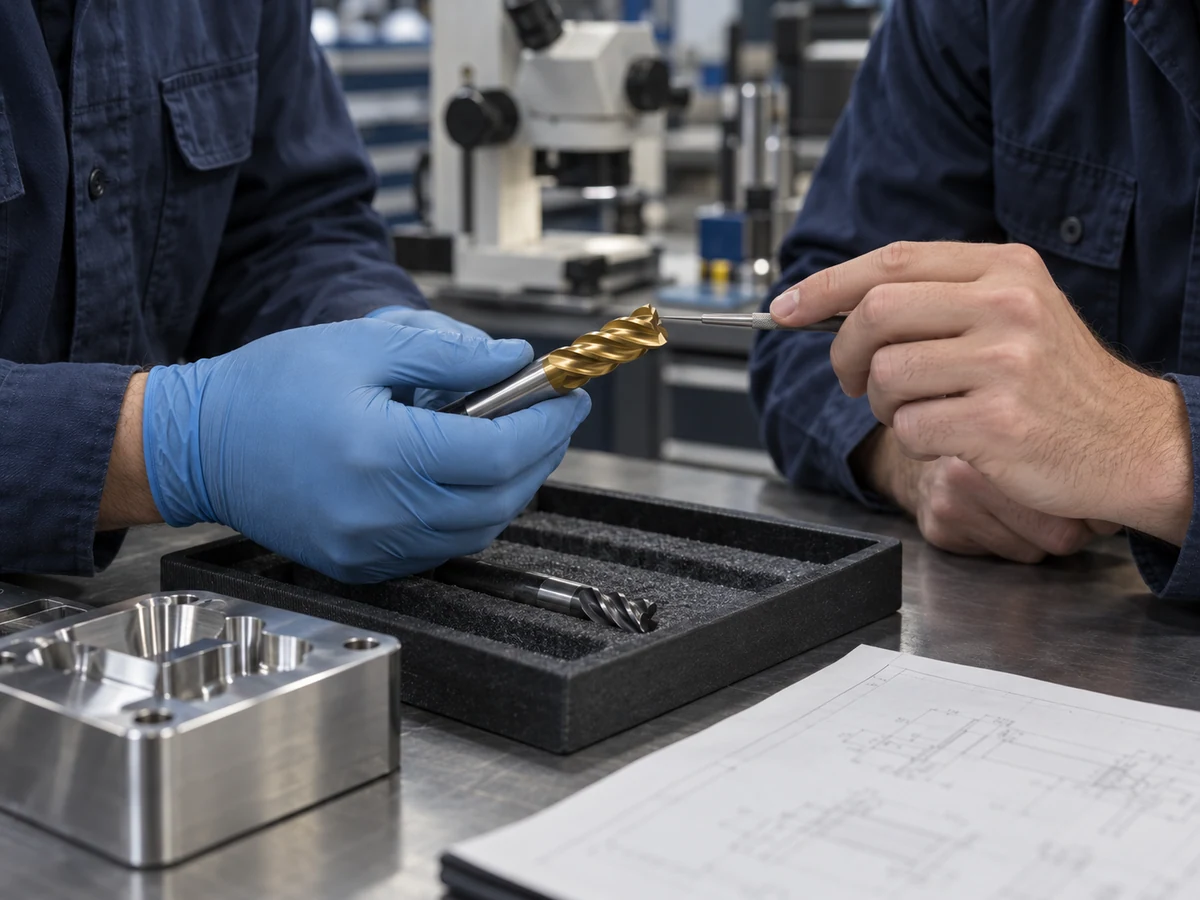
NTI’s application team can review the tool, substrate, workpiece material, operating condition and current wear mode to develop a practical NTI Hard Protect™ route for sampling, validation and production.
NTI Hard Protect™ is a portfolio of nitride and carbonitride surface coatings for cutting tools, forming dies, molds, hot work tooling and precision components. The range includes TiN, CrN, TiCN, AlTiN, AlCrN, AlTiSiN and AlCrSiN coatings deposited by Magnetron Sputtering or Arc Evaporation, plus NTI MiCC® Hard Protect™ deposited by Filtered Cathodic Vacuum Arc for high precision molds.
The right coating depends on what is being coated, the workpiece or molding material, and the surface problem limiting production. Cutting tools may prioritize abrasive wear and high temperature, forming tools often face galling and contact load, while molds may require release, corrosion resistance, surface finish or dimensional control. The NTI Hard Protect™ selector narrows the eight coating routes before final application qualification.
TiN is a broad general wear coating. CrN is positioned for molding, forming, corrosion resistance and release. TiCN adds higher wear resistance with a lower friction response. AlTiN and AlCrN increase the thermal and wear margin for demanding machining and hot work. AlTiSiN and AlCrSiN target more severe hard material, abrasive and high temperature duty. Final selection depends on the actual tool, material and process.
Yes. HSS, cemented carbide and tool steels are common substrates for PVD hard coatings, but the exact grade, heat treatment, tempering temperature, brazed joints, geometry and coating process temperature can affect suitability. NTI confirms the substrate and thermal limits during application review rather than selecting a coating from chemistry alone.
The material being cut, formed or molded changes the dominant wear mechanism at the surface. Hardened and abrasive materials increase wear, stainless steels and high alloy materials can increase heat and adhesion, coated sheet can promote material pickup, and filled polymers can combine abrasion with deposit buildup. The coating should therefore be matched to both the tool and the material it works against.
NTI MiCC® Hard Protect™ is an FCVA chromium nitride ceramic coating for semiconductor and high precision molds. Under defined NTI test conditions it reaches up to 2,000 HV hardness, a dry coefficient of friction of 0.1 and surface roughness as low as Ra 0.01 µm. The dedicated MiCC® benchmark shows relative mold release force at 30% of the hard chrome reference, while controlled coating thickness, masking and dimensional verification can support selected mold tolerance requirements below 2 µm.
Depending on the project scope, validation can include coating thickness and uniformity, adhesion, hardness, surface roughness, microscopy, composition and layer structure, friction, wear, corrosion or application specific testing. The measurement plan is selected around the component geometry and the engineering requirement being qualified.
Many tools can be decoated, reconditioned and recoated when the substrate, previous coating, geometry and remaining dimensional allowance permit. NTI assesses tool condition and the required surface preparation before confirming a refurbishment and recoating route.
Yes. Selected NTI Hard Protect™ coating processes can be supported through the NTI Dream™ Batch Coating System or NTI Titan™ Inline Coating System, while NTI Renew™ Decoating System can support coating removal from eligible reusable tools before reconditioning and recoating. Final equipment configuration depends on production mix, throughput, process integration, tool condition and the coating or decoating processes qualified for transfer.
No. Carbon based low friction coatings are presented separately under NTI DLC Protect™ and NTI TAC Protect™ so the nitride and carbonitride Hard Protect range can remain focused on cutting, forming, molding, hot work and industrial surface protection.