
SydroCOAT™ helps fuel cell and electrolyser manufacturers turn advanced surface engineering into more efficient, durable stacks. Across PEM fuel cells, PEM and AEM electrolysers, and solid oxide cells, our coatings connect component performance with coating material economics and the demands of production.
SydroCOAT™ surface coatings help fuel cell and electrolyser manufacturers reduce electrical losses, protect component life and improve coating material economics. Conductive, protective and functional layers address the demands of bipolar plates, porous transport layers and solid oxide cell components, connecting the performance of each surface to the value of the stack.
Conductive coatings help bipolar plates and porous transport layers maintain low contact resistance, limiting electrical losses as the surfaces face demanding operation. Material selection and surface coverage protect the current-carrying interface, supporting efficient fuel cell and electrolyser performance.
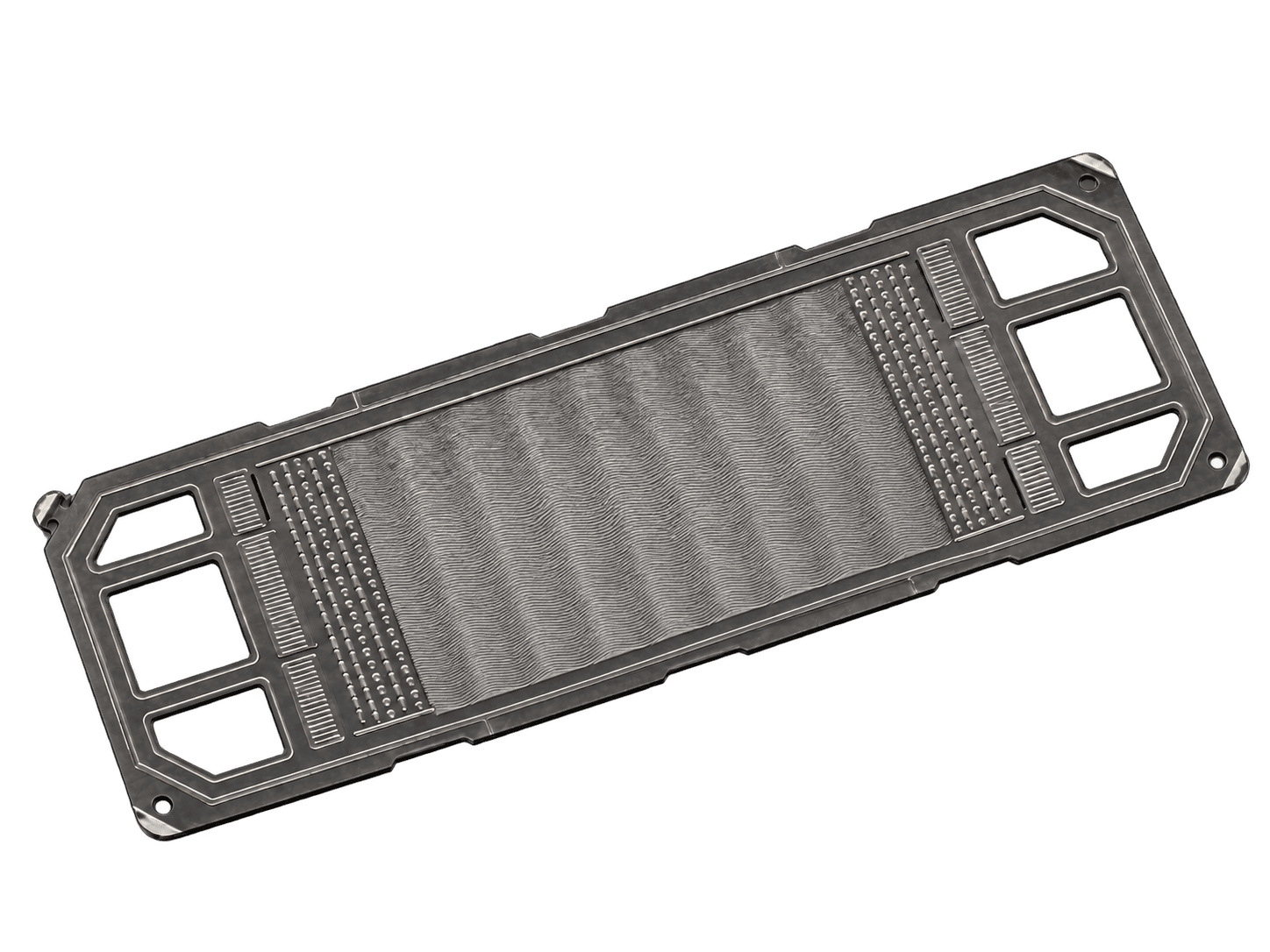
Dense protective films help limit metallic surface corrosion and, in PEM fuel cells, metallic-ion release. In solid oxide cells, protective and barrier layers address oxidation, chromium release and unwanted reactions between adjoining materials, helping retain the surface functions that support long-term stack performance.
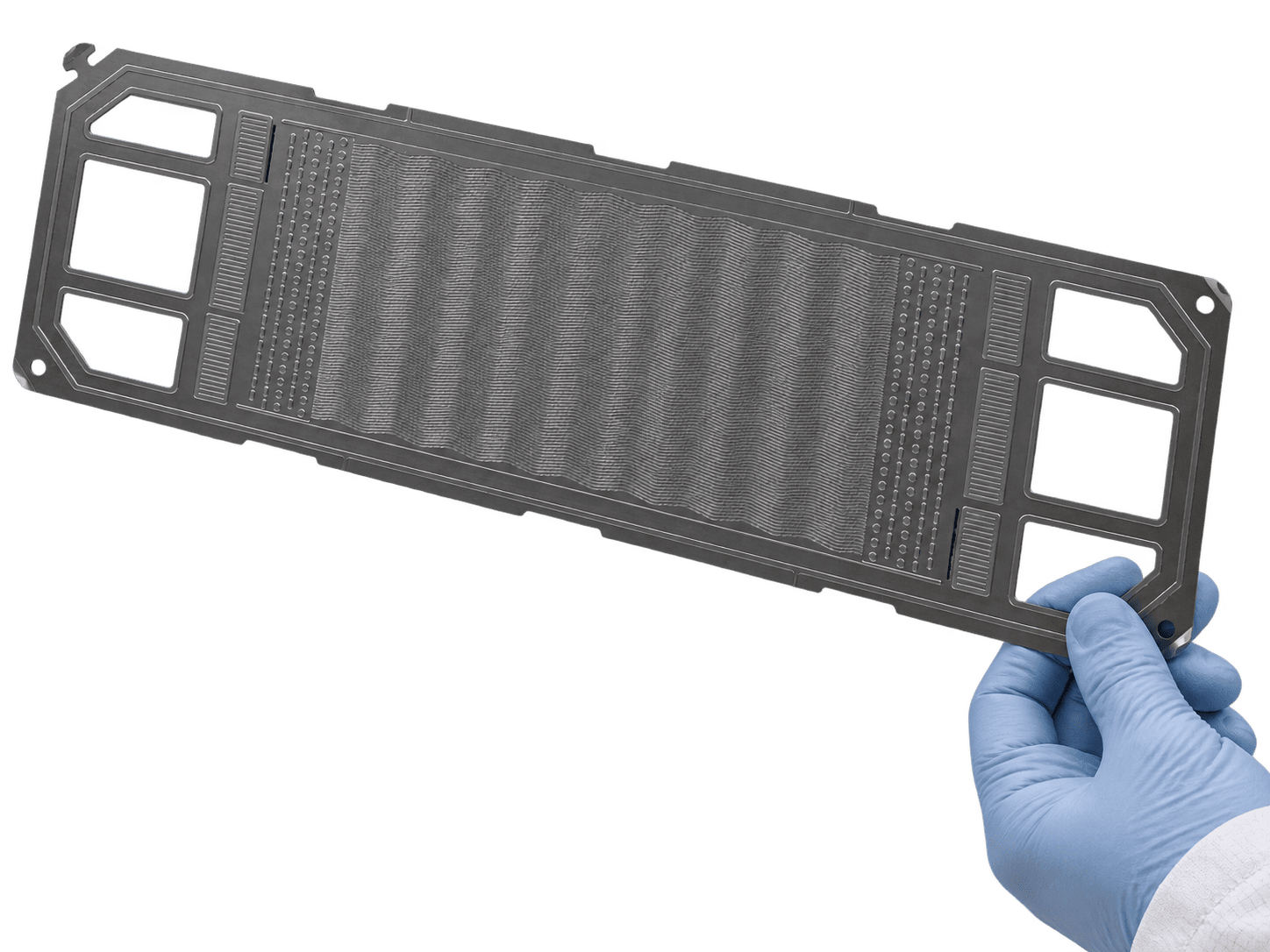
Ultra-thin FCVA coatings protect PEM fuel cell bipolar plates with less coating material. For PEM electrolysers, SydroPEARL® and SydroPEARL® Plus offer platinum-free and low-platinum options for their respective components. Controlled film thickness brings coating material efficiency together with the required protective and electrical performance.
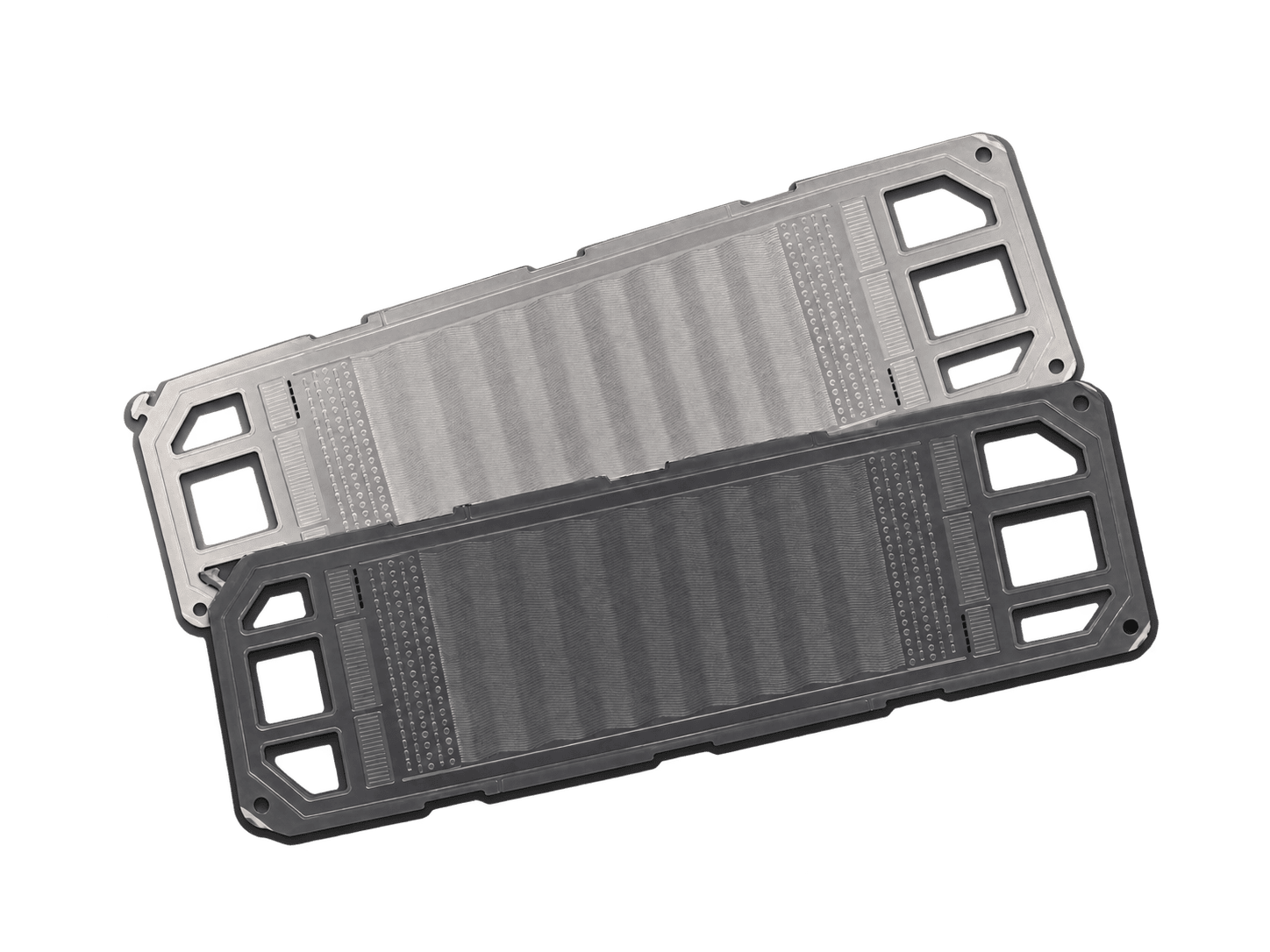
SydroCOAT™ brings together coatings for PEM fuel cells, PEM and AEM electrolysers, and solid oxide cells. Each solution connects the component’s electrical, protective or functional role with the operating demands of your cell technology.
SydroGEM™SydroDIAMOND®SydroSTAR™
Built on NTI Nanofilm’s proprietary filtered cathodic vacuum arc (FCVA) technology, these carbon coatings protect metallic bipolar plates while maintaining low contact resistance. SydroGEM™, SydroDIAMOND® and SydroSTAR™ help limit corrosion and metallic-ion release with less coating material, giving fuel cell manufacturers options for lower coating cost, broader substrate compatibility and longer operating life across high-volume and demanding-duty applications.
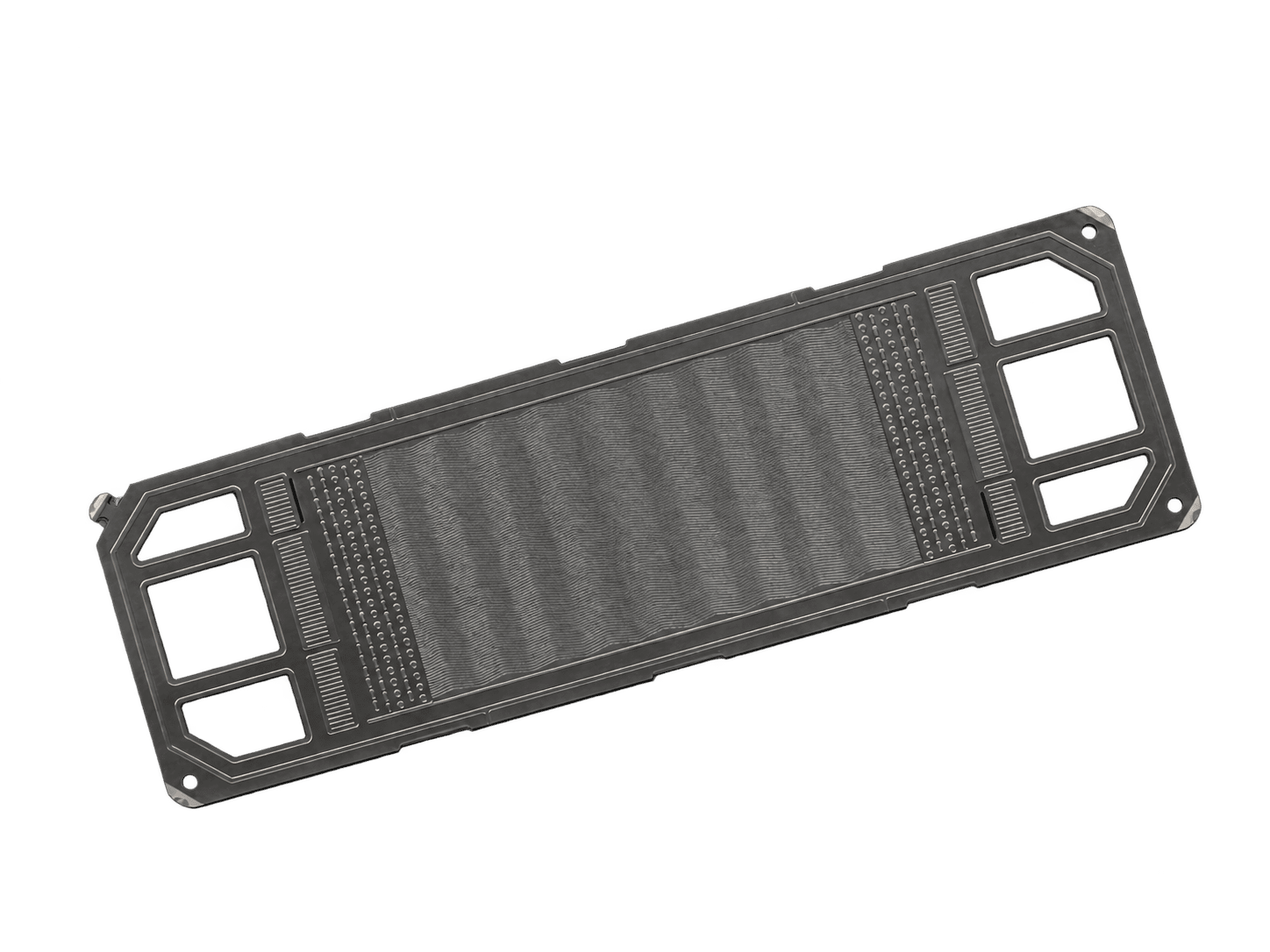
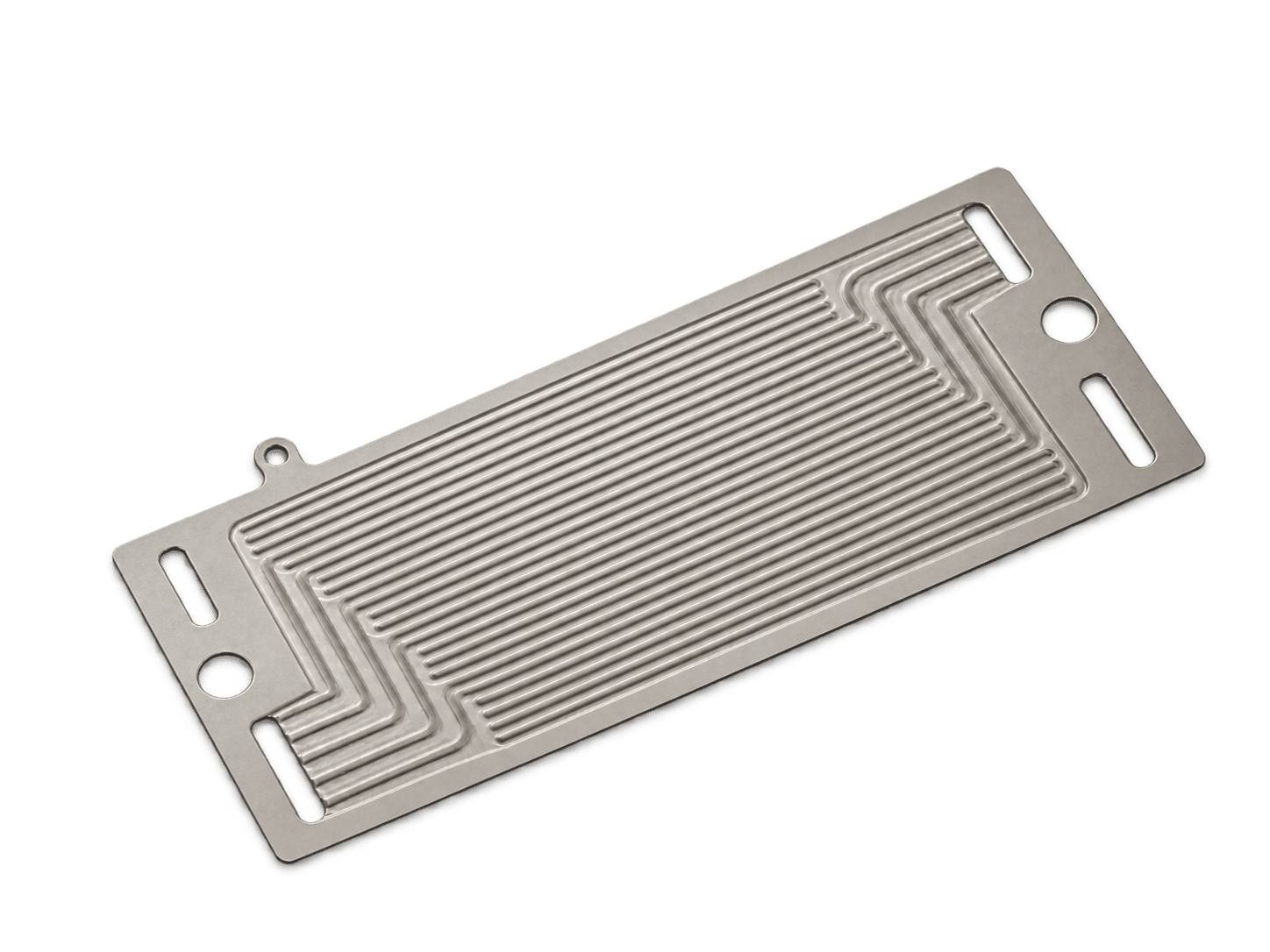
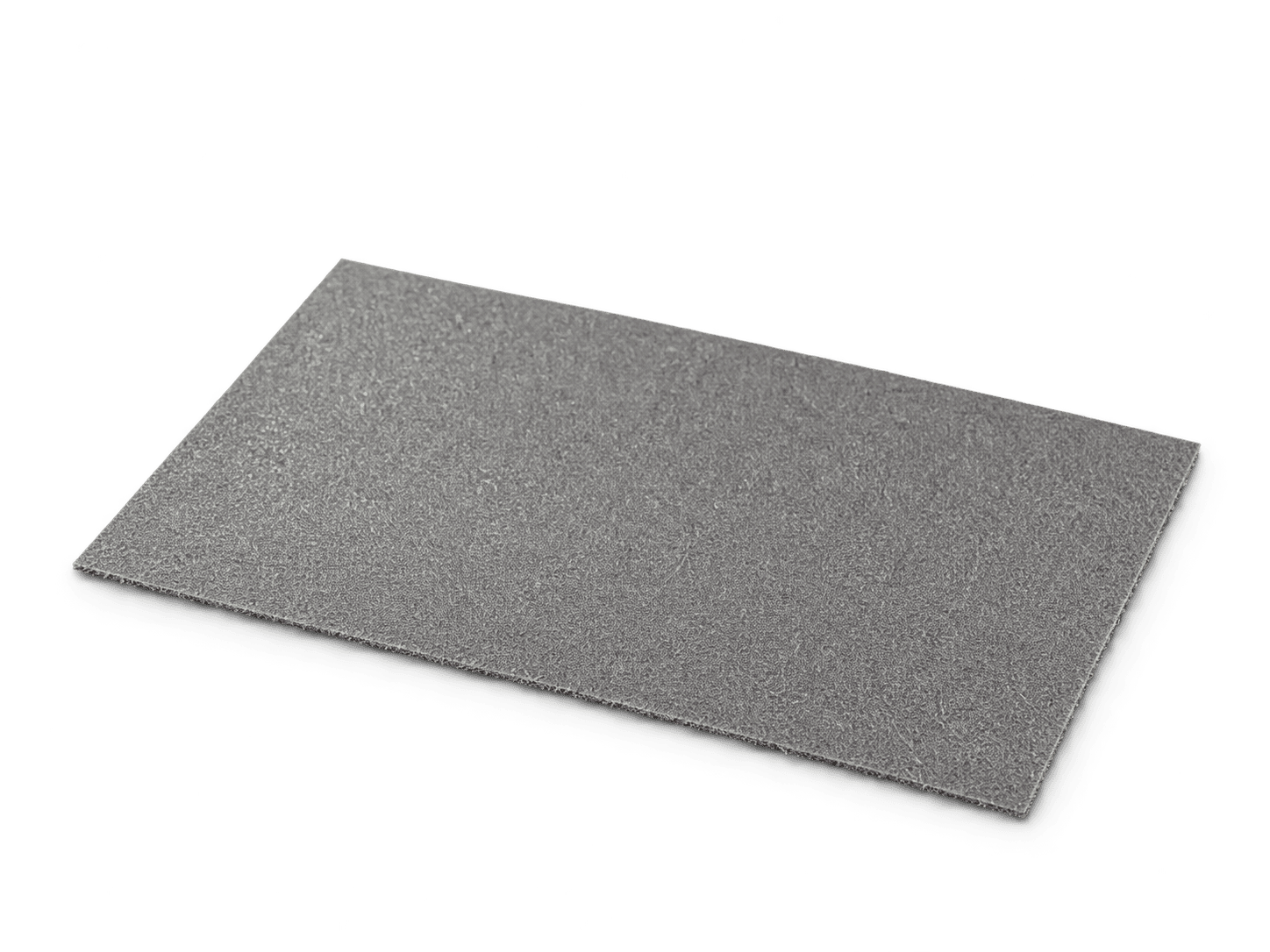
SydroPEARL®SydroPEARL® Plus
SydroPEARL® and SydroPEARL® Plus help PEM electrolyser manufacturers reduce platinum use while preserving efficient current transfer. Platinum-free coatings for titanium bipolar plates and low-platinum coatings for bipolar plates and titanium porous transport layers retain low contact resistance through acidic, high-potential exposure. These solutions give manufacturers greater flexibility to improve coating material economics while protecting the conductive interfaces their electrolyser stacks depend on.
SydroALK™
SydroALK™ brings conductive nickel-based PVD protection to AEM electrolyser bipolar plates and porous transport layers. By helping limit corrosion and passivation at current-carrying surfaces, it supports electrical efficiency and stronger component durability through alkaline operation. Available for co-development, SydroALK™ gives manufacturers a coating route for stainless steel bipolar plates and stainless steel or nickel porous transport layers as they advance longer-lasting AEM stacks.
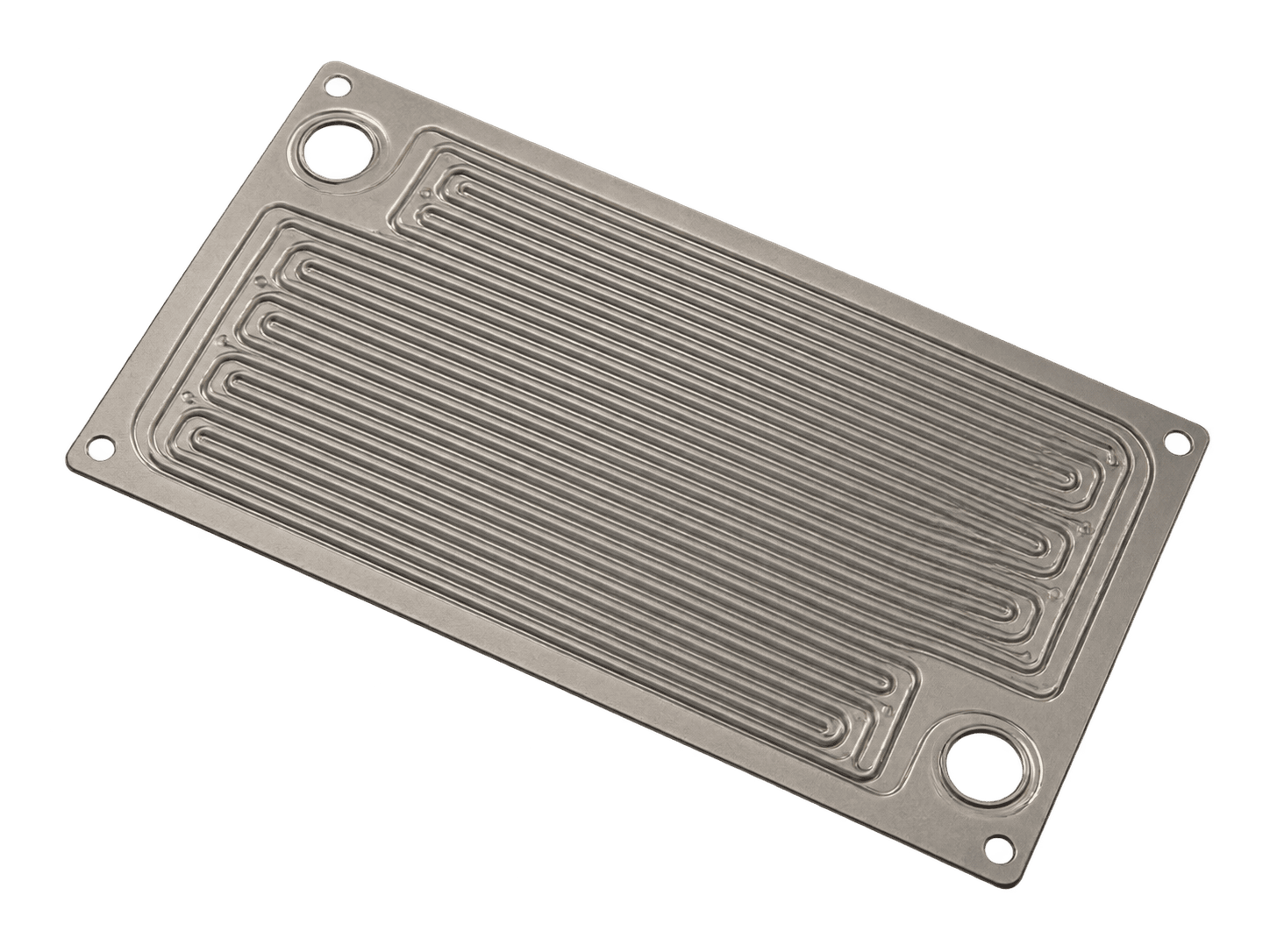
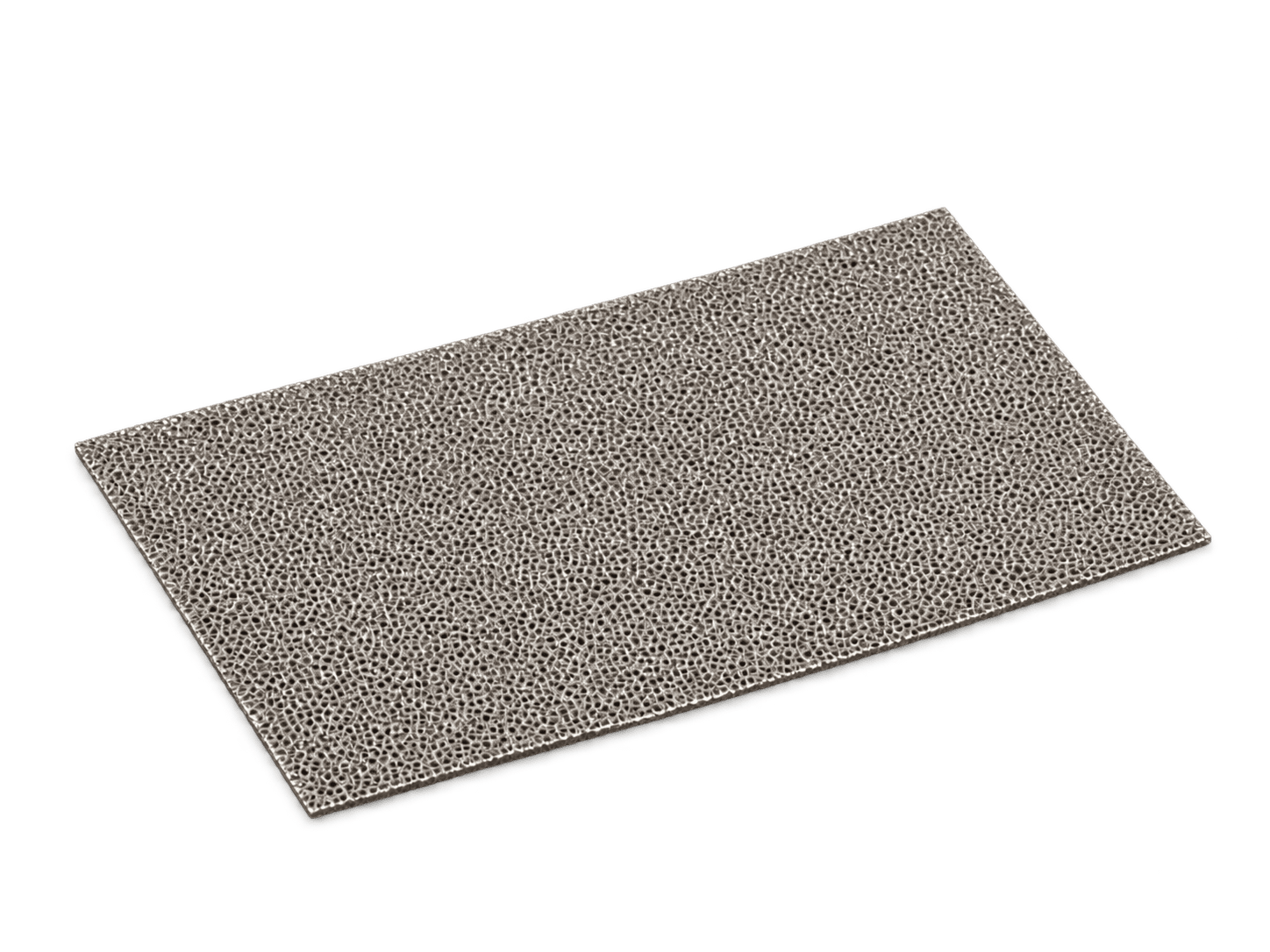
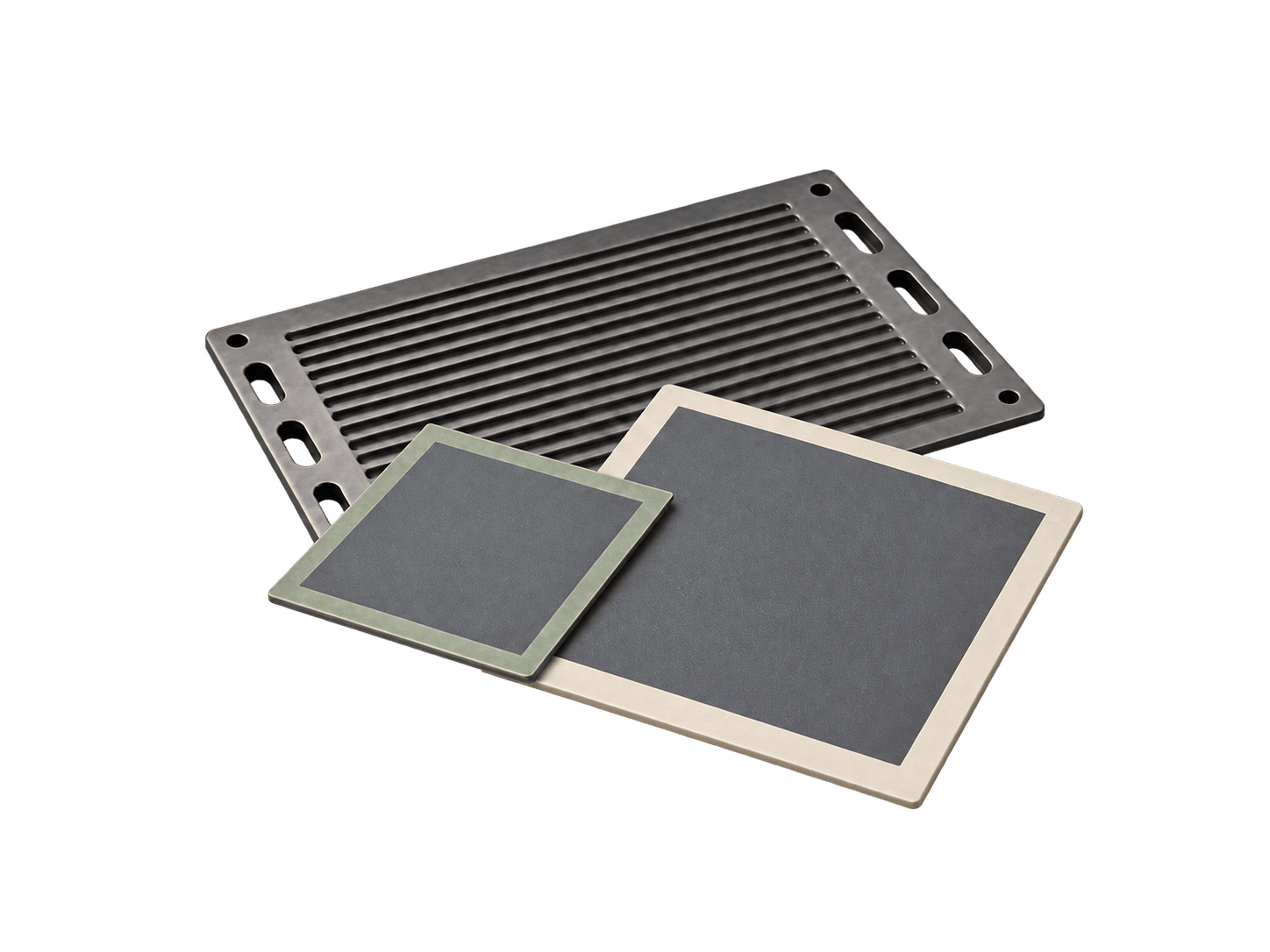
SydroNEXUS™
SydroNEXUS™ strengthens the interfaces that support continuous SOFC power generation and high-temperature SOEC hydrogen production. Protective interconnect coatings help control oxidation and chromium release, while electrolyte barrier and functional electrolyte layers address material compatibility and ionic conduction. These application-specific PVD coatings support more stable cell performance and consistent component quality, helping manufacturers advance stack reliability and repeatable production.
Bring SydroCOAT™ into your supply chain through coated-component contract manufacturing, or integrate selected coating processes into your own facility. Access specialist coating production without establishing a dedicated line, or invest in equipment and process capability for greater control over capacity, scheduling and automation.
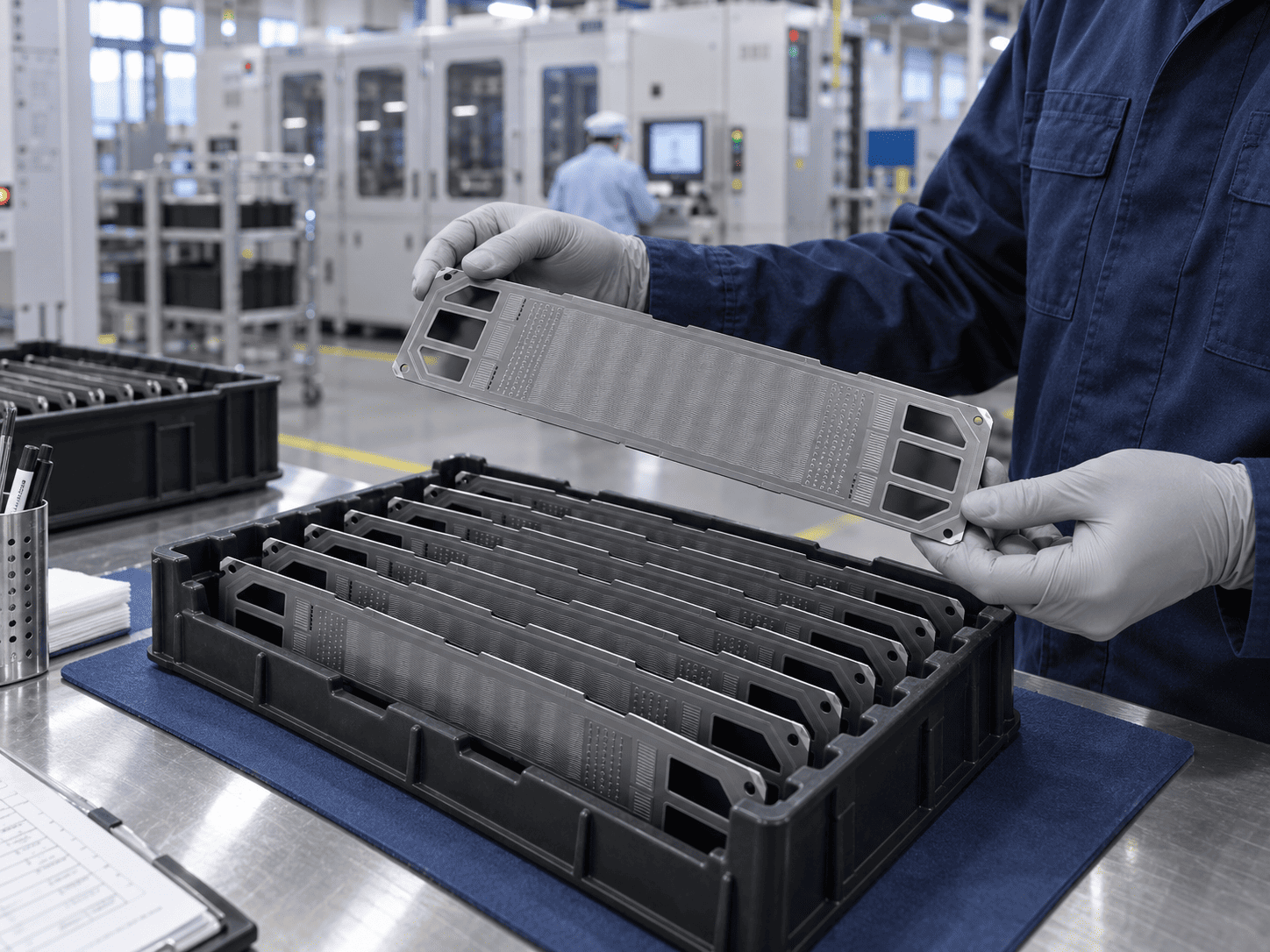
Use Sydrogen’s coating capability to source coated components without building a dedicated coating line. From initial samples to repeat orders, our coating development and production support help you keep engineering resources focused on cell and stack performance while developing the component supply your programme needs.
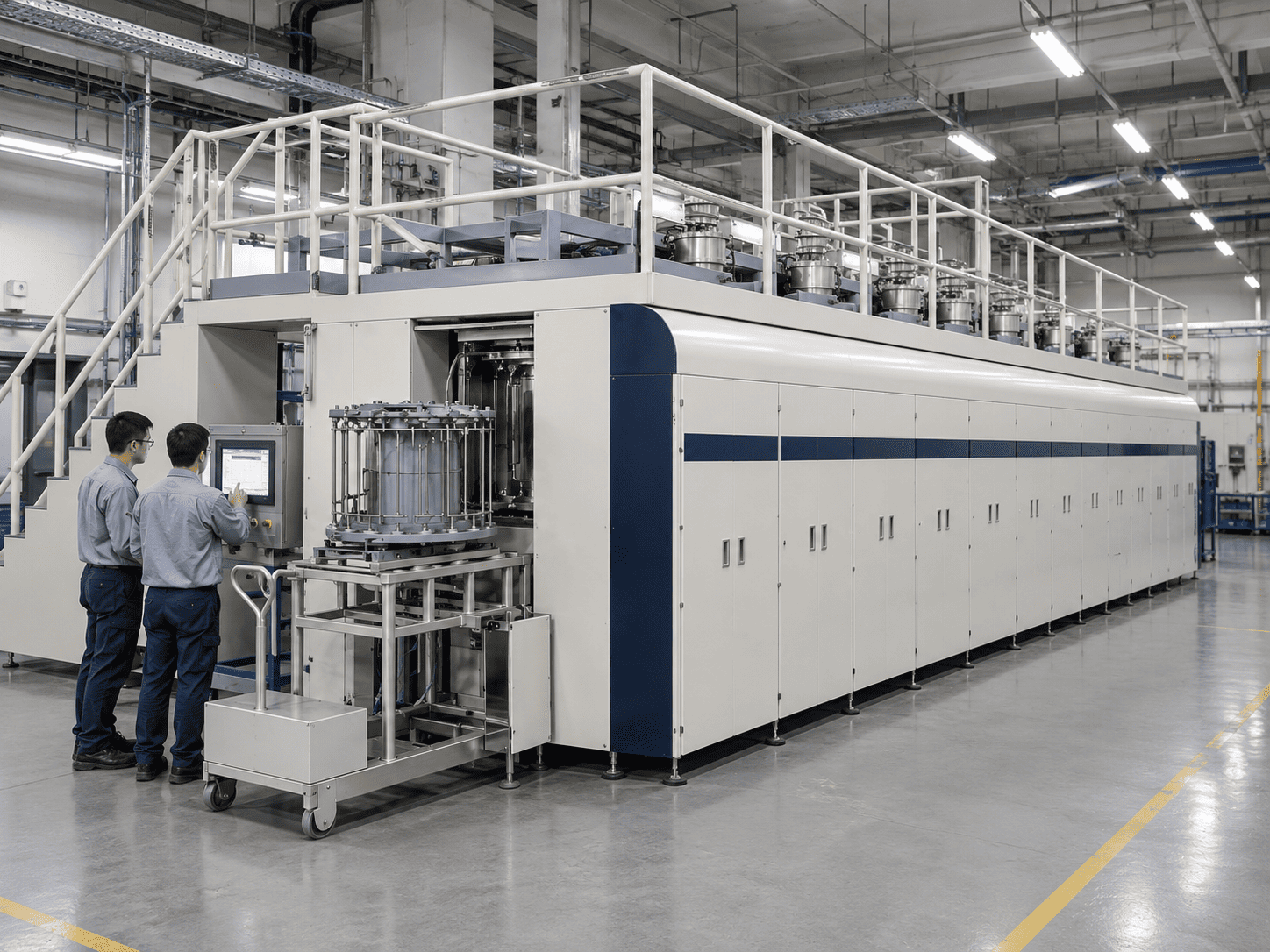
Bring selected SydroCOAT™ processes into your own production with the NTI Dream™ Batch Coating System or NTI Titan™ Inline Coating System. Equipment and process support help you align coating capacity, component handling and automation with your production goals, giving you greater control over manufacturing schedules and coating operations.
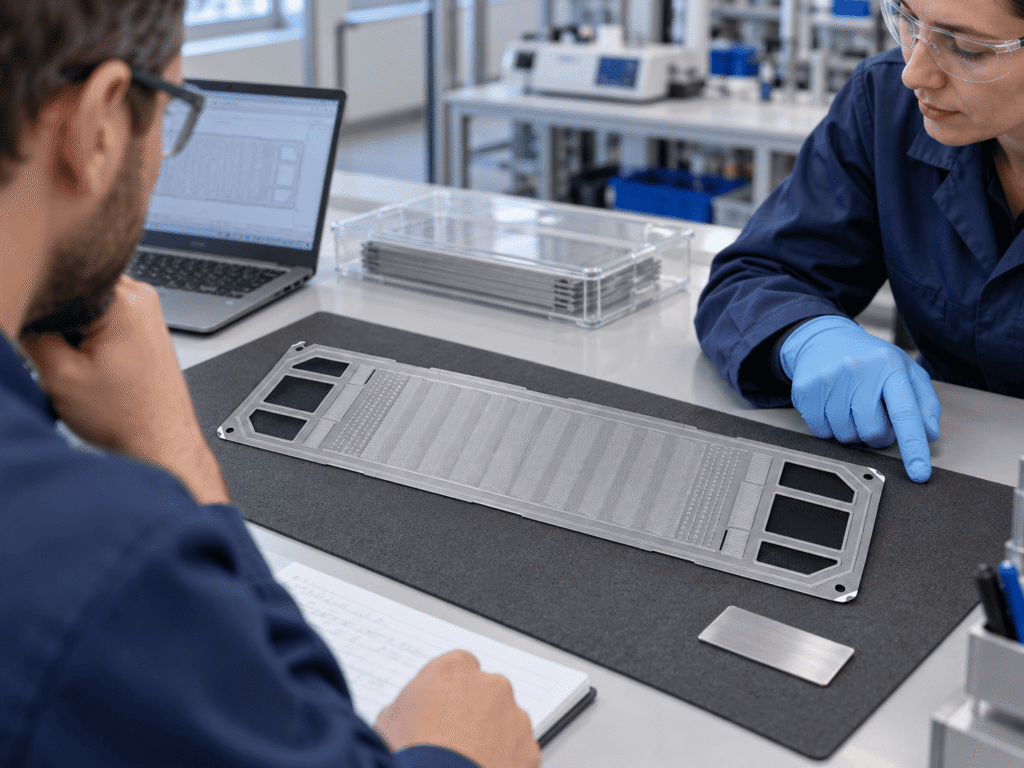
Advance your targets for lower electrical losses, longer operating life and better coating economics with SydroCOAT™. Discuss the coating solution and manufacturing approach that will support your next fuel cell or electrolyser programme.
SydroCOAT is Sydrogen’s coating portfolio for PEM fuel cells, PEM electrolysers, AEM electrolysers and solid oxide cells. It includes SydroGEM™, SydroDIAMOND® and SydroSTAR™ for PEM fuel cell bipolar plates; SydroPEARL® and SydroPEARL® Plus for PEM electrolyser components; SydroALK™ for AEM components; and SydroNEXUS™ for SOFC and SOEC component layers.
Conductive coatings help bipolar plates and porous transport layers maintain low interfacial contact resistance while protecting the underlying metal from corrosion and passivation. This helps limit electrical losses and surface degradation. In PEM fuel cells, controlling metallic-ion release also helps protect adjoining membrane and catalyst components.
SydroGEM™, SydroDIAMOND® and SydroSTAR™ are FCVA-based carbon coatings for PEM fuel cell metallic bipolar plates. SydroGEM™ focuses on coating cost for high-volume SUS316L production. SydroDIAMOND® offers broader substrate compatibility and ZBT-validated performance. SydroSTAR™ addresses extended duty cycles and higher chloride exposure.
SydroPEARL® is the platinum-free coating for titanium PEM electrolyser bipolar plates. SydroPEARL® Plus is the low-platinum option for titanium and SUS316L bipolar plates, and titanium porous transport layers. Both are designed to retain low contact resistance after acidic, high-potential exposure; the platinum-free option does not extend to every component.
SydroALK™ is a nickel-based PVD coating available for co-development with AEM electrolyser and component manufacturers. It targets conductive surface protection for stainless steel bipolar plates and stainless steel or nickel porous transport layers, helping address corrosion, passivation and rising contact resistance in alkaline operation.
SydroNEXUS™ covers interconnect protective and contact layers, electrolyte barrier layers and functional electrolytes for solid oxide fuel cells (SOFC) and solid oxide electrolysis cells (SOEC). These coatings have distinct roles: controlling oxidation and chromium release, limiting unwanted material reactions, and forming dense ionic-conducting electrolyte films.
Yes. Sydrogen supports coated-component supply, connecting coating development and component evaluation with repeat production. This enables manufacturers to access coating capability without establishing a dedicated coating operation. The coating application, component and production requirement define the supply scope.
Yes. Selected SydroCOAT processes can be transferred through configurable batch or inline coating systems, with equipment and process support. The NTI Dream™ Batch Coating System supports mixed loads and flexible production, while the NTI Titan™ Inline Coating System supports higher-volume processing with integrated handling and automation.
Begin with the cell technology, component type, substrate material and the performance or cost objective. Component dimensions, operating conditions, expected volume and qualification timing help define the coating and manufacturing approach. A final coating specification is not required to start a discussion with Sydrogen.