Ultra-thin protection helps cutting edges, microtools and precision interfaces retain the geometry that controls performance.

Powered by proprietary FCVA, NTI TAC Protect™ delivers ultra-hard, ultra-dense hydrogen-free ta-C with up to 88% sp³-bonded carbon, hardness up to 5,500 HV, dry friction ~0.1 and selected coating temperatures below 80°C.
When edge wear, high contact pressure, material transfer, particles or process heat begin to compromise precision and output, NTI TAC Protect™ helps preserve the geometry, motion and surface condition needed for stable performance.
Ultra-thin protection helps cutting edges, microtools and precision interfaces retain the geometry that controls performance.
High hardness and dense carbon protection strengthen the surface under severe pressure, abrasion and repeated sliding.
Low friction and smooth surfaces can reduce sticking, deposits, burrs and wear debris in critical production interfaces.
Selected low-temperature routes widen the protection pathway for aluminum, polymers, elastomers, ceramics and thin parts.
At the working interface, hardness alone is not enough. Friction, material transfer, coating build and process heat determine whether the component keeps its intended geometry and function. NTI TAC Protect™ is engineered to widen that operating window, so engineers can push wear resistance, sliding behavior and dimensional control further without solving one surface problem by creating another.
Adds wear margin in a thin layer, helping protect edges and tight tolerances under severe contact.
Forms a compact ta-C surface that resists penetration and limits wear debris or transferred material at the interface.
Forms a compact ta-C surface that resists penetration and limits wear debris or transferred material at the interface.
Extends ta-C protection to selected heat-sensitive substrates and precision parts that cannot accept higher process heat.
Values are representative of selected NTI TAC Protect™ grades and defined test conditions. Final performance depends on the product variant, substrate, coating thickness, surface finish, counterface, load, speed, media and operating temperature.
NTI Nanofilm’s proprietary Filtered Cathodic Vacuum Arc directs a highly ionized carbon plasma through a magnetic filter before deposition. The controlled ion stream supports dense hydrogen-free ta-C, reduced macroparticles and low process temperatures for selected components.
The cathodic arc produces a high-energy carbon plasma for advanced ta-C film growth.
The curved magnetic field separates macroparticles from the carbon deposition stream.
Ion energy, thickness, surface preparation and process conditions are adjusted for the component.
The filtered plasma forms a dense hydrogen-free ta-C layer while selected routes keep process heat low.
Tell us what needs to improve at the working surface, how the part interacts in use and the requirement the coating must respect. You do not need to know the coating name. The selector uses these three answers to bring forward the NTI TAC Protect™ routes most relevant to your application.
Each NTI TAC Protect™ solution is engineered for a distinct combination of load, movement, material and geometry. Compare the application role, relative performance profile and typical technical window of the five published variants in one place.
Representative values are based on defined coating and test conditions. Final coating selection, substrate suitability and performance depend on material grade, heat treatment, geometry, surface preparation, coating thickness, counterface, lubrication, temperature, environment and application validation. Other substrate materials may be evaluated according to application and process requirements.
NTI Nanofilm supports coating characterization and application-relevant testing to confirm the functional layer, surface condition and tribological response against an agreed engineering target.
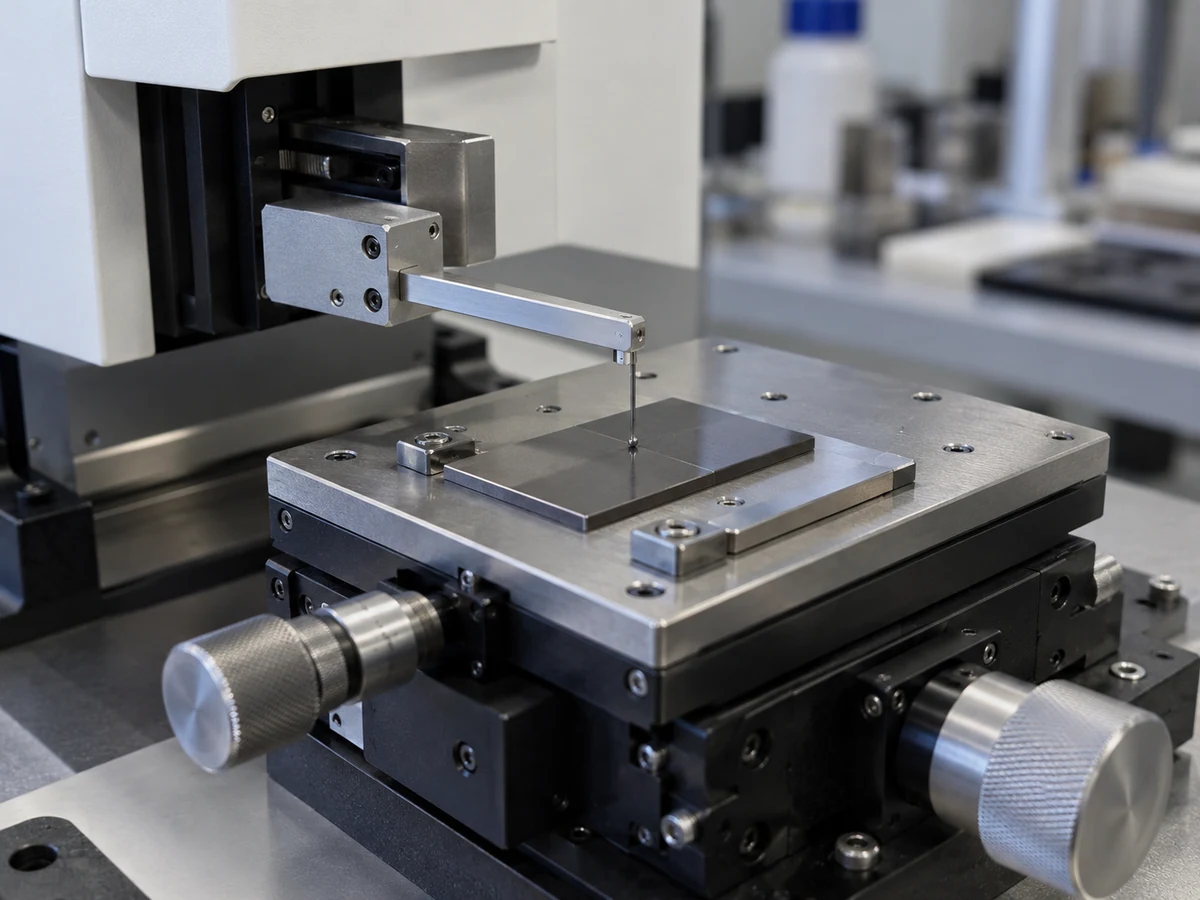
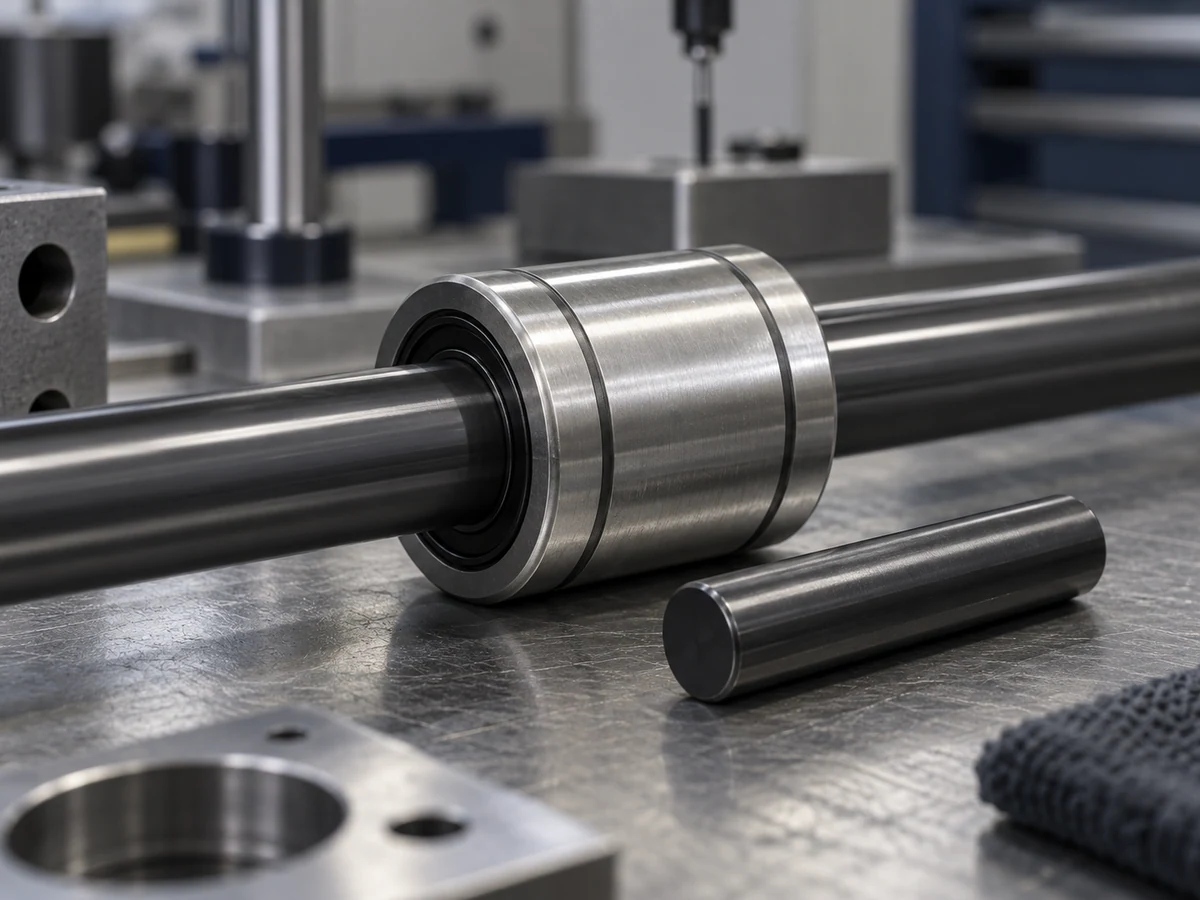
Thickness measurement confirms that the functional layer remains within the agreed dimensional window across representative areas of the component.
Available methods include
Ball crater measurement, stylus profilometry and cross sectional optical or SEM microscopy can be selected to evaluate local thickness, layer construction and uniformity. Methods are selected around the component geometry and agreed measurement plan.

Adhesion testing helps determine whether the coating remains securely bonded under progressive load and whether failure is cohesive, interfacial or substrate related.
Available methods include
Progressive load scratch testing and Rockwell indentation can be used to assess critical load, cracking, delamination and bond integrity on representative test pieces. Recognized references may include ASTM C1624-22 and VDI 3198 where applicable.

Instrumented indentation confirms coating hardness and mechanical response at a controlled load, supporting comparison between the qualified coating window and production samples.
Available methods include
Nanoindentation can measure hardness, indentation modulus, penetration depth and test point repeatability at agreed loads and hold times. Recognized references may include ASTM E2546-15(2023) or an agreed instrumented indentation procedure.
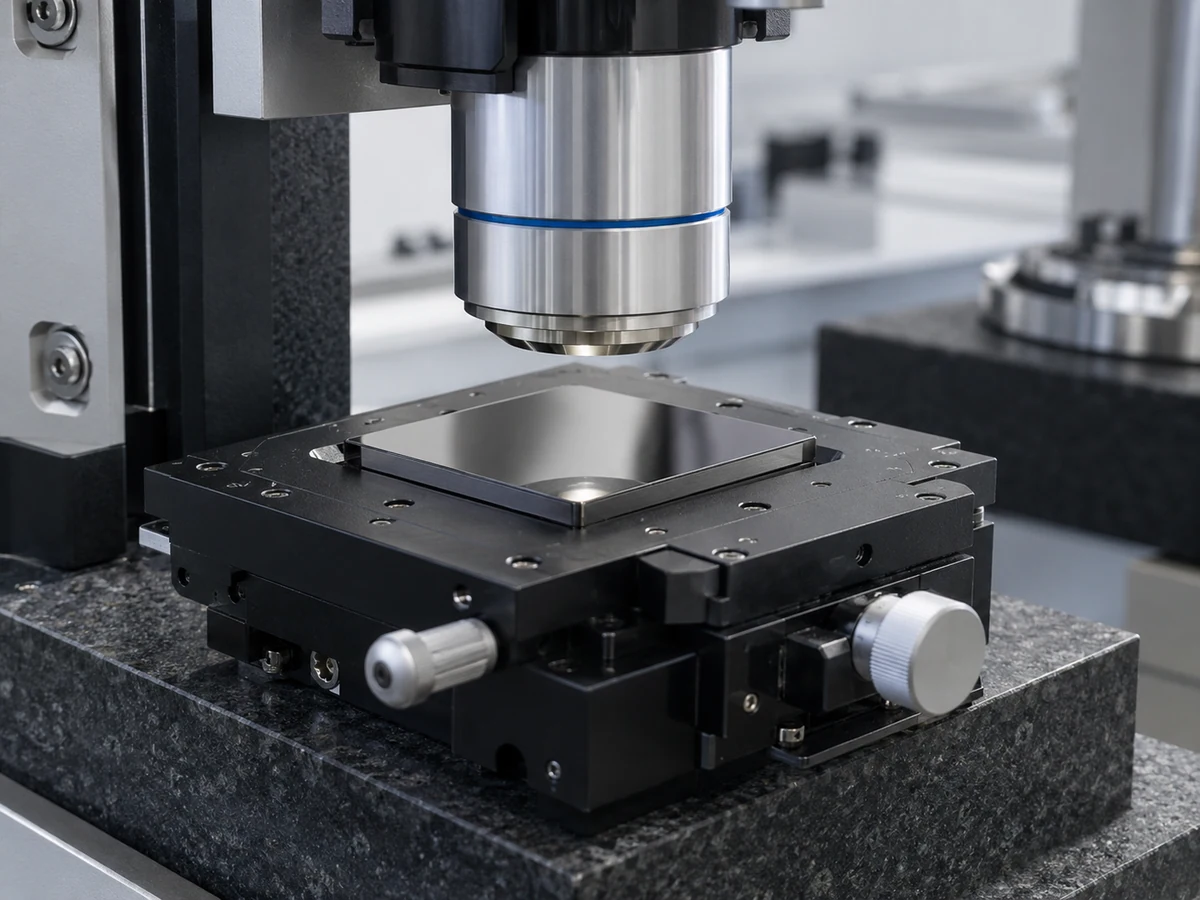
Surface measurements verify that the coating preserves the finish, edge condition and functional texture needed for low friction, release or precision contact.
Available methods include
Stylus profilometry, confocal microscopy, AFM or SEM top view imaging can evaluate Ra, Rz, Rpk, macroparticles and local surface features. Recognized references may include ISO 25178 where applicable.

Material characterization helps confirm that the deposited carbon structure and elemental composition remain consistent with the intended ta-C solution.
Available methods include
Raman spectroscopy, SEM EDX and other carbon structure methods may be selected in house or coordinated through qualified facilities according to the information required. The method and acceptance criteria are defined for the engineering objective and are not presented as third party certification.
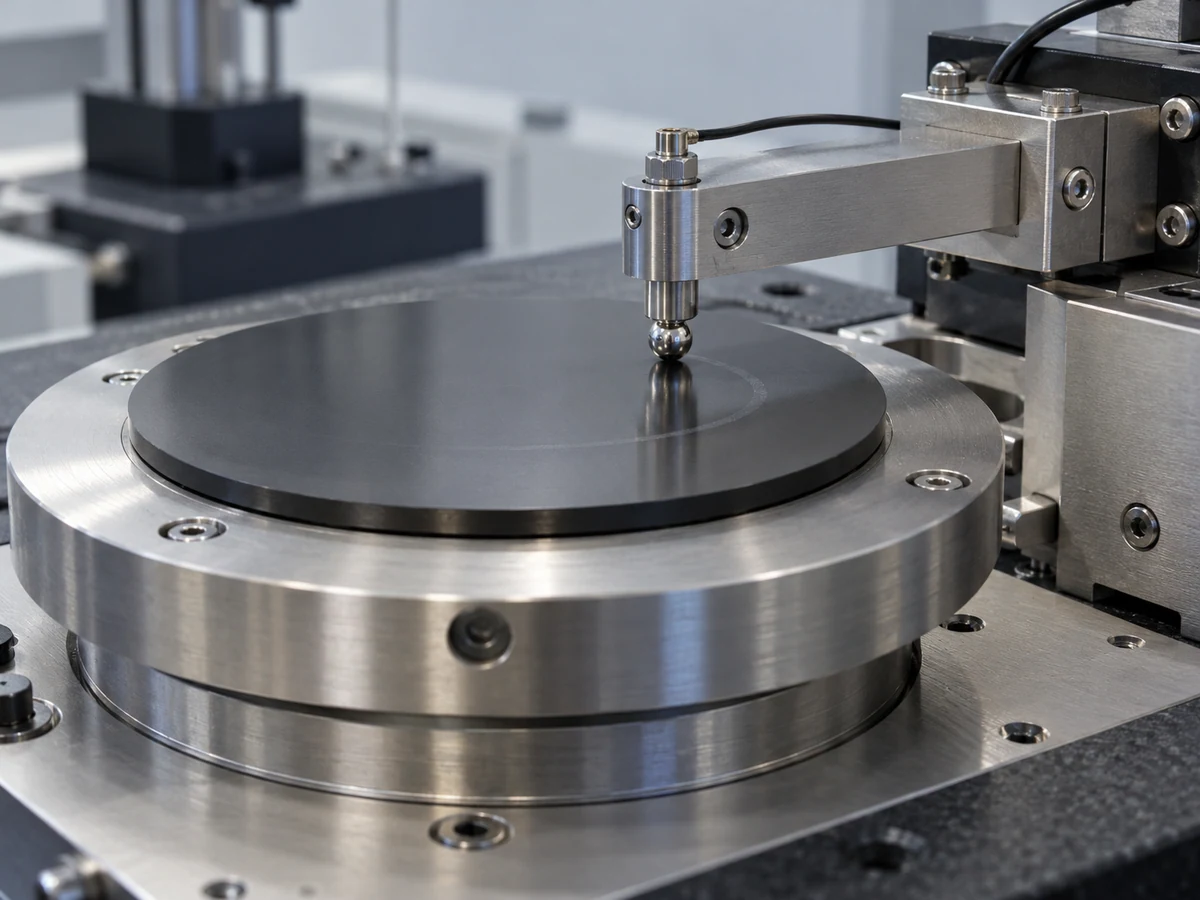
Tribological and environmental testing checks how the coating behaves against the selected counterface, movement and exposure condition rather than relying on a generic friction value.
Available methods include
Ball on disc or reciprocating friction testing, wear track measurement, salt spray exposure and application cycle testing can be configured around the component failure mode. Recognized references may include ASTM G77-17 and ASTM B117 where relevant to the test configuration.
NTI Nanofilm provides testing and characterization support for coating development and application qualification. Testing may be performed in-house or coordinated through qualified facilities, depending on the site and project scope. Results may reference recognized test methods where applicable and do not constitute third-party product certification.
Across these applications, wear is rarely the only failure mode. Friction, adhesion, surface roughness, coating build, heat and media exposure can change component function long before the part breaks. NTI TAC Protect™ uses FCVA-engineered hydrogen-free ta-C to widen the surface-performance window where conventional DLC, metallic or ceramic coatings can force compromises between hardness, friction, thickness and temperature.

PCB drills and microtools lose accuracy when abrasive fillers wear the edge and softened resin adheres to the flute. Hard coatings can add thickness, while conventional DLC typically offers less wear margin. NTI TAC Protect™ uses ultra-thin, high-sp³ ta-C to suppress edge wear and resin pickup while preserving the geometry that controls burrs, nail heading and hole-wall quality.
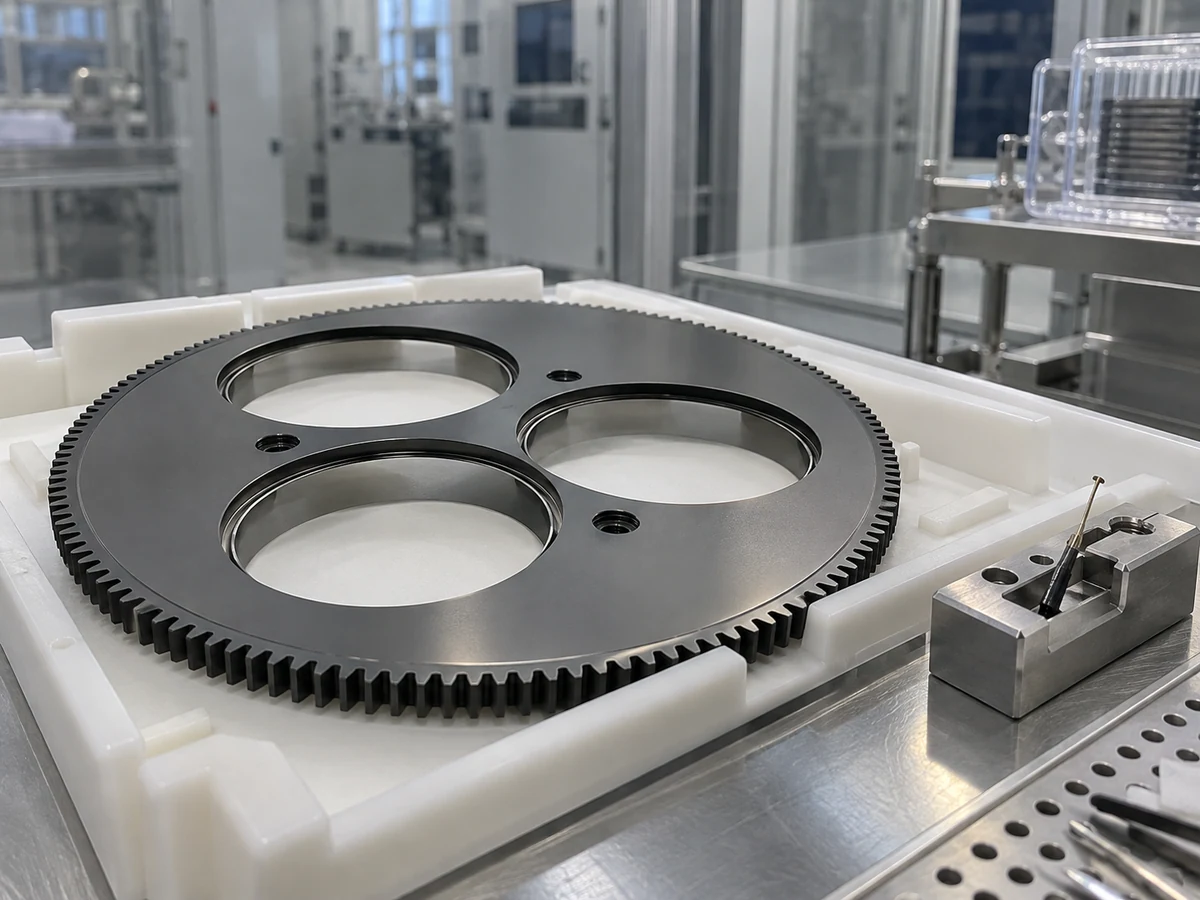
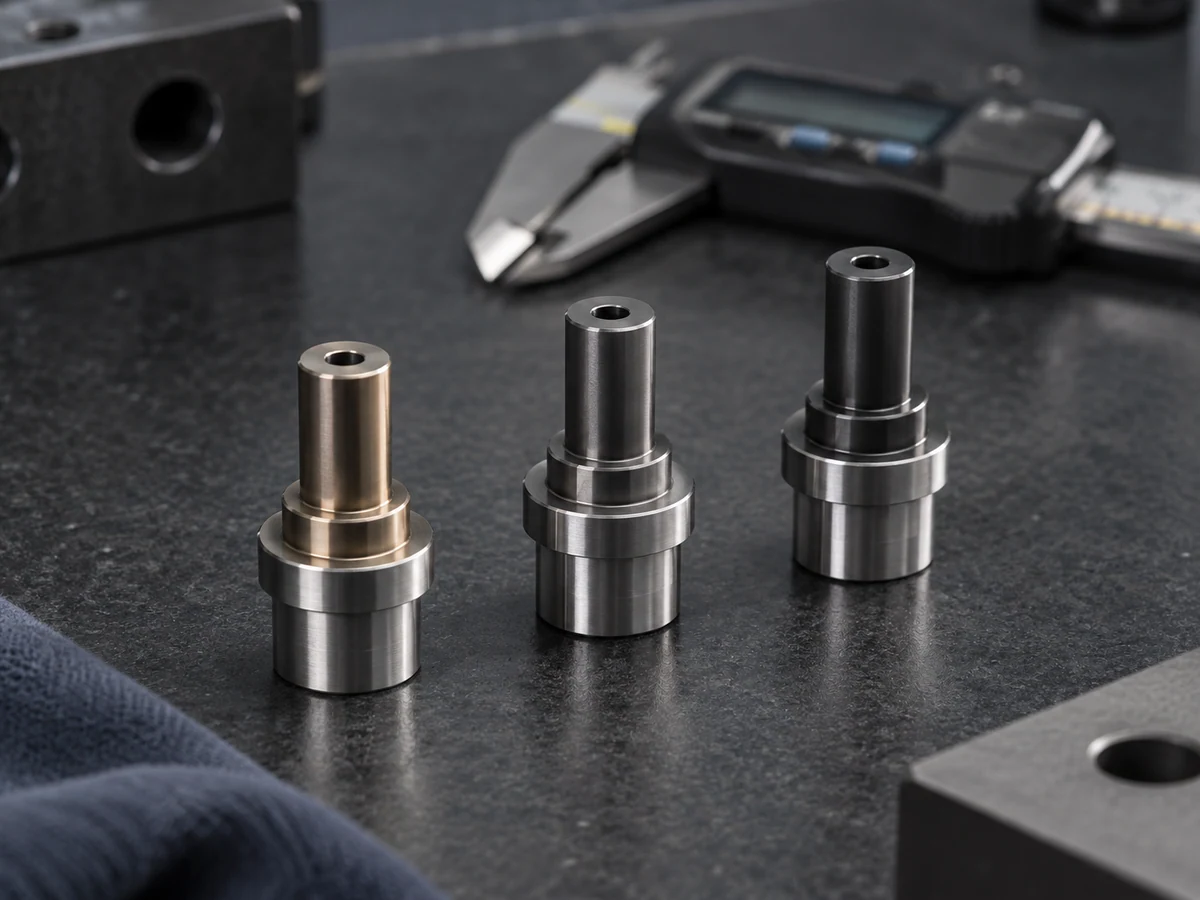
Lapping carriers, bonding tools and trim-form tooling can drift through slurry abrasion, metal pickup and wear debris before bulk failure is obvious. Conventional DLC may lack wear margin, while ceramic hard coatings do not directly address surface interaction. NTI TAC Protect™ forms dense, smooth ta-C that limits pickup and debris while maintaining positioning, bonding and dimensional control.
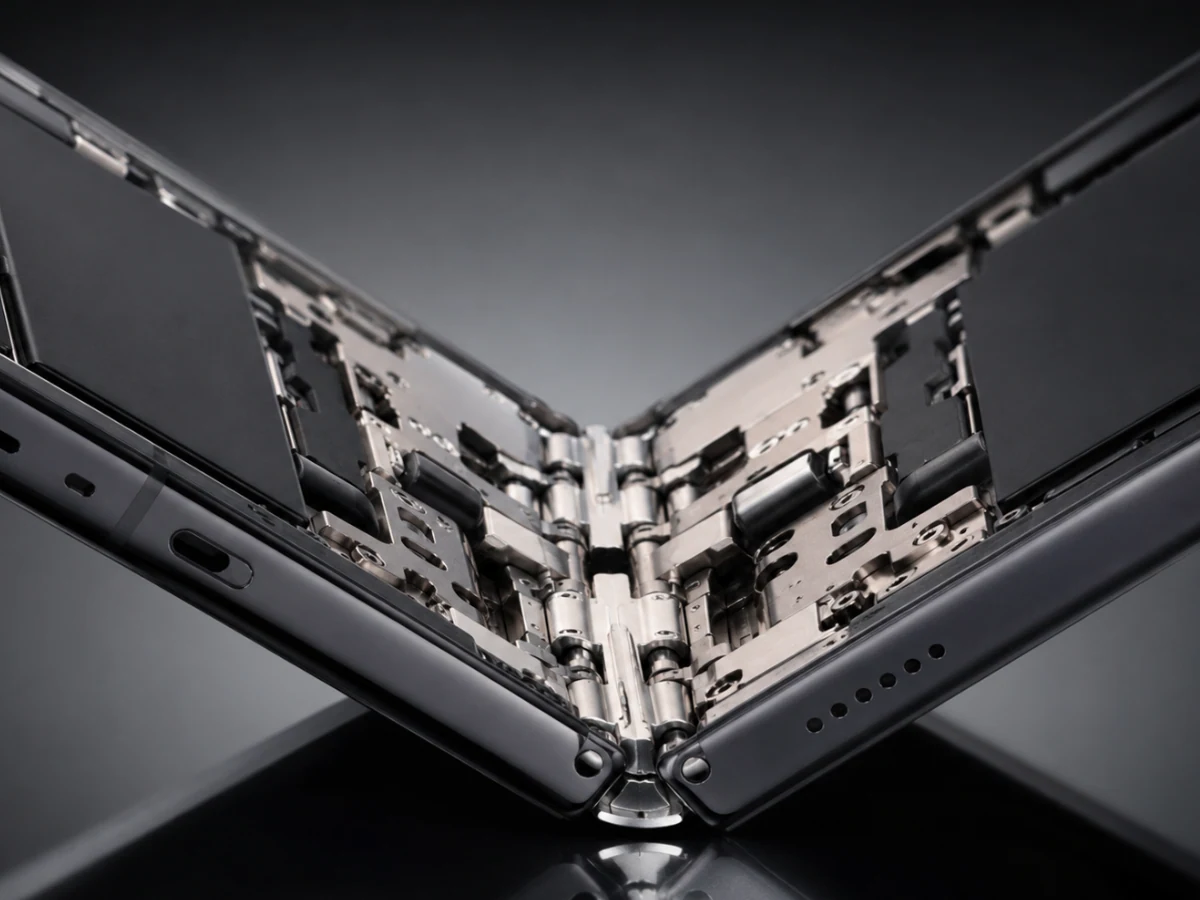
Foldable and notebook hinges are torque-control interfaces: small changes in friction or clearance alter opening feel and free-stop behavior. Grease manages friction but not wear, while thicker hard coatings consume tight clearances. NTI TAC Protect™ places thin, hard, low-friction ta-C at the sliding contact to help stabilize torque and preserve hinge geometry through high-cycle articulation.
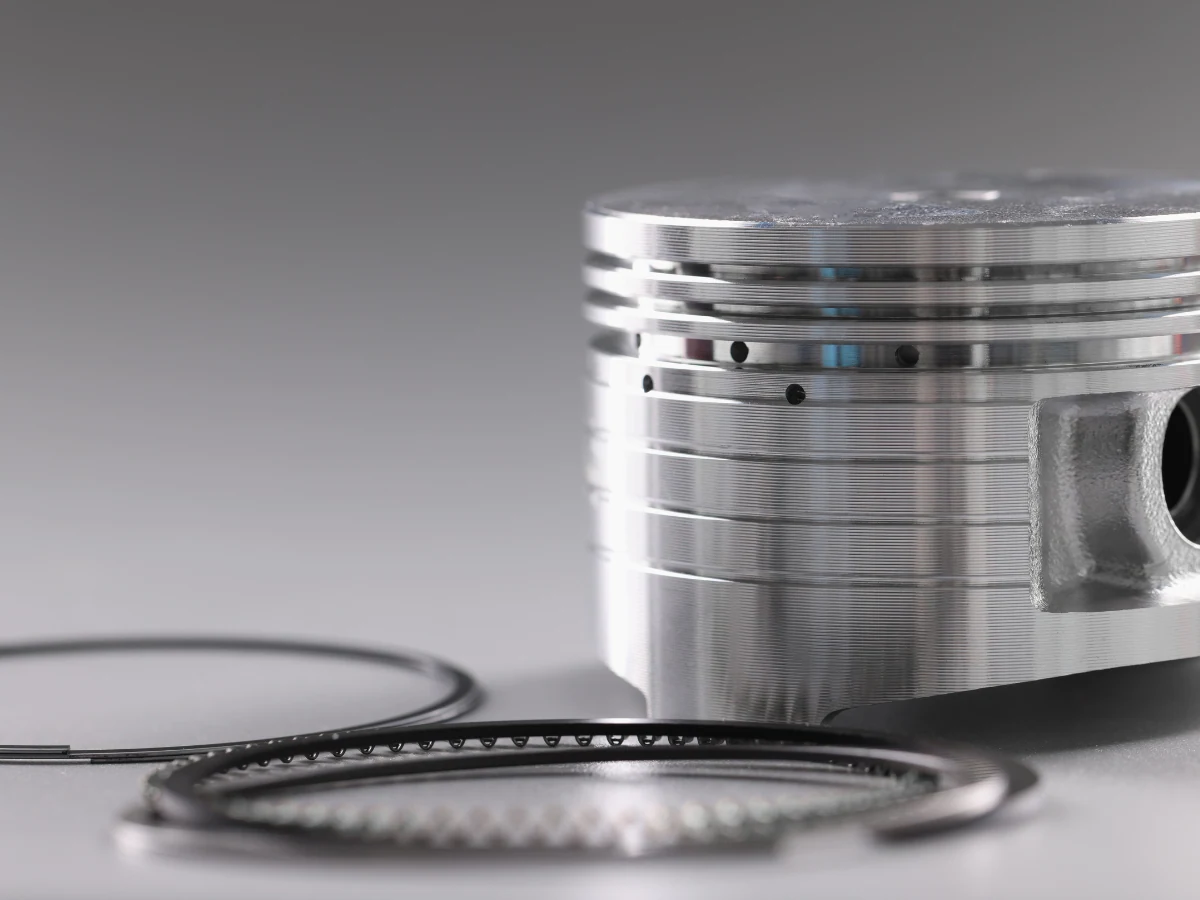
Fuel-injection plungers, piston rings and pins operate in mixed or boundary lubrication where scuffing and friction losses are coupled. Conventional DLC lowers friction but may lack hardness under severe contact; ceramic coatings add hardness but can leave friction unresolved. NTI TAC Protect™ combines very high hardness with low friction to widen the operating margin against scuffing, wear and sliding loss.
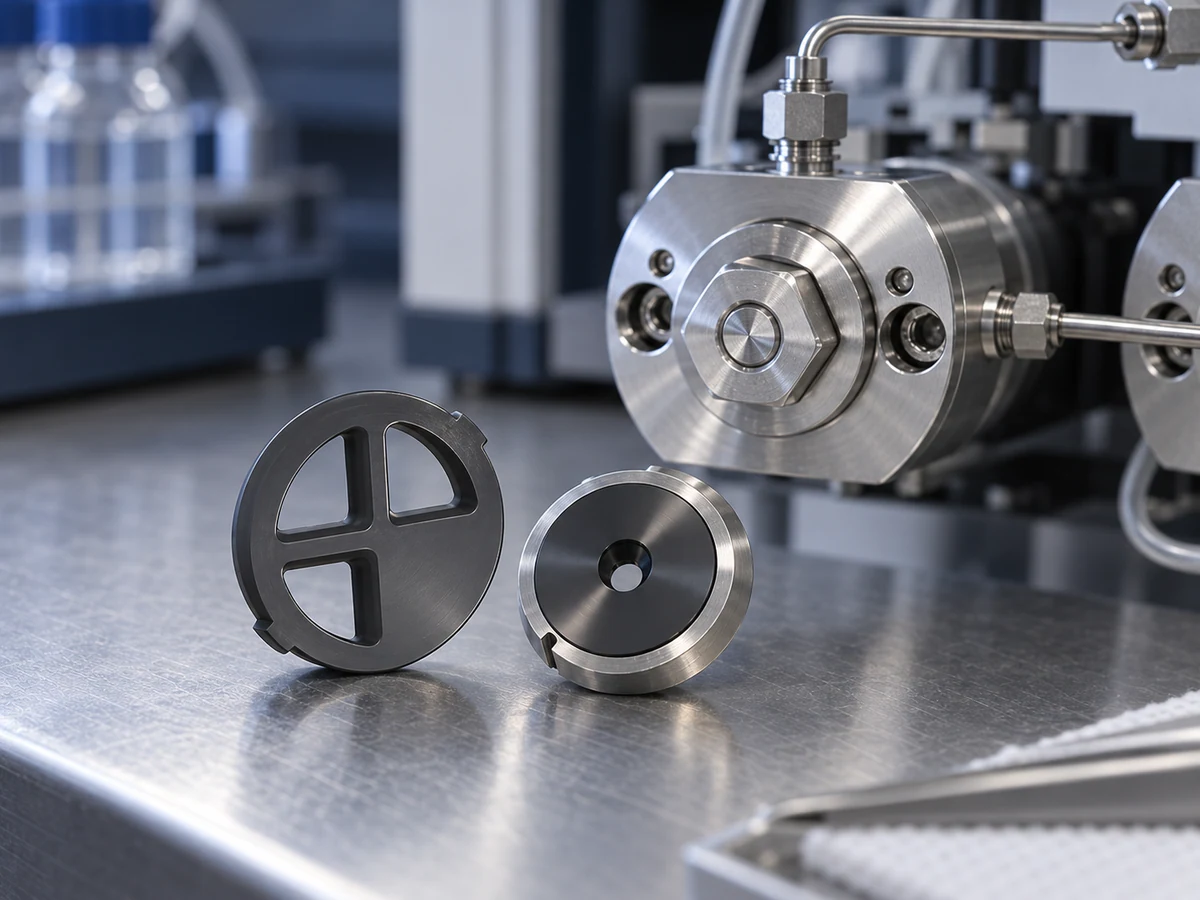
HPLC valves need low roughness, low friction and chemical resistance at the same surface. Conventional DLC may need further finishing to reach demanding roughness targets, while corrosion-focused treatments do not solve sliding friction. NTI TAC Protect™ uses filtered FCVA to form very smooth, hard ta-C, reducing dependence on post-polishing while supporting sealing performance and broader solvent use.

Forming and molding tools often fail through abrasion and material sticking together. Ceramic hard coatings address wear but can still allow transfer; conventional DLC reduces sticking with less wear margin. NTI TAC Protect™ combines high hardness, low friction and low surface interaction in a thin ta-C layer, helping control wear, pickup and stripping force without consuming critical tool geometry.
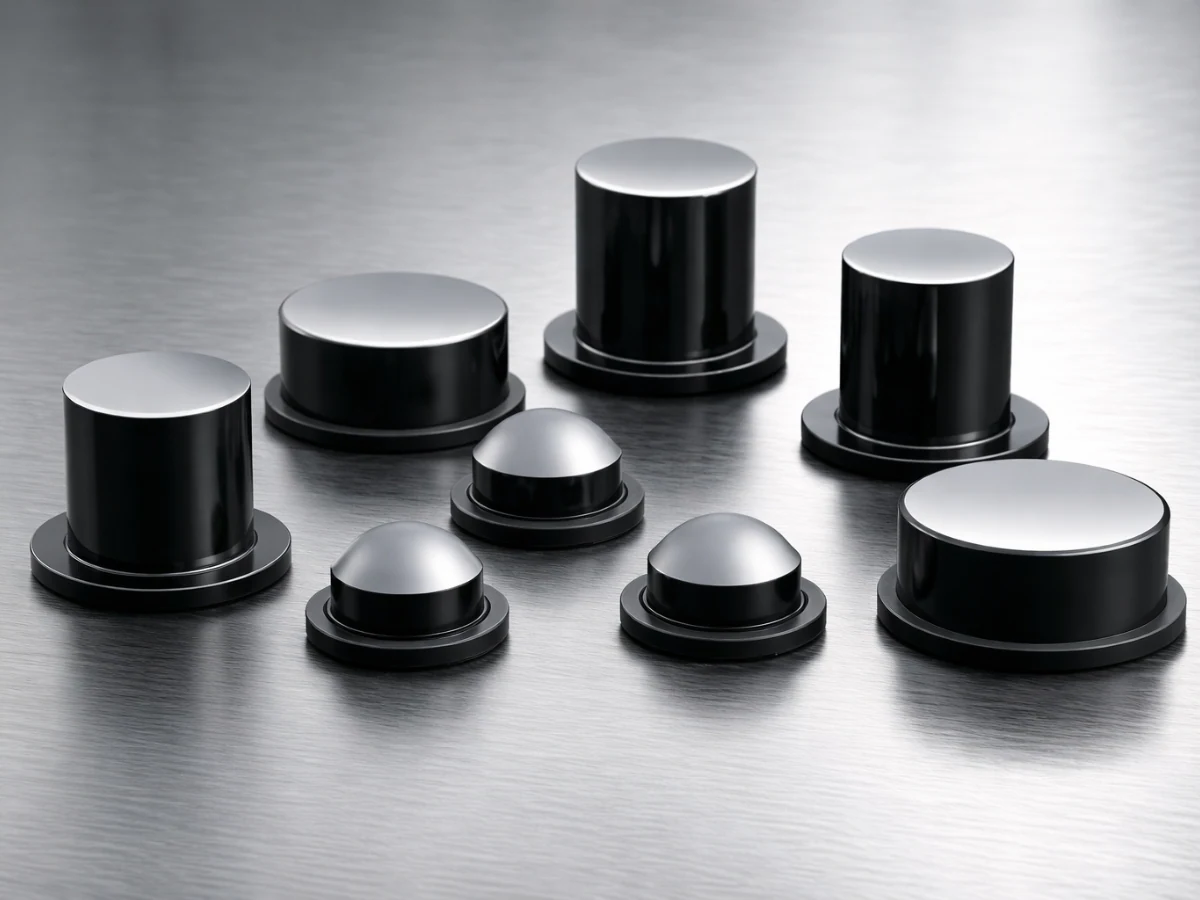
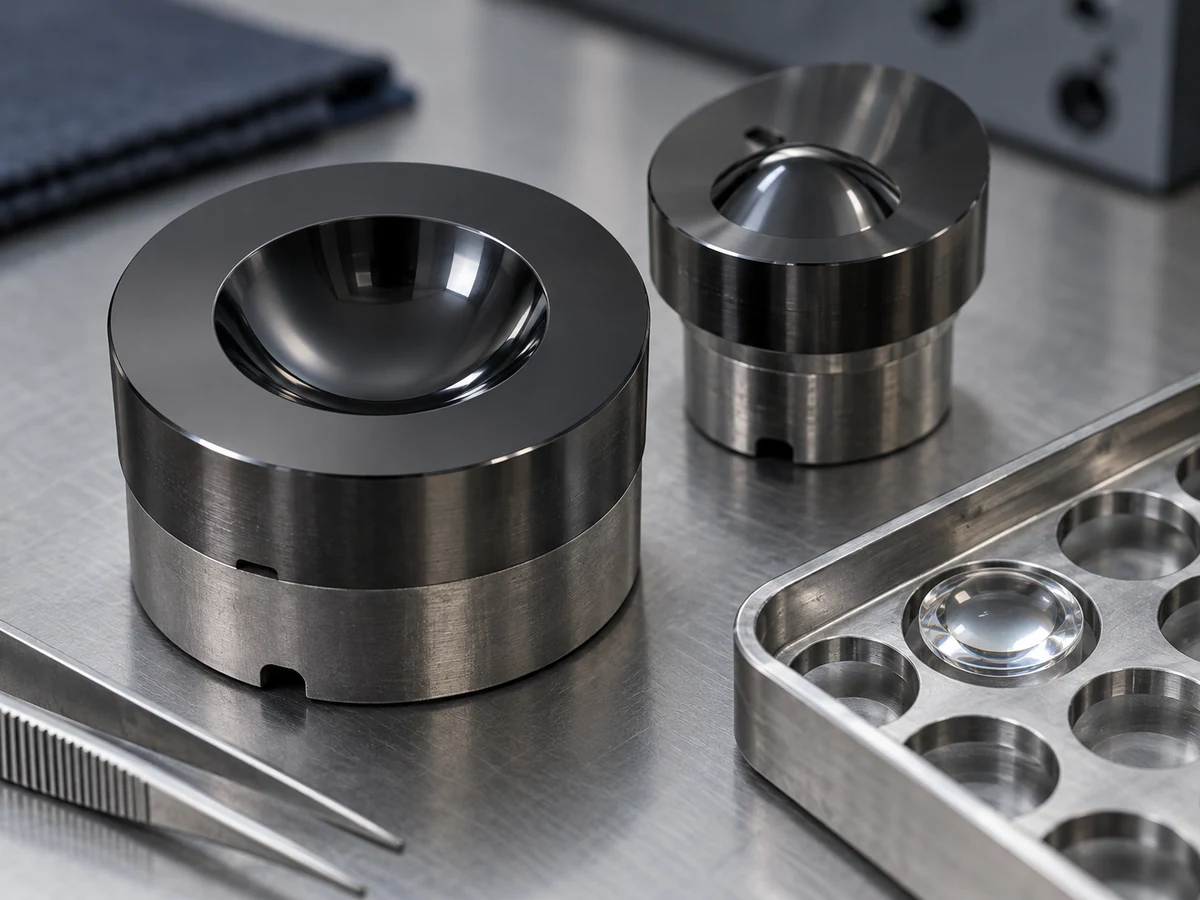
Precision glass molds have long used noble metals for high-temperature stability, but cost and wear remain concerns; conventional DLC can face graphitization and thermal-stability limits as temperature rises. High-sp³ hydrogen-free ta-C provides a harder, more chemically inert carbon route. NTI TAC Protect™ applies it in an ultra-thin layer to support release, resist wear and preserve optical form.
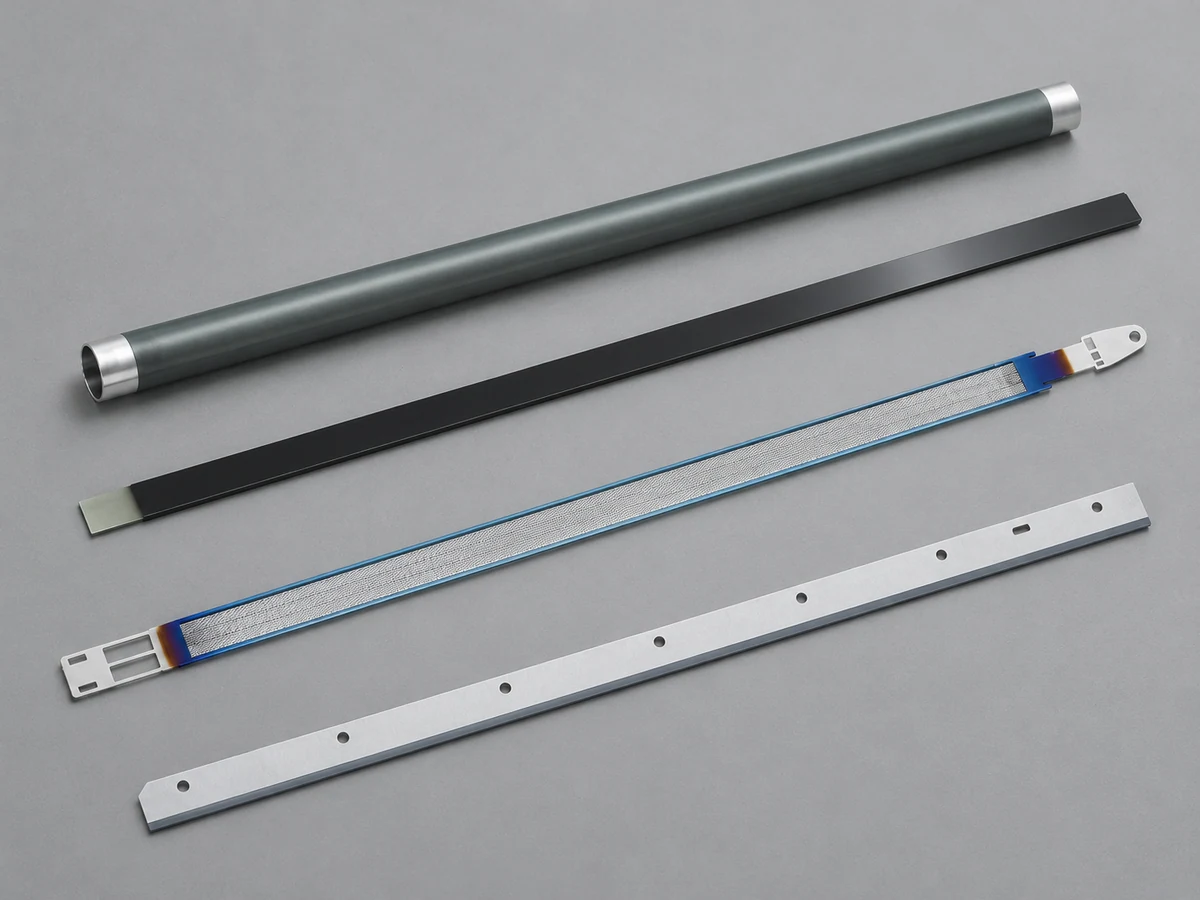
Printer blades, rollers, grids and fusing interfaces face toner adhesion, sliding wear, ozone-related corrosion and heat. Conventional hard coatings usually address only part of this surface problem. NTI TAC Protect™ uses hard, low-friction, low-adhesion ta-C to reduce toner pickup and wear, with selected low-temperature processing for precision parts across developing, fusing and cleaning units.
Choose a load-lock, configurable batch or high-volume inline system to match your component sensitivity, production mix and required output.
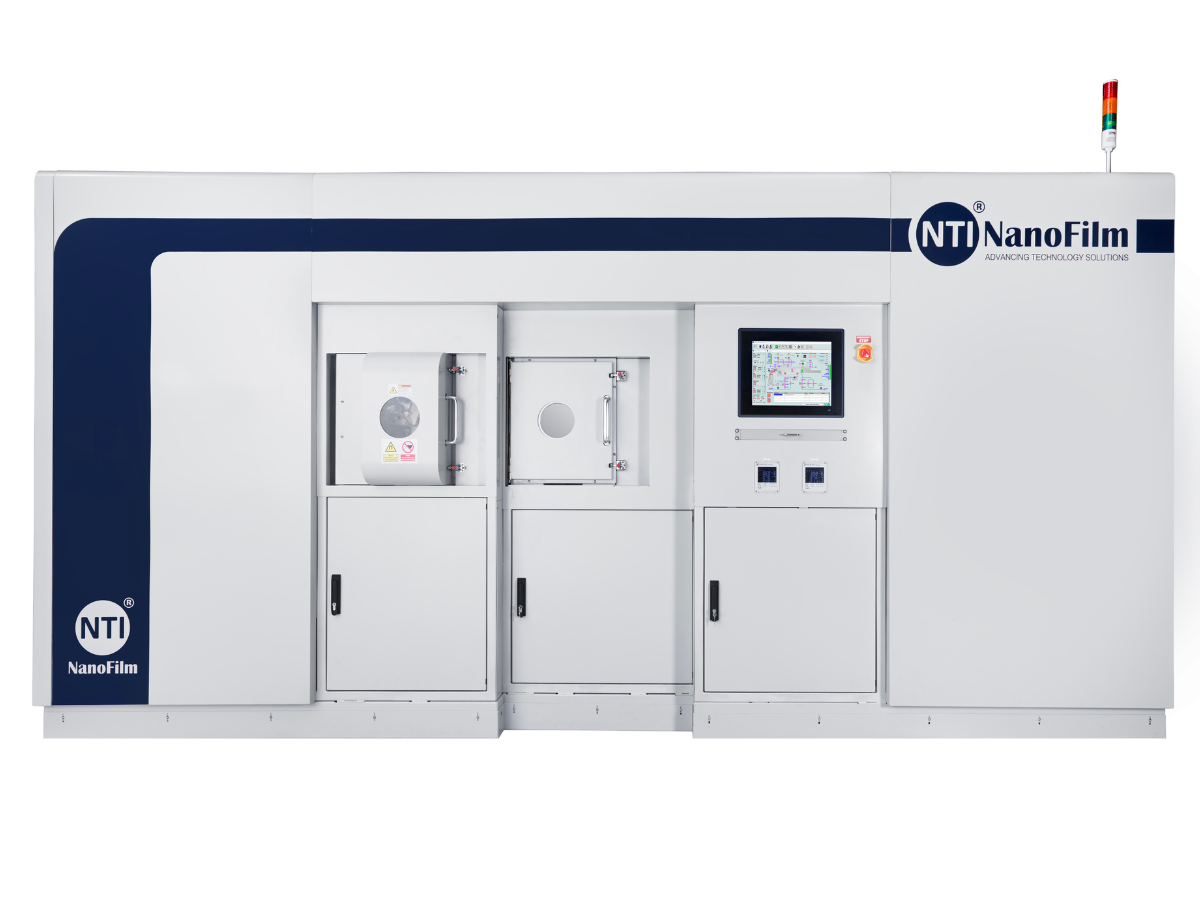
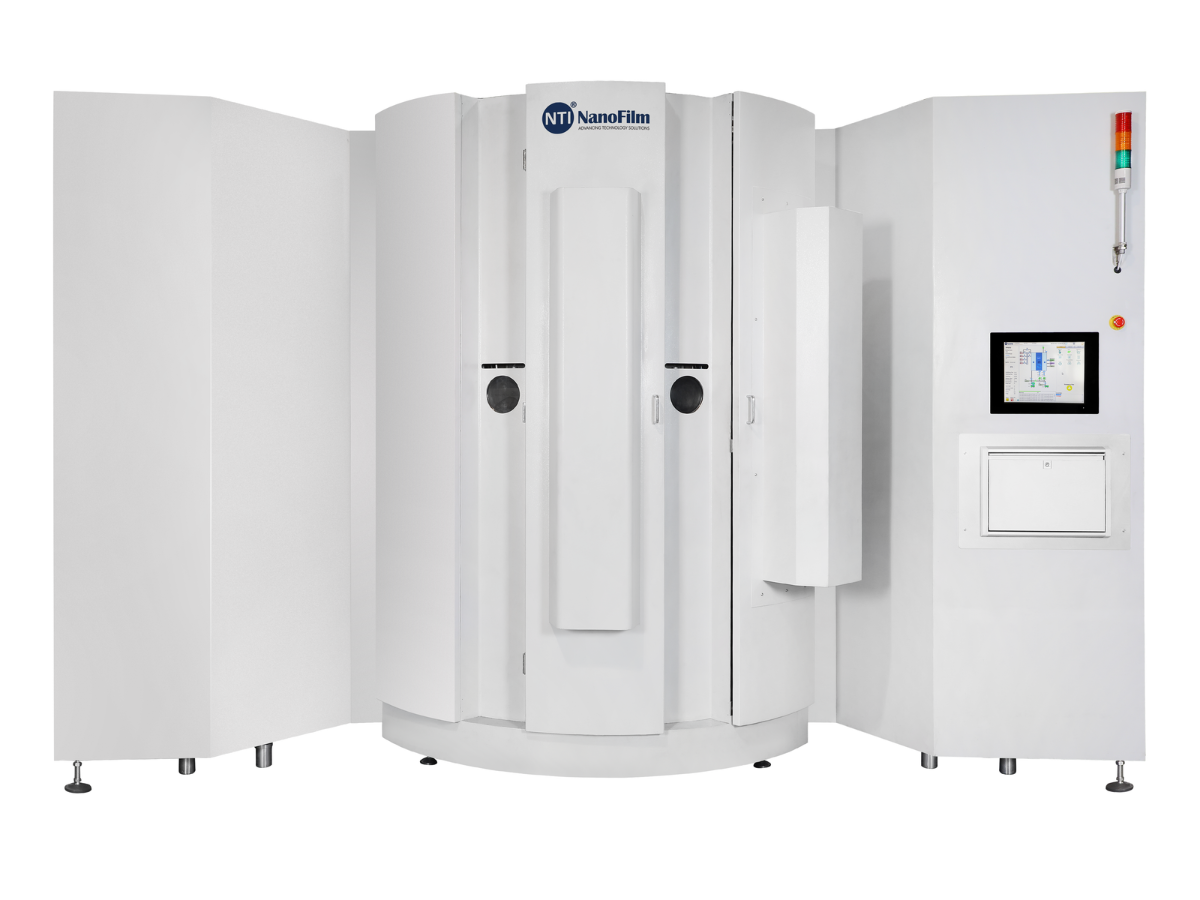
Begin with the component and the result that needs to improve. NTI Nanofilm connects engineering, validation, production transfer and, where practical, decoating and recoating within one service pathway.
Review the component, substrate, counterface, movement, load, lubrication, environment, current limitation and required improvement.
Select the appropriate NTI TAC Protect™ route and match thickness, process temperature, preparation and supporting architecture to the application.
Assess representative parts through coating measurements and application-relevant performance indicators.
Establish qualified parameters, fixturing, inspection and acceptance criteria for consistent coating delivery.
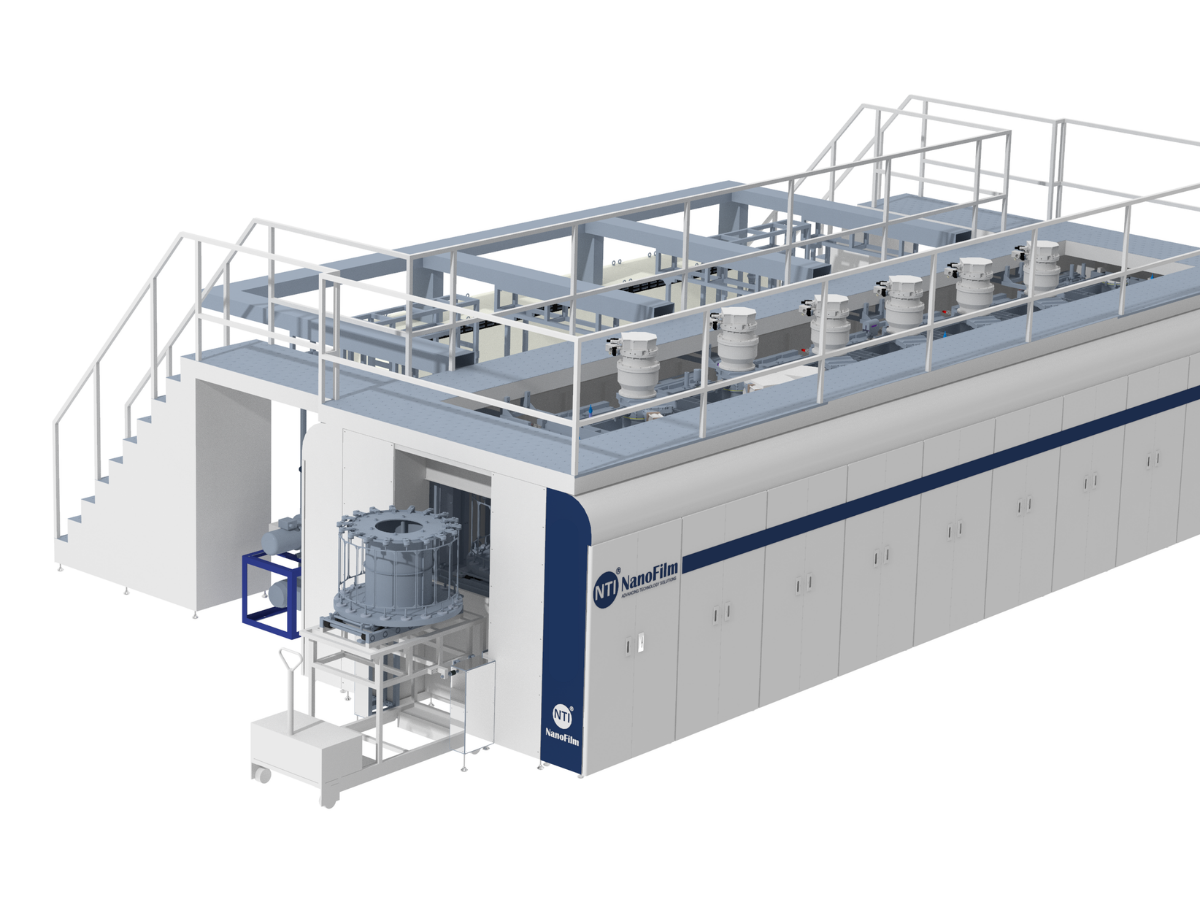
An inline system for high-volume FCVA coating integrated into the production flow. Handling, coating time, loading architecture and automation are configured around required output and process control.
A semiconductor packaging substrate producer needed to preserve hole quality while extending micro-drill life. The featured success story shows how the ultra-thin ta-C surface of NTI RainbowTAC™ Protect can strengthen edge retention and delay burr onset without changing the drill geometry.

Explore application stories, related NTI Protect™ solutions and technical insights that show how advanced coatings can improve performance across different components and operating conditions.

Bring us the component, substrate and operating conditions. Together, we can identify the NTI TAC Protect™ solution best aligned with longer service life, more stable performance and a clear path to sample evaluation.
Yes. Tetrahedral amorphous carbon, or ta-C, is a hydrogen-free class of diamond-like carbon with a high proportion of sp³-bonded carbon. Compared with many hydrogenated DLC coatings, ta-C can provide a higher hardness and density while retaining low friction, making it useful for severe wear, precision geometry and demanding tribological interfaces.
NTI TAC Protect™ uses proprietary Filtered Cathodic Vacuum Arc technology to deposit hydrogen-free ta-C for applications that need more wear margin, very low friction or tighter geometry control than conventional DLC routes may provide. Selected variants reach hardness up to 5,500 HV, dry coefficient of friction ~0.1 and coating temperatures below 80°C.
It describes the proportion of diamond-like tetrahedral carbon bonding within the amorphous film. A high sp³ fraction supports the hardness and density associated with high-performance ta-C, but it does not mean the coating is 88% crystalline diamond. Final performance also depends on thickness, stress, substrate, surface preparation and operating conditions.
Filtered Cathodic Vacuum Arc, or FCVA, generates a highly ionized carbon plasma and directs it through a magnetic filter before deposition. The filtered ion stream supports dense hydrogen-free ta-C, limits macroparticle transfer and can produce very smooth functional surfaces while enabling selected low-temperature coating routes.
Typical substrate materials include high-speed steel (HSS), tool steels, carbon and alloy steels, stainless steel, cemented carbides including WC-Co, selected cast irons, aluminum and titanium alloys, ceramics and silicon. Selected copper alloys, refractory metals, polymers and elastomers can also be evaluated depending on substrate condition, component design and application requirements.
Yes, selected NTI TAC Protect™ variants can be deposited below 80°C. This is relevant where the substrate, heat treatment or component geometry cannot accept a higher coating temperature, including selected heat-sensitive metals and dimensionally critical components. Final substrate suitability is confirmed during application qualification.
ta-C is especially relevant where wear, friction, adhesion, material transfer or geometry retention directly affect component function. Typical NTI TAC Protect™ applications include PCB drills and microtools, semiconductor process hardware, hinges, fuel-injection and piston components, HPLC and fluid-handling parts, forming and molding tools, precision glass molds, and printer or motion-system components.
Start with what the surface needs to do better. TAC-ON® is the broad low-temperature route, i-TAC® supports thicker sliding and sealing duty, STAR-TAC® targets severe load and wear, RainbowTAC™ protects edges and microgeometry with ultra-thin ta-C, and F-TAC™ targets sticking and residue at polymer-contact surfaces. The Solution Selector narrows the starting route before engineering qualification.
The right coating depends on the operating condition. Metallic and ceramic hard coatings can be preferred where high-temperature oxidation resistance or a specific chemistry is the primary need. NTI TAC Protect™ becomes especially relevant when the interface also needs low friction, low material transfer, high hardness and thin-film dimensional control.
In selected applications, yes. FCVA filtering can produce a very smooth ta-C surface, which can reduce reliance on additional finishing where roughness, drag or sealing performance is critical. Whether post-polishing is required still depends on the substrate finish, coating variant, thickness and final roughness target.
Qualification can include coating thickness, hardness, roughness, adhesion, friction, wear, corrosion or media exposure, carbon-structure characterization and application-cycle testing. NTI selects the measurement plan around the actual component and engineering target; this support is for coating development and application qualification rather than third-party product certification.