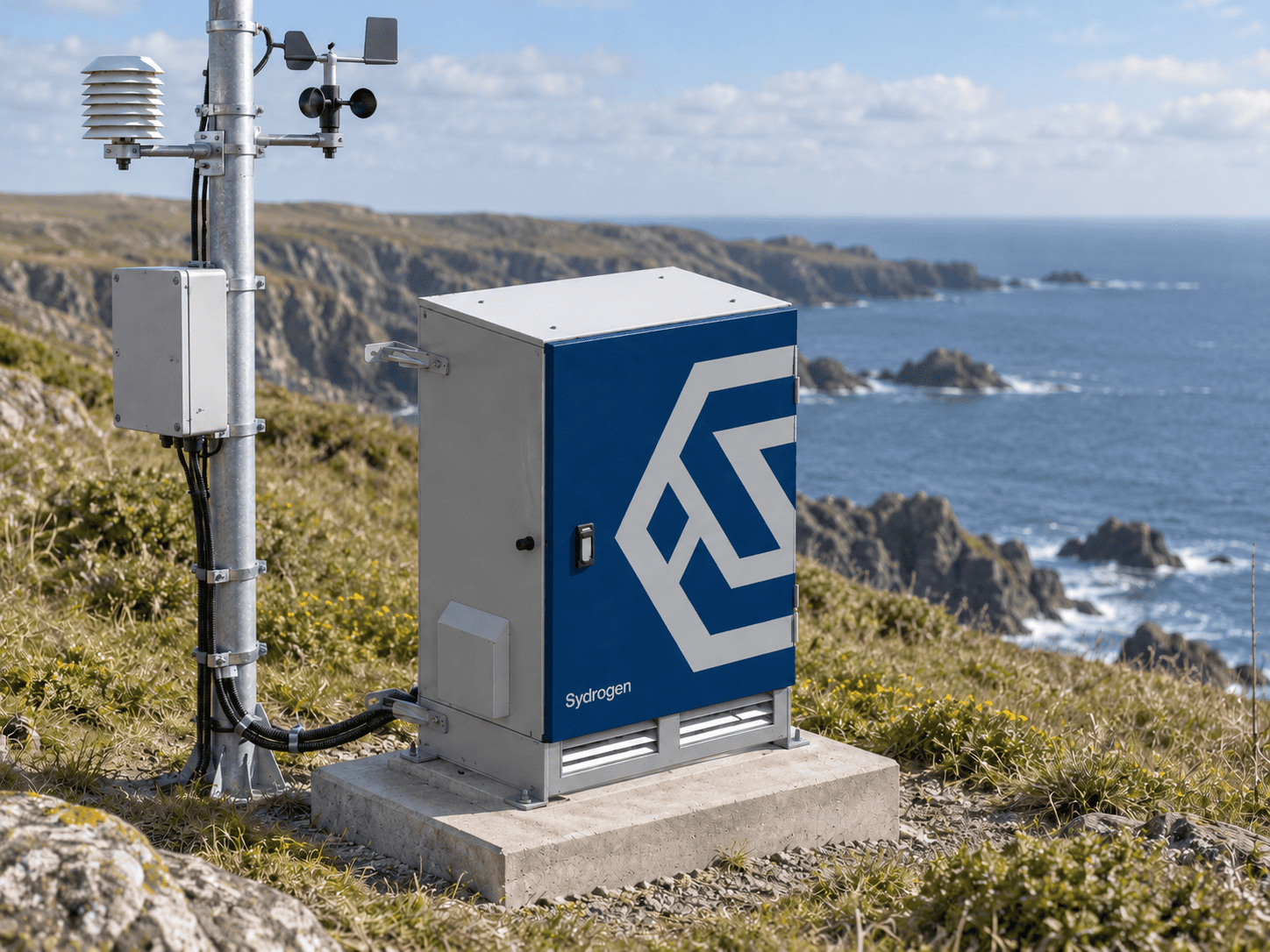
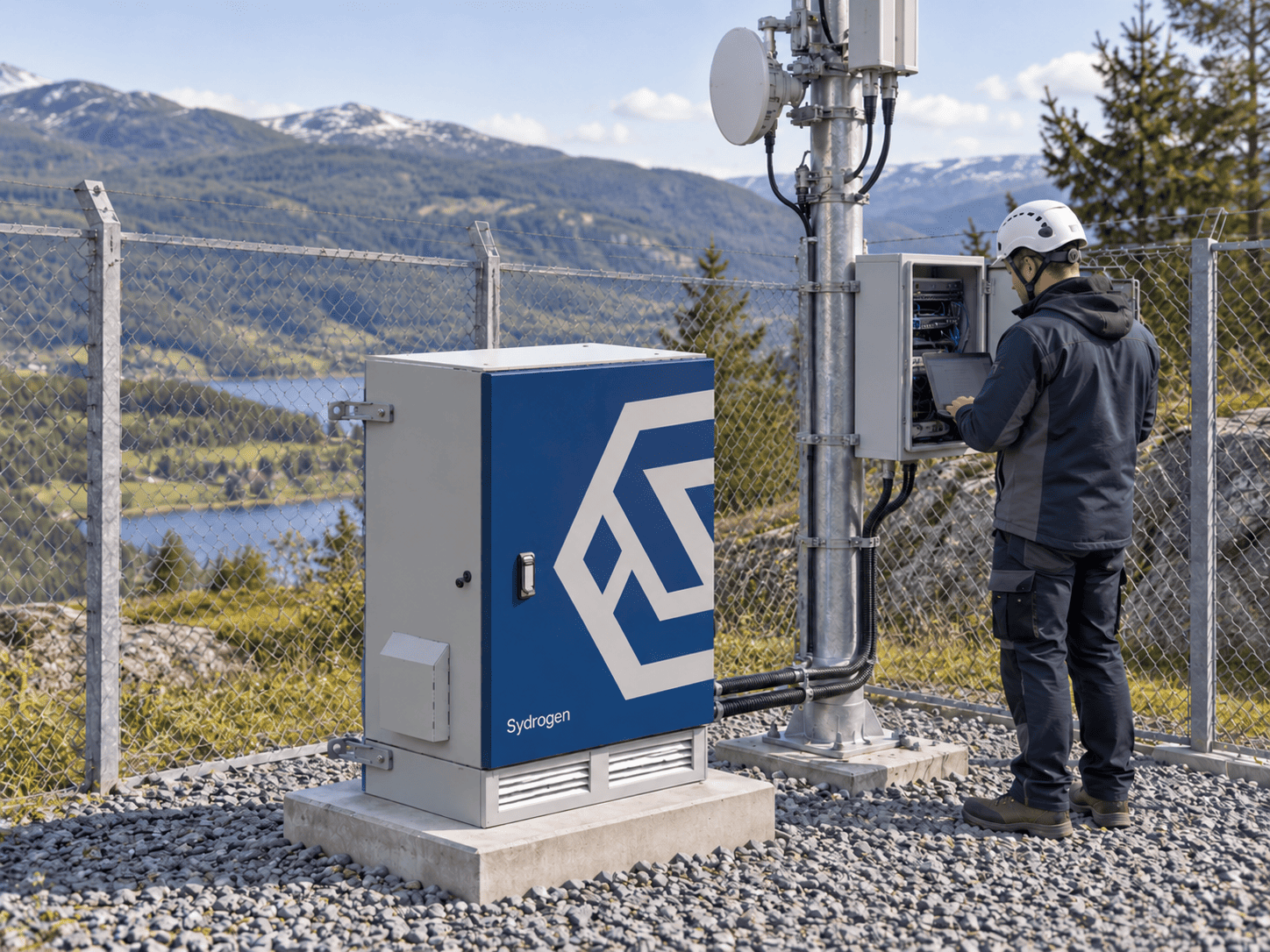
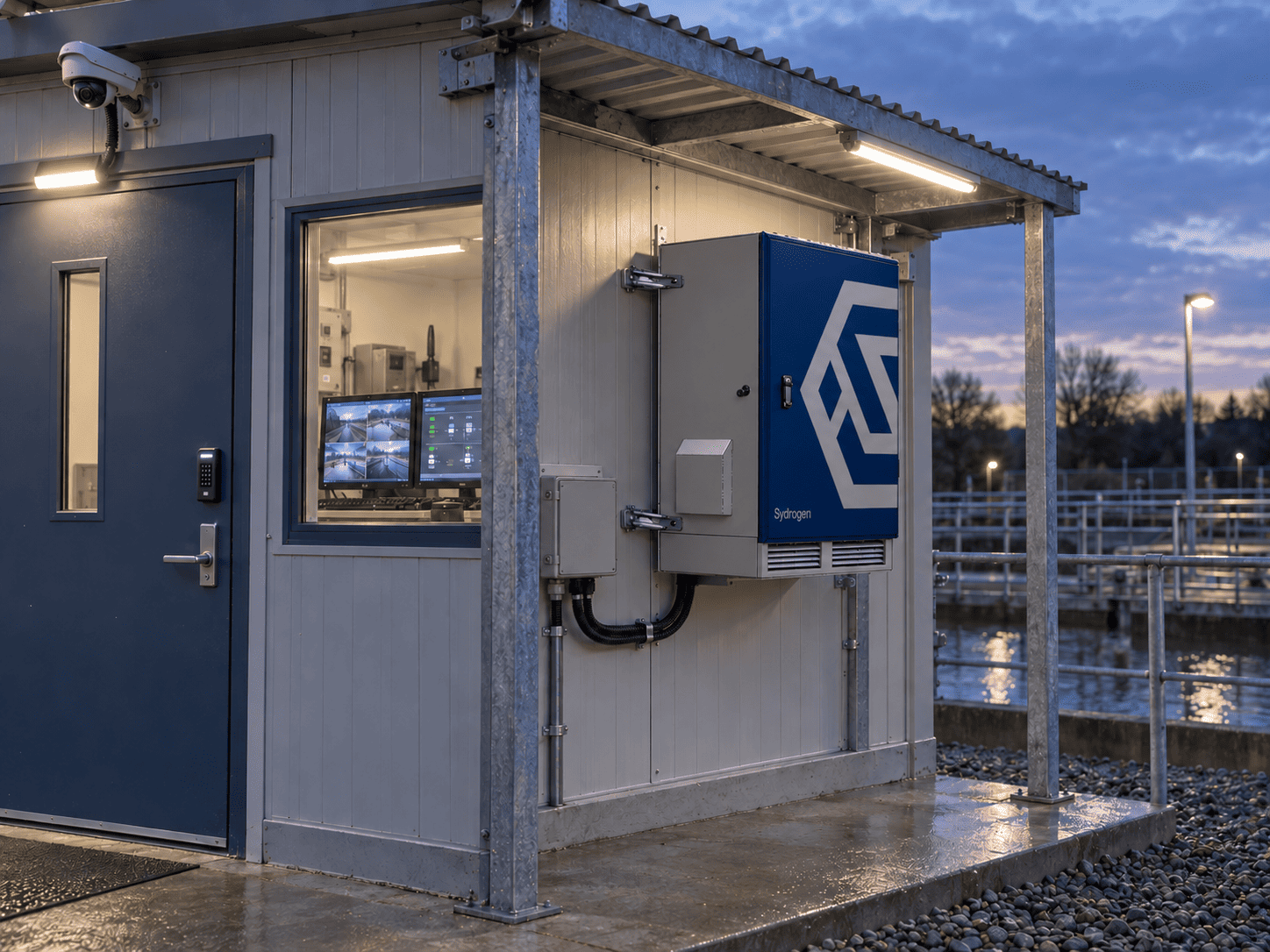
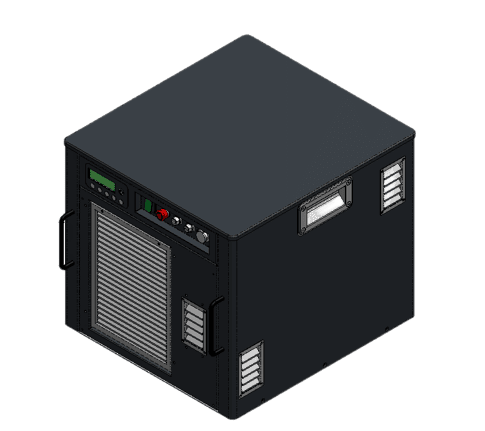
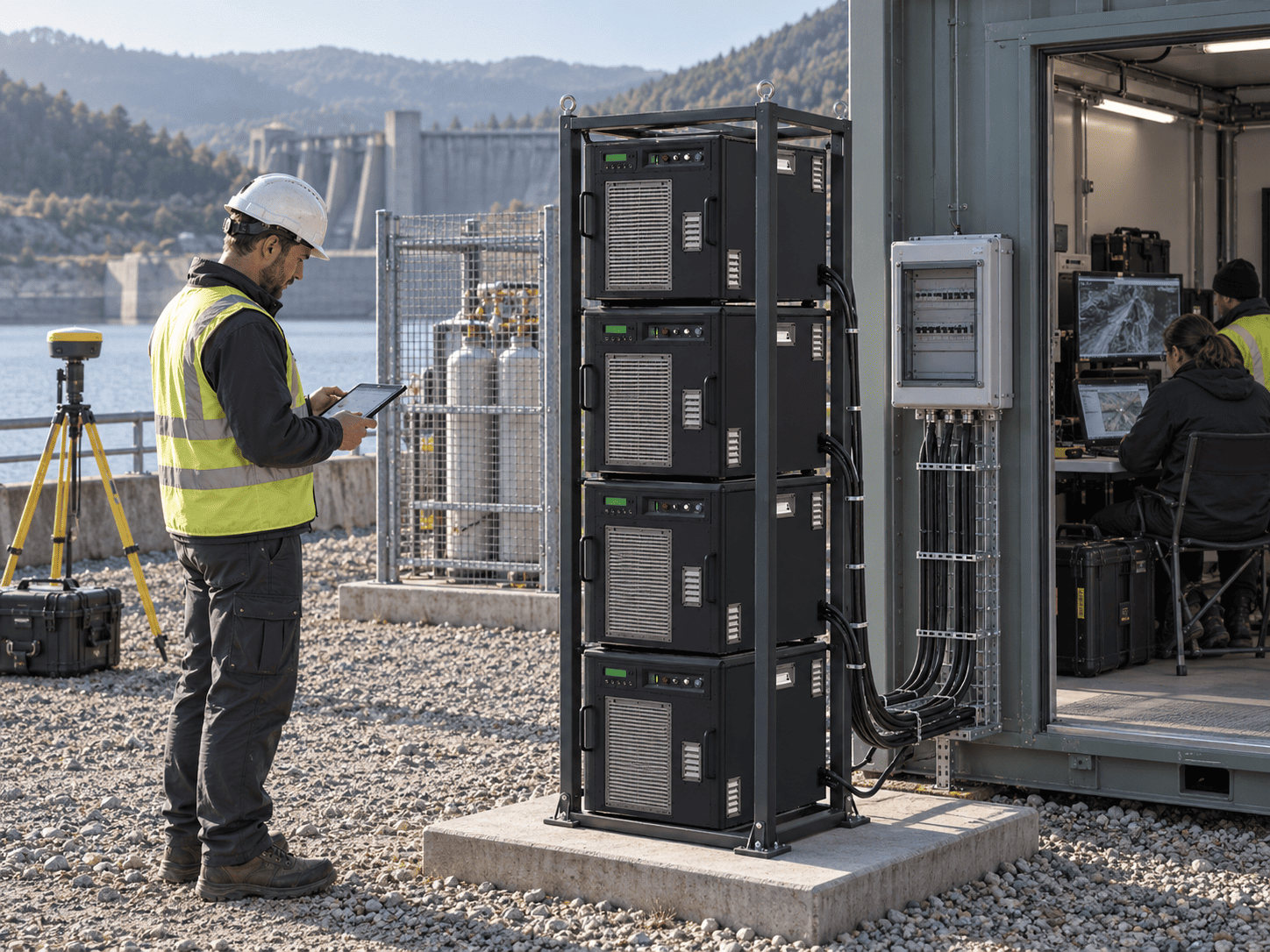
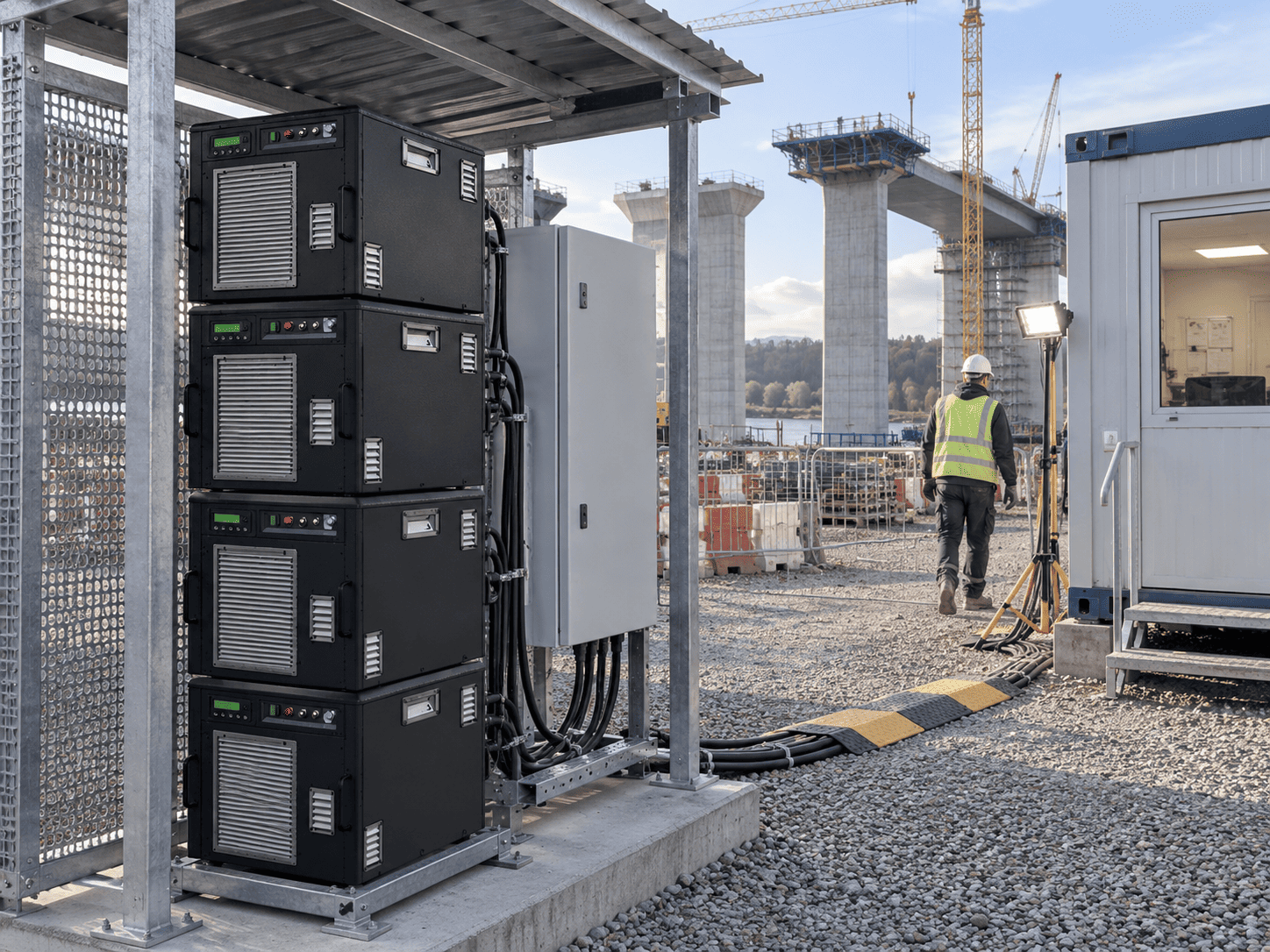
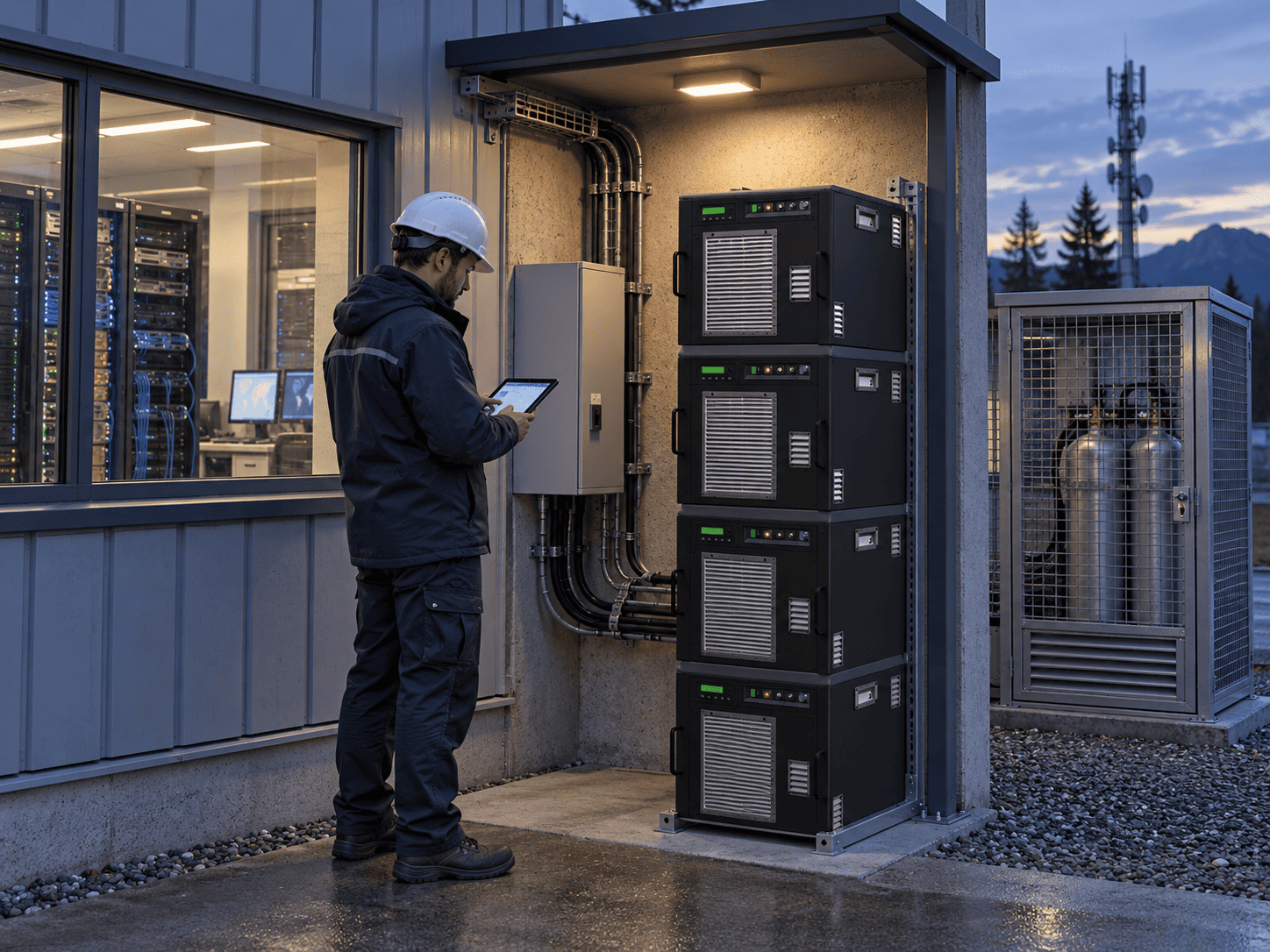
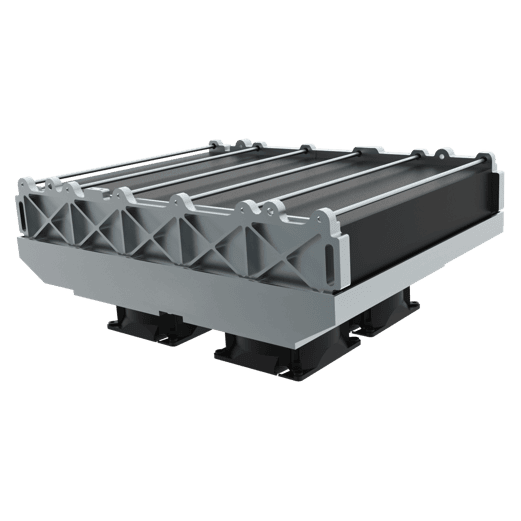
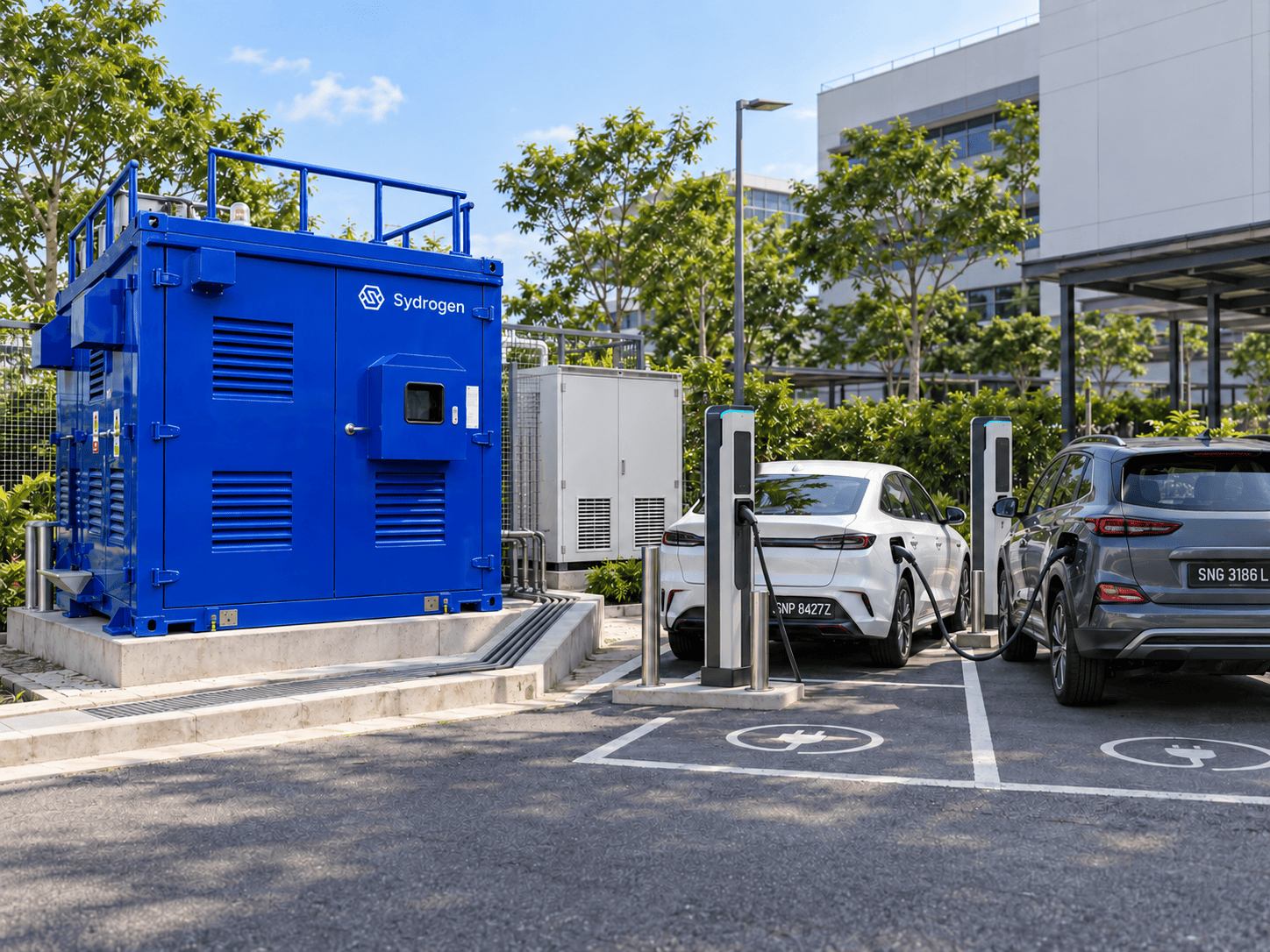
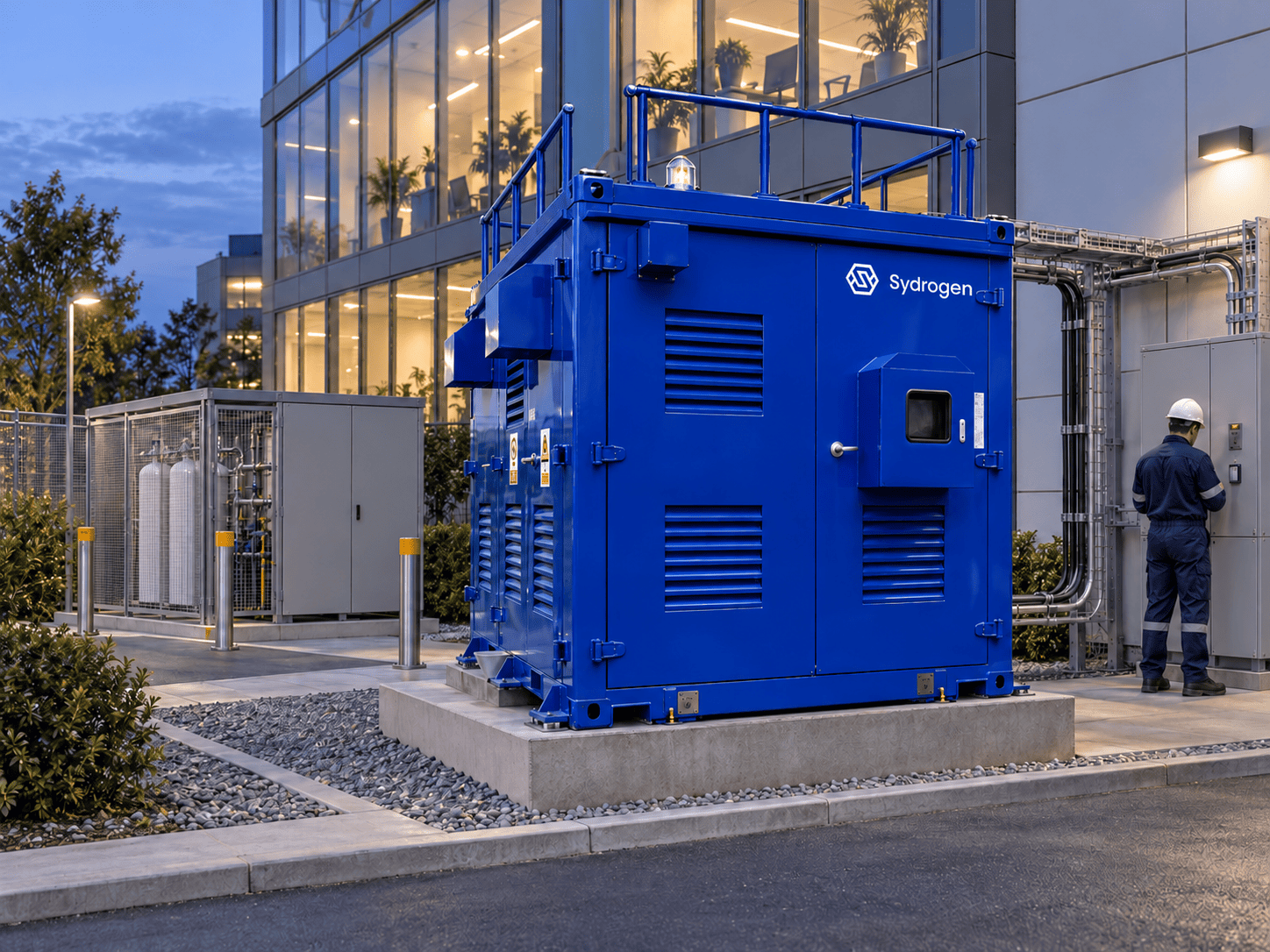
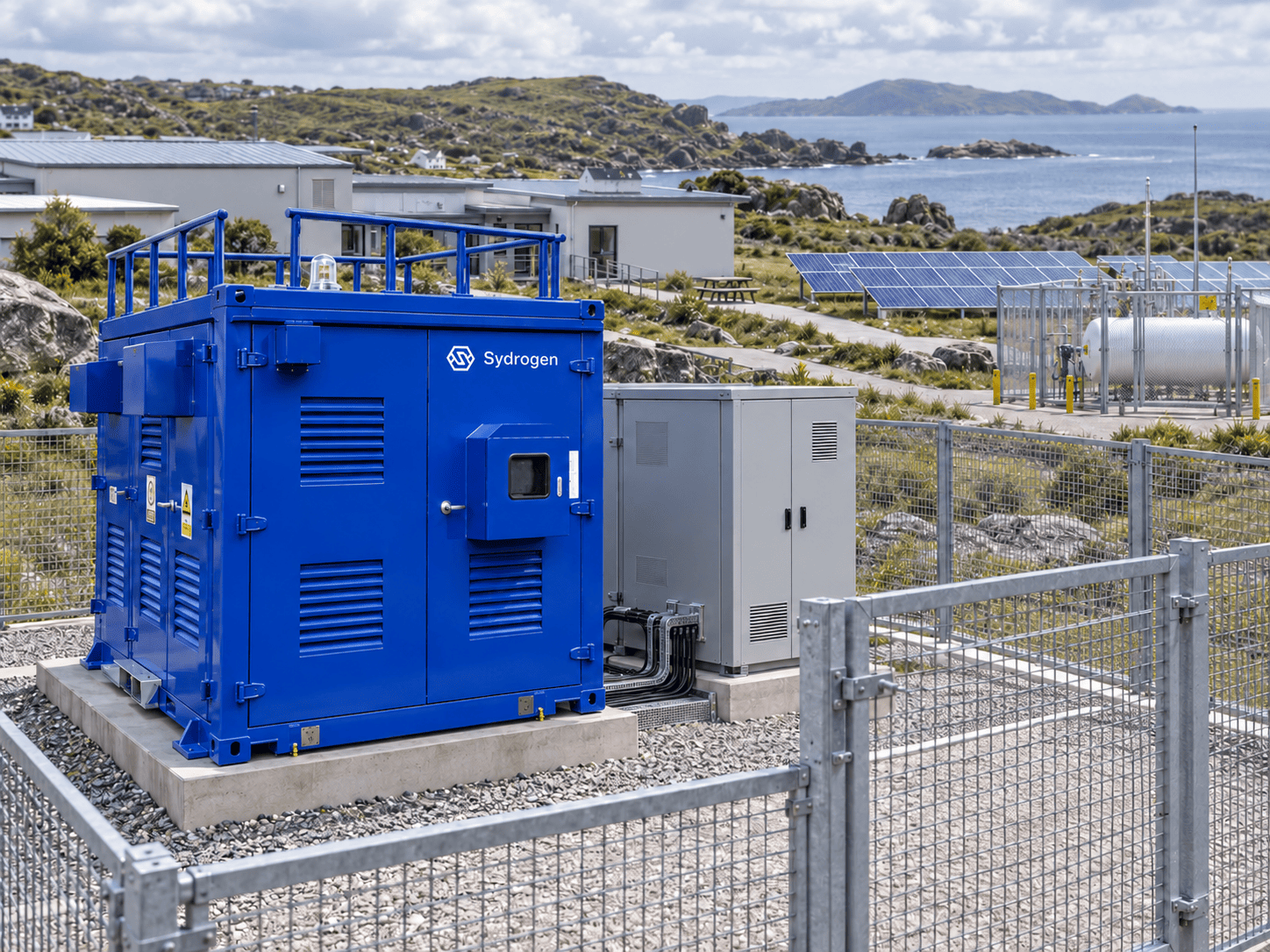
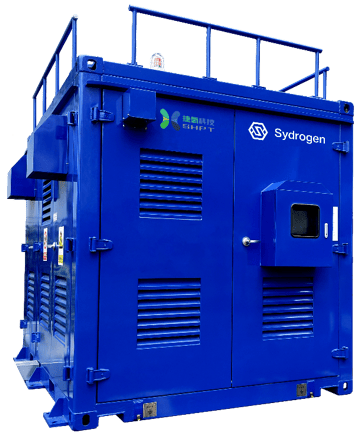
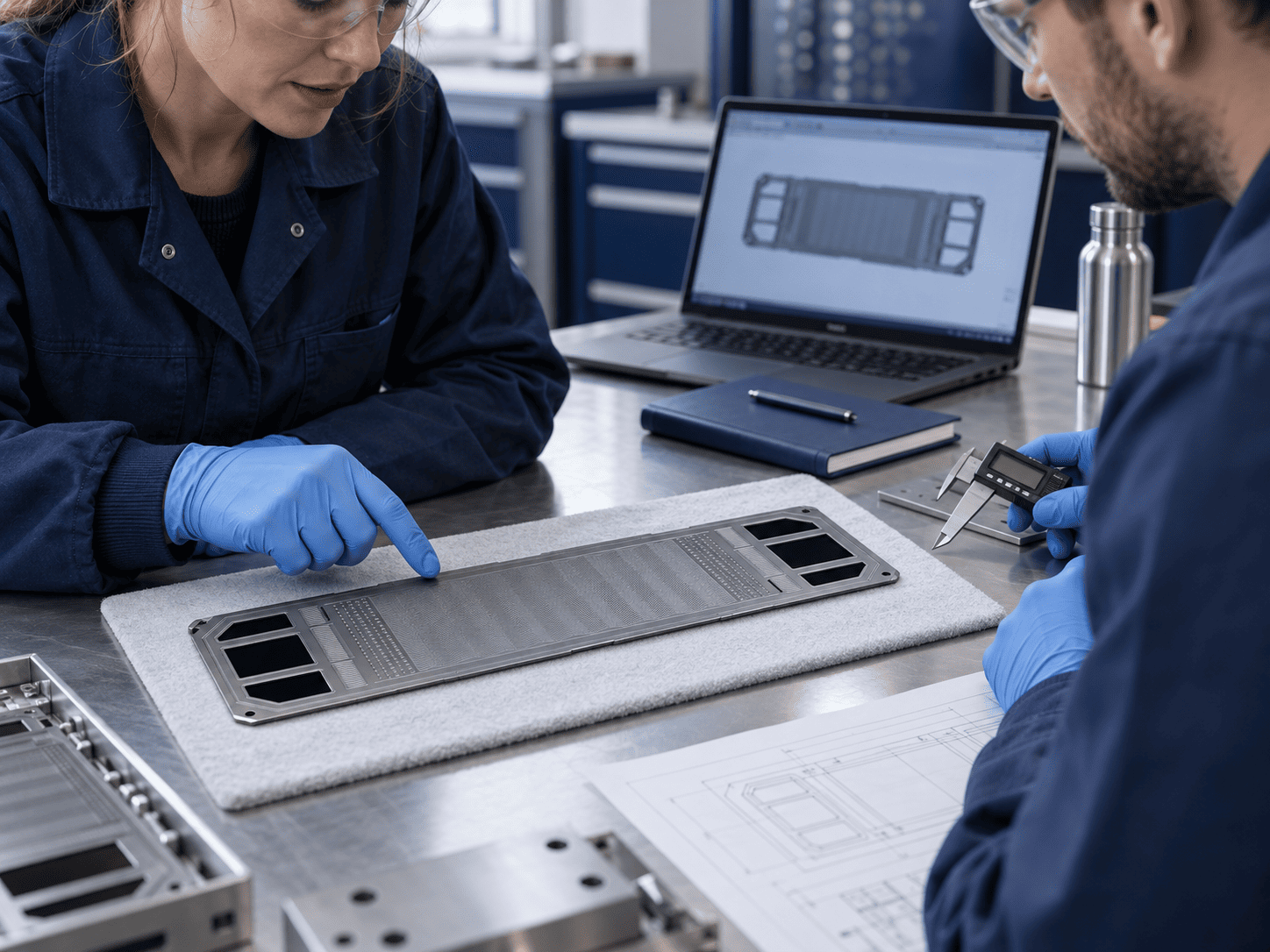
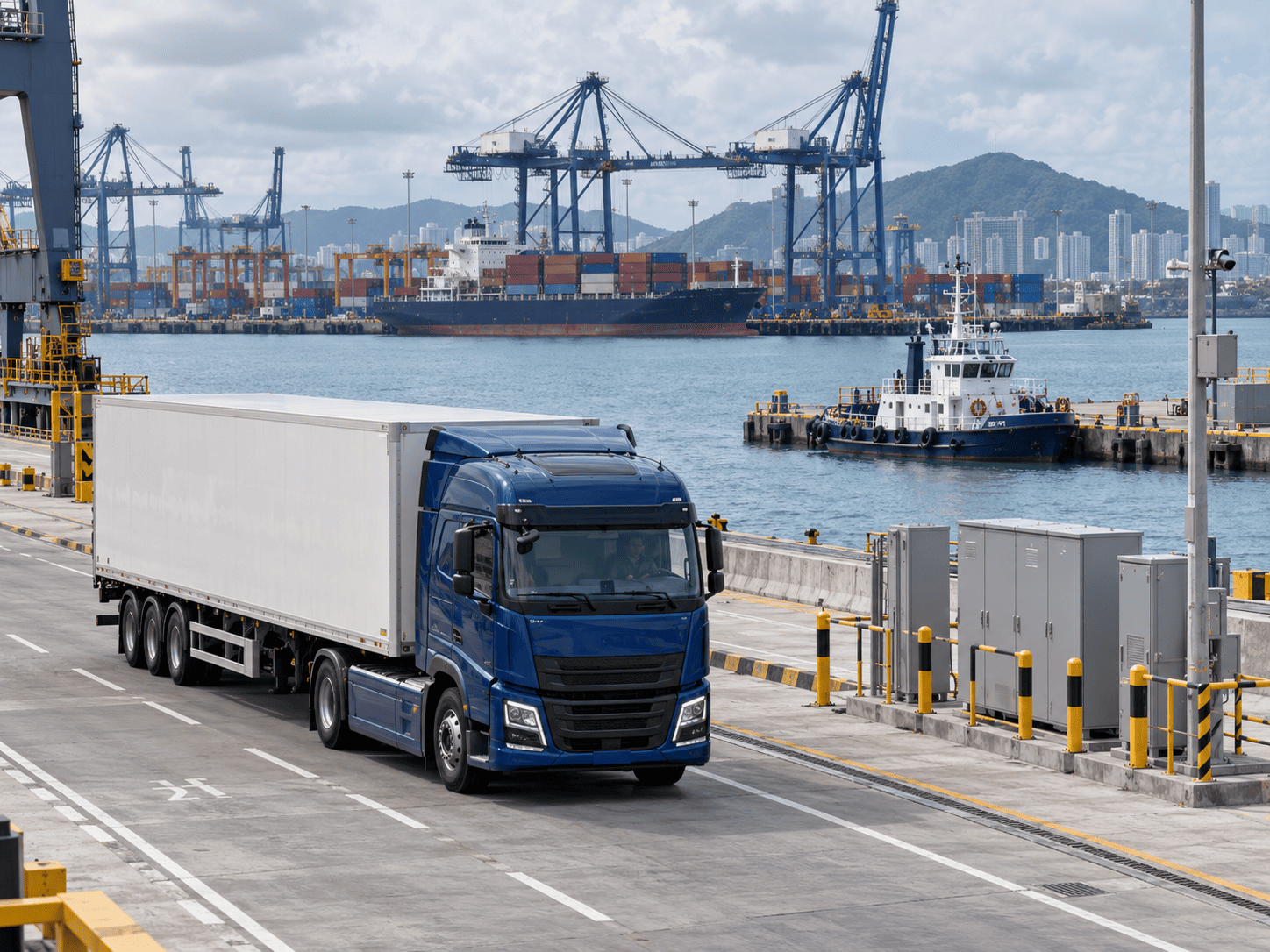
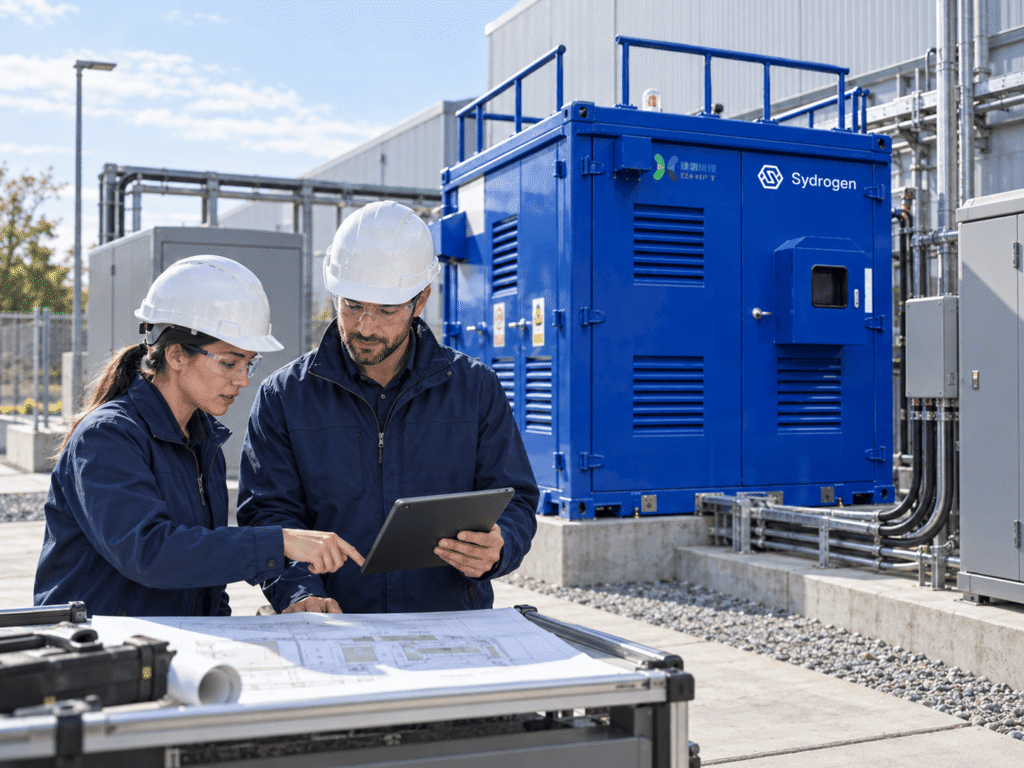
Achieve Zero Carbon Emissions with SydroPOWER® Hydrogen Power Generators

SydroPOWER® delivers hydrogen fuel cell power solutions across portable, stationary, mobility and maritime applications, helping businesses generate dependable power without combustion.

Moving Beyond Diesel for Cleaner, More Resilient On-Site Power

Meet Stricter Site and Emissions Requirements

Hydrogen fuel cells generate electricity without combustion. When operating on pure hydrogen, they produce zero carbon emissions, helping sites respond to tighter air-quality, permitting and carbon requirements.

Reduce Operational and Maintenance Complexity

Diesel generators require regular oil changes, filter replacements, SCR/DPF maintenance and other combustion-related servicing, while fuel logistics and noise-control measures add further operational burden. Fuel cell systems remove many of these requirements, helping simplify day-to-day operation and maintenance.

Achieve up to 60% Electrical Conversion Efficiency

Fuel cells generate electricity electrochemically, achieving approximately 50–60% electrical efficiency compared with 30–40% for conventional diesel generators, thereby converting a greater proportion of fuel energy into usable power.

Deliver as low as 40 dB Quieter On-Site Power

Without the combustion cycle of conventional diesel engines, fuel cell systems can operate at substantially lower noise levels, typically producing around 40–60 dB compared with approximately 70–90 dB for diesel generators.

Find the Right SydroPOWER® Solution for Your Application

Explore hydrogen power for your application—from portable field equipment and vehicles to stationary generation and marine systems. Match your power and integration requirements with the SydroPOWER® range, then discuss the right configuration with our team.

SydroPOWER® Solutions for Different Power and Integration Needs

From portable 300W power to megawatt-scale stationary generation, SydroPOWER® offers solutions across portable power, automotive, off-grid systems and marine applications.

SydroPOWER Air™

Compact Hydrogen Power for Portable and Mobile Applications

SydroPOWER Air™ brings hydrogen fuel cell power to applications where a large stationary generator is not practical. The range supports portable equipment, remote systems, drones and backup power, with different configurations available depending on whether the priority is portability, integrated energy storage or higher mobile power.

Available Models

KZ300

Portable Power for Small Field Loads

Designed for lower-power equipment such as sensors, monitoring systems and portable lighting, KZ300 provides a compact hydrogen power source for applications that need dependable power away from fixed infrastructure.

SydroPOWER Air™ KZ300 product image

Technical Specs

Output

300W

Voltage

24V

Weight

<15 kg

Dimensions (mm)

355×240×260

Configuration / Key Features

—

Certifications / Approvals

CE · IEC 62282 · IEC 61000 · GB/T 30084

How It Supports Your Application

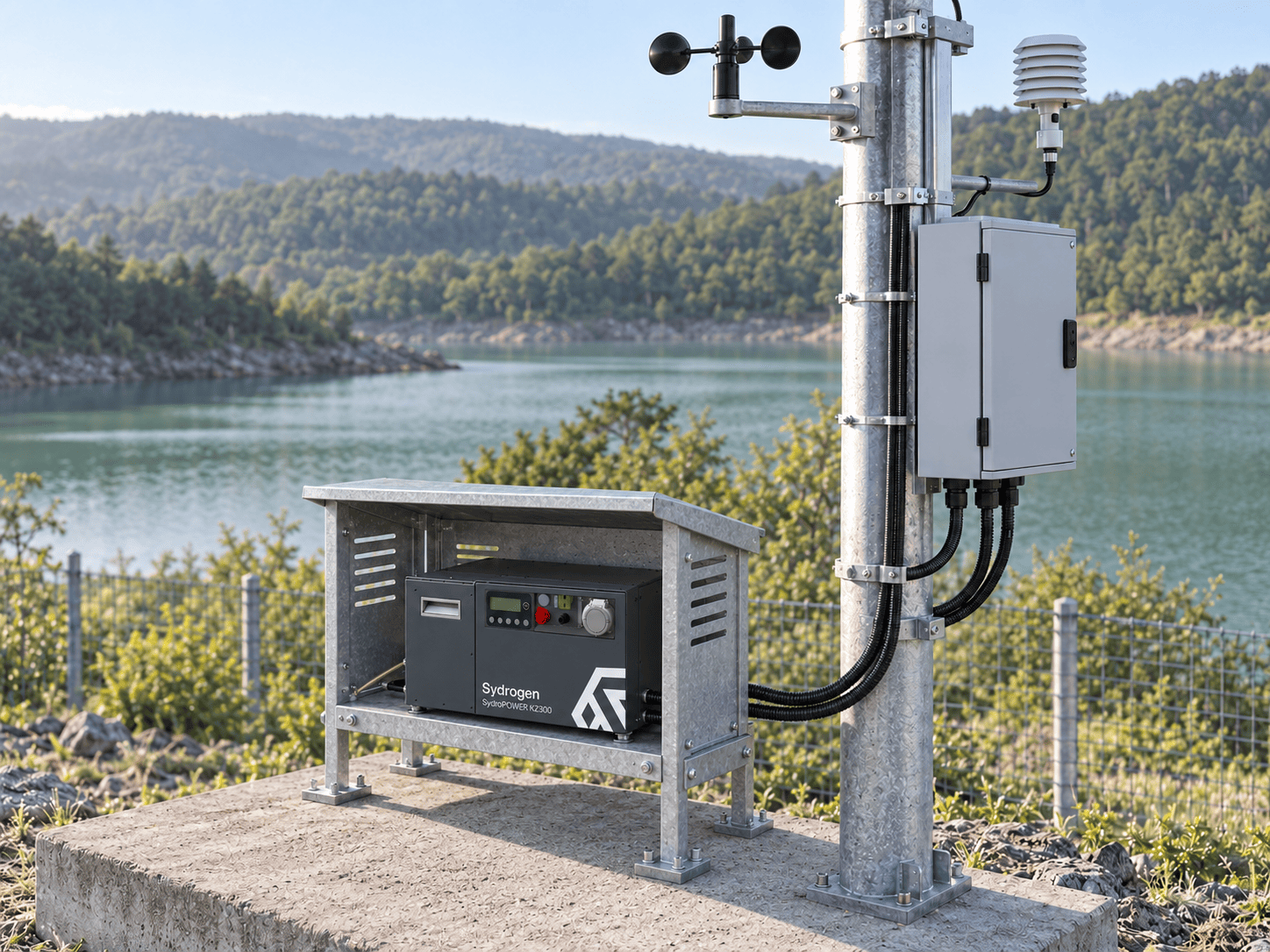
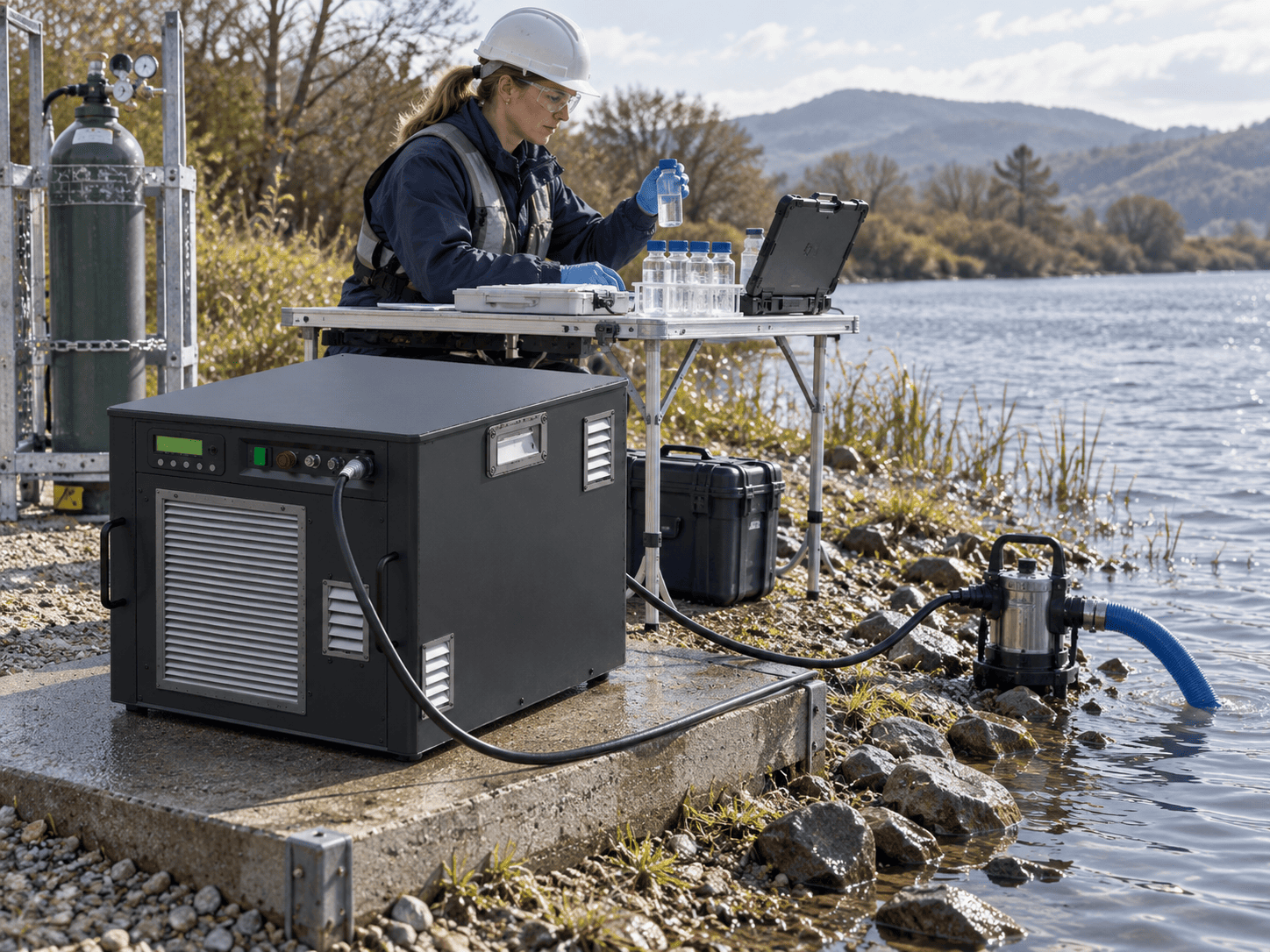
Illustrative KZ300 installation for sensors and monitoring, based on supplied SydroPOWER product artwork

Sensors and monitoring

Supports remote sensing, communications and monitoring equipment where access to fixed electrical infrastructure is limited.

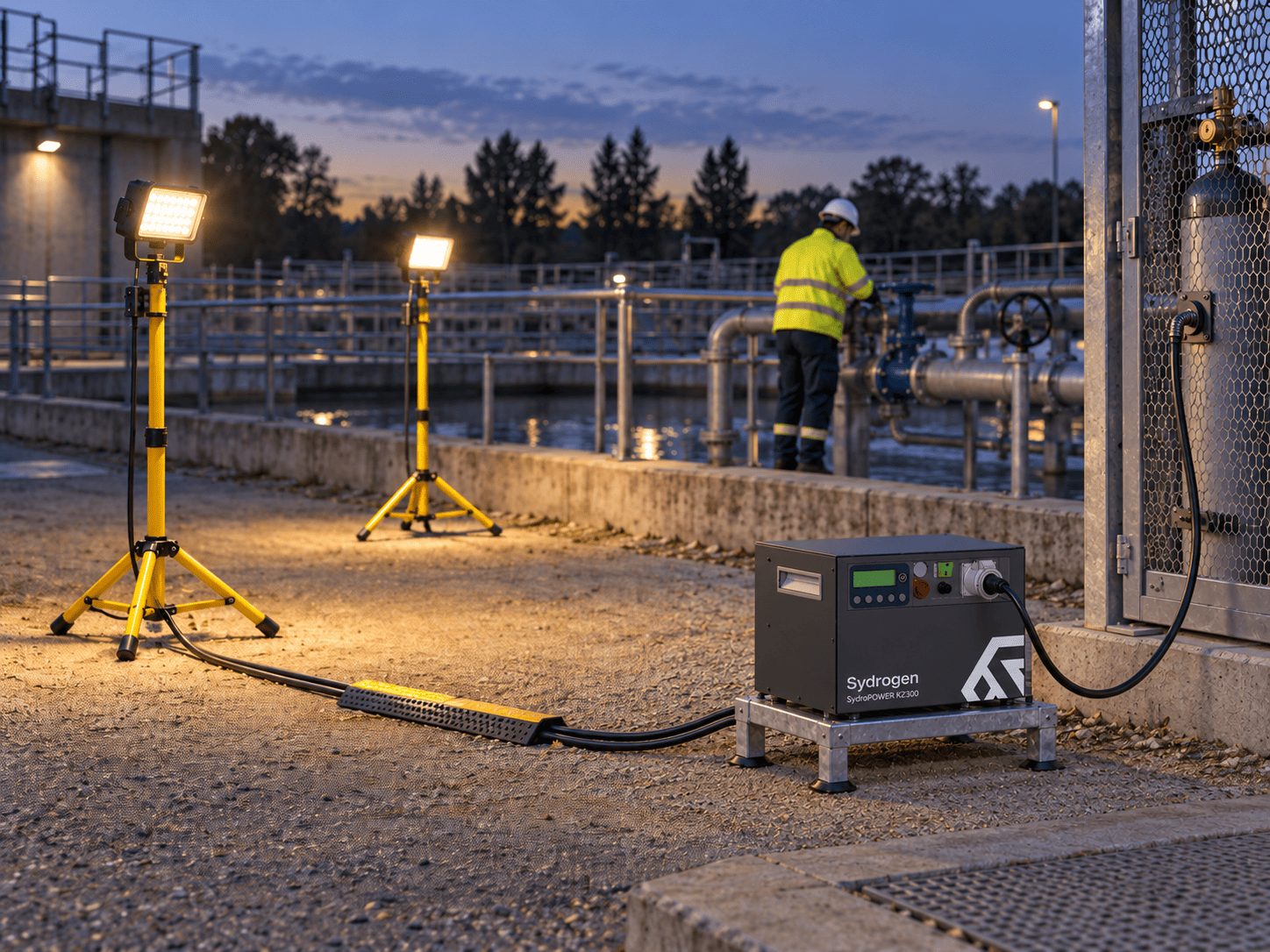
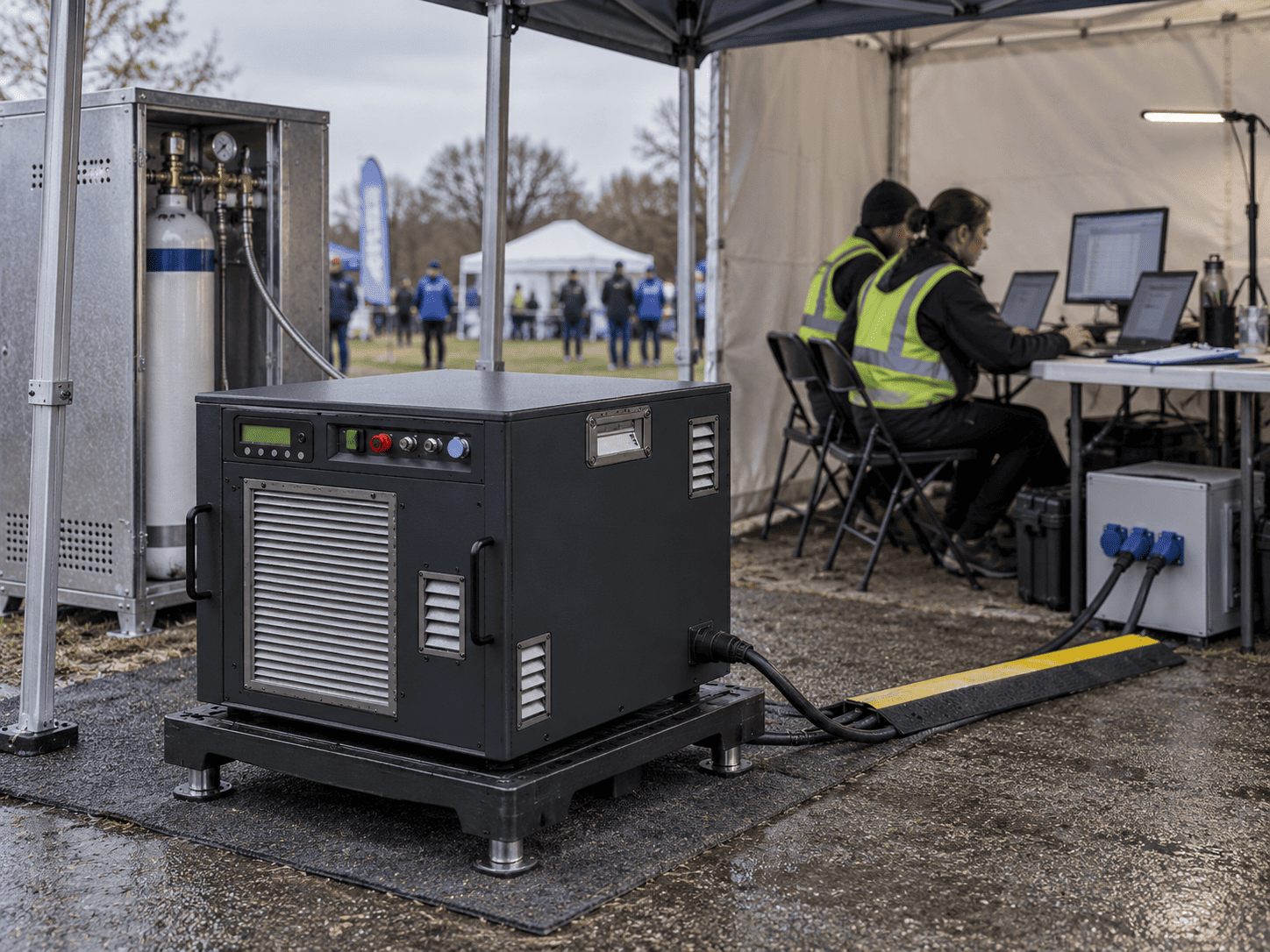
Illustrative KZ300 installation for portable lighting, based on supplied SydroPOWER product artwork

Portable lighting

Provides an alternative power source for temporary or mobile lighting requirements.

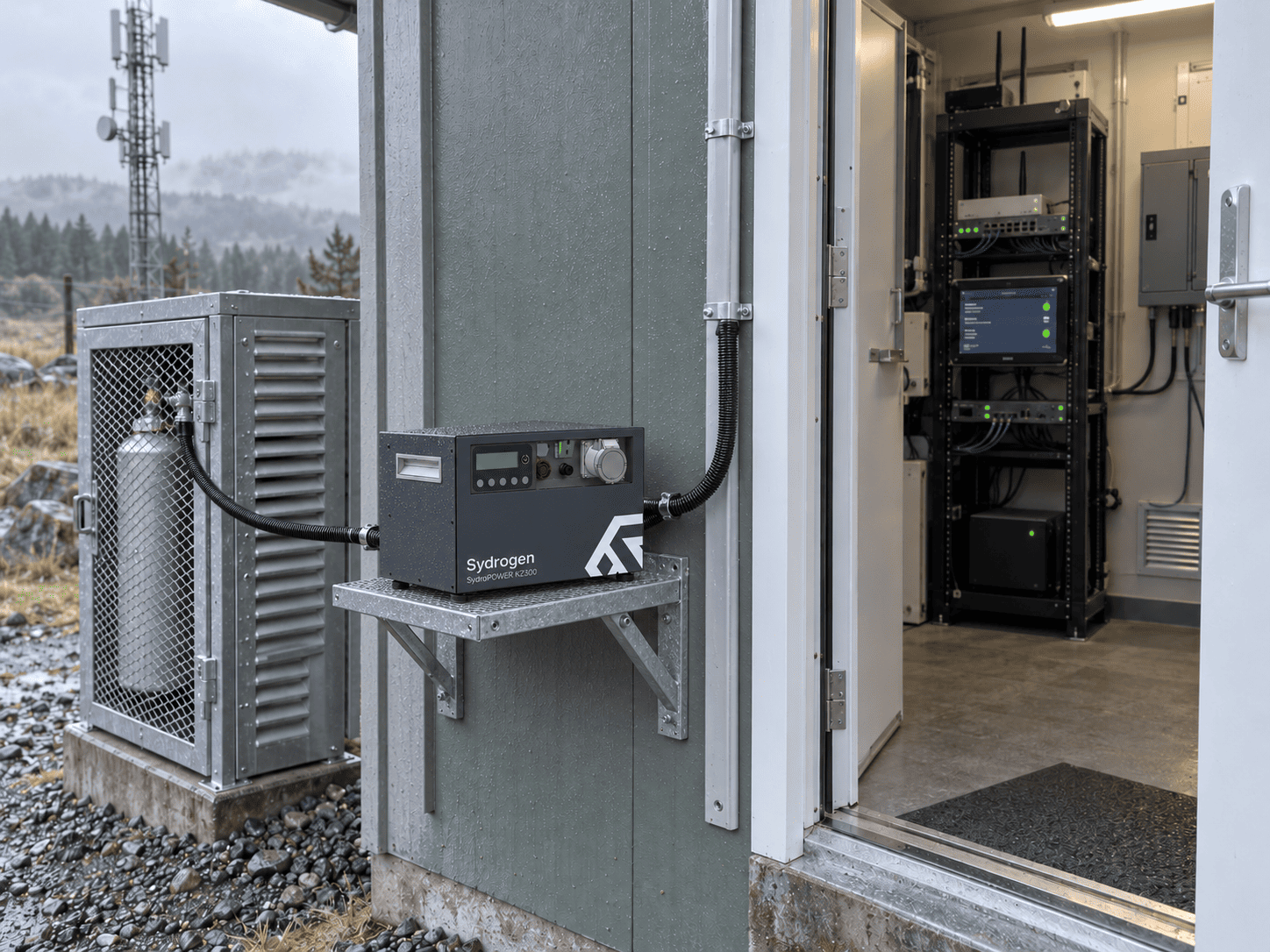
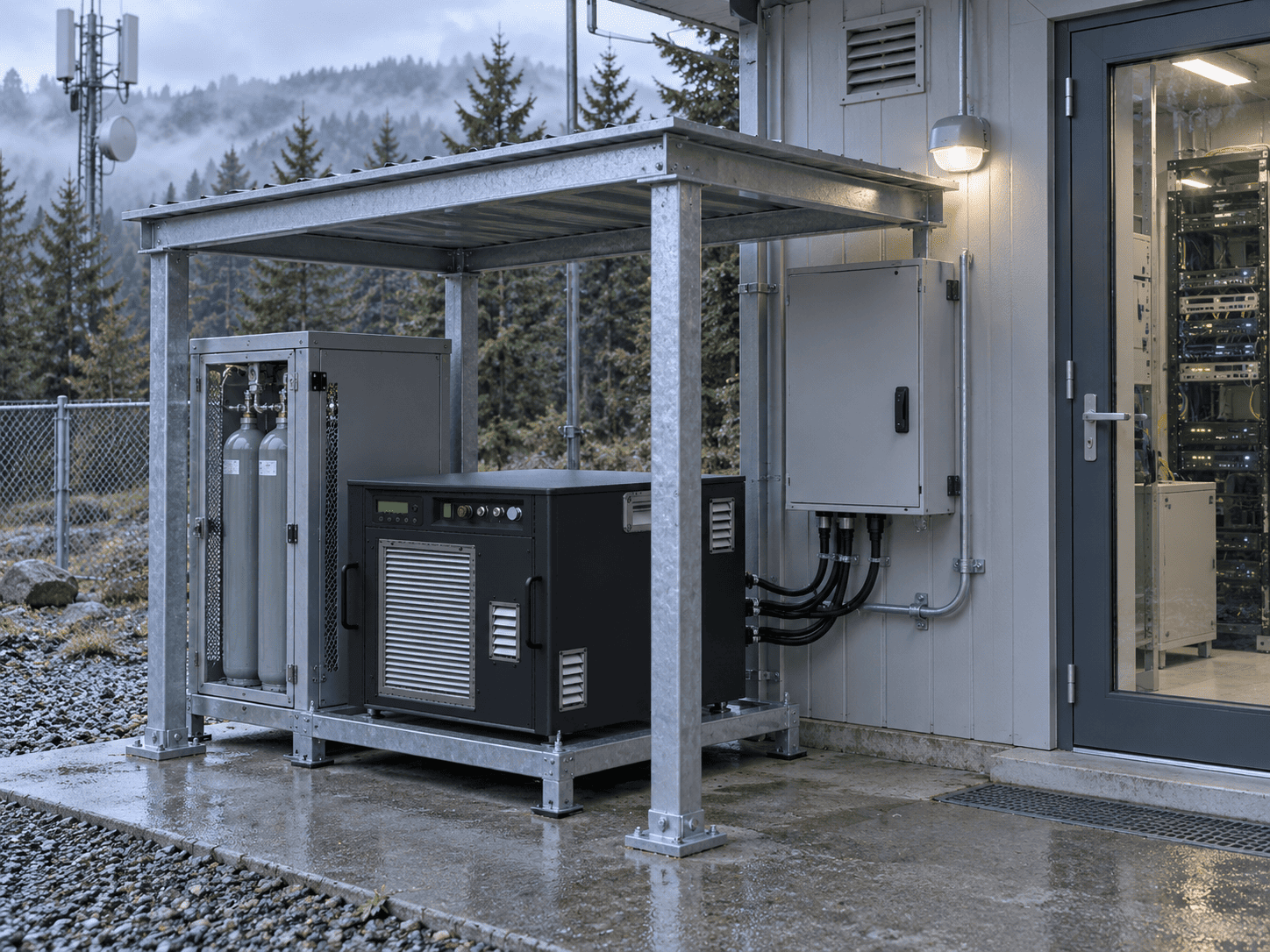
Illustrative KZ300 installation for small backup loads, based on supplied SydroPOWER product artwork

Small backup loads

Supports lower-demand standby equipment without requiring a larger generator system.

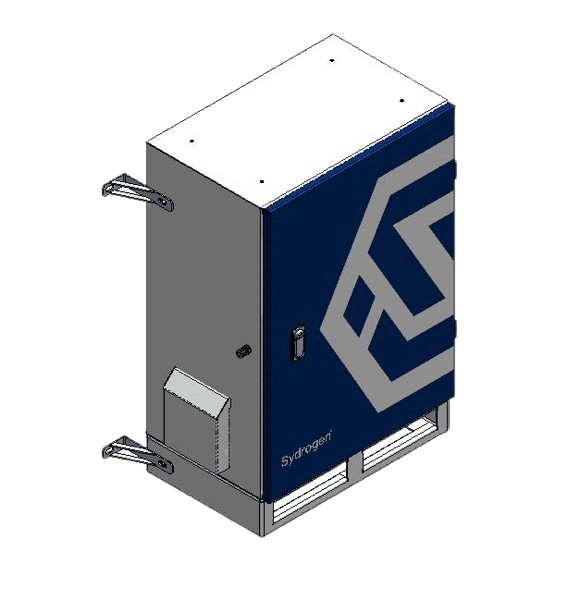
KZ300 Turnkey

A Self-Contained Power System for Remote Deployment

KZ300 Turnkey combines fuel cell generation, battery capacity and hydrogen storage into a single system, reducing the number of separate components required to deploy a complete power solution.

Technical Specs

Output

300W

Voltage

24V

Weight

140 kg (incl. H₂ storage + battery)

Dimensions (mm)

550×370×1000

Configuration / Key Features

Li-battery 100Ah + MH H₂ 1.1kg + ACFC. Maritime-ready.

Certifications / Approvals

CE · IEC 62282 · IEC 61000 · GB/T 30084

How It Supports Your Application

Illustrative KZ300 Turnkey installation for remote field systems, based on supplied SydroPOWER product artwork

Remote field systems

Combines the main power and energy-storage components required for standalone field deployment.

Illustrative KZ300 Turnkey installation for monitoring and communications, based on supplied SydroPOWER product artwork

Monitoring and communications

Supports lower-load equipment in remote locations where simplified installation is important.

Illustrative KZ300 Turnkey installation for backup applications, based on supplied SydroPOWER product artwork

Backup applications

Provides an integrated power route where sourcing and connecting multiple separate components would add complexity.

KZ3000

Portable Power for Higher-Demand Equipment

KZ3000 extends portable hydrogen power to equipment that requires more energy than small sensors or lighting loads. Its modular platform also provides a pathway to higher power requirements without immediately moving to a larger stationary system.

Technical Specs

Output

3 kW

Voltage

48V

Weight

30 kg

Dimensions (mm)

485×412×405

Configuration / Key Features

Stackable for higher power

Certifications / Approvals

CE · IEC 62282 · IEC 61000 · GB/T 30084

How It Supports Your Application

Illustrative KZ3000 installation for field equipment, based on supplied SydroPOWER product artwork

Field equipment

Supports portable electrical equipment with greater demand than smaller sensor and lighting loads.

Illustrative KZ3000 installation for temporary power, based on supplied SydroPOWER product artwork

Temporary power

Provides mobile generation for temporary operations where a larger stationary generator is unnecessary.

Illustrative KZ3000 installation for backup systems, based on supplied SydroPOWER product artwork

Backup systems

Supports higher-demand standby loads within a portable system architecture.

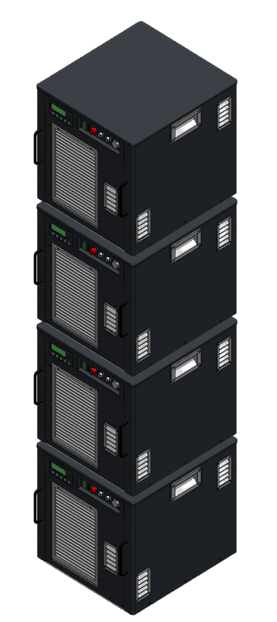
KZ3000 Stacked

Expandable Power Around a Common Platform

The stacked configuration allows multiple KZ3000 units to work together, supporting applications where power requirements may exceed a single portable unit or increase over time. Additional capacity can be added as needed, giving operators a flexible, modular way to increase available power using the same platform.

Technical Specs

Output

>3 kW (expandable through multiple units)

Voltage

48V

Weight

—

Dimensions (mm)

Multi-unit rack

Configuration / Key Features

Multiple KZ3000 in stacked config

Certifications / Approvals

CE · IEC 62282 · IEC 61000 · GB/T 30084

How It Supports Your Application

Illustrative KZ3000 Stacked installation for expandable field power, based on supplied SydroPOWER product artwork

Expandable field power

Allows additional generation capacity to be added when application demand increases.

Illustrative KZ3000 Stacked installation for temporary site systems, based on supplied SydroPOWER product artwork

Temporary site systems

Supports larger temporary loads through multiple units operating within the same platform.

Illustrative KZ3000 Stacked installation for modular backup, based on supplied SydroPOWER product artwork

Modular backup

Provides a modular approach to standby generation where future power requirements may change.

KZ3000F

Lightweight Fuel Cell Power for Airborne Platforms

KZ3000F is developed for weight-sensitive applications including drones and UAVs, where reducing power-system mass leaves more capacity available for payload or operating range.

Technical Specs

Output

3 kW

Voltage

24V (custom)

Weight

8.1 kg

Dimensions (mm)

295×265×190

Configuration / Key Features

Mass Power Density 370 W/kg · Drone-optimised

Certifications / Approvals

CE · IEC 62282 · IEC 61000 · GB/T 30084

How It Supports Your Application

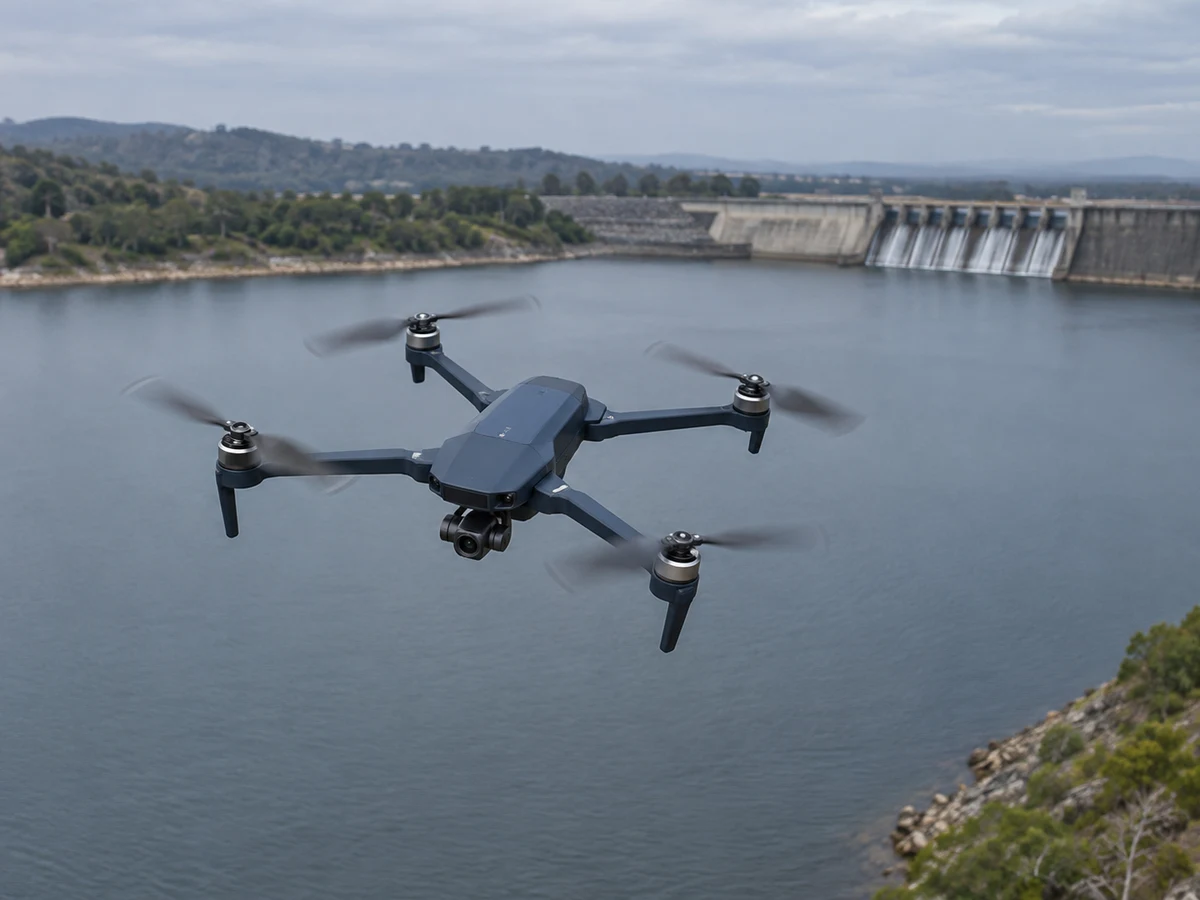
Compact professional survey drone flying above a civil reservoir.

Drones and UAVs

Supports airborne platforms where power-system weight directly affects available payload and flight capability.

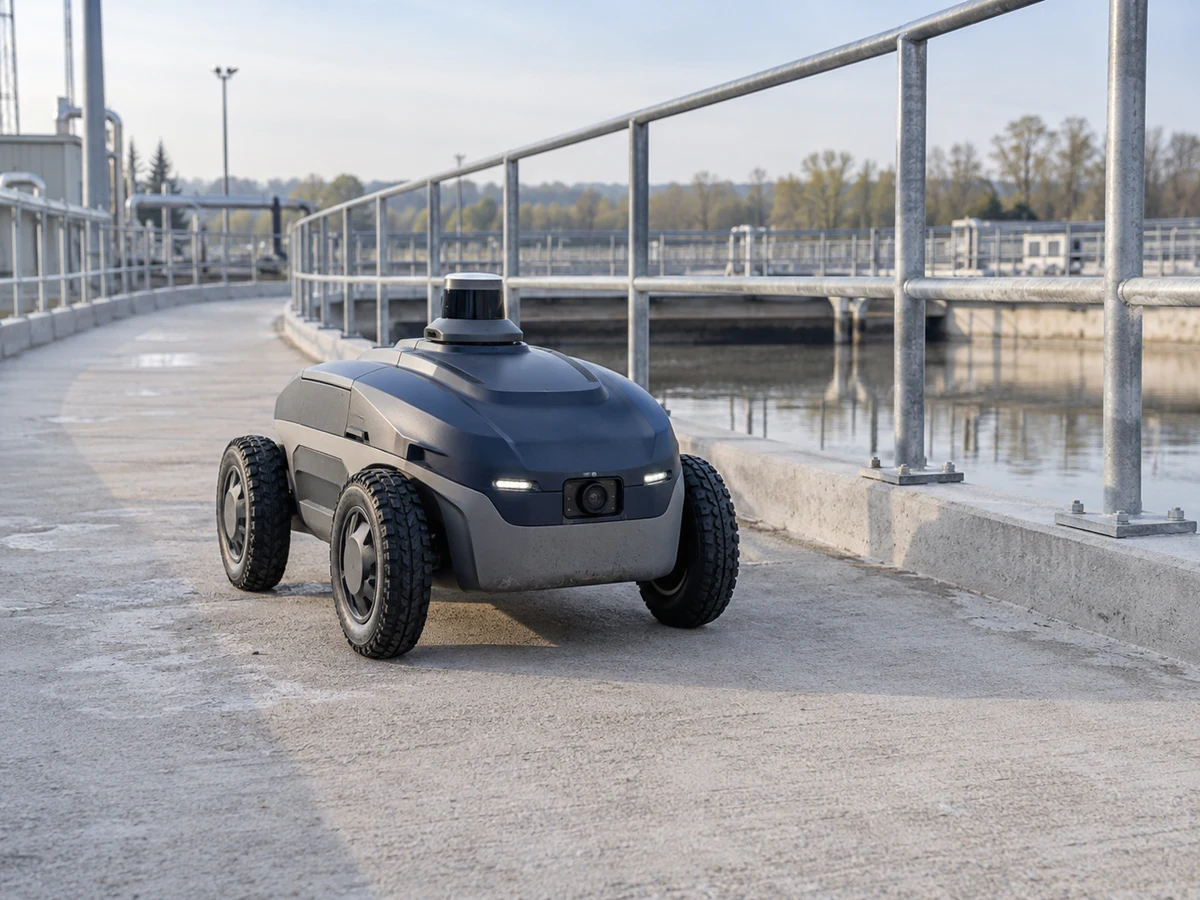
Small fully enclosed wheeled inspection rover on a waterworks walkway.

Weight-sensitive mobile systems

Provides hydrogen power where reducing system mass is a key design consideration.

KZ6000F

Higher-Power Fuel Cell Systems for Larger UAVs

KZ6000F extends the lightweight platform to applications with greater onboard power demand, supporting larger drones and mobile systems that need more electrical power without introducing a much heavier generation system.

Technical Specs

Output

6 kW

Voltage

24V (custom)

Weight

12 kg

Dimensions (mm)

460×265×200

Configuration / Key Features

Mass Power Density 500 W/kg · Drone-optimised

Certifications / Approvals

CE · IEC 62282 · IEC 61000 · GB/T 30084

How It Supports Your Application

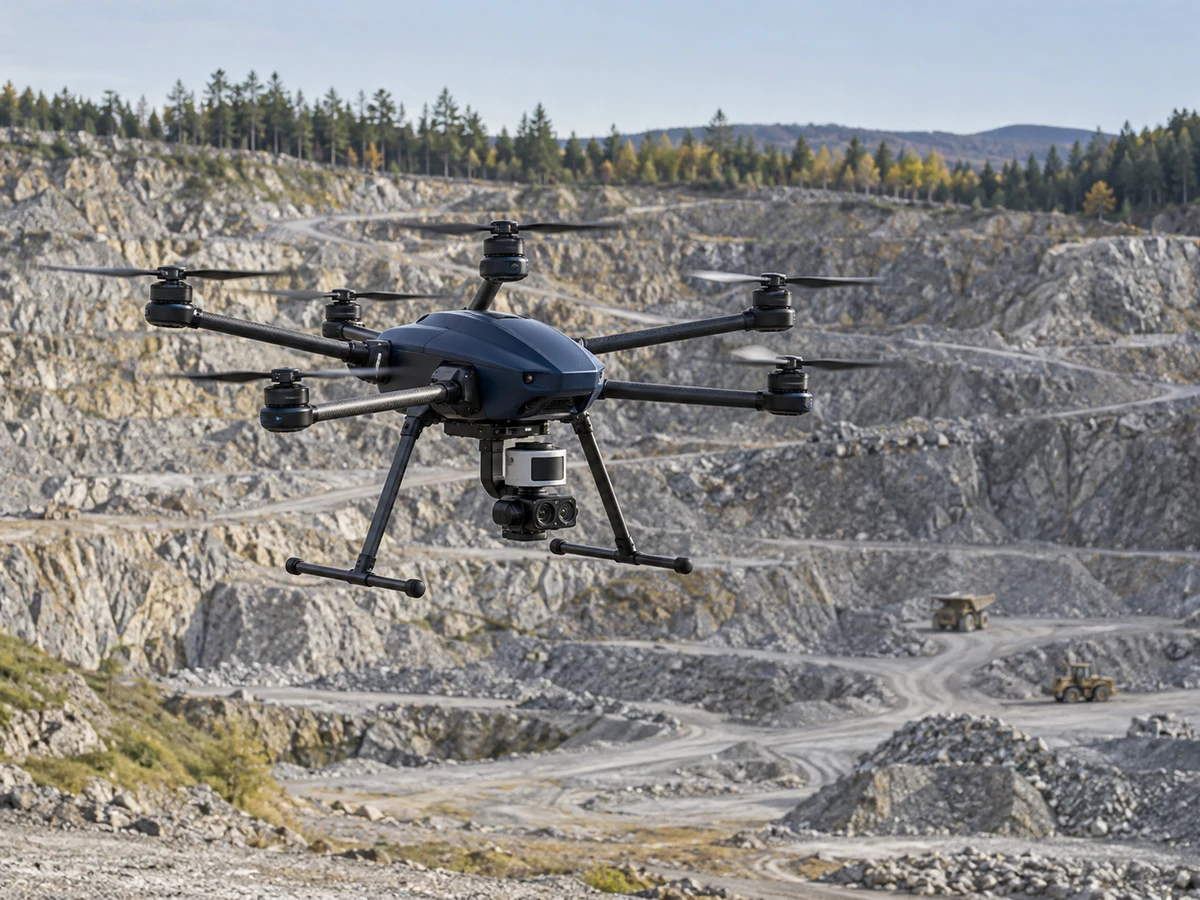
Larger professional multirotor with a survey payload flying above a quarry.

Higher-demand drones and UAVs

Supports larger airborne platforms with greater onboard electrical requirements.

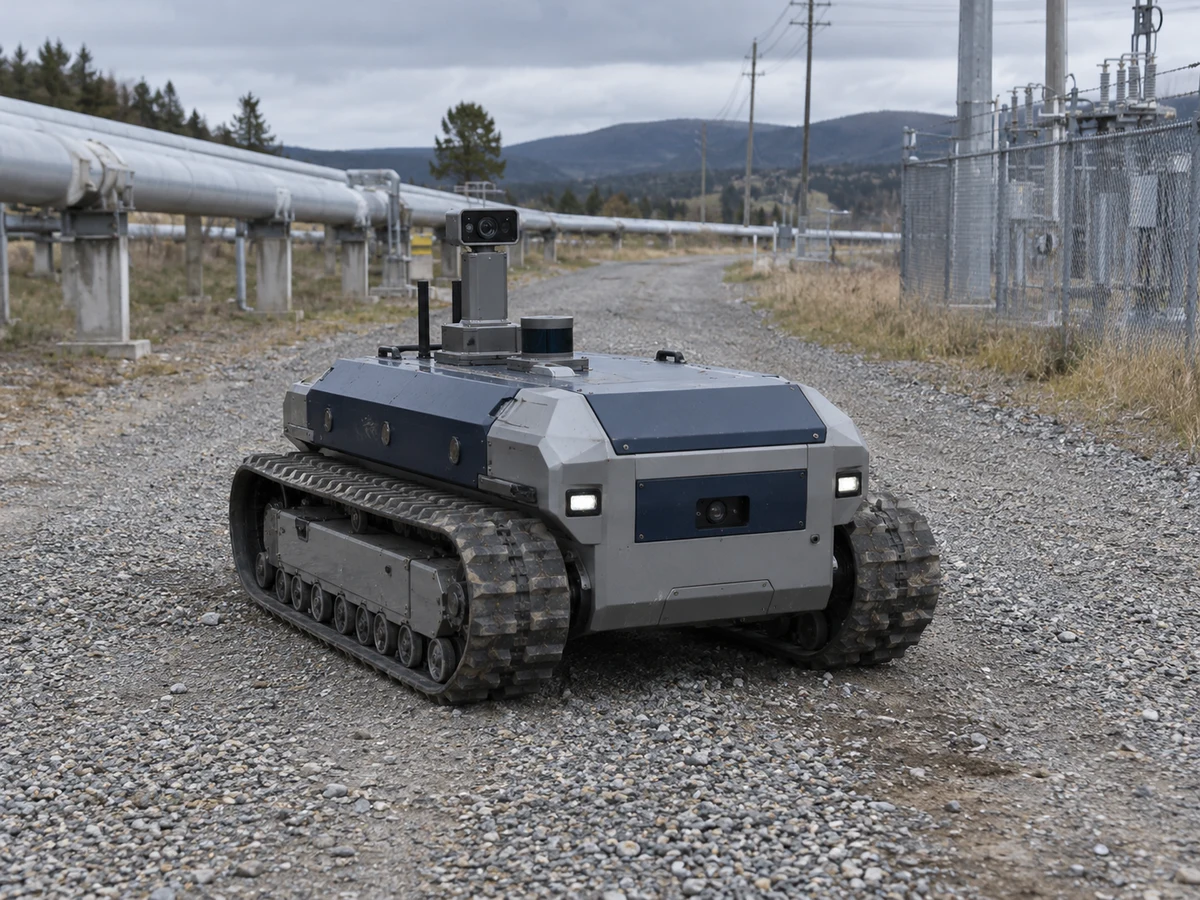
Fully enclosed compact tracked inspection platform on a utility service route.

Weight-sensitive mobile equipment

Provides increased available power while retaining the lightweight characteristics required for mobile applications.

SydroPOWER Stack™

PEM Fuel Cell Stacks for Custom System Development

SydroPOWER Stack™ is intended for manufacturers and system integrators that want to engineer their own fuel cell system around the stack. Rather than prescribing the complete powertrain architecture, the MZ-M range gives customers greater control over balance-of-plant, packaging, controls and power electronics.

Available Models

MZ111-M4L

For Compact Fuel Cell System Architectures

MZ111-M4L provides a starting platform for manufacturers developing lower-power fuel cell systems where packaging space and integration flexibility are important.

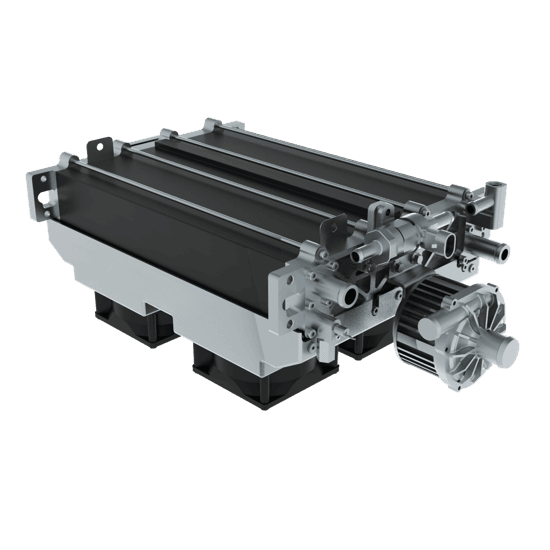
SydroPOWER Stack™ MZ111-M4L product image

Technical Specs

Power (Nominal / Peak)

111 / 116 kW

Volumetric Power Density

4.1 kW/L

Maximum Operating Temperature

95°C

Cold Start

-30°C

Dimensions (mm)

389×473×148

Platform

M4 Low

Certifications / Approvals

CE · IEC 62282 · IEC 61000

How It Supports Your Application

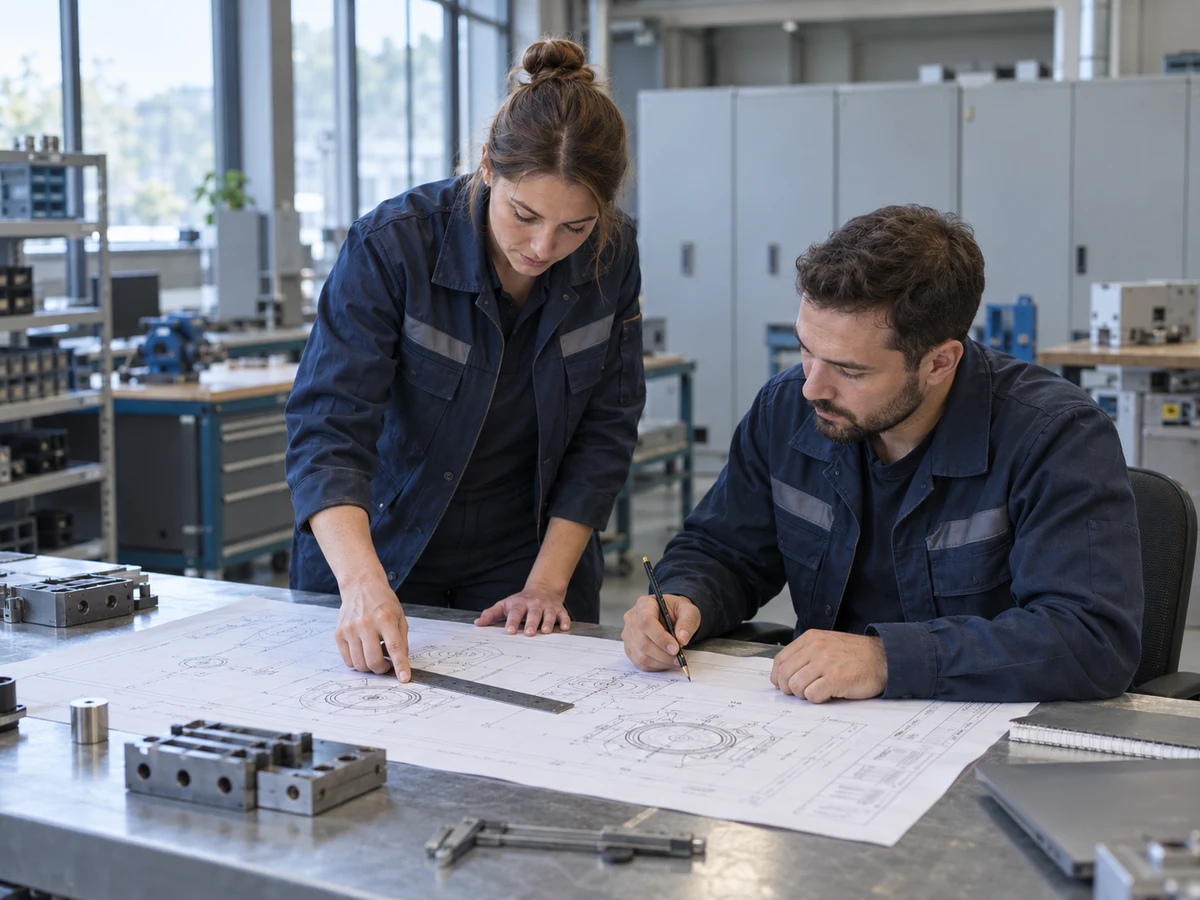
Engineers reviewing a mechanical layout at an integration workshop workbench.

System integrators

Provides the fuel cell stack while allowing the wider system architecture to be developed around specific project requirements.

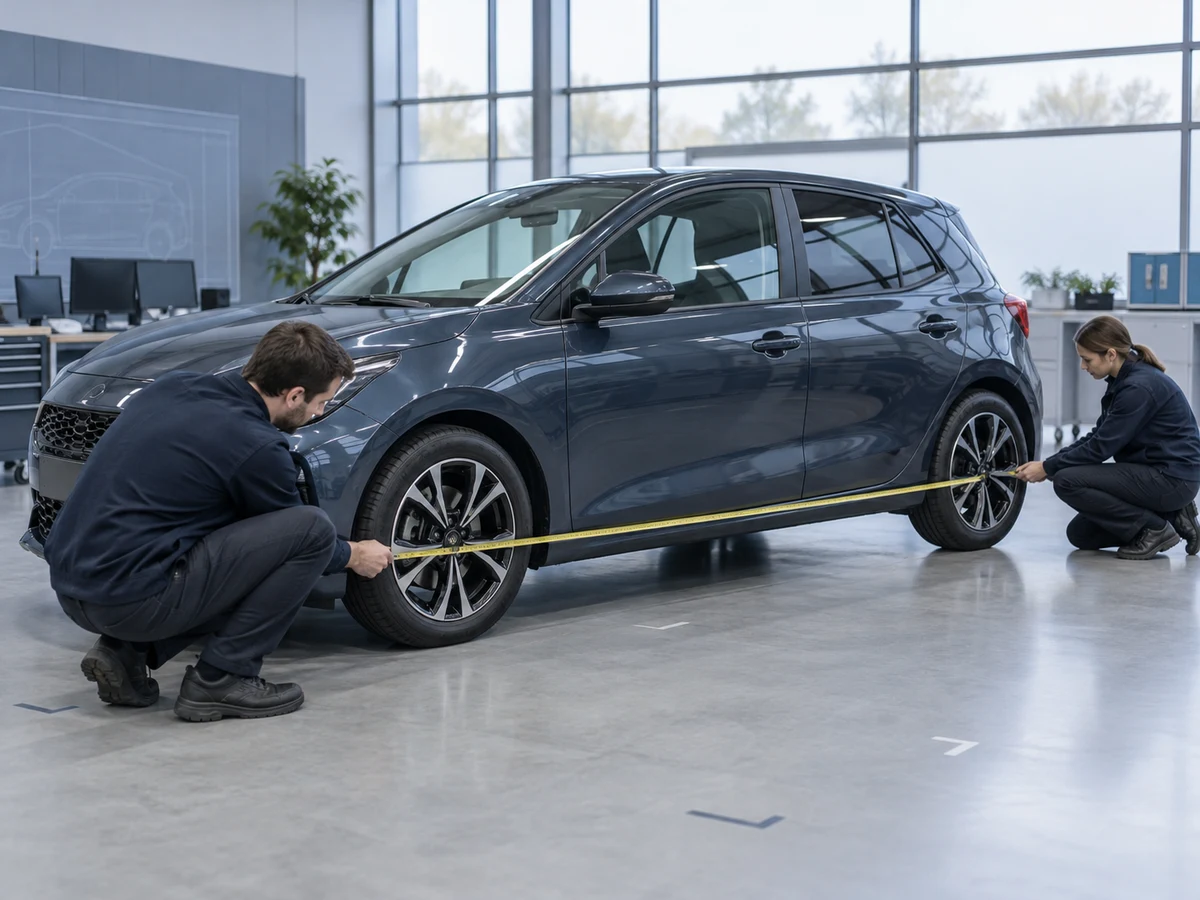
Automotive engineers measuring a closed compact passenger-car prototype in a development studio.

Vehicle OEMs

Supports OEM programmes where greater control over packaging, balance-of-plant and controls is required.

MZ163-M4H

For Higher-Power Systems Within the M4 Platform

MZ163-M4H supports manufacturers that need greater available power while retaining the M4 architecture, providing a step between the compact M4 Low platform and the larger M5 system.

Technical Specs

Power (Nominal / Peak)

163 / 198 kW

Volumetric Power Density

4.2 / 5.1 kW/L

Maximum Operating Temperature

95°C

Cold Start

-30°C

Dimensions (mm)

558×473×148

Platform

M4 High

Certifications / Approvals

CE · IEC 62282 · IEC 61000

How It Supports Your Application

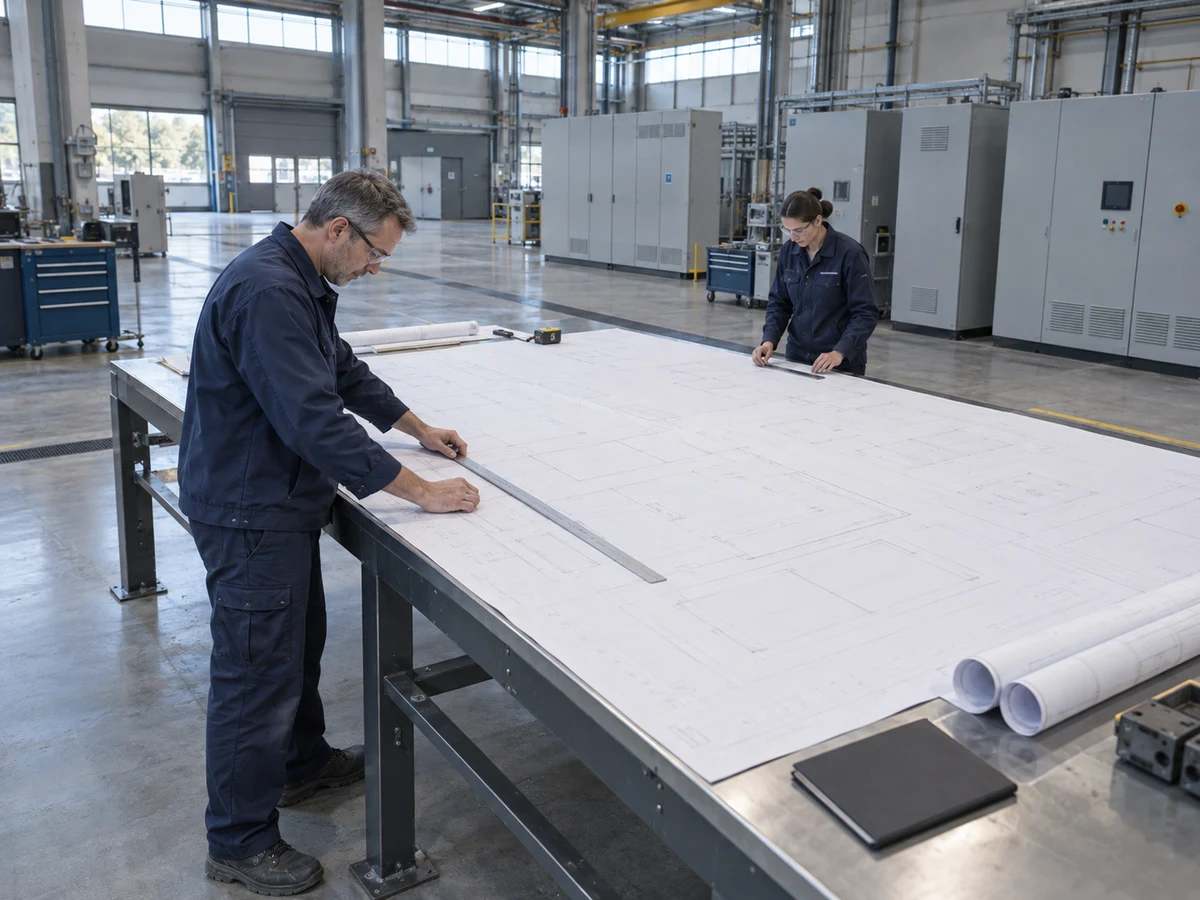
An engineer checking a large industrial system layout at a full-size drafting table in a power lab.

Higher-power system integration

Supports system developers that require more available stack power while maintaining control over the surrounding system design.

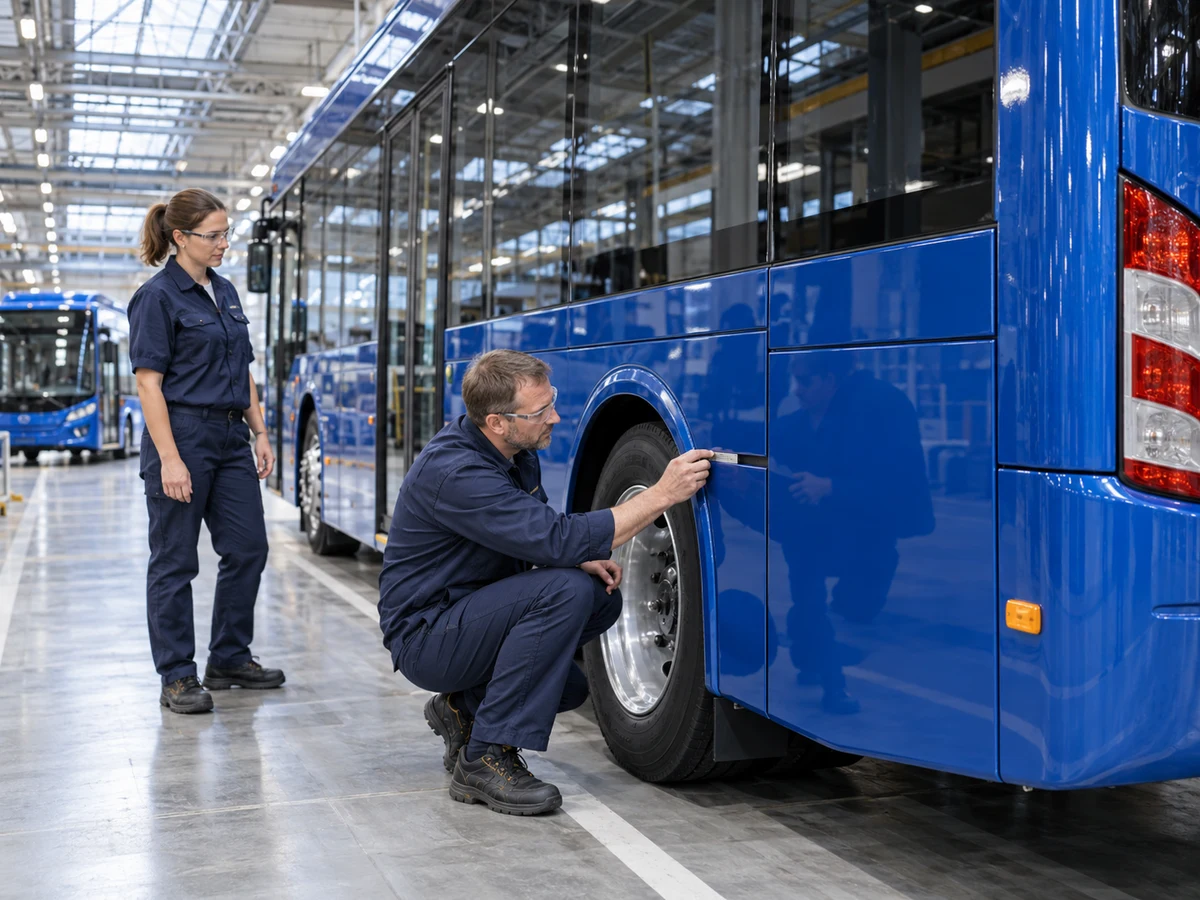
OEM engineers inspecting the exterior alignment of a completed bus on a production line.

Vehicle OEM programmes

Provides a higher-output M4 platform for vehicle architectures developed around a customer-defined balance-of-plant.

MZ247-M5H

For More Demanding High-Power System Integration

MZ247-M5H is intended for higher-power vehicle and equipment platforms where greater stack performance and stronger low-temperature capability are required.

Technical Specs

Power (Nominal / Peak)

247 / 261 kW

Volumetric Power Density

6.1 / 6.5 kW/L

Maximum Operating Temperature

95°C

Cold Start

-40°C

Dimensions (mm)

700×613×338

Platform

M5 High

Certifications / Approvals

CE · IEC 62282 · IEC 61000

How It Supports Your Application

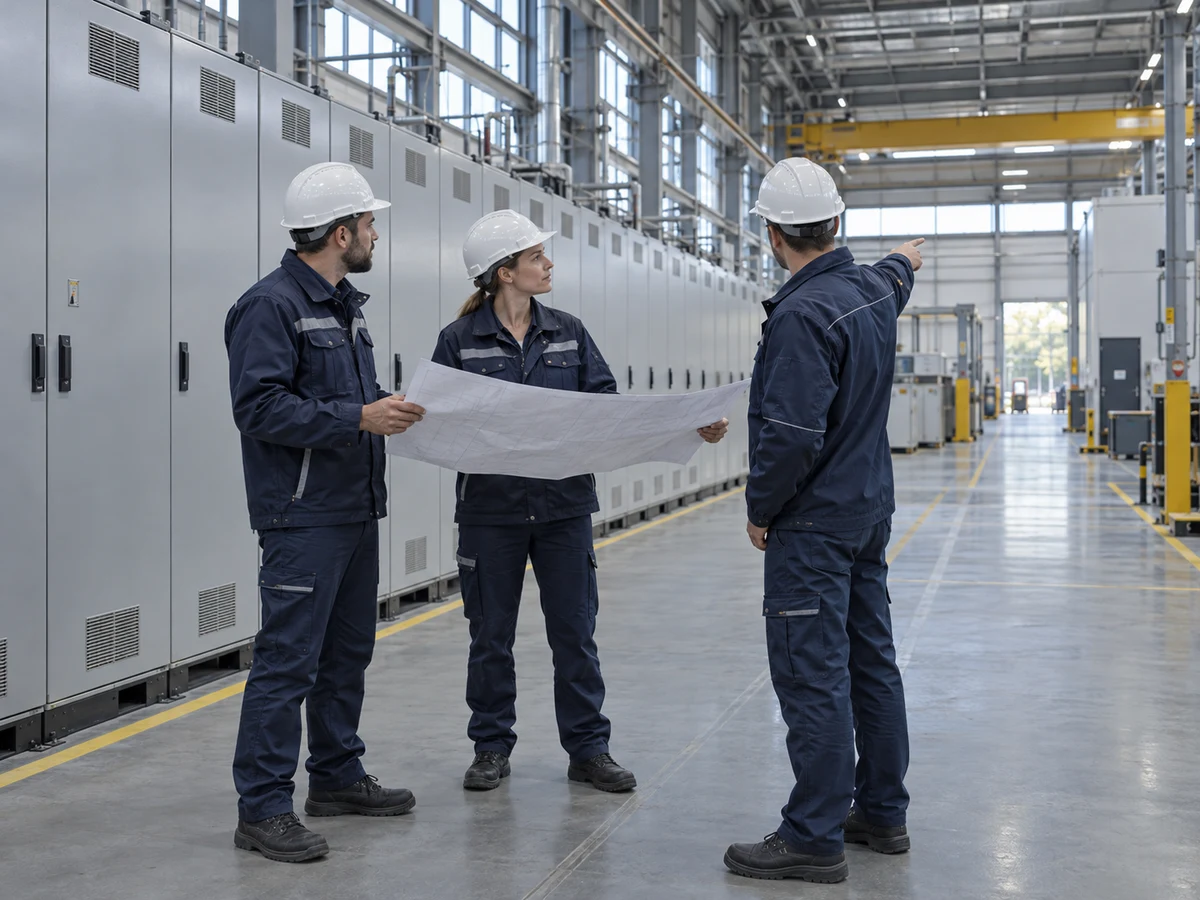
Industrial engineers reviewing a site plan beside a bank of closed control cabinets in a factory.

High-power system architectures

Supports custom fuel cell systems with greater power requirements.

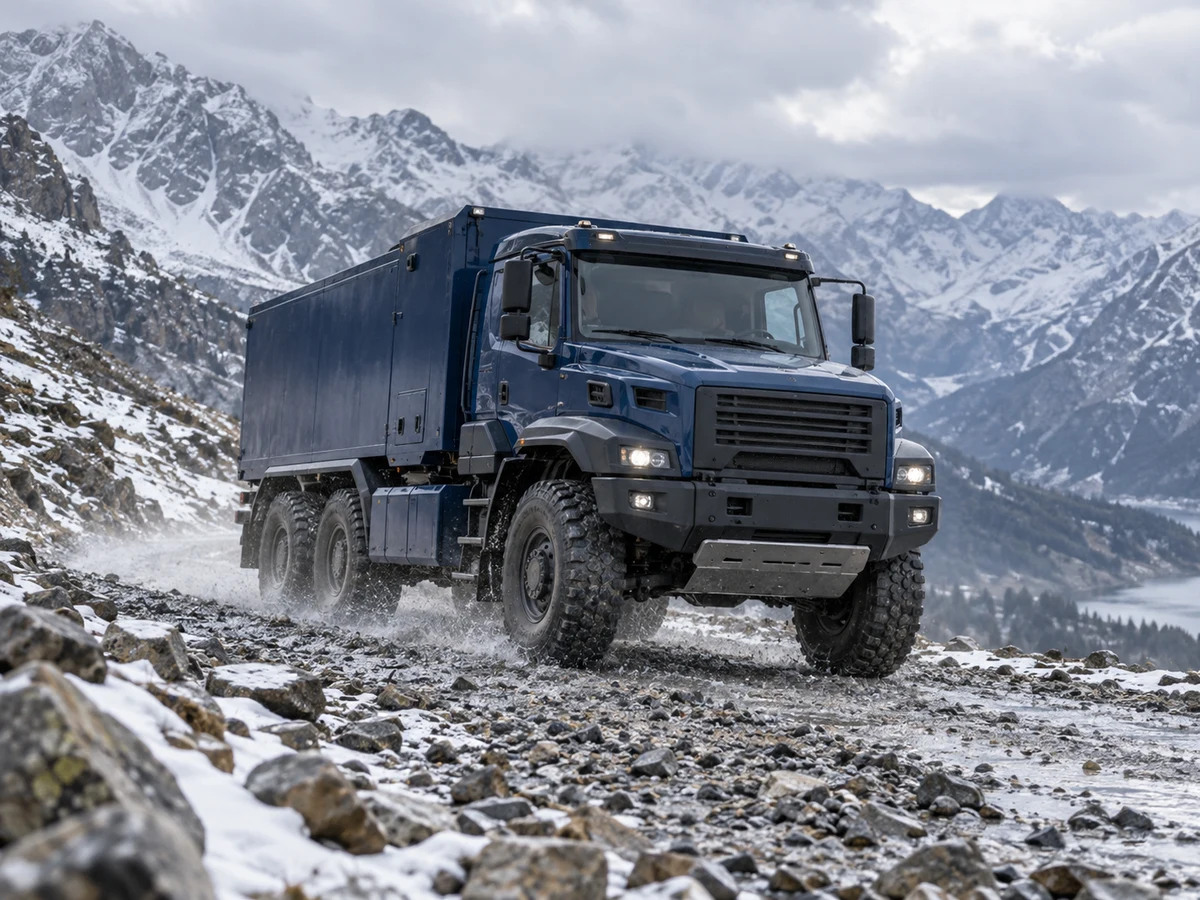
A rugged heavy utility truck driving through a cold mountainous testing landscape with all panels closed.

Demanding mobility platforms

Provides a stack-level integration route for higher-power vehicles and equipment operating across more challenging conditions.

SydroPOWER Drive™

Integrated Fuel Cell Powertrains for Vehicle Manufacturers

SydroPOWER Drive™ reduces the amount of fuel cell system engineering required around the stack by combining it with the supporting systems needed for vehicle integration. The range supports vehicle manufacturers across passenger transport, commercial vehicles and heavy-duty applications.

Available Models

MZ90-P4L

Fuel Cell Power for Passenger and Light Commercial Vehicles

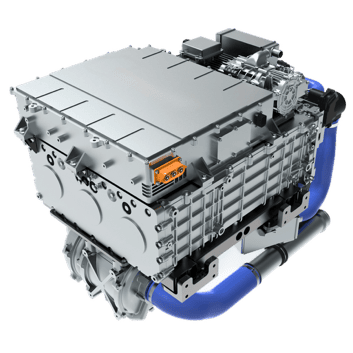
MZ90-P4L is designed for lighter vehicle platforms where efficiency and an appropriately sized integrated powertrain are more important than maximum available power.

SydroPOWER Drive™ MZ90-P4L product image

Technical Specs

Nominal Power

90 kW

Nominal Efficiency

60%

Mass Power Density

551 W/kg

Maximum Operating Temperature

95°C

Cold Start

-30°C

Dimensions (mm)

785×660×620

Certifications / Approvals

CE · IEC 62282 · IEC 61000

How It Supports Your Application

Modern unbranded crossover on a quiet city neighbourhood street.

Passenger vehicles

Provides an integrated fuel cell route for passenger vehicle platforms.

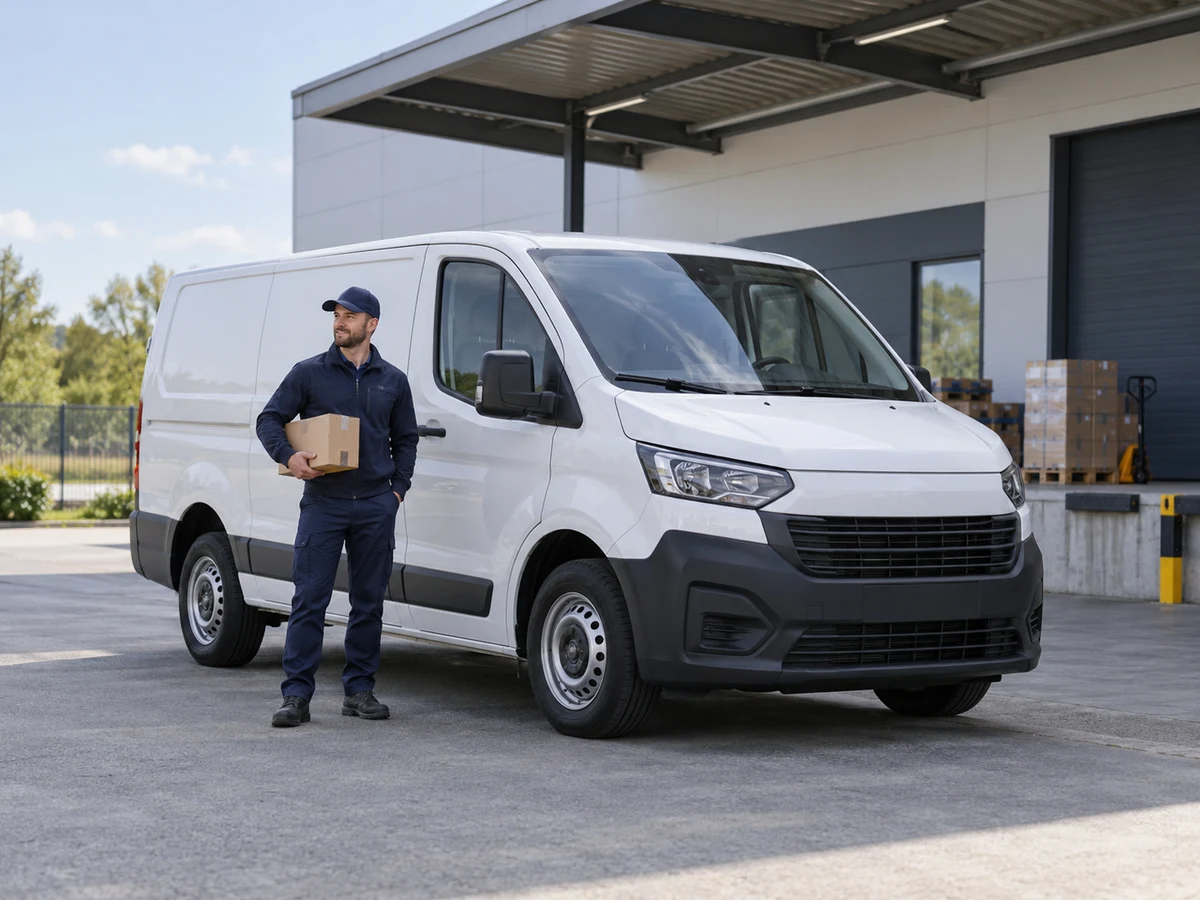
White delivery van and its driver outside a logistics business.

Light commercial vehicles

Supports lighter commercial vehicle programmes requiring a complete fuel cell powertrain rather than stack-level integration.

MZ140-P4H

Integrated Power for Buses and Coaches

MZ140-P4H supports larger passenger-transport platforms, providing an integrated fuel cell system for buses and coaches that require more sustained propulsion power than lighter vehicles.

Technical Specs

Nominal Power

140 kW

Nominal Efficiency

43%

Mass Power Density

676 W/kg

Maximum Operating Temperature

95°C

Cold Start

-30°C

Dimensions (mm)

882×678×643

Certifications / Approvals

CE · IEC 62282 · IEC 61000

How It Supports Your Application

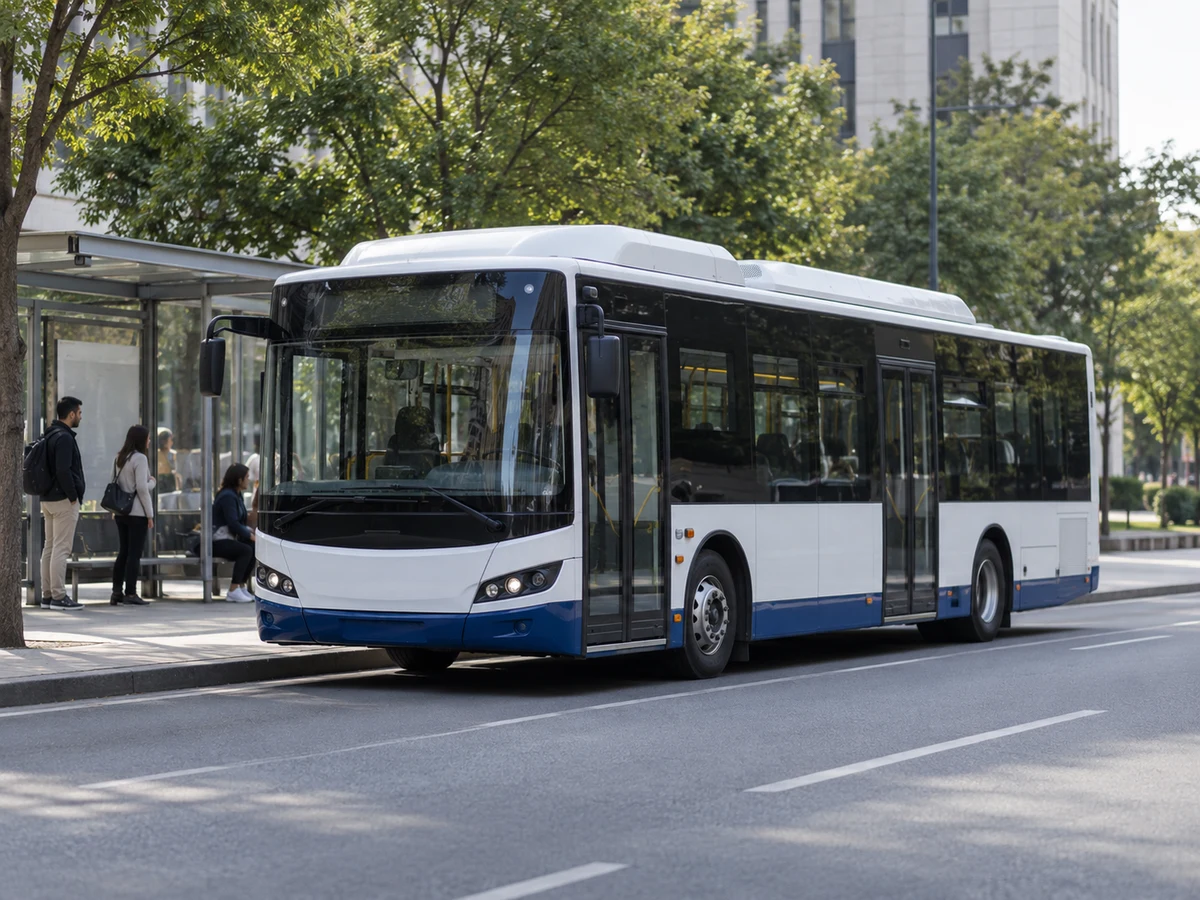
Low-floor city bus beside an urban bus stop.

Buses

Supports public and commercial transport platforms requiring integrated hydrogen fuel cell propulsion.

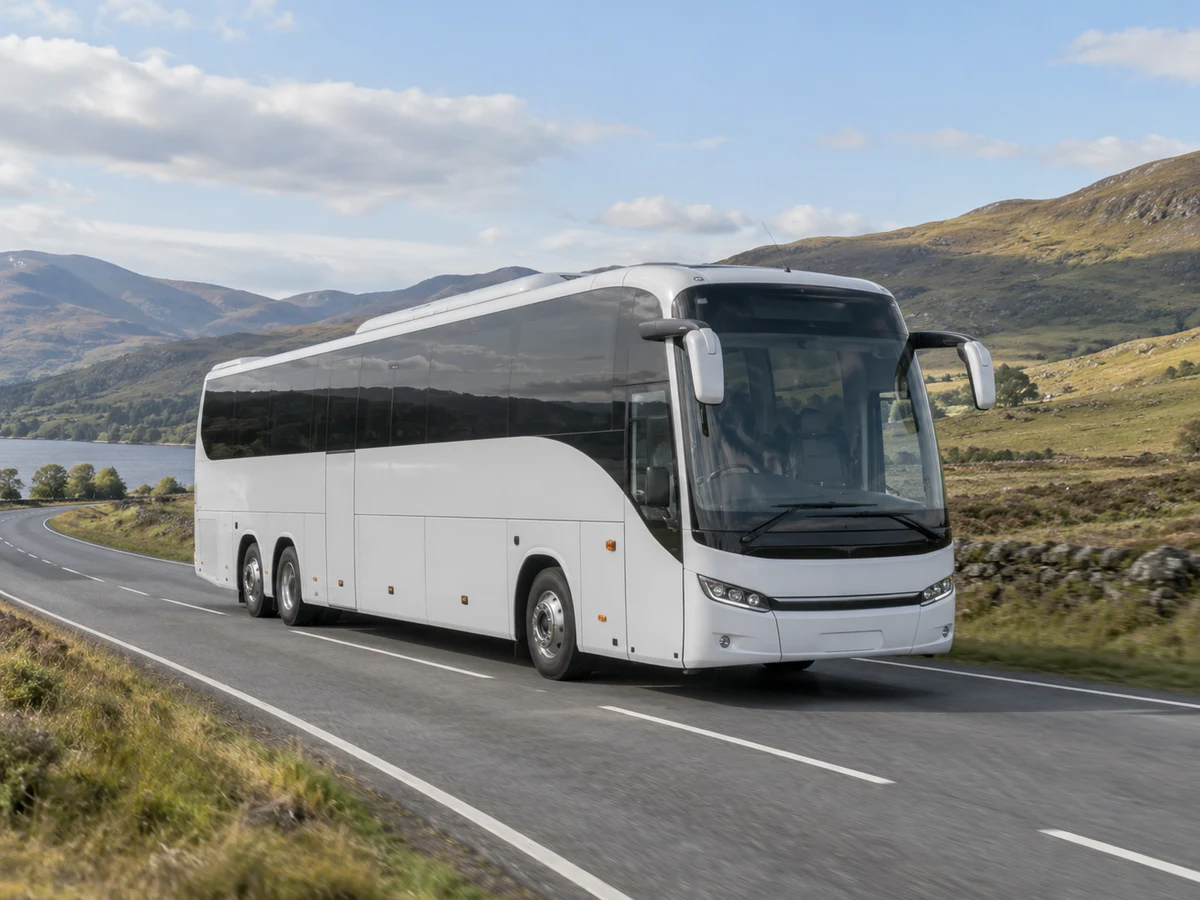
White intercity coach travelling on an open countryside route.

Coaches

Provides a higher-power route for larger passenger vehicles operating over longer duty cycles.

MZ220-P5H

High Power-to-Weight for Heavy-Duty Mobility

MZ220-P5H is suited to heavy trucks and mining vehicles where high available power must be balanced against system mass and demanding operating conditions.

Technical Specs

Nominal Power

220 kW

Nominal Efficiency

48.5%

Mass Power Density

890 W/kg

Maximum Operating Temperature

95°C

Cold Start

-40°C

Dimensions (mm)

1243×760×960

Certifications / Approvals

CE · IEC 62282 · IEC 61000

How It Supports Your Application

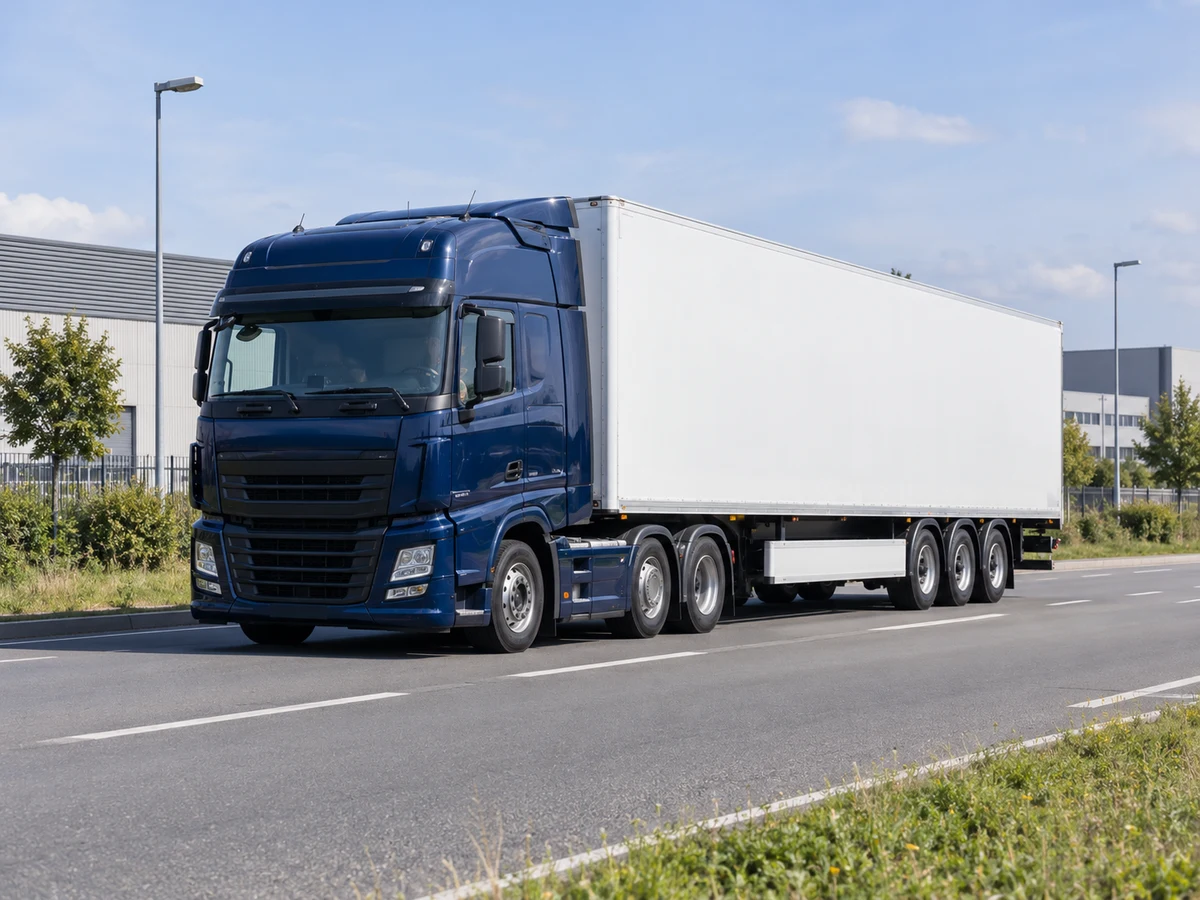
Navy freight tractor and box semitrailer on a regional transport route.

Heavy trucks

Supports higher-load commercial vehicles requiring increased propulsion power.

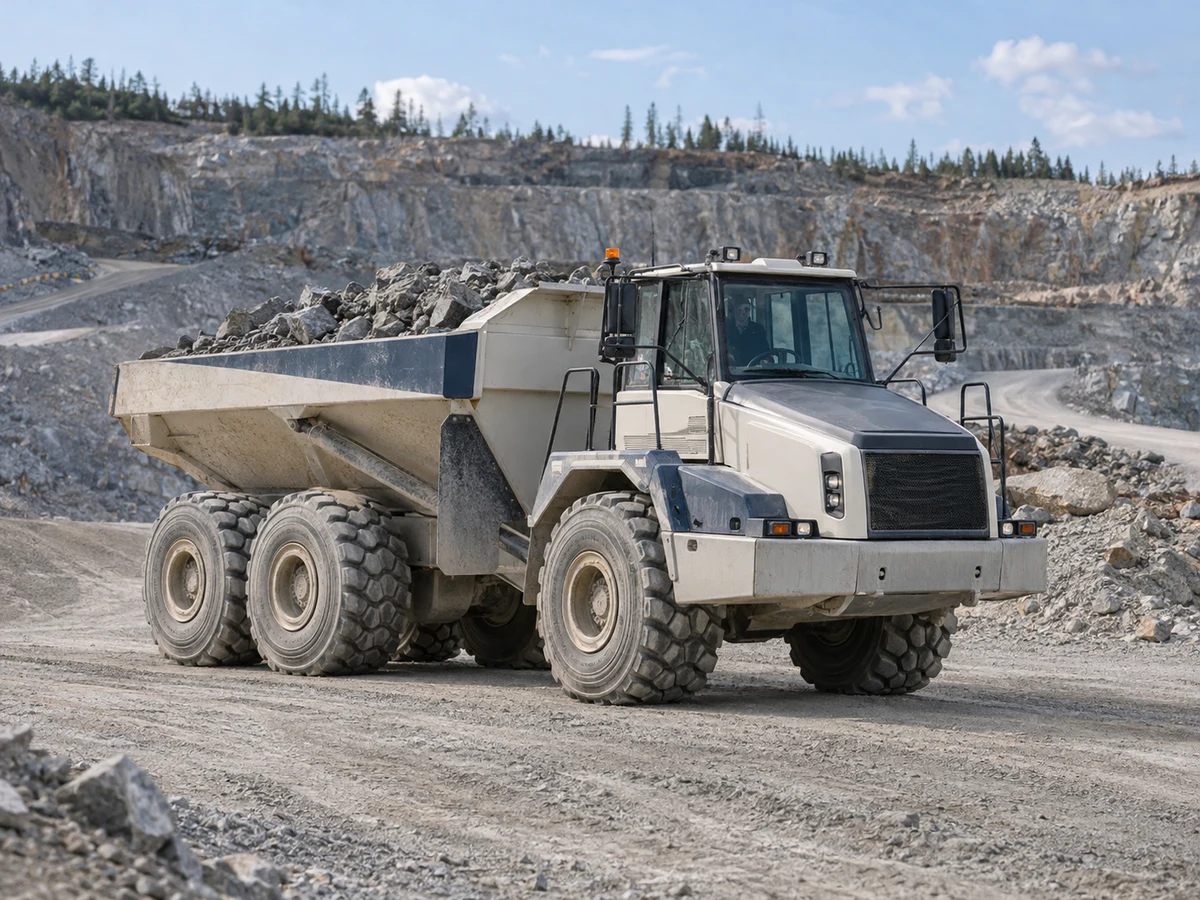
Articulated mine haul truck carrying crushed rock in a working quarry.

Mining vehicles

Provides an integrated fuel cell system for demanding off-road and mining applications.

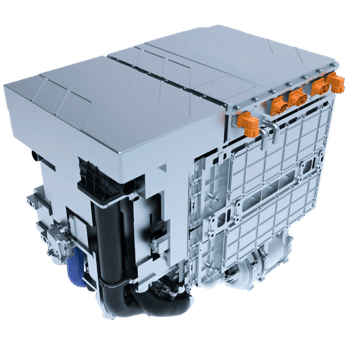
MZ260-P4X

Higher Available Power for Heavy-Duty Platforms

MZ260-P4X is positioned for heavy-duty vehicles and mining equipment with greater propulsion demand, providing the highest-power route within the current SydroPOWER Drive™ portfolio.

Technical Specs

Nominal Power

260 kW

Nominal Efficiency

46.5%

Mass Power Density

783 W/kg

Maximum Operating Temperature

95°C

Cold Start

-30°C

Dimensions (mm)

1050×729×968

Certifications / Approvals

CE · IEC 62282 · IEC 61000

How It Supports Your Application

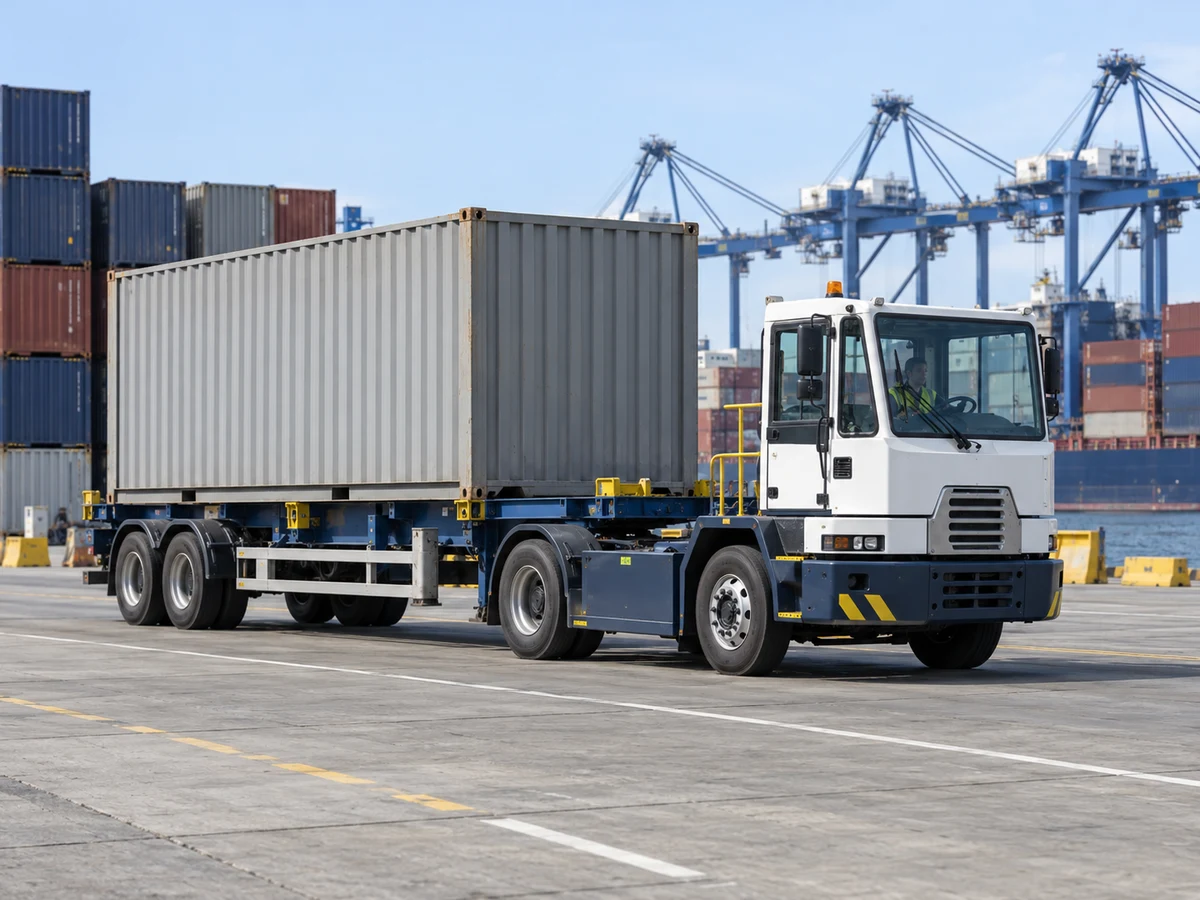
Port terminal tractor transporting a shipping container through a container yard.

Heavy-duty vehicles

Supports vehicle platforms with greater continuous propulsion requirements.

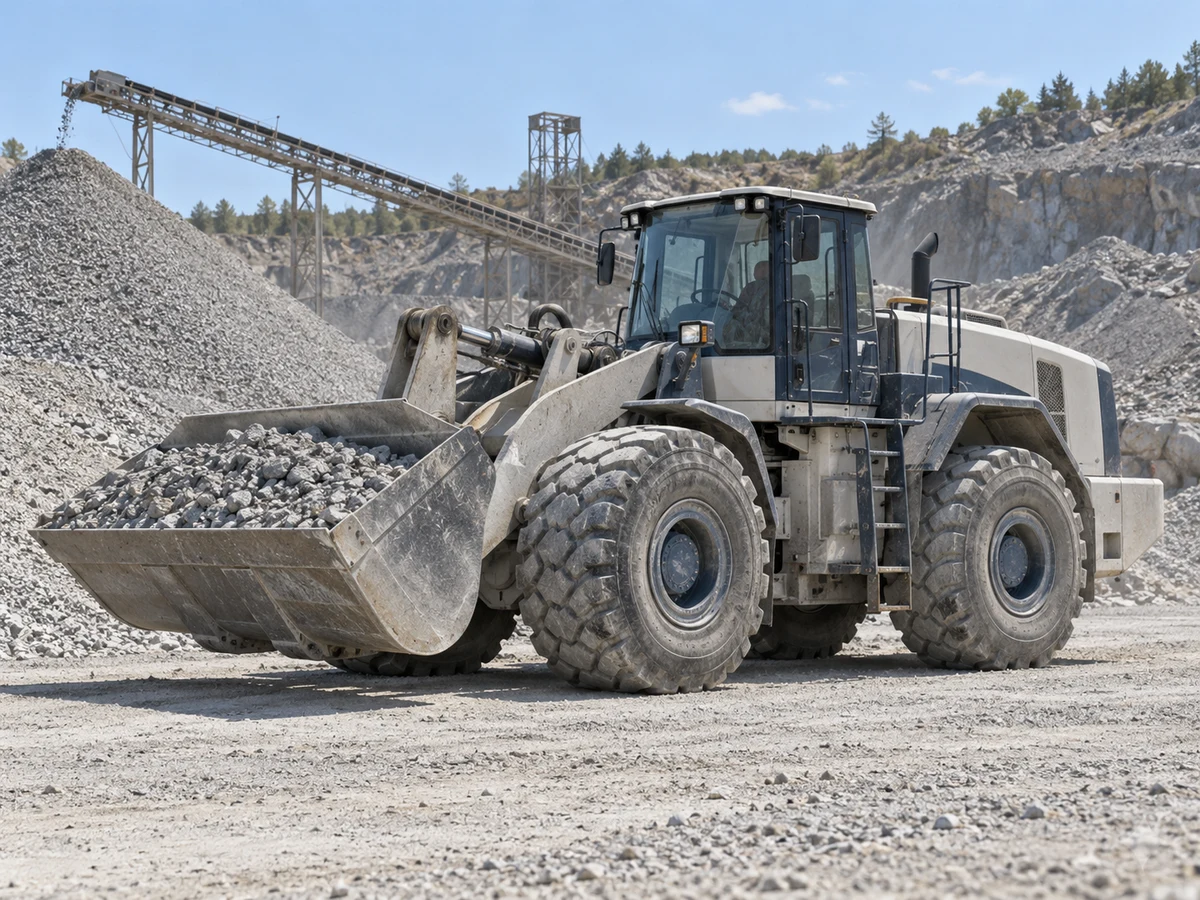
Large wheel loader handling aggregate beside stockpiles in an industrial quarry.

Mining and heavy equipment

Provides higher available fuel cell power for demanding industrial mobility applications.

SydroPOWER Grid™

Containerised Hydrogen Power for Sites and Infrastructure

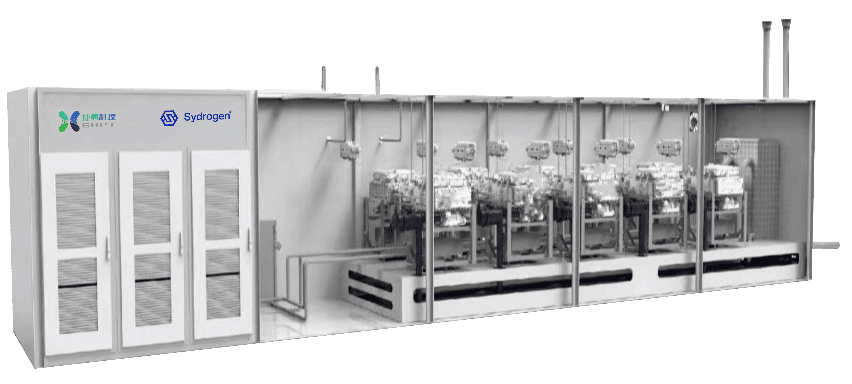
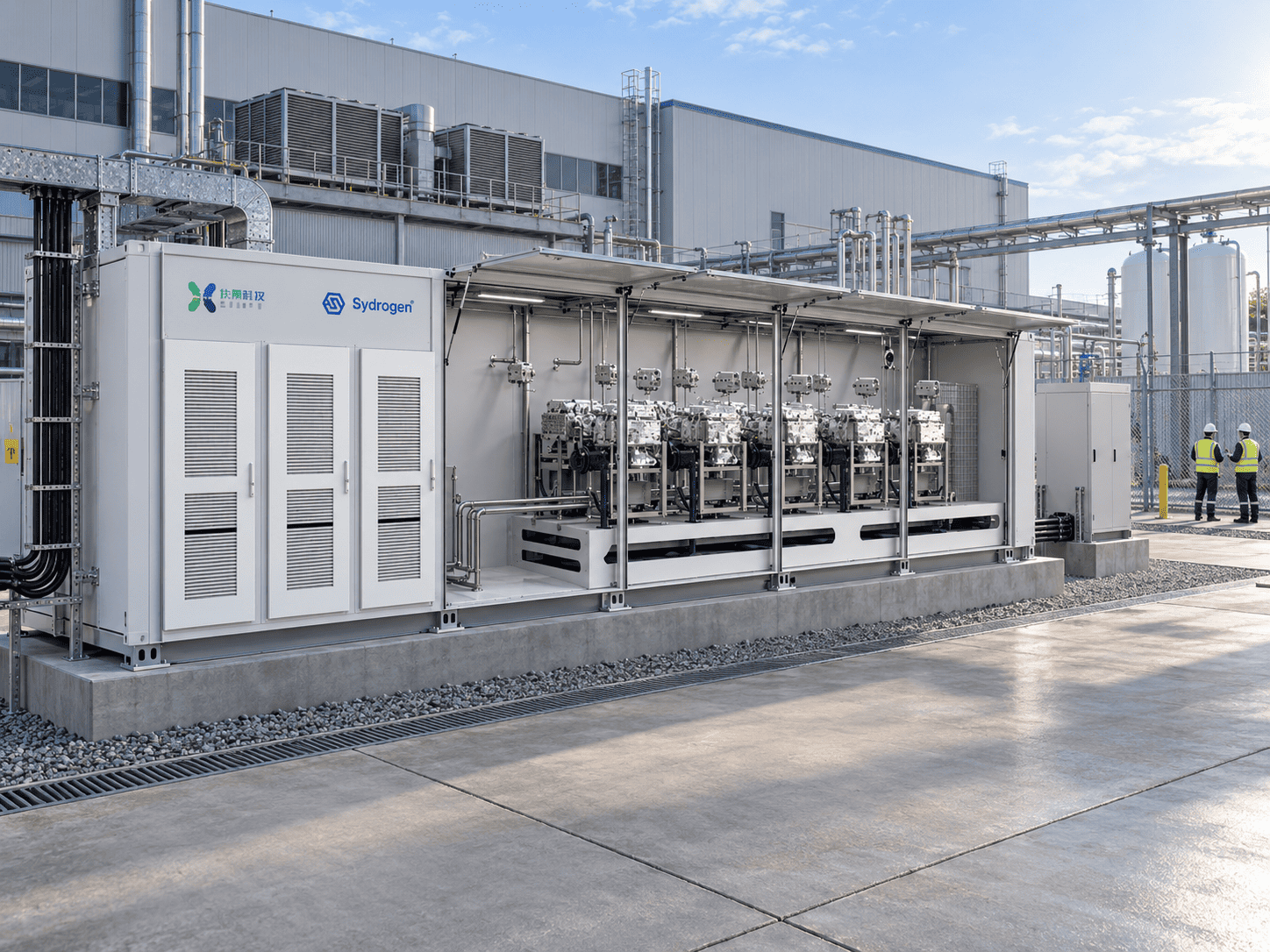
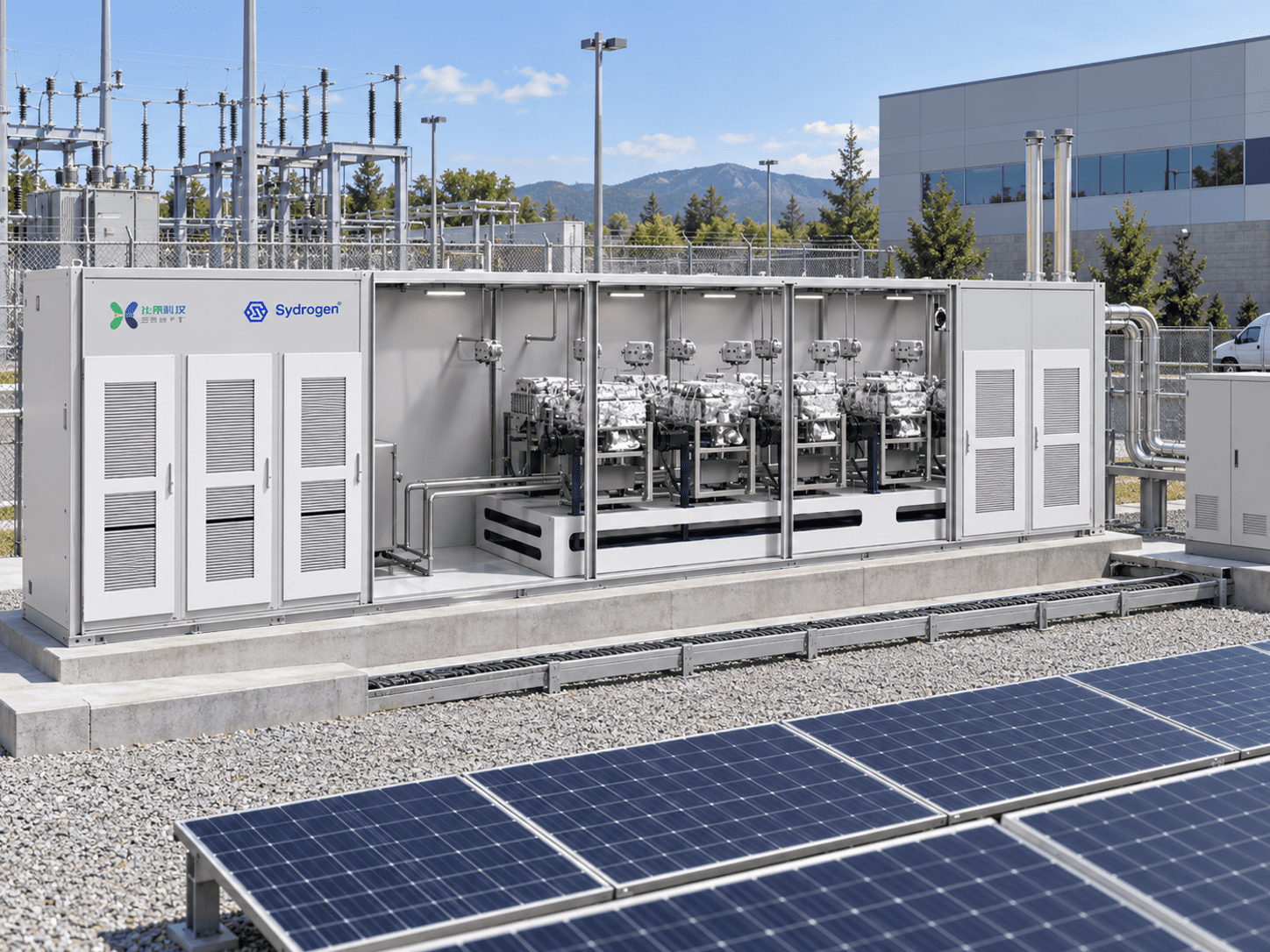
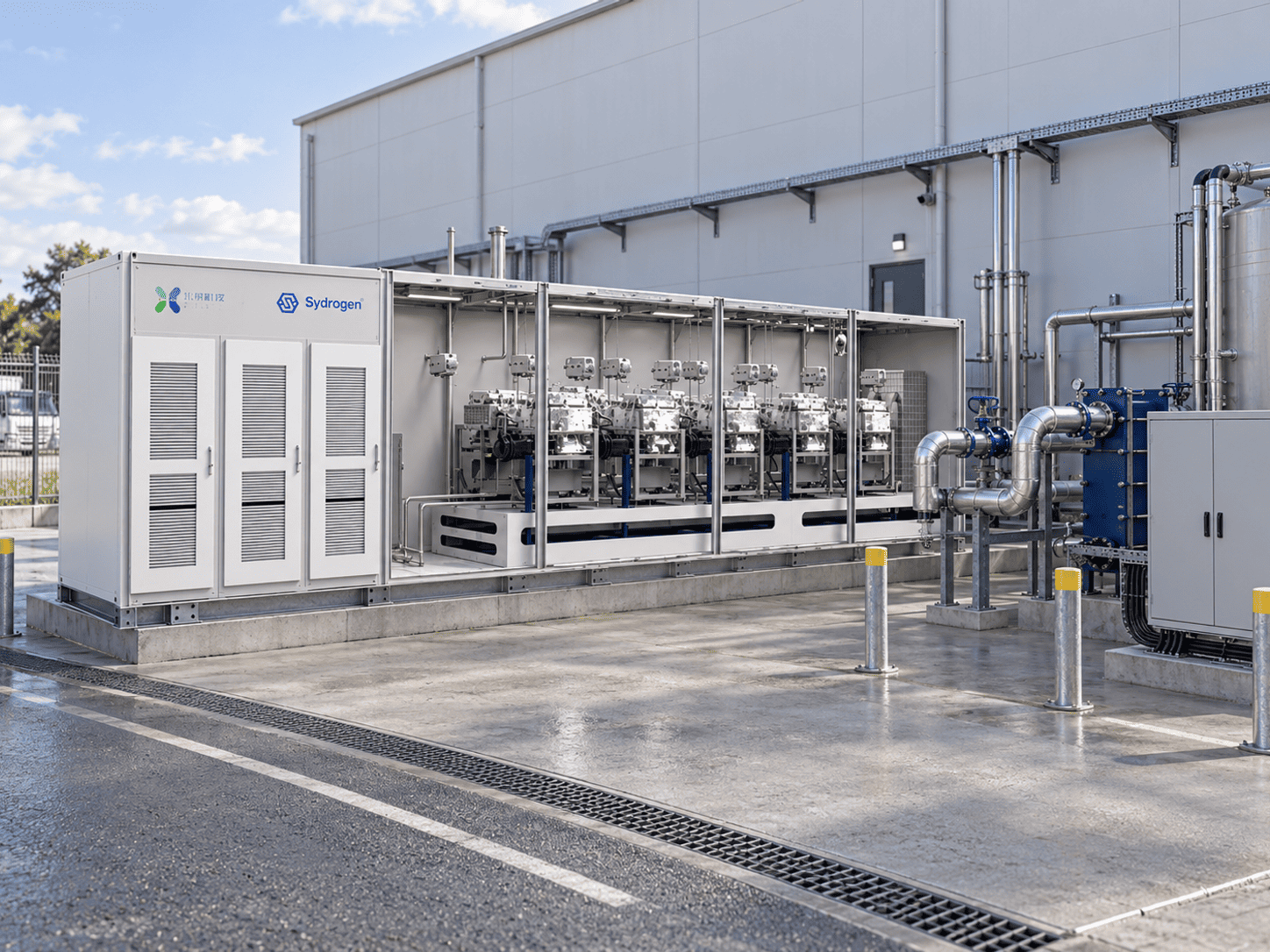
SydroPOWER Grid™ provides a more complete route to stationary hydrogen power by integrating fuel cell generation with power electronics and safety management. The containerised systems support applications such as EV charging, microgrids, backup power and combined heat and power without requiring customers to assemble the generator from individual subsystems.

Available Models

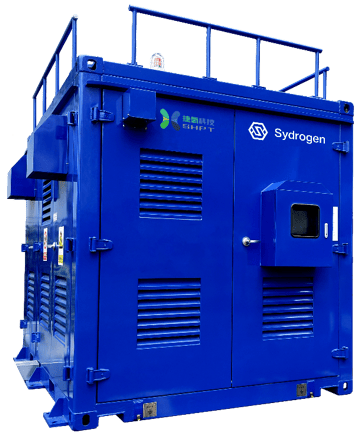
MZ100T

Distributed Power for Smaller Sites and Infrastructure Loads

MZ100T is suited to applications such as EV charging, backup generation and smaller microgrids where additional local power is required without moving to a megawatt-scale installation.

SydroPOWER Grid™ MZ100T product image

Technical Specs

Output

100 kW

Voltage

400 – 720 V

Operating Temperature

-20°C to 45°C

Enclosure Type

10-ft ISO container

Key Features

IoT Enabled · Modular · Multi-fuel Ready · Rapid Deploy

Certifications / Approvals

CE · IEC 62282 · IEC 61000

How It Supports Your Application

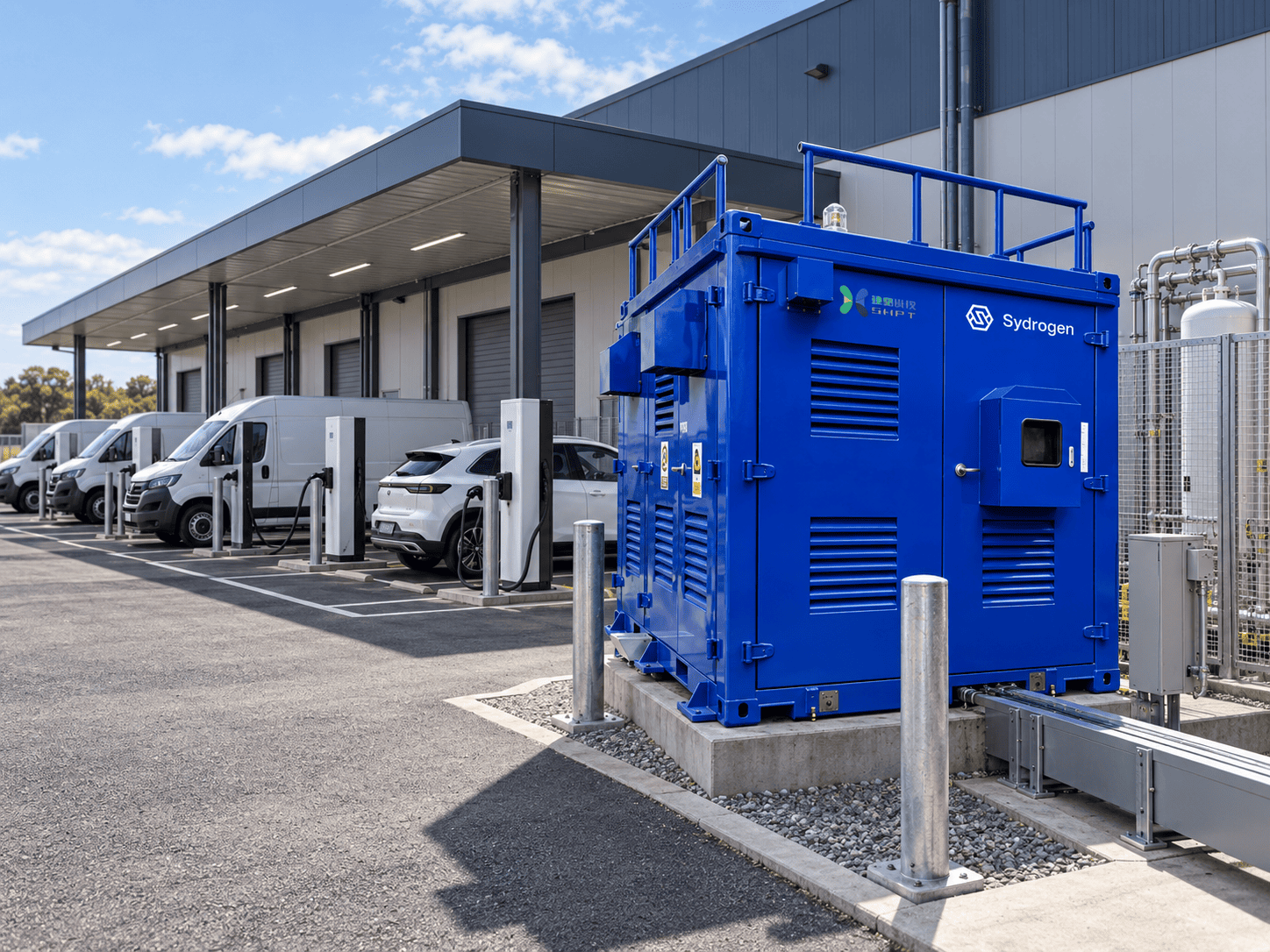
Illustrative MZ100T installation for ev charging, based on supplied SydroPOWER product artwork

EV charging

Provides local generation where charging demand exceeds or supplements available grid capacity.

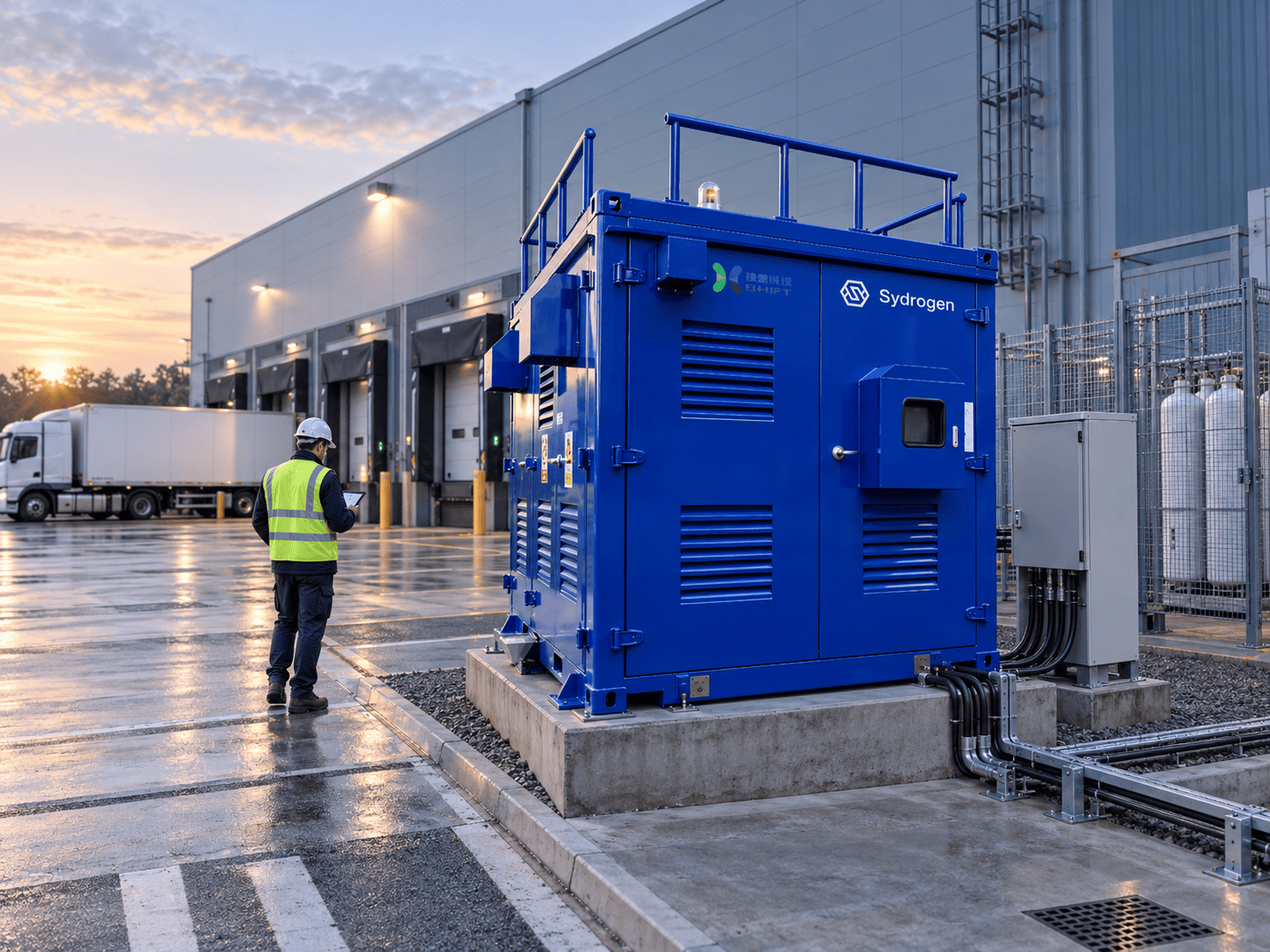
Illustrative MZ100T installation for backup power, based on supplied SydroPOWER product artwork

Backup power

Supports commercial and infrastructure sites requiring an alternative source of standby power.

Illustrative MZ100T installation for smaller microgrids, based on supplied SydroPOWER product artwork

Smaller microgrids

Provides distributed generation for local energy systems that do not require megawatt-class capacity.

MZ200T

More Capacity for Larger Distributed-Power Requirements

MZ200T supports sites with greater power demand while retaining a modular containerised architecture, making it suitable for larger charging hubs, microgrids and distributed generation projects.

Technical Specs

Output

200 kW

Voltage

400 – 720 V

Operating Temperature

-20°C to 45°C

Enclosure Type

10-ft ISO container

Key Features

IoT Enabled · Modular · Multi-fuel Ready · Rapid Deploy

Certifications / Approvals

CE · IEC 62282 · IEC 61000

How It Supports Your Application

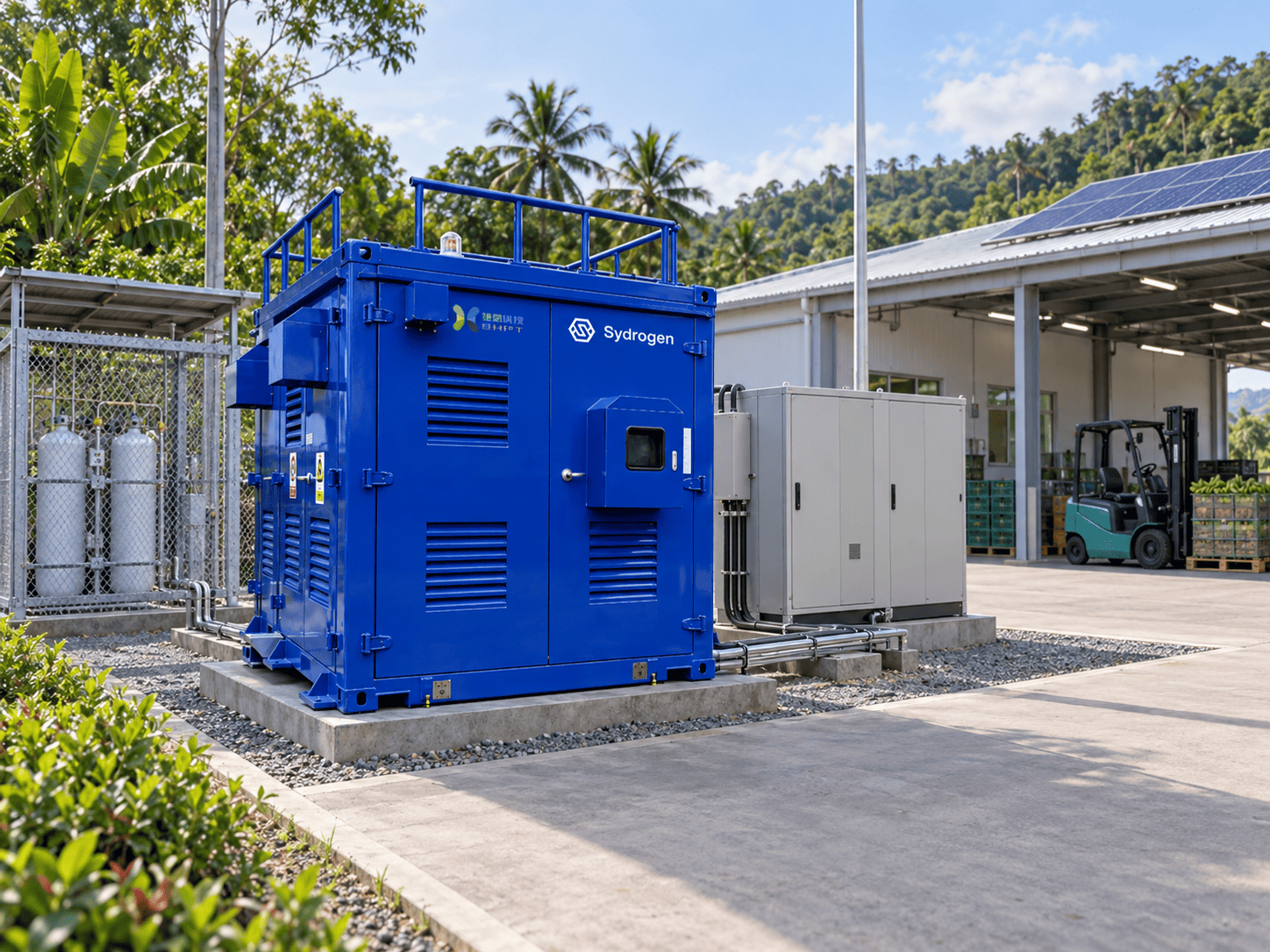
Illustrative MZ200T installation for ev charging hubs, based on supplied SydroPOWER product artwork

EV charging hubs

Supports sites with higher simultaneous charging demand.

Illustrative MZ200T installation for microgrids, based on supplied SydroPOWER product artwork

Microgrids

Provides modular generation for larger local energy systems.

Illustrative MZ200T installation for backup and distributed generation, based on supplied SydroPOWER product artwork

Backup and distributed generation

Supports facilities requiring additional site power without immediately moving to a megawatt-scale system.

MZ1000T

Megawatt-Class Power for Industrial and Energy Infrastructure

MZ1000T is intended for larger industrial sites, microgrids and grid-support applications where hydrogen generation needs to operate as a significant part of the site’s energy infrastructure. Its on-grid/off-grid and CHP capability also supports projects requiring more than standalone backup generation.

Technical Specs

Output

1 MW (Peak 1.2 MW, 30s)

Voltage

380 V (up to 10 kV)

Operating Temperature

-20°C to 45°C

Enclosure Type

40-ft ISO container (12.2×2.44×2.59 m)

Key Features

On/Off-grid · CHP-ready · Intelligent Control · Zone Safety · Fire Suppression · High Altitude

Certifications / Approvals

CE · IEC 62282 · IEC 61000

How It Supports Your Application

Illustrative MZ1000T installation for industrial sites, based on supplied SydroPOWER product artwork

Industrial sites

Provides megawatt-class generation for larger facility loads.

Illustrative MZ1000T installation for microgrids and grid support, based on supplied SydroPOWER product artwork

Microgrids and grid support

Supports distributed generation, peak management and wider energy-system integration.

Illustrative MZ1000T installation for combined heat and power, based on supplied SydroPOWER product artwork

Combined heat and power

Enables projects to make use of both generated electricity and recoverable heat.

SydroPOWER Marine™

Hydrogen Fuel Cell Power Developed for Marine Integration

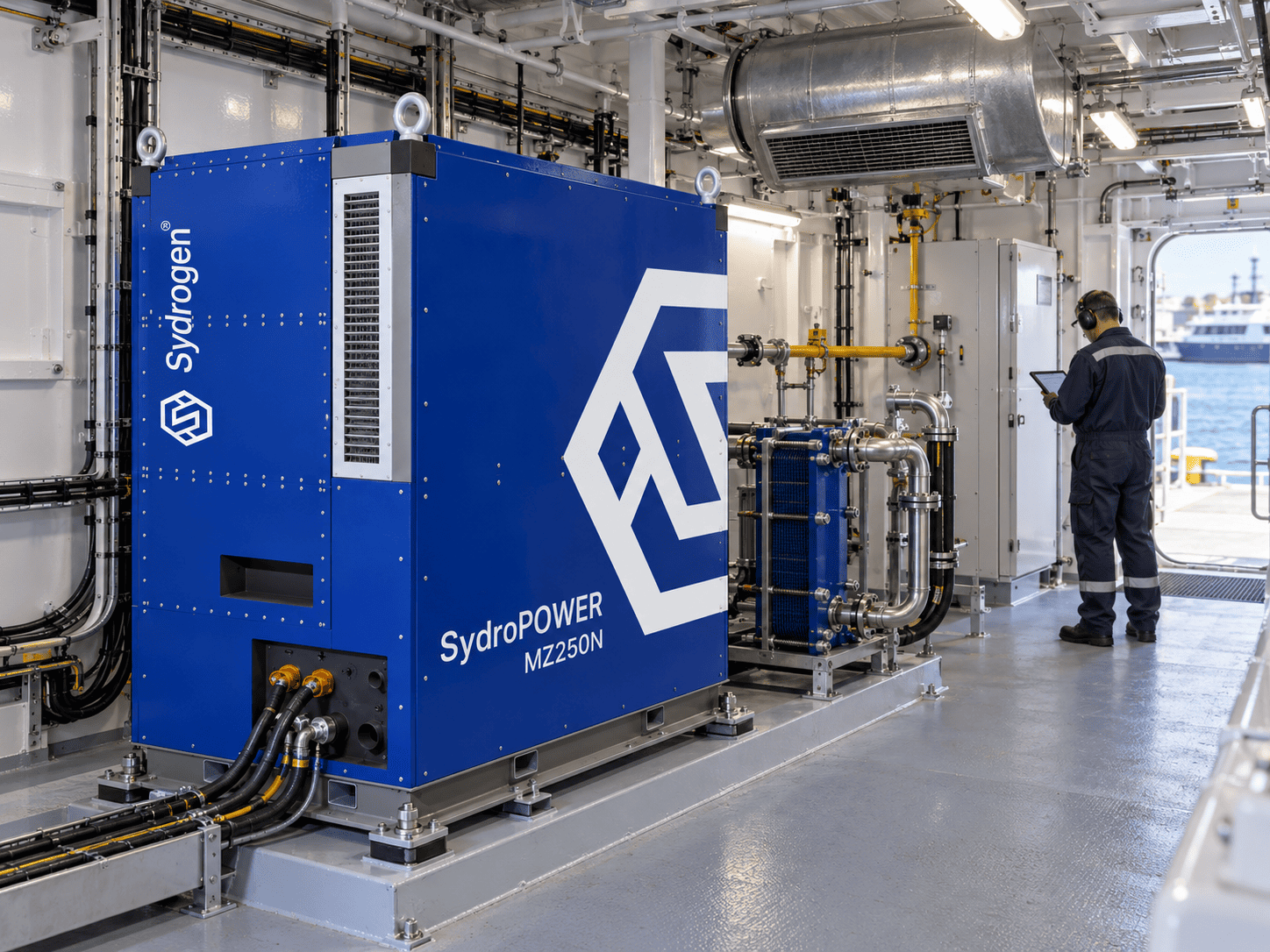
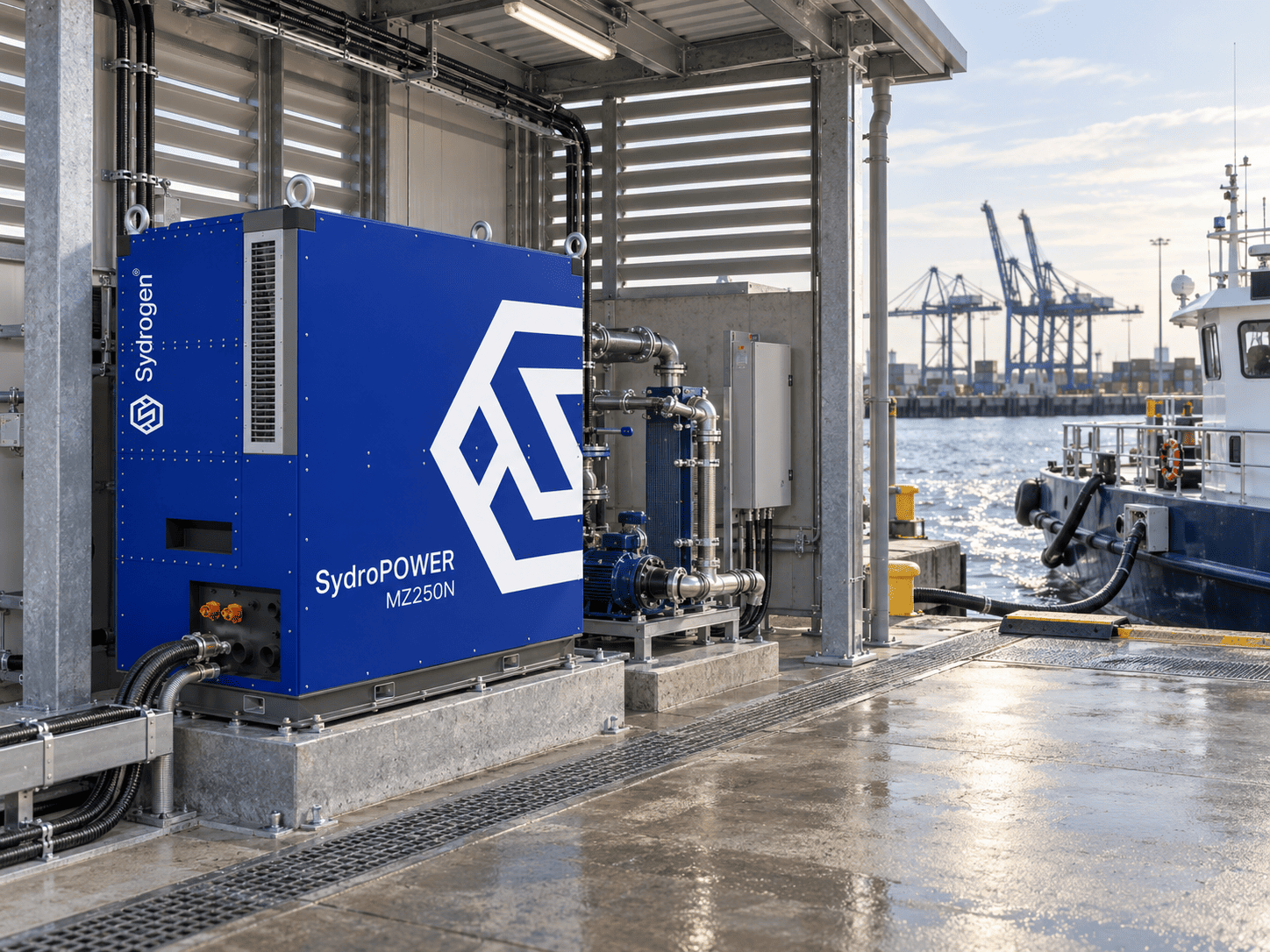
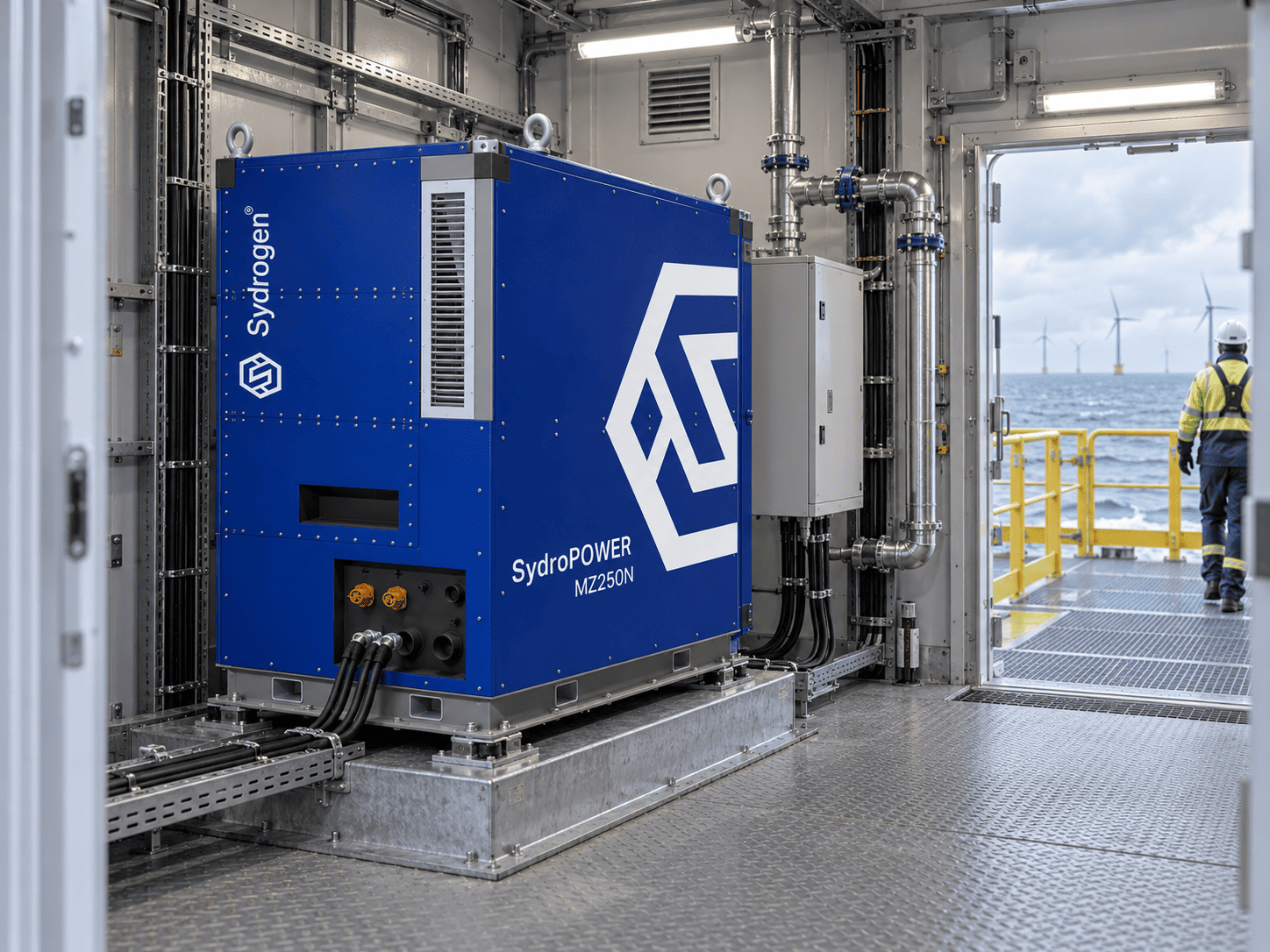
SydroPOWER Marine™ provides a fuel cell generation route specifically developed for vessels, ports and offshore applications. The platform combines marine-oriented system design with seawater cooling, supporting customers as they integrate hydrogen power into maritime projects.

Available Models

MZ250N

Marine Fuel Cell Power for Vessels and Offshore Projects

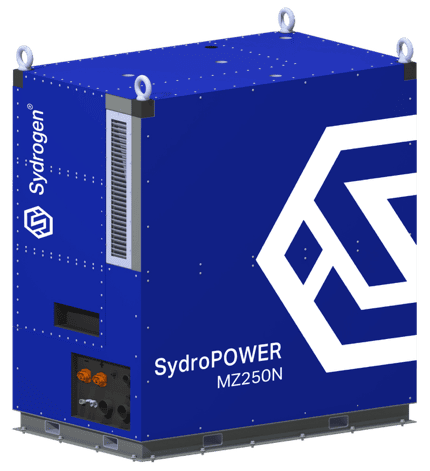
MZ250N is designed for projects where a conventional land-based generator cannot simply be transferred into the marine environment. Its marine enclosure, seawater cooling and Bureau Veritas assessment provide a more suitable engineering starting point for vessel and offshore integration.

SydroPOWER Marine™ MZ250N product image

Technical Specs

Output

245 kW (Peak 255)

Voltage

600 V

Operating Temperature

Marine-rated

Enclosure Type

Custom marine enclosure (2.10×1.30×2.23 m)

Key Features

Seawater-cooled · Fuel Flexible · BV AiP + BDA

Certifications / Approvals

Bureau Veritas Approval in Principle (AiP) + Basic Design Appraisal (BDA)

How It Supports Your Application

Illustrative MZ250N installation for vessels, based on supplied SydroPOWER product artwork

Vessels

Supports onboard fuel cell generation integrated into vessel electrical systems.

Illustrative MZ250N installation for ports, based on supplied SydroPOWER product artwork

Ports

Provides a marine-oriented power route for harbour and port applications.

Illustrative MZ250N installation for offshore projects, based on supplied SydroPOWER product artwork

Offshore projects

Supports offshore installations requiring fuel cell generation designed around marine operating conditions.

Wherever There’s a Diesel Genset Today, There’s a SydroPOWER® Fit

Across critical infrastructure, industrial sites, transport hubs and remote environments, SydroPOWER® supports the same backup, temporary, distributed and off-grid power needs traditionally addressed by diesel generators.

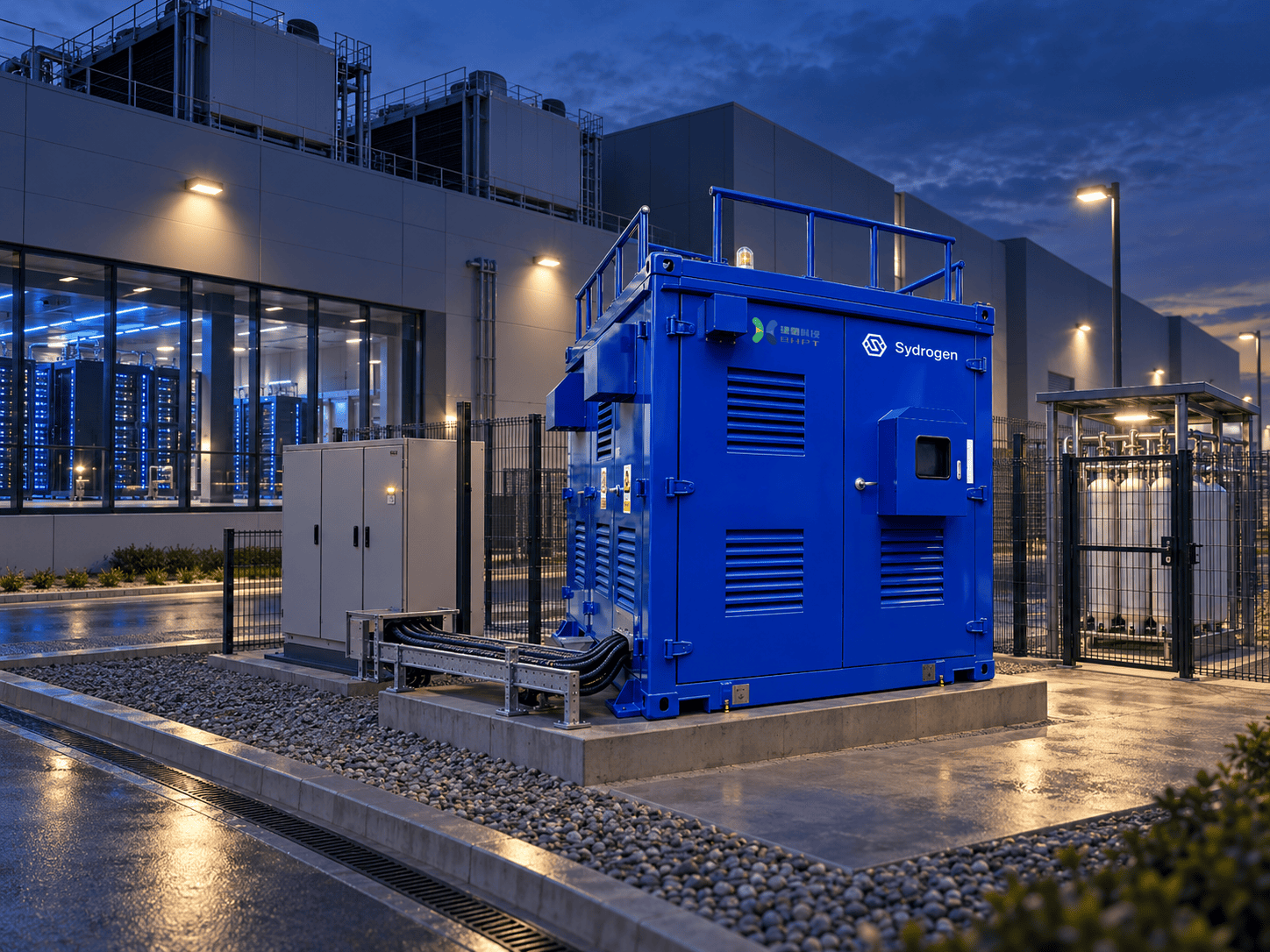
Illustrative SydroPOWER Grid installation serving a data-centre campus

Critical Infrastructure

Quiet backup and distributed power for hospitals, data centres, telecom towers and commercial buildings.

Representative construction site with engineers and temporary electrical distribution equipment

Industry and Construction

Temporary and distributed power for construction, mining, industrial parks and events.

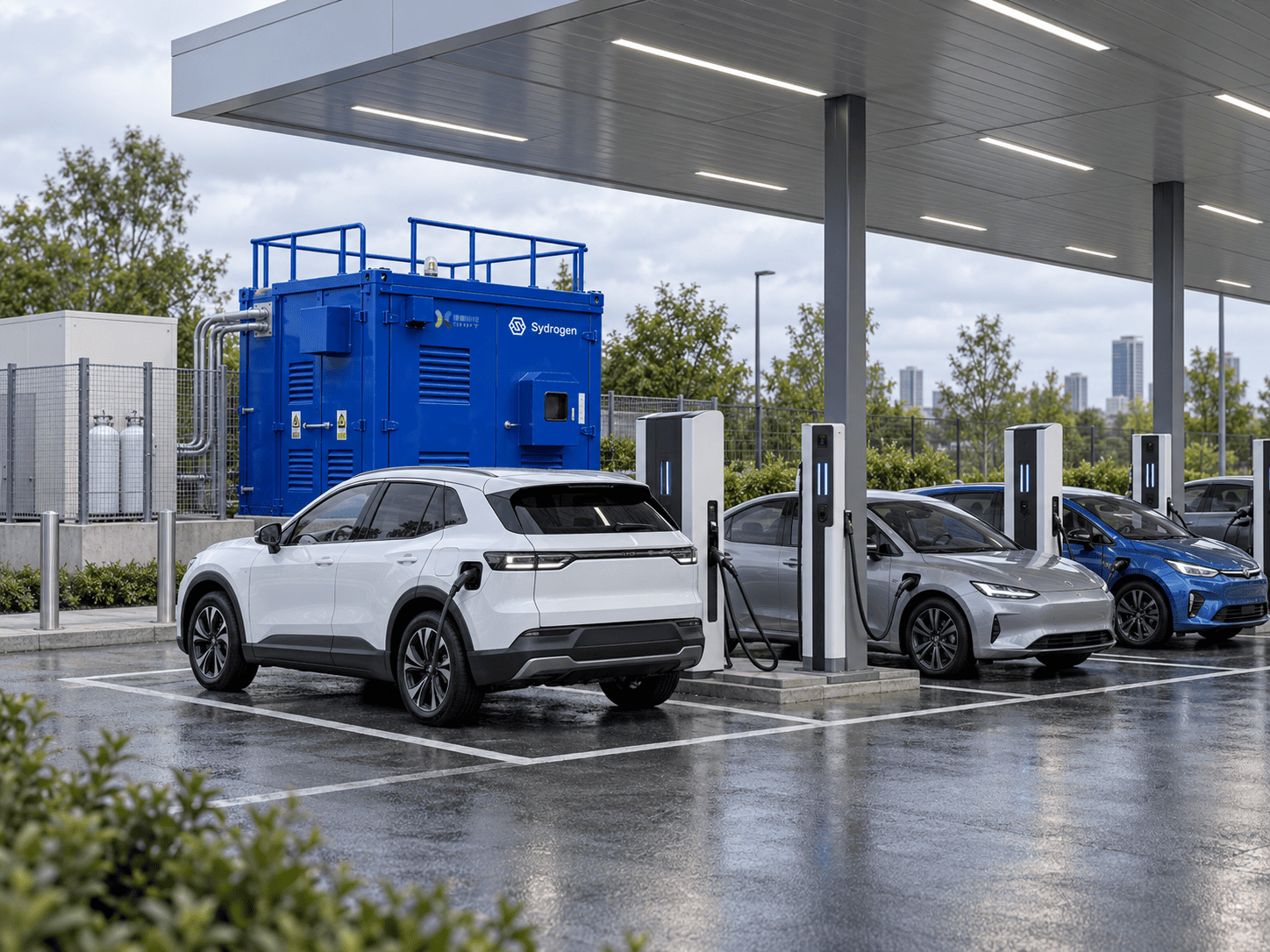
Illustrative EV charging station with several connected vehicles and a SydroPOWER Grid unit

Transport Infrastructure

Grid augmentation and distributed power for EV charging, ports, airports and logistics hubs.

Representative remote island communications site with local power infrastructure

Remote and Specialised Systems

Primary or backup power for island microgrids, research sites and disaster-response operations.

Trusted Engineering, Proven Performance

Supported by over 300 pieces of testing equipment and over 70 safety, durability and performance test items, SydroPOWER® systems can be evaluated against real operating requirements to help verify readiness for real-world performance.

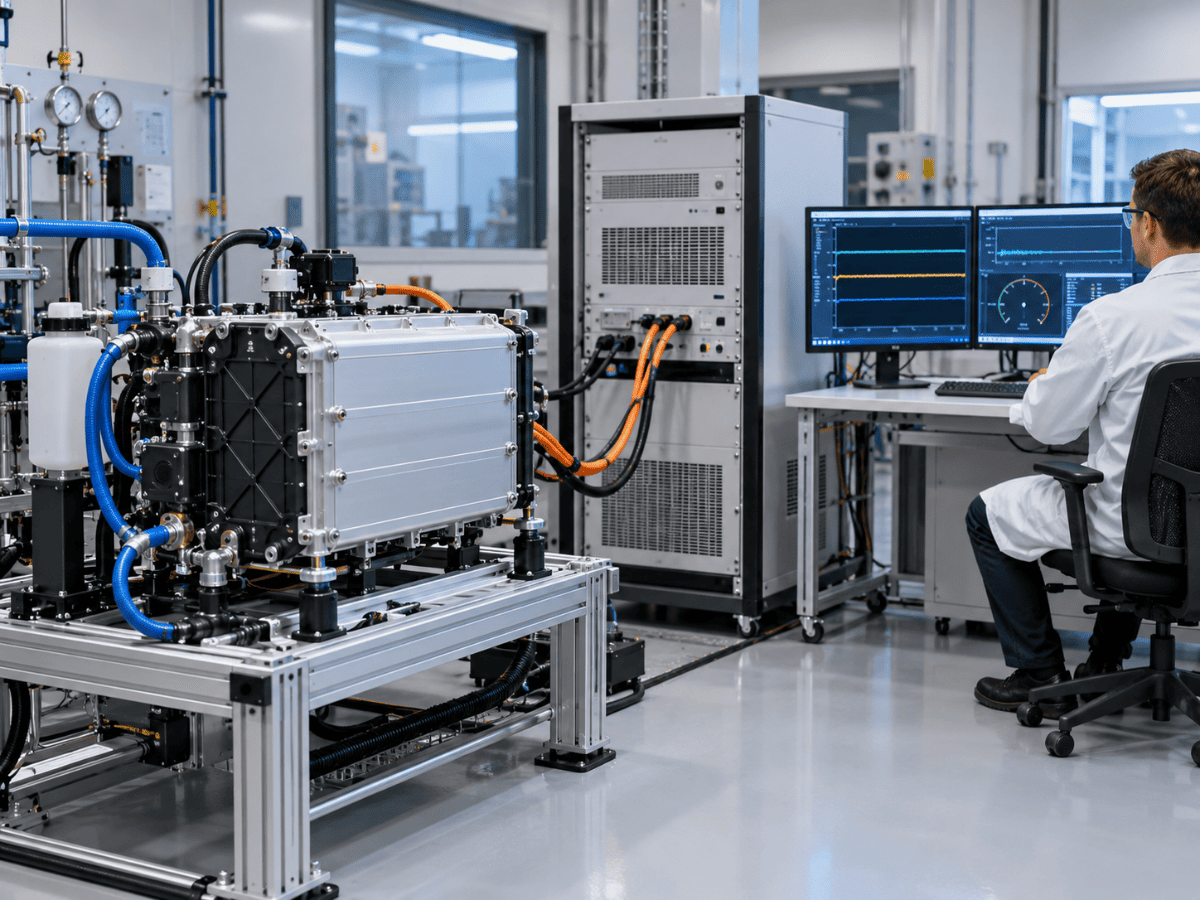
Representative fuel-cell stack test bench with a load unit and an engineer monitoring steady operating traces.

Power and Performance Validation

Verify how the selected SydroPOWER® system delivers power, efficiency and voltage stability across its operating range.

Testing support can include

Power output verification across defined operating loads, efficiency and fuel-to-electricity performance evaluation, voltage and system-behaviour assessment under steady operation, and load-profile testing against application requirements.

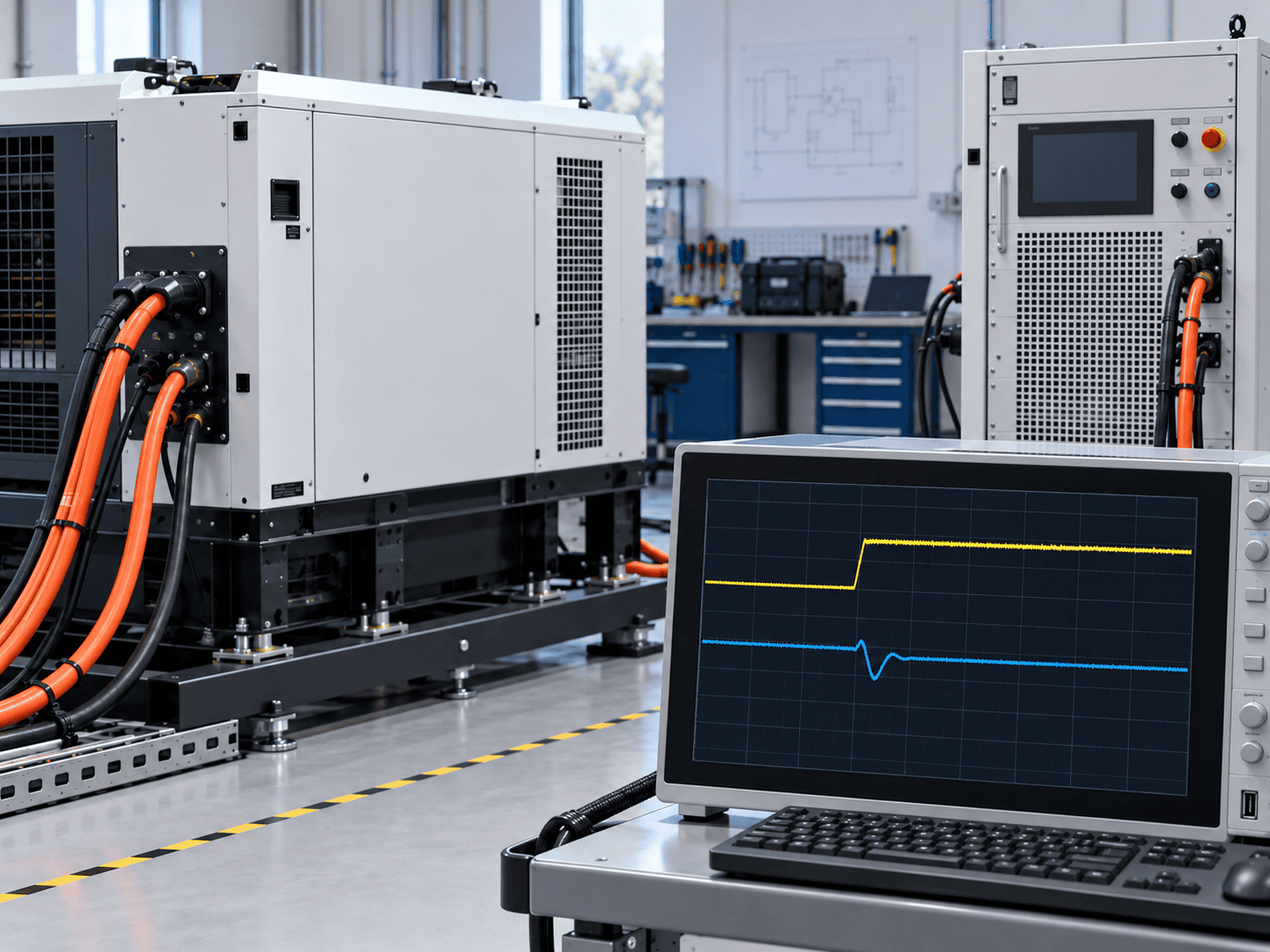
Representative fuel-cell test unit connected to an electronic load with an unlabelled transient trace.

Dynamic Load Response Validation

Assess how the system responds when electrical demand changes during operation.

Testing support can include

Step-load and transient response evaluation, response and recovery assessment during changing demand, load-following behaviour under variable duty profiles, and power-delivery stability during fluctuating operation.

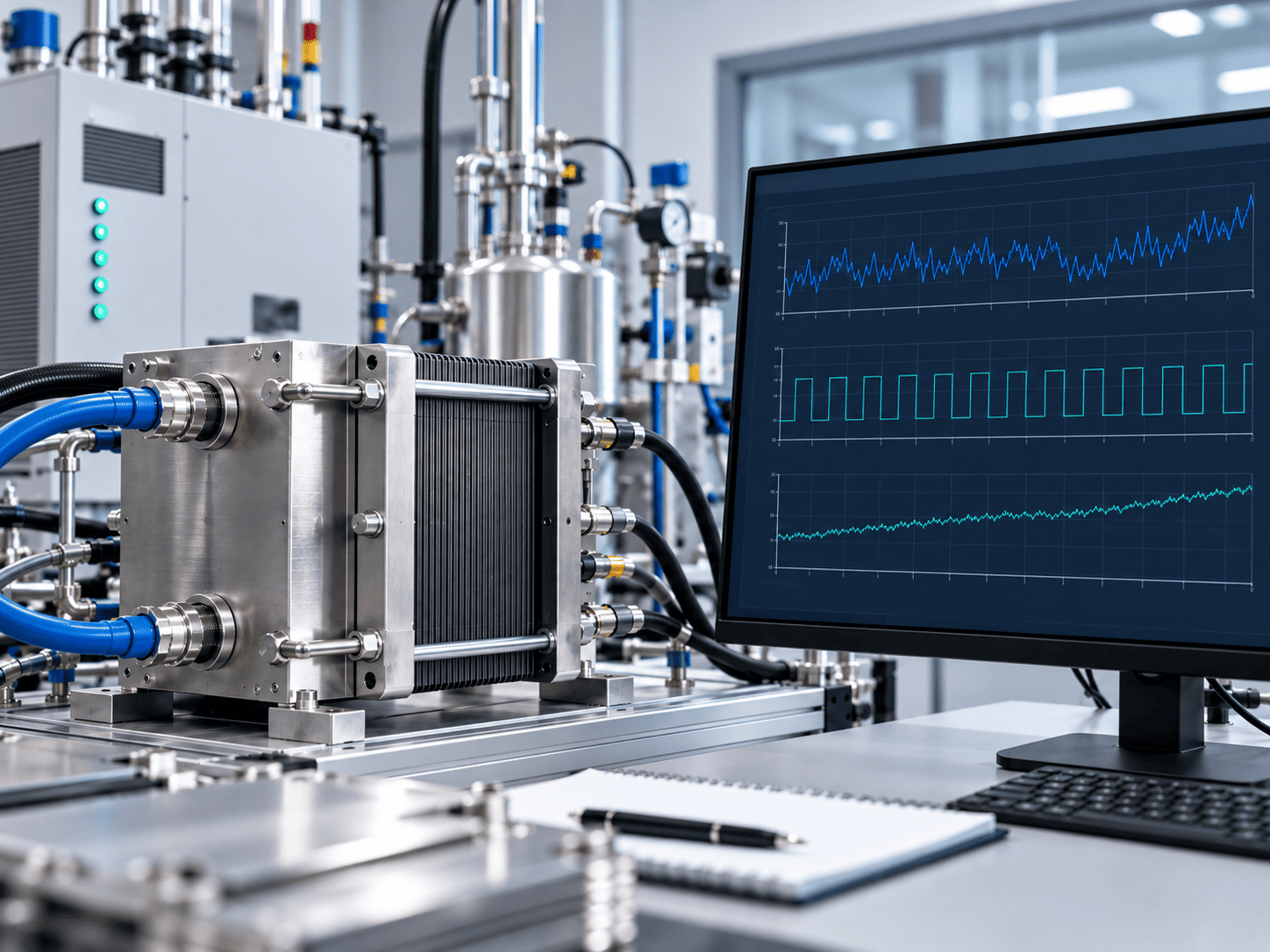
Representative fuel-cell stack undergoing repeated duty-cycle evaluation on an instrumented test bench.

Durability and Reliability Validation

Evaluate how system performance and stability change during extended operation and repeated duty cycles.

Testing support can include

Extended operating and cycling evaluation, performance-stability assessment over repeated duty cycles, degradation tracking during continued operation, and reliability review under sustained system use.

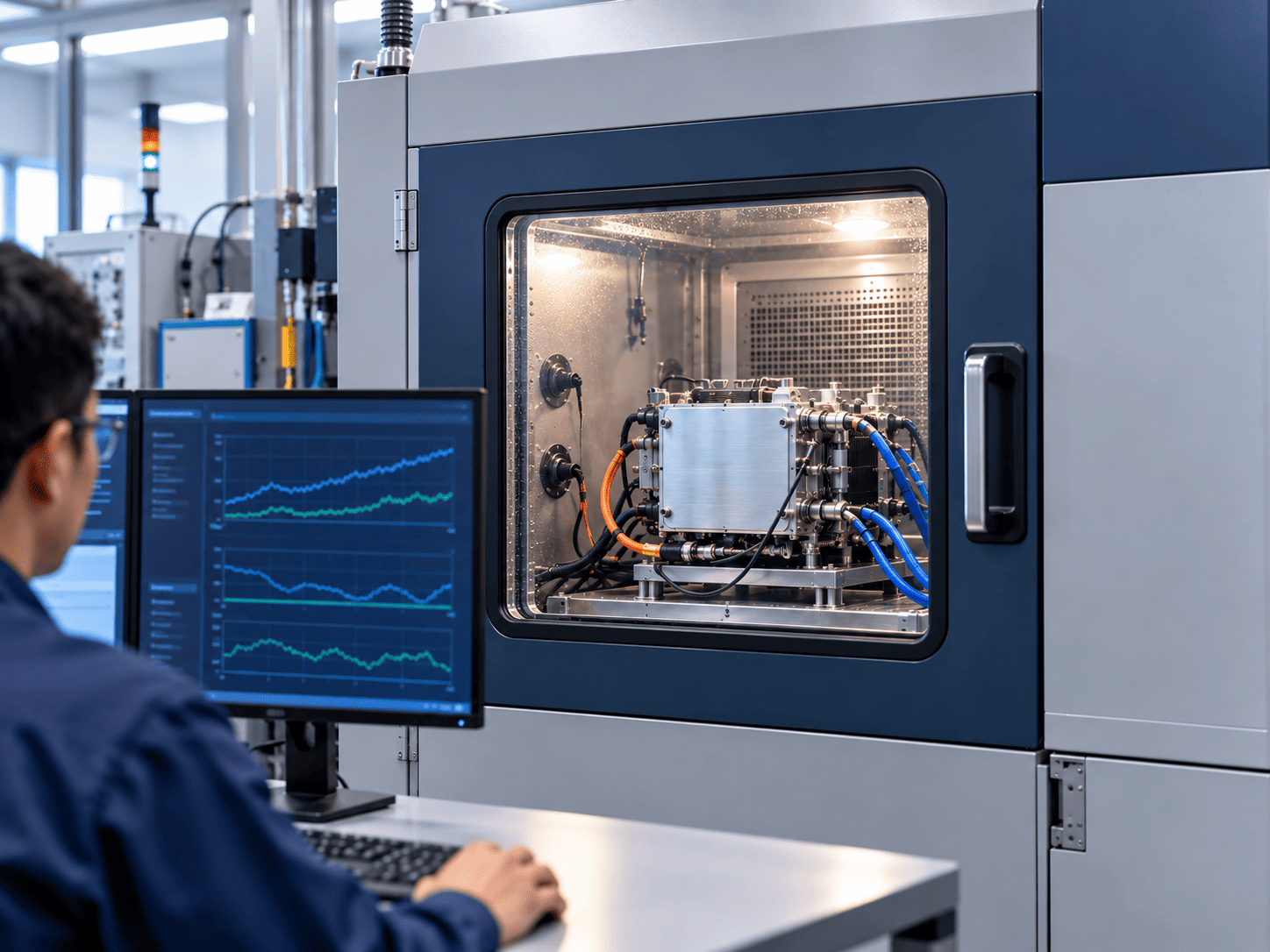
Representative fuel-cell assembly inside a closed environmental chamber observed by an engineer.

Environmental and Cold-Start Validation

Evaluate system behaviour across temperature, altitude and cold-start conditions relevant to the intended operating environment.

Testing support can include

Environmental testing from -50°C to +65°C, altitude validation from 0 to 5,000 metres, cold-start evaluation for selected low-temperature systems, and thermal-condition assessment across challenging operating environments.

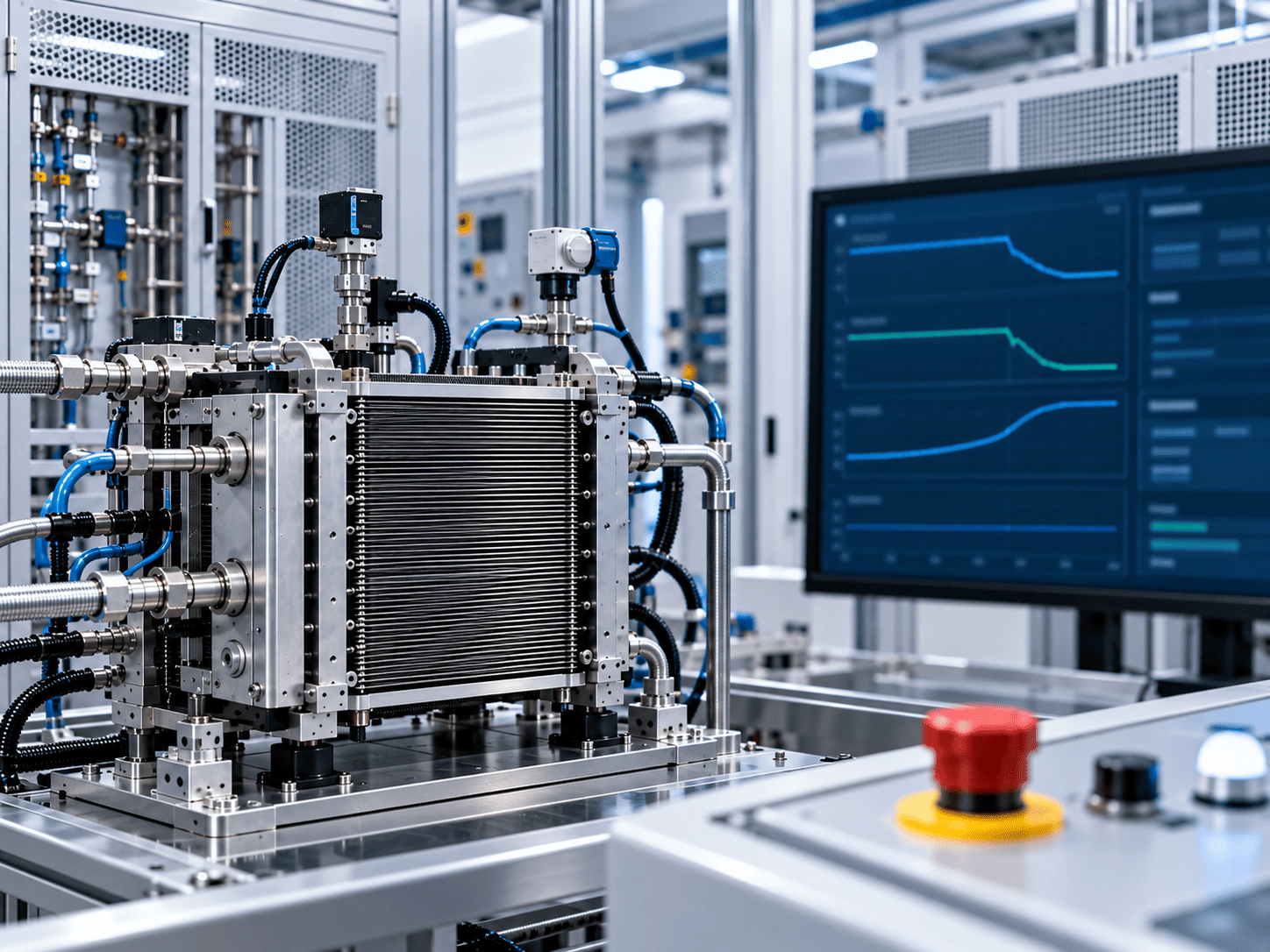
Representative protection-function test bench with an emergency-stop control and monitored fuel-cell assembly.

Safety and Protection Validation

Assess protection functions, fault response and shutdown behaviour when operating conditions move outside defined limits.

Testing support can include

Protection-function assessment under abnormal conditions, fault-response and shutdown-sequence evaluation, system-behaviour review outside normal operating parameters, and safety-related operating checks for engineering review.

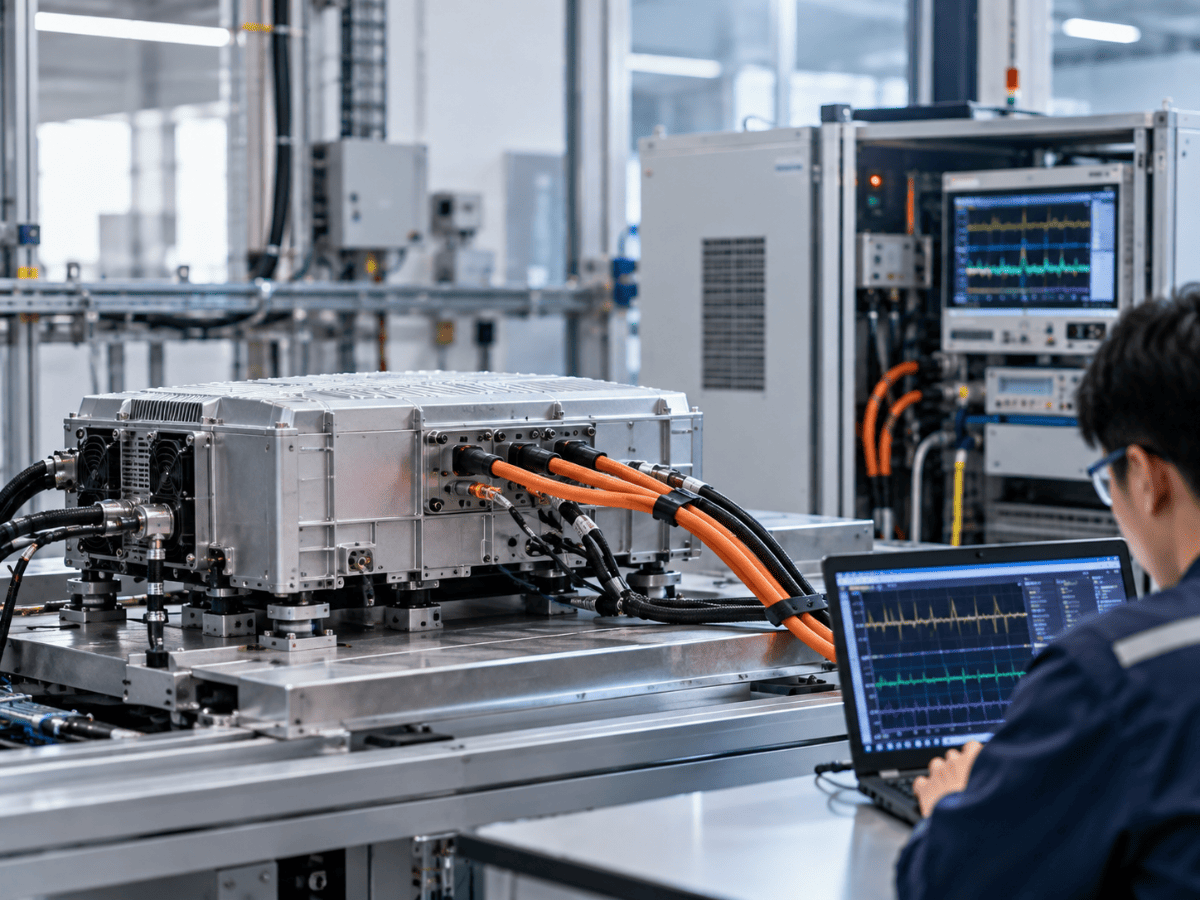
Representative electrical-interface evaluation with shielded instrument connections and test equipment.

Electrical and EMC Validation

Evaluate electrical behaviour and electromagnetic compatibility to support integration with downstream equipment and the wider electrical architecture.

Testing support can include

Electrical-behaviour assessment across the system interface, compatibility evaluation with downstream electrical equipment, power-electronics integration review, and EMC-related validation for system deployment.

Testing scope: These capabilities support system development, comparative evaluation and qualification work. Sydrogen is not represented as an accredited third-party certification body. The test matrix, equipment route and acceptance criteria are agreed for each application, with independent certification or external validation identified separately where required.

From First Call to First Kilowatt-Hour

From defining the requirement to delivering power on site, this is what working with Sydrogen looks like.

01

Discovery

Share your required power, load profile, runtime and site requirements. A suitable SydroPOWER® architecture can then be identified.

02

Solution Scoping

Define the load profile, site layout, hydrogen supply route and system configuration. A concept configuration can then be developed for review.

03

Engineering, Design and Fabrication

Following scope approval, the system is engineered, manufactured and factory tested.

04

Delivery and Commissioning

The system is delivered, commissioned and safety-validated together with the operating team.

05

Operate and Expand

Monitor system performance and expand system capacity as power requirements evolve.

Illustrative Sydrogen project-scoping discussion beside a SydroPOWER Grid unit

Define the Right SydroPOWER® Configuration for Your Site

Every SydroPOWER® project starts with a conversation.

Tell us your power requirements, runtime, site conditions and hydrogen supply approach, and we will help shape the right system configuration for your application.

Frequently Asked Questions

What is SydroPOWER® and what applications does it support?

SydroPOWER® is Sydrogen’s hydrogen fuel cell power portfolio for portable, mobility, stationary and marine applications. The portfolio spans SydroPOWER Air™ for portable and remote power, SydroPOWER Stack™ for OEM fuel cell stack integration, SydroPOWER Drive™ for integrated vehicle fuel cell engines, SydroPOWER Grid™ for containerised stationary generation, and SydroPOWER Marine™ for maritime projects.

Across the current portfolio, standard products range from 300 W portable systems to 1 MW stationary generation.

A hydrogen fuel cell generator produces electricity electrochemically rather than through combustion. When operating on pure hydrogen, SydroPOWER® can generate electricity with zero carbon emissions at the point of power generation, while also supporting quieter operation, higher electrical conversion efficiency and fewer combustion-related maintenance requirements than a conventional diesel generator.

Project economics, runtime and fuel logistics still depend on the load profile, site conditions and available hydrogen supply.

The current SydroPOWER® portfolio covers approximately 300 W to 1 MW of standard product output, with different ranges developed for different applications.

SydroPOWER Air™ covers portable power from 300 W to 6 kW+; SydroPOWER Stack™ covers 111 to 247 kW nominal stack output; SydroPOWER Drive™ covers 90 to 260 kW integrated fuel cell engines; SydroPOWER Grid™ covers 100 kW, 200 kW and 1 MW stationary systems; and SydroPOWER Marine™ currently includes the MZ250N at 245 kW rated output.

The right product line depends first on the application and the level of system integration you need. Choose SydroPOWER Air™ for portable, remote or UAV power; SydroPOWER Stack™ when your engineering team wants the fuel cell stack as the core of a customer-defined system; SydroPOWER Drive™ for an integrated fuel cell engine in vehicle programmes; SydroPOWER Grid™ for packaged stationary generation; and SydroPOWER Marine™ for vessels, ports and offshore projects.

The Solution Finder above narrows the standard portfolio by application, output and integration requirement before an engineering review confirms final suitability.

Choose a fuel cell stack when the OEM or system integrator wants greater control over the balance-of-plant, controls, packaging and wider system architecture. SydroPOWER Stack™ provides MZ-M stack platforms for this type of customer-defined integration.

Choose SydroPOWER Drive™ when a vehicle programme requires a more integrated fuel cell engine with supporting systems prepared for vehicle-level integration, reducing the amount of engineering required around the stack itself.

Yes. SydroPOWER Drive™ provides integrated fuel cell engines across passenger, bus and heavy-duty mobility applications. The MZ90-P4L supports passenger and light commercial vehicle platforms, MZ140-P4H supports buses and coaches, and the MZ220-P5H and MZ260-P4X support heavy-duty vehicles, mining equipment and higher-power mobility applications.

Vehicle OEMs that prefer to build more of the surrounding fuel cell system can also evaluate compatible SydroPOWER Stack™ platforms.

Yes. SydroPOWER Air™ is the portable and mobile power line within the portfolio. KZ300 supports small field loads such as sensing, monitoring, communications, portable lighting and lower-demand backup power. KZ3000 and stacked configurations support higher kilowatt-scale field power, while KZ3000F and KZ6000F are positioned for weight-sensitive drone and UAV applications.

Yes. SydroPOWER Grid™ is the containerised stationary power line for backup generation, EV charging, microgrids and distributed power. MZ100T provides 100 kW for smaller sites and infrastructure loads, MZ200T provides 200 kW for larger charging hubs and microgrids, and MZ1000T provides 1 MW for industrial sites, larger microgrids, grid-support and CHP-ready projects.

Selected Grid™ systems support both on-grid and off-grid operating configurations.

Yes. SydroPOWER Marine™ is developed specifically for maritime integration. The MZ250N provides 245 kW rated output with a 255 kW peak rating, a custom marine enclosure, seawater cooling and Bureau Veritas Approval in Principle and Basic Design Appraisal context.

The platform is positioned for vessels, ports and offshore projects where a conventional land-based generator architecture cannot simply be transferred into the marine environment.
The hydrogen supply route depends on the site, runtime and available infrastructure. Potential routes include delivered hydrogen cylinders, tube trailers, on-site electrolysis, industrial byproduct hydrogen, and pipeline hydrogen or hydrogen blends.
The appropriate supply strategy should be assessed together with required power, operating hours, storage approach and project location.

Selected SydroPOWER Stack™ and SydroPOWER Drive™ models support cold-start capability down to -30°C or -40°C, depending on the model. Sydrogen’s broader validation capability includes environmental testing from -50°C to +65°C and altitude validation from 0 to 5,000 metres.

Final operating suitability depends on the selected product, system configuration and application requirements.

Start with the application’s continuous or nominal power requirement, peak load, runtime or duty cycle, operating environment and required level of system integration. Site conditions, packaging, electrical interface, hydrogen supply and project-specific requirements also affect final selection.

The SydroPOWER® Solution Finder can narrow the standard portfolio, after which Sydrogen can review the load profile and project requirements to confirm the appropriate model and configuration.

Sydrogen supports engineering validation across power and performance, dynamic load response, durability and reliability, environmental and cold-start conditions, safety and protection, and electrical and EMC behaviour. The current validation section references more than 300 pieces of testing equipment and more than 70 safety, durability and performance test items.

Testing supports engineering evaluation and qualification work and is not represented as accredited third-party product certification.