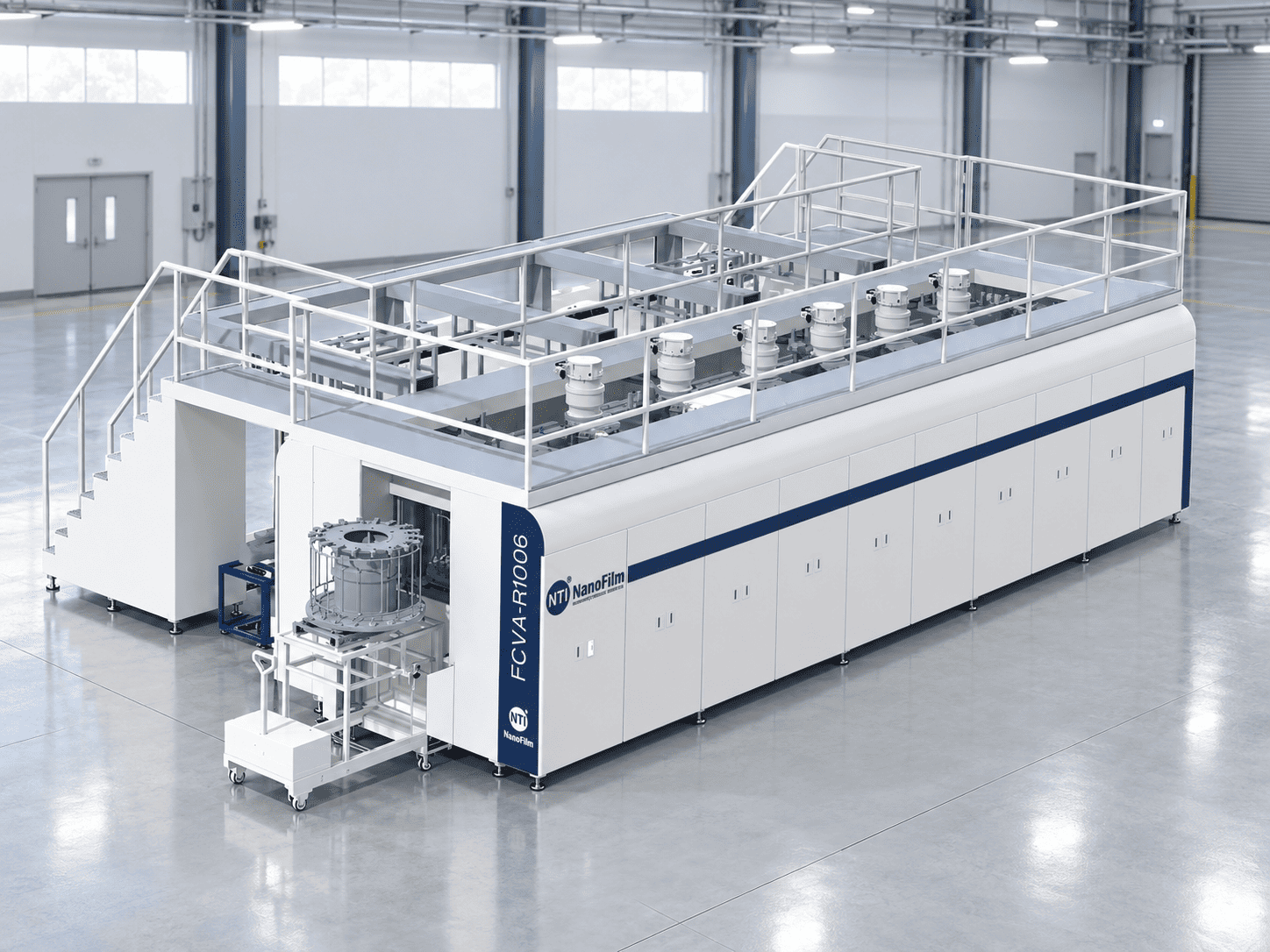
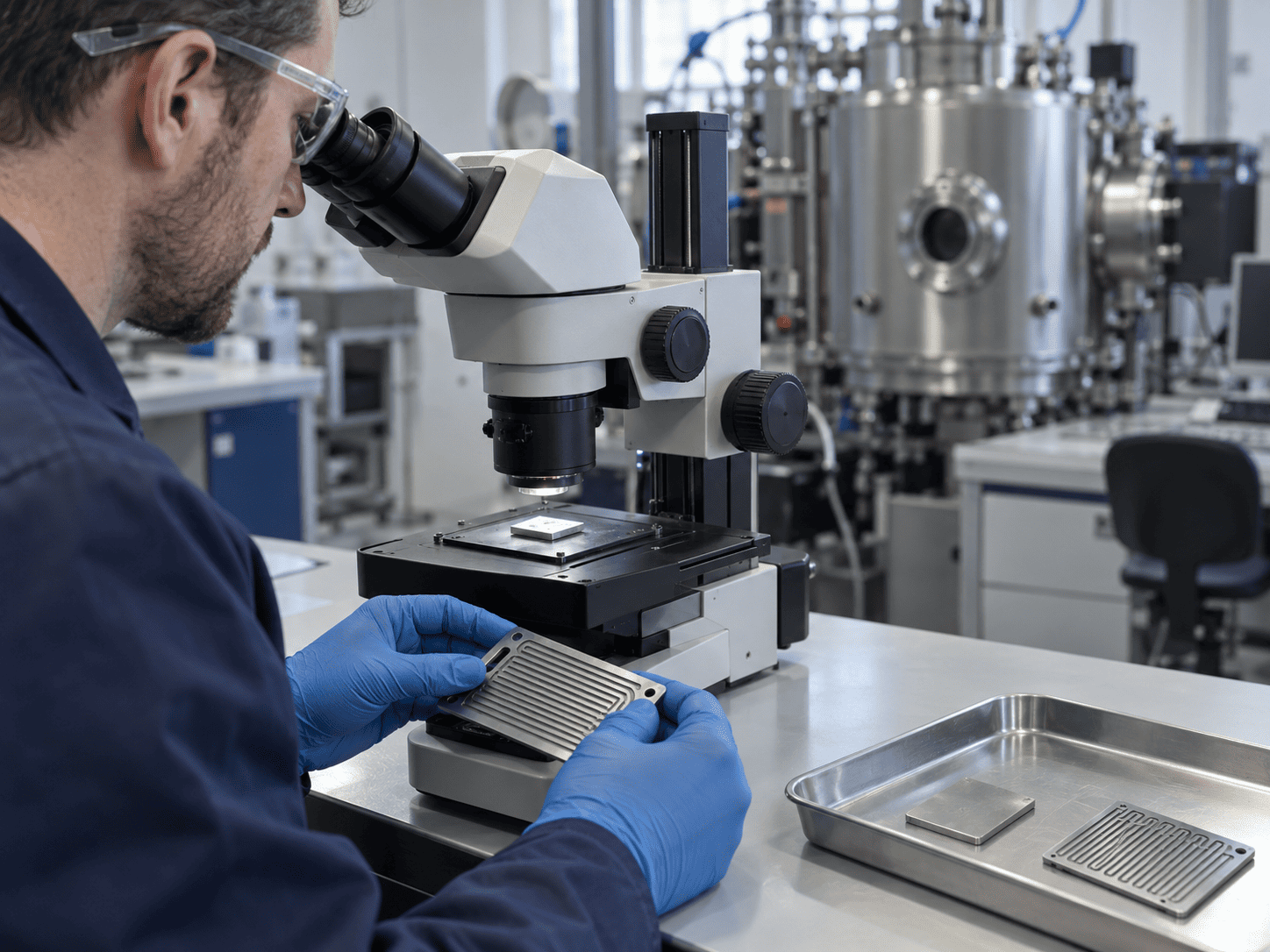
SydroALK™ Ni based PVD coatings protect BPP and PTL current carrying surfaces from corrosion and passivation that can raise contact resistance, helping limit electrical losses and surface degradation in strongly alkaline AEM conditions.
Strongly alkaline operation places continuous demands on the metallic surfaces carrying current through AEM bipolar plates and porous transport layers. Corrosion and passivation can progressively alter these contact surfaces and increase interfacial resistance.
As resistance rises, electrical losses increase and component durability can deteriorate, turning a surface issue into a stack performance penalty over operating life.
Limit the surface degradation and passivation that can increase interfacial resistance and add avoidable electrical losses.
Reduce direct alkaline exposure of metallic interfaces that need to remain conductive throughout electrolyser operation.
Maintain a low resistance current collecting interface on the bipolar plate while protecting electrical contact across the porous transport layer.
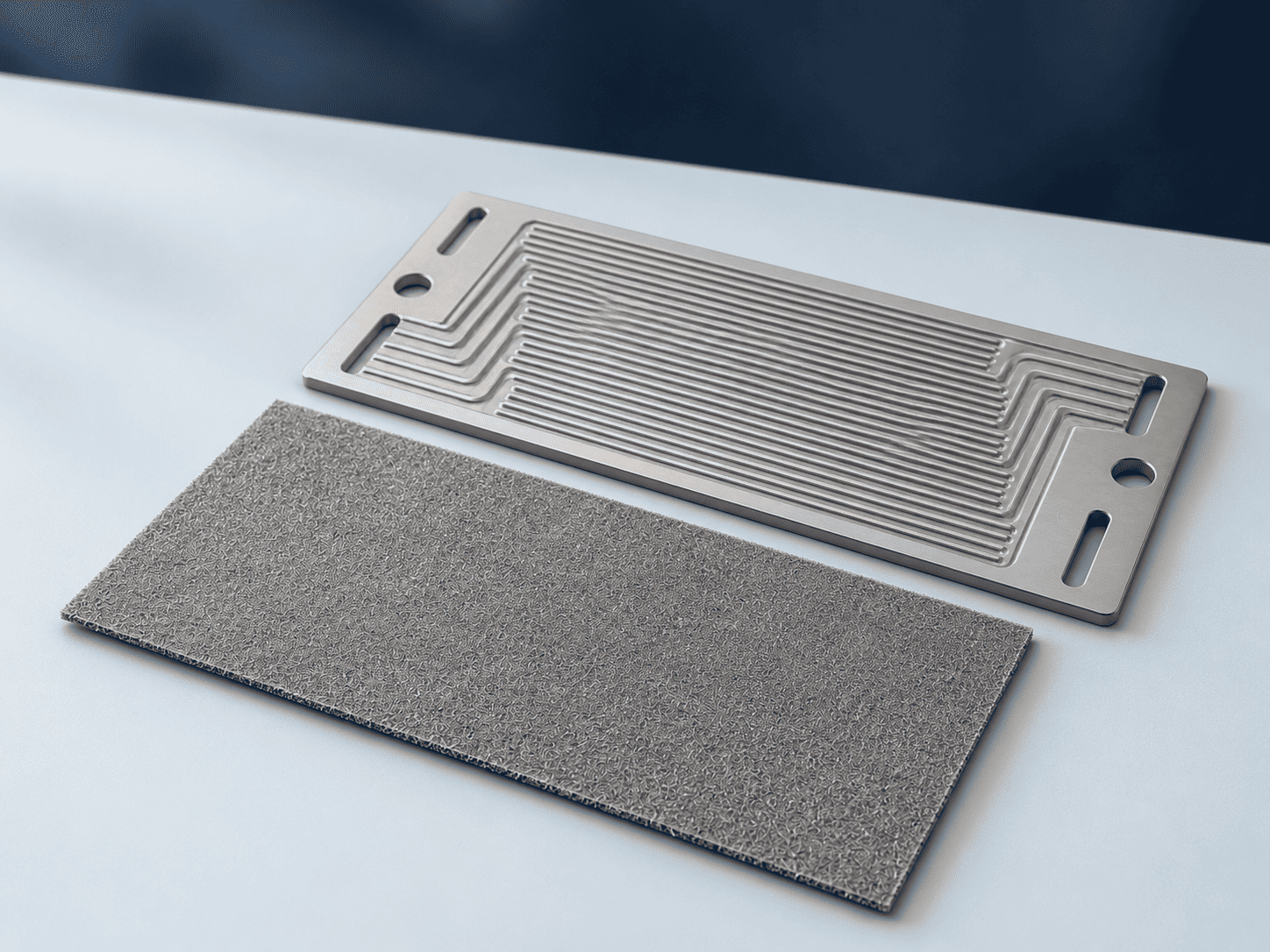
SydroALK™ applies a Ni based PVD surface to AEM bipolar plates and porous transport layers, forming a conductive protective layer between the metallic substrate and the alkaline environment. This helps reduce direct substrate exposure and address corrosion and passivation while maintaining the electrical contact these components require.
For AEM manufacturers, SydroALK™ provides a surface engineering route that strengthens the durability of critical current carrying components while preserving the electrical function they perform inside the stack.
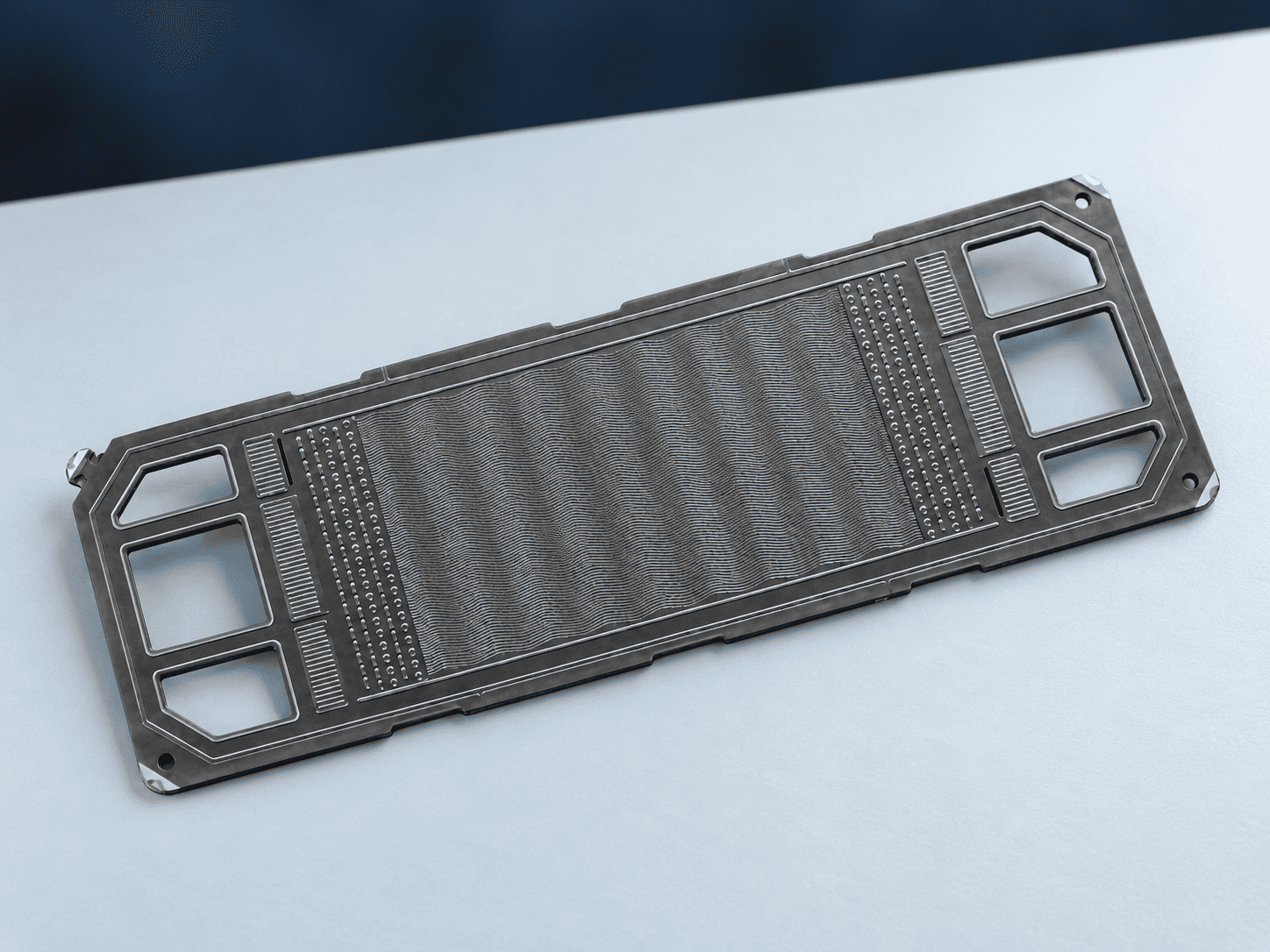
Stainless steel bipolar plates provide an attractive material route for AEM stacks, but corrosion and passivation can make the contact surface increasingly resistive during alkaline operation.
SydroALK™ forms a conductive Ni based surface over the stainless steel, helping protect the underlying metal from alkaline exposure while maintaining electrical contact with adjacent stack components.
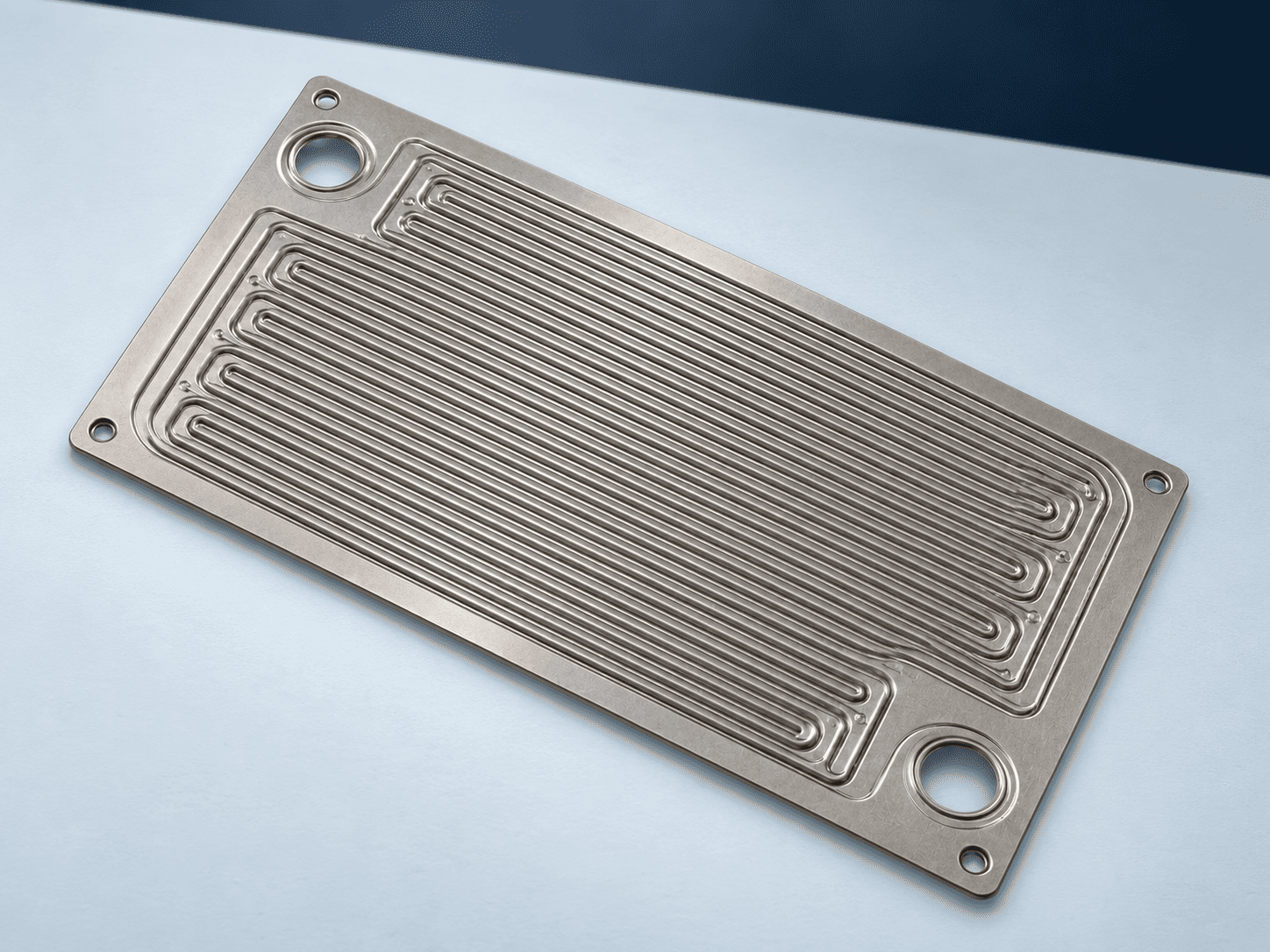
Substrate
Stainless steel
Coating Material
Ni based, customisable
Coating Thickness
0.1–5 μm
Substrate Size
Up to 300 × 600 mm
ICR @ 1.5 MPa
<50 mΩ·cm²*
Adhesion
5B rating*
Corrosion Resistance
Outlasts electroplated reference film at pH >14*
*Current development results. Performance varies with component design and operating conditions; application validation is recommended.
Porous transport layers have to provide electrical contact while retaining the open structure required for water and gas transport. Their metallic surfaces are also exposed to the same strongly alkaline environment.
For stainless steel or nickel PTLs, SydroALK™ targets the current carrying surface with coating thickness and deposition conditions configured around the porous geometry and required electrical contact performance.
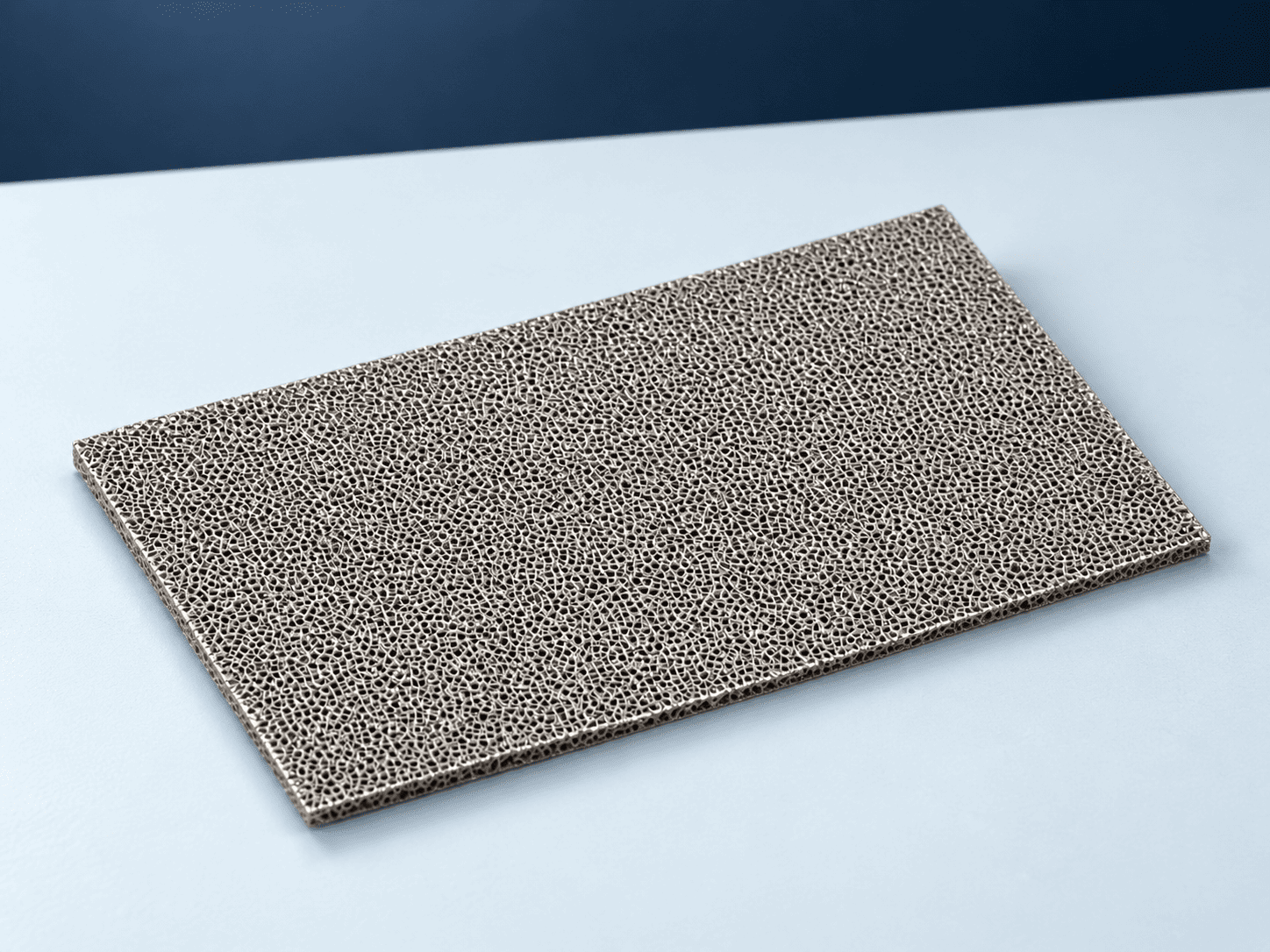
Substrate
Stainless steel / nickel
Coating Material
Ni based, customisable
Coating Thickness
0.1–5 μm
Substrate Size
Up to 300 × 600 mm
ICR @ 1.5 MPa
<50 mΩ·cm²*
Adhesion
5B rating*
Corrosion Resistance
Outlasts electroplated reference film at pH >14*
*Current development results. Performance varies with component design and operating conditions; application validation is recommended.
Sydrogen can support coated component supply or selected process transfer through batch and inline PVD systems. This gives AEM manufacturers the flexibility to qualify SydroALK™ on existing components and choose a manufacturing approach that fits future volume, component handling and automation requirements.
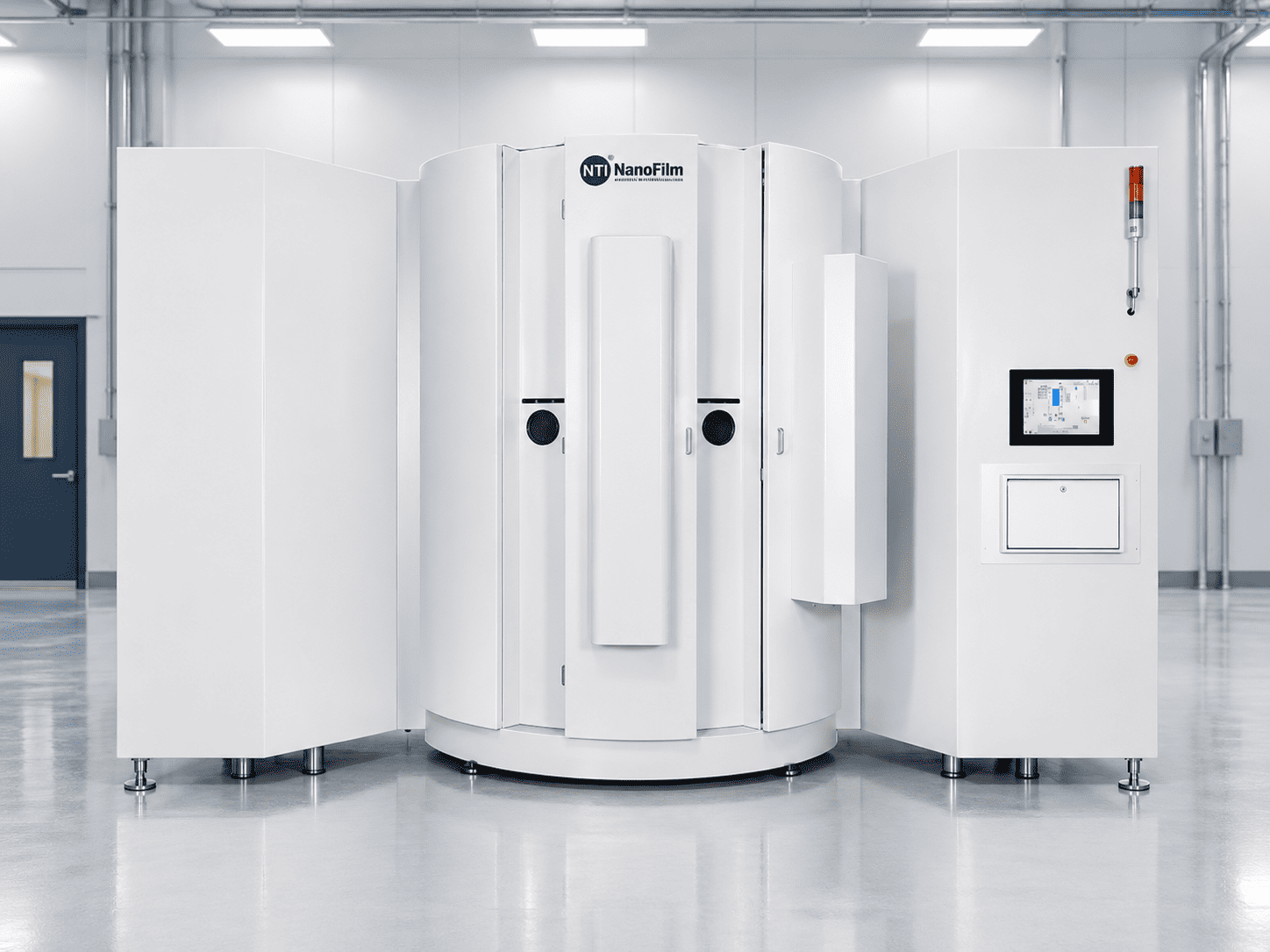
Whether you are evaluating stainless steel bipolar plates, reviewing PTL durability or preparing a coating route for production, Sydrogen can support the programme from coating definition through application validation and manufacturing implementation.
01
Assess the BPP or PTL substrate, geometry, surface condition, operating environment and target electrical or durability requirements.
02
Configure the Ni based coating material, thickness, surface preparation and deposition parameters for the component application.
03
Evaluate conductivity, adhesion, alkaline corrosion behaviour and other agreed component requirements on representative parts.
04
Transfer the qualified coating route into coated component supply, batch production or inline production according to programme needs.
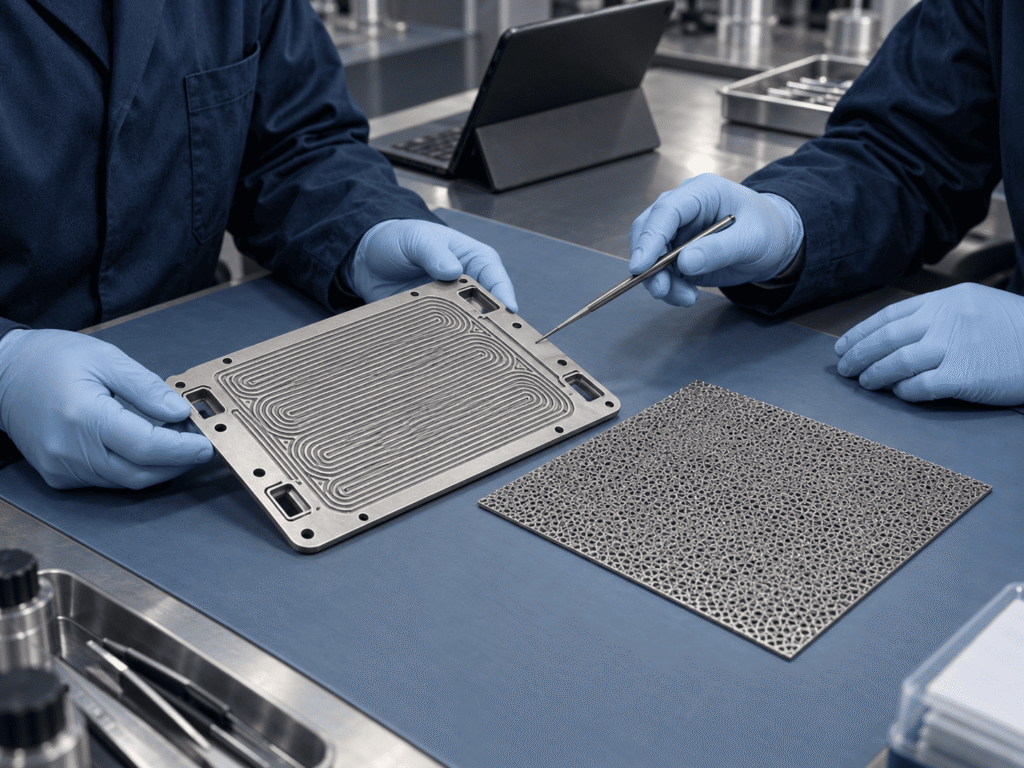
SydroALK™ brings conductive Ni based surface protection to bipolar plates and porous transport layers exposed to demanding alkaline operation.
Discuss your component, operating conditions and target performance with Sydrogen to evaluate the coating route for your AEM programme.
SydroALK™ is Sydrogen’s Ni based PVD coating platform for metallic bipolar plates and porous transport layers used in AEM electrolysers.
It is developed to protect the conductive metallic interfaces of AEM bipolar plates and porous transport layers against alkaline surface degradation while maintaining the electrical contact the stack depends on.
The bulk material may be suitable for the application while the operating surface remains exposed to corrosion, passivation and changing contact resistance.
SydroALK™ adds a conductive Ni based surface at these critical interfaces to address corrosion and passivation risk while helping maintain electrical contact under alkaline operation.
Current SydroALK™ development focuses on metallic bipolar plates and porous transport layers.
Current development includes stainless steel for bipolar plates and stainless steel or nickel for porous transport layers.
Current development capability covers Ni-based PVD coatings from 0.1 to 5 μm.
Current development capability supports substrates up to 300 × 600 mm.
SydroALK™ uses dry PVD to deposit a controlled Ni based thin film on the metallic component surface. Current comparative testing at pH >14 shows SydroALK™ outlasting the electroplated reference film, while current development capability combines <50 mΩ·cm² ICR at 1.5 MPa with 5B adhesion.
Yes. SydroALK™ can be evaluated on the customer’s existing BPP or PTL, with coating configuration selected for the substrate, component geometry, alkaline environment and target interface performance.
No. Sydrogen can begin with the component, operating conditions and required performance, then define and evaluate the SydroALK™ coating configuration with the customer.
Yes. SydroALK™ is currently open for co-development with AEM electrolyser and component manufacturers.