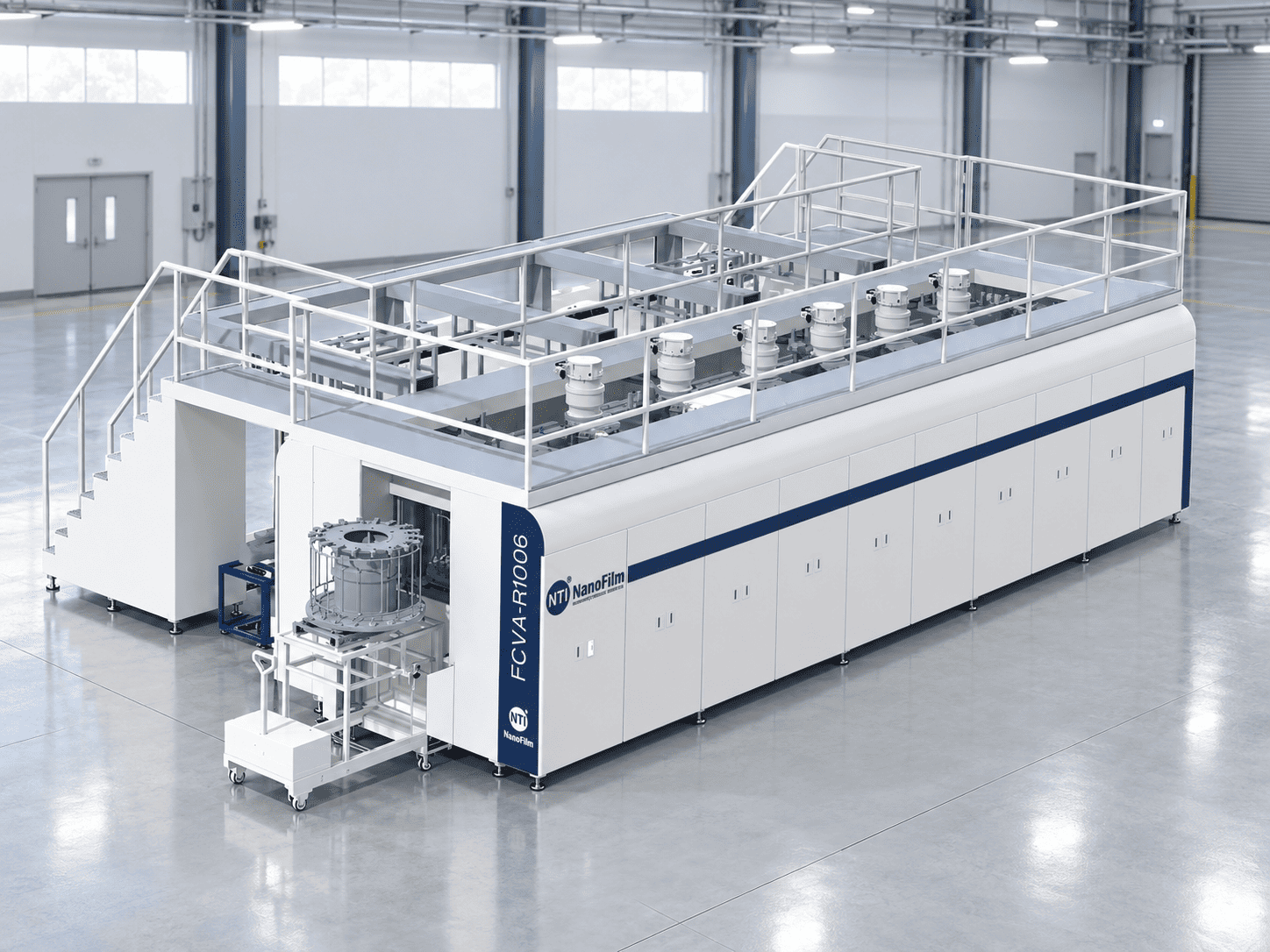
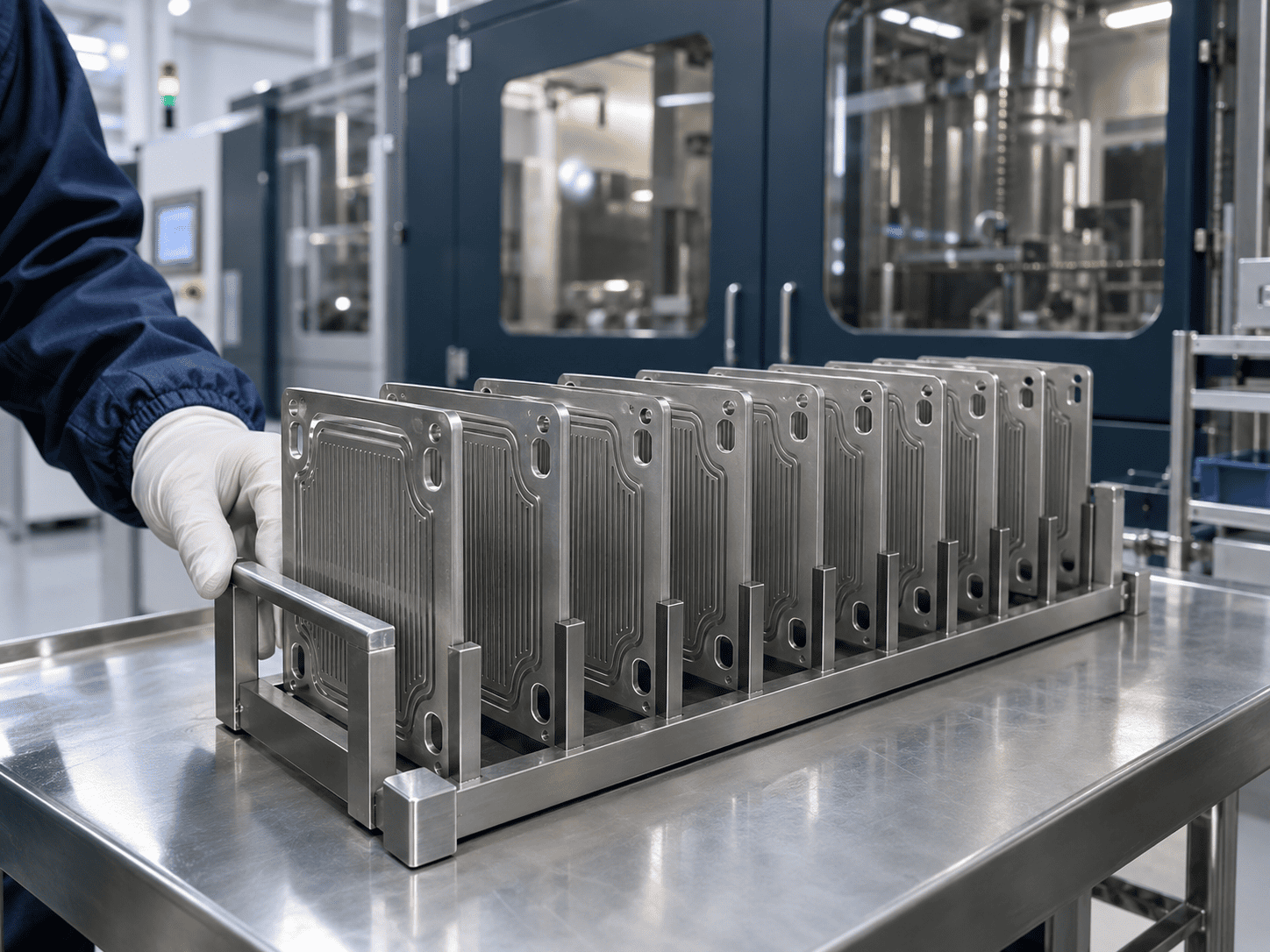
SydroPEARL® and SydroPEARL® Plus enable platinum free and low platinum coatings for PEM electrolyser bipolar plates and porous transport layers, with low ICR through acidic, high potential exposure.
PEM electrolyser manufacturers are under increasing pressure to lower stack cost and reduce dependence on high value platinum group metals while still meeting demanding requirements for efficiency, durability and production readiness. Beyond catalyst loading, bipolar plates and porous transport layers present another opportunity for material optimisation, particularly where platinum is used across comparatively large component surfaces to maintain a stable, conductive interface.
Titanium remains widely used for its resistance to acidic, highly oxidising operating conditions, but its passive oxide layer can increase interfacial contact resistance. This creates a clear need for coating solutions that reduce or eliminate platinum while maintaining low ICR, conductivity and electrochemical stability, helping manufacturers improve precious metal efficiency without trading away the performance required for reliable PEM electrolyser operation.
SydroPEARL® offers a platinum free coating for titanium bipolar plates, while SydroPEARL® Plus reduces platinum loading across titanium and SUS316L bipolar plates and titanium porous transport layers.
Both are engineered for low interface contact resistance after acidic, high potential exposure, giving manufacturers greater flexibility across component design, substrate choice and qualification requirements.
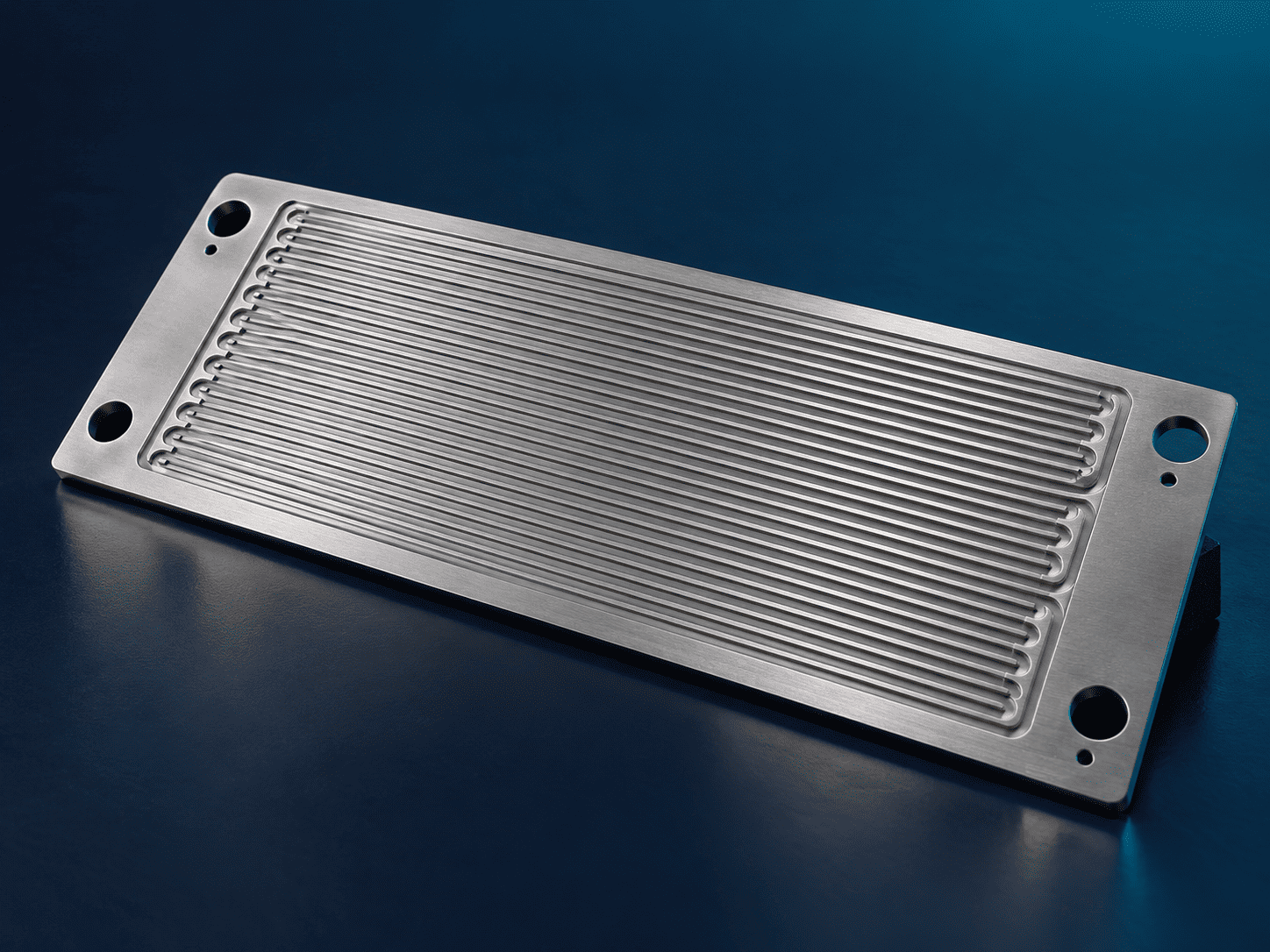
Designed for titanium PEM electrolyser bipolar plates, SydroPEARL® eliminates platinum from the coating architecture while maintaining low initial and post corrosion ICR under acidic, high potential exposure. It gives titanium BPP applications a platinum free route to efficient current transfer and strong conductive interface retention.
Component
Bipolar plate
Substrate
Titanium
Platinum loading
0 mg/cm²
Initial ICR at 1.4 MPa
1.22 mΩ·cm²
Post corrosion ICR at 1.4 MPa
3.75 mΩ·cm²
Reported exposure
2 V vs SHE for 10 h
01
Keep Current Transfer Efficient from the Start
1.22 mΩ·cm² initial ICR keeps the titanium BPP interface low resistance at assembly, helping limit ohmic loss as current moves through the stack.
Initial ICR @ 1.4 MPa
SydroPEARL®
1.22 mΩ·cm²
Conventional platinum
1.25 mΩ·cm²
02
Retain Low Resistance After Acidic, High Potential Exposure
3.75 mΩ·cm² post corrosion ICR shows the interface remains conductive after accelerated exposure, helping limit added voltage loss from passivation or surface change.
Post Corrosion ICR @ 1.4 MPa
SydroPEARL®
3.75 mΩ·cm²
Conventional platinum
3.85 mΩ·cm²
03
Support a Stable Surface Response Without Platinum
3.12 µA/cm² potentiostatic current density, together with retained post test ICR, supports a stable electrochemical surface response under high potential exposure and strengthens confidence during coating qualification.
Potentiostatic Current Density
SydroPEARL®
3.12 µA/cm²
Conventional platinum
533.8 µA/cm²
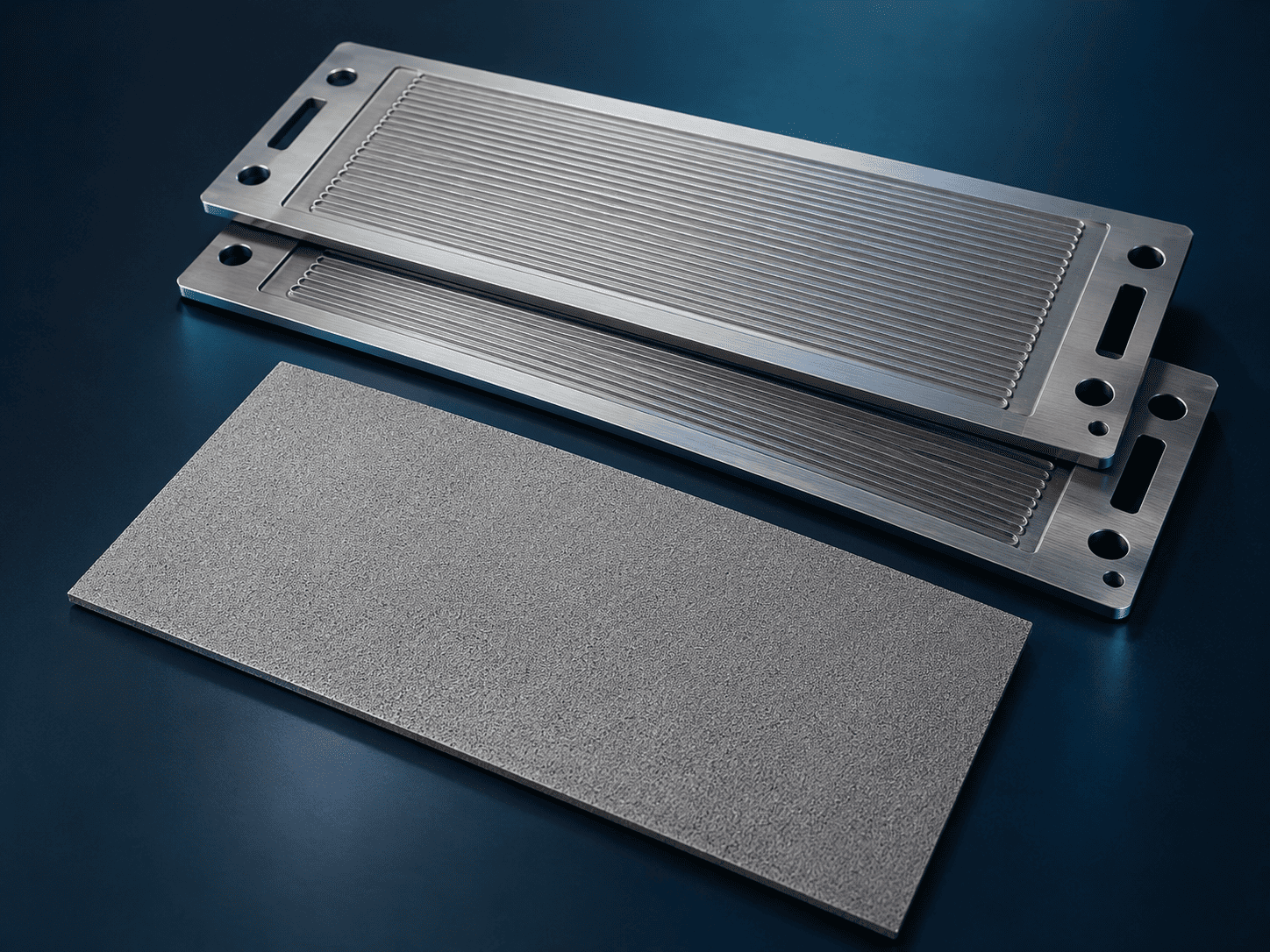
Developed for titanium and SUS316L bipolar plates and titanium porous transport layers, SydroPEARL® Plus lowers platinum loading across key current carrying PEM electrolyser components. With 20× less platinum on the titanium BPP configuration and lower initial and post corrosion ICR, it supports applications seeking lower precious metal intensity, broader substrate flexibility and strong conductive interface retention.
Components
Bipolar plate and porous transport layer
Substrates
Titanium BPP, SUS316L BPP and titanium PTL
Platinum loading
0.02 mg/cm² BPP · 0.04 mg/cm² PTL
Initial ICR at 1.4 MPa
1.13 to 1.41 mΩ·cm²
Post corrosion ICR at 1.4 MPa
1.22 to 1.49 mΩ·cm²
Reported exposure
2 V vs SHE for 10 h
01
Use 20× Less Platinum While Keeping Current Transfer Efficient
0.02 mg/cm² platinum with 1.13 mΩ·cm² initial ICR reduces precious metal intensity while maintaining a low resistance BPP interface for efficient current transfer.
Initial ICR @ 1.4 MPa
SydroPEARL® Plus
1.13 mΩ·cm²
Conventional platinum
1.25 mΩ·cm²
02
Retain a Low Resistance Interface After Corrosion Exposure
1.40 mΩ·cm² post corrosion ICR supports strong conductive interface retention after accelerated acidic, high potential exposure, helping limit additional ohmic loss.
Post Corrosion ICR @ 1.4 MPa
SydroPEARL® Plus
1.40 mΩ·cm²
Conventional platinum
3.85 mΩ·cm²
03
Cut Platinum Loading While Sustaining Electrochemical Response
With 20× lower platinum loading, the titanium BPP configuration maintains essentially equivalent potentiostatic current density under the reported test, supporting lower precious metal use with a consistent surface response.
Potentiostatic Current Density
SydroPEARL® Plus
534.4 µA/cm²
Conventional platinum
533.8 µA/cm²
Values shown above are for the titanium BPP configuration. SydroPEARL® Plus also supports SUS316L BPP and titanium PTL configurations.
Potentiostatic test conditions: 2 V vs SHE for 10 h, pH 2, H₂SO₄ + 5 ppm HF, 80°C.
Performance depends on substrate, component geometry, surface preparation, operating environment and the agreed qualification method. Published values represent Sydrogen’s current portfolio positioning and should be confirmed against the intended application.
We evaluate coated components across electrical, electrochemical and surface performance, helping your team identify issues early, validate results and move forward with a clearer qualification path.
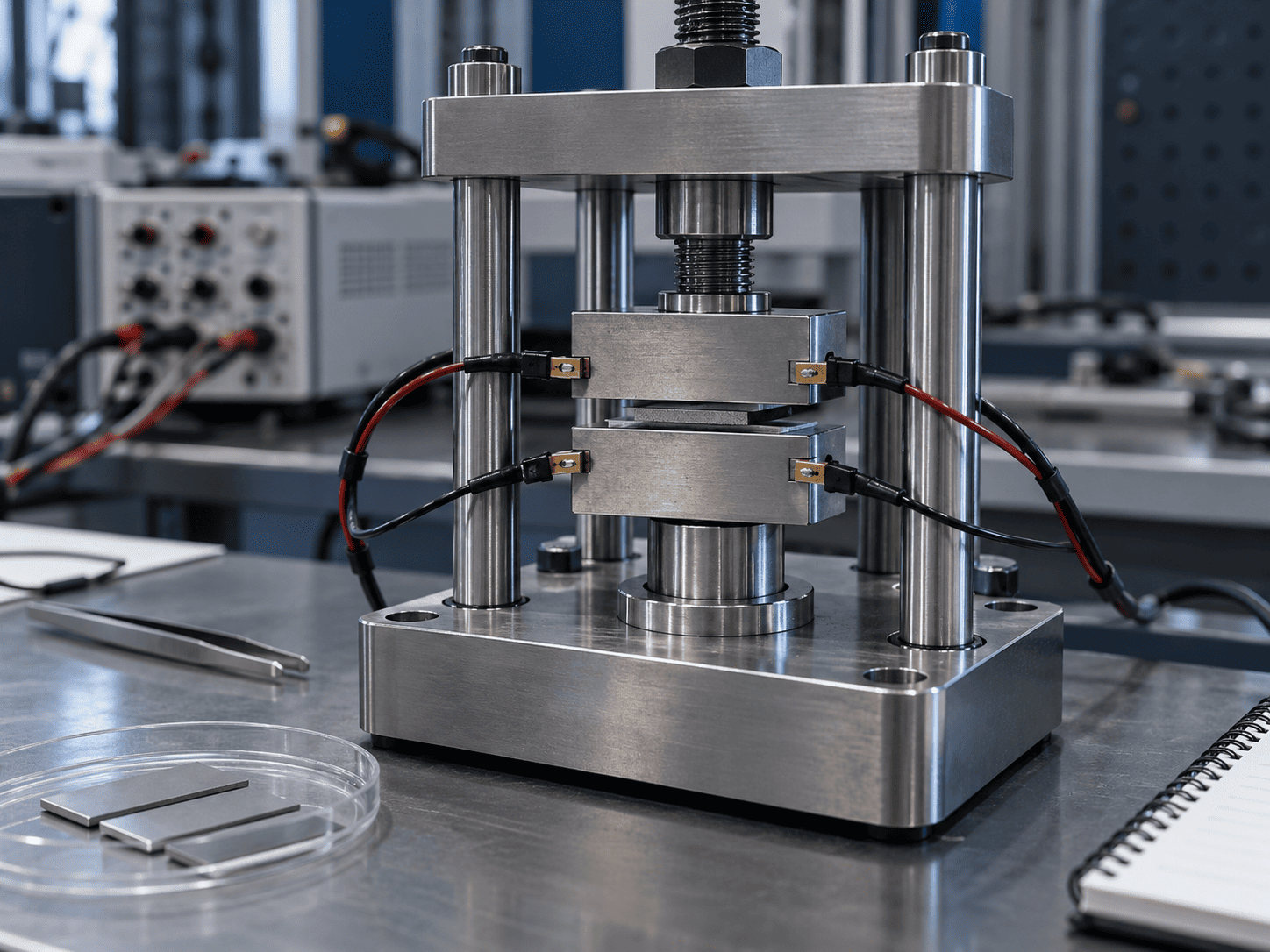
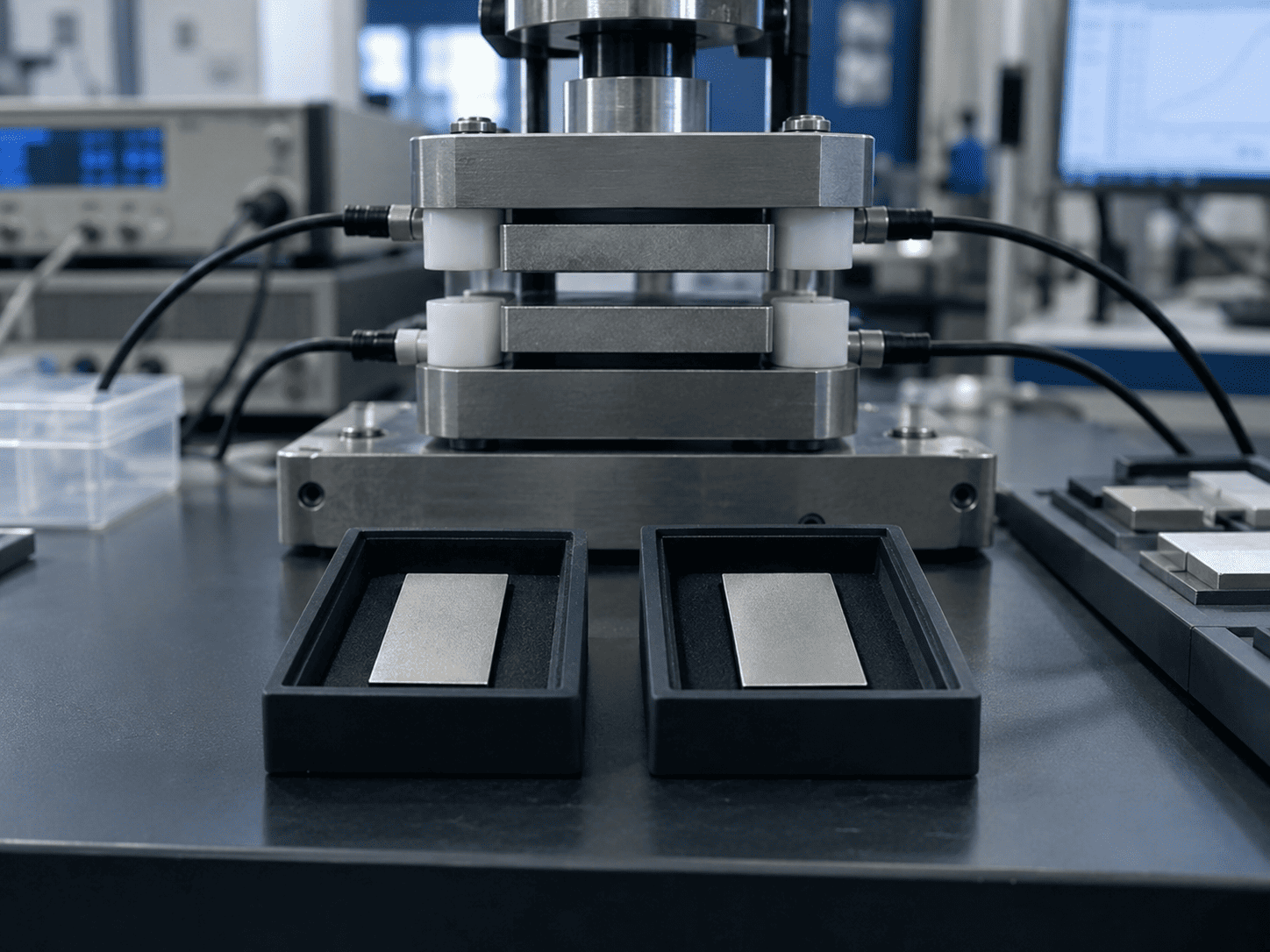
Measure electrical resistance under controlled compression before and after electrochemical exposure to understand how well the coated interface retains conductivity.
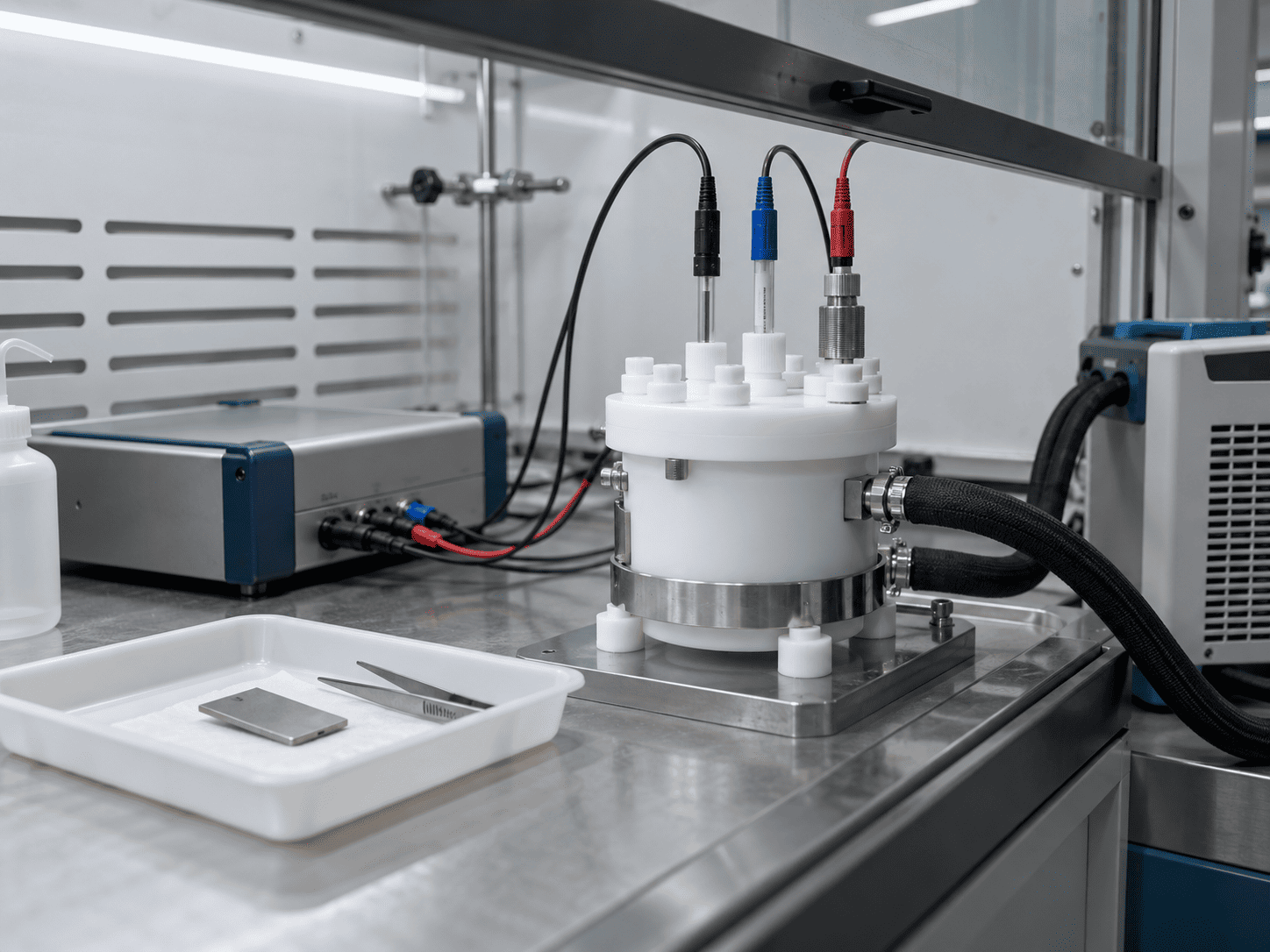
Assess the electrochemical response of the coating under acidic, high potential conditions and review the component condition after exposure.

Review platinum loading together with conductivity and corrosion results to determine how far precious metal use can be reduced for the selected component.
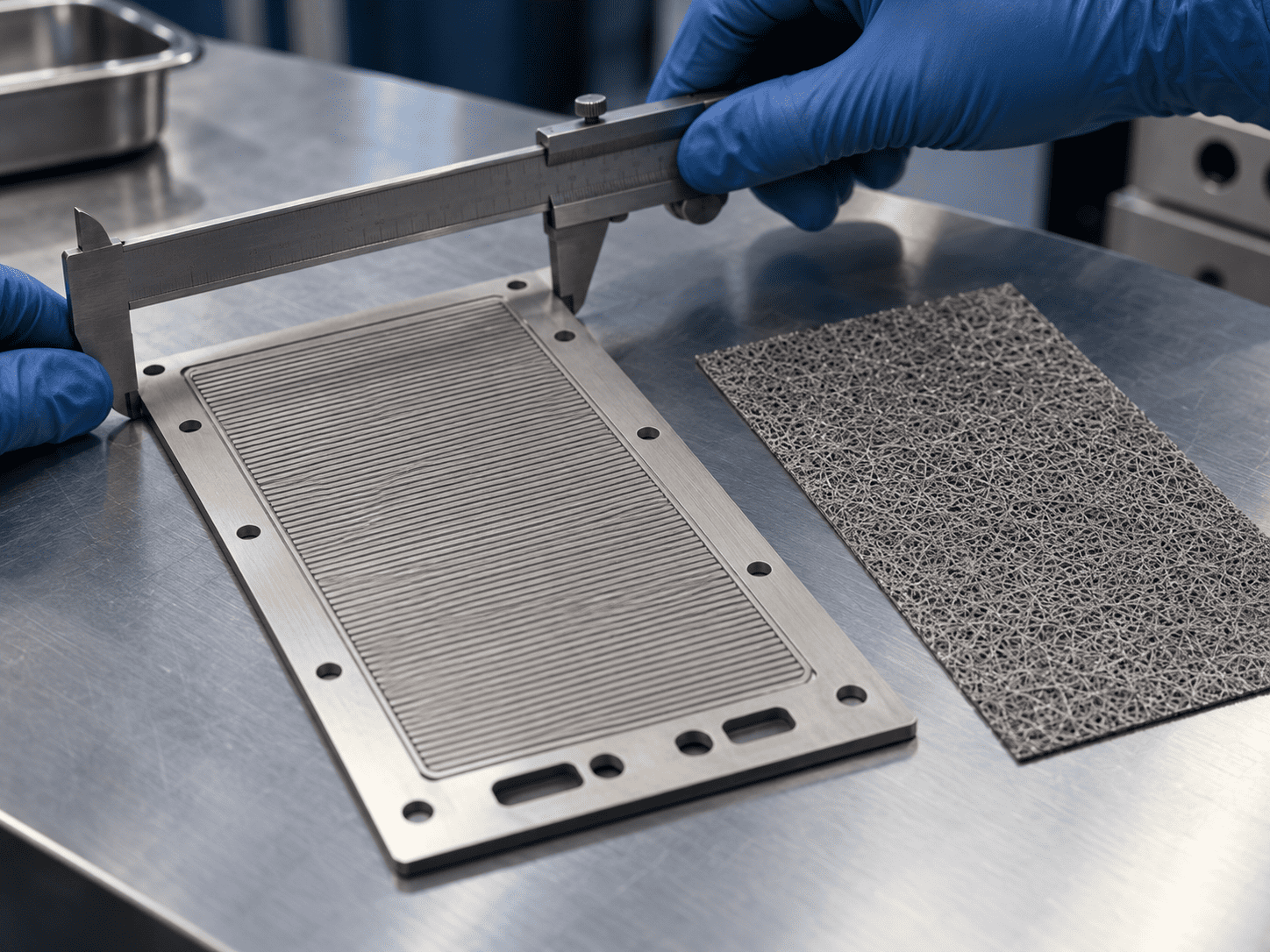
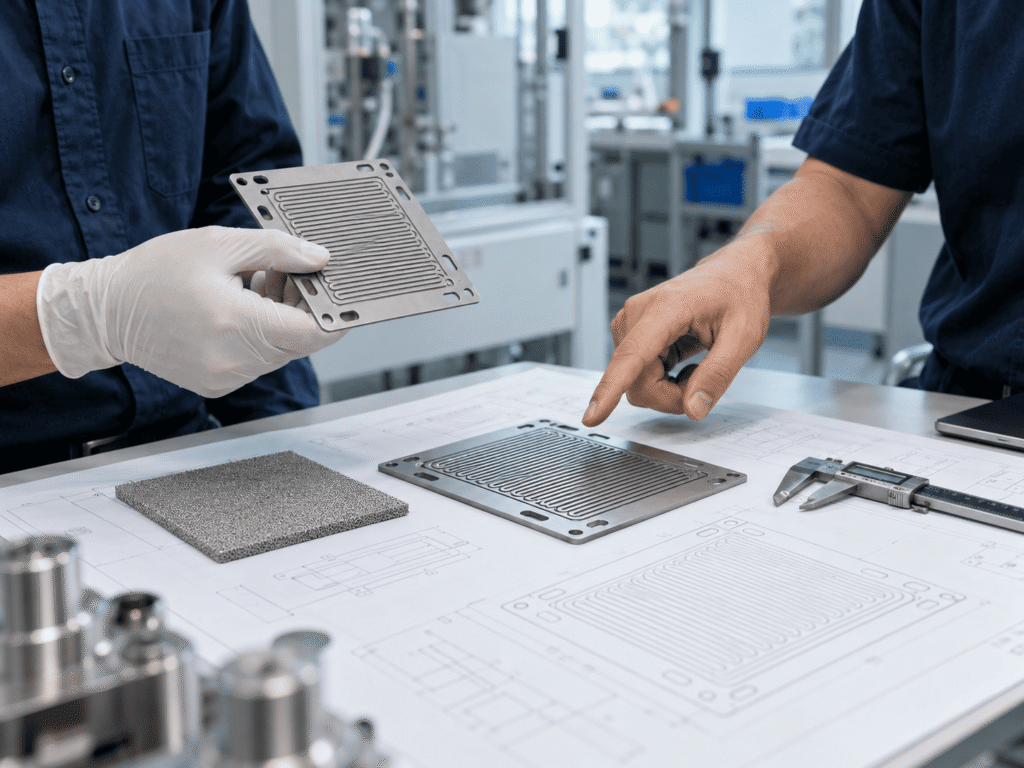
Confirm compatibility with the component material, dimensions, geometry and current surface condition before progressing into qualification.

Bring electrical, electrochemical and surface results together to support coating comparison and application specific qualification decisions.
Testing scope: These capabilities support coating development, comparative evaluation and qualification work. Sydrogen is not represented as an accredited third party certification body. The test matrix, equipment route and acceptance criteria are agreed for each application, with independent certification or external validation identified separately where required.
For industries relying on PEM electrolysis, the coating decision affects more than the component itself. Platinum use, electrical losses and corrosion behaviour influence the economics and reliability of producing hydrogen over time.
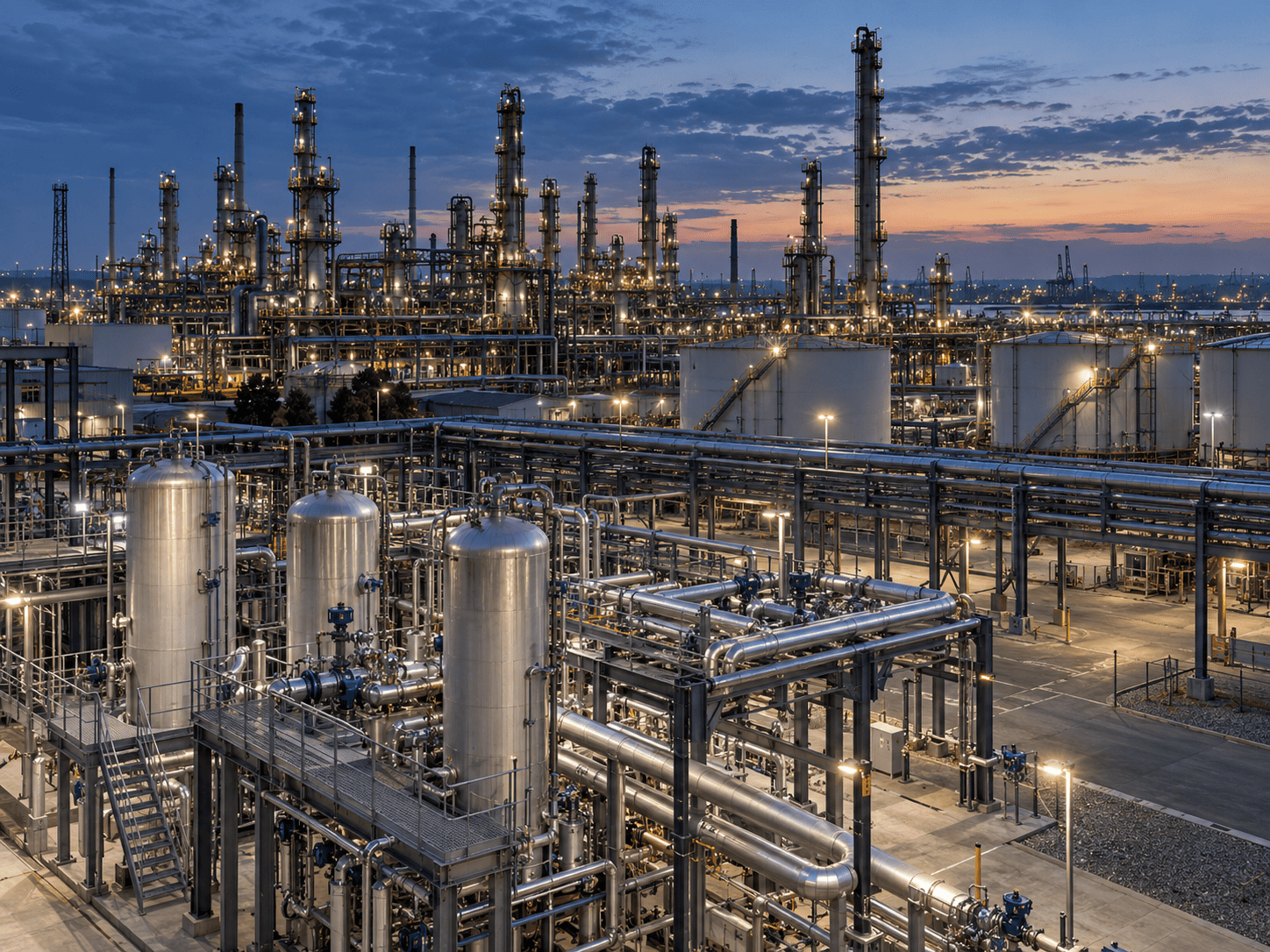
Refinery hydrogen supply can require long operating hours with limited tolerance for performance drift. SydroPEARL® maintains post corrosion conductivity at the bipolar plate interface, helping limit additional electrical resistance as PEM electrolysers operate over extended periods.
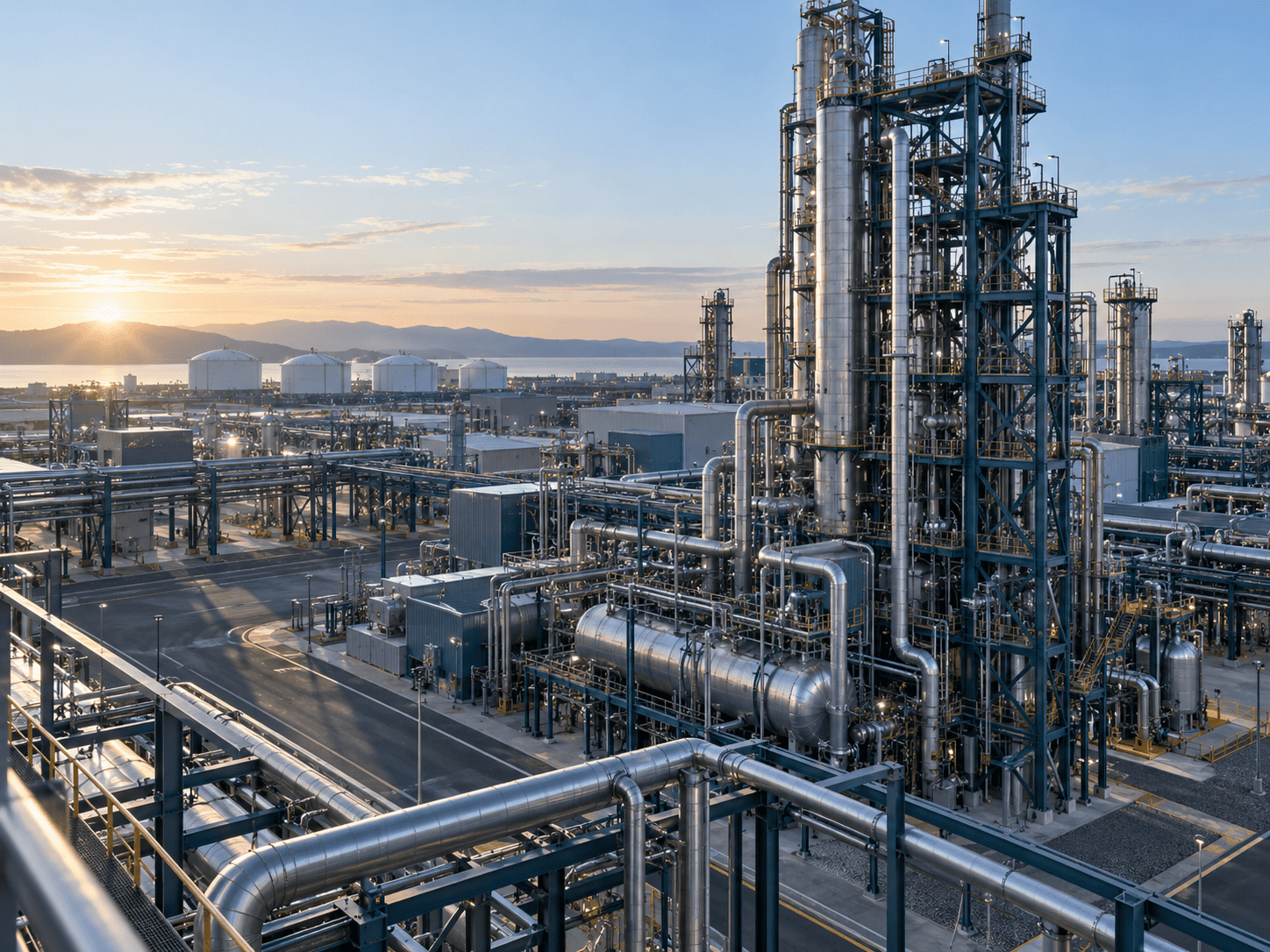
Green ammonia requires substantial electrolyser capacity to supply hydrogen continuously for synthesis. SydroPEARL® reduces or removes platinum from coated components, helping prevent precious metal requirements from increasing proportionally with project size.
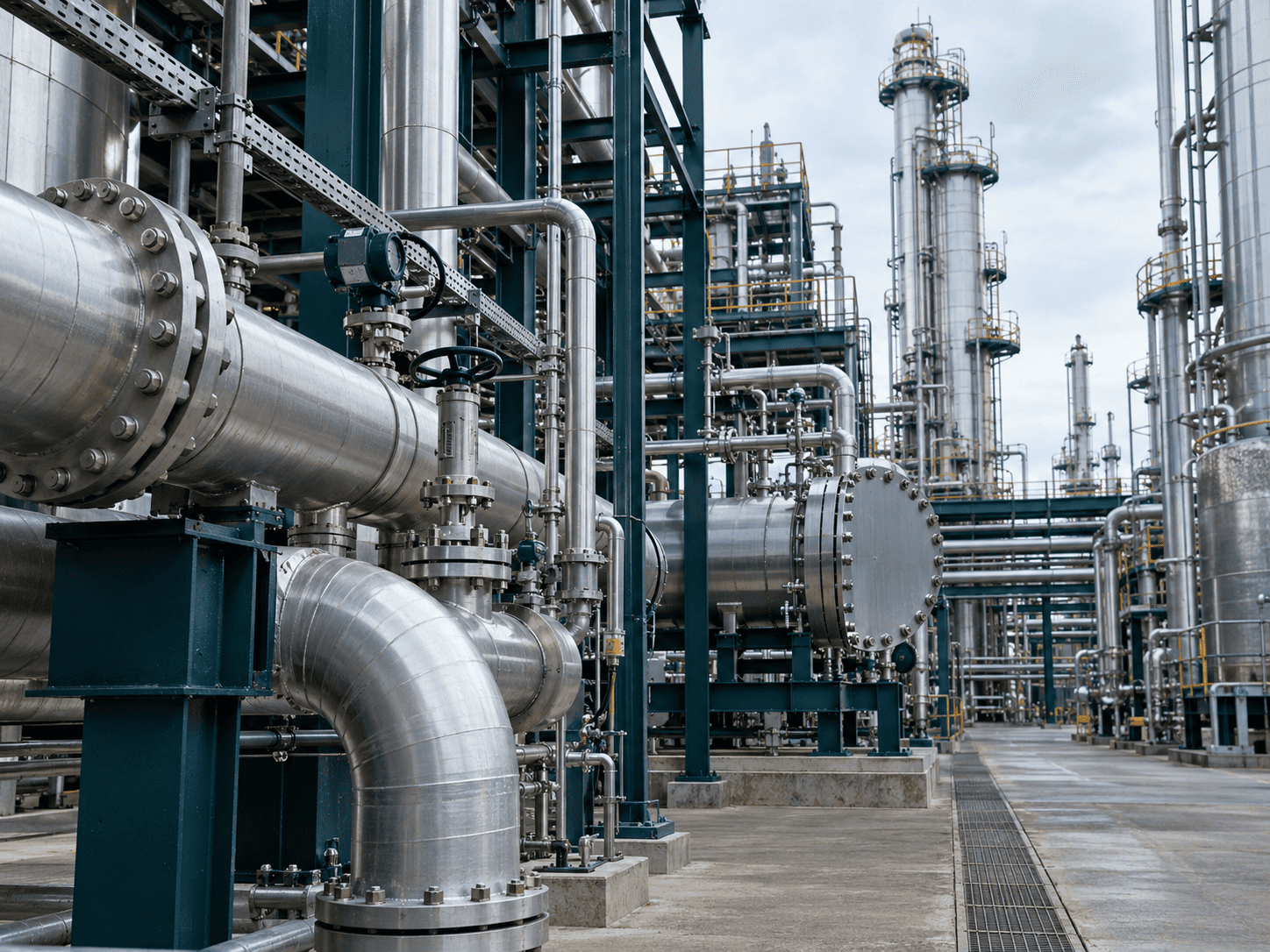
Where hydrogen becomes a production feedstock for methanol, hydrogenation and other chemical processes, electricity consumed by electrolysis directly affects production economics. Low interface resistance helps minimise avoidable electrical losses across coated PEM electrolyser components.
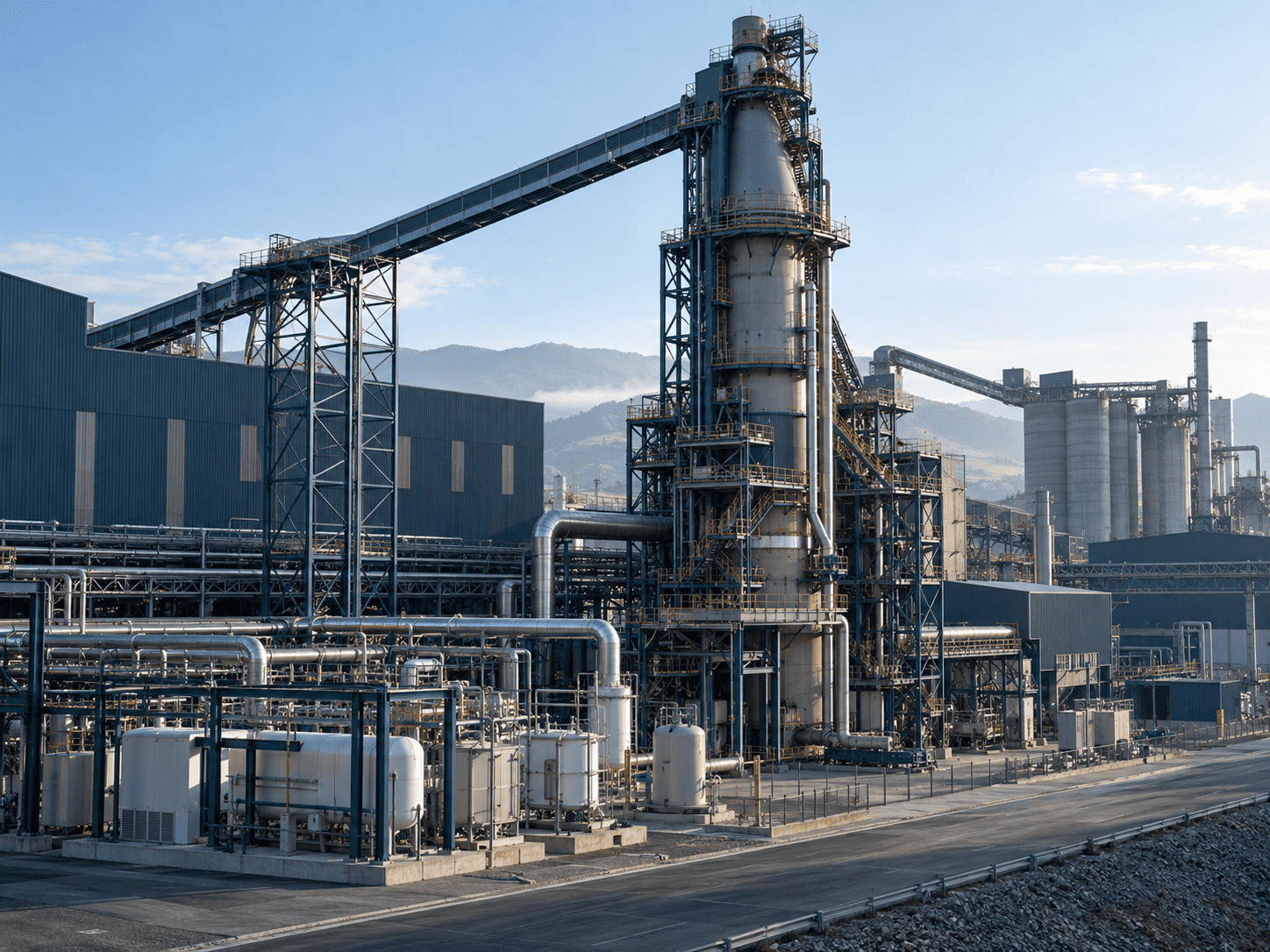
Hydrogen based direct reduced iron can require very large volumes of electrolytic hydrogen. A platinum free coating route reduces dependence on a high value, supply concentrated strategic metal as electrolyser capacity expands, helping reduce material exposure across larger hydrogen programmes.

Hydrogen refuelling networks can require production capacity across multiple sites rather than one central installation. Reducing platinum content at the component level helps control material cost as PEM electrolyser systems are replicated across a wider hydrogen supply network.

Producing green methanol, ammonia and other hydrogen derived marine fuels requires significant upstream electrolyser capacity. SydroPEARL® Plus extends low platinum coating routes across both BPP and PTL interfaces, creating opportunities to reduce precious metal use across more of the electrolyser component architecture.
From initial component assessment through coating development, validation and production implementation, Sydrogen supports our customers from evaluation through to production.
01
Share the component type, substrate, geometry, operating conditions, platinum target, annual volume and qualification timeline.
02
Apply SydroPEARL® or SydroPEARL® Plus to agreed bipolar plate or porous transport layer samples that reflect the intended component design.
03
Compare contact resistance, corrosion response, platinum loading, coating integrity and other agreed results against the programme requirements.
04
Progress into repeatable coating supply or selected batch and inline equipment transfer aligned with programme volume and production requirements.
Sydrogen can support coated component supply or selected process transfer through configurable batch and inline Diamond Series platforms.
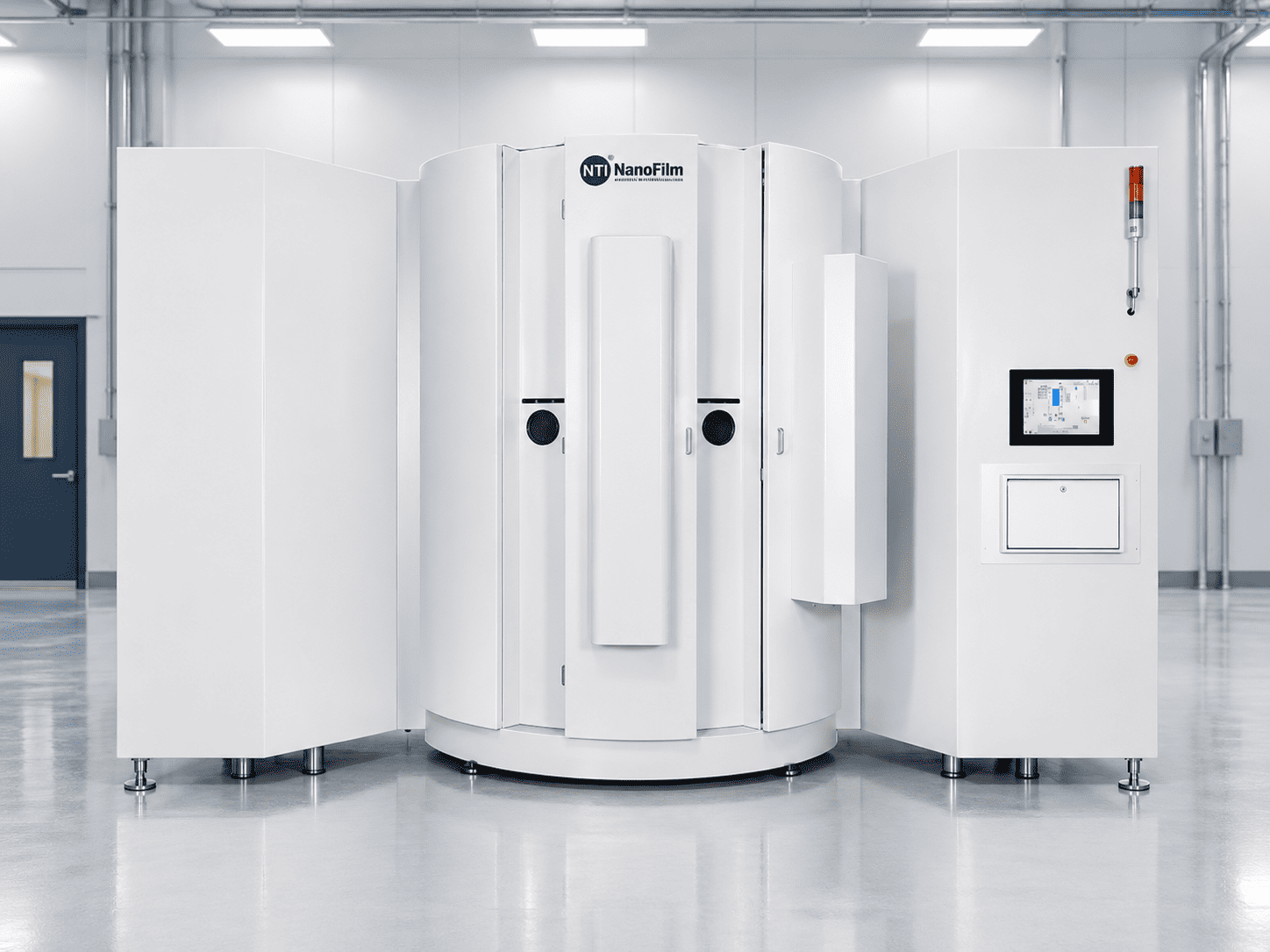
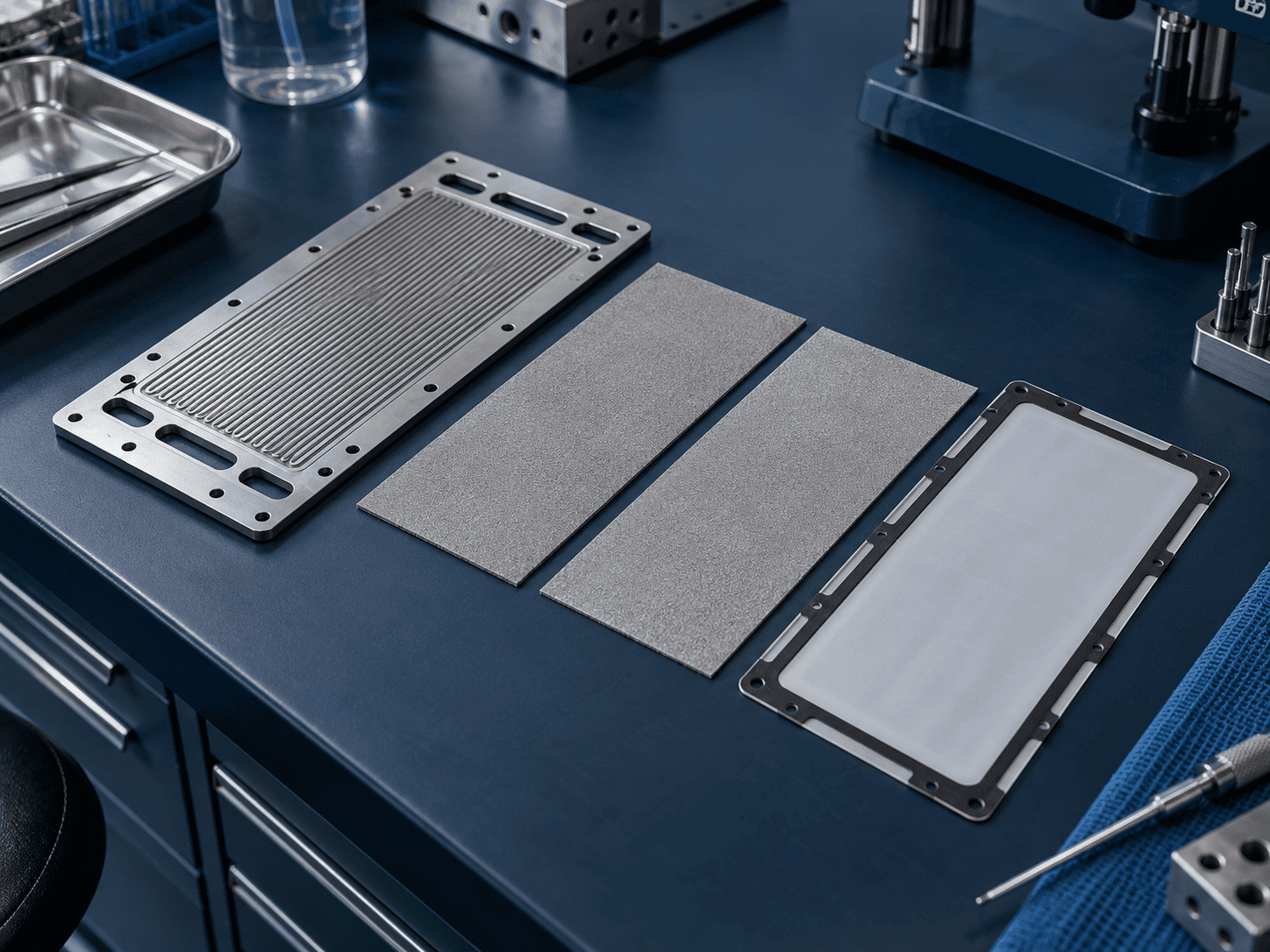
Continue with related PEM electrolyser components, coating evidence and production pathways for hydrogen production.
Keep the Conductive Performance Your Stack Needs
Bring us your component type, substrate, geometry, platinum target and annual volume. Sydrogen will help define the coating route, validation plan and production model that best fit your PEM electrolyser programme.
Titanium bipolar plates and porous transport layers are commonly protected with conductive surface coatings because titanium can form a poorly conductive passive oxide under PEM electrolyser conditions. Noble metals such as platinum and gold are established coating options, while newer coating architectures aim to reduce precious metal loading without losing the low contact resistance and electrochemical stability required at the interface.
Titanium is valued for corrosion resistance, especially on the oxygen side of a PEM electrolyser, but its passive oxide layer has relatively low electrical conductivity. A suitable coating helps control passivation and maintain a low interfacial contact resistance so current can pass efficiently between the bipolar plate and adjacent stack components.
Yes. For titanium bipolar plates, SydroPEARL® uses 0 mg/cm² platinum. Under the performance conditions shown on this page, it records 1.22 mΩ·cm² initial ICR and 3.75 mΩ·cm² post corrosion ICR, closely aligned with the conventional platinum benchmark.
SydroPEARL® is the platinum free route for titanium PEM electrolyser bipolar plates. SydroPEARL® Plus is the low platinum route for titanium and SUS316L bipolar plates and titanium porous transport layers. The starting point depends on the component, substrate, platinum reduction target and qualification requirements.
SydroPEARL® Plus uses 0.02 mg/cm² platinum on bipolar plates and 0.04 mg/cm² on titanium porous transport layers. For the titanium BPP benchmark shown on this page, 0.02 mg/cm² represents a 20× reduction in platinum loading.
Not in the titanium bipolar plate comparisons shown on this page. SydroPEARL® records comparable initial ICR, while SydroPEARL® Plus records lower initial ICR in the titanium BPP configuration. Application performance still depends on substrate, geometry, surface preparation and the agreed qualification method.
Interfacial contact resistance, or ICR, is the electrical resistance at the contact between coated stack components. Higher ICR creates additional ohmic loss, which can increase voltage demand and heat generation. Comparing initial and post corrosion ICR helps show whether the conductive interface is retained after electrochemical exposure.
Post corrosion ICR shows how much electrical resistance remains after the coated component has been exposed to the stated accelerated environment. If ICR increases strongly, surface passivation or degradation may be making the interface less conductive. A low post corrosion ICR therefore gives a practical indication of conductive interface retention after exposure.
Potentiostatic current density is the current measured while the coated sample is held at a fixed high potential in the stated electrolyte. It helps characterise the electrochemical response of the surface. It should be interpreted together with post corrosion ICR and coating integrity because current on noble metal surfaces can include electrochemical activity in addition to material corrosion processes.
Yes. SydroPEARL® Plus includes a low platinum route for SUS316L bipolar plates as well as titanium bipolar plates and titanium porous transport layers. The final coating and qualification route should be confirmed against the intended component design and operating conditions.
The supplied performance data reports potentiostatic exposure at 2 V vs SHE for 10 hours at pH 2 in H₂SO₄ with 5 ppm HF at 80°C. Initial and post corrosion ICR are compared alongside potentiostatic current density and coating integrity to assess electrical and electrochemical behaviour after exposure.
Start with the component type, substrate, geometry, operating conditions, platinum target, annual volume and qualification timeline. Sydrogen can coat representative samples, review initial and post corrosion ICR, support electrochemical and coating integrity evaluation, and define an application specific route toward repeatable coated component supply or selected coating equipment transfer.