SydroCOAT™ helps proton exchange membrane fuel cell bipolar plates retain low contact resistance, resist corrosion and reduce ion release across high-volume and demanding-duty applications.
Bipolar plates can represent up to 80% of stack weight and roughly 40–45% of stack cost, making the plate architecture and its surface a major commercialisation lever. Thin formed metal can reduce stack size, weight and manufacturing complexity, but the surface must remain conductive and stable in the acidic PEM fuel cell environment. SydroCOAT™ provides the dense, low-resistance protection that helps translate the advantages of metallic plates into dependable stack performance.
Formed metallic plates support compact flow fields and high-volume manufacturing routes that can reduce stack weight and packaging volume.
Low and stable interfacial contact resistance helps minimise parasitic electrical losses at the plate-to-GDL interface.
Dense corrosion protection helps limit passivation and metallic-ion release that can affect catalyst, membrane and long-term stack behaviour.
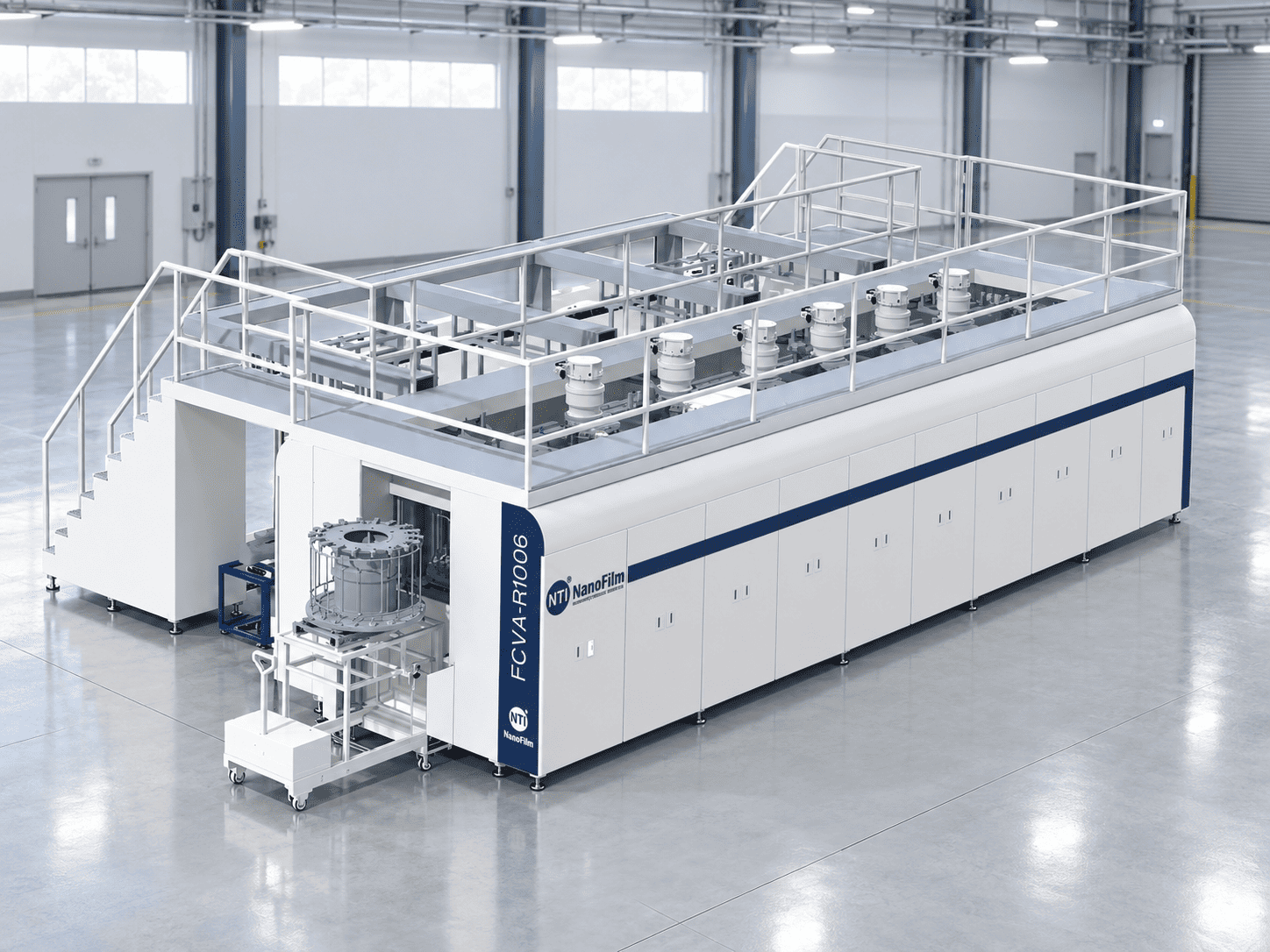
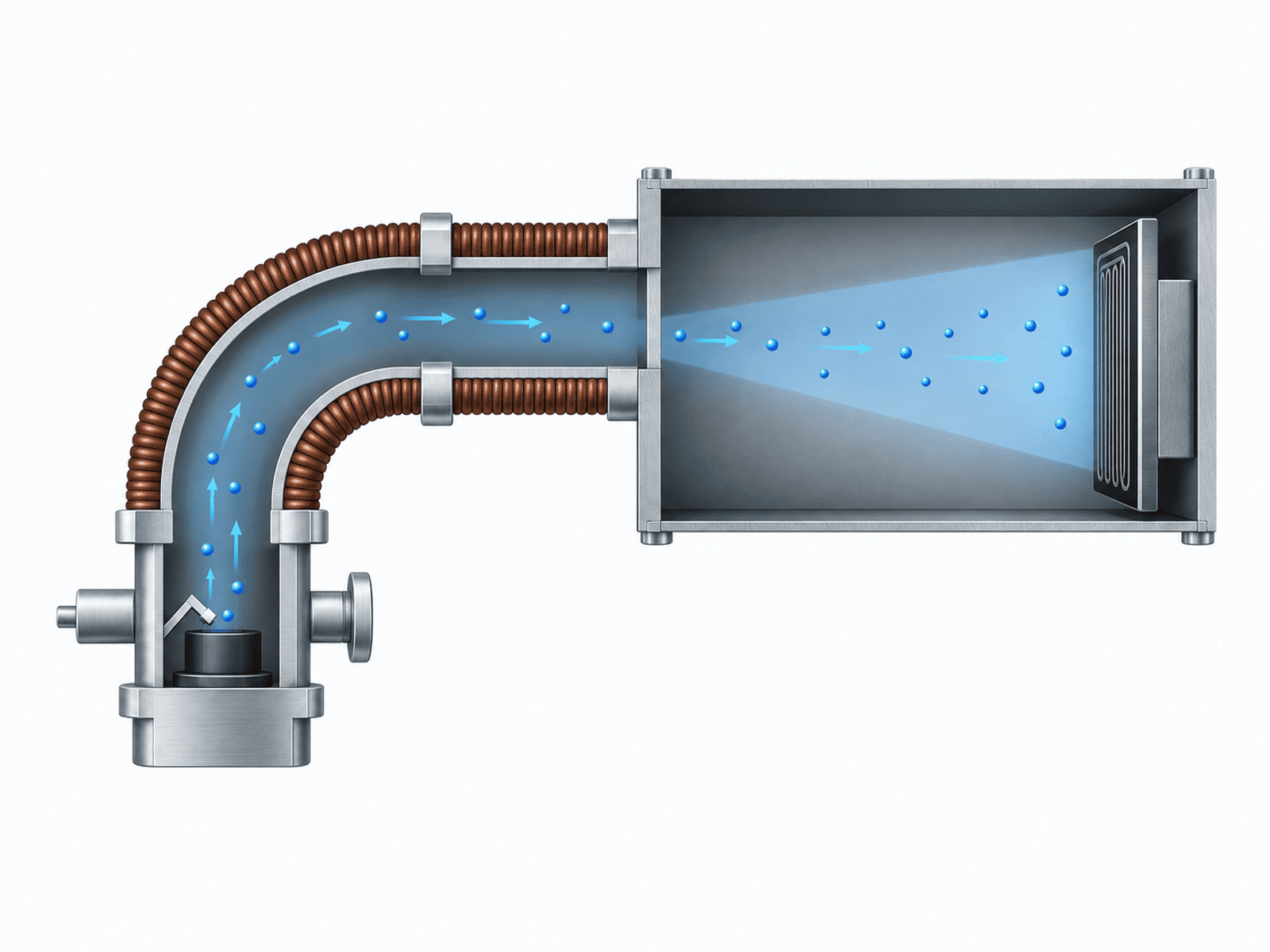
SydroCOAT™ is built on NTI Nanofilm’s proprietary filtered cathodic vacuum arc technology. Precise control of the carbon ion stream enables a consistent, ultra-thin coating route designed to protect the metallic bipolar plate interface while using less coating material.
See FCVA coating in action
Watch the process film ↗
Magnetic filtering removes unwanted macroparticles before deposition, helping create a cleaner and more consistent coating surface.
A highly amorphous, compact film gives acidic media fewer pathways to reach the substrate and release metallic ions.
Energetic ions strengthen the coating-to-substrate interface, supporting adhesion through demanding electrochemical exposure.
Compared with traditional PVD that may require 300–500 nm to pass the same protection test, SydroCOAT™ FCVA maintains conductivity and protective performance down to 100 nm—using less coating material while enabling faster, lower-energy processing.
Coating defects can expose the metal substrate, raising contact resistance and releasing ions that reduce stack efficiency and durability. SydroCOAT™ forms a smoother, denser barrier that helps keep the current-carrying interface protected.
After two hours at 1.6 V accelerated stress, the conventional cathodic vacuum arc coating showed significant corrosion, while the filtered cathodic vacuum arc coating remained relatively intact—supporting more dependable performance through demanding duty cycles.
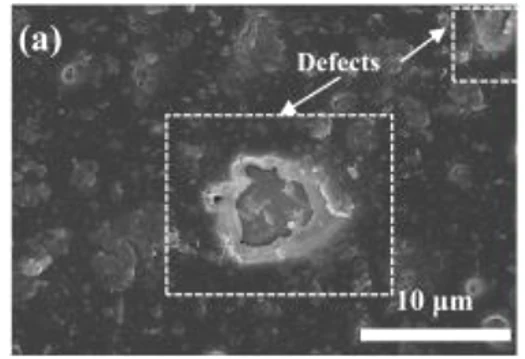
Significant corrosion after accelerated stress
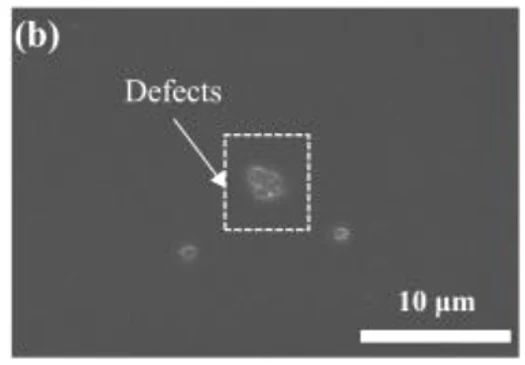
Relatively intact after accelerated stress
From cost-efficient production to longer service life, SydroCOAT™ helps metallic bipolar plates deliver the performance each application demands. Our coating portfolio supports a range of substrates and operating environments, combining low contact resistance, corrosion protection and controlled ion release to advance PEM fuel cell commercialisation.
Across the SydroCOAT™ portfolio, Sydrogen’s PEM fuel cell coatings—SydroGEM™, SydroDIAMOND® and SydroSTAR™—are engineered to help metallic bipolar plates preserve the electrical, chemical and durability performance required from qualification through deployment, supporting commercial adoption across mobility and energy applications.
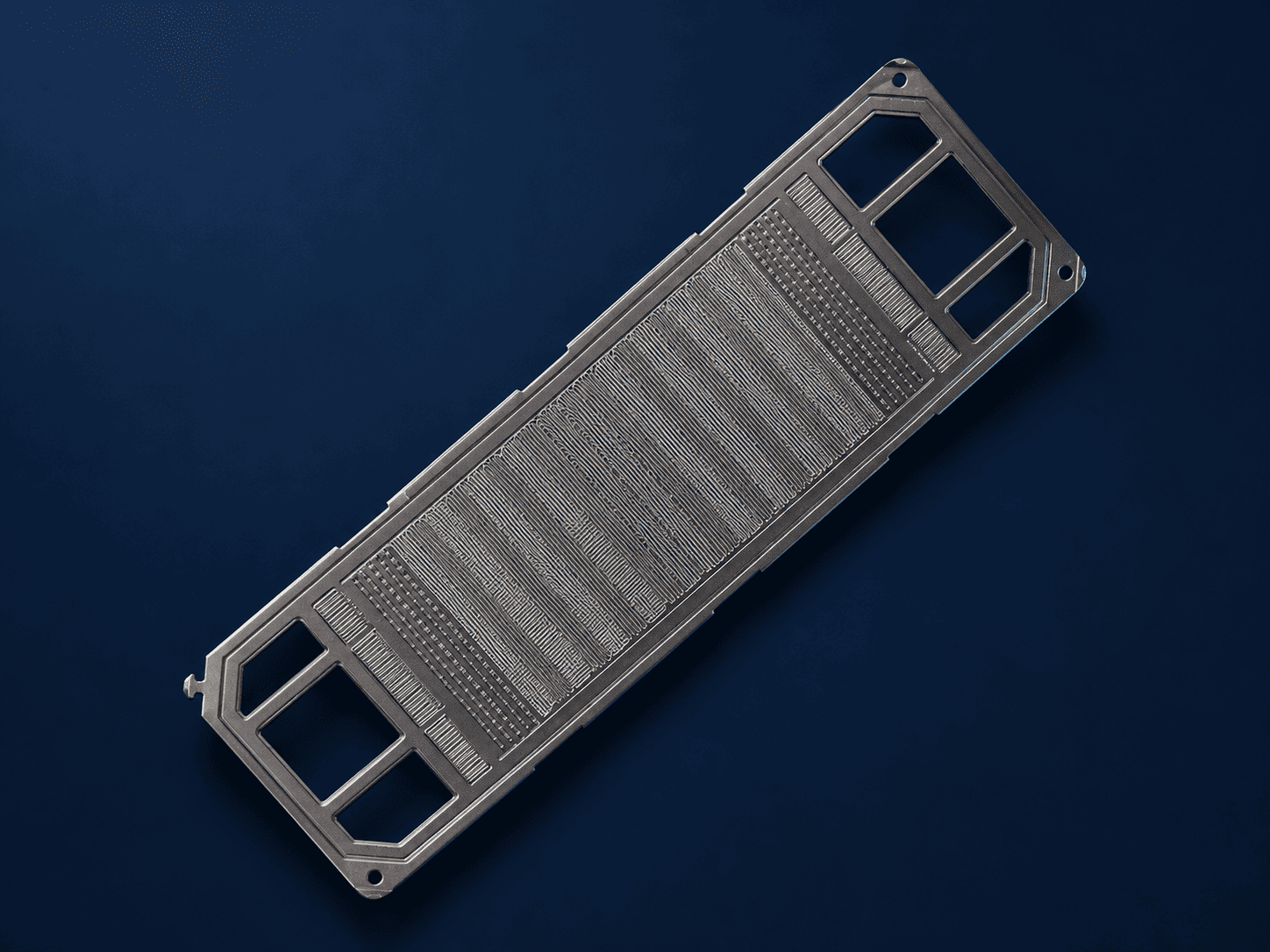
For SUS316L metallic bipolar plates moving toward high-volume production, SydroGEM™ combines low interfacial contact resistance and corrosion protection with an ultra-thin coating route developed to reduce material use and cost per plate. It supports mobility and stationary power applications targeting more than 10,000 operating hours under standard or moderate chloride exposure.
Cost efficiency at production volume
Highest
Target operating life
>10,000 hours
Chloride exposure capability
50–100 ppm
Substrate
SUS316L
Initial ICR at 1.4 MPa
≤ 2 mΩ·cm²
Post-corrosion ICR
≤ 5 mΩ·cm²
Corrosion current
<0.05 µA/cm² at 0.84 V
Ion leaching
<80–100 ppb
Chloride resistance
50–100 ppm
Target durability
>10,000 hours
Where qualification confidence, low ion release and broader substrate compatibility are critical, SydroDIAMOND® provides a precious-metal-free coating route for SUS304, SUS316L and titanium. ZBT validation and up to 9× lower ion leaching than PVD gold support quality-critical mobility and energy applications targeting more than 20,000 operating hours.
Cost efficiency at production volume
High
Target operating life
>20,000 hours
Chloride exposure capability
100 ppm
Substrates
SUS304, SUS316L and titanium
Initial ICR at 1.4 MPa
≤ 2 mΩ·cm²
Post-corrosion ICR
≤ 5 mΩ·cm²
Corrosion current
<0.05–0.1 µA/cm², substrate-dependent
Ion leaching
<50–60 ppb
Chloride resistance
100 ppm
Target durability
>20,000 hours
For heavy-duty mobility, stationary power and marine-adjacent applications where service life and environmental exposure shape total operating cost, SydroSTAR™ combines low interfacial contact resistance with ion leaching below 50 ppb and resistance to chloride concentrations up to 1,000 ppm. It is positioned for SUS316L applications targeting more than 30,000 operating hours.
Cost efficiency at production volume
Application-led
Target operating life
>30,000 hours
Chloride exposure capability
Up to 1,000 ppm
Substrate
SUS316L
Initial ICR at 1.4 MPa
≤ 2 mΩ·cm²
Post-corrosion ICR
<5 mΩ·cm²
Corrosion current
<0.05 µA/cm² at 0.84 V
Ion leaching
<50 ppb
Chloride resistance
Up to 1,000 ppm
Target durability
>30,000 hours
Performance depends on substrate, plate geometry, surface preparation, operating environment and the agreed qualification method. Published values represent Sydrogen’s current portfolio positioning.
Sydrogen’s in-house testing capabilities help evaluate coated samples against the electrical, electrochemical and surface requirements of your plate design. The results provide clearer evidence on conductivity retention, corrosion protection, ion release, coating integrity and application-relevant durability before production decisions are made.
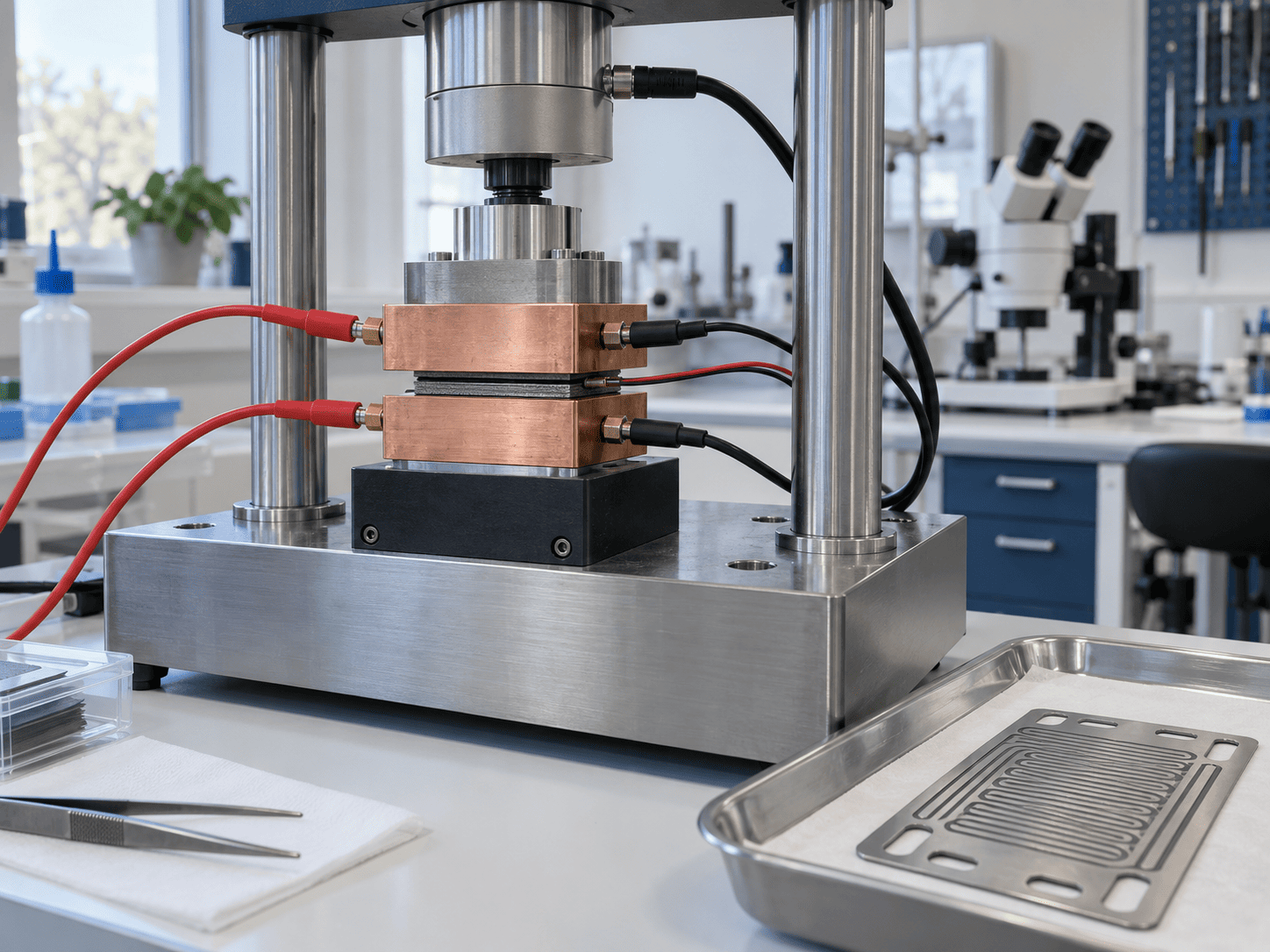
Measure current transfer between the coated plate and gas diffusion layer under controlled compression, then compare the interface after corrosion or accelerated stress.
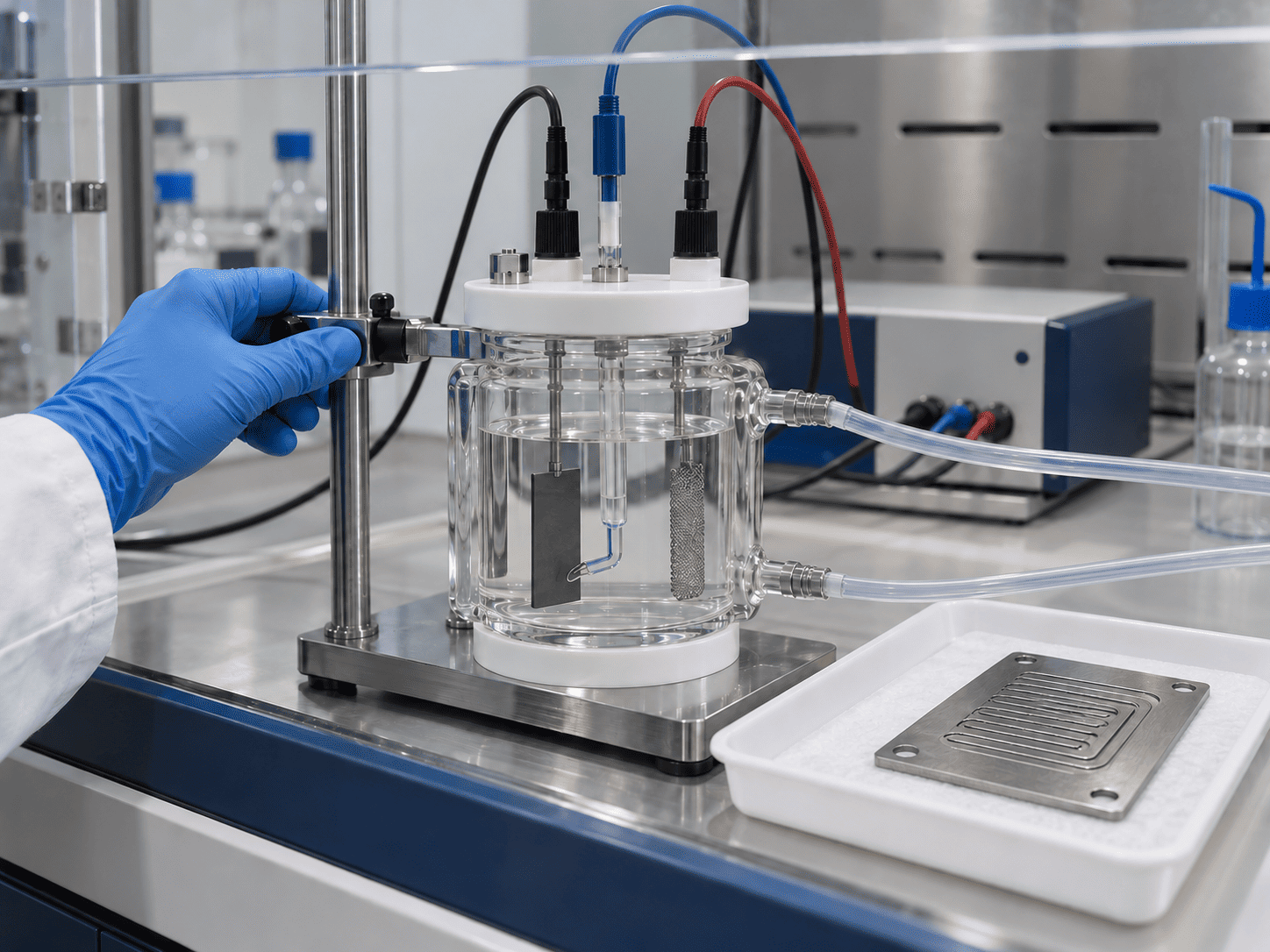
Assess how the coated plate behaves under acidic PEM fuel cell conditions and selected chloride concentrations, including comparison of corrosion-current stability before and after exposure.

Quantify iron, chromium, nickel or other released species that may migrate from the plate and affect membrane, catalyst or long-term stack performance.
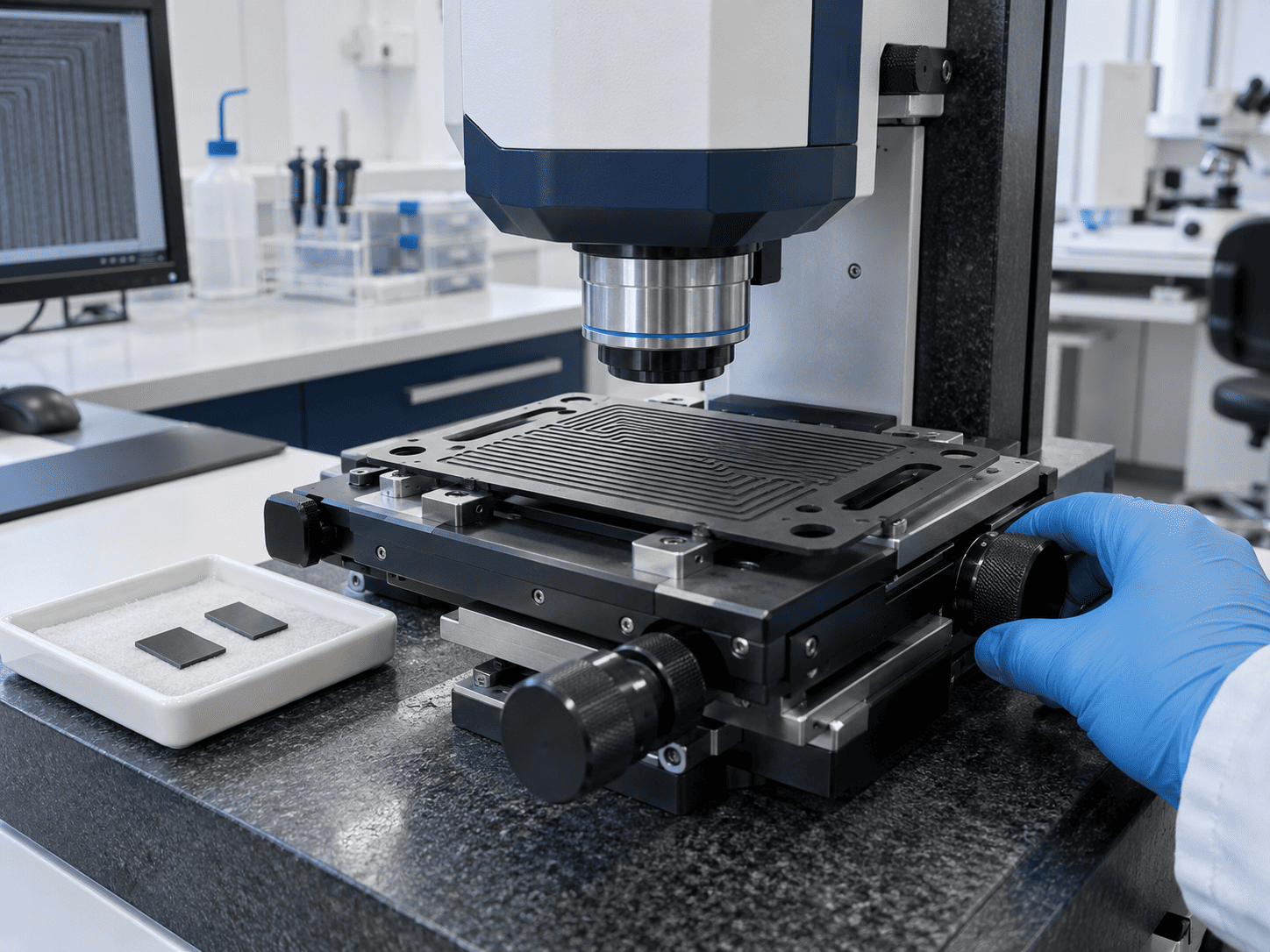
Review whether the coating remains continuous and well bonded across representative coupons, channels, lands, weld zones and formed plate geometry.
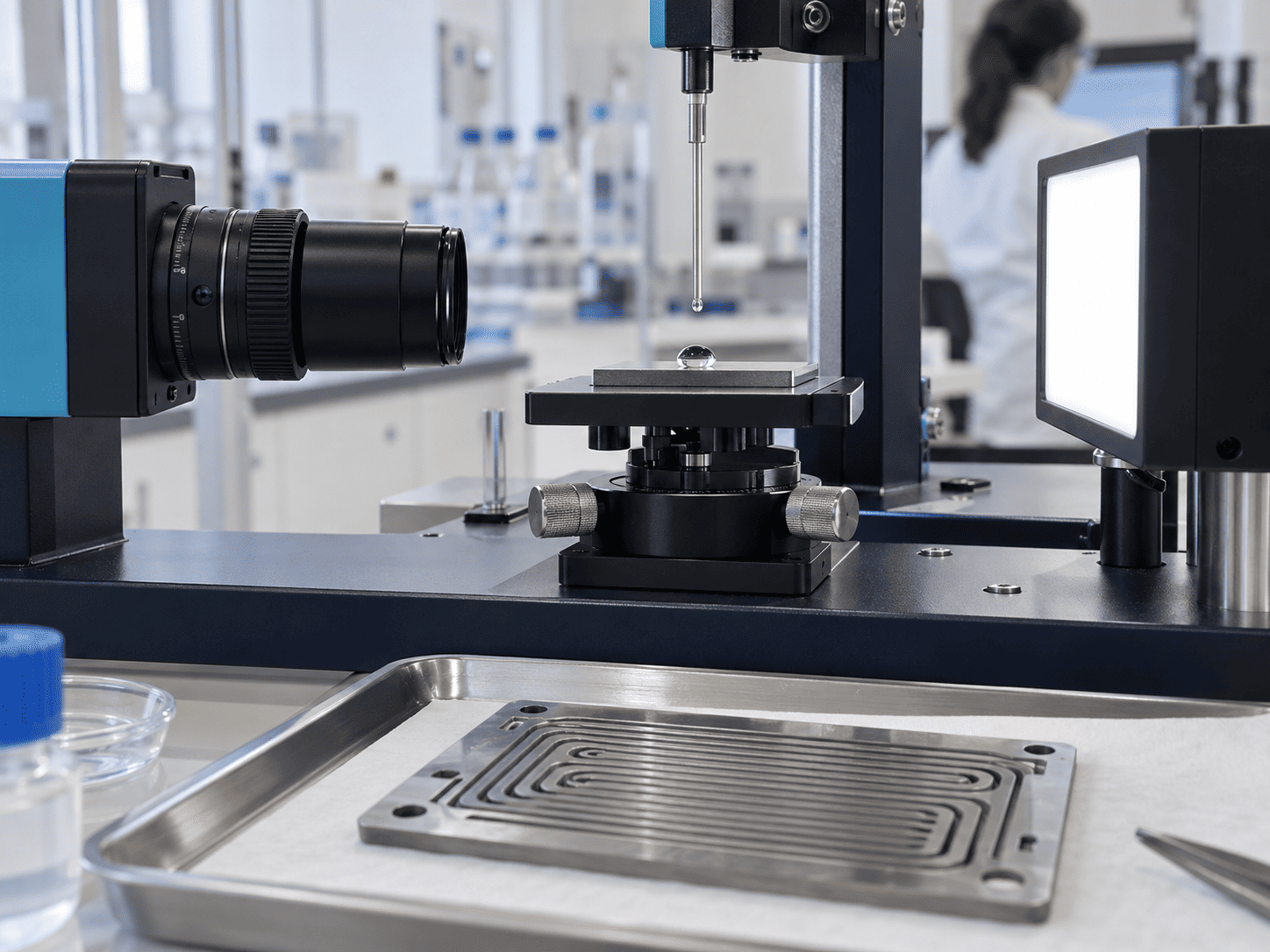
Characterise how water interacts with the coated surface and compare the response across representative flow-field locations or coating grades.
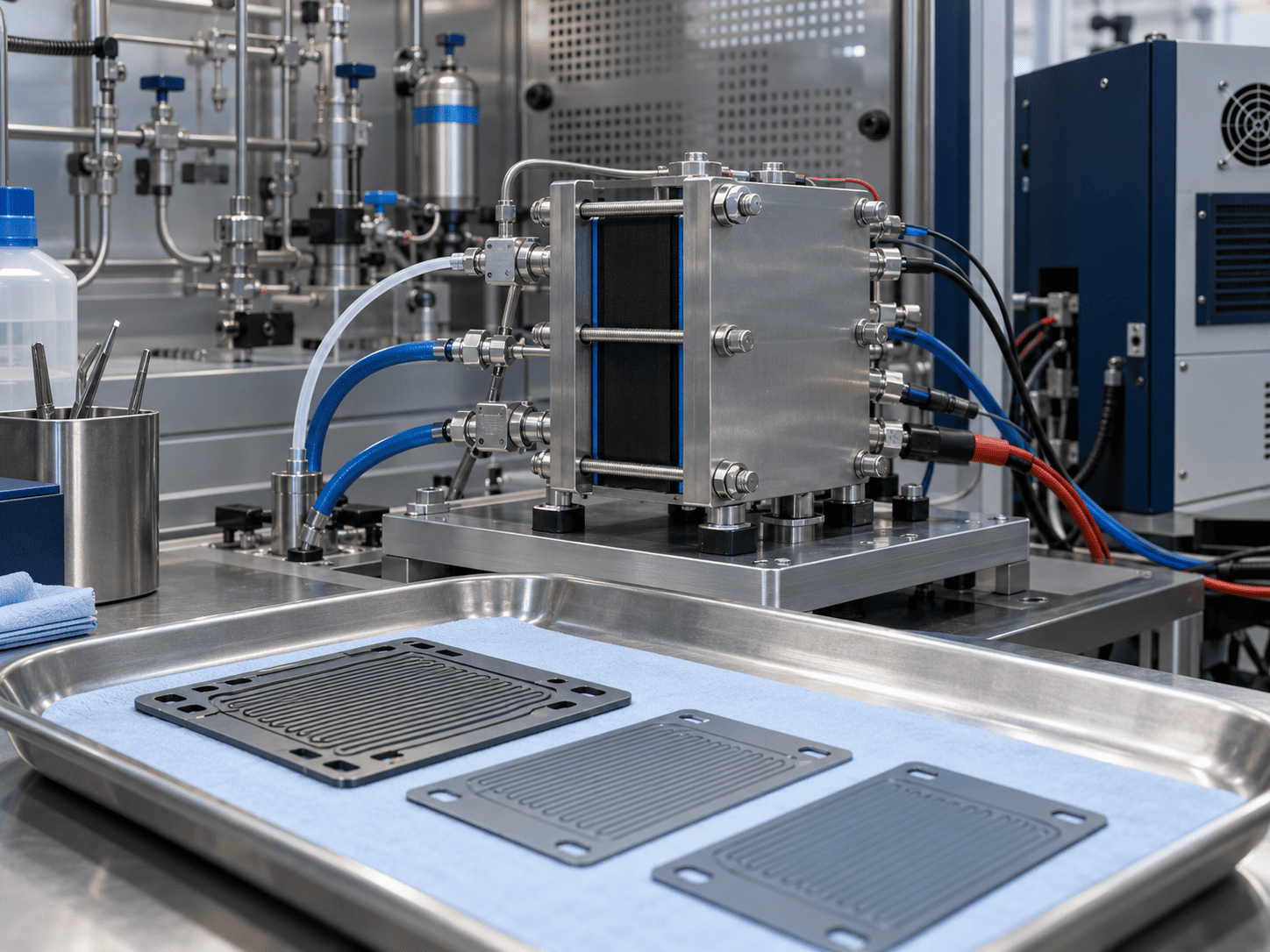
Combine repeated electrochemical exposure with electrical and surface measurements to understand whether the coated interface remains stable through the agreed evaluation cycle.
Testing scope: These capabilities support coating development, comparative evaluation and qualification work. Sydrogen is not represented as an accredited third-party certification body. The test matrix, equipment route and acceptance criteria are agreed for each application, with independent certification or external validation identified separately where required.
Every duty cycle places a different demand on conductivity retention, corrosion protection, ion control and operating life. SydroCOAT™ coatings help metallic bipolar plates maintain a dependable electrochemical interface across applications ranging from high-volume mobility to long-running stationary and chloride-exposed systems.

Low contact resistance, controlled ion release and compatibility across stainless steel and titanium help support compact, quality-critical stacks through mobility qualification.
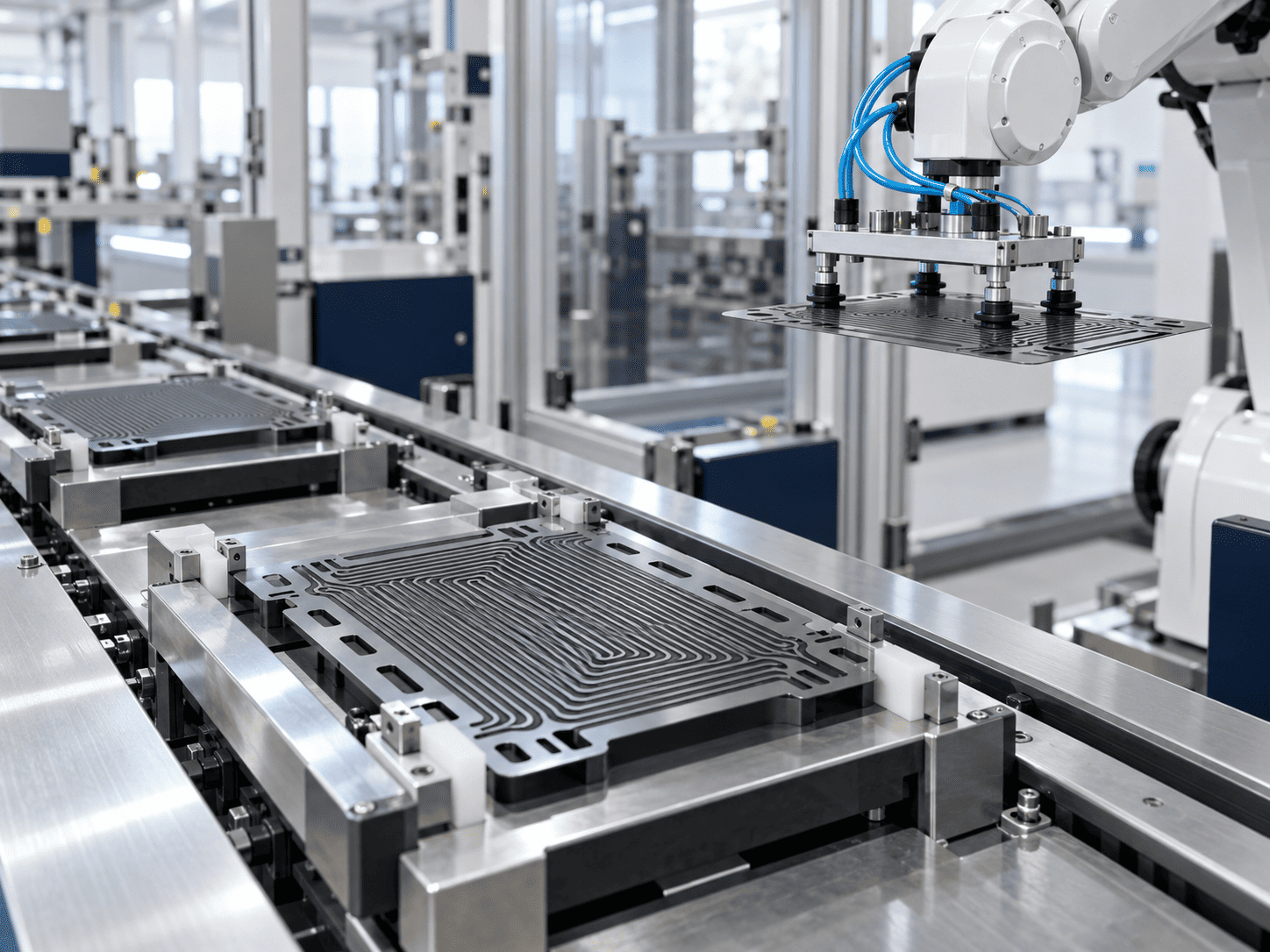
Ultra-thin coating architecture and scalable production routes help reduce coating cost per plate while maintaining the conductivity and corrosion performance required for repeatable volume.

Longer operating-life targets and stronger chloride resistance help protect stack performance through high utilisation, frequent load changes and demanding service schedules.
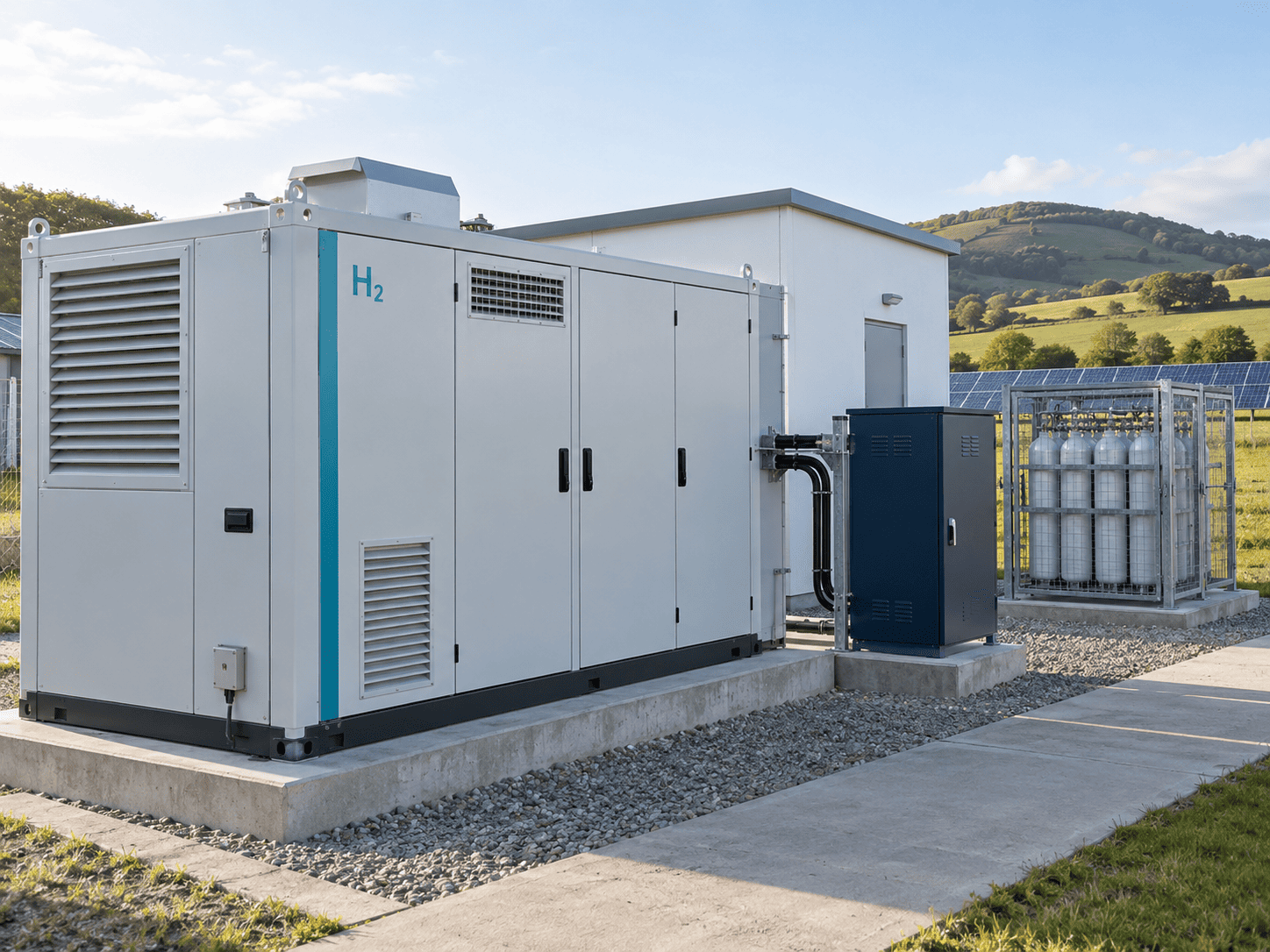
Stable conductivity and corrosion control support long run hours, planned service intervals and dependable power delivery where unplanned shutdowns carry a higher operational cost.
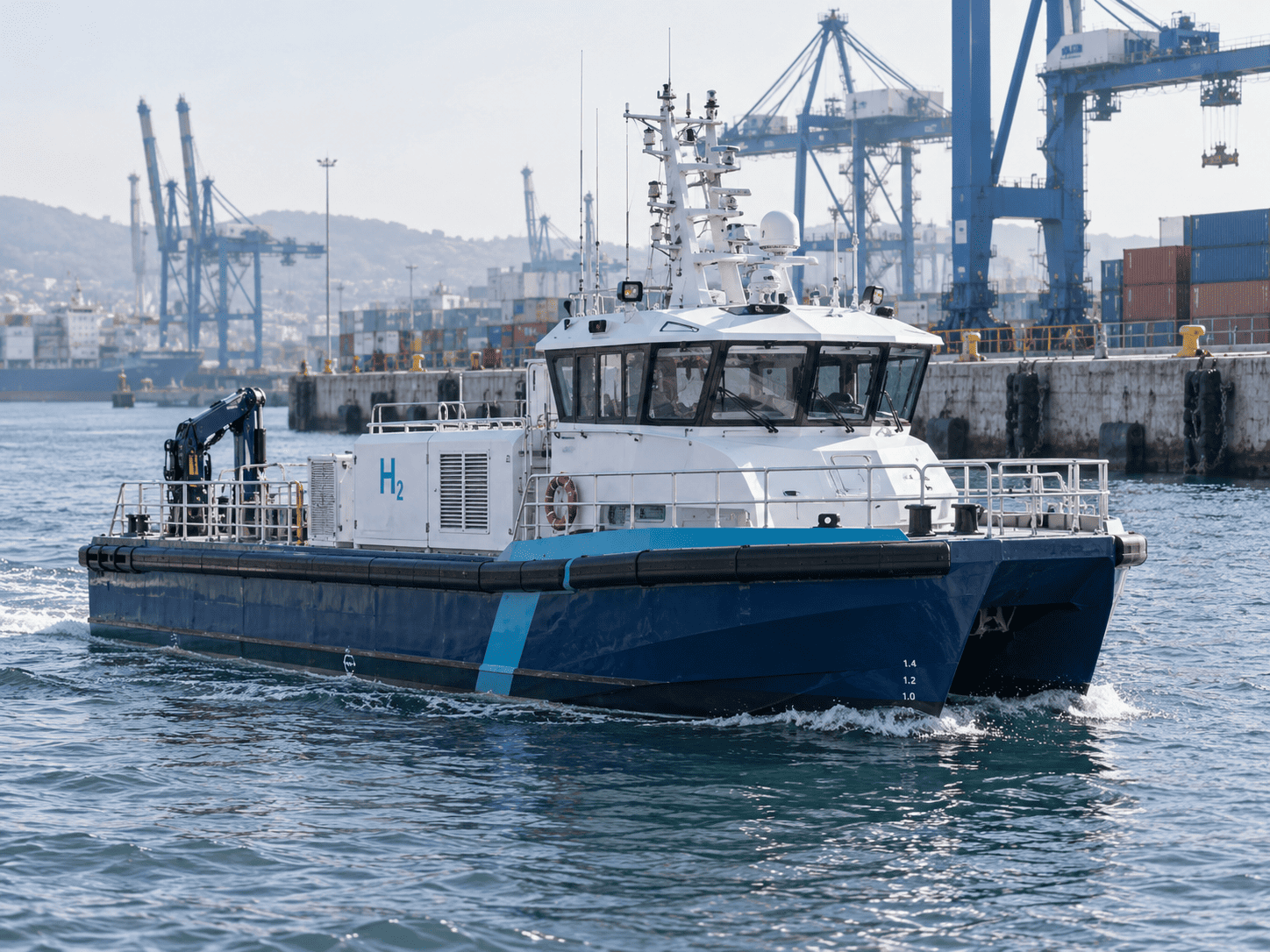
Higher chloride resilience helps limit corrosion pathways in salt-laden and coastal environments while preserving the low-resistance interface needed for efficient stack operation.
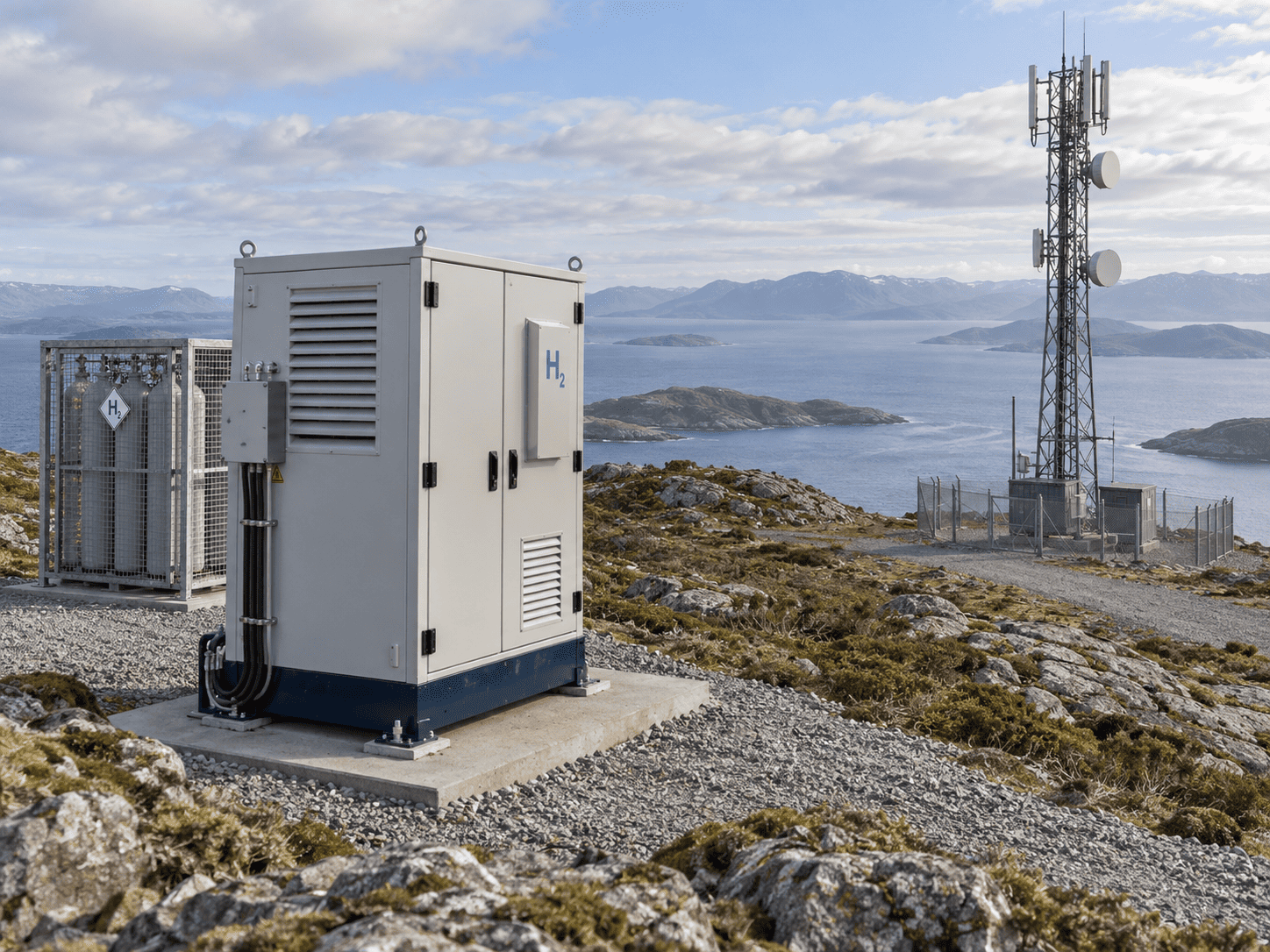
Application-led coating selection and representative testing help address non-standard contaminants, long service intervals and plate geometries that require a more tailored qualification route.
Sydrogen works with your engineering and procurement teams to evaluate the coating on your own plate, review the evidence together and move into the production model that fits your application.
01
Share the substrate, plate geometry, operating conditions, lifetime target, annual volume and qualification timeline that define success for your application.
02
Apply the selected SydroCOAT™ grade to agreed coupons or plate geometry so the evaluation reflects your actual interface and manufacturing condition.
03
Compare contact resistance, corrosion behaviour, ion release, coating integrity and other agreed results against your application requirements.
04
Progress into repeatable coating supply or selected batch and inline equipment transfer with a route aligned to your volume and capacity strategy.
See how SydroDIAMOND® combines a precious-metal-free, ultra-thin coating architecture with low contact resistance, corrosion protection and compatibility across SUS316L, SUS304 and titanium.
Sydrogen can support coated-component supply or selected process transfer through configurable batch and inline Diamond Series platforms.
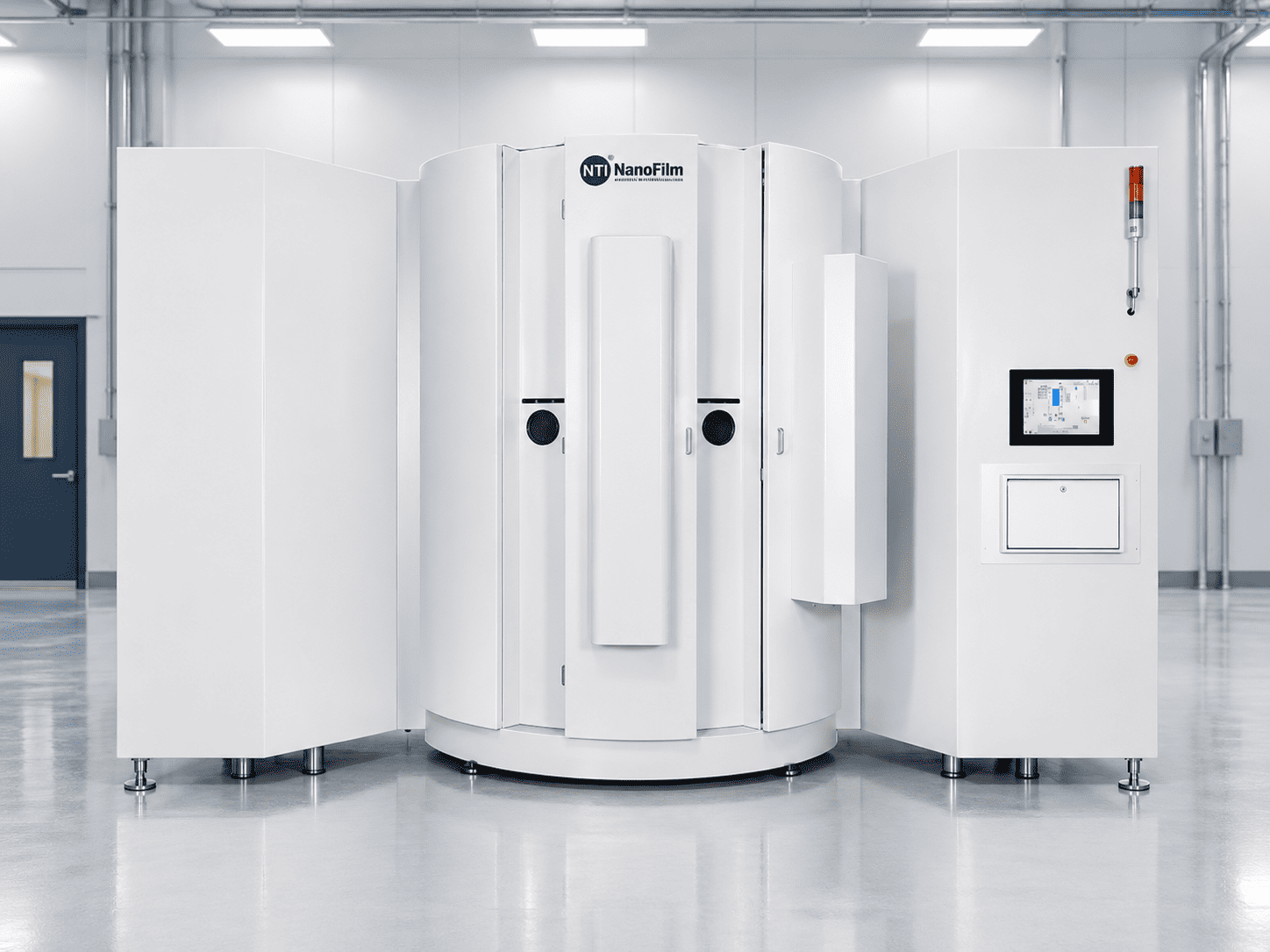
Continue with related product solutions, application evidence and technical perspectives for metallic bipolar plates and deployable hydrogen power.
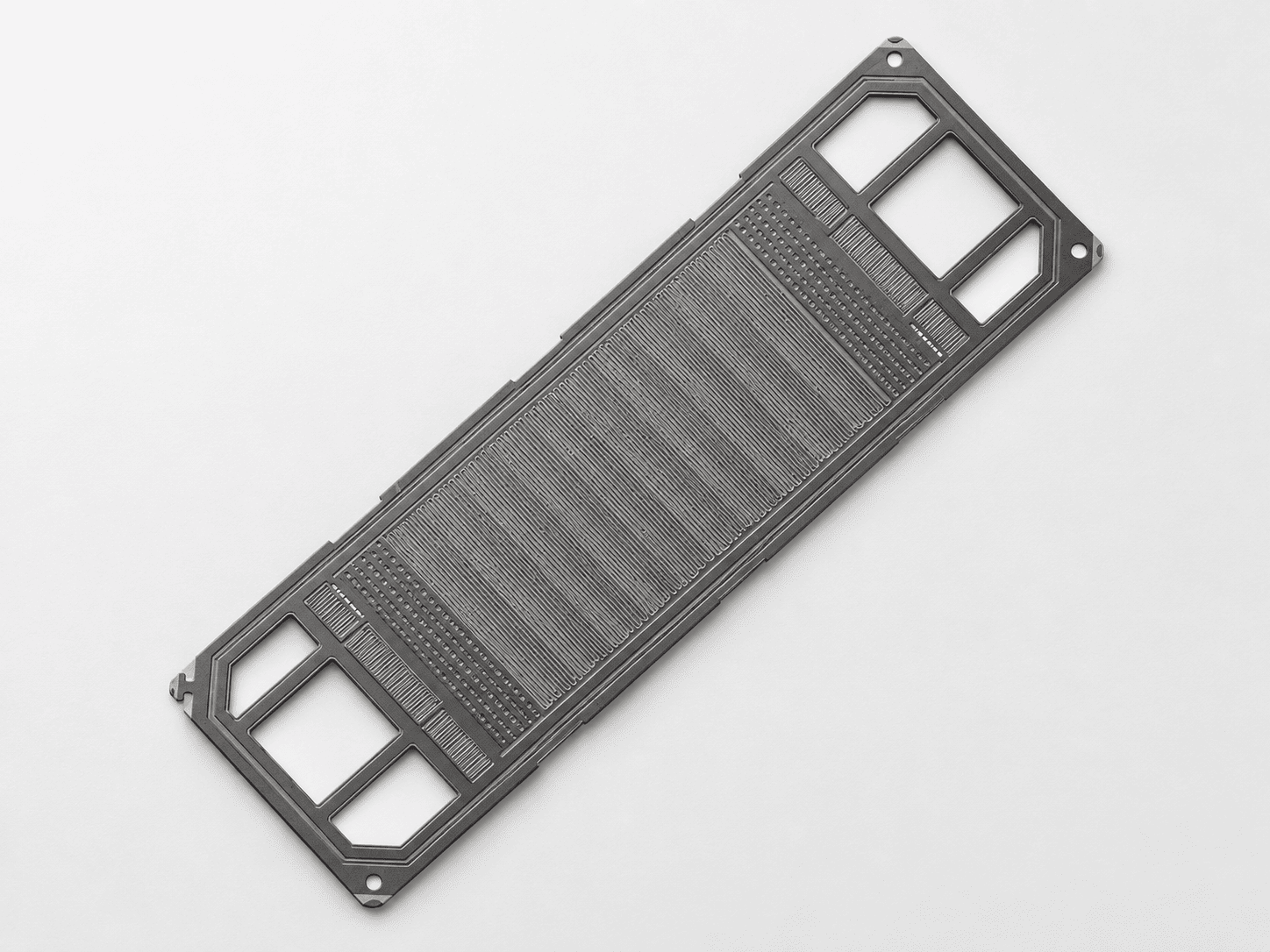
Share your substrate, plate geometry, operating-life target and annual volume. Sydrogen will help shape the coating, validation and production route that best fits your next application.
Filtered Cathodic Vacuum Arc produces a highly ionised, filtered plasma that enables dense, ultra-thin coating structures with strong adhesion. For metallic bipolar plates, this helps reduce corrosion pathways while maintaining the low interfacial contact resistance required for efficient current transfer.
SydroGEM™ is commercially optimised for high-volume SUS316L applications. SydroDIAMOND® combines broader substrate compatibility with ZBT-validated performance and is positioned for quality-critical mobility applications. SydroSTAR™ is developed for extended duty cycles and high-chloride environments where operating life and resilience carry greater weight.
The starting point depends on substrate, operating-life target, chloride exposure, validation requirements and annual volume. The guided finder on this page provides an initial recommendation, while final selection is confirmed through technical scoping and representative sample evaluation.
The current portfolio is positioned across SUS316L, SUS304 and titanium. SydroDIAMOND® supports the broadest published substrate range, while SydroGEM™ and SydroSTAR™ are currently positioned for SUS316L. Other materials or geometries can be reviewed as a co-development application.
Sydrogen can support interfacial contact resistance, electrochemical corrosion, ion-release, coating-integrity, water-contact-angle, dimensional and visual inspection, accelerated-stress and selected in-situ evaluation. The test matrix is agreed around the plate design, coating grade and intended operating environment.
No. Sydrogen’s laboratory supports coating development, screening, comparison and customer qualification work. It is not presented as an accredited third-party certification body. Independent certification or third-party validation can be arranged separately where an application requires it.
Useful starting information includes substrate grade, plate dimensions and flow-field geometry, current surface condition, expected operating life, electrolyte or contaminant exposure, annual volume, target technical limits and the intended qualification timeline.
Yes. Depending on production mix and throughput, selected coating processes can be transferred through the NTI Dream™ Batch Coating System Diamond Series or the NTI Titan™ Inline Coating System Diamond Series, with support for configuration, process transfer and production ramp-up.
A customer’s 400 kW fuel cell stack has passed China’s national-standard 10,000-hour durability verification. Sydrogen-enabled metallic bipolar plates support the stack programme, which has been recognised with the HyTA Durability Star.

Sydrogen’s contribution brings bipolar plate engineering, conductive protective coatings and component manufacturing into a demanding mobility application. The qualification milestone provides application evidence alongside the coating-level evaluations used during development.
The 10,000-hour result is a stack-level qualification milestone. Sydrogen works with fuel cell developers on the component specifications, coating evaluation and manufacturing requirements for each programme.