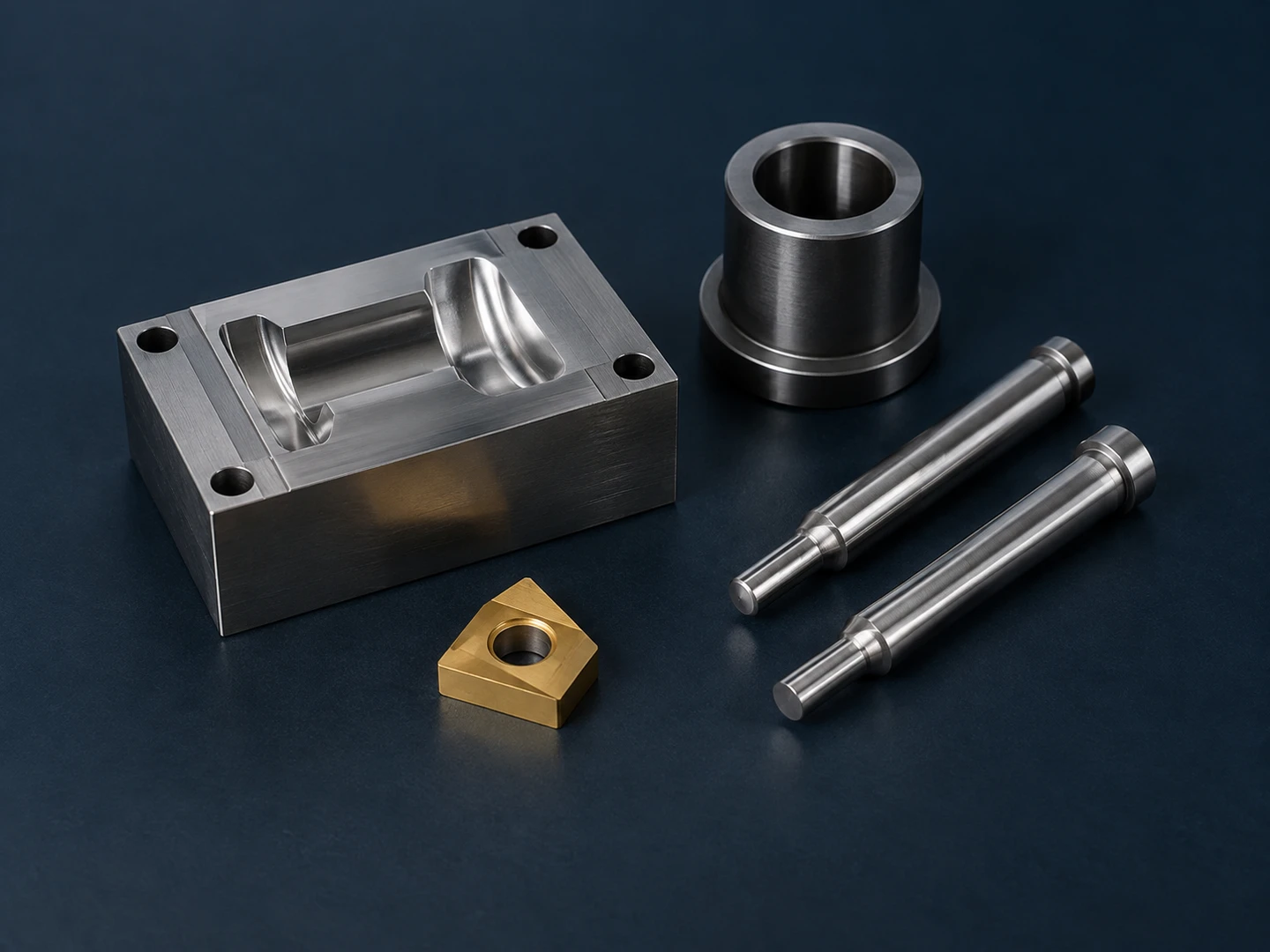
NTI MiCC® Hard Protect uses proprietary FCVA to create an ultra smooth, low friction chromium nitride surface that helps high precision molds release more consistently, resist abrasive compounds and stay within specification.
In high precision molding, release behavior, surface finish and critical dimensions begin at the tool surface. MiCC® strengthens that surface against material adhesion, abrasive fillers, repeated cleaning and wear that can shift production away from specification.
Low friction surface performance helps reduce release resistance, material transfer and deposits through repeated molding cycles.
High hardness helps defend polished surfaces, edges and fine features against glass, silica, minerals and other abrasive fillers.
Lower buildup can extend the interval between cleaning while a wear resistant surface helps limit scratches and damage caused by repeated cleaning.
Coating thickness, masking and dimensional verification are engineered around the allowable tolerance of the mold.
MiCC® combines an ultra smooth chromium nitride surface with low friction, high hardness and controlled coating thickness. Together, these properties help reduce material adhesion and abrasive wear without compromising the surface features that control the molded part.
Helps limit material buildup and supports stable contact on qualified mold surfaces.
Measured against a SUS316 steel counterface under defined NTI laboratory conditions.
Protects against abrasive molding compounds, repeated contact and production handling.
A controlled functional layer for selected high precision mold and tooling applications.
Selected applications can be engineered around mold tolerance requirements below 2 µm.
Values are representative of selected MiCC® grades and defined test conditions. Final coating thickness, dimensional fit and performance depend on the substrate, geometry, surface finish, molding compound, operating temperature, load, cleaning method and qualification requirements.
Hard chrome and conventional CrN each address part of the mold surface challenge. MiCC® uses FCVA to bring wear resistance, low friction and low surface energy together in one very smooth CrN surface, helping high precision molds protect critical features while releasing molded parts with less force.
A highly ionized chromium plasma supports dense CrN growth for hard mold surfaces that resist abrasive contact.
Magnetic filtering removes unwanted macroparticles before they reach the mold, supporting a smoother coated surface.
Magnetic filtering removes unwanted macroparticles before they reach the mold, supporting a smoother coated surface.
Thickness, coverage, masking and final inspection are matched to the critical features and tolerance requirements.
Hard chrome and conventional CrN have long addressed individual mold surface requirements. MiCC® brings hardness, low friction, low surface energy and an ultra smooth surface together through FCVA, creating a stronger overall performance profile for high precision molding. The benchmarks below show how these properties support wear protection, mold release and preservation of critical surface features.
MiCC® brings CrN-class hardness to the mold surface, providing significantly greater wear protection than typical hard chrome while retaining its low-friction release advantage.
Surface hardness
At ~0.1 dry friction, MiCC® reduces sliding resistance beyond typical hard chrome and conventional CrN, helping limit material transfer and friction-related sticking at the molding interface.
Dry coefficient of friction
MiCC® low surface energy reduces adhesion between the mold and molding compound, enabling easier separation with substantially less release force.
Relative mold release force
At Ra 0.01 µm, MiCC® provides an ultra smooth surface that limits material anchoring while preserving polished mold features and surface replication.
Surface roughness Ra
CrN and H-Cr values shown are representative industry benchmarks. Actual performance varies with substrate, surface preparation, geometry, operating conditions and test method. Final coating performance is confirmed through application qualification.
Hard chrome has long served molds where coverage and wear protection matter, while CrN adds greater hardness. MiCC® brings low surface energy, 0.1 dry friction and Ra 0.01 µm roughness together with up to 2,000 HV hardness, helping reduce adhesion and release force while protecting the surface features that shape the part.
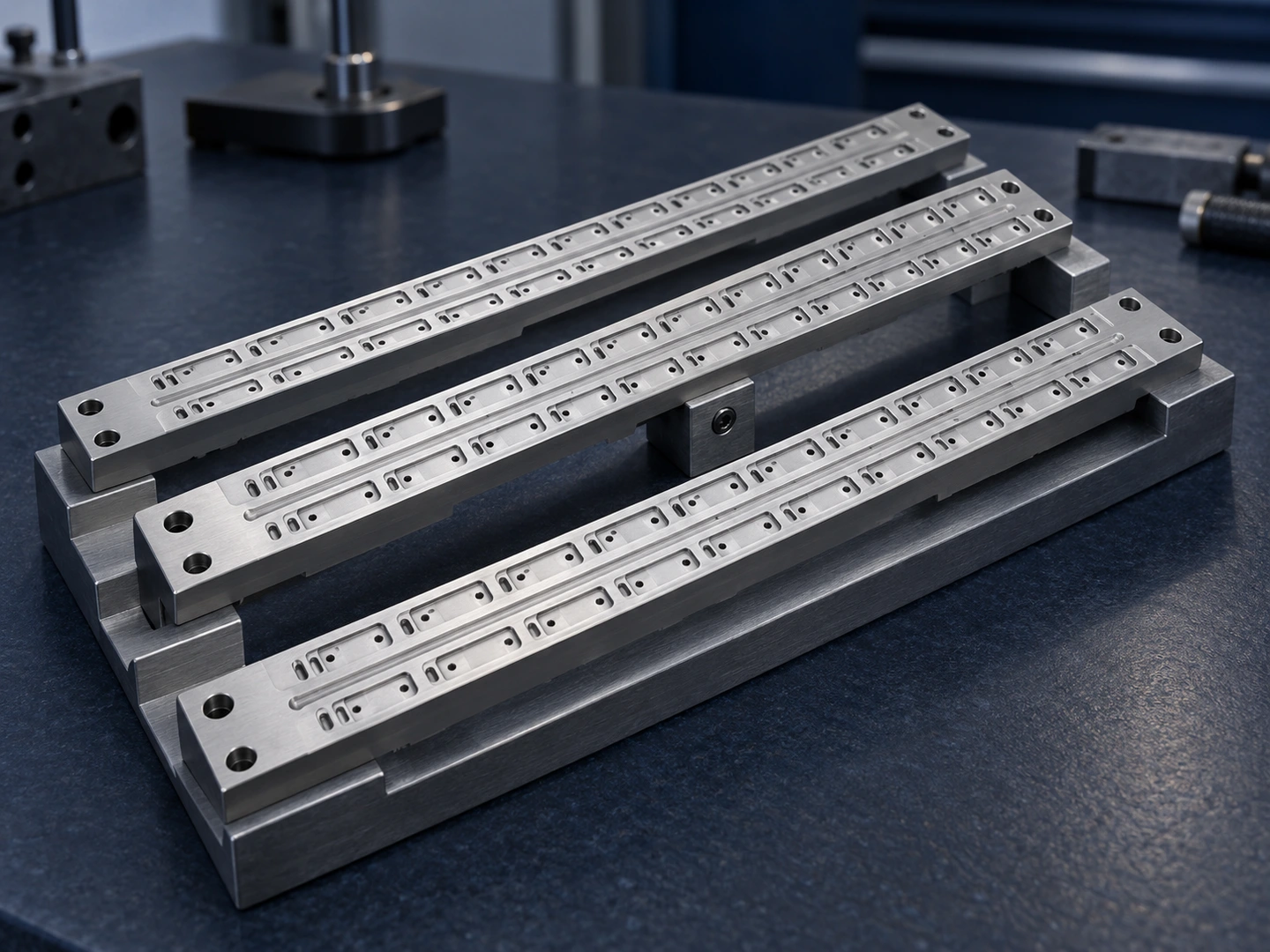
NTI MiCC® Hard Protect helps reduce compound adhesion and deposit buildup while protecting cavity dimensions and functional surface condition. Lower release force helps parts separate with less resistance, supporting stable cavity performance through semiconductor packaging production.
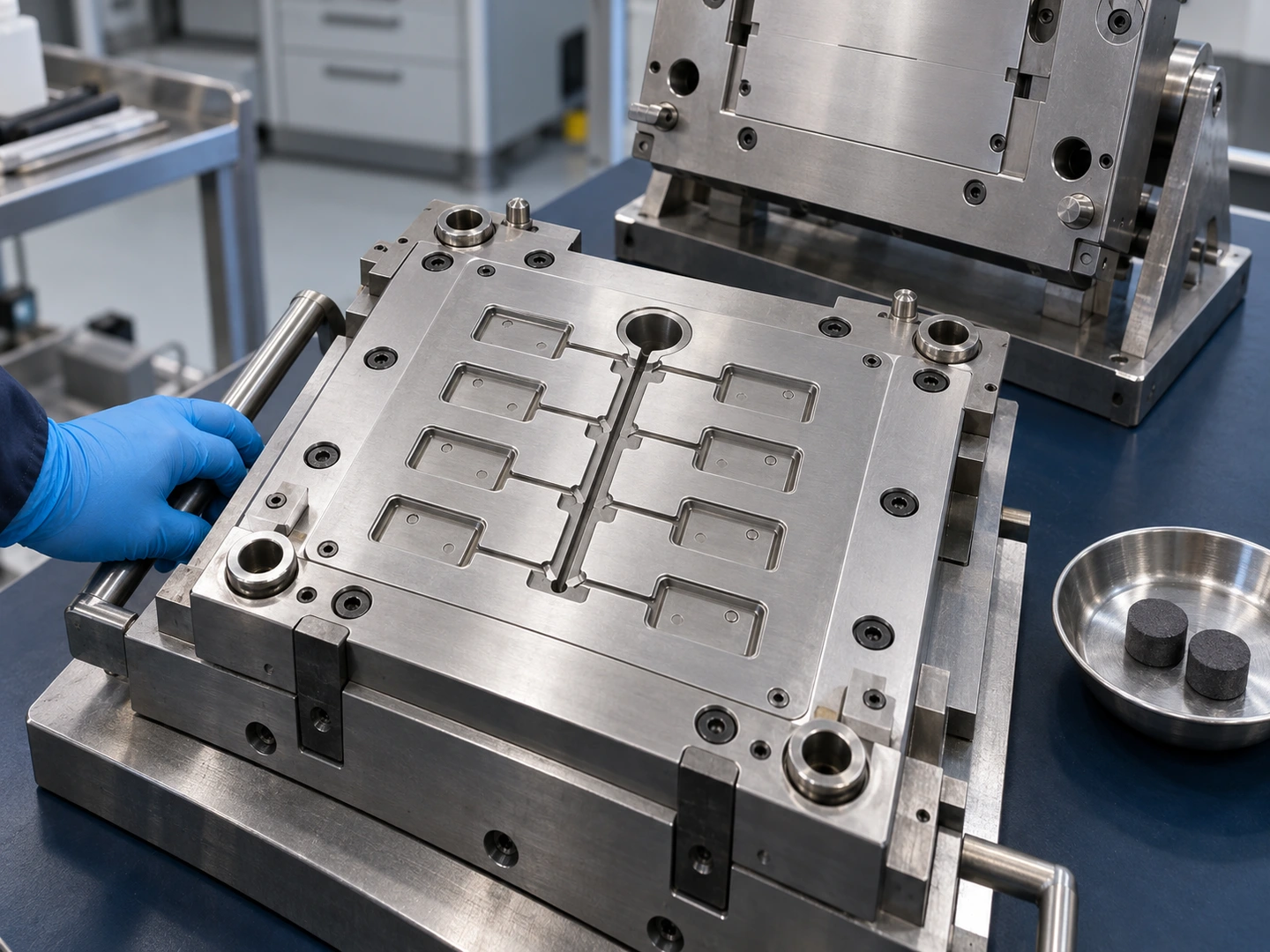
Epoxy compounds combine adhesion, heat and filler abrasion. NTI MiCC® Hard Protect brings low surface energy and high hardness to the same mold surface, helping reduce sticking and residue while protecting mold geometry and finish.
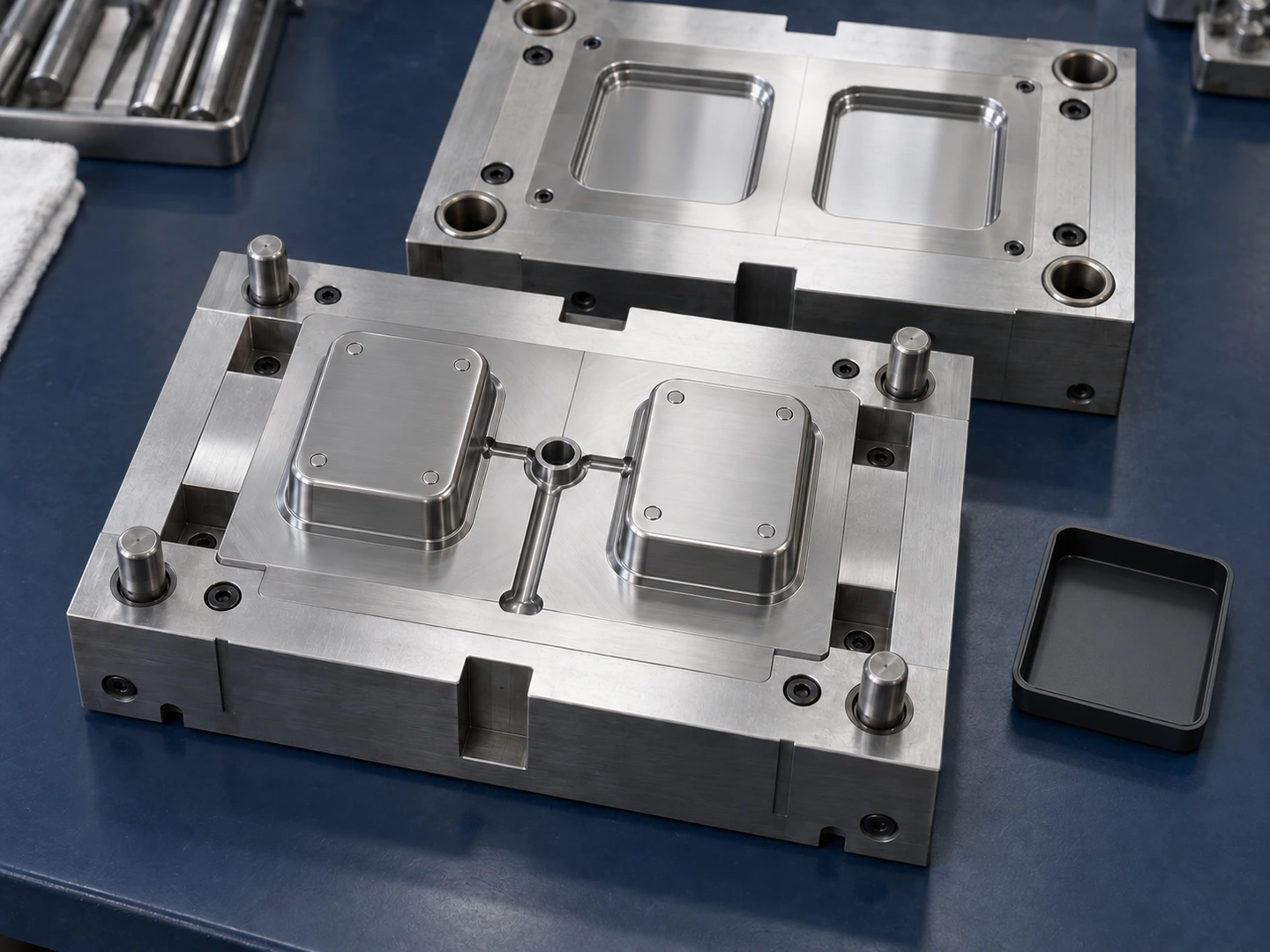
Filled polymers can wear polished surfaces while increasing release resistance. NTI MiCC® Hard Protect combines low friction and a very smooth surface with hard chromium nitride protection, helping maintain surface replication and critical features.
A plastic micro lens mold faced sticking, repeated heating and cooling, and surface damage caused by cleaning. See how a hard, low friction MiCC® surface supported part release while preserving high precision mold features.
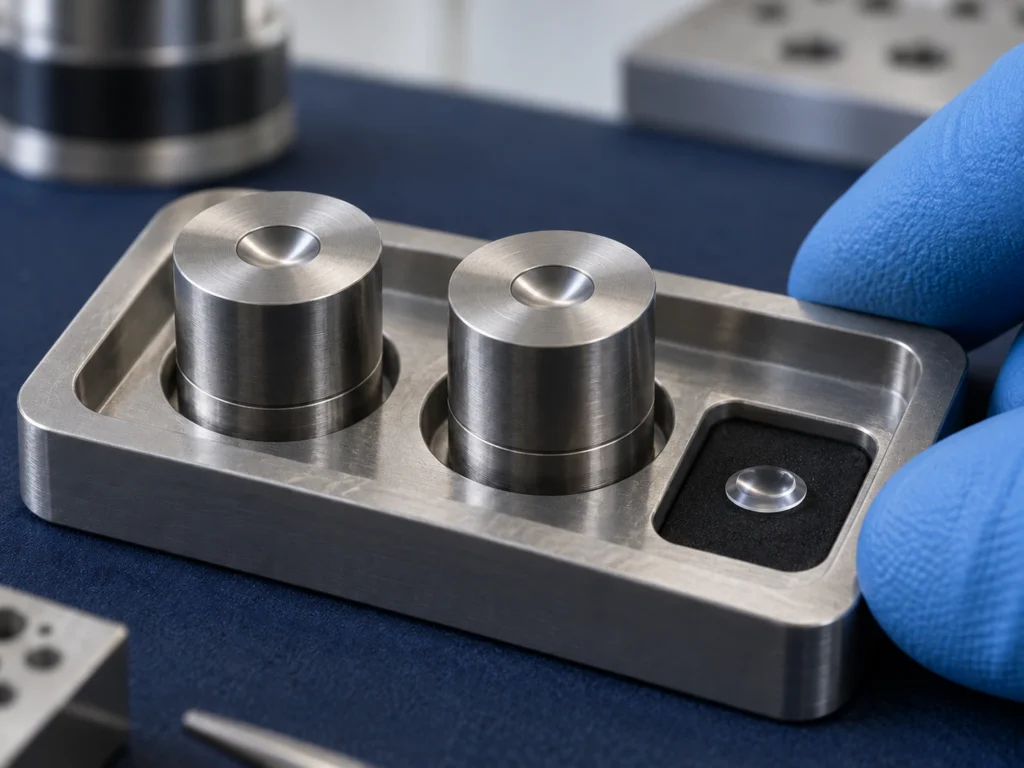
NTI has built practical MiCC® experience across mold preparation, FCVA coating, dimensional fit, application qualification and repeat production for semiconductor packaging molds and tools.
NTI supports coating characterization and validation that reflects the application. Testing confirms thickness, surface condition, hardness, friction, wear and dimensional fit against agreed engineering requirements.
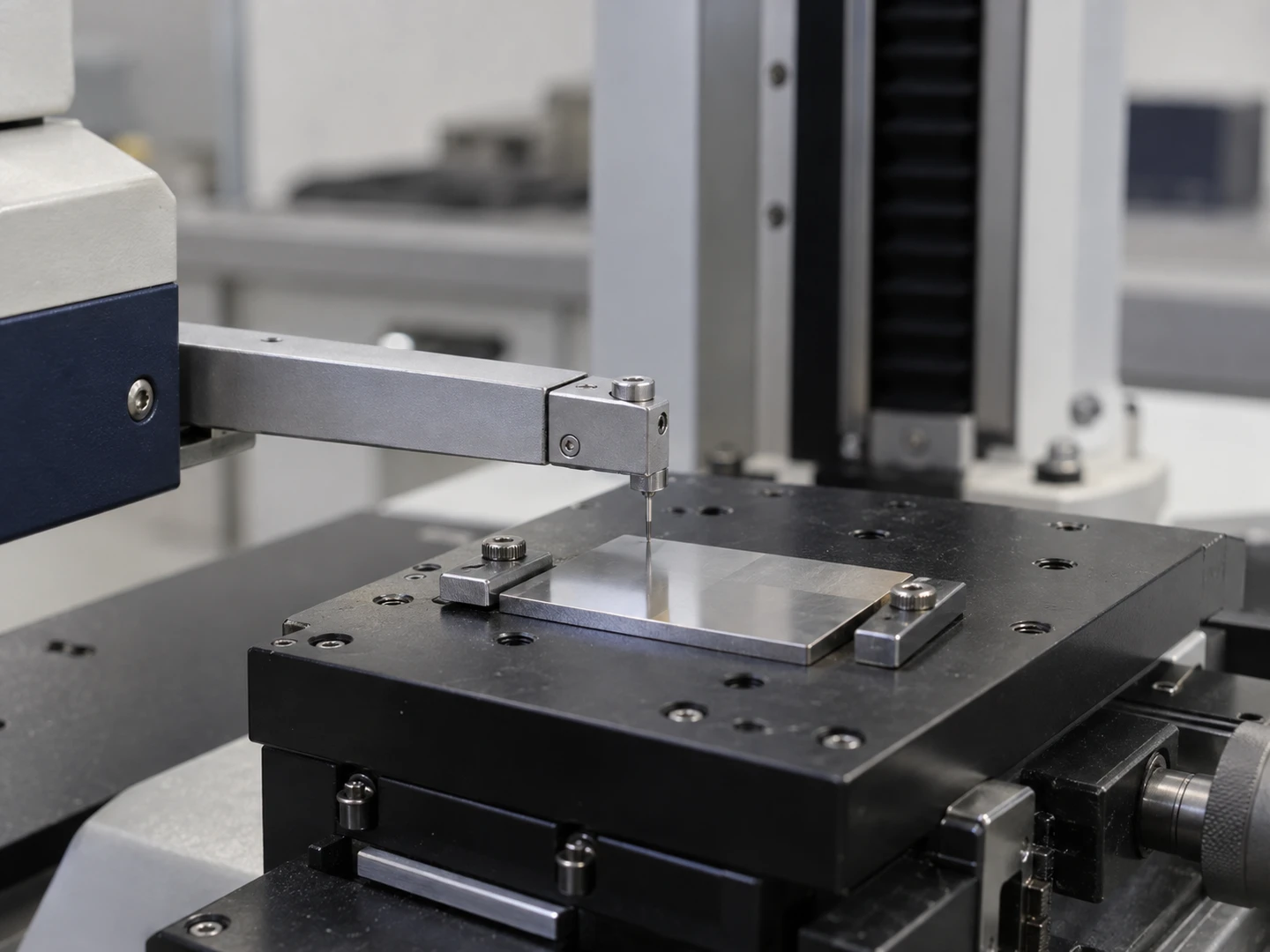
Thickness measurement confirms that the MiCC® layer remains within the agreed coating thickness range across representative mold locations.
Available methods include
Stylus profilometry, ball crater measurement and cross sectional optical or SEM microscopy are selected around the mold geometry, with measurement locations defined in the agreed inspection plan.

Surface measurements verify that the coating preserves the finish and texture required for low friction, material release and surface replication.
Available methods include
Stylus profilometry, confocal microscopy, AFM or SEM top view imaging can evaluate Ra, Rz, Rpk, macroparticles and local surface features, with ISO 25178 referenced where applicable.
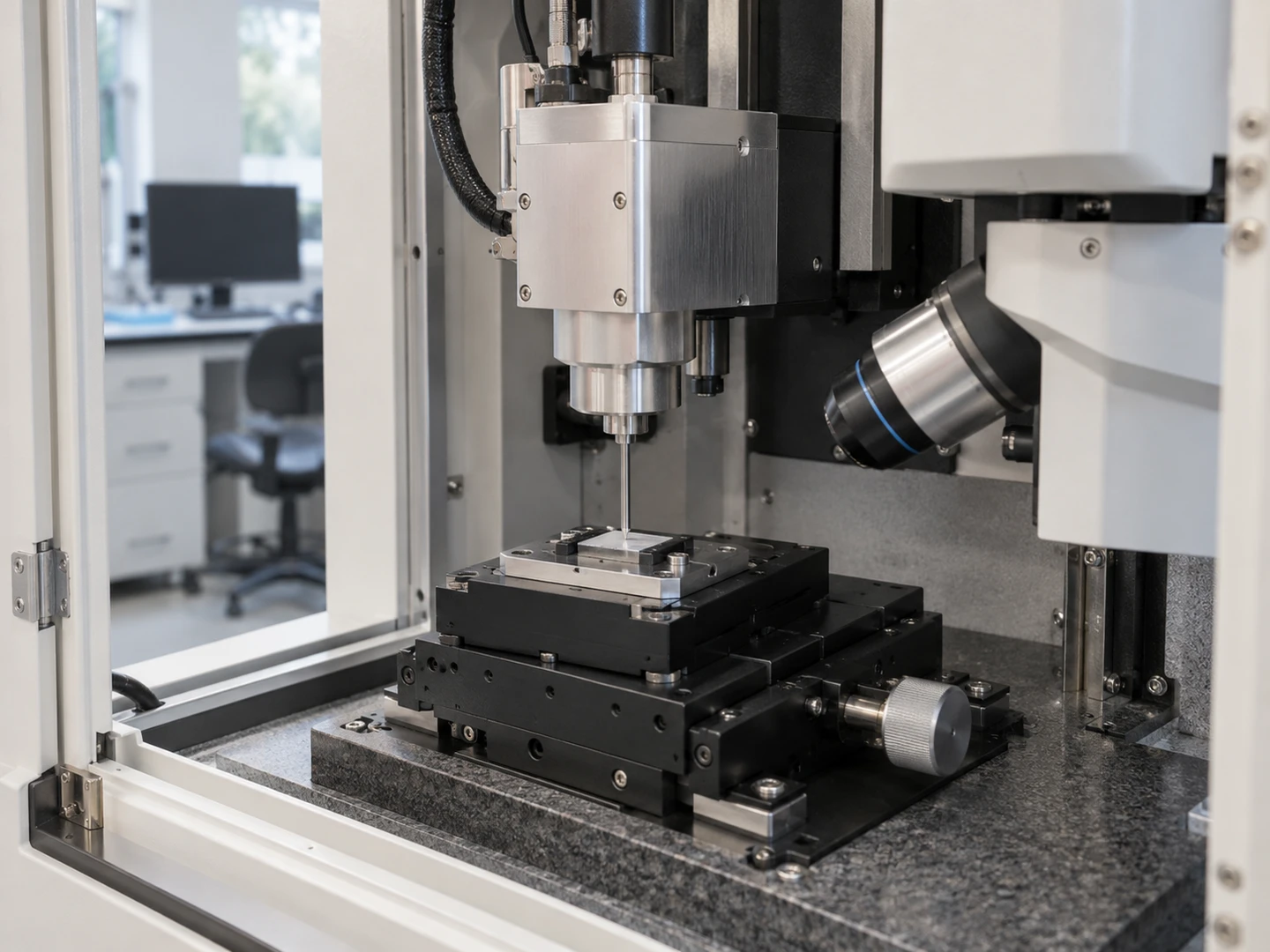
Instrumented indentation confirms coating hardness and mechanical response within the qualified MiCC® coating specification.
Available methods include
Nanoindentation measures hardness, indentation modulus, penetration depth and repeatability at controlled loads and hold times using ASTM E2546 15 (2023) or an agreed instrumented indentation procedure.
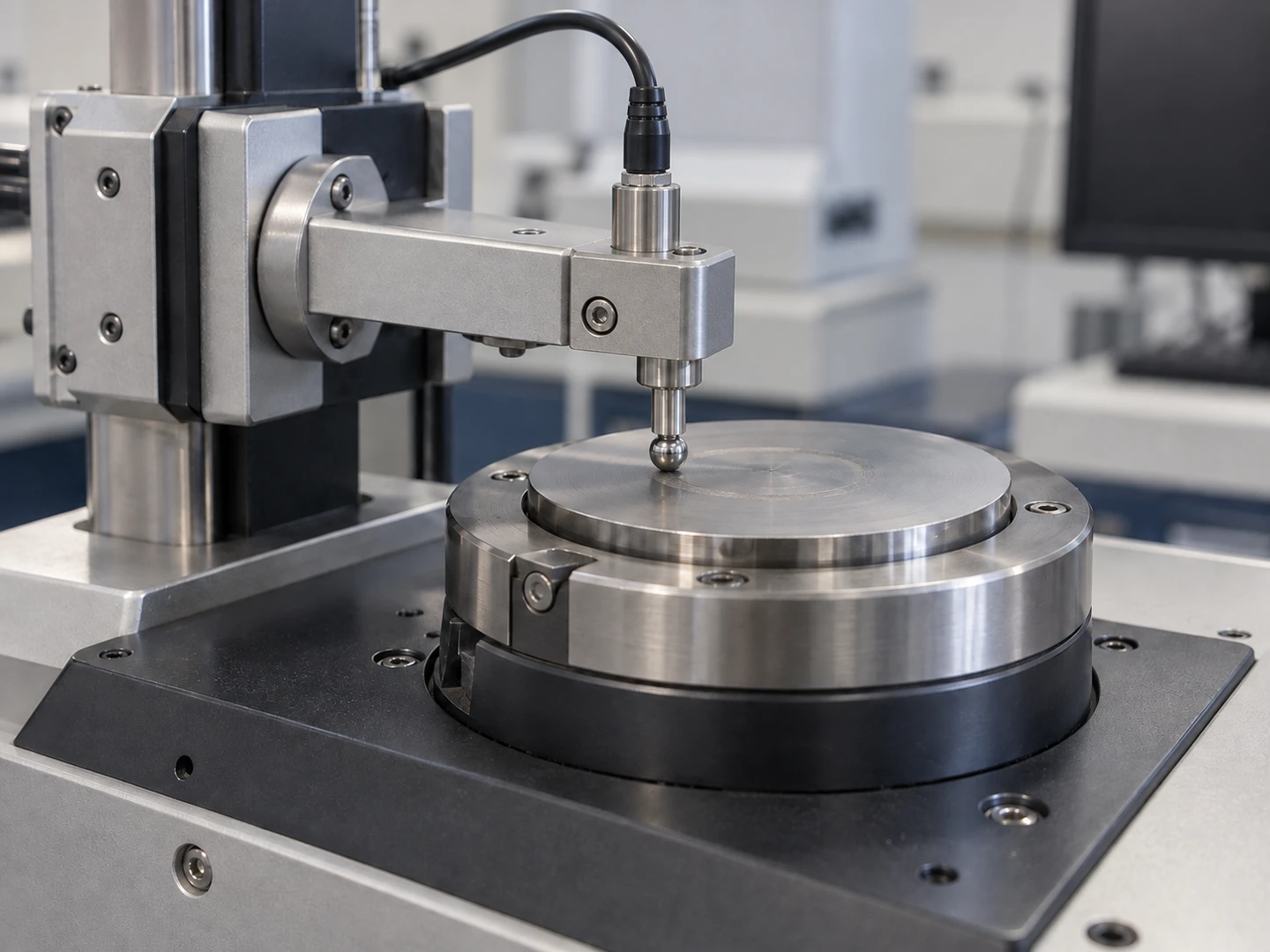
Tribological testing evaluates how the coating responds against a defined counterface, movement and contact condition rather than relying on a generic friction number.
Available methods include
Ball on disc, reciprocating friction or application specific wear testing is configured around the mold failure mode, with ASTM G77 17 referenced where applicable to the selected test configuration.
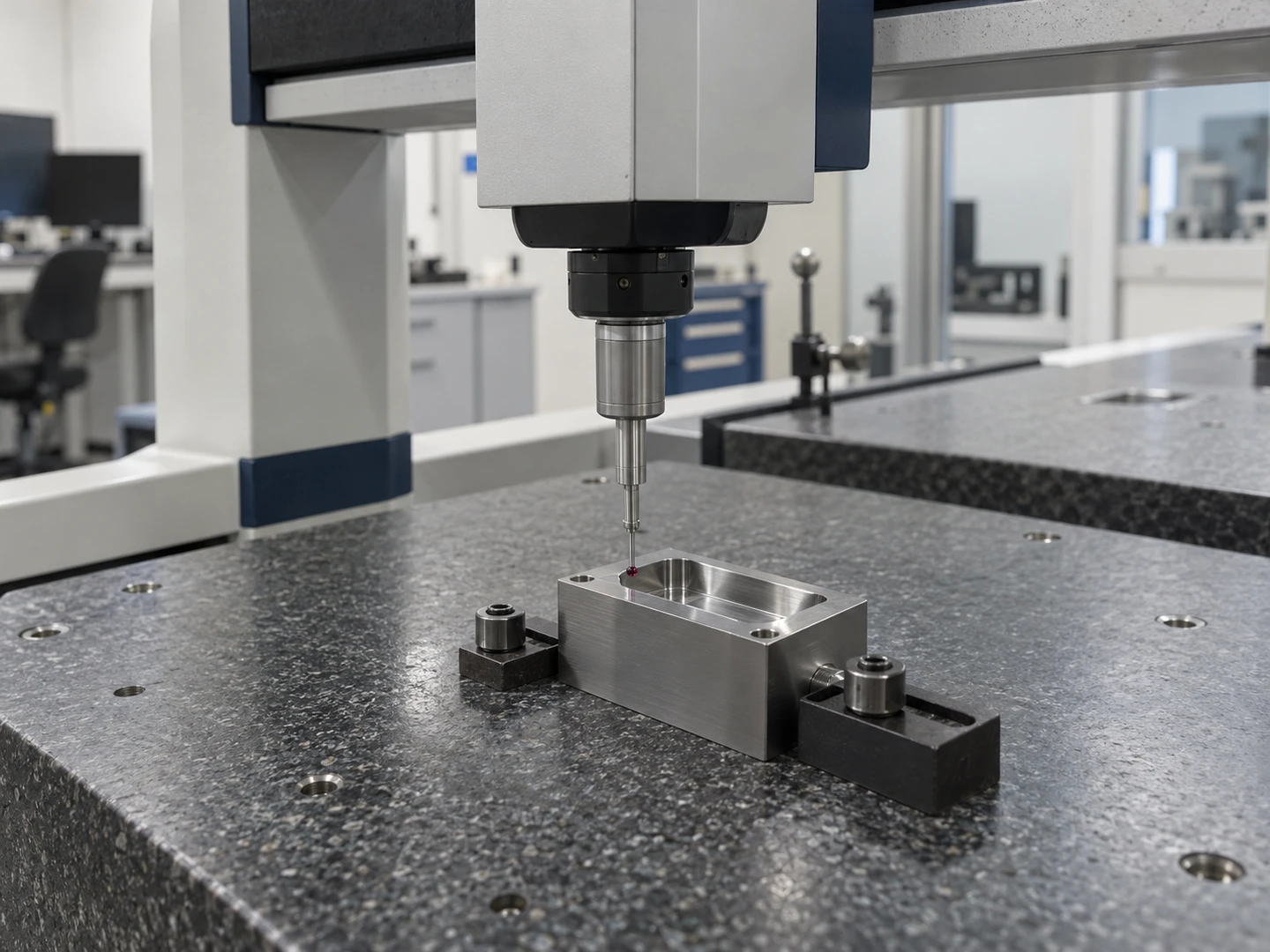
Dimensional verification confirms that the coated mold remains within the agreed tolerance and that masking or coating buildup has been applied as planned.
Available methods include
Coordinate measurement, optical metrology, profilometry or other component specific methods are aligned to critical drawing features and the agreed qualification acceptance criteria.
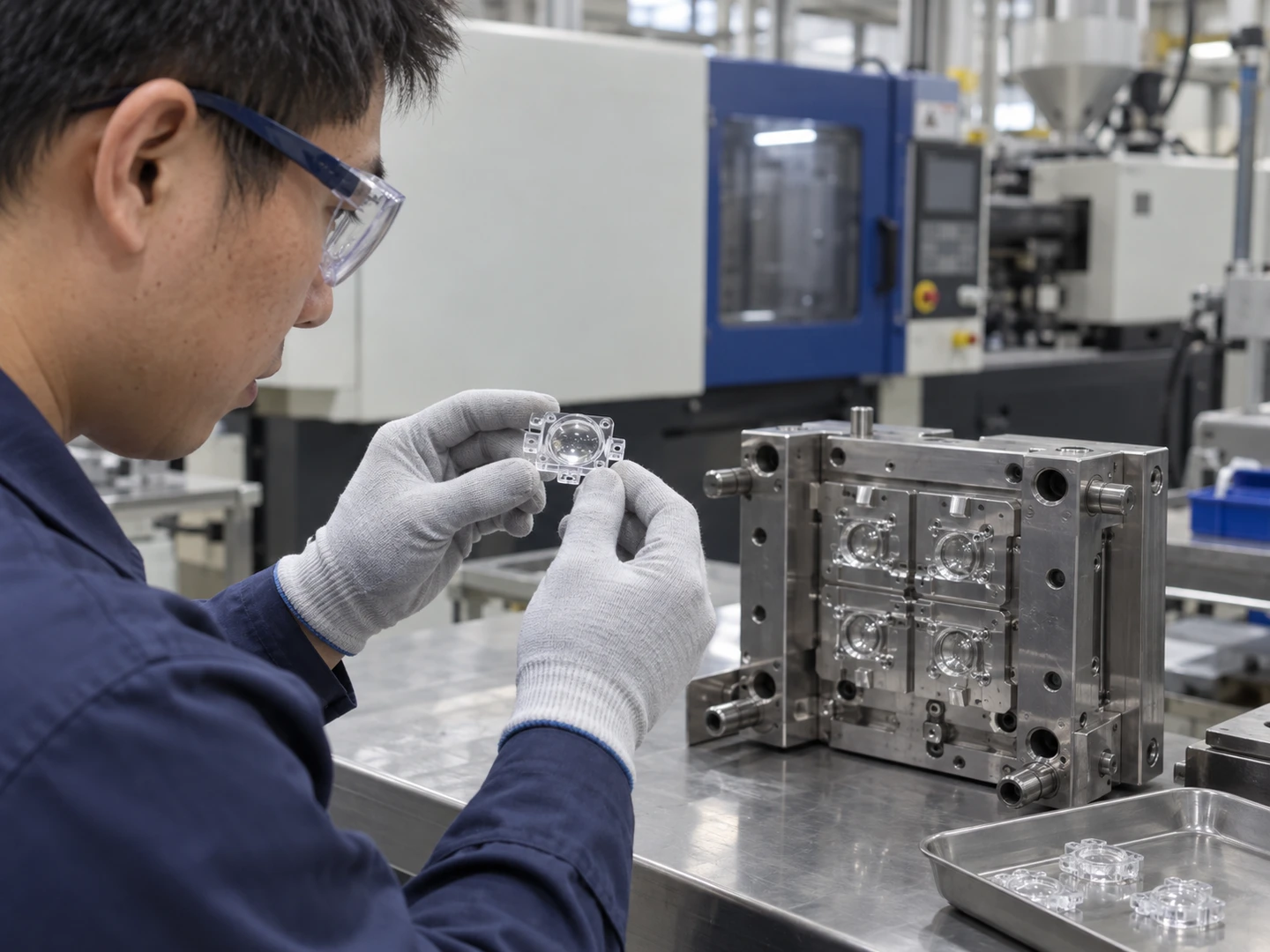
Application testing checks whether MiCC® improves the actual mold behavior against the selected compound, operating temperature and cleaning method.
Available methods include
Release behavior, deposit buildup, cleaning interval, surface condition, dimensional stability and production cycle observations are evaluated against the success criteria agreed for the current production limitation.
NTI Nanofilm provides testing and characterization support for coating development and application qualification. Testing may be performed in house or coordinated through qualified facilities, depending on the site and project scope. Results may reference recognized test methods where applicable and do not constitute independent product certification.
NTI aligns the coating with your mold material, molding compound, surface finish and critical dimensions. The process is then measured and validated against agreed acceptance criteria before repeat production.
Review the component, substrate, molding compound, operating temperature, surface condition and required improvement.
Identify critical features, fits, cavities, edges and areas that require masking or controlled coating buildup.
Set coating thickness, surface preparation, coverage and masking around the dimensional allowance and required finish.
Confirm coating properties, dimensional fit and application behavior on representative molds or test pieces.
Set inspection locations, acceptance criteria and, where feasible, stripping and recoating pathways for repeat supply.
NTI offers a load lock system for precision mold coating, a flexible batch system and an inline system for higher volume production. Each route is configured around component mix, output target, handling concept and the qualified MiCC® process.

For precision mold coating where chamber isolation, particle control and efficient load exchange matter. The load lock allows components to enter and leave through a separate chamber while the main process chamber remains under vacuum, supporting stable conditions for qualified MiCC® mold applications.

Discover more about NTI MiCC® Hard Protect through application stories, product resources and related developments across the NTI Hard Protect portfolio.
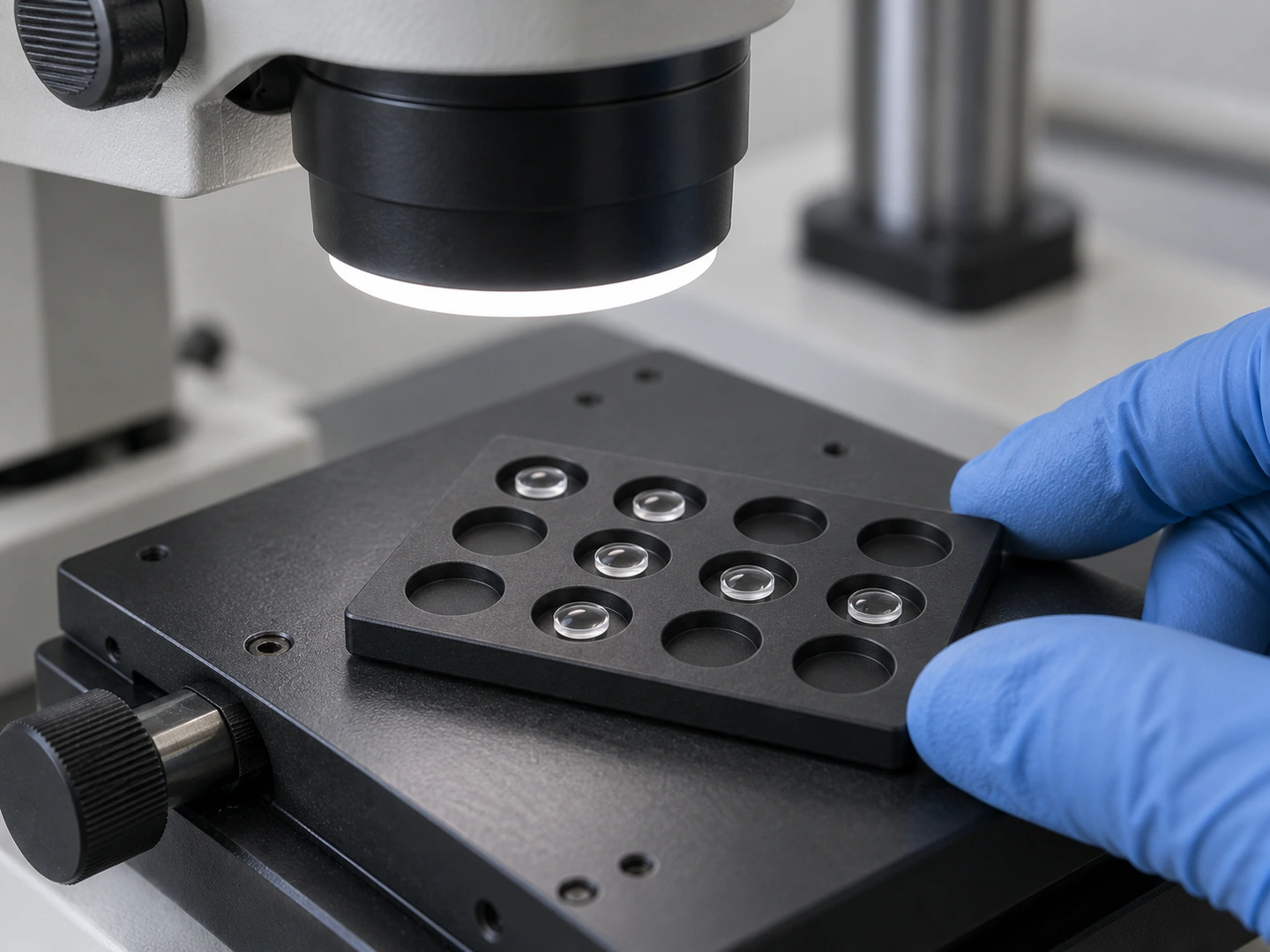
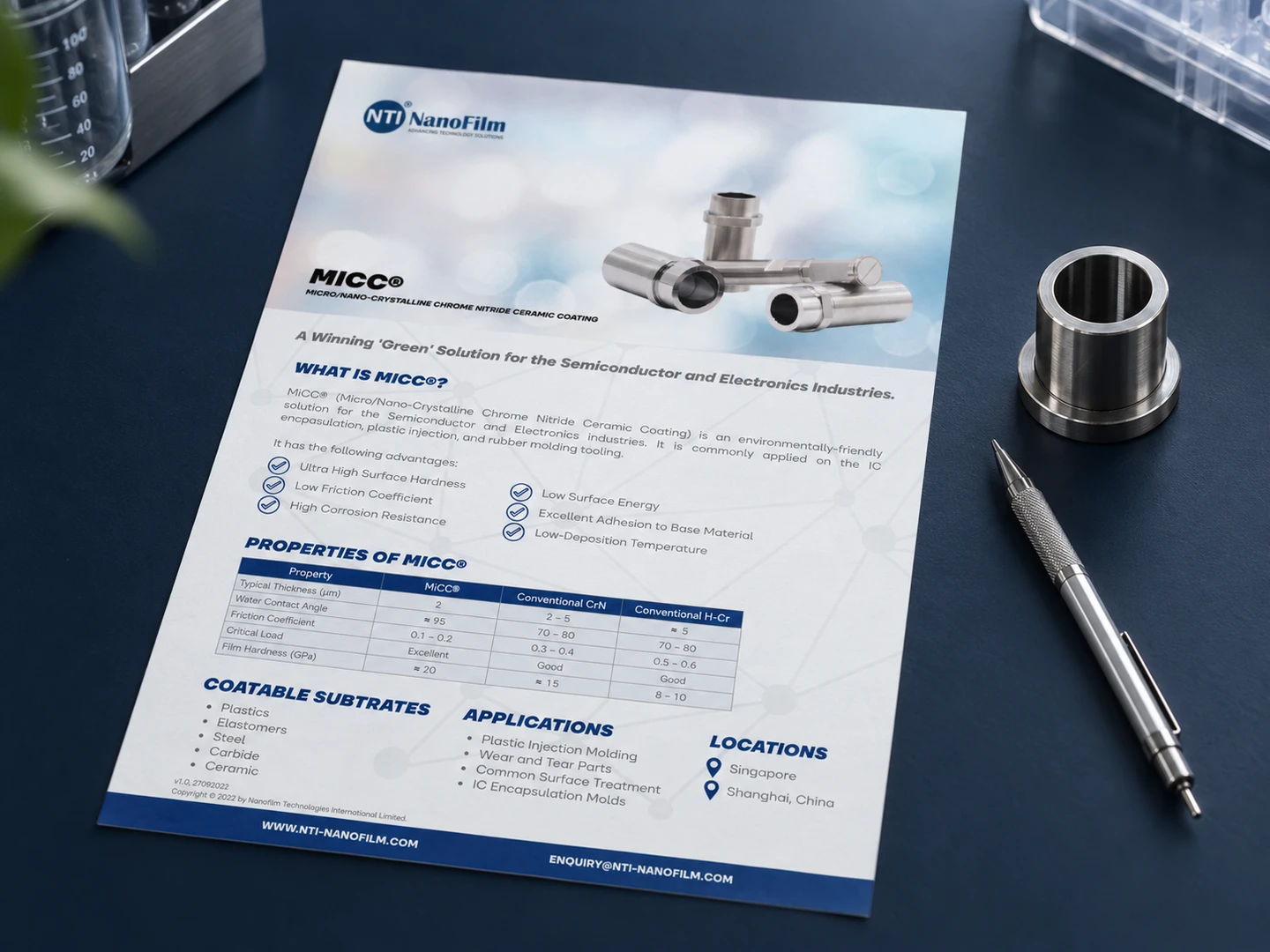

Share the mold component, material, critical dimensions, molding compound, operating conditions and current sticking or wear issue. NTI will help shape a practical MiCC® sample and qualification plan.
NTI MiCC® Hard Protect is a nanocrystalline chromium nitride coating deposited using FCVA and developed for high precision molds and critical mold components that require an ultra smooth surface, low friction, high wear resistance and controlled coating thickness.
Conventional CrN is commonly selected for hardness, wear and corrosion protection. Under defined NTI test conditions, MiCC® combines hardness up to 3,100 HV with a dry coefficient of friction of 0.09 and surface roughness as low as Ra 0.01 µm. Proprietary filtered arc deposition helps reduce macroparticles while retaining highly ionized coating growth.
FCVA filters unwanted macroparticles from the cathodic arc plasma before deposition. This supports a dense, smooth chromium nitride surface where polished finish, low friction and controlled coating buildup are important to mold performance.
NTI first identifies the critical dimensions, allowable coating buildup and surfaces that require masking. Thickness, coverage and the measurement plan are then engineered around the actual mold. Suitability must be confirmed through component specific qualification.
Current qualified application records include semiconductor packaging cavity bars, encapsulation molds and selected injection molding tools exposed to material adhesion and abrasive wear.
An ultra smooth, low friction surface can help reduce material adhesion, release resistance and deposit buildup. Actual performance also depends on the molding compound, mold geometry, surface texture, temperature, pressure and process conditions.
Eligible mold components may be evaluated for coating removal, surface reconditioning and recoating. Feasibility depends on the substrate, geometry, existing damage and remaining dimensional allowance.
Validation can include coating thickness, roughness, hardness, topography, friction, wear and dimensional verification. Application cycle evaluation may also be defined around the actual molding compound, cleaning method and acceptance target.